Seedcorn maggot in Wisconsin: When It Shows Up and What Stops It
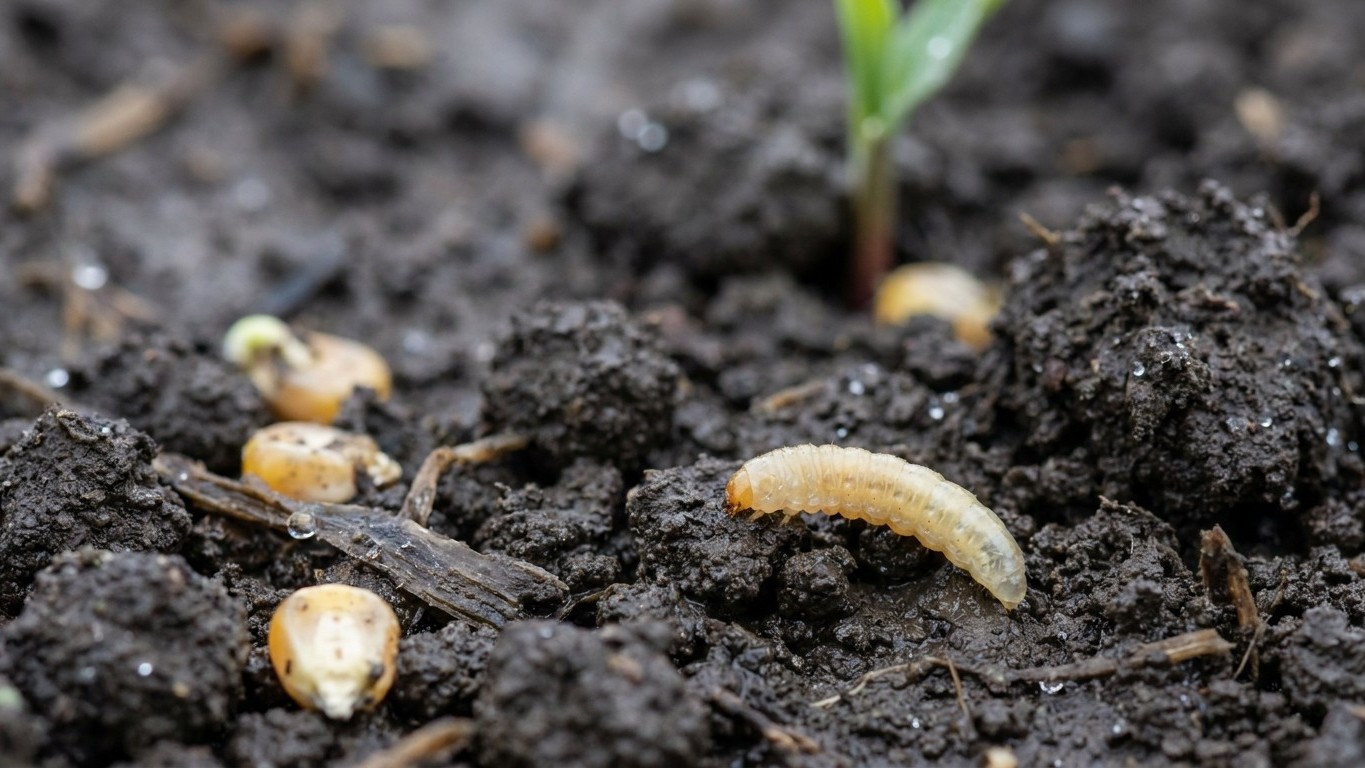
Wisconsin gardeners won’t find a seedcorn maggot-specific calendar from the state’s extension service, but the pattern is clear enough to act on: watch…
Home & garden, state by state
Everything we have worked out for Wisconsin: what to plant and when, which varieties finish in time, the pests that actually turn up here, and the jobs that pay off month by month. We also cover the rest of the property, from lawns and soil to home care and energy, because a garden rarely stops at the vegetable bed.
The numbers first, because everything else follows from them. Measured at the weather station in Milwaukee, the last spring freeze runs April 16 to April 29 and the first fall freeze runs October 17 to October 29, USDA zones 3b-6a, 2,808 growing degree days in the year.
Garlic does well: 26.1 weeks below 40 °F, comfortably past the six it needs to form a proper head.
Elsewhere on the property in Wisconsin: the pests that turn up here.
Figures from NOAA's 1991-2020 climate normals. A state is not one climate: elevation, a large lake or the coast can move these dates by two weeks either way, so check your own county with the extension service before you spend money.
Wisconsin gardeners won’t find a seedcorn maggot-specific calendar from the state’s extension service, but the pattern is clear enough to act on: watch…
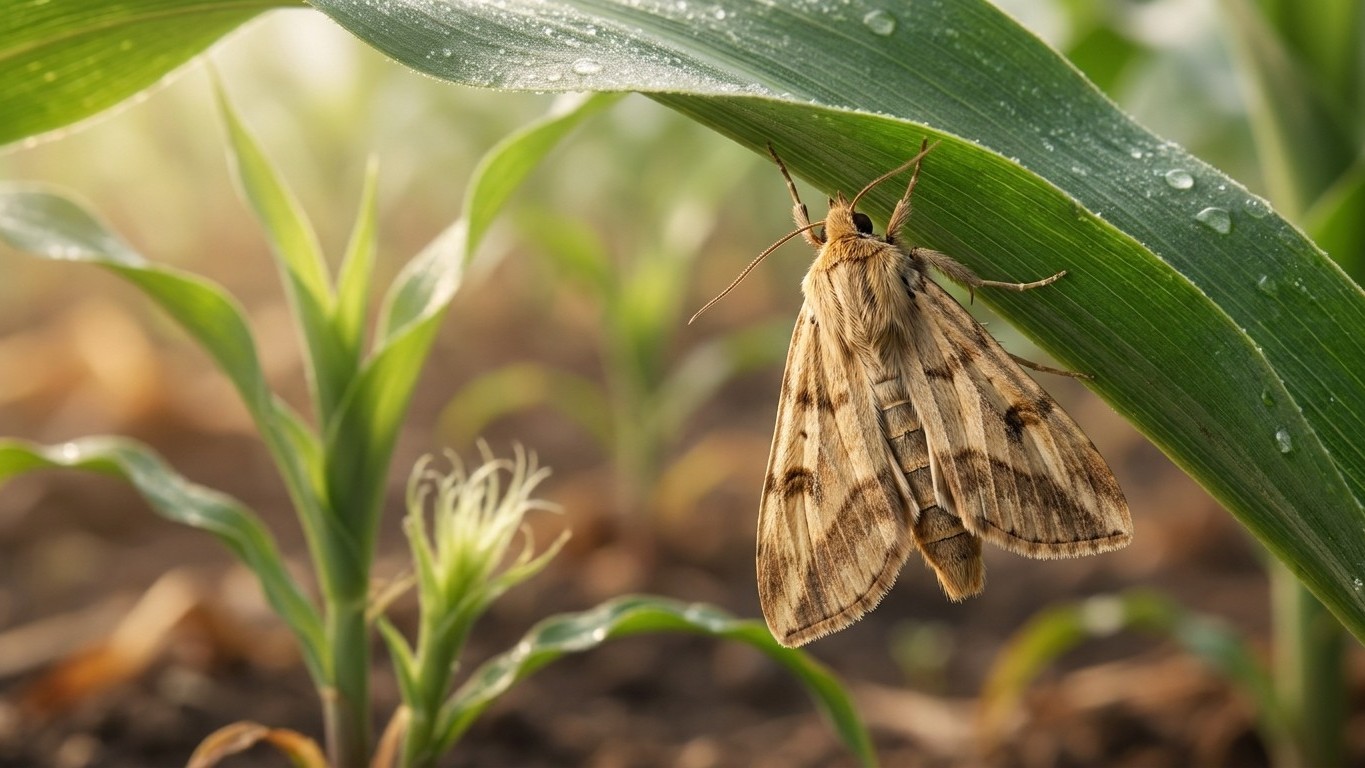
European corn borer larvae become active as soil and air temperatures climb through spring, but Wisconsin gardeners rarely see real feeding damage until…
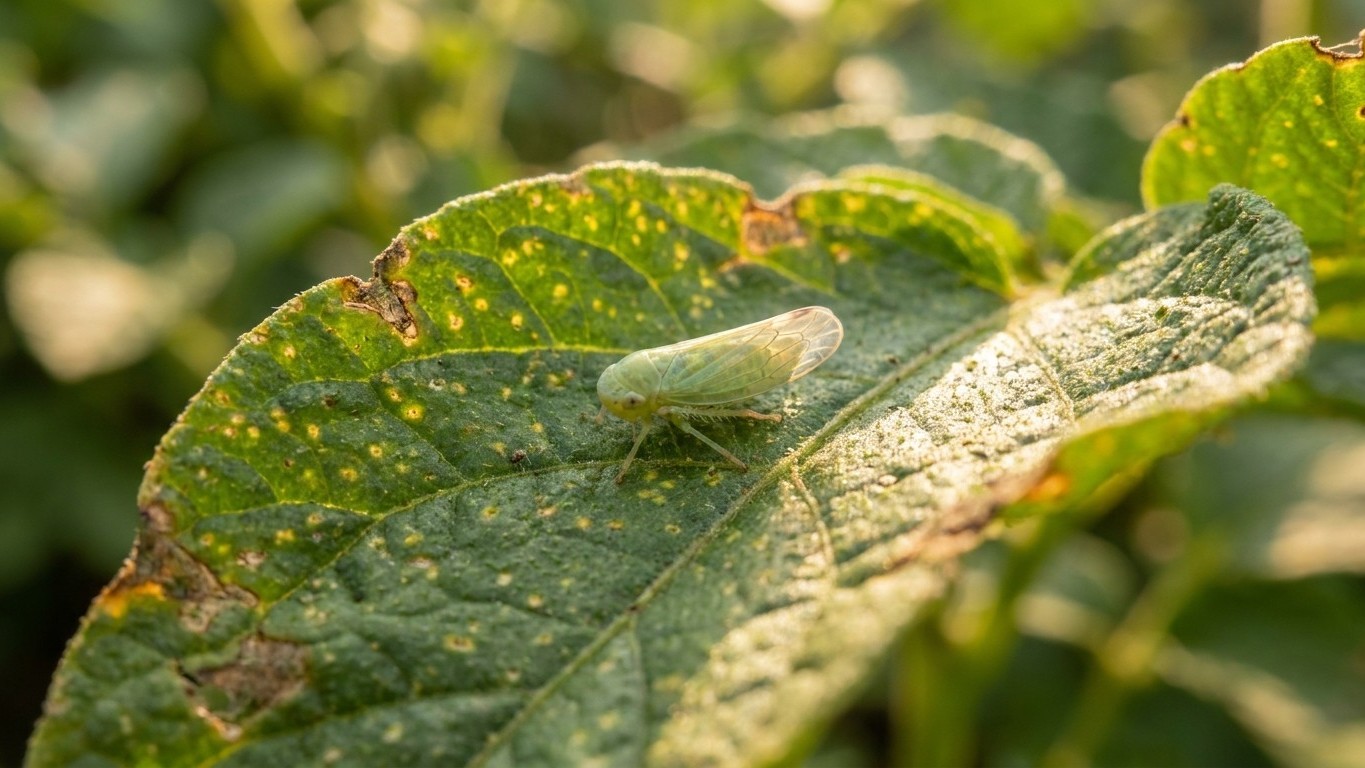
Potato leafhopper doesn’t overwinter in Wisconsin. It rides warm southerly winds up from the Gulf Coast each spring, usually landing in the state…
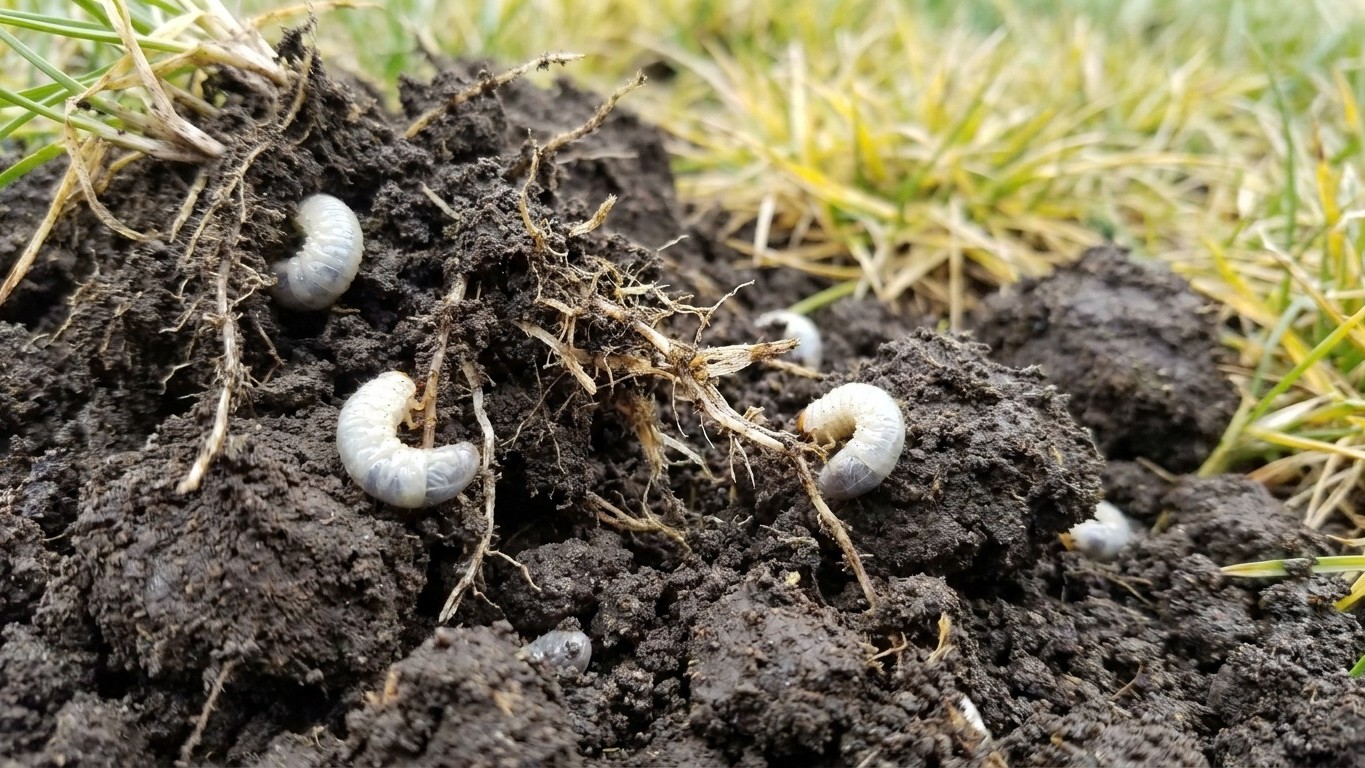
White grubs turn up in Wisconsin lawns and garden beds mainly from late July through September, when the larvae feed hardest on roots just under the…
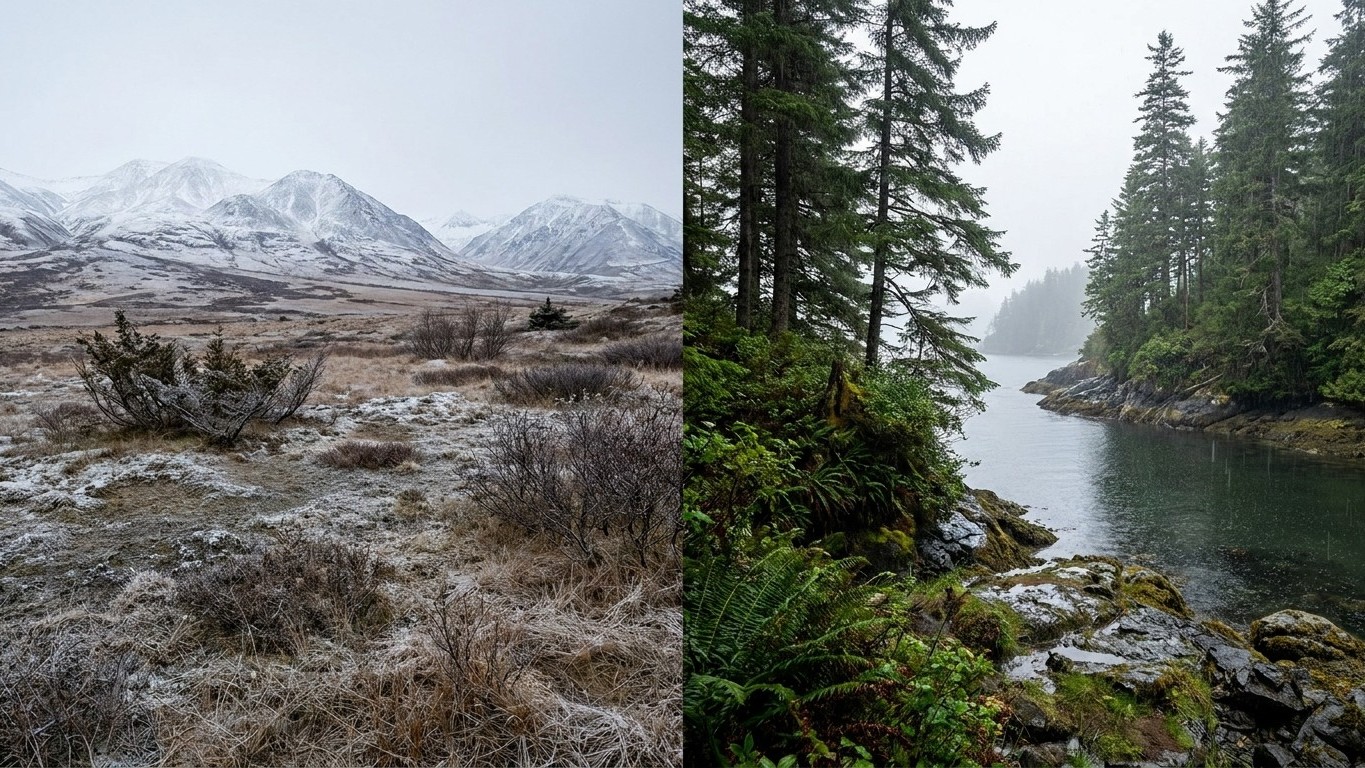
Wisconsin’s USDA hardiness range runs from 3b in the north to 6a along the Lake Michigan shore and the far south.
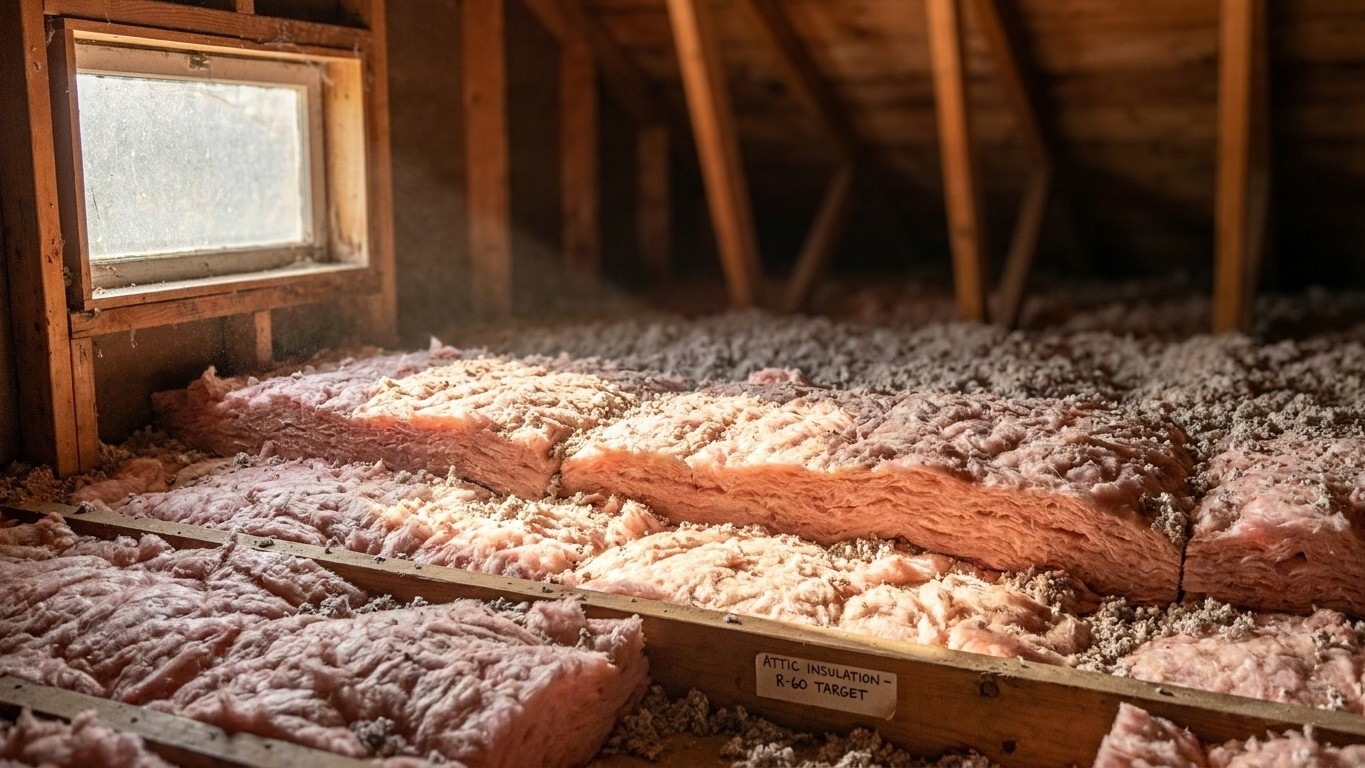
Wisconsin’s 72 counties split across two federal climate zones, and that split is exactly why a single “recommended R-value” for the state doesn’t exist.

September is Wisconsin’s mildest month, but “mild” doesn’t mean silent. The state still logs about 187 combined heating and cooling degree days that…
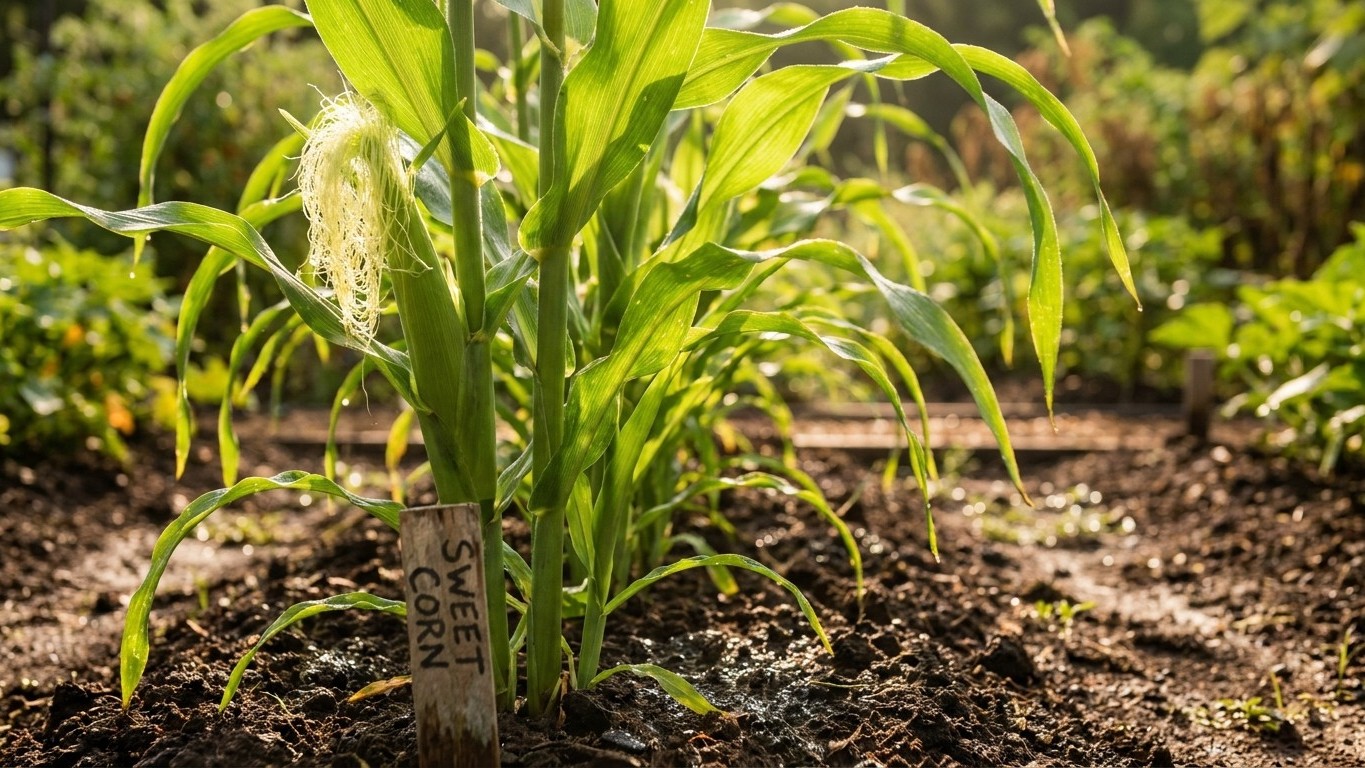
Yes, sweet corn ripens in Wisconsin, and most of the state gives it plenty of room to do so.
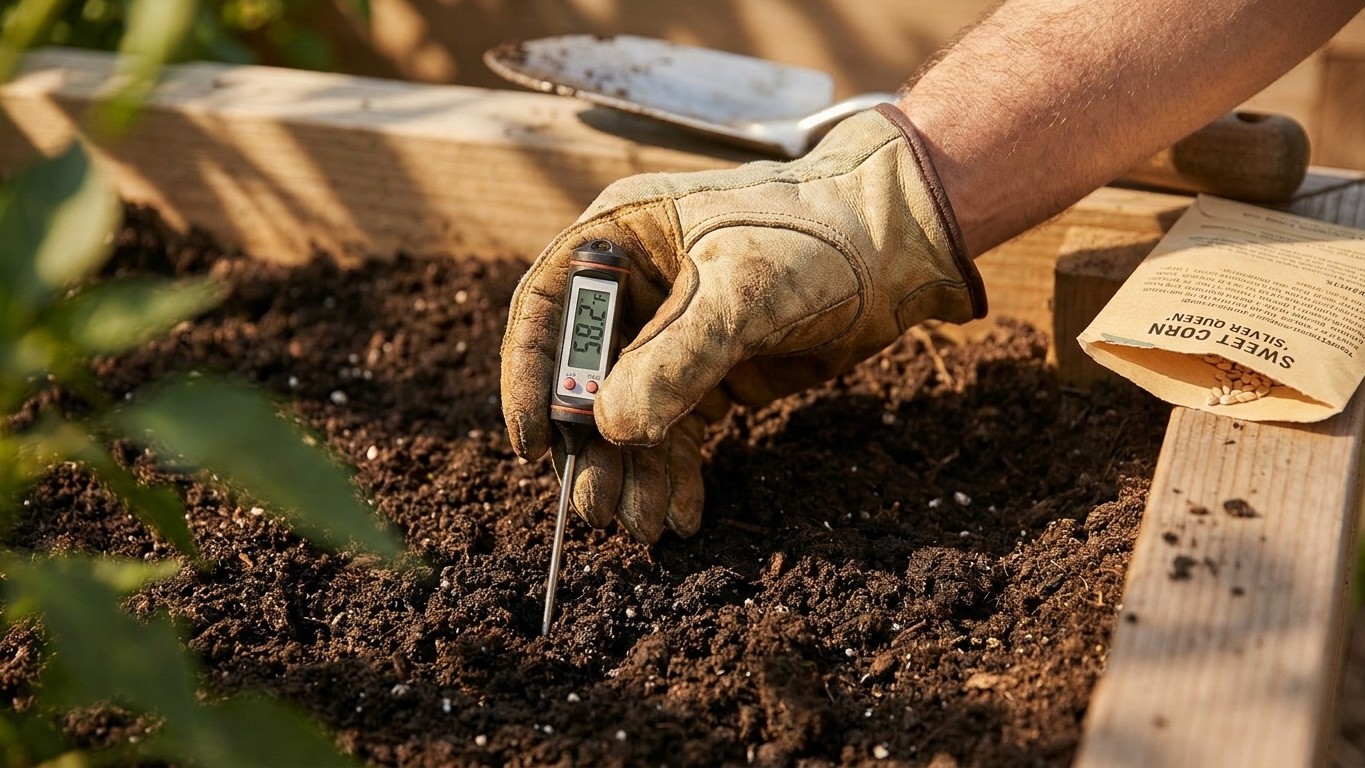
Sweet corn in Wisconsin goes into the ground once soil temperatures climb past 60°F, which happens well after the last spring frost has cleared out.
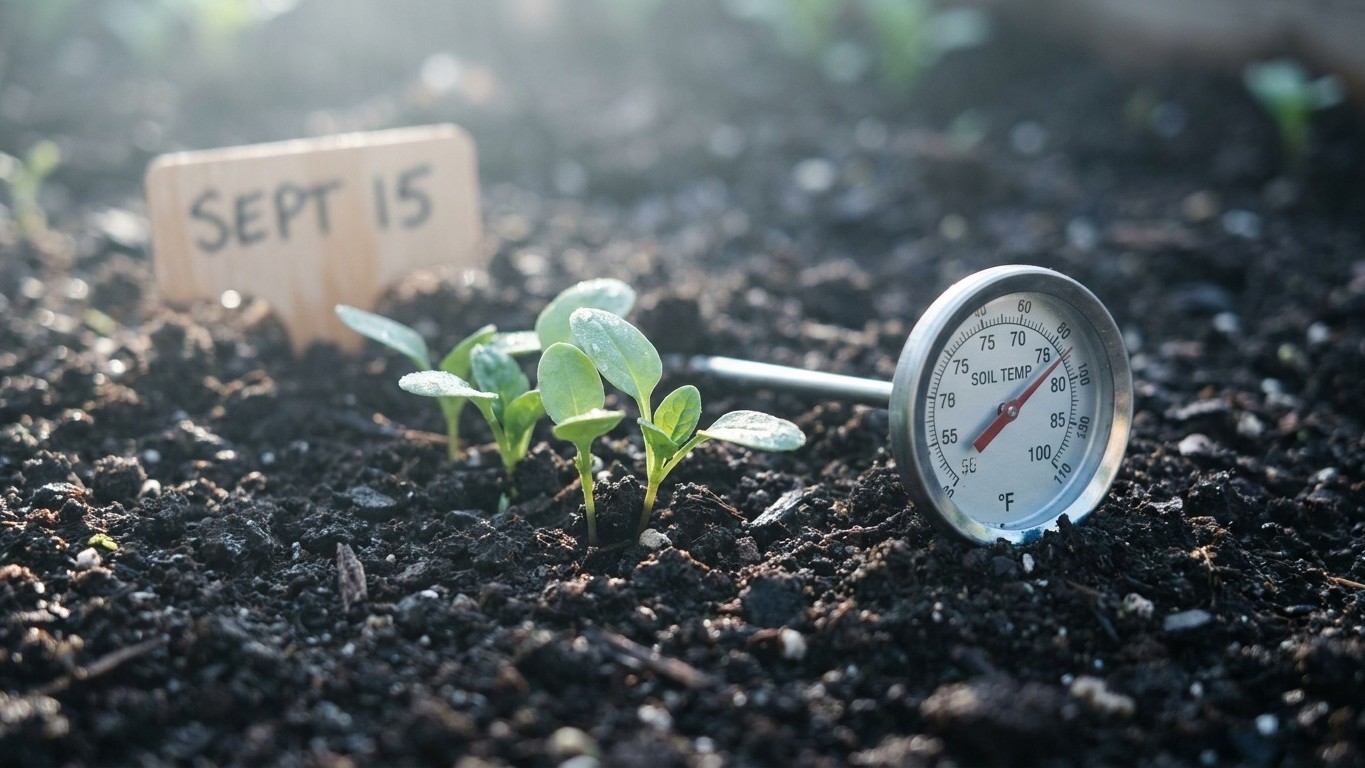
Autumn spinach in Wisconsin goes in the ground roughly from early August through mid-September, counting back 50 to 75 days from the first fall frost.