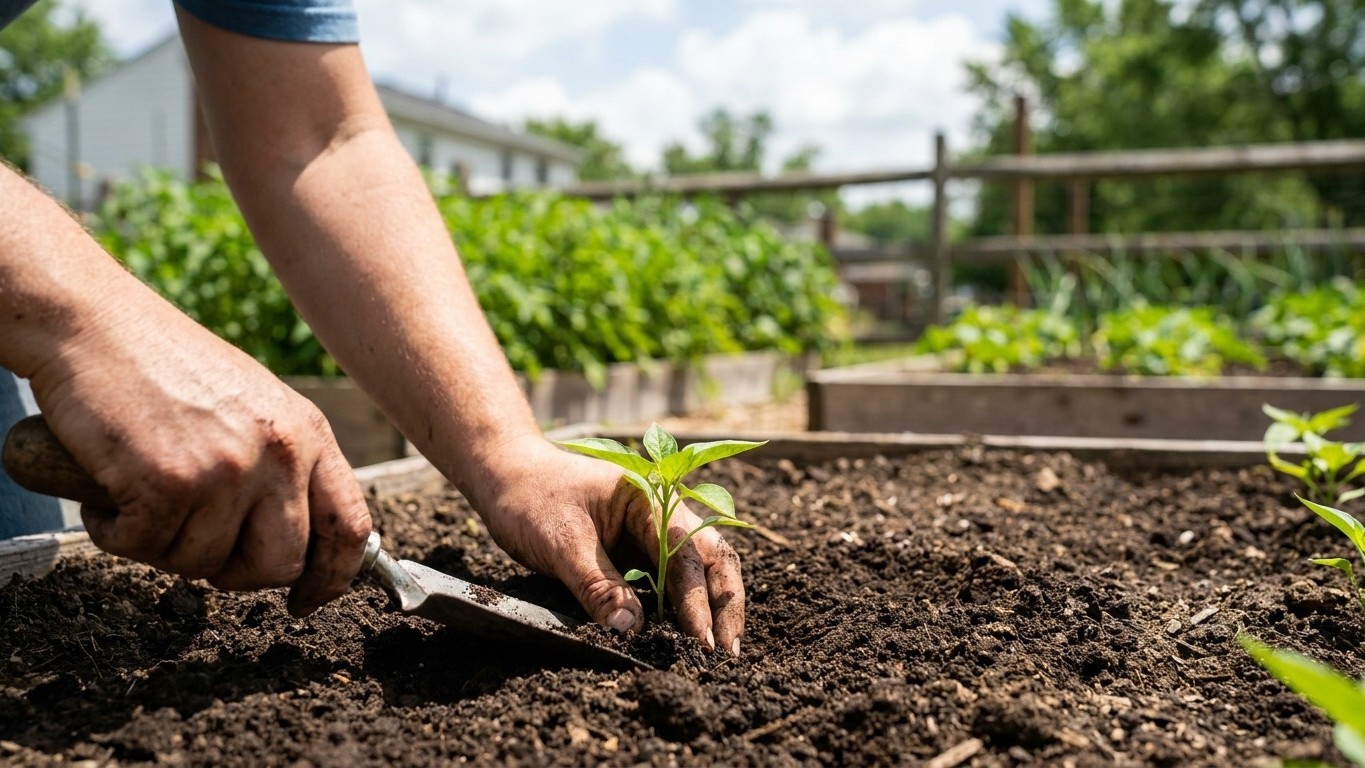

July in Rhode Island means the soil is warm, the frost risk is long gone, and the garden is at its most productive. This is the month for succession sowing of beans, squash, and cucumbers, starting fall brassicas from seed, and staying on top of watering and harvest before the heat gets ahead of you.
What goes in the ground in July

By July, Rhode Island is nowhere near either frost window. The last spring frost at the reference station runs April 7 to April 17, and the first fall frost doesn’t show up until October 24 to November 3. That gap, roughly six months, is the whole reason July is a working month rather than a waiting month here. Soil temperatures are well above the 50-60°F threshold most seeds need, so the decision isn’t whether it’s safe to plant. It’s whether there’s enough season left for what you want to grow.
Beans, summer squash, and cucumbers can still go in from seed through the first half of the month for a second flush of harvest before frost. Corn is riskier past early July in most of the state unless you pick a fast-maturing variety, since it needs 60 to 100 days depending on type and you’re racing the October frost window. Direct-sow beets, carrots, and bush beans now for a fall crop, they mature in 50 to 70 days and land comfortably before the first freeze.
This is also the transplant window for fall brassicas started indoors in June. Broccoli, cabbage, and cauliflower seedlings go into the ground in July so they mature in the cooler weather of September and October, when they actually taste better and hold up longer without bolting. Set them out on an overcast day or in the evening, since July transplants face real transplant shock from heat that a May seedling never sees.
What’s a gamble this month: anything that needs 90-plus days and hasn’t been started yet, like main-crop winter squash or pumpkins from seed. Count backward from the earlier end of that October 24 to November 3 window, and if the math doesn’t leave room for maturity plus a buffer, skip it or switch to a shorter-season variety.
What to start under cover
Under cover in July usually means a shaded seed-starting tray or a cold frame kept from cooking in the sun, not a heat mat. The crops worth starting now are the ones aimed at fall and winter harvest: kale, collards, Swiss chard, and a second round of lettuce for when the worst of the summer heat breaks in late August.
Count backward from the first fall frost window, October 24 to November 3, rather than from any fixed date on the calendar. Kale and collards want 55 to 70 days to a usable harvest and tolerate a light frost, so starting them under cover in mid-to-late July and transplanting three to four weeks later still lands well ahead of the freeze. Lettuce is faster, 45 to 55 days, which gives you room to start a batch every couple of weeks through the month for a rolling fall harvest instead of one glut.
The two ways this goes wrong both show up in July because the heat pushes gardeners toward extremes. Start too early relative to your own frost date and you get leggy, rootbound seedlings sitting in cell trays for weeks with nowhere to go, especially with brassicas that bolt if held too long in heat. Start too late and you run the clock out, transplants go in during a cold snap before they’ve sized up, and the frost catches them mid-growth. Splitting the difference: aim to have transplants ready to go in the ground within three weeks of starting them under cover, and hold that rhythm through the month rather than starting everything the first week.
What is ready to pick
July is the month Rhode Island gardens tip from anticipation to abundance. Garlic planted the previous fall usually finishes curing time and comes out of the ground when the bottom three or four leaves have browned, typically in the first half of the month, well before the leaves die back completely. Bulb onions follow a similar signal: tops flopping over on their own means it’s time, not a set date.
Blueberries hit their peak across the state in July, and the tell is simple: a ripe berry pulls free with almost no resistance and has turned fully dusty-blue, not just blue on the outside with green still showing at the stem end. Early tomatoes, the fast varieties planted as transplants in May, start coloring up by mid-to-late July, and the fruit should give slightly to a gentle squeeze without feeling mushy.
Zucchini and summer squash move fast enough in July heat that checking every day or two matters more than any calendar guidance. A zucchini left three extra days can double in size and turn woody and seedy inside. Pick at 6 to 8 inches for the best texture. Cucumbers follow the same logic, harvest before the skin dulls and the seeds inside get tough. Bush beans are ready when pods snap cleanly rather than bending, and picking regularly actually keeps the plant producing longer instead of shutting down once it sets a big seed crop.
Herbs like basil, dill, and cilantro are at their most productive in July heat but also fastest to bolt. Harvest by pinching just above a leaf node rather than stripping whole stems, which keeps the plant bushy instead of pushing it straight to flower.
The jobs that matter this month

Watering rhythm is the job that decides everything else in July. Established vegetable beds generally need about an inch of water a week between rain and irrigation, but in a Rhode Island July that inch often needs to arrive in one or two deep soakings rather than daily light sprinkling, which only wets the surface and pushes roots upward where they’re more exposed to heat. Water in the early morning when possible, since evening watering leaves foliage wet overnight and invites fungal disease in the humidity typical of southern New England summers.
Mulching pays off directly in July because it does two jobs at once: it holds soil moisture between those deep waterings, and it keeps soil temperature down enough that root crops and brassica transplants don’t stall out. A two-to-three-inch layer of straw or shredded leaves around tomatoes, squash, and new fall transplants is worth the afternoon it takes.
Staking and trellising can’t wait past July. Tomato plants that haven’t been tied up by now are already sprawling, and once a vine touches the ground it’s far more likely to develop rot or attract slugs. The same goes for pole beans and vining squash, get supports in place before the plant commits to a direction.
Succession sowing keeps the harvest coming instead of arriving all at once, particularly for bush beans, beets, and lettuce, planted every two to three weeks through the month. Pest scouting matters more in July than any other month because populations build fast in the heat: check the undersides of squash leaves for the bronze egg clusters of squash vine borer, and look for skeletonized leaves that signal Japanese beetles, which are active across Rhode Island through midsummer. Catching either early, by hand-picking or row cover, beats losing a whole squash planting in a week.
What not to do in July
The most common July mistake in Rhode Island isn’t about frost at all, it’s about heat stress being mistaken for a watering problem. Wilting leaves at midday on a hot afternoon are often just the plant conserving water, not a sign the bed is dry. Check soil moisture an inch or two down before adding more water; overwatering an already-moist bed in July heat encourages root rot and fungal issues faster than a day of visible wilt ever will.
Feeding nitrogen heavily to tomatoes, peppers, and squash once they’ve started flowering and fruiting is a classic July error. Nitrogen late in the season pushes leafy green growth at the expense of fruit set, leaving you with a lush, dark plant that produces less than a leaner one would. If a soil test or plant appearance calls for feeding at this point, lean toward a lower-nitrogen, higher-phosphorus and potassium formulation instead.
Planting warm-season crops from seed too late in July without doing the days-to-maturity math is another regular trap. It feels like there’s plenty of summer left, but corn, pumpkins, and winter squash started in late July are racing a first fall frost that can arrive as early as October 24 at the reference station, and often sooner away from the coast. If the math doesn’t work, that space is better used for a fast fall crop like radishes or a second lettuce planting.
Skipping pest checks because everything looks fine from a distance costs more in July than any other month, since squash vine borer and Japanese beetle populations can go from a few individuals to a serious infestation within a week or two of unchecked feeding and egg-laying.
Checking this against your own county
A state-wide month is a starting point, not an instruction. Rhode Island is small, but elevation, distance from the coast, and local microclimates shift frost windows and heat patterns by a week or two in either direction, sometimes more in low-lying inland pockets that hold cold air. The frost dates and hardiness zone figures here come from a single reference station, and gardens further from that station, especially inland or at higher elevation, should expect their own local windows to differ.
For county-specific guidance, planting calendars, and current pest alerts, the University of Rhode Island Cooperative Extension is the right next stop, and it’s worth checking their planting calendar directly against whatever you’ve read here before making a bet on a late-July seeding.
Common questions
Is it too late to plant tomatoes in Rhode Island in July?
Transplants set out in early July can still ripen fruit before frost, especially fast-maturing varieties, but starting tomatoes from seed this late generally doesn’t leave enough time to reach harvest before the October frost window.
Can I still start a vegetable garden from scratch in July in Rhode Island?
Yes, with the right crop choices. Bush beans, beets, carrots, summer squash, and fall brassica transplants all have enough time left in the season if started in the first half of the month.
Why are my July tomatoes cracking?
Cracking usually follows uneven watering, a dry spell followed by heavy rain or a deep soak causes the fruit to swell faster than the skin can stretch. Consistent watering and mulch help prevent it.
What’s the biggest pest threat to Rhode Island gardens in July?
Squash vine borer and Japanese beetle populations both peak in July across the state. Regular scouting of squash leaf undersides and beetle-prone foliage catches infestations before they spread.
Gardeners who plant by the Moon can check the July 2027 moon planting calendar, a tradition rather than a proven method.