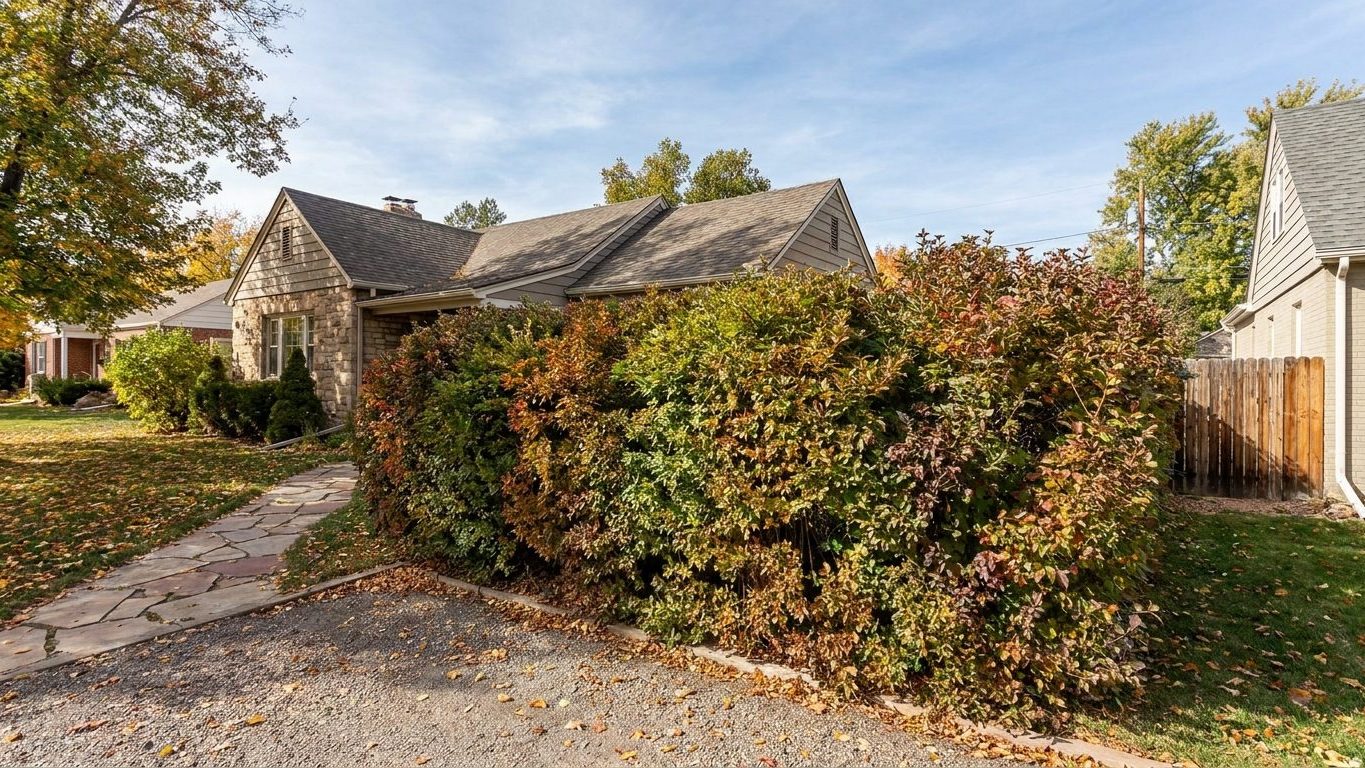

Search “hedge height law Michigan” and you’ll find pages quoting a single number as if it applied statewide. It doesn’t exist. Michigan has no state statute capping how tall a hedge can grow. That authority sits with your city, village, or township, and the limit that applies to your yard could be six feet, four feet, or something tied to a sight-line rule near your driveway. The real work is finding your local ordinance, not memorizing a state figure that was never on the books.
There is no Michigan hedge height law
Michigan lawmakers in Lansing have never passed a statute setting a maximum height for hedges, shrubs, or living screens on private property. That’s not an oversight. Landscaping height is treated as a local land-use question, the same category as setback distances, driveway width, or where you can park a boat trailer. States write the broad rules of property and nuisance law; municipalities write the specific numbers.
That distinction matters because a lot of the content ranking for this exact question gets it backward. A page will state “Michigan hedges may not exceed X feet” and cite nothing, or cite one city’s fence ordinance and stretch it across the entire state. Michigan has hundreds of townships, cities, and villages, and each one writes its own zoning ordinance. A limit that applies in one town carries zero weight three miles down the road in the next township over. Treating a single municipality’s number as statewide guidance isn’t a simplification. It’s just wrong, and it’s the exact error worth avoiding before you trim, plant, or argue with a neighbor over a property line.
Why states leave this to cities
Height limits on hedges usually show up bundled with fence regulations, not as a standalone “hedge law.” Local governments regulate them together because both raise the same practical concerns: blocked sightlines at intersections, shaded neighboring yards, and disputes between adjoining property owners. Zoning boards are set up to weigh those local tradeoffs street by street. A state agency in Lansing has no mechanism, and frankly no reason, to set one height that fits a dense city lot in Grand Rapids and a five-acre rural parcel in the Upper Peninsula equally well.
The upshot for a homeowner is straightforward, if a little inconvenient: there’s no shortcut. You can’t call a state office and get a number. The rule lives in your municipal code, and the next section walks through exactly where to look and who to call when the document itself is hard to parse.
How to find the rule that actually applies to you
Almost every American municipality now publishes its code of ordinances online, and it’s almost always hosted by one of three services. Knowing the names saves you from digging through a city’s general website looking for a PDF that may not exist.
| Publisher | Web address pattern | What to search for |
|---|---|---|
| Municode | library.municode.com | Search your city or township name, then open the “Zoning” chapter |
| American Legal Publishing | codelibrary.amlegal.com | Same approach; look for “Land Use” or “Zoning Code” in the table of contents |
| eCode360 | ecode360.com | Use the built-in search bar for “fence,” “hedge,” or “vegetation” |
Once you land on your municipality’s code, don’t read it cover to cover. Go straight to the zoning chapter and search for “fences” or “accessory structures.” That’s where height limits for physical barriers usually sit, often with a table listing maximum heights for front yards versus side and rear yards.
Why “fence” and “hedge” aren’t always the same word
This is the step people skip, and it causes real confusion. Many ordinances define a fence as a built structure (wood, vinyl, chain-link) and treat a living hedge as something else entirely, sometimes under “vegetation” or “landscaping” rules, sometimes not addressed at all. If your code’s fence section never mentions plants, don’t assume the fence height automatically applies to your arborvitae row. Look for a separate section on landscaping or natural screening before you conclude there’s no rule at all.
If the code itself reads like legal soup, call the city or township planning department, sometimes labeled zoning or code enforcement. These offices field this exact question constantly and can usually tell you the applicable height in under five minutes, without you needing to interpret ordinance language yourself. That phone call is worth more than an hour of scrolling through PDFs.
The branches that cross the line
Even in towns with no specific hedge ordinance, one rule shows up almost everywhere: the sight triangle. At street corners and along driveways, nothing, hedge, fence, or otherwise, may block a driver’s view of cross traffic or pedestrians. This safety rule typically sets a height limit far lower than whatever general fence or hedge maximum applies elsewhere on the property, sometimes just two or three feet within the triangle zone near an intersection. It exists because a driver pulling out of a driveway or approaching a corner needs a clear sightline, and it tends to apply whether or not your municipality regulates hedge height anywhere else in its code.
The other situation homeowners run into constantly involves a hedge that isn’t tall, but wide, with branches pushing across the property line into a neighbor’s yard. Here the answer comes from case law rather than statute, and it varies by state. The general principle recognized in many states is that a property owner may trim back branches and roots that cross onto their land, up to the boundary line and not one inch further, at their own expense. What they may not do is kill the plant by over-pruning or poisoning the roots, even if the growth is a genuine nuisance. This is a broad legal principle worth knowing, not a Michigan-specific statute, and it doesn’t replace a lawyer’s advice if a dispute escalates.
Practically, this means the safest move if a neighbor’s hedge crowds your fence line is to trim only what’s on your side, keep the cuts clean, and document the work with a photo or two before and after. Escalating straight to a formal complaint tends to sour relationships that a five-minute conversation could have fixed.
What to check before you plant
Before you put a single shrub in the ground, a short list of checks can save you a headache years down the line, when the hedge is mature and moving it is no longer simple.
- The zoning code’s fence and vegetation sections, using the method above, so you know the actual height ceiling for your lot.
- Corner and driveway sight triangles, especially if you’re planting anywhere near where your driveway meets the street or where two roads intersect.
- HOA covenants, if you’re in a subdivision with a homeowners association. These private agreements can be stricter than the municipal code and are enforced separately from zoning.
- Utility easements, since a hedge planted over a buried gas or utility line can be required to come out if a utility company needs access.
- Mature height, not planting height. A three-foot arborvitae looks harmless at the nursery. Many varieties reach well past ten feet within a decade, and by then you’re dealing with a hedge that violates a limit you never checked.
That last point trips up more homeowners than any ordinance technicality. Nurseries sell hedging plants based on their fast growth and screening ability, which is exactly the trait that eventually collides with a height limit you didn’t know existed when you planted. Checking the mature height listed on the plant tag against your municipality’s actual maximum, before anything goes in the ground, is the cheapest insurance available.
Common questions
Does Michigan regulate hedge height on farmland the same way as in a city?
No statewide rule covers either setting. Rural townships often have looser zoning than incorporated cities, but that’s a local ordinance difference, not a rural exemption written into any state law. Check the specific township code rather than assuming farmland is unregulated.
Can my homeowners association set a stricter hedge limit than the city?
Yes. An HOA’s covenants are a private contract you agreed to when you bought the property, and they can impose tighter restrictions than the municipal zoning code. If the two conflict, you generally need to satisfy both, whichever is stricter.
What happens if I plant a hedge that turns out to violate my local ordinance?
Typically the city’s code enforcement office will issue a notice requiring you to trim or remove the plant to bring it into compliance, often with a deadline. Ignoring the notice can lead to fines, so it’s worth addressing it as soon as you receive one rather than waiting.
Is there a general Michigan law about trimming a neighbor’s overhanging branches?
There’s no state statute spelling this out. The widely recognized principle across many states, rooted in case law rather than legislation, is that you may cut back growth crossing onto your land up to the boundary, without killing the plant. For anything beyond routine trimming, especially a dispute over a valuable or established hedge, talk to a local attorney rather than relying on general rules of thumb.