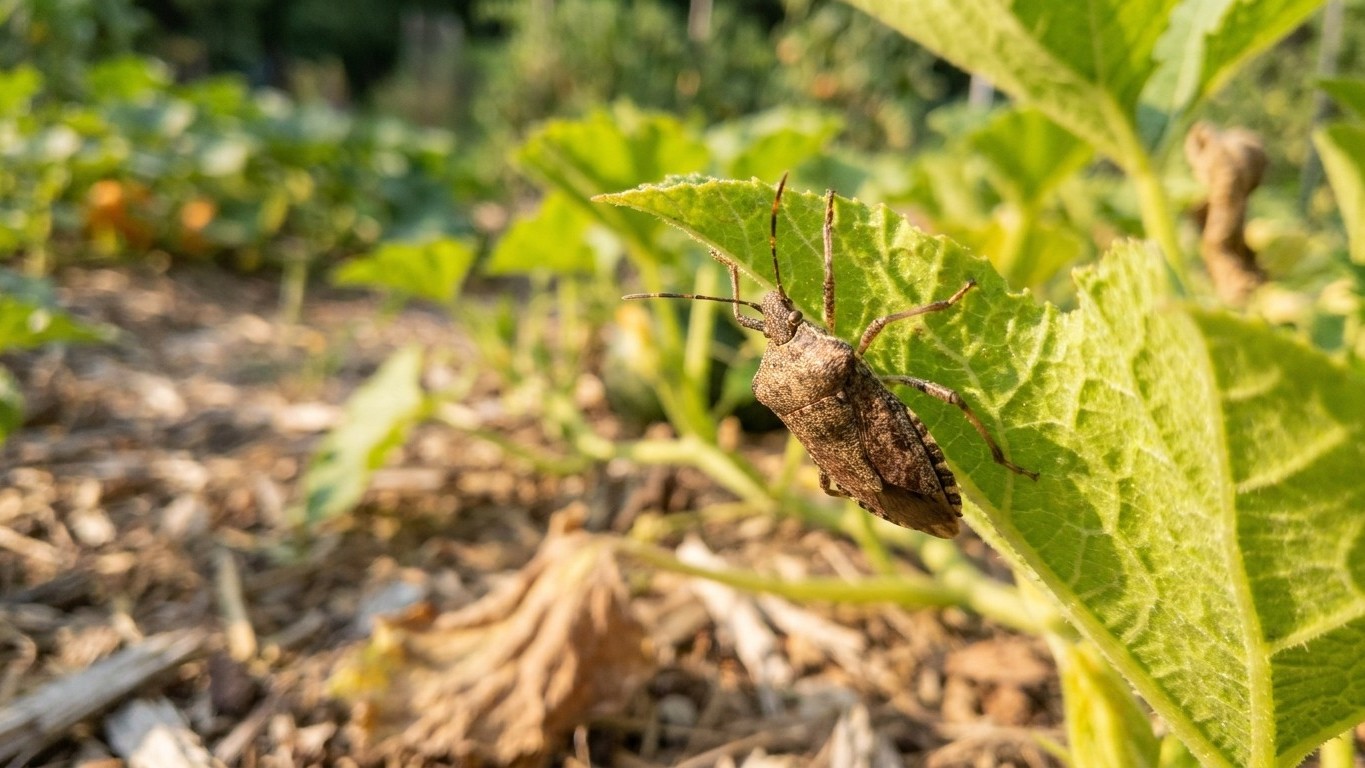

Squash bugs typically show up in Massachusetts gardens in late May through June, right when overwintered adults crawl out of leaf litter and old mulch looking for tender squash and pumpkin vines. That first wave is the one to watch for, because a female squash bug can lay hundreds of eggs before July even starts. Stopping them comes down to three things: catching them early, disrupting their egg-laying, and choosing plant varieties they don’t love as much.
When Squash Bugs Actually Show Up in Massachusetts

Timing tracks with soil temperature more than the calendar. Once daytime temps hold steady in the 65 to 70 degree range, typically mid-to-late May in the Connecticut River Valley and coastal areas, early June in the Berkshires and inland hill towns, overwintered adults emerge from their hiding spots in garden debris, under boards, or along fence lines. They head straight for the nearest squash or pumpkin planting.
Massachusetts sits mostly in USDA hardiness zones 5b through 7a, and that matters for squash bug biology. Unlike southern states where these insects can push out two generations a year, New England gardens usually see just one full generation, sometimes a partial second wave if summer runs warm and long. Eggs laid in June hatch within 7 to 10 days, and nymphs go through five growth stages over four to six weeks before becoming winged adults by late July or August.
A second uptick in bug activity often hits in late August and September, not from a new generation exactly, but from adults actively searching for overwintering sites before frost. That’s when gardeners sometimes get surprised by a fresh cluster of bugs on plants they thought were past the danger window.
Spotting the Damage Before It Spreads
The bugs themselves are brownish-gray, shield-shaped, about five-eighths of an inch long, and they smell faintly unpleasant when crushed, which is where the name comes from in some regional gardening circles. But most Massachusetts gardeners notice the damage before they spot the insect.
Leaves develop small yellow speckles that turn brown, then black, almost like a scorch pattern spreading outward from where the bugs fed. Vines wilt in a way that looks a lot like bacterial wilt disease, which trips up plenty of first-time growers trying to diagnose the problem. Young zucchini and pumpkin plants can collapse within a week or two if a heavy infestation goes unchecked, because the bugs inject a toxin while feeding that blocks water and nutrients from moving through the stem.
Egg clusters are the easiest early warning sign. Look on the undersides of leaves for tight groups of copper-to-bronze eggs, usually arranged in a neat V-shaped pattern along the leaf veins. Checking leaves twice a week starting in early June catches most infestations before they become unmanageable.
What Actually Stops Squash Bugs in a Massachusetts Garden
No single method wipes out squash bugs completely. Effective control here means stacking a few tactics that each chip away at the population.
Trap boards and morning removal
This old-school trick still works. Lay a flat board, shingle, or piece of cardboard on the ground near the base of squash plants in the evening. Squash bugs hide underneath overnight, and in the morning you flip the board and drop them straight into a bucket of soapy water. Running this for a couple weeks straight during peak egg-laying season in June noticeably thins out adult numbers before they reproduce.
Hand-picking egg clusters works the same way, just with more patience. Scraping eggs off with a fingernail or piece of tape and destroying them prevents an entire generation from hatching. It’s tedious, but it’s also the single most reliable non-chemical method for backyard-scale plantings.
Row covers timed around flowering
Floating row covers keep adult bugs off young plants during the vulnerable seedling stage, right when Massachusetts gardens see that first wave of overwintered adults in late May and June. The catch: covers need to come off once flowers open, since squash relies on bees and other pollinators to set fruit. Leaving covers on too long trades one problem for another.
Variety selection makes a real difference
Some squash types hold up better against these pests than others, mostly due to stem thickness and vine growth habit:
- Butternut squash, with its solid, less hollow stem, tends to resist feeding damage better than most.
- Zucchini and yellow summer squash are consistently the hardest hit, thanks to soft, hollow stems bugs can pierce easily.
- Pattypan and acorn varieties fall somewhere in between, vulnerable but slightly less attractive than zucchini.
- Butternut, along with some hubbard types, is often used deliberately as a decoy in a technique called trap cropping.
That trap crop idea deserves a closer look, since it’s one of the more clever tricks Massachusetts gardeners have adopted. Planting a few blue hubbard squash plants around the perimeter of a garden, roughly two weeks before the main squash crop goes in, draws squash bugs to the decoy plants first. Once the trap plants are heavily infested, gardeners pull and destroy them, taking a big chunk of the local bug population with them.
Fall cleanup breaks the overwintering cycle
Squash bugs survive Massachusetts winters as adults tucked into plant debris, mulch piles, and garden edges. Removing spent squash and pumpkin vines completely after harvest, rather than tilling them into the soil, eliminates a huge share of overwintering shelter. Gardeners who skip this step almost always see a bigger problem the following June, since the same patch of ground becomes a ready-made nursery for the next season’s adults.
Crop rotation helps too. Moving squash and pumpkin plantings to a different part of the yard each year, even just 20 or 30 feet away, makes it harder for emerging adults to find their target plants right away.
Where sprays fit in, and where they don’t
Adult squash bugs have a tough, shield-like exoskeleton that shrugs off most contact insecticides, which is part of why they’re such a stubborn pest. Nymphs are the more practical target. Insecticidal soap or neem oil applied directly to young nymphs, ideally in the first two growth stages before their shells harden, knocks back populations without the heavier chemical load of broader insecticides.
Timing sprays for early morning or dusk protects bees and other pollinators working the flowers during the day. Spraying midday, when pollinator activity peaks, does more collateral damage than it’s worth on a plant that needs those same pollinators to produce fruit.
Diatomaceous earth sprinkled around the base of plants offers another low-toxicity option, working by drying out the exoskeleton of nymphs that crawl through it. It needs reapplication after rain, which in a typical Massachusetts summer means fairly often.
A Realistic Timeline for the Season
Gardeners who stay ahead of squash bugs in Massachusetts usually follow a similar rhythm year to year. Row covers go on at planting in mid-May, come off once flowers appear in June, and get replaced by twice-weekly leaf checks for egg clusters through July. Trap boards run through the peak egg-laying window, and any trap crop plants get pulled and destroyed once they’re loaded with bugs. By September, when adults start hunting for winter shelter, the priority shifts to fall cleanup rather than active control.
One detail that surprises a lot of first-time squash growers: a single female squash bug can lay over 250 eggs across multiple clusters in one season. That’s the real reason early intervention, particularly catching those first egg clusters in June, matters so much more than trying to control an established adult population later in summer.