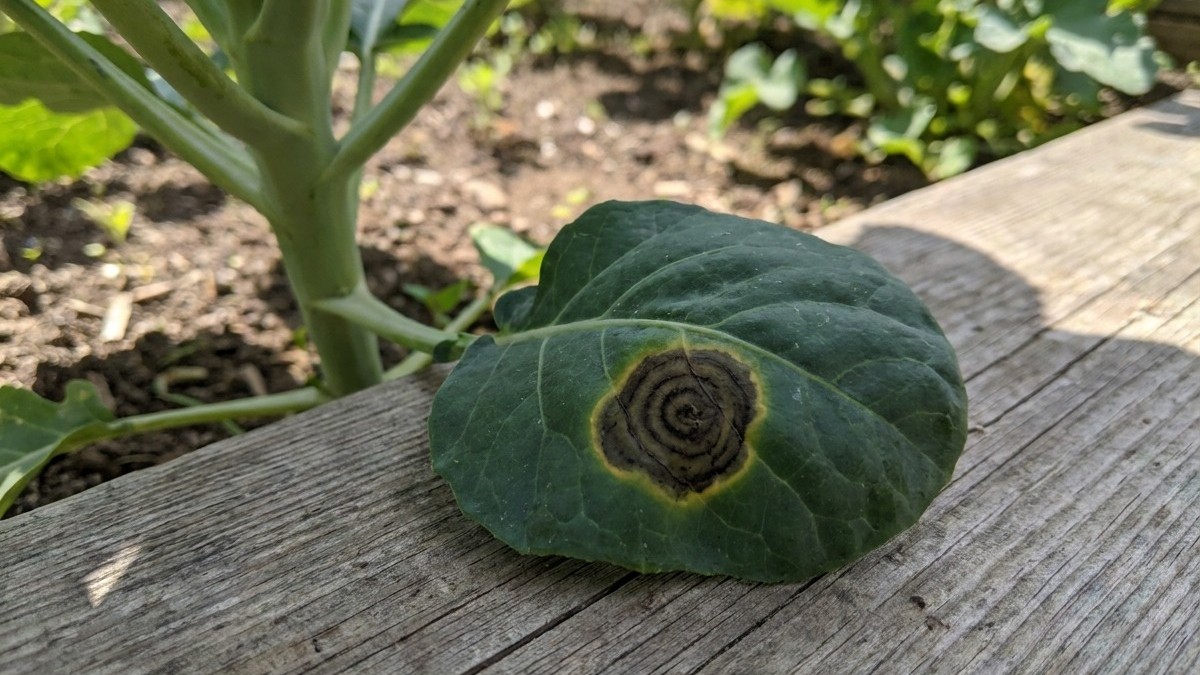

Squash bugs and cucumber beetles are the two insects to watch on pumpkin vines in Yukon, the same pair that trouble vines across the continent. Beetles come first, soon after seedlings are up. Bugs follow as the vines run, and both can scar fruit late. The frost-free season is short, so a vine that loses leaves early has little time to recover. Catching the problem on time matters more than the choice of remedy.
Which pests attack pumpkin in Yukon
Two insects are worth naming for a Yukon pumpkin patch:
- Cucumber beetles: small beetles that chew seedlings, leaves and flowers.
- Squash bugs: flat, shield-shaped bugs that suck sap from leaves and stems.
Which of the two has settled into your part of the territory is a question for Yukon government’s Agriculture Branch, the office that can speak for local conditions. Utah State University Extension is the reference for how pumpkins grow and mature, and its guide is where the 45 to 55 day clock below comes from.
Leave aside pests that live on trees, shrubs or stored grain. They do not feed on a pumpkin vine, so spotting one near the garden is no reason to act on the patch. The same goes for the many harmless insects that visit pumpkin flowers. Bees are doing the pollinating, and a pumpkin cannot set fruit without them.
The short season is what makes even light damage costly. The reference station at Whitehorse A, read by Environment and Climate Change Canada, has about 81 frost-free days between the mean last spring frost on June 5 and the mean first fall frost on August 25. Those are mean dates. In one year out of two, the last spring frost falls later than June 5, and in one year out of two the first fall frost arrives earlier than August 25. Districts to the north and at higher elevation run weeks behind Whitehorse.
Every leaf a vine loses to a beetle or a bug is a leaf that no longer feeds the fruit. The leaves matter most while the fruit is growing, and that stretch is already tight. For the full picture of the crop, see Growing Pumpkins in Yukon.
When each one shows up, and what it does first
Time the pests from the plant, not from the calendar. Seedlings may go in early or late depending on the year, and pumpkin seed is sown once the soil reaches 65 F. Soil lags the air by weeks, so 65 F is not the date of the last frost. Sowing by the calendar and ignoring soil warmth is a common mistake, and When to Sow Pumpkins in Yukon walks through it.
Cucumber beetles: ragged seedlings first
Beetles arrive early, within the first weeks after seedlings emerge or go out. The first thing you see is not the insect but ragged holes in the seed leaves and young true leaves. Chewed stems at the soil line can follow. Later, when flowers open, beetles feed on petals and can scar the skin of young fruit. Small, shallow, scabby patches on a rind are the mark they leave.
Squash bugs: eggs, then wilting leaves
Squash bugs build up more slowly. Look first at the undersides of the leaves, where the adults lay clusters of small oval eggs, bronze to copper in color. Gray-green nymphs hatch from them and gather in the same spot. The leaf damage comes after that: yellow flecks that turn brown, and leaves that wilt even when the soil is moist. Heavy feeding can kill a runner.
Both pests overlap with the clock that decides whether the crop finishes. Pumpkins take 45 to 55 days to mature after flowering, not from seeding. A flower that opens after the middle of July has fewer than 45 days before the mean first frost, and in one year out of two the frost comes sooner. Insect damage that delays flowering, or strips the vine while fruit is sizing up, pushes the crop toward a green pumpkin. Will Pumpkins Ripen Before Frost in Yukon? covers what to do when the window gets tight.
Field check: Walk the patch at the same time each morning once seedlings are up. Turn over three leaves on each plant, look at the stem base, and write down the date of the first open flower. Eggs under a leaf, or a bite pattern repeated on several plants, are what an extension office will ask about.
Telling the damage apart from everything else
A pumpkin leaf can look bad for many reasons, and an insect is only one of them. Before acting on a problem, compare what you see with the look-alikes:
| What you see | Other possible causes | What settles it |
|---|---|---|
| Ragged holes in leaves | Hail, strong wind, handling | Torn edges running the same direction across many plants point to weather. Insects on the plant or repeating bite shapes point to feeding. |
| Yellowing of older leaves | Nutrient shortage | An even pattern across the plant with no eggs or insects underneath is not a sign of feeding. |
| Midday wilting | Dry soil, heat | If the plant recovers by evening and the soil is dry a few inches down, water is the cause. Wilting that stays overnight needs a closer look. |
| White powder on leaves | Fungal disease | Powder that smears under a finger is a fungus, not an insect. |
| Scars or scratches on the rind | Wind-whipped vines, rubbing, handling | Fresh scrapes in a line suggest mechanical damage. Small, shallow patches near the flower end suggest feeding. |
The mistake that costs the most is deciding from one leaf. Check the undersides of leaves and the base of the stem before you decide anything. Wilting is the sign most easily misread, because a thirsty vine, a feeding insect and a disease can all start with the same limp leaf.
When the pattern does not match the table, bag a affected leaf and take a clear photo of the whole plant, then send both to Yukon government’s Agriculture Branch. That office can name the cause. A guess from a photo on the internet is not a diagnosis of your particular garden.
What actually works here, and what is a waste of time
A physical barrier at the right moment beats any treatment on a short season. Floating row cover over seedlings keeps beetles off from the first week. Leave it on from planting until the first flowers open, then lift it so bees can reach the blooms. A cover left on too long means no pollination and no pumpkins.
For squash bugs, hands do most of the work. Check leaf undersides every few days and scrape or pick off egg clusters before they hatch. Nymphs are easier to deal with young than as full adults. A flat board left on the soil overnight gathers adults underneath, and you can remove them in the morning. After harvest, clear the vines and trash from the bed, because adults hide in debris through the winter.
The calendar helps as much as any of this. Sow when the soil is at 65 F instead of racing the date, keep an eye on the first flower, and plan around the mean first frost of August 25 knowing that half of years it comes earlier. At harvest, cut the pumpkin with the stem attached and bring it in before frost. A whole pumpkin keeps three to six months in a cool, dark place between 45 and 50 F. Keep it away from apples, potatoes and tomatoes, since ripening fruit gives off a gas that ages it.
What does not work is spraying on a schedule before you know which insect is there. Many of the insects on a vine are harmless, and spraying open flowers can hurt the bees the crop depends on. Late action does not help either. Once the first-frost window is near, fruit stops gaining size, and no treatment makes up lost days. Which products are legal and suited to Yukon is a question for the territory’s Agriculture Branch.
Where to check this for your own county
Yukon has no counties, so the local question goes to Yukon government’s Agriculture Branch. Pest presence varies within a territory. A pest that is common in one valley may be rare a few hours away, and a note that applies to the whole territory says little about what is in your bed. The same holds for frost: the Whitehorse A figures are the starting point, and northern or upland districts run weeks behind.
When you contact the office, bring specifics. Say when the seedlings went in, when the first flower opened, and where on the plant the damage began. Add a photo of the whole plant and of the underside of a leaf. With that, the office can tell you what is in your area and what is permitted to use there.
Write down the date the first flower opens and count forward 45 to 55 days. If that lands past the average first frost on August 25, ask the office whether protection or a different plan makes sense for your site.
Common questions
When does pest damage on pumpkin start?
Beetle feeding shows up in the first weeks after seedlings emerge or are planted out. Squash bug eggs and wilting leaves come later, as the vines grow. Watch the plant, not the calendar.
Is June 5 a safe date to plant pumpkins out?
No. June 5 is the mean last spring frost at the Whitehorse A station, so in one year out of two a frost falls later. Pumpkin seed is also sown by soil temperature, 65 F, which lags the air by weeks.
Do I count the 45 to 55 days from sowing?
No. Pumpkins take 45 to 55 days to mature after flowering, so the day the first flower opens starts the count. Compare it with the first frost window.
How long does a whole pumpkin keep after harvest?
A whole pumpkin keeps three to six months in a cool, dark place between 45 and 50 F, away from ripening fruit such as apples, potatoes and tomatoes. Harvest it with the stem attached, before frost.