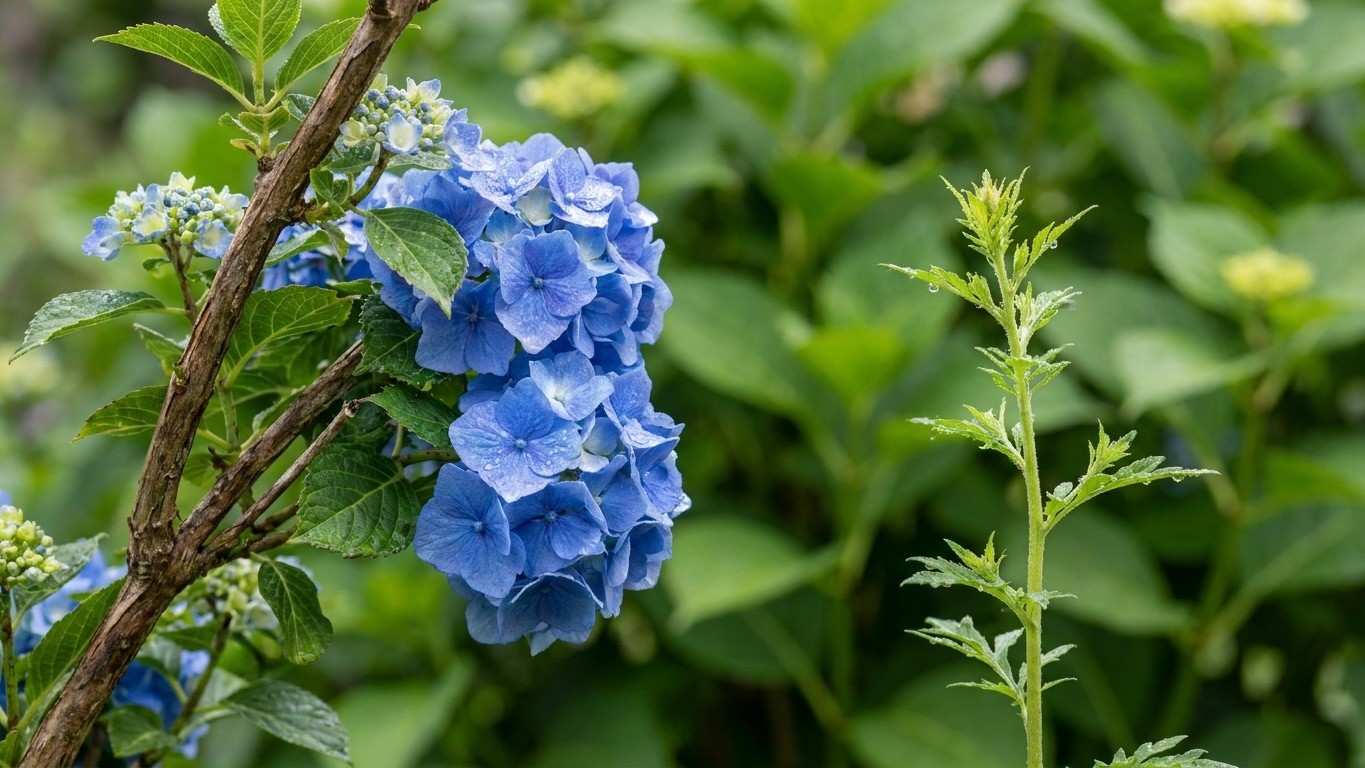

Smooth hydrangeas such as ‘Annabelle’ and panicle hydrangeas such as ‘Limelight’ come through a Nebraska winter reliably, because they flower on the current season’s growth. Oakleaf and bigleaf types are the gamble. Their flower buds form the summer before, and one hard cold snap can erase a year of blooms. The state spans USDA hardiness zones 4b to 6a on the 2023 map (the USDA system rates a place by its average annual extreme minimum temperature), so the answer shifts a little with your address.
What this comes down to in Nebraska

Hydrangeas that bloom on new wood suit a season bracketed by a last spring frost of April 12 to April 23 and a first fall frost of October 15 to October 26 at the Omaha reference station. Those dates are NOAA NCEI 1991-2020 climate normals from the airport, so a suburban or rural garden can freeze later in spring and earlier in fall, sometimes by one to two weeks.
The frost window matters because of when buds form. Old-wood hydrangeas set next year’s flower buds in late summer and carry them above ground all winter. A deep freeze can kill those buds, and a warm spell followed by a late freeze in April can kill them after they swell. New-wood types can lose every stem to winter, regrow from the base, and still flower the same summer. That is why the list below runs from the most dependable plants to the ones that need a kind winter.
| Cultivar | Species | Flowers on |
|---|---|---|
| Annabelle | Smooth hydrangea | New wood |
| Incrediball | Smooth hydrangea | New wood |
| Limelight | Panicle hydrangea | New wood |
| Bobo | Panicle hydrangea | New wood |
| Quick Fire | Panicle hydrangea | New wood |
| Endless Summer | Bigleaf hydrangea | Old and new wood |
| Snow Queen | Oakleaf hydrangea | Old wood |
Annabelle
This is the old standard smooth hydrangea, with big white mopheads. Hard winters may kill the stems to the ground, and the plant simply regrows. The weak point is stem strength, since heavy flower heads flop after a summer thunderstorm.
Incrediball
A smooth hydrangea bred from Annabelle for sturdier stems and larger flower heads. It has the same new-wood habit and the same cold tolerance, so winter dieback does not cost you the bloom. If Annabelle’s flopping has bothered you, this is the swap.
Limelight
A panicle hydrangea with cone-shaped blooms that open lime green, turn white, and pick up pink as fall cools. It blooms on new wood. It handles cold and wind well, and it grows into a large shrub.
Bobo
A dwarf panicle with white flowers that age to pink. The cold tolerance matches the larger panicles. It suits small beds, foundation plantings, and containers set in a sheltered spot.
Quick Fire
Another panicle hydrangea, known for opening its flowers earlier in summer than most of its relatives. Its early start gives it a long bloom season before fall frost arrives. Winter hardiness follows the panicle pattern, so stems that survive the cold flower on new growth.
Endless Summer
A bigleaf hydrangea sold as a rebloomer, and the first cultivar where Nebraska’s cold starts to matter. Check your own county extension office for how it fares in the colder parts of the state. Because it can flower on new wood as well as old, a winter that kills the buds still tends to leave some summer bloom. Plant it in a spot sheltered from north and west wind.
Snow Queen
An oakleaf hydrangea with white flower spikes, deeply lobed leaves, and burgundy fall color. It sets its buds on old wood. That makes it a reasonable try in the milder southeast and a poor bet in the colder north and west. Without winter protection, expect leaves and buds to take a beating in a hard year.
Working it out for your own garden
A hardiness rating on a plant tag is only useful once you compare it with your own zone and your own frost window. Two quick checks do most of the sorting.
How do you match a hydrangea to your zone?
Find your USDA hardiness zone by ZIP code, then compare it with the zone on the tag. A plant rated a full zone colder than your garden has a margin, and ‘Annabelle’ rated for zone 3 in a zone 4b yard has one. ‘Endless Summer’, rated for zone 4, has little margin in that same yard, so it needs shelter and some luck. ‘Snow Queen’, rated for zone 5, falls short in a zone 4b garden and is worth trying only in zone 5 or warmer, with a protected site and a deep mulch layer. Anything rated a full zone colder than yours gets a yes, a plant rated to your zone gets a maybe, and anything rated one zone warmer is a long shot at best.
Then shift the frost window to your own ground. The Omaha reference window for the last spring frost is April 12 to April 23. Add the one to two weeks that suburban and rural gardens sometimes see, and the range moves to roughly the third week of April through the first week of May. Old-wood hydrangeas leaf out and swell their buds in that stretch, which is when a late freeze does the most harm. For the fall, take the October 15 to October 26 range and subtract one to two weeks, and you land at about the first week to the middle of October. Stop fertilizing well before then, so soft late growth is not caught by an early freeze.
How can you tell winter damage from frost damage in spring?
Wait until the plant should have leafed out, then scratch a twig with a thumbnail. Green underneath means the stem is alive, and brown and dry means it is dead. If stems are dead to the ground but fresh shoots rise from the base, the roots came through and a new-wood type will still bloom. If the lower stems leaf out but the flower buds turned brown and mushy, the winter took the buds, not the plant. The right pruning timing after damage is covered in When to Prune Hydrangeas in Nebraska.
What changes across the state
Nebraska runs from the Missouri River to the Wyoming line, and the land climbs steadily as you head west. That climb, together with distance from the river valley, is why the state sits across several zones, 4b to 6a, rather than one. The Omaha reference station sits in the east, where the Missouri River valley and the surrounding urban area soften winter lows.
Moving west, the plains rise toward the Panhandle, and winters grow colder and drier with more exposure to wind. Frost arrives earlier in the fall and lingers later in spring. A garden there often needs a hardier choice than a garden near the river, and ‘Limelight’ and ‘Annabelle’ are safer than anything oakleaf or bigleaf. Sheltering matters as much as the zone: a planting on the south side of a house, out of the wind, can behave like a plant in a slightly warmer zone.
The south of the state runs somewhat milder than the north, which is why the oakleaf and bigleaf experiments belong in the southeast corner. In the north, in the Sandhills, and along the western edge, stick with smooth and panicle types. Within a single county, a low spot where cold air pools can freeze weeks earlier than a slope a few hundred yards away. Building protection for the plants you choose is the subject of Protecting Hydrangeas Through a Nebraska Winter.
The mistakes this state punishes

Buying for looks instead of hardiness is a common one. Big blue bigleaf hydrangeas dominate garden-center displays, and many tags promise reblooming. In zone 4b, an old-wood bigleaf can leaf out beautifully and never flower. If you want one anyway, pick a cultivar rated for zone 4 and put it in the most sheltered spot you have.
Pruning old-wood types in fall or early spring is the second. Oakleaf and most bigleaf hydrangeas already carry next summer’s buds on their stems, so cutting them back removes the flowers. New-wood types can be cut in late winter or early spring with no loss.
Uncovering mulch too soon is the third. A warm spell in March can tempt you to pull winter protection, and then a freeze in April catches swelling buds. Leave the mulch until the frost window passes, which at the Omaha reference station means after April 23, and later in a colder garden. Pulling it in stages, a little at a time, is safer than one big cleanup.
Planting too late in fall is the fourth. A hydrangea set out in October, with the first fall frost only days or weeks away, has little time to root before the ground freezes. Early fall or spring planting gives roots time to settle in.
Last, late feeding. Fertilizer in August pushes tender growth that dies back at the first hard freeze and drains the plant going into winter.
Checking this against your county
The frost dates here come from one airport station in Omaha, and zones run from 4b to 6a across the state, so your own garden may differ by a week or two on frost and by a half zone or more on hardiness. Your county office at University of Nebraska–Lincoln Extension can tell you the local frost window and which hydrangeas the area’s growers have had luck with. For everything else about planting and care, see growing hydrangeas in Nebraska.
Common questions
Will bigleaf hydrangeas bloom in Nebraska?
Sometimes. Bigleaf types set buds on old wood, and a hard winter or a late frost can kill them. Rebloomers such as ‘Endless Summer’ also flower on new wood, so they have a better chance than older bigleaf cultivars, but a sheltered site is still needed in the colder zones.
Which hydrangea is the safest choice for zone 4b?
Smooth and panicle types. ‘Annabelle’, ‘Incrediball’, ‘Limelight’, and ‘Bobo’ all flower on new wood, so check with your county extension office on how they fare in the coldest parts of the state.
Do hydrangeas need winter protection in Nebraska?
Smooth and panicle hydrangeas rarely do beyond a layer of mulch over the roots. Bigleaf and oakleaf types benefit from extra mulch and a windbreak, since protecting the buds is what protects the flowers.
What if my hydrangea looks dead in spring?
Give it time. Hydrangeas leaf out late, often well after other shrubs, and a scratch test on the stems shows whether they are alive. If the stems are brown all the way down, wait for shoots from the base before digging anything out.