Watering a Garden in Alabama: How Much, How Often, and the Local Rules
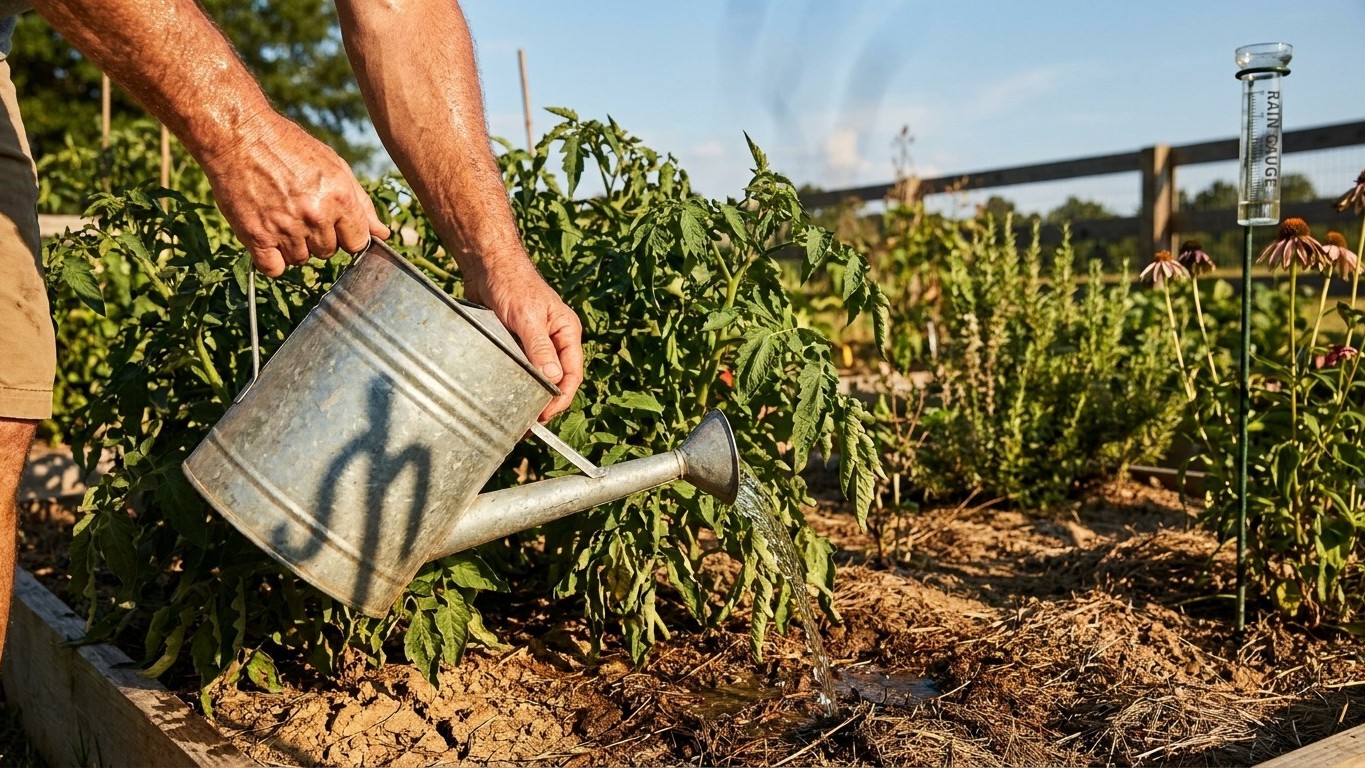
Alabama gardens live and die on heat, not drought. The state’s National Weather Service data show an average of 58.5 days a year hitting 90F or higher at…
Home & garden, state by state
Everything we have worked out for Alabama: what to plant and when, which varieties finish in time, the pests that actually turn up here, and the jobs that pay off month by month. We also cover the rest of the property, from lawns and soil to home care and energy, because a garden rarely stops at the vegetable bed.
The numbers first, because everything else follows from them. Measured at the weather station in Huntsville, the last spring freeze runs March 19 to April 3 and the first fall freeze runs November 2 to November 16, USDA zones 7a-9a, 5,449 growing degree days in the year.
Garlic does well: 13 weeks below 40 °F, comfortably past the six it needs to form a proper head.
Elsewhere on the property in Alabama: the pests that turn up here.
Figures from NOAA's 1991-2020 climate normals. A state is not one climate: elevation, a large lake or the coast can move these dates by two weeks either way, so check your own county with the extension service before you spend money.
Alabama gardens live and die on heat, not drought. The state’s National Weather Service data show an average of 58.5 days a year hitting 90F or higher at…
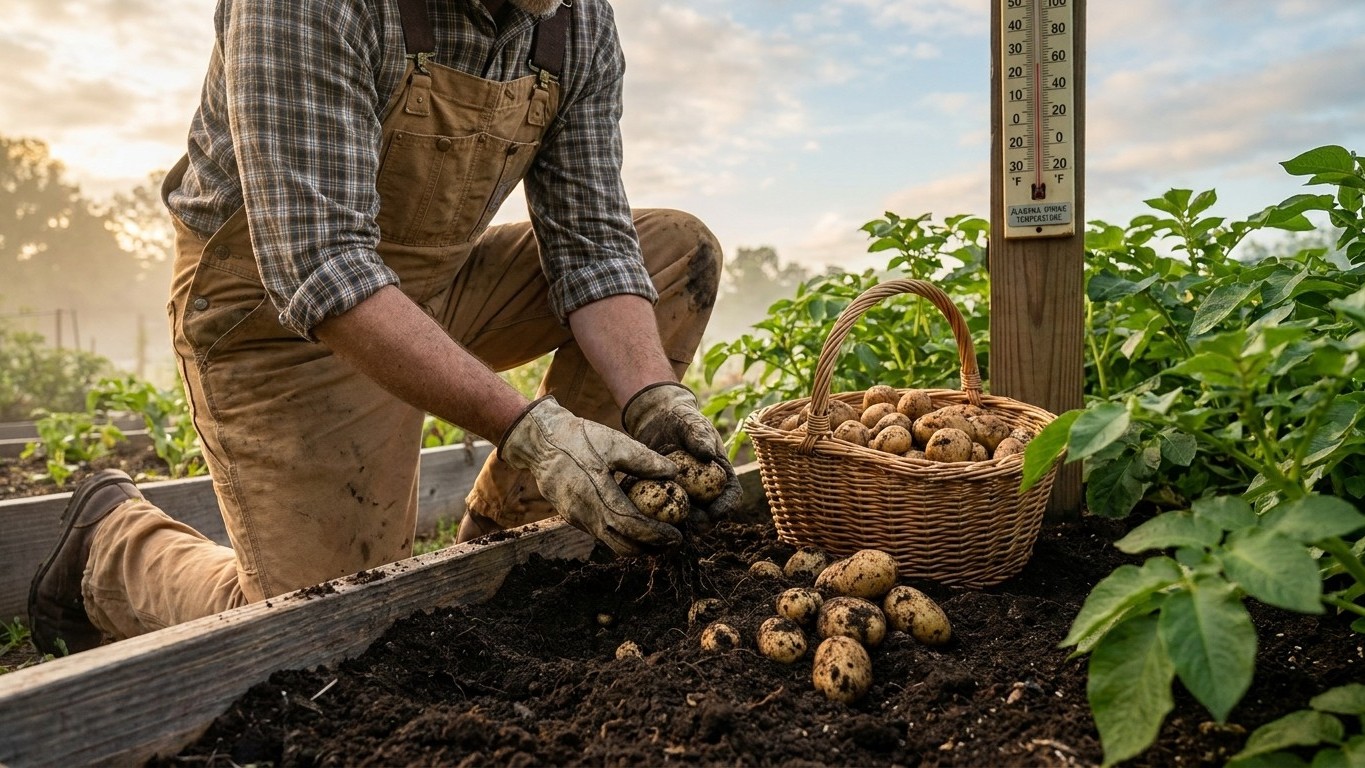
In Huntsville, Alabama, the last spring frost typically falls between March 19 and April 3, and the growing season that follows racks up an average of…
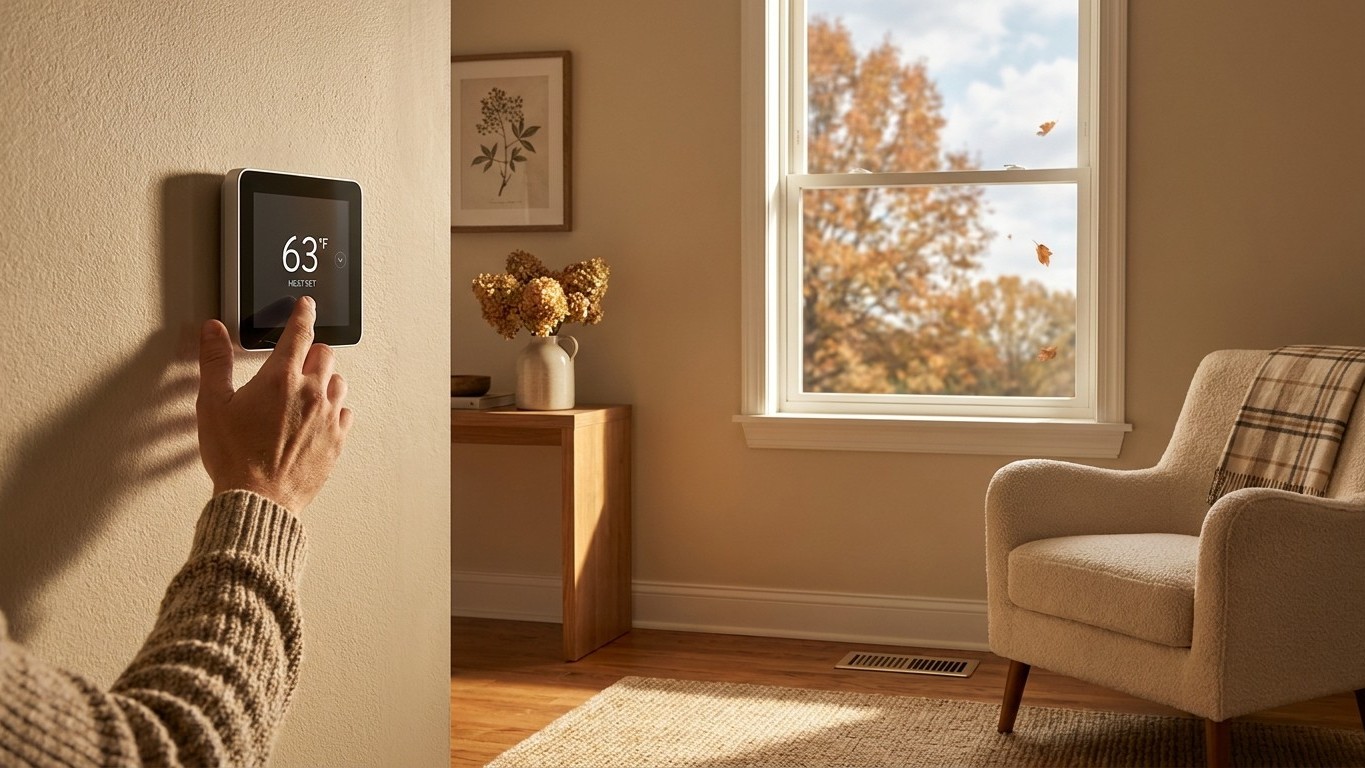
Heating season in Alabama opens in October, when average temperatures first drop below the 65°F mark that defines heating demand, and it runs through…
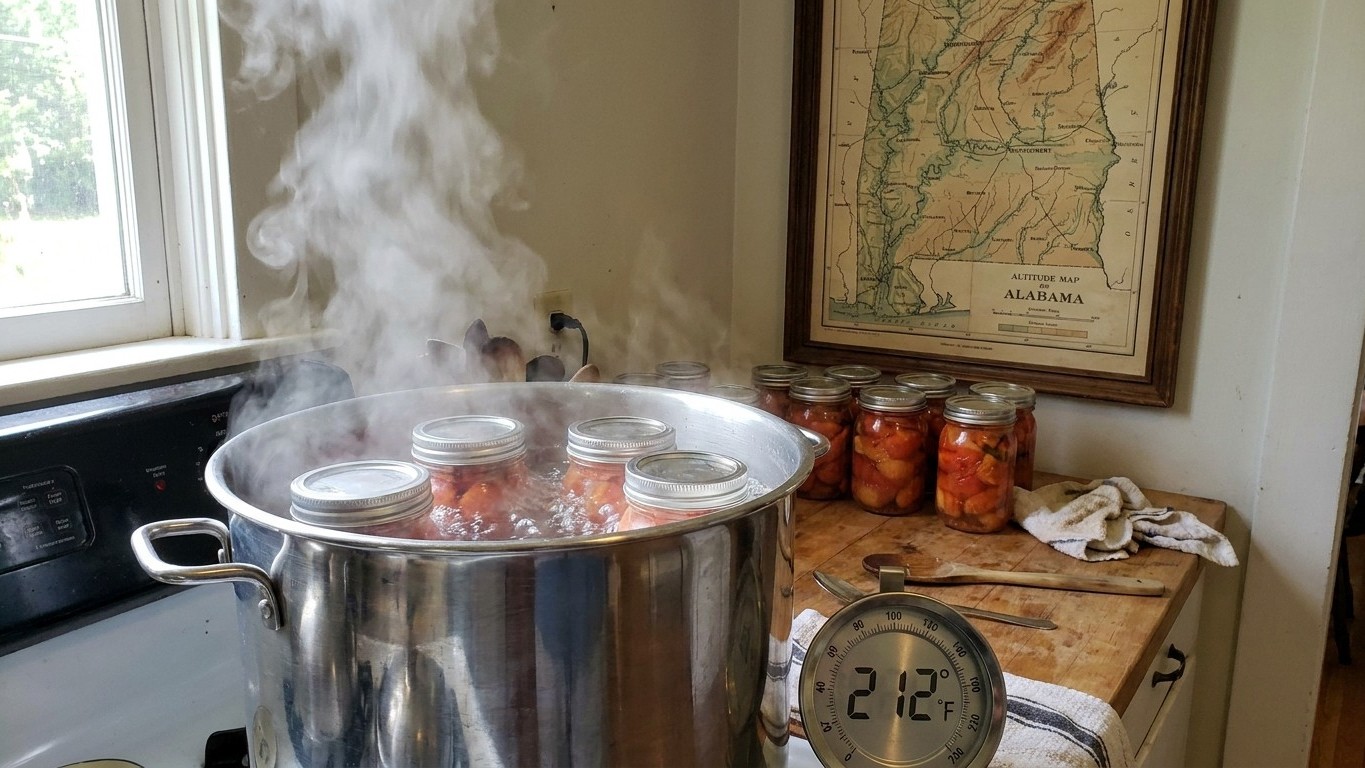
Huntsville sits at 633 feet above sea level, and at that height water boils somewhere between 208°F and 212°F, the range published for the…
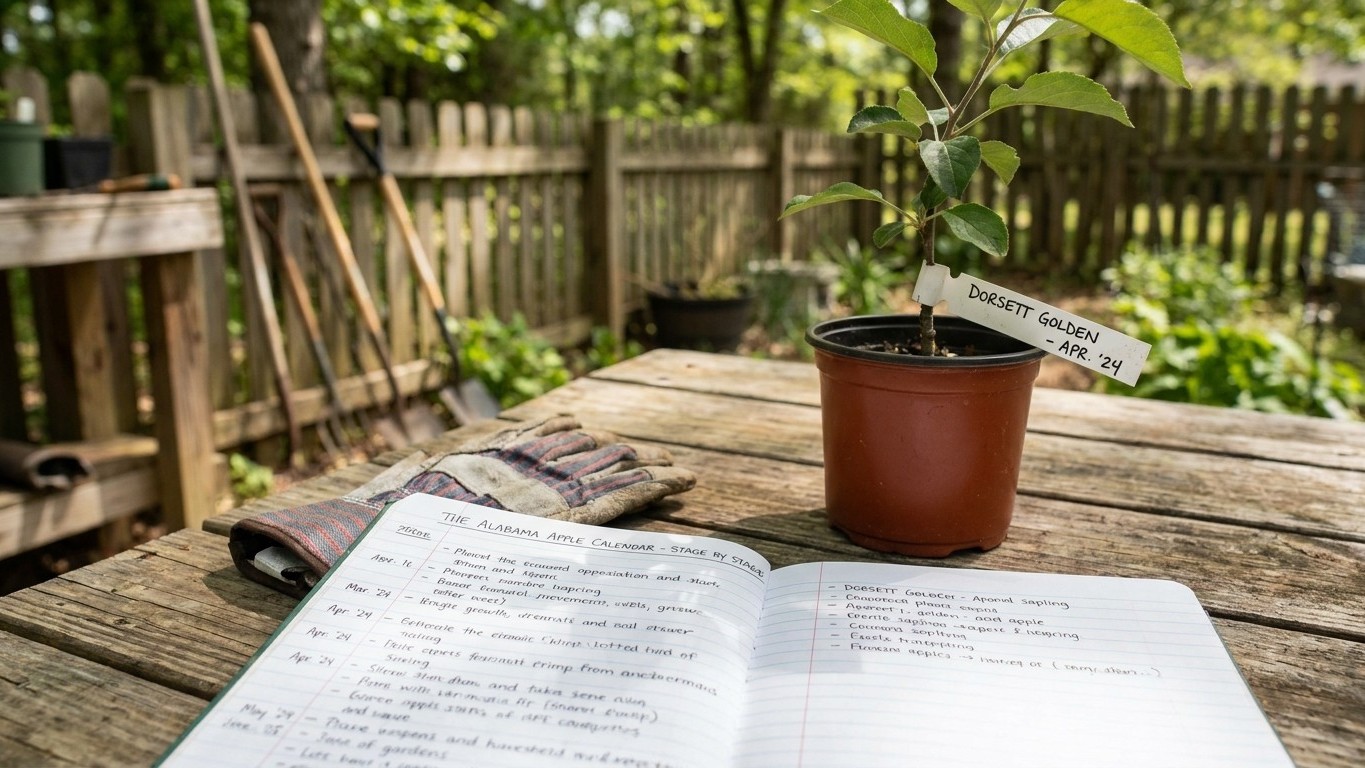
A month-by-month look at how Alabama’s apple trees move from dormancy through bloom to harvest, based on Huntsville’s NOAA frost dates and regional chill differences.
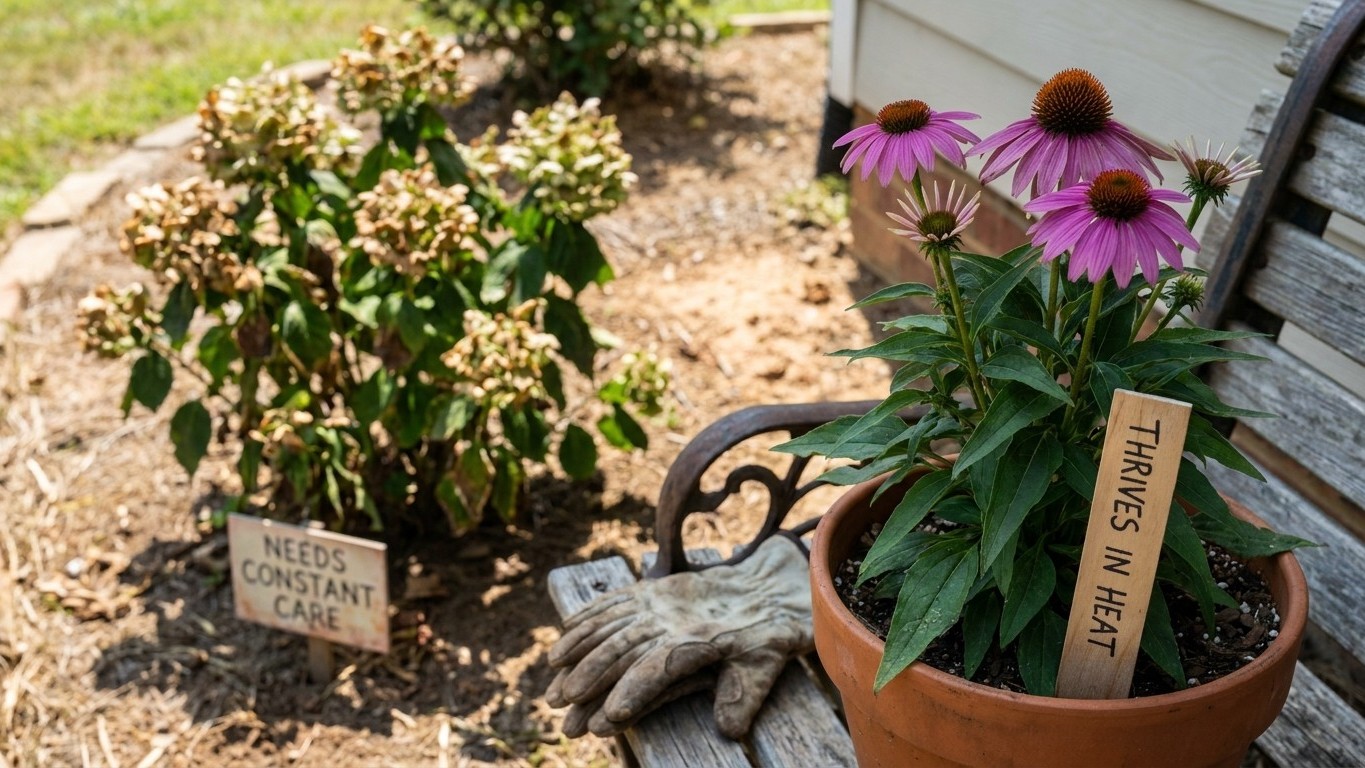
A look at which flowers handle Alabama’s heat, humidity and mild winters well, and which ones need extra care or replanting each year.
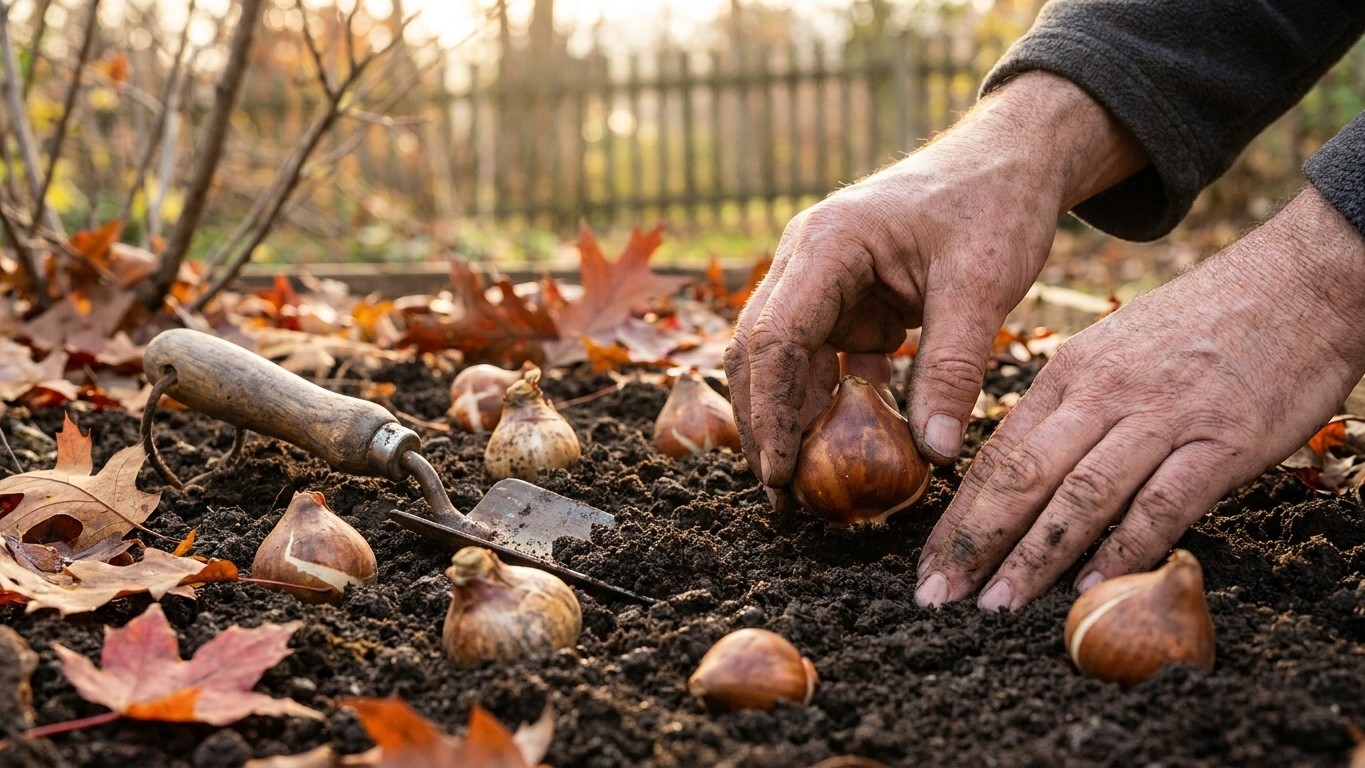
Alabama gardeners can plant nearly every fall-shipped bulb in the catalog, but only some of them will flower here more than once.
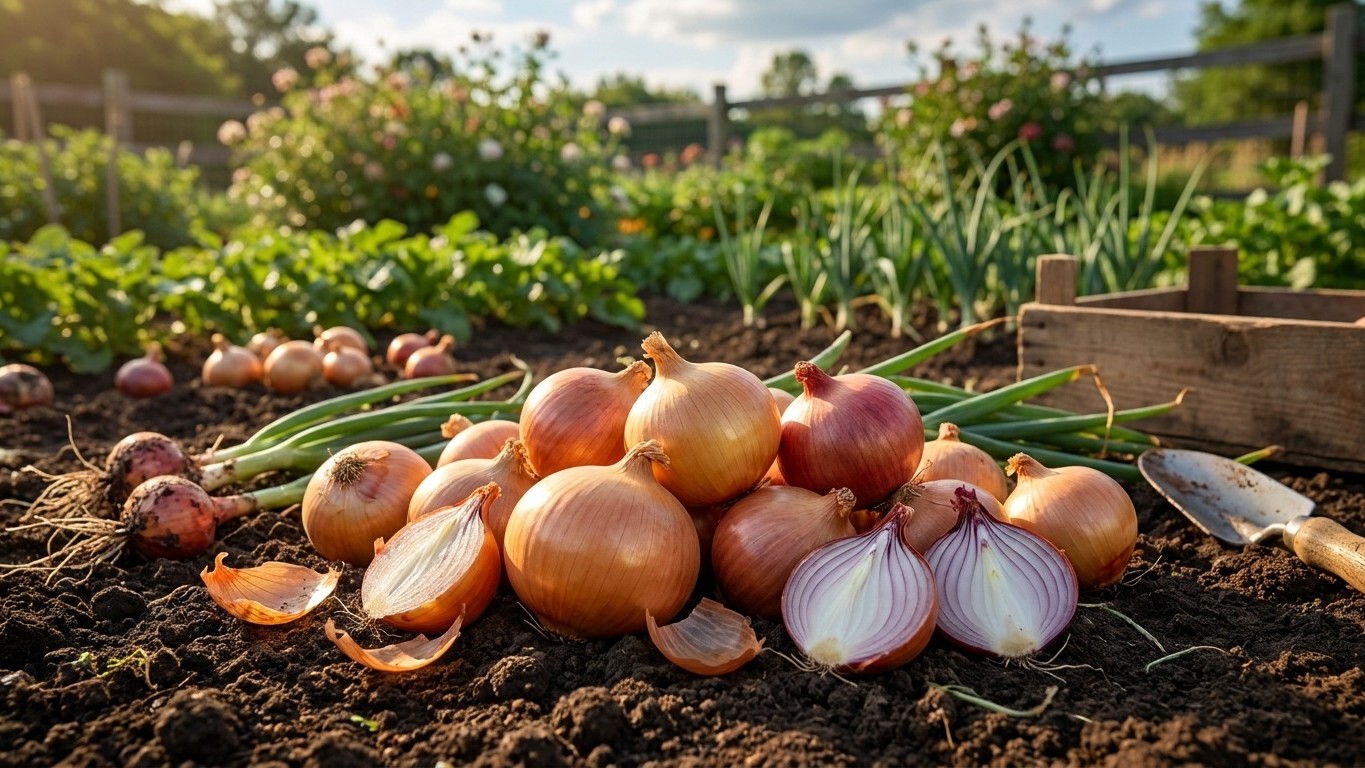
At 34.64 degrees north, the reference city for Alabama’s growing conditions gets 14 hours and 19 minutes of daylight on the longest day of the year.
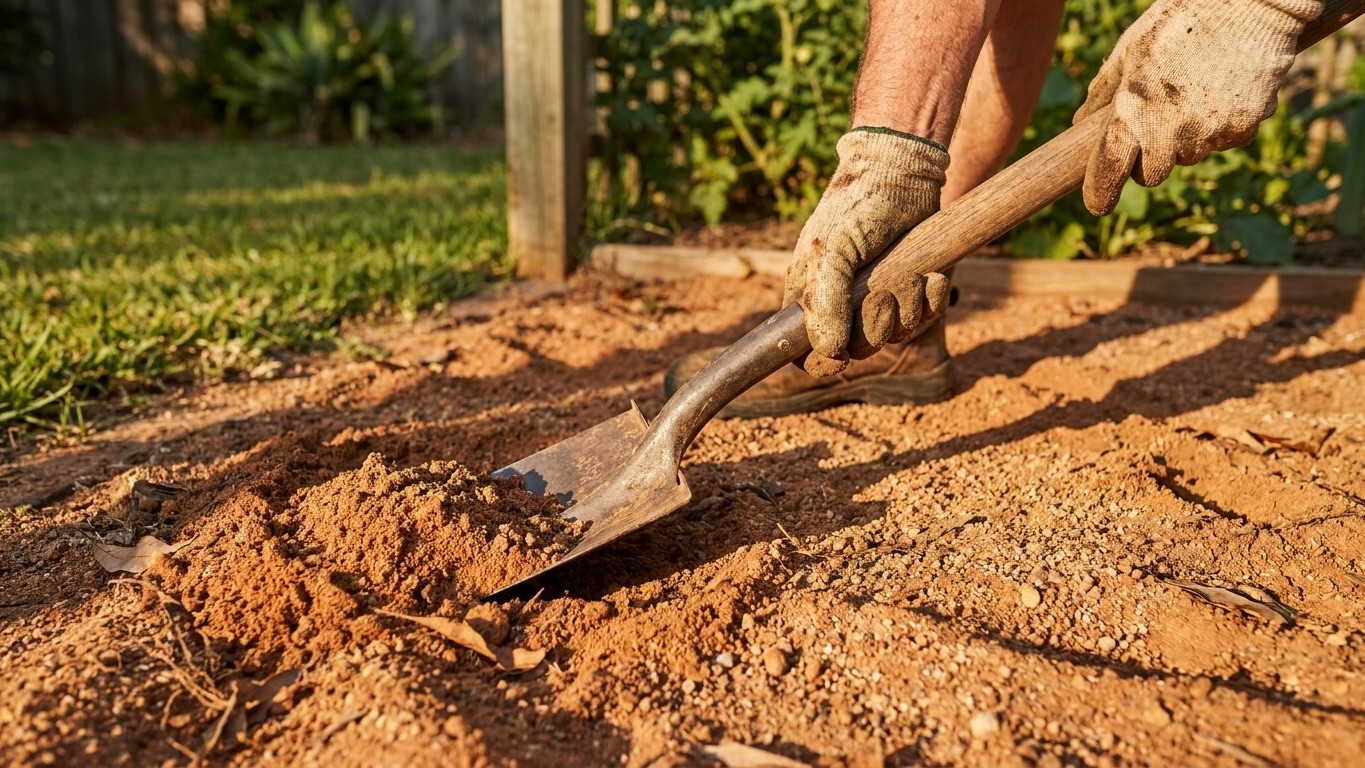
Dig a shovel into most Alabama ground and you’ll hit sandy, reddish soil that drains fast but holds almost no fertility on its own.
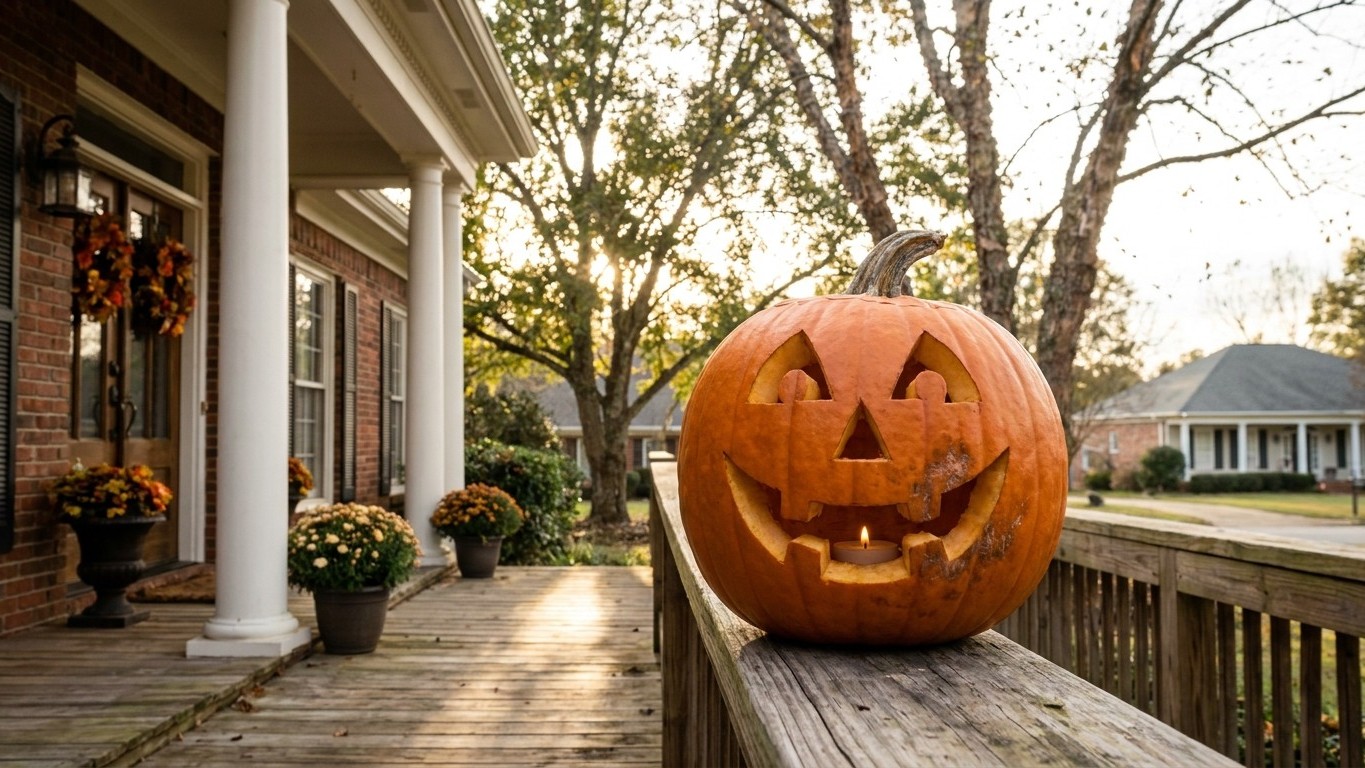
Around Huntsville, the mean first fall frost lands somewhere between November 2 and November 16, according to NOAA’s 30-year climate normals.