Grasshoppers in British Columbia: When It Shows Up and What Stops It
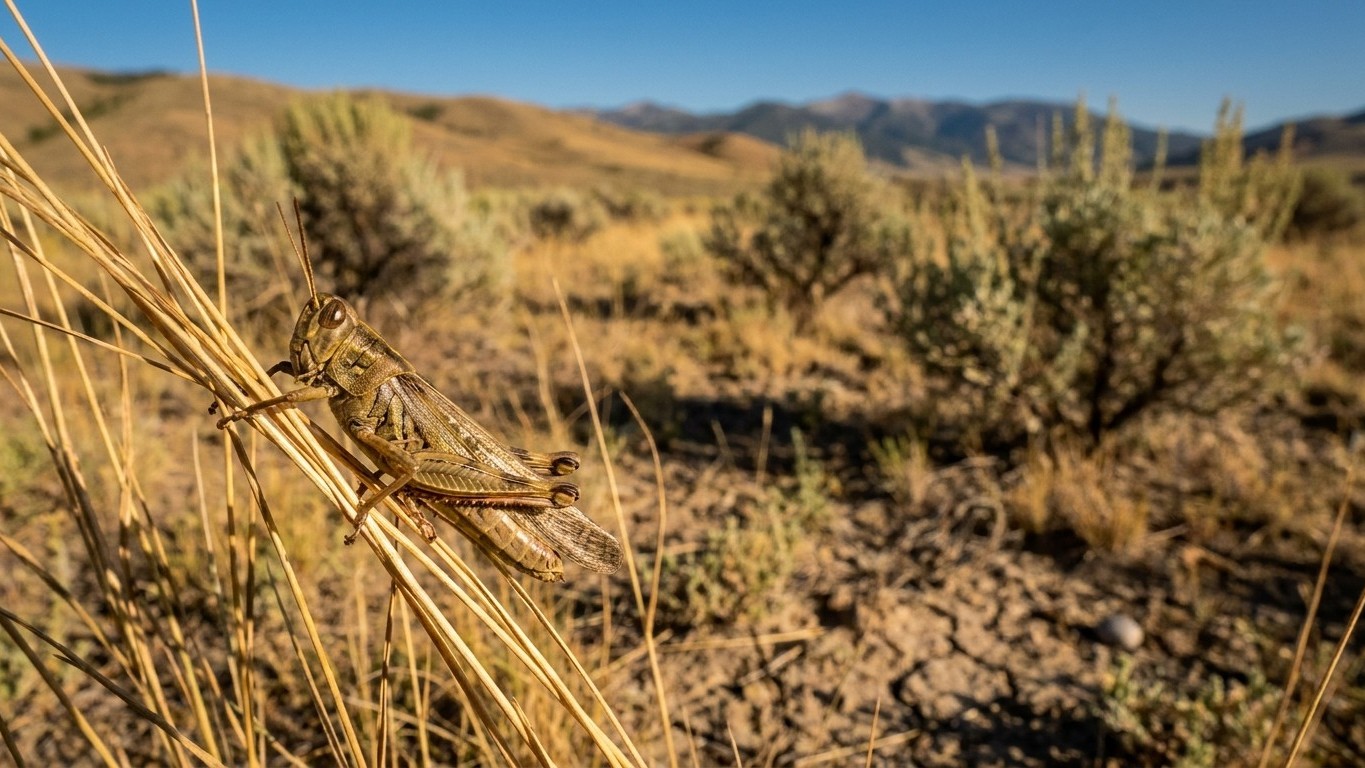
Grasshoppers show up in British Columbia every year between late May and September, with the heaviest activity from mid-July through August in the dry…
Home & garden, state by state
Everything we have worked out for British Columbia: what to plant and when, which varieties finish in time, the pests that actually turn up here, and the jobs that pay off month by month. We also cover the rest of the property, from lawns and soil to home care and energy, because a garden rarely stops at the vegetable bed.
The numbers first, because everything else follows from them. Measured at the weather station in Vancouver, the last spring freeze falls around March 18 and the first fall freeze falls around November 10, 1,738 growing degree days in the year.
That is enough for early varieties, tight for anything late. Garlic does well: 21.8 weeks below 40 °F, comfortably past the six it needs to form a proper head.
Elsewhere on the property in British Columbia: the pests that turn up here.
Figures from Environment and Climate Change Canada. A state is not one climate: elevation, a large lake or the coast can move these dates by two weeks either way, so check your own county with the extension service before you spend money.
Grasshoppers show up in British Columbia every year between late May and September, with the heaviest activity from mid-July through August in the dry…
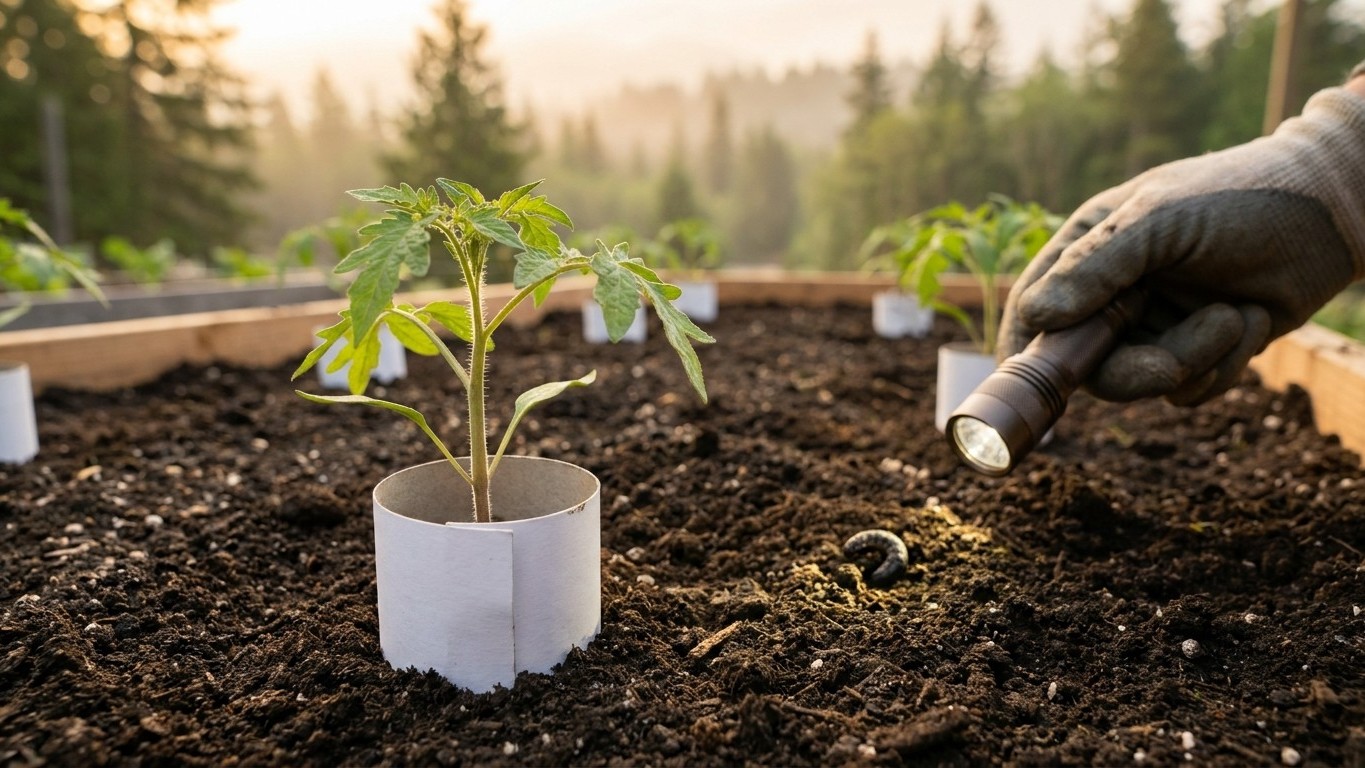
Cutworms start feeding in British Columbia as soon as soil temperatures climb past roughly 50°F, which in most of the province means late March through…
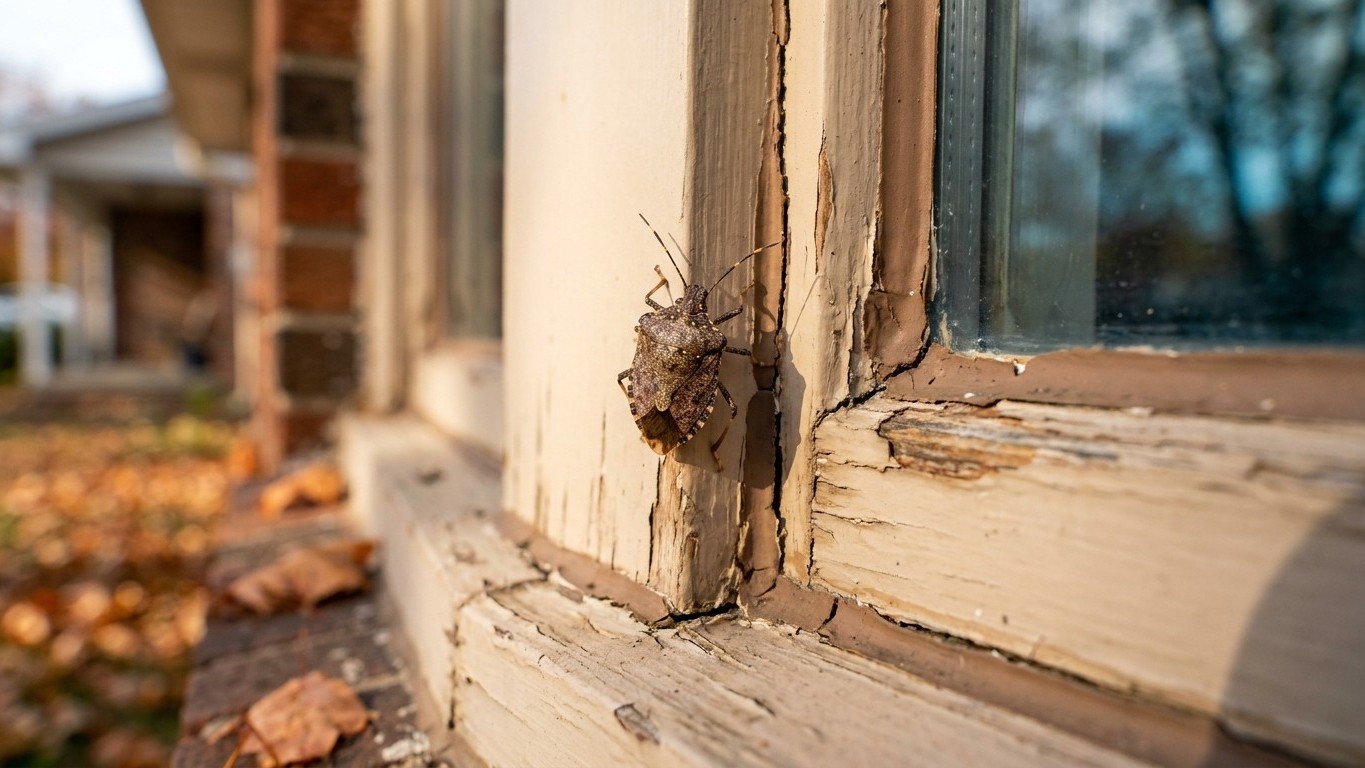
Brown marmorated stink bugs start showing up in British Columbia homes in mid-September, when cooling temperatures push them to look for winter shelter…
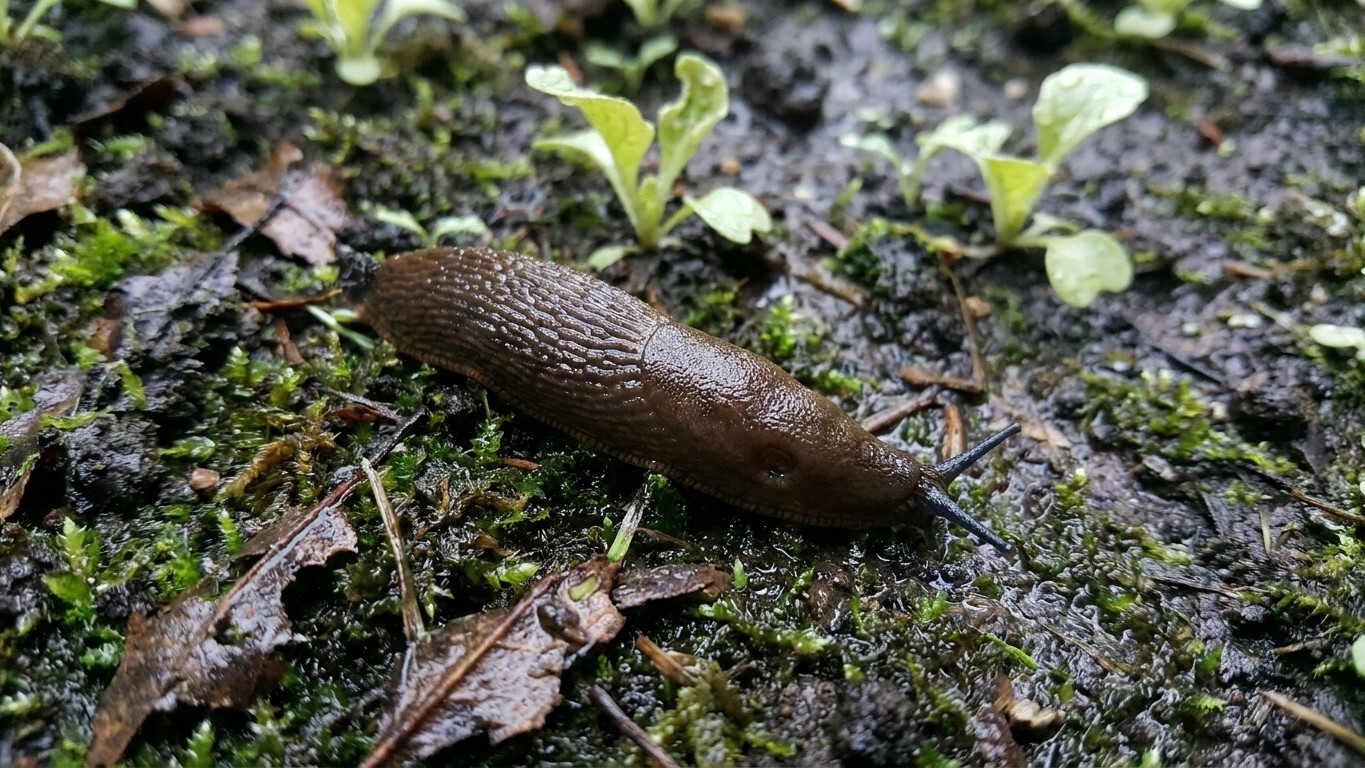
Slugs in British Columbia show up whenever the ground stays damp and temperatures sit between 45°F and 75°F, which in most of the province’s coastal and…
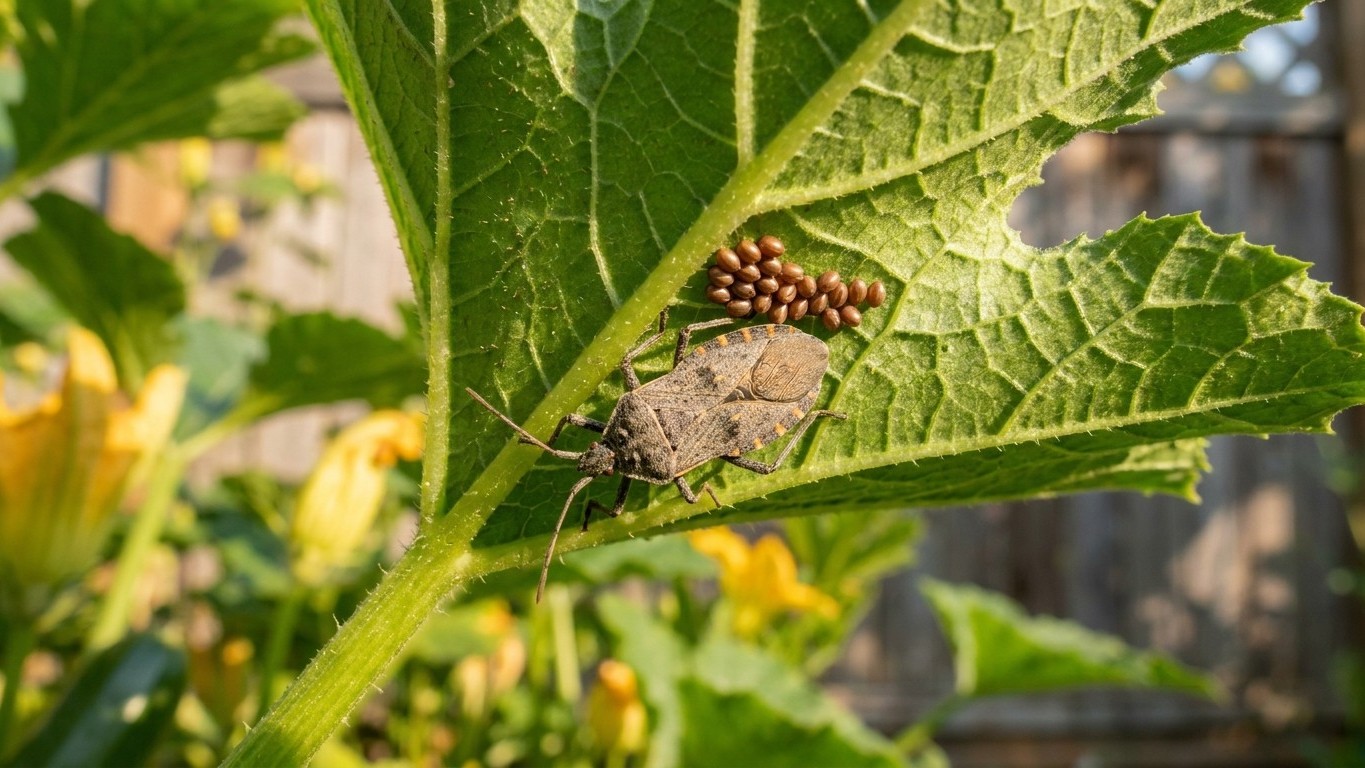
Squash bugs (Anasa tristis) show up in British Columbia gardens from mid-June through early September, with the heaviest pressure hitting in July and…
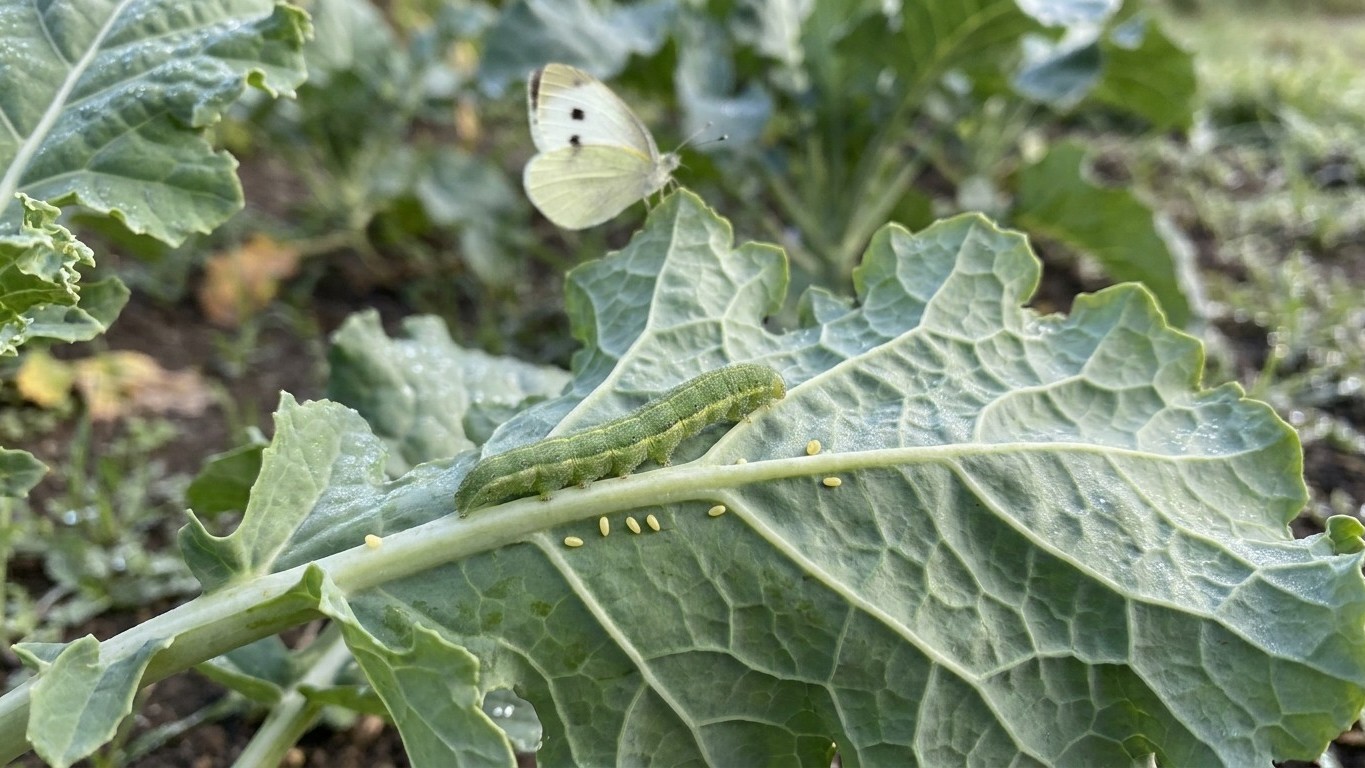
The imported cabbageworm starts showing up in British Columbia gardens as early as April on the South Coast and Vancouver Island, and as late as May or…
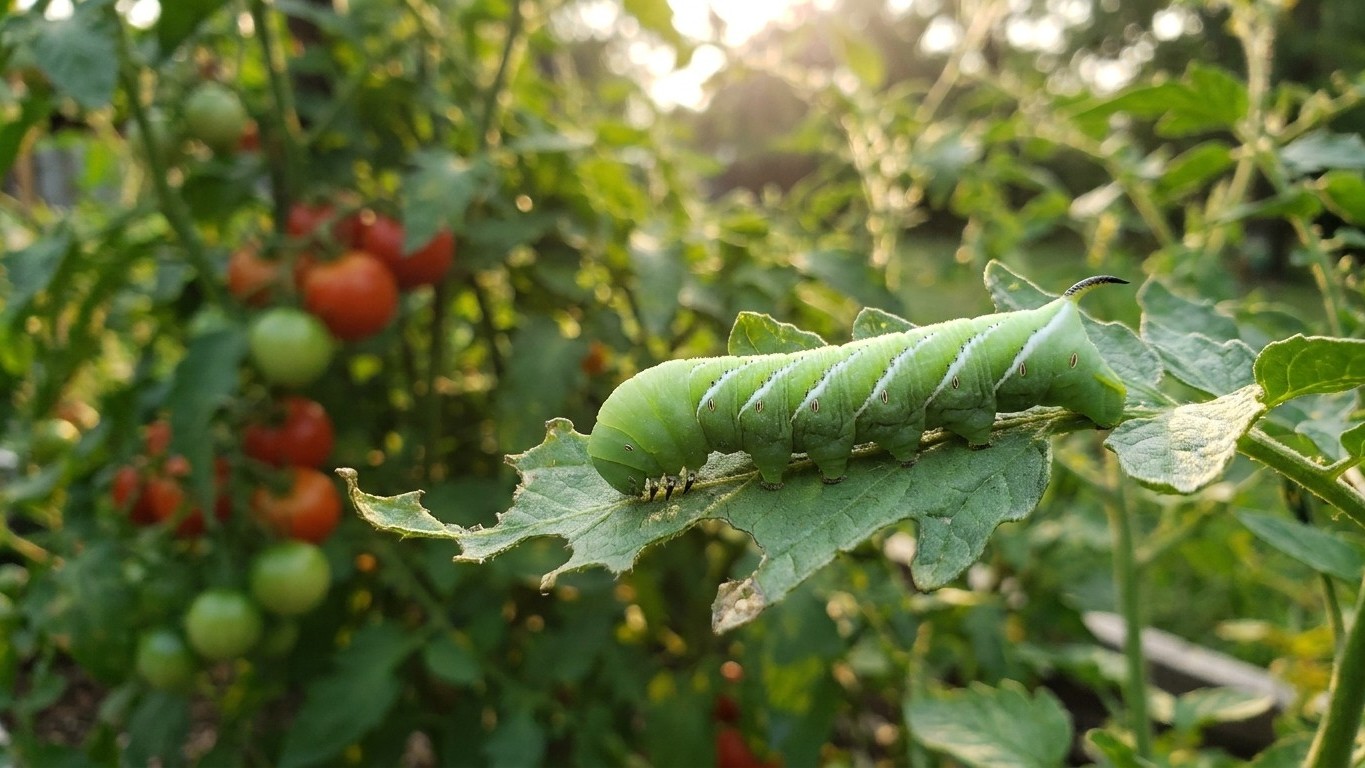
Tomato hornworms typically show up in British Columbia gardens from mid-July through September, with the heaviest feeding damage usually happening in…
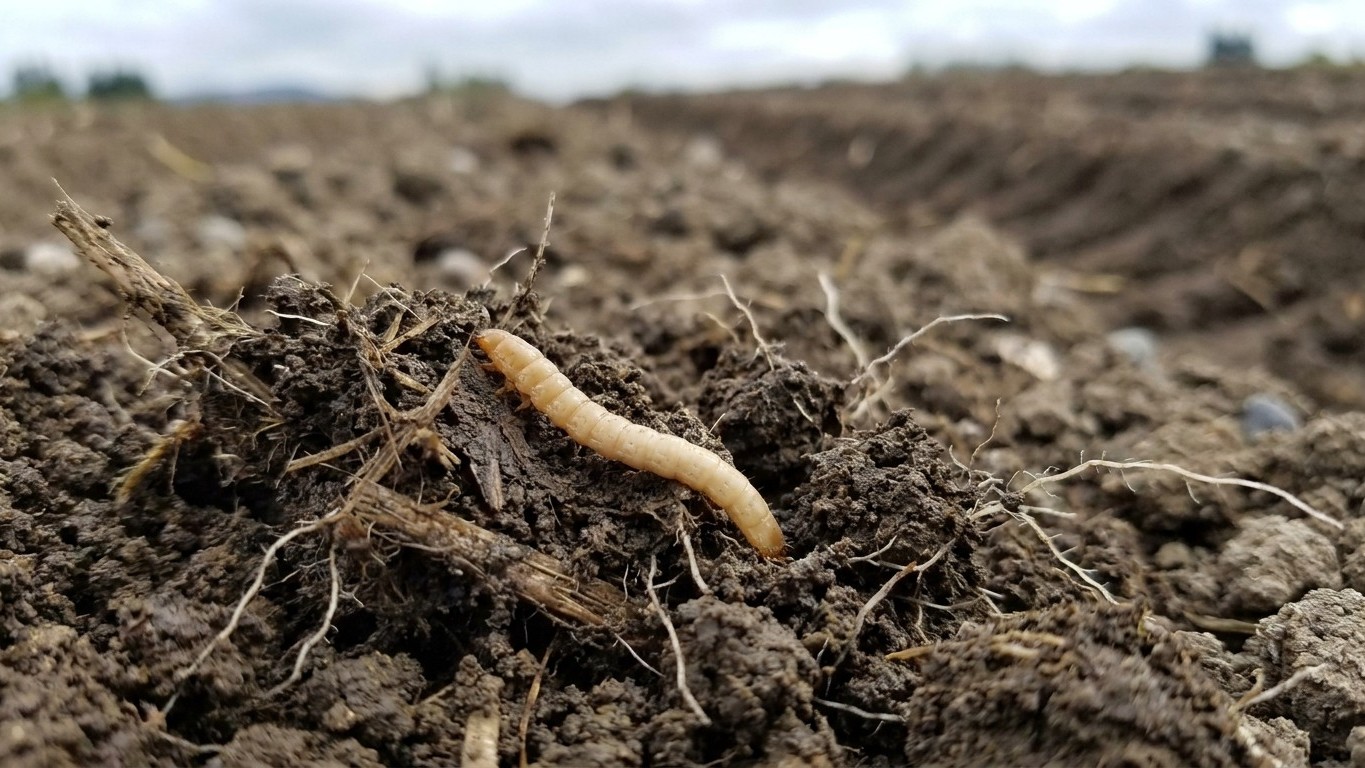
Wireworms show up in British Columbia mostly in spring and again in early fall, when soil temperatures sit between roughly 50°F and the mid-70s.
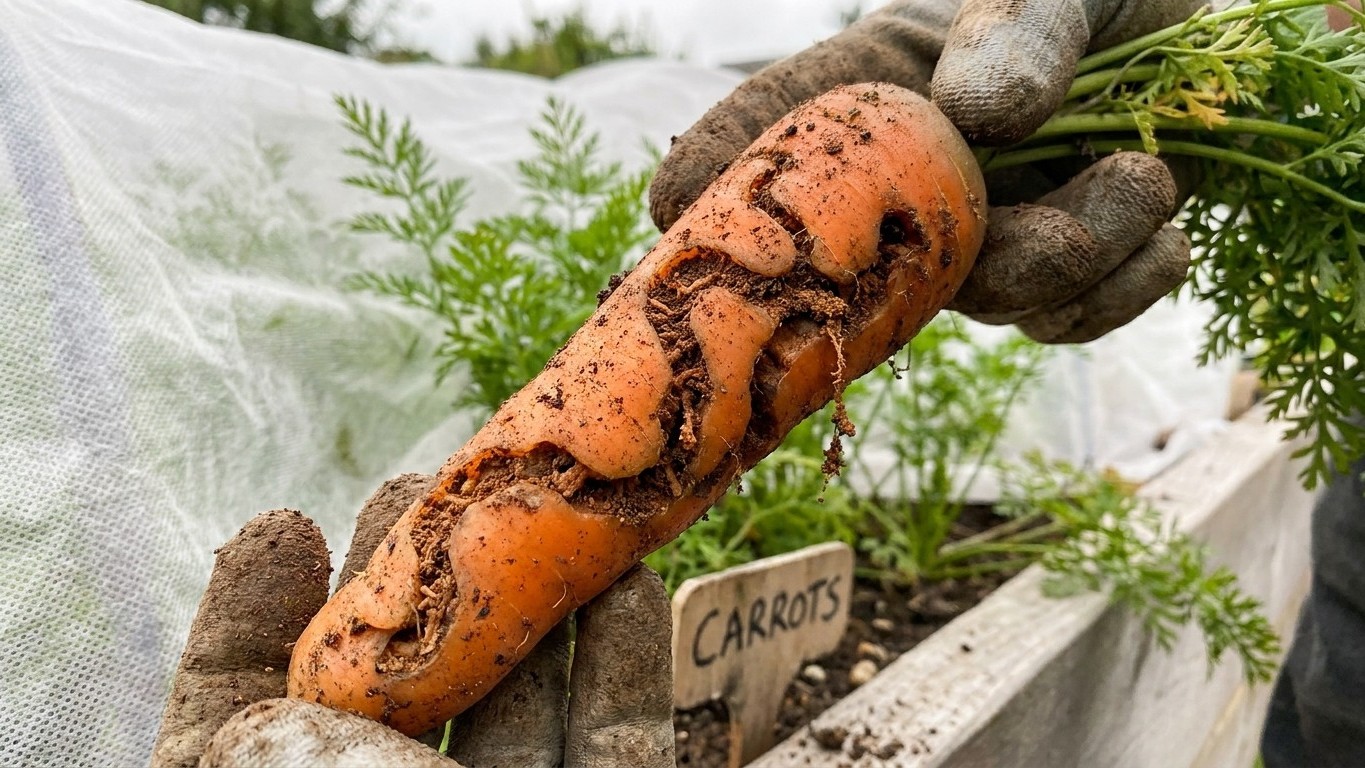
Carrot rust fly larvae start feeding on BC roots as early as May along the coast, with a second wave of maggots showing up in August and September.
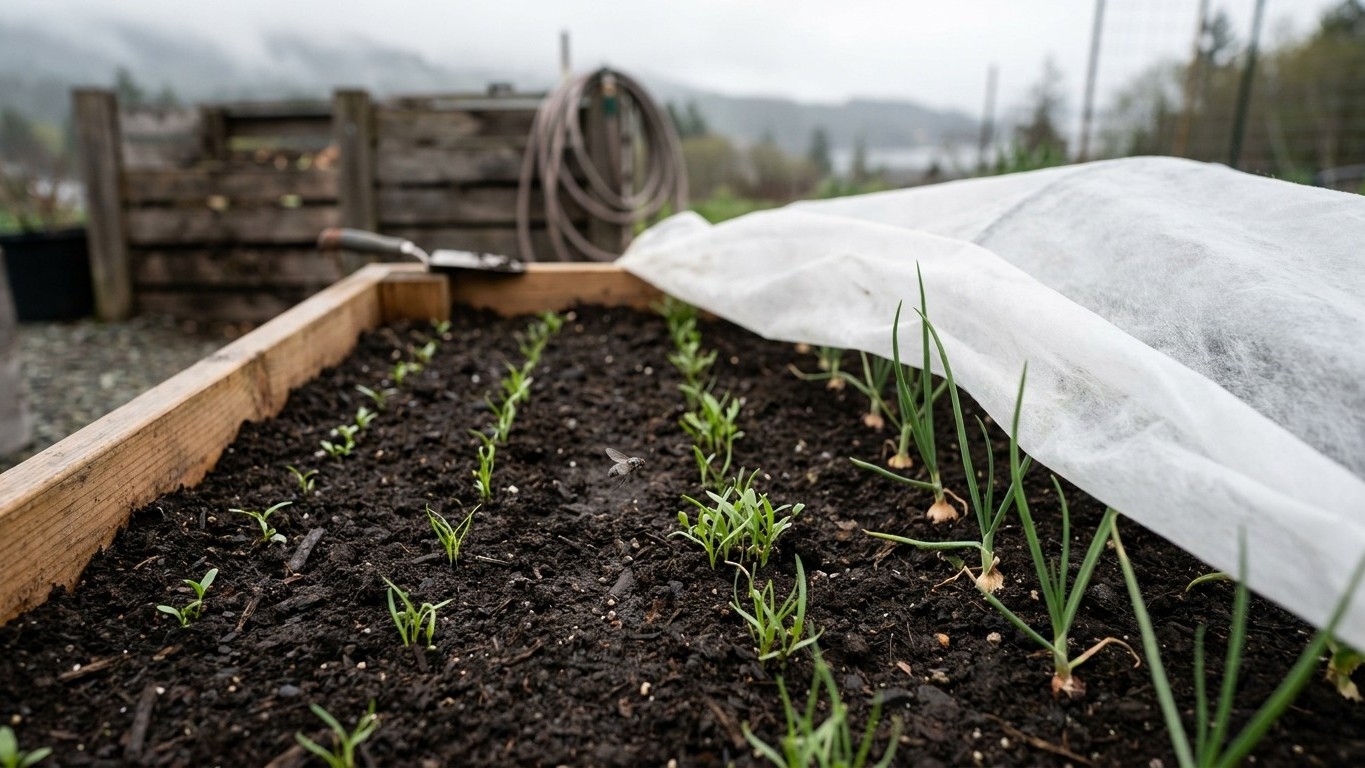
Onion maggot flies become active in British Columbia as soon as soil temperatures climb into the low 50s Fahrenheit, usually in April along the coast and…