Cabbage maggot in British Columbia: When It Shows Up and What Stops It
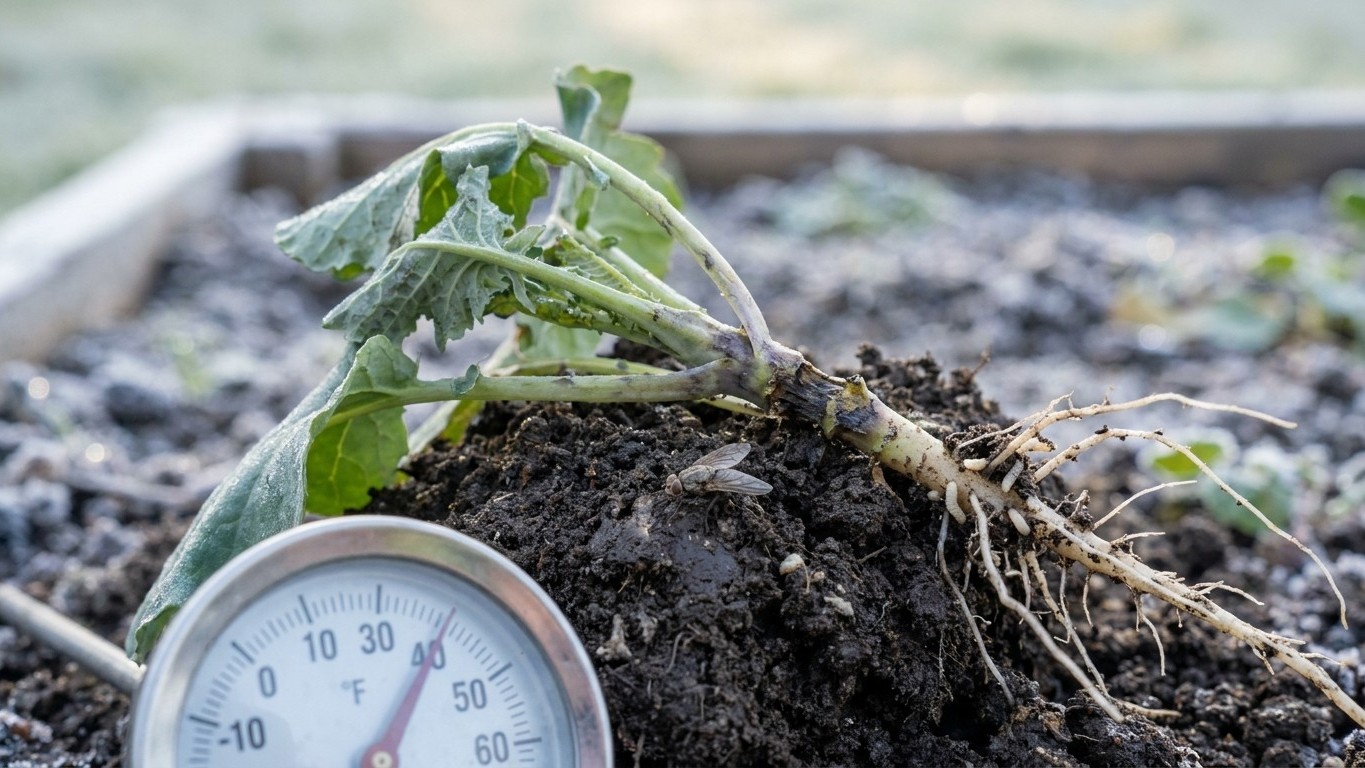
Cabbage maggot larvae start tunneling into brassica roots as soon as coastal soil hits 43°F, which in most of British Columbia’s Lower Mainland and…
Home & garden, state by state
Everything we have worked out for British Columbia: what to plant and when, which varieties finish in time, the pests that actually turn up here, and the jobs that pay off month by month. We also cover the rest of the property, from lawns and soil to home care and energy, because a garden rarely stops at the vegetable bed.
The numbers first, because everything else follows from them. Measured at the weather station in Vancouver, the last spring freeze falls around March 18 and the first fall freeze falls around November 10, 1,738 growing degree days in the year.
That is enough for early varieties, tight for anything late. Garlic does well: 21.8 weeks below 40 °F, comfortably past the six it needs to form a proper head.
Elsewhere on the property in British Columbia: the pests that turn up here.
Figures from Environment and Climate Change Canada. A state is not one climate: elevation, a large lake or the coast can move these dates by two weeks either way, so check your own county with the extension service before you spend money.
Cabbage maggot larvae start tunneling into brassica roots as soon as coastal soil hits 43°F, which in most of British Columbia’s Lower Mainland and…
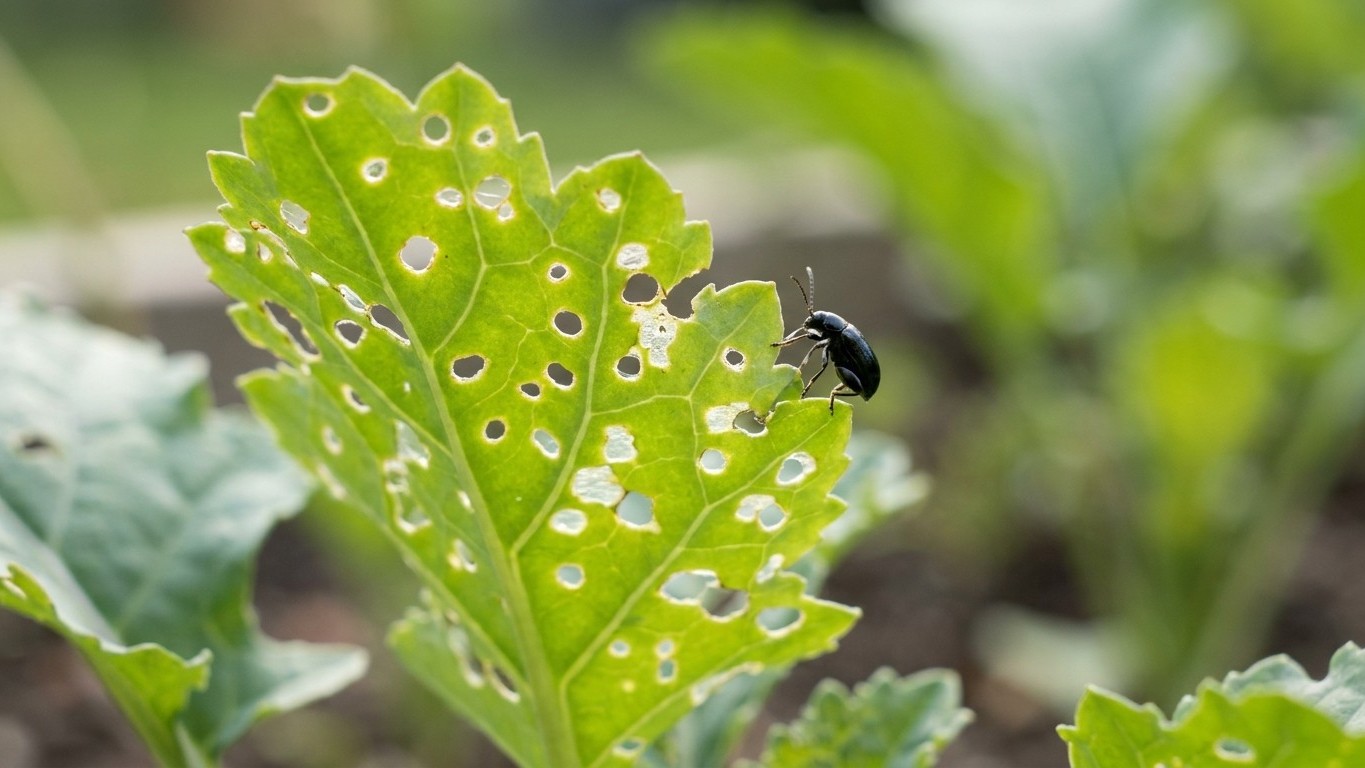
Flea beetles start chewing through British Columbia gardens and canola fields as soon as soil temperatures climb past 55°F, which typically happens in…
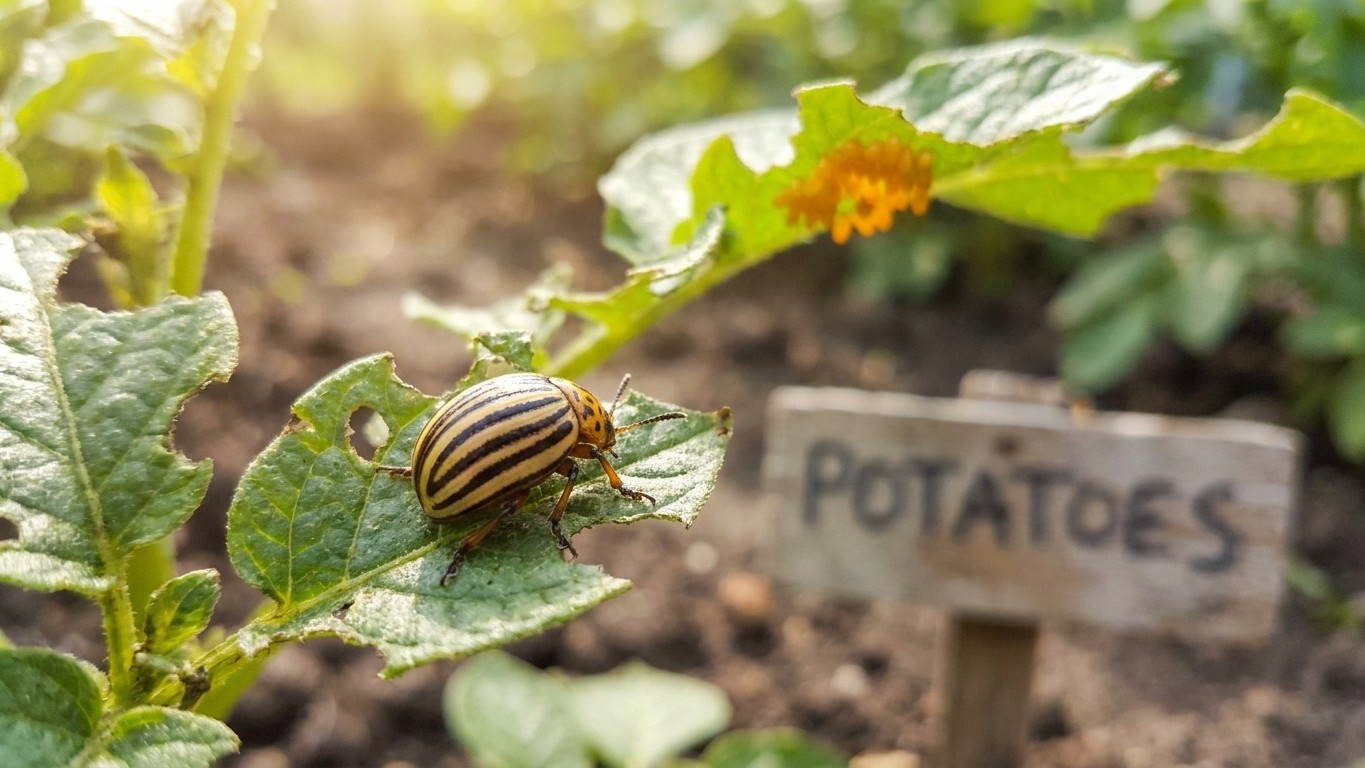
Colorado potato beetles show up in British Columbia as soon as soil temperatures climb into the low 50s Fahrenheit, which typically happens in late April…
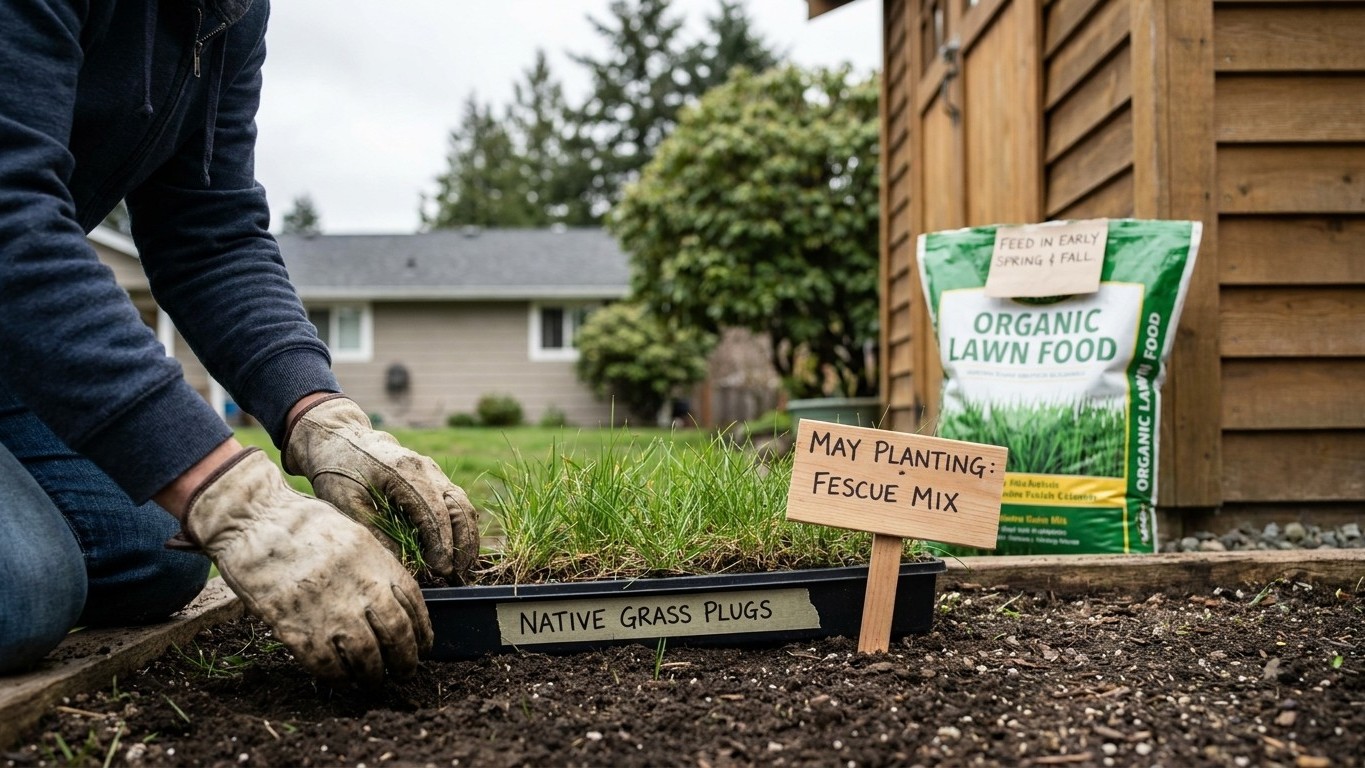
ECCC climate normals show why British Columbia lawns fall between cool- and warm-season grass, and what that means for seeding, feeding, and mowing.
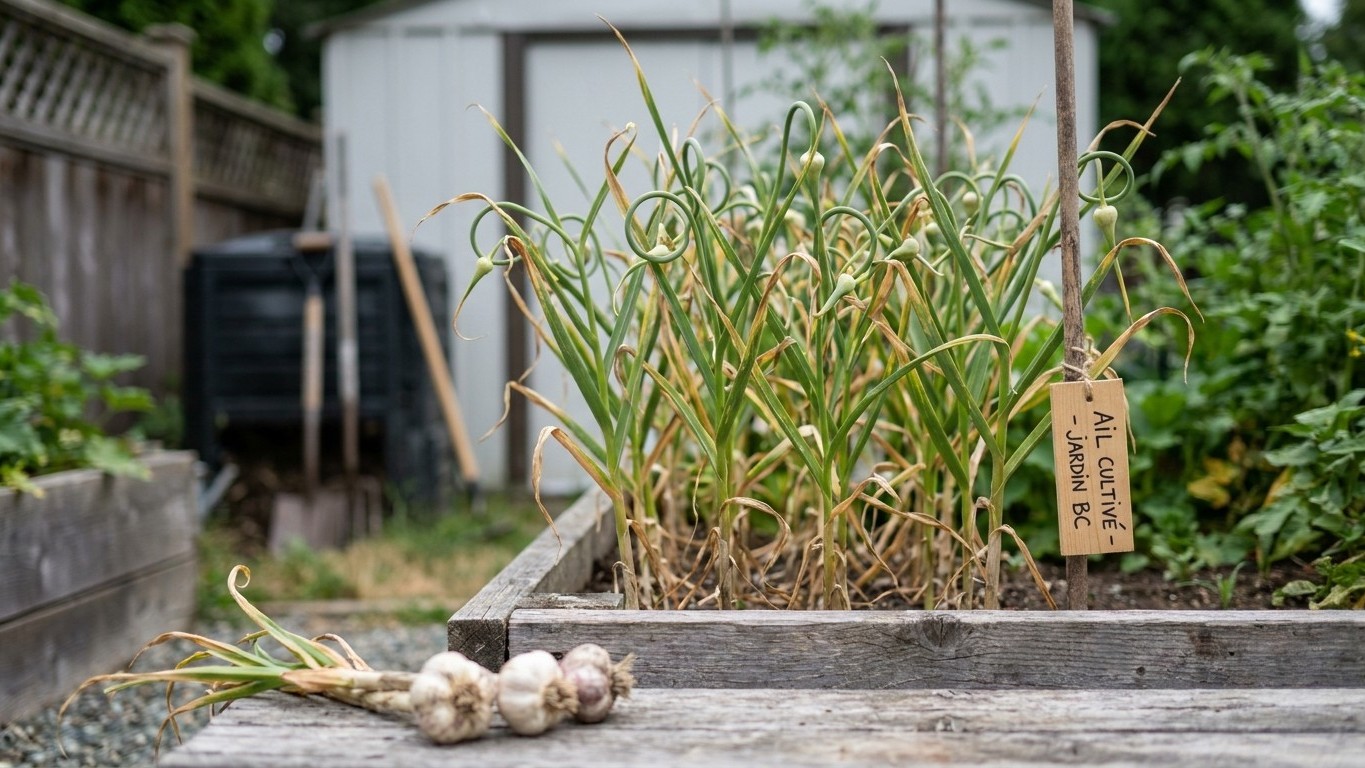
A look at which garlic varieties suit British Columbia’s winters, when to plant them, and how the frost timing shifts across the province.
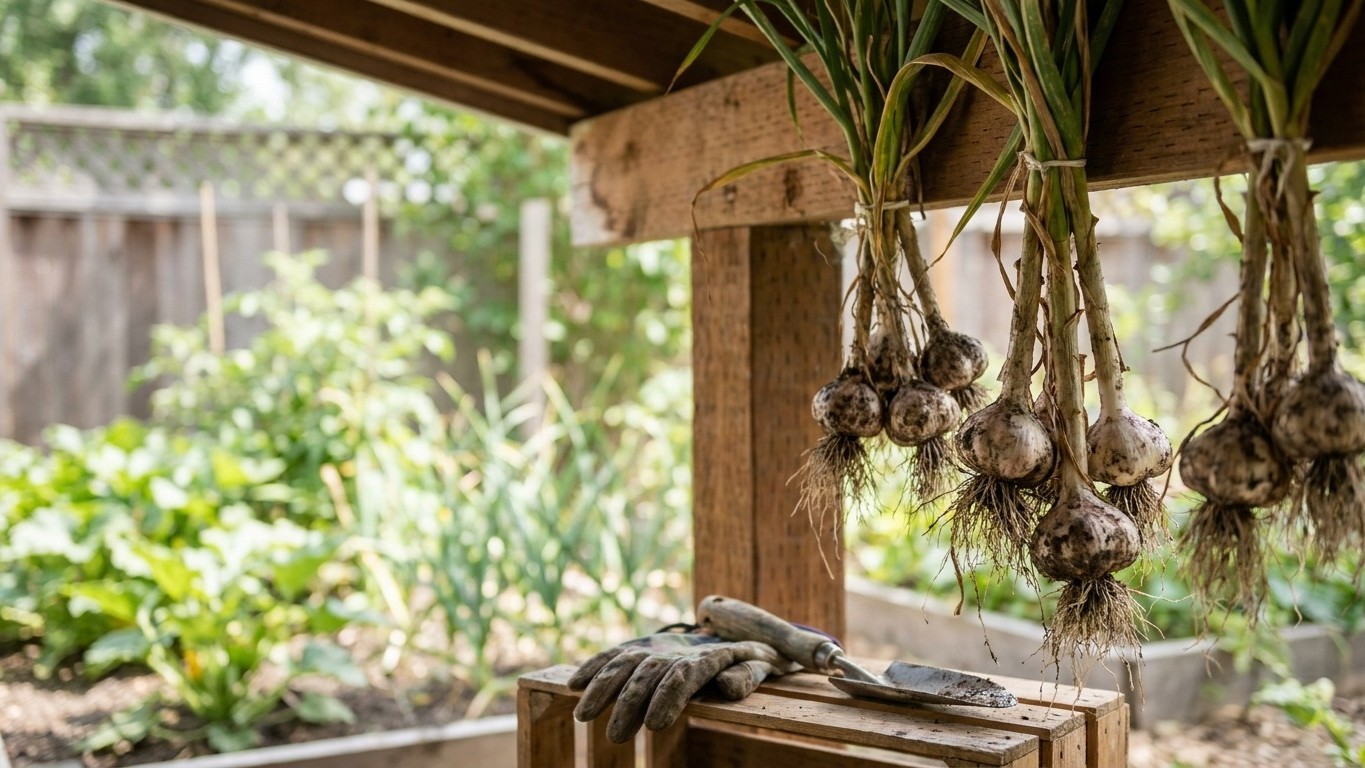
Garlic goes into British Columbia soil in mid-October, about three weeks before the region’s average first frost, so roots establish before winter.
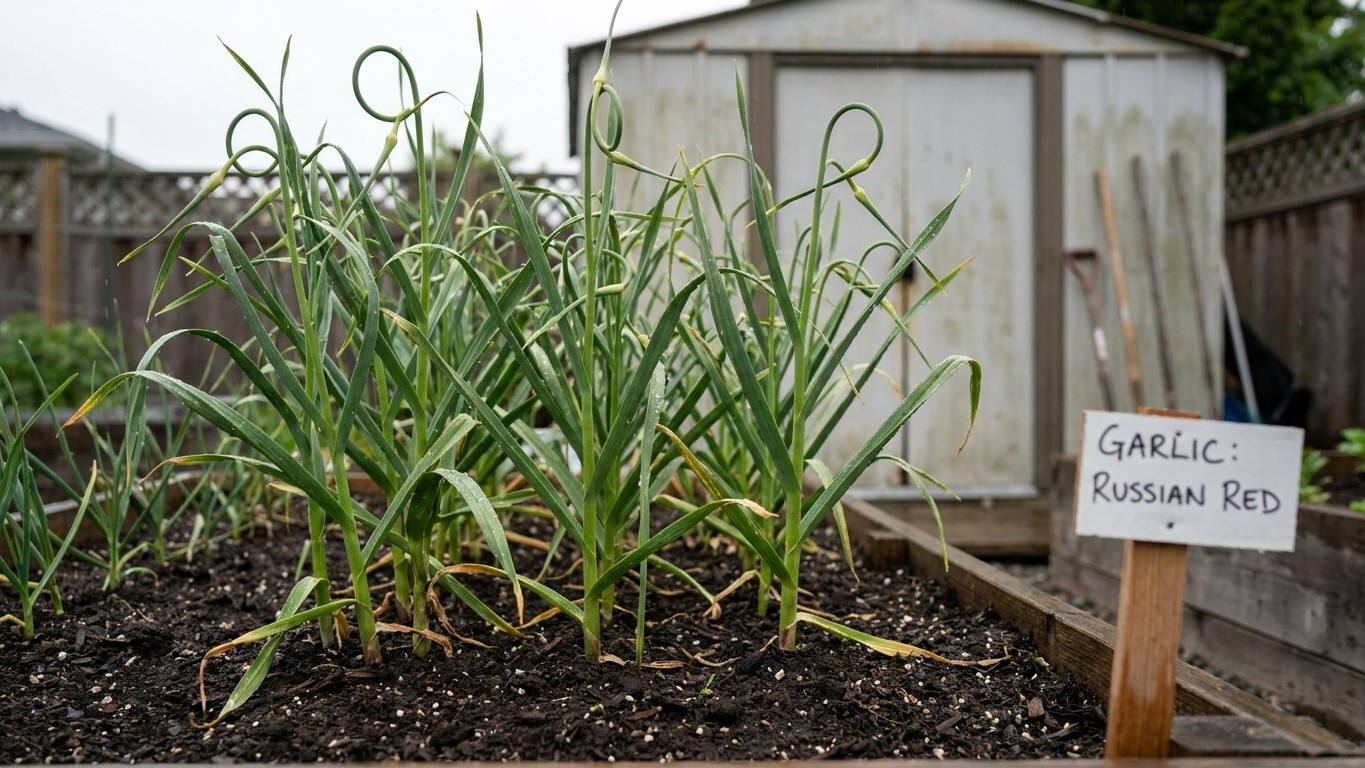
Coastal British Columbia’s mild winters and Vancouver’s average November frost date shape when to plant garlic, which types survive, and how long bulbs store afterward.
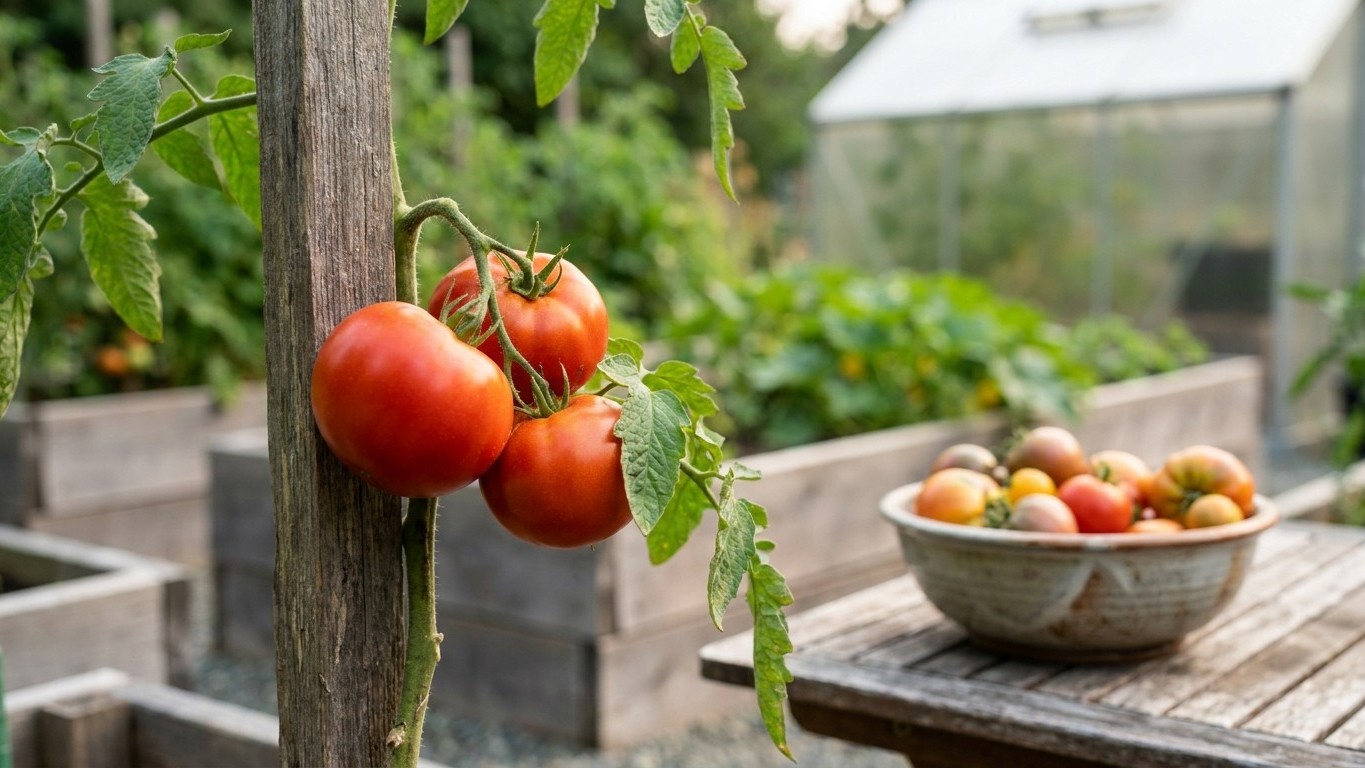
Frost data from Vancouver Int’l A, a full BC tomato calendar, cultivar picks with math, and the season-extension tricks that make short summers work.
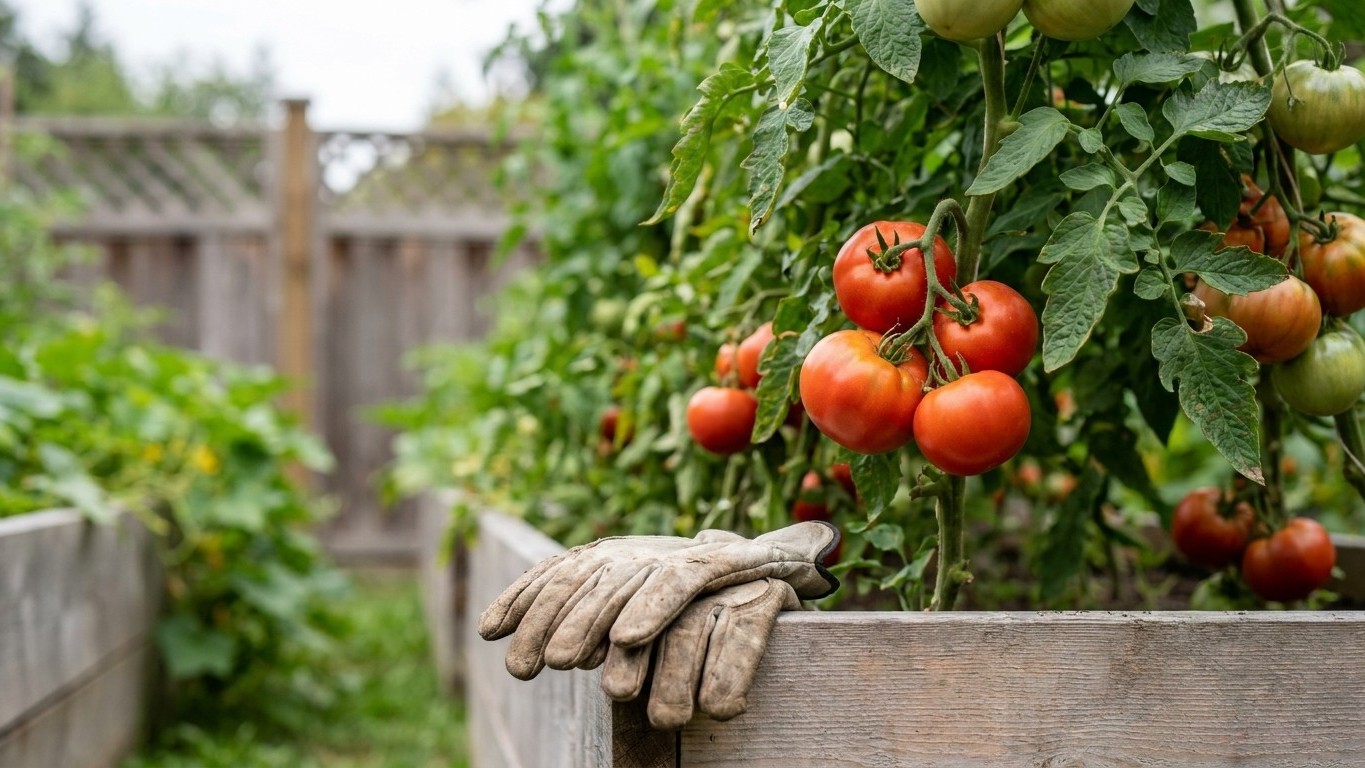
Eight named tomato cultivars are matched against Vancouver’s frost window, from 55-day cherries to a 78-day paste tomato, with the ripening math shown.
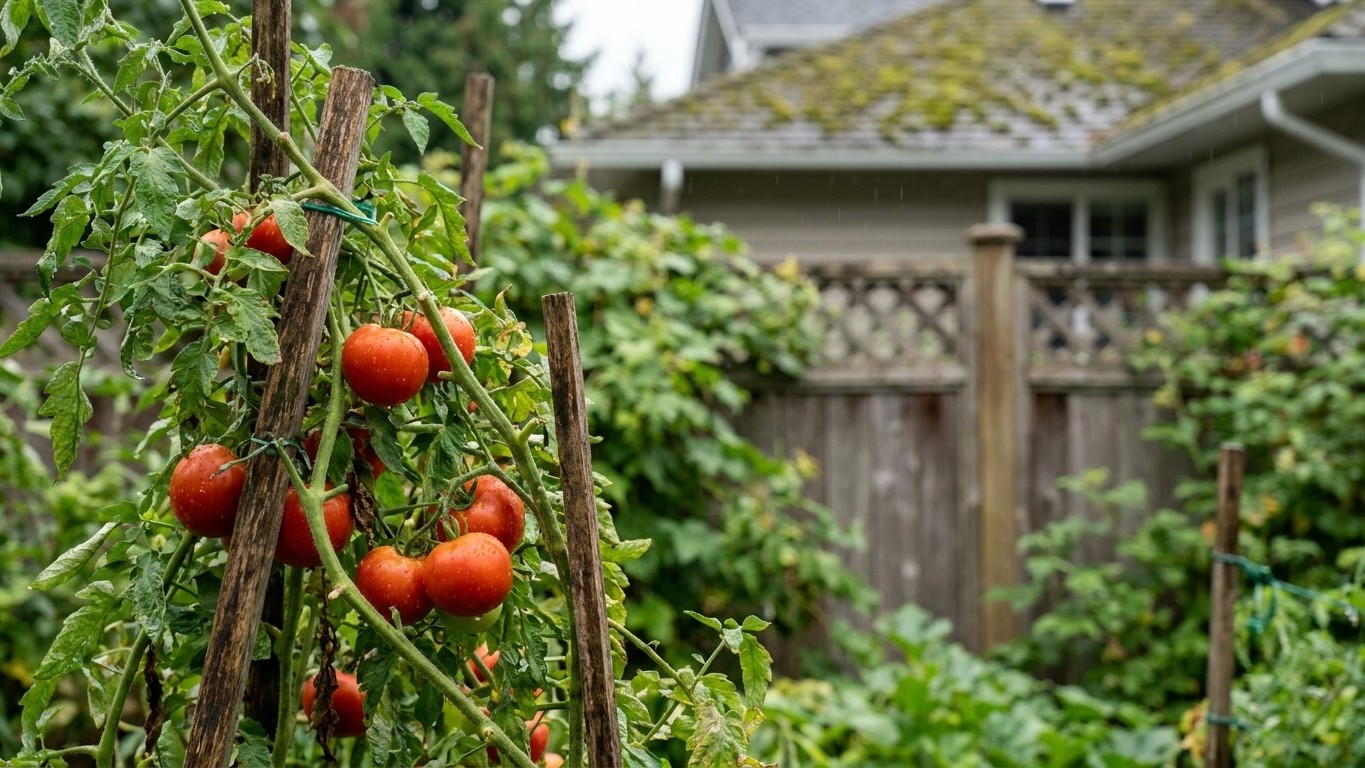
Explains how to calculate a British Columbia tomato transplant date by counting back from Environment and Climate Change Canada’s average frost dates for Vancouver.