What Eats Beet in British Columbia, and When
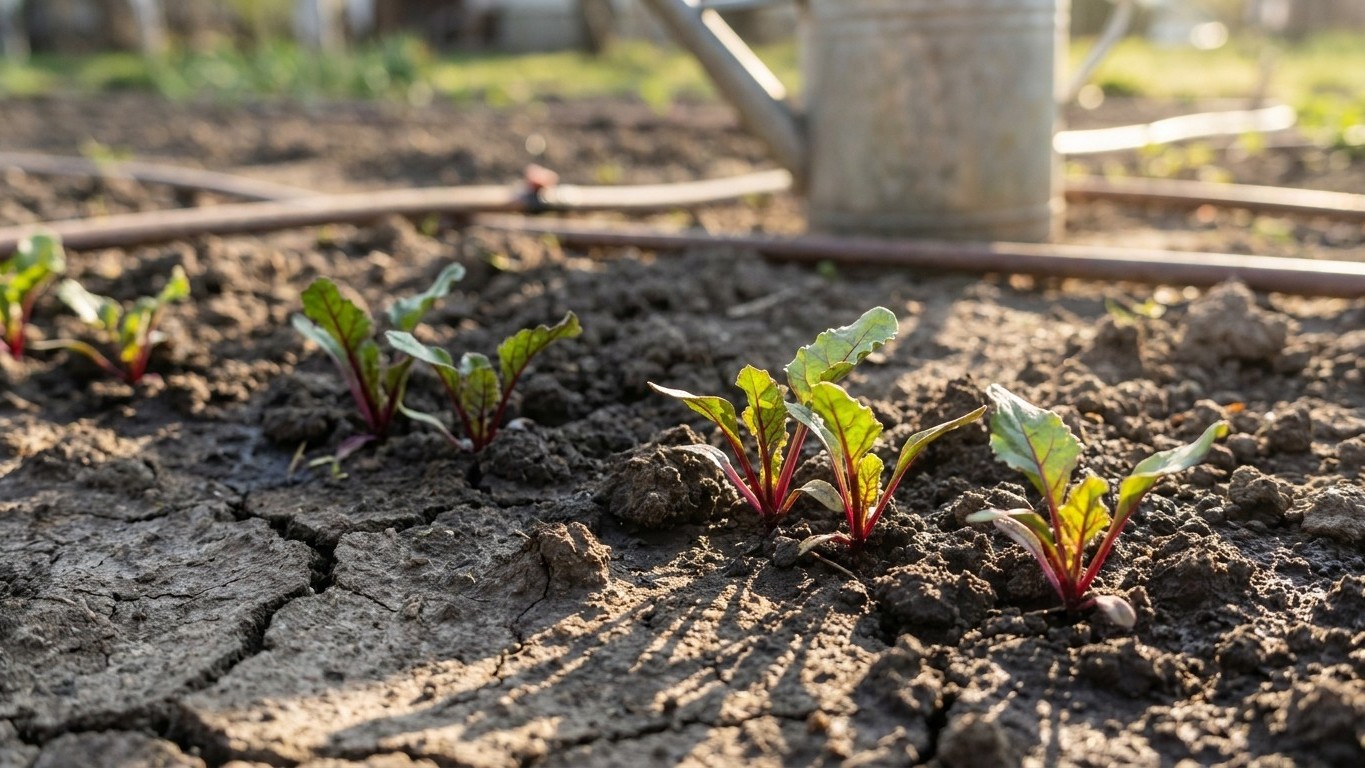
Beets in British Columbia face a shorter, cooler-edged list of leaf and root feeders than warmer growing regions get, and most of them show up at two…
Home & garden, state by state
Everything we have worked out for British Columbia: what to plant and when, which varieties finish in time, the pests that actually turn up here, and the jobs that pay off month by month. We also cover the rest of the property, from lawns and soil to home care and energy, because a garden rarely stops at the vegetable bed.
The numbers first, because everything else follows from them. Measured at the weather station in Vancouver, the last spring freeze falls around March 18 and the first fall freeze falls around November 10, 1,738 growing degree days in the year.
That is enough for early varieties, tight for anything late. Garlic does well: 21.8 weeks below 40 °F, comfortably past the six it needs to form a proper head.
Elsewhere on the property in British Columbia: the pests that turn up here.
Figures from Environment and Climate Change Canada. A state is not one climate: elevation, a large lake or the coast can move these dates by two weeks either way, so check your own county with the extension service before you spend money.
Beets in British Columbia face a shorter, cooler-edged list of leaf and root feeders than warmer growing regions get, and most of them show up at two…
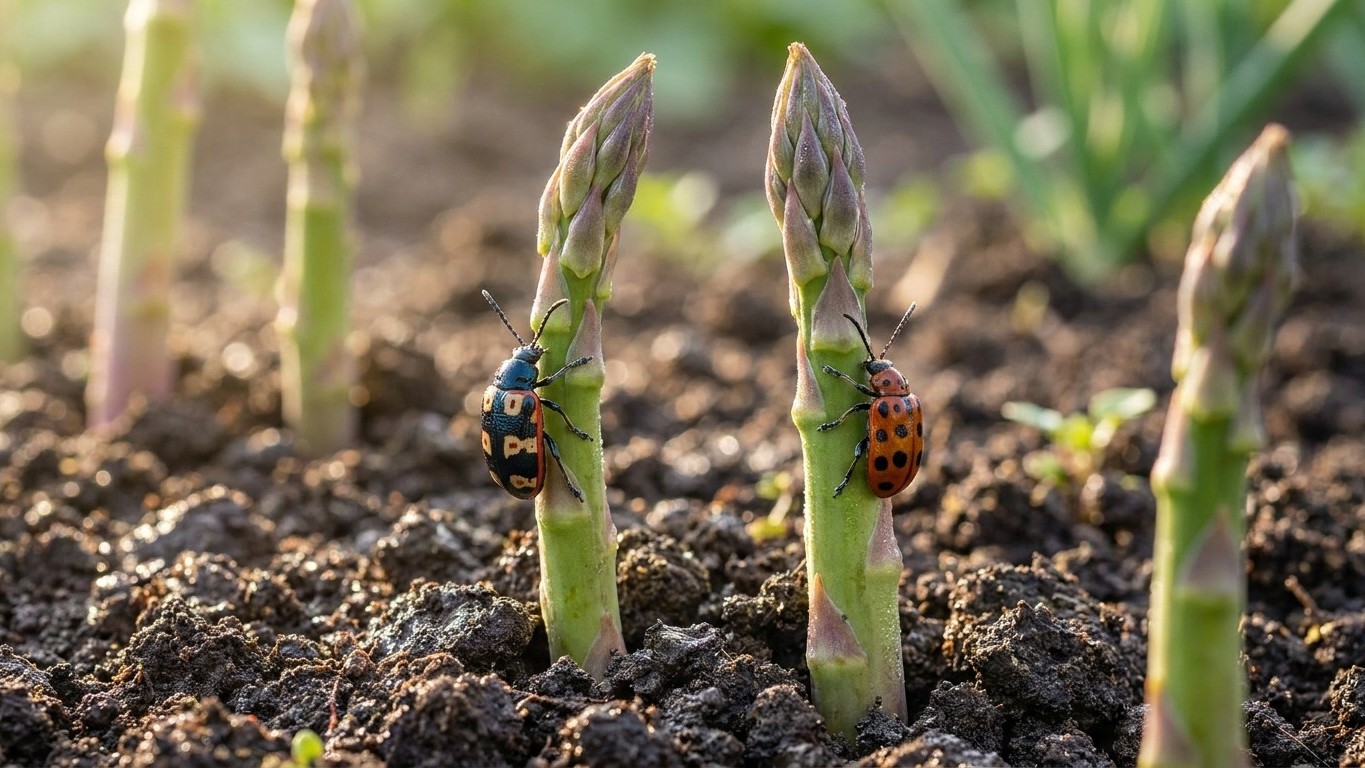
British Columbia gardeners growing asparagus mostly deal with generalist feeders rather than a single dedicated asparagus pest: aphids, cutworms…
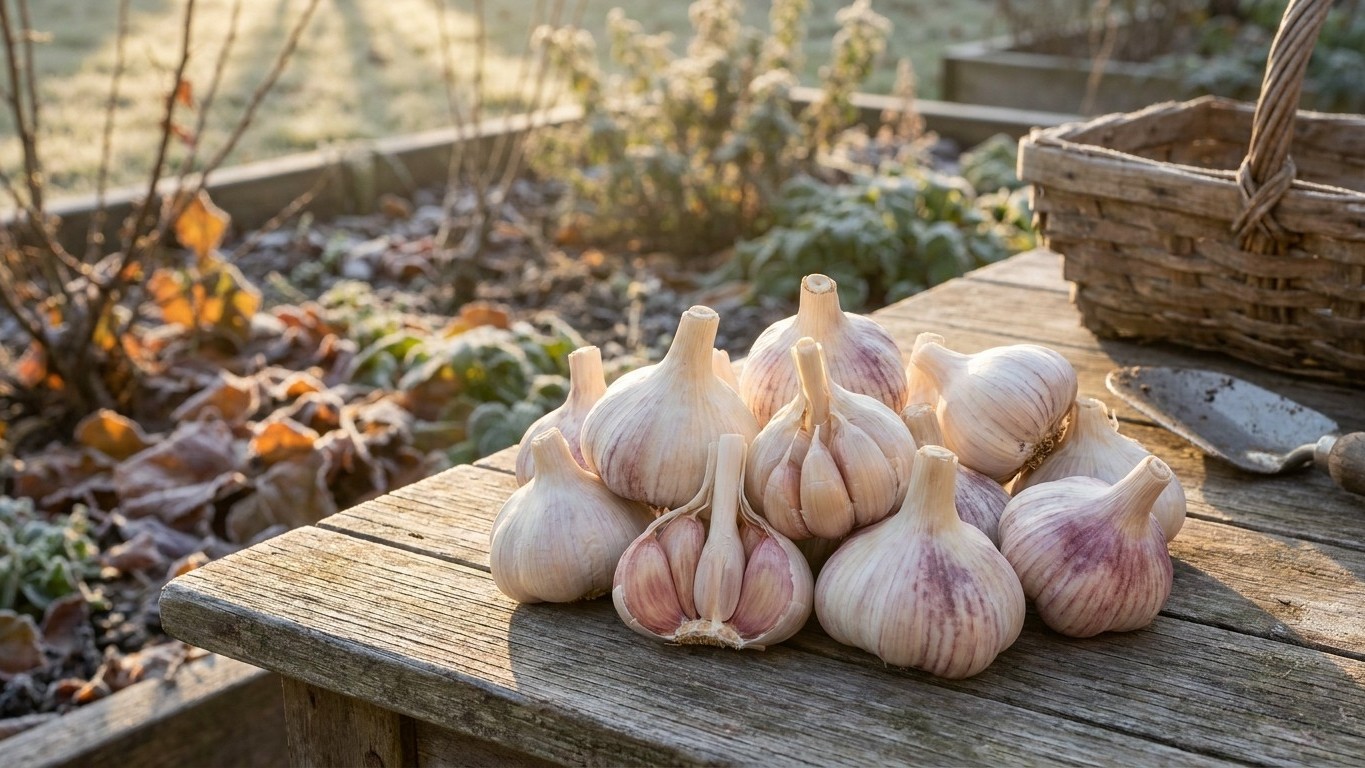
Garlic in British Columbia faces a short, specific list of feeders: onion maggot and onion thrips, wireworms, cutworms, aphids, and slugs.
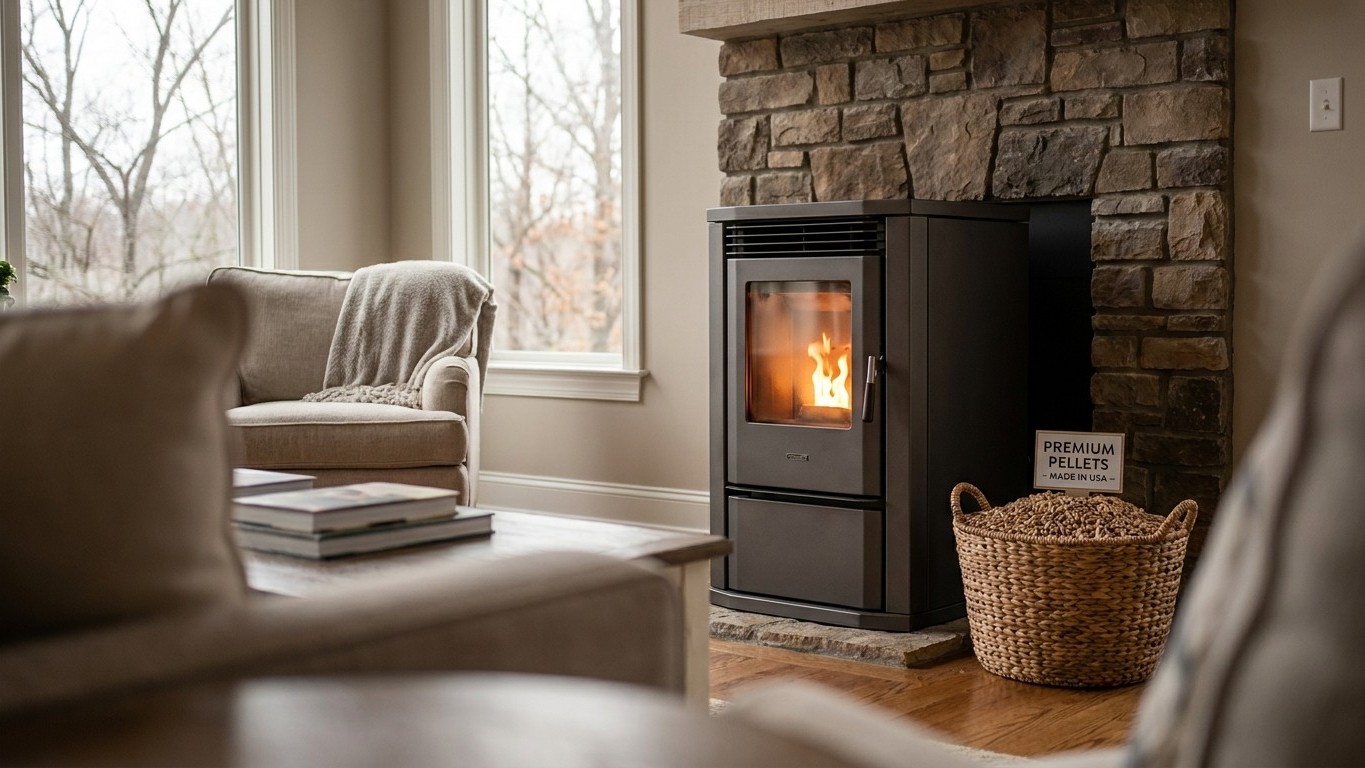
A winter in British Columbia’s Lower Mainland runs long rather than brutal, and that changes how you think about pellets.
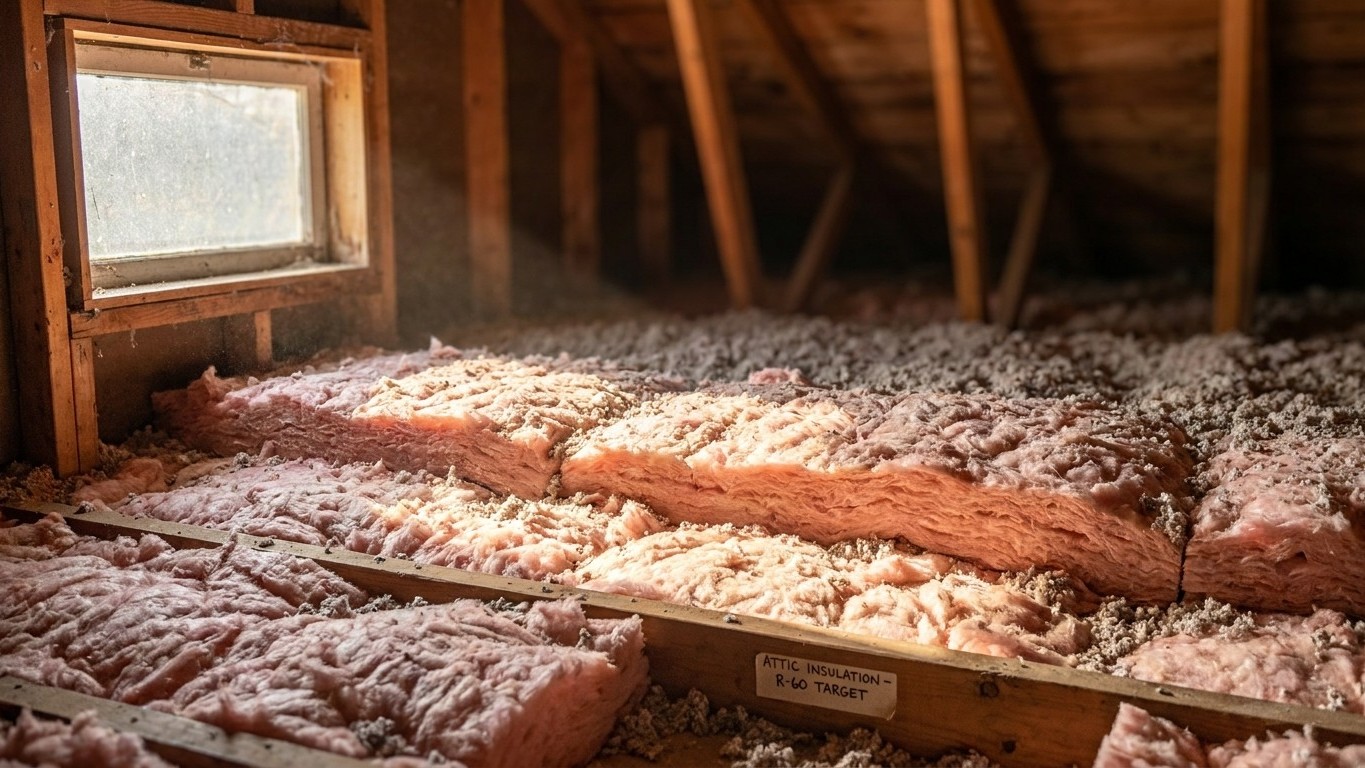
Vancouver Int’l A, the reference weather station most often used for the coast, sits in NRCan climate zone 4, with about 2,818 heating degree days a year…

Vancouver’s quietest month is August, when heating and cooling demand together add up to about 45 degree-days at Vancouver Int’l A, the reference station…
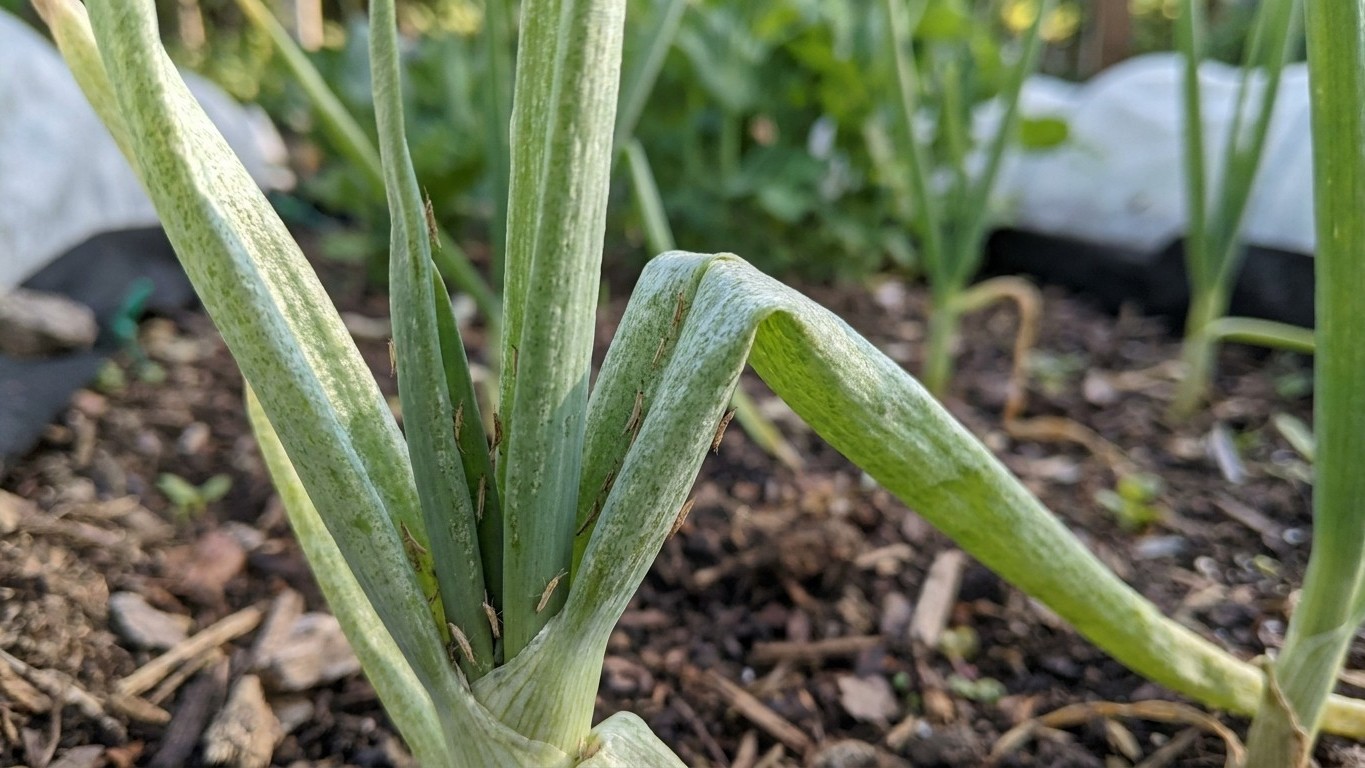
Onion thrips show up in British Columbia gardens as soon as spring soil warms past the mid-50s Fahrenheit, usually working through several overlapping…
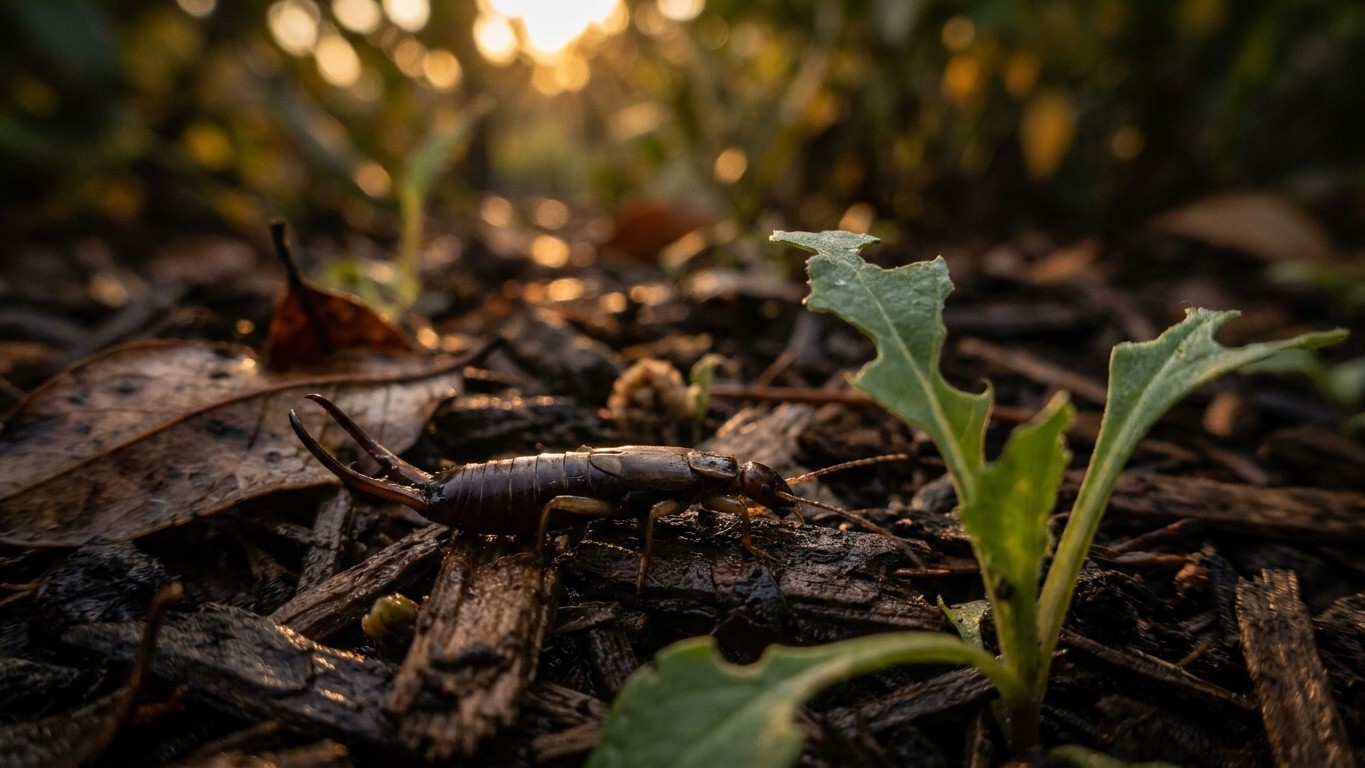
British Columbia’s European earwig population follows soil temperature, not the calendar.
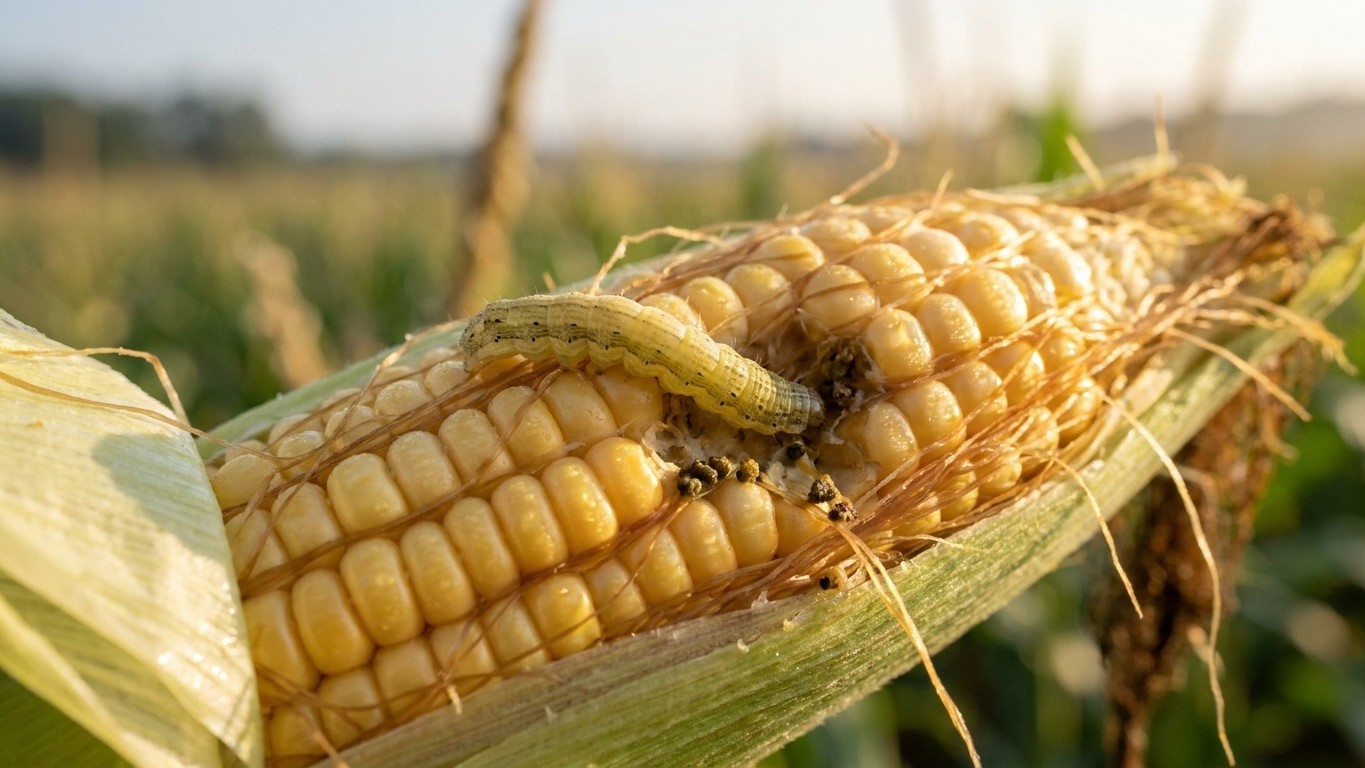
Corn earworm moths reach British Columbia’s growing regions from mid-summer through early fall, arriving as migrants rather than local survivors of winter.
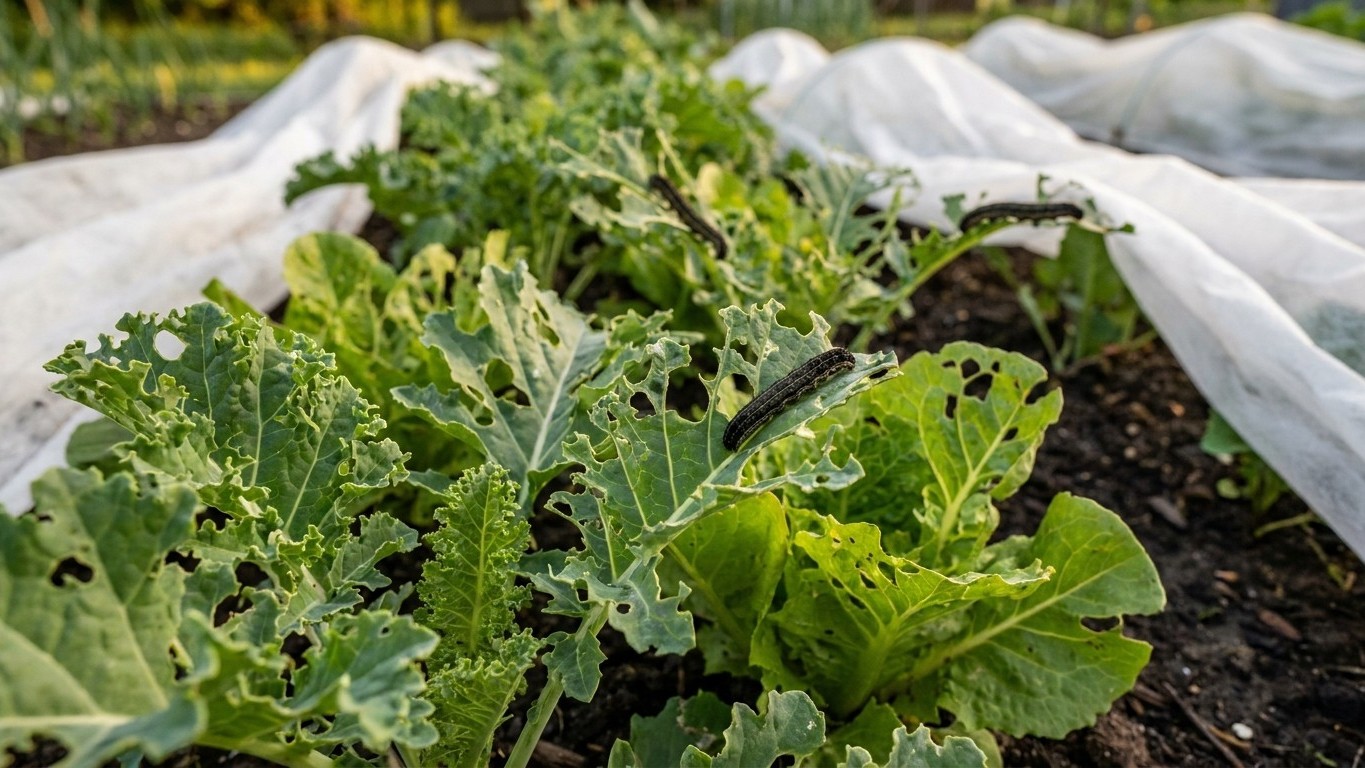
Armyworms turn up in British Columbia gardens and hayfields from late spring through early fall, feeding at night in bands that can strip a patch of…