Growing Beets in British Columbia: Soil, Sowing and Bolting
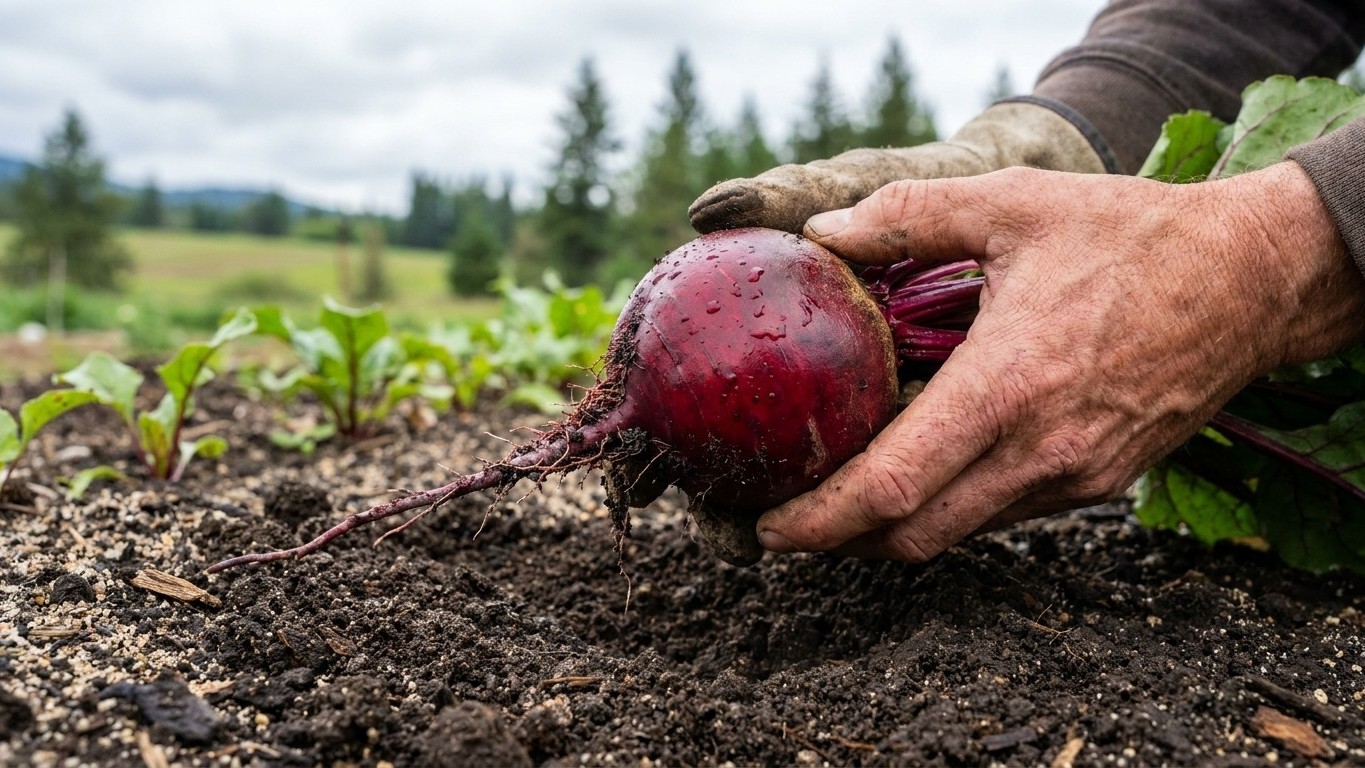
British Columbia’s farmland soil runs young and slightly acid, sandy loam over silt, well drained but light on the clay that holds moisture.
Home & garden, state by state
Everything we have worked out for British Columbia: what to plant and when, which varieties finish in time, the pests that actually turn up here, and the jobs that pay off month by month. We also cover the rest of the property, from lawns and soil to home care and energy, because a garden rarely stops at the vegetable bed.
The numbers first, because everything else follows from them. Measured at the weather station in Vancouver, the last spring freeze falls around March 18 and the first fall freeze falls around November 10, 1,738 growing degree days in the year.
That is enough for early varieties, tight for anything late. Garlic does well: 21.8 weeks below 40 °F, comfortably past the six it needs to form a proper head.
Elsewhere on the property in British Columbia: the pests that turn up here.
Figures from Environment and Climate Change Canada. A state is not one climate: elevation, a large lake or the coast can move these dates by two weeks either way, so check your own county with the extension service before you spend money.
British Columbia’s farmland soil runs young and slightly acid, sandy loam over silt, well drained but light on the clay that holds moisture.
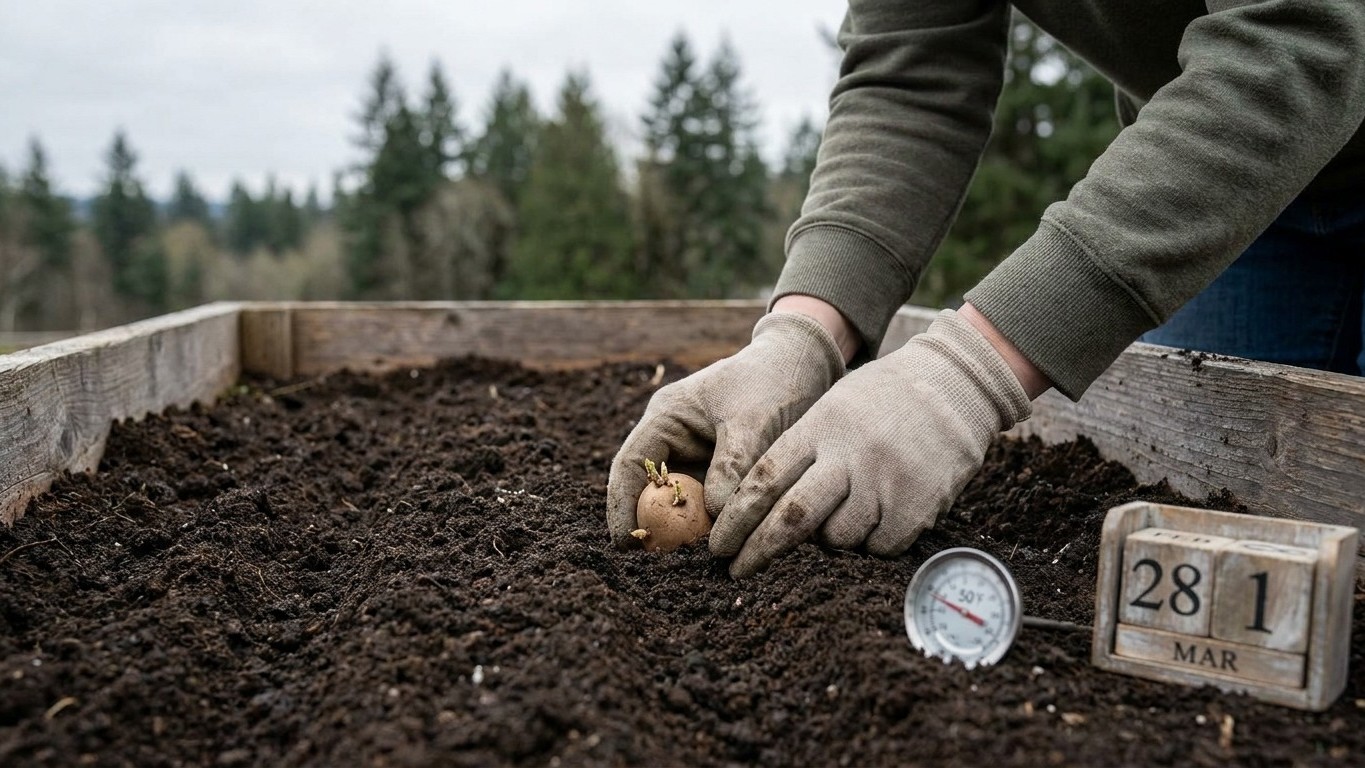
The average last spring frost at Vancouver Int’l A is March 18, according to Environment and Climate Change Canada’s Canadian Climate Normals (1981-2010).
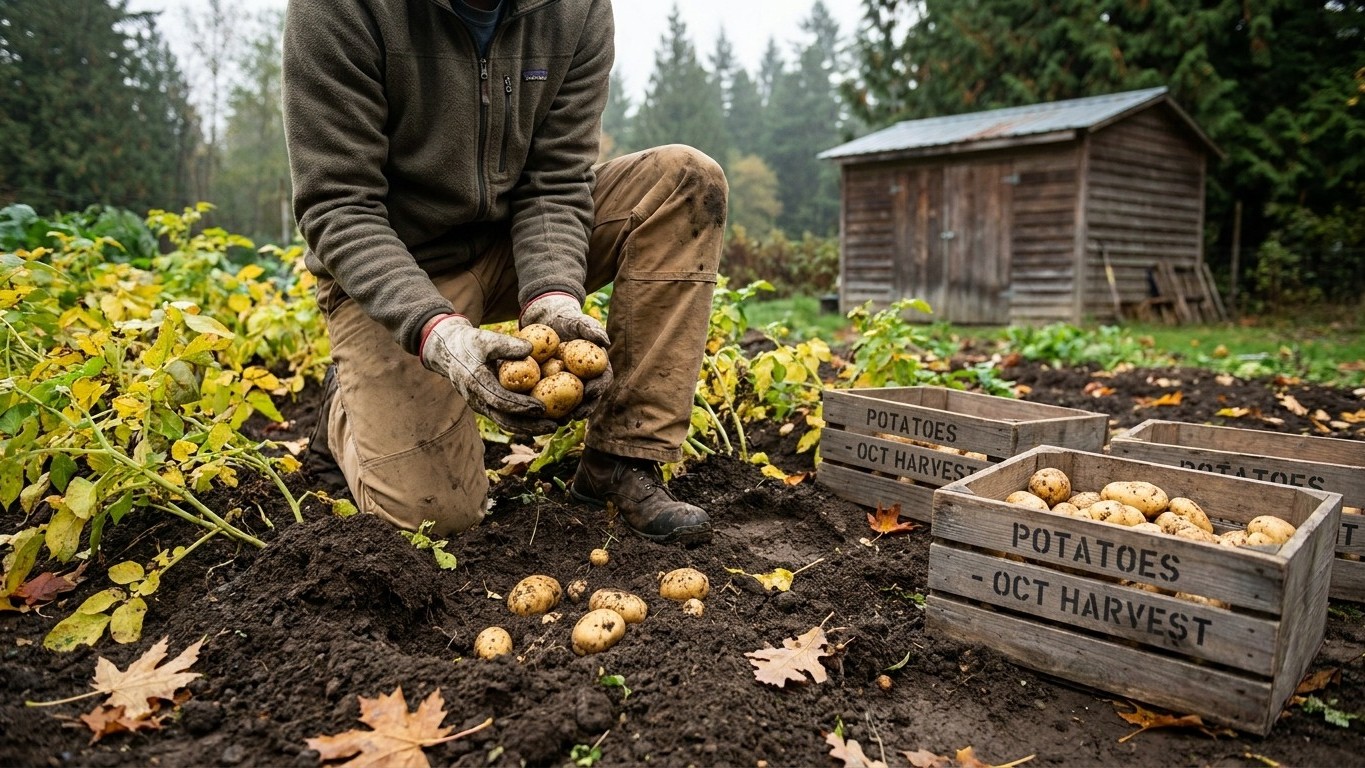
Coastal British Columbia’s mild, wet fall gives growers a wide harvest window, but the same mild winter that protects crops outdoors can leave an…
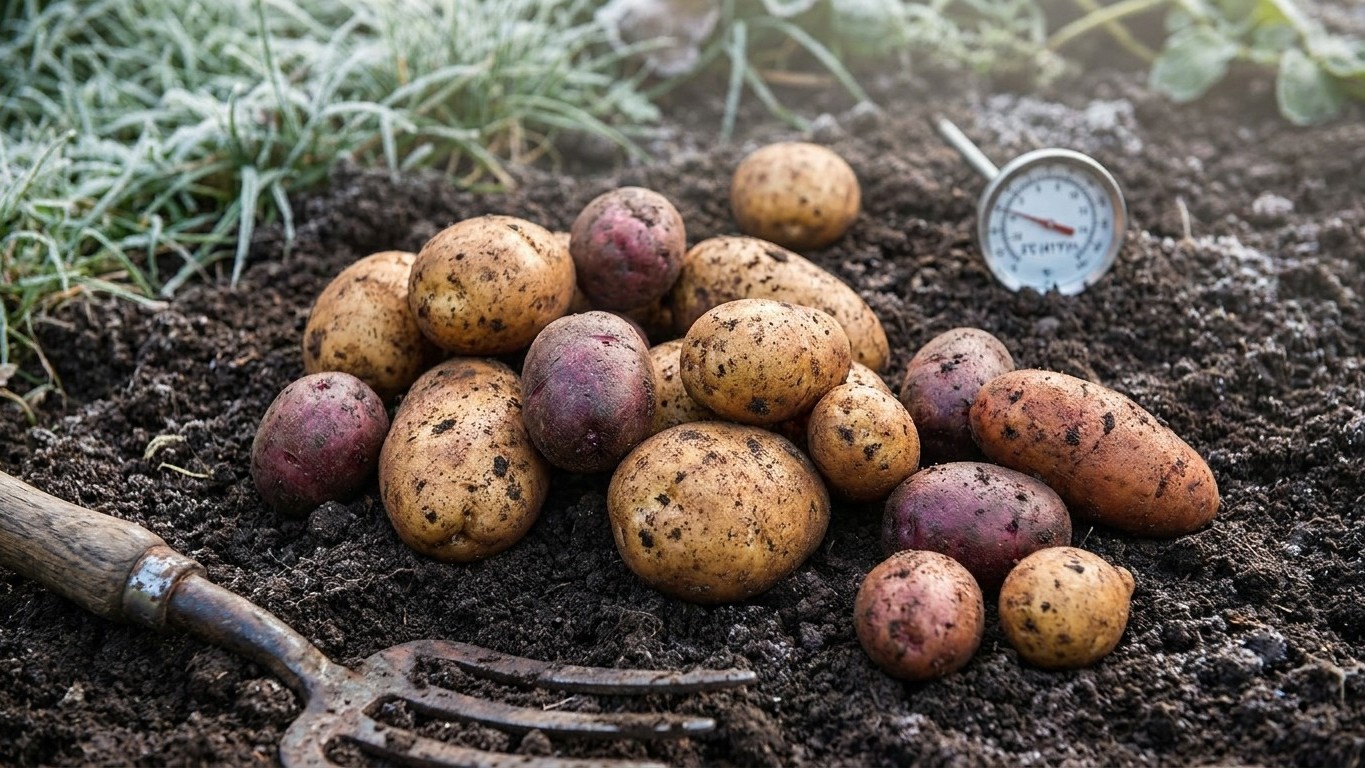
British Columbia doesn’t have one potato climate, it has several, but the number that governs almost all of them is the average last spring frost of…
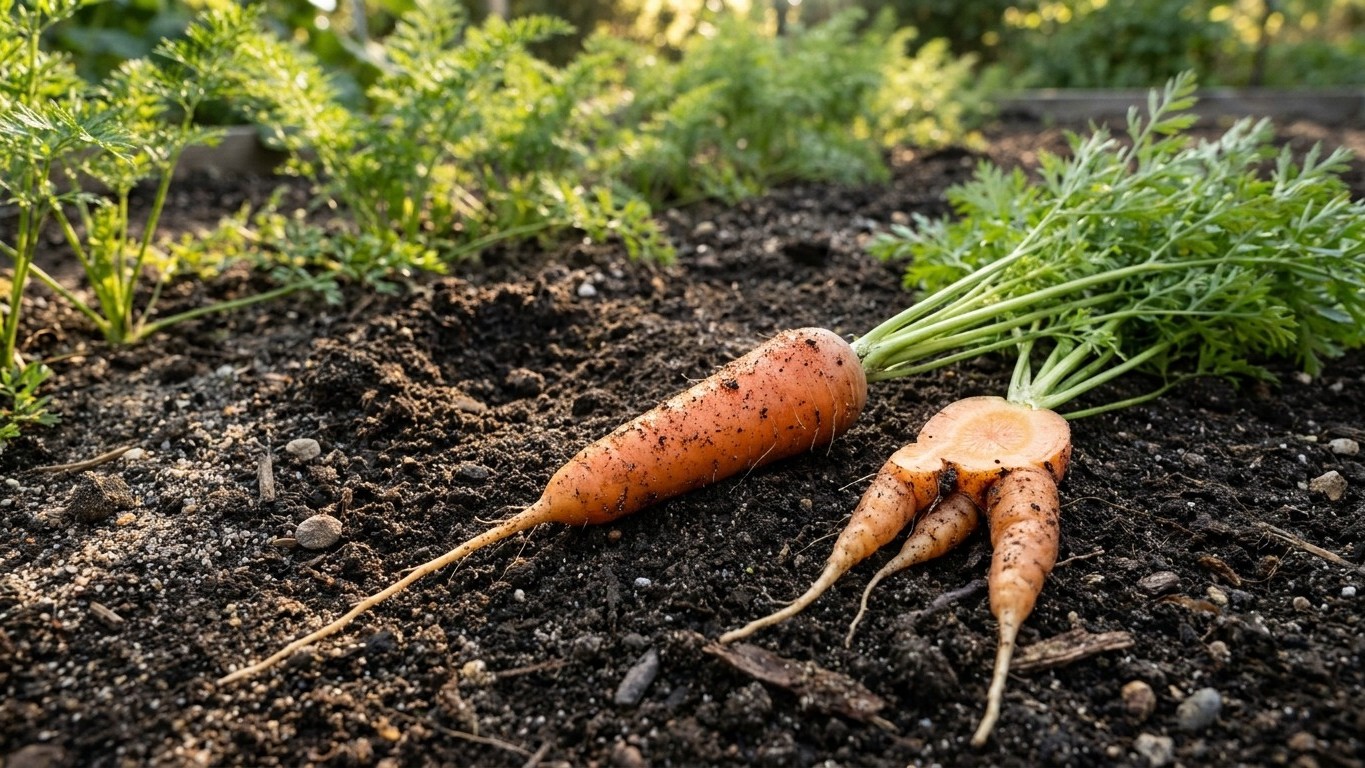
British Columbia’s farmland skews sandy and well drained, with only about 10 percent clay in a typical surface horizon.
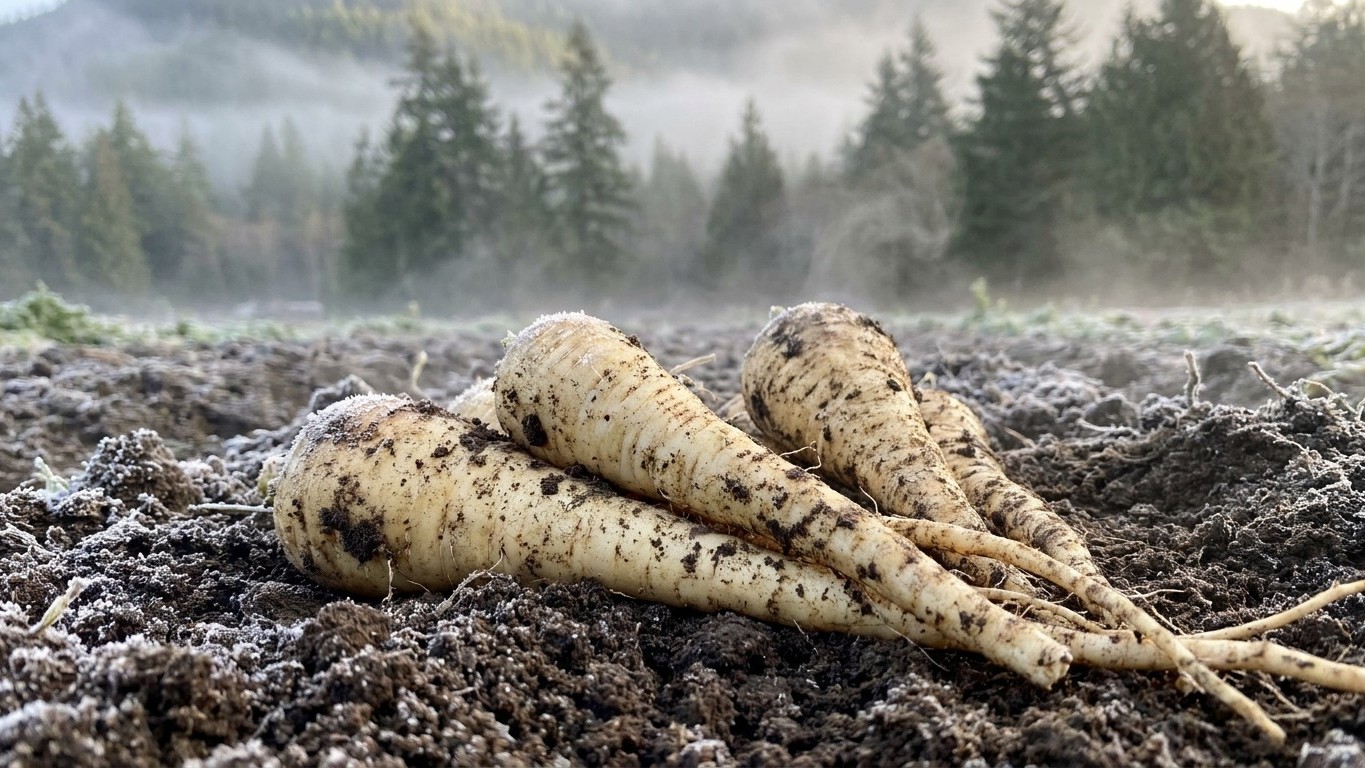
Parsnips will grow across British Columbia’s milder valleys and coastal lowlands without much trouble, but sweetening them into that nutty, almost…
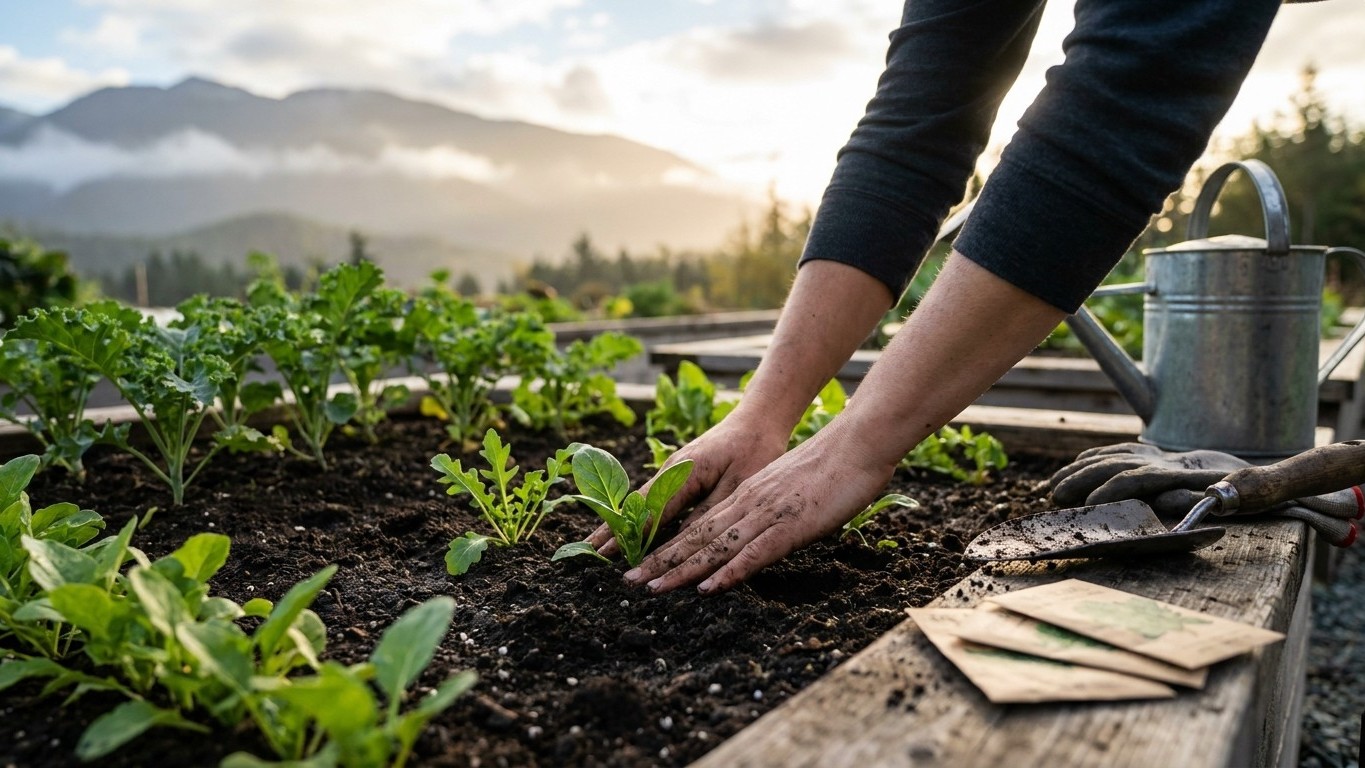
September in coastal British Columbia sits in the last stretch of open-ground gardening before fall rains and shortening days take over.
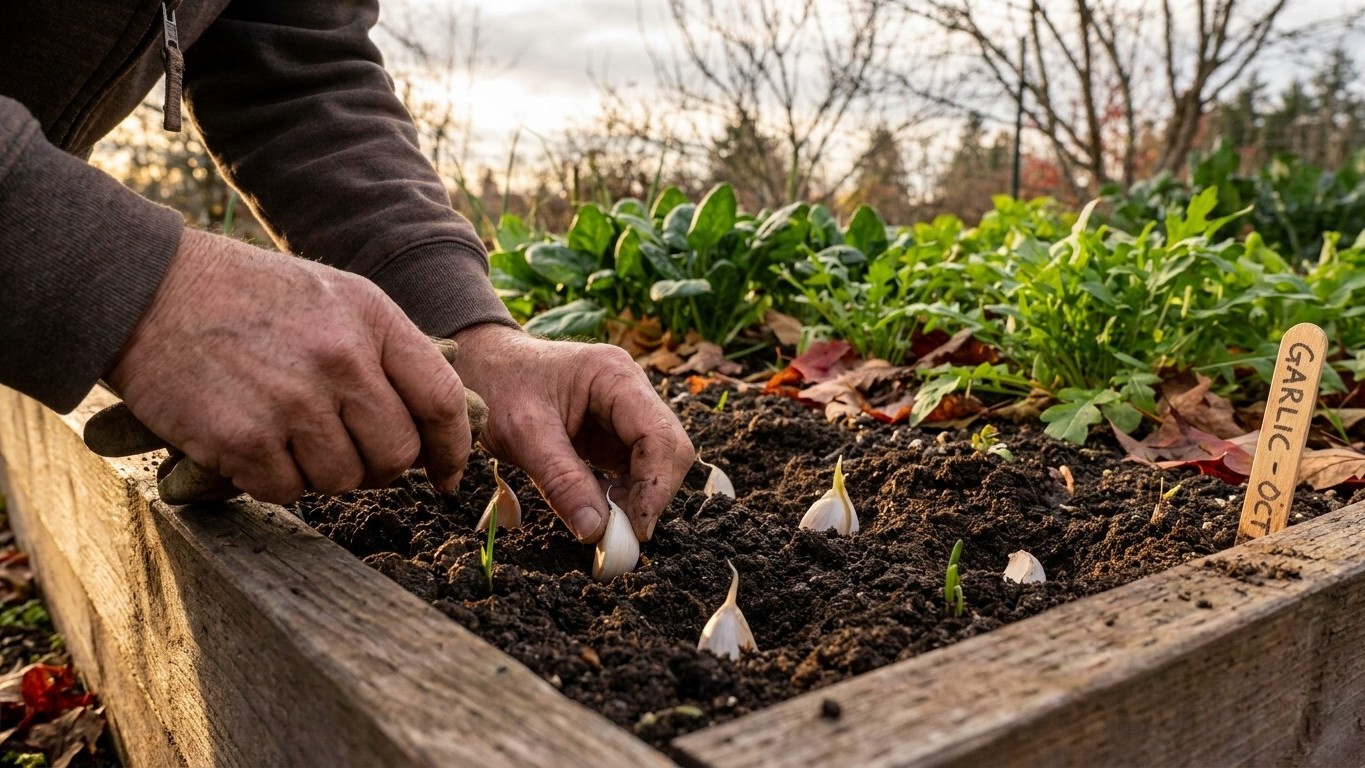
October in British Columbia still runs frost-free on the coast, with the average first fall frost at Vancouver International Airport landing around…
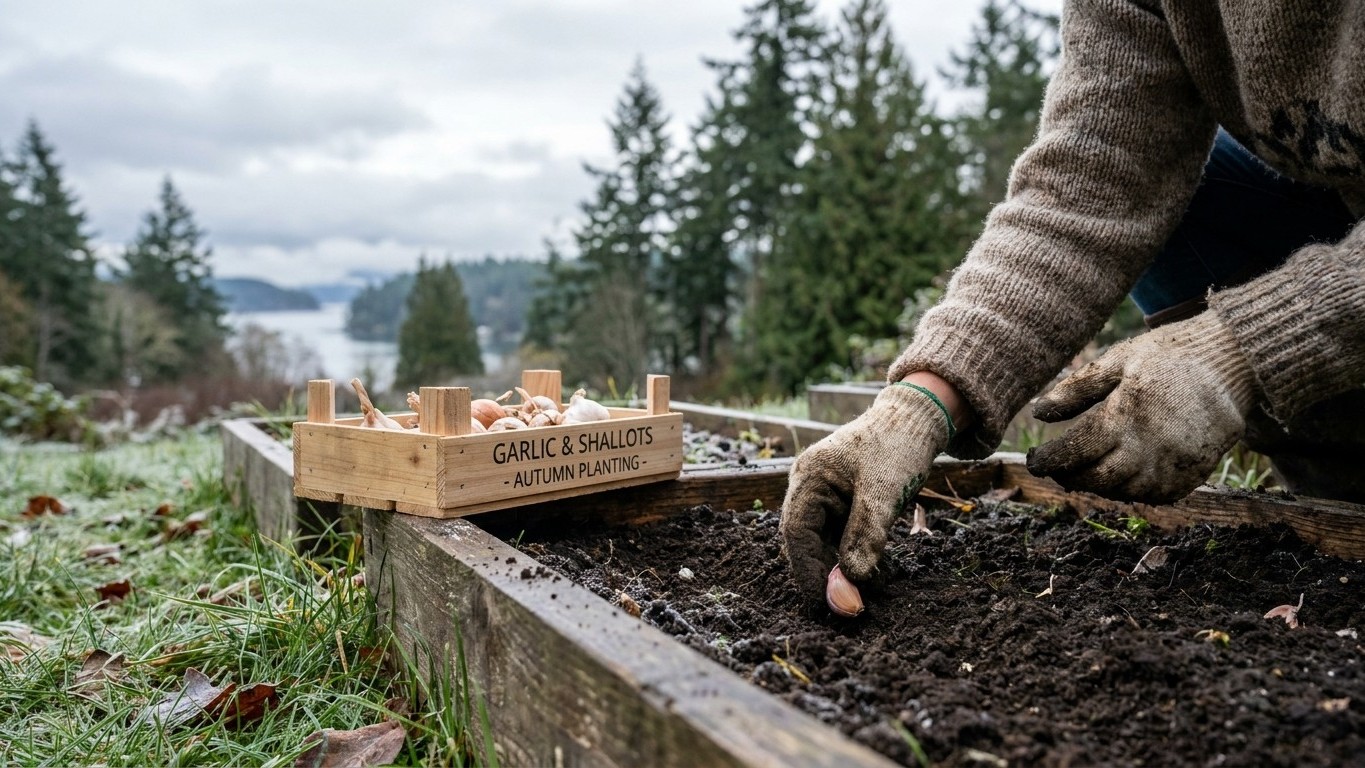
By November, the coastal reference climate used for British Columbia has usually already crossed its average first fall frost.
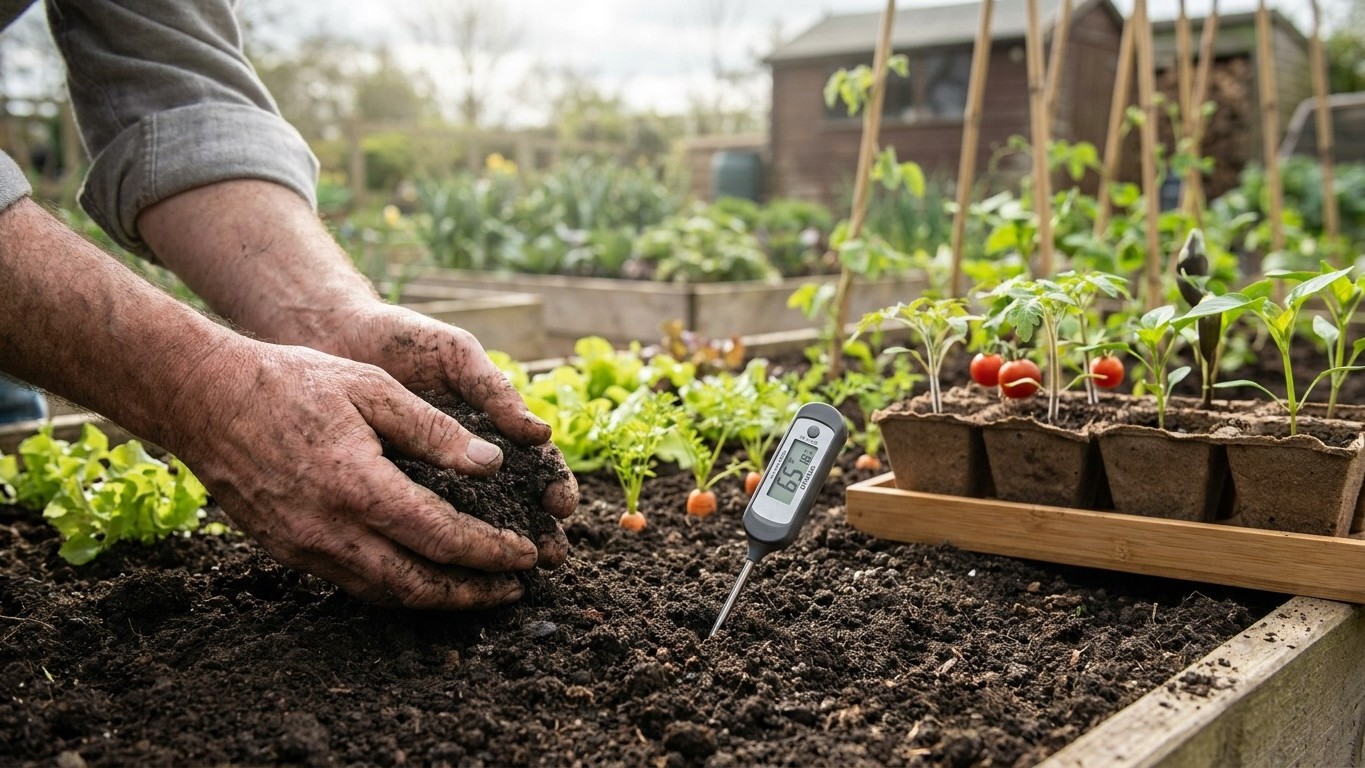
May sits weeks past the average last frost on the coast, so this is the month most Canadian gardening books hand to warm-season crops.