When to Sow Parsnips in British Columbia
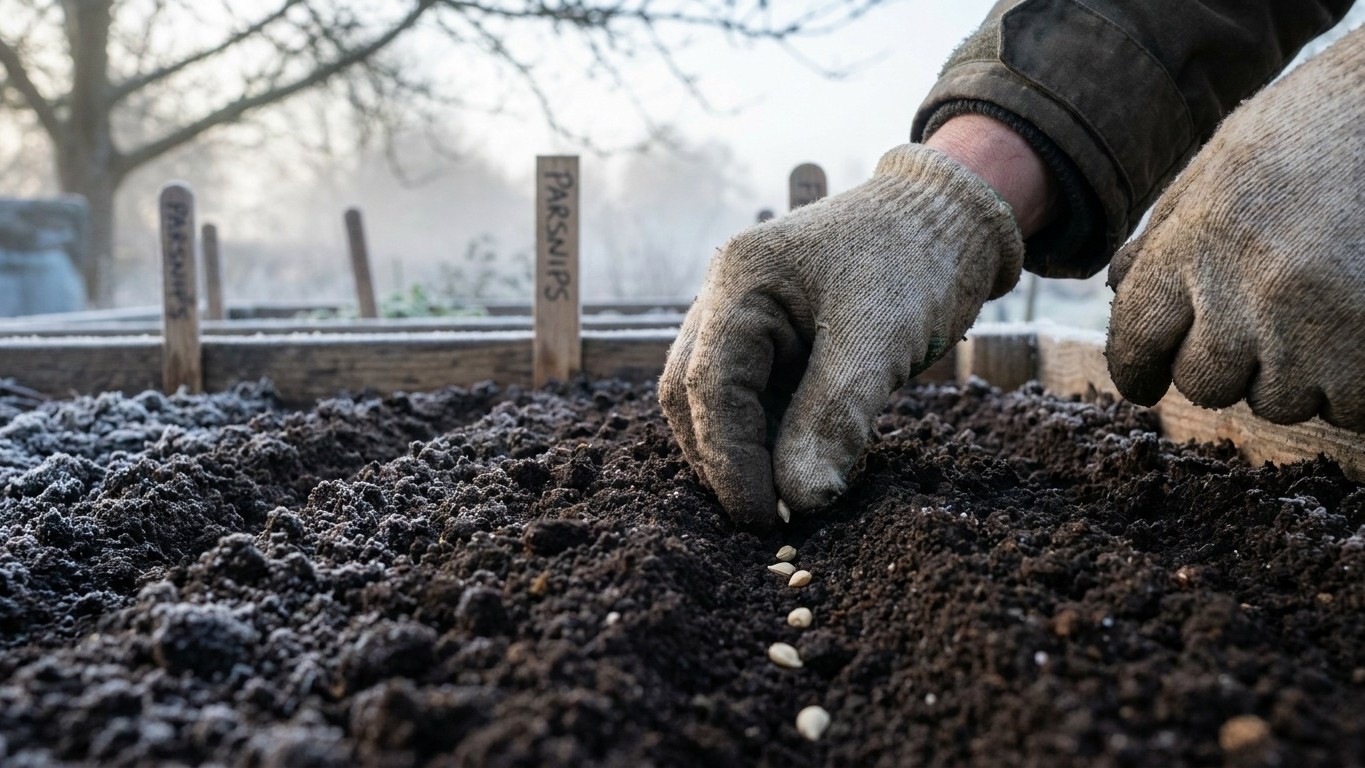
Sow parsnip seed directly outdoors from late February through mid-March, two to three weeks before the region’s average last spring frost of March 18…
Home & garden, state by state
Everything we have worked out for British Columbia: what to plant and when, which varieties finish in time, the pests that actually turn up here, and the jobs that pay off month by month. We also cover the rest of the property, from lawns and soil to home care and energy, because a garden rarely stops at the vegetable bed.
The numbers first, because everything else follows from them. Measured at the weather station in Vancouver, the last spring freeze falls around March 18 and the first fall freeze falls around November 10, 1,738 growing degree days in the year.
That is enough for early varieties, tight for anything late. Garlic does well: 21.8 weeks below 40 °F, comfortably past the six it needs to form a proper head.
Elsewhere on the property in British Columbia: the pests that turn up here.
Figures from Environment and Climate Change Canada. A state is not one climate: elevation, a large lake or the coast can move these dates by two weeks either way, so check your own county with the extension service before you spend money.
Sow parsnip seed directly outdoors from late February through mid-March, two to three weeks before the region’s average last spring frost of March 18…
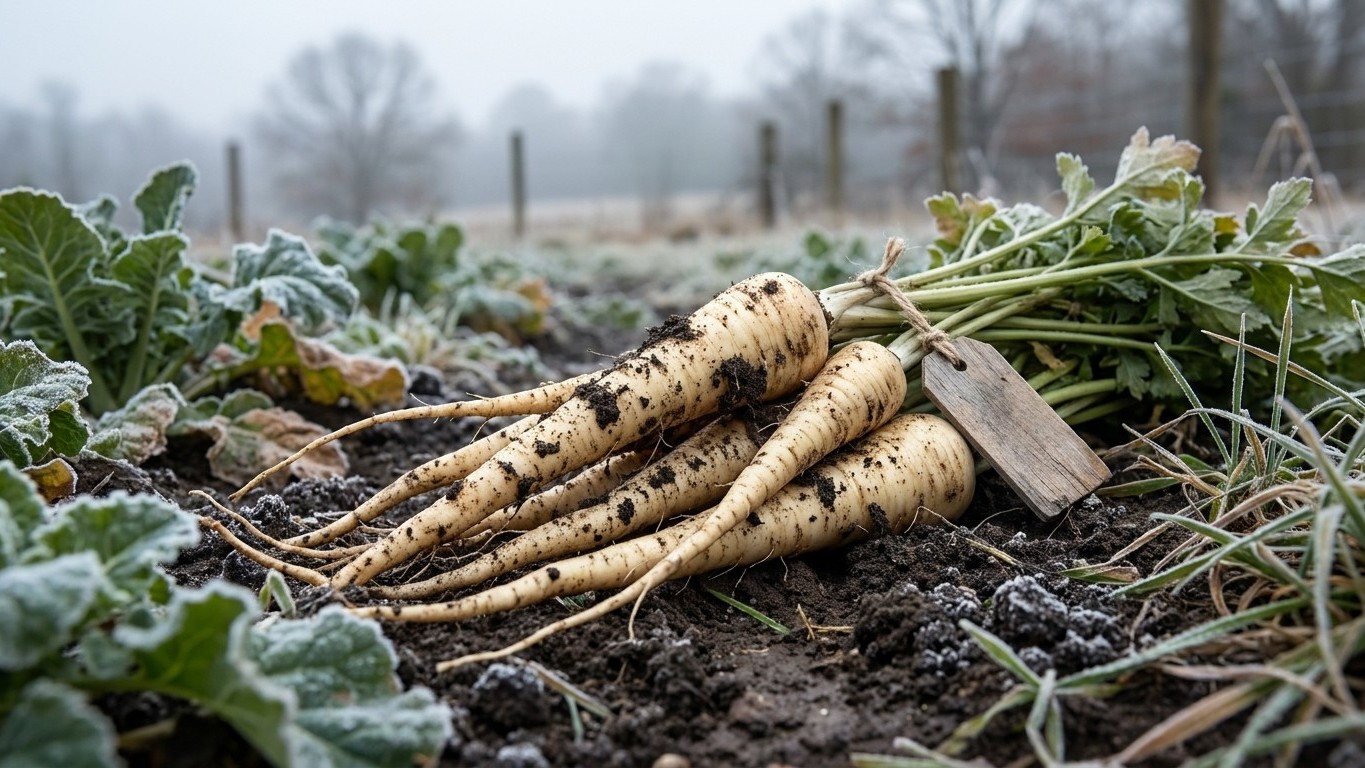
For most of coastal British Columbia, the honest answer leans toward growing rather than sweetening.
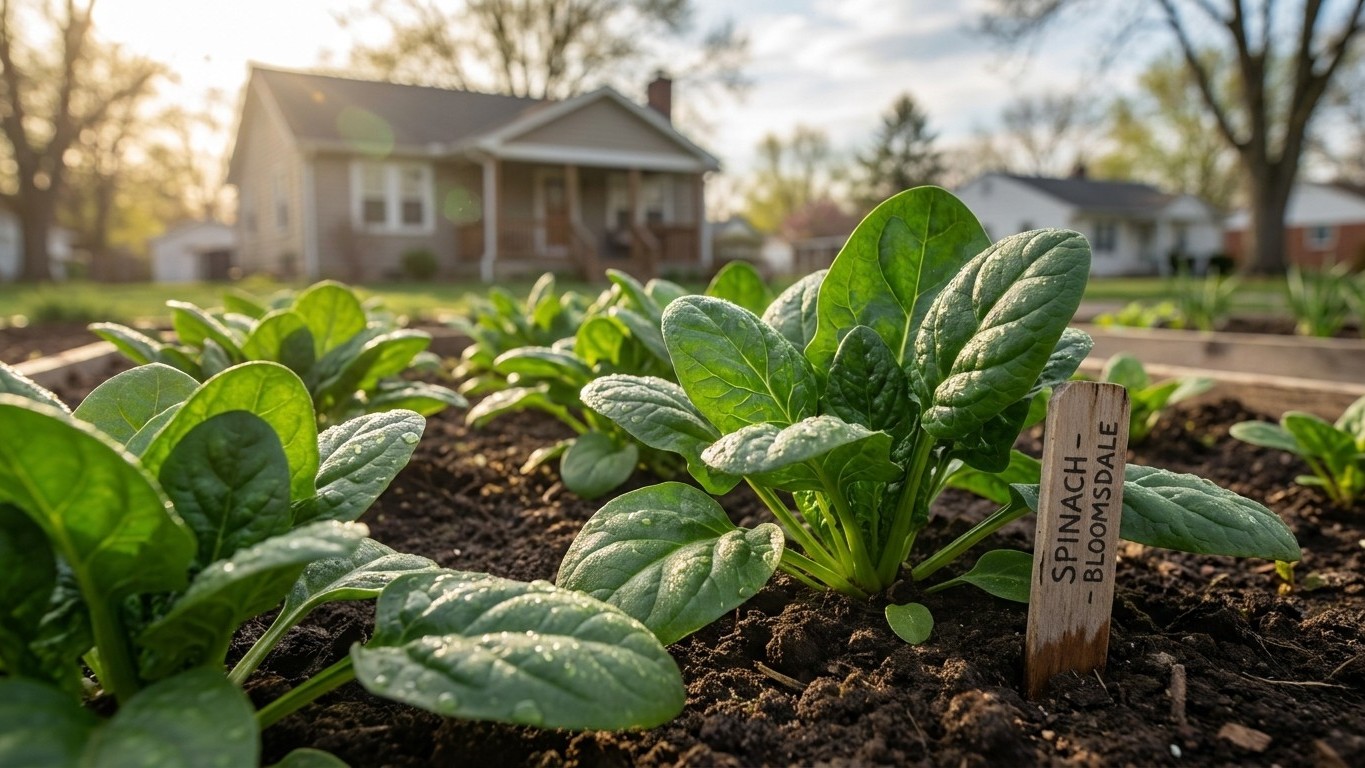
British Columbia’s spinach mostly bolts because of day length, not heat. At the reference station near Vancouver, the longest day of summer holds 16…
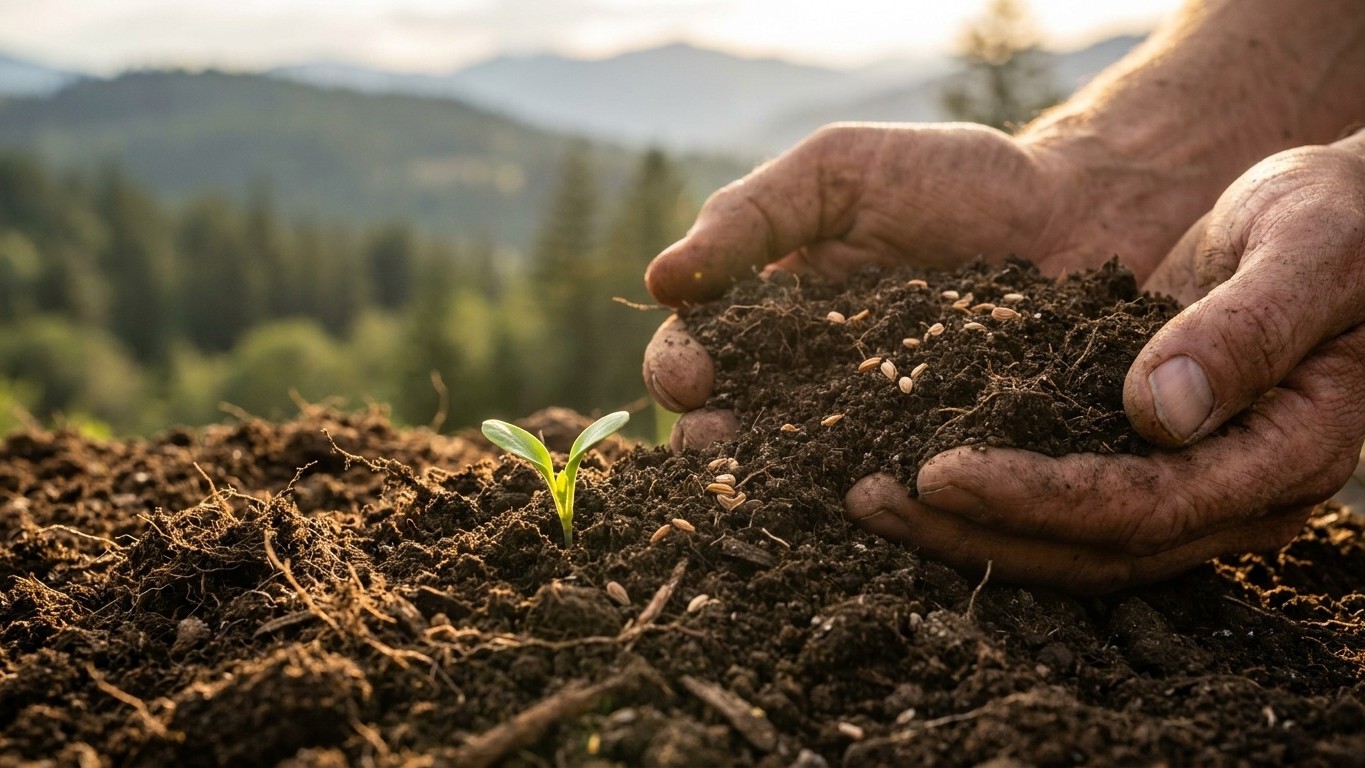
In British Columbia, the calendar answer to “when” always comes second to the soil answer.
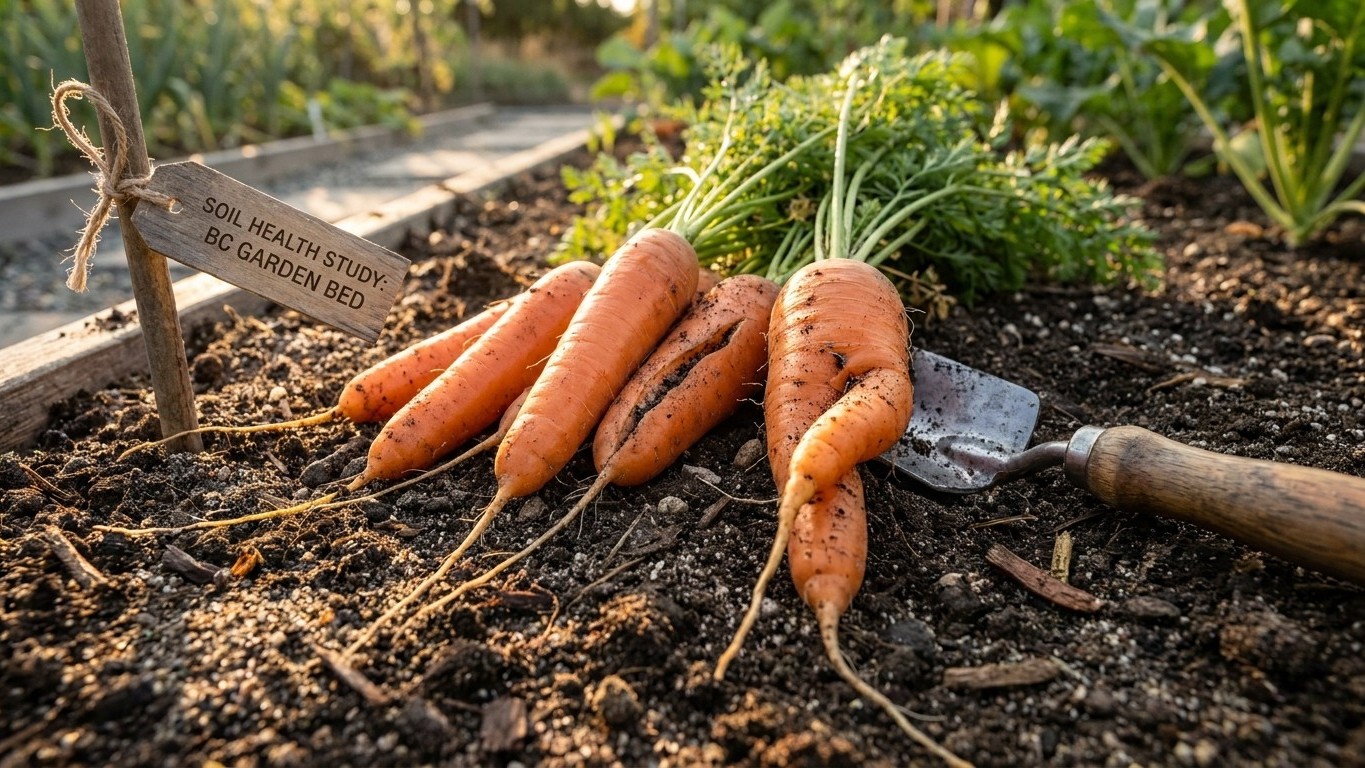
Most of British Columbia’s mapped agricultural soil leans loam to silt, with sand making up over half the mix and clay sitting under 15 percent.
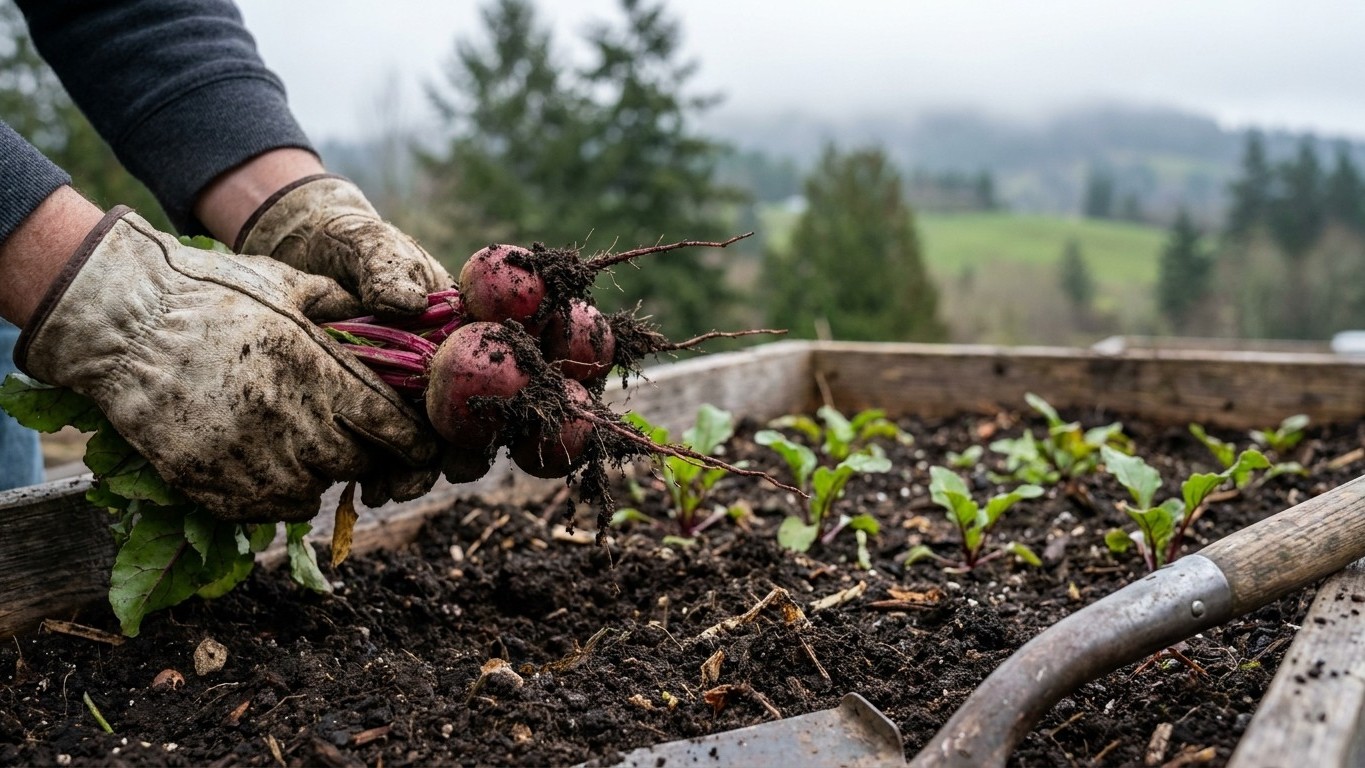
The direct answer: sow beets outdoors 2 to 3 weeks before the last spring frost, which averages March 18 at Vancouver’s reference climate station.
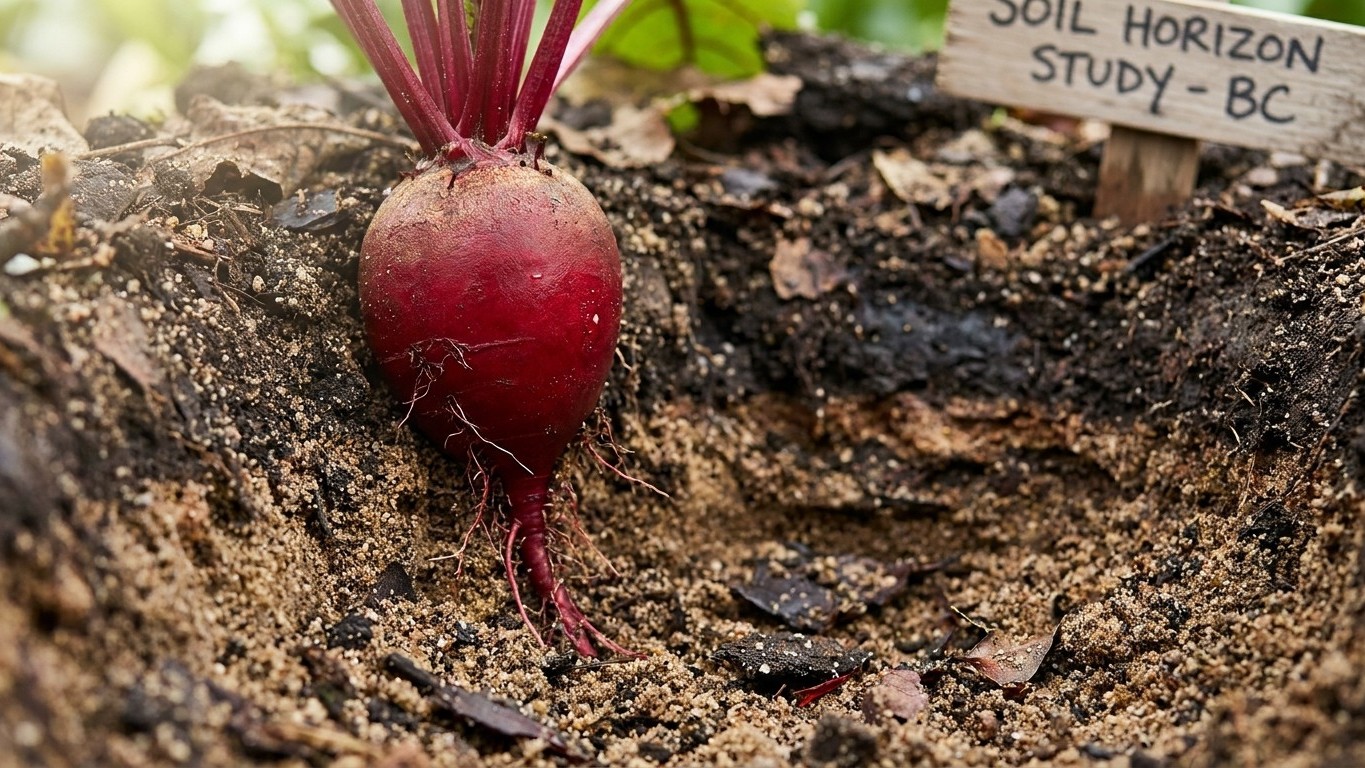
A beet root pushing into ground in British Columbia most often meets a young, sandy-leaning soil that drains fast, runs slightly acid, and carries a…
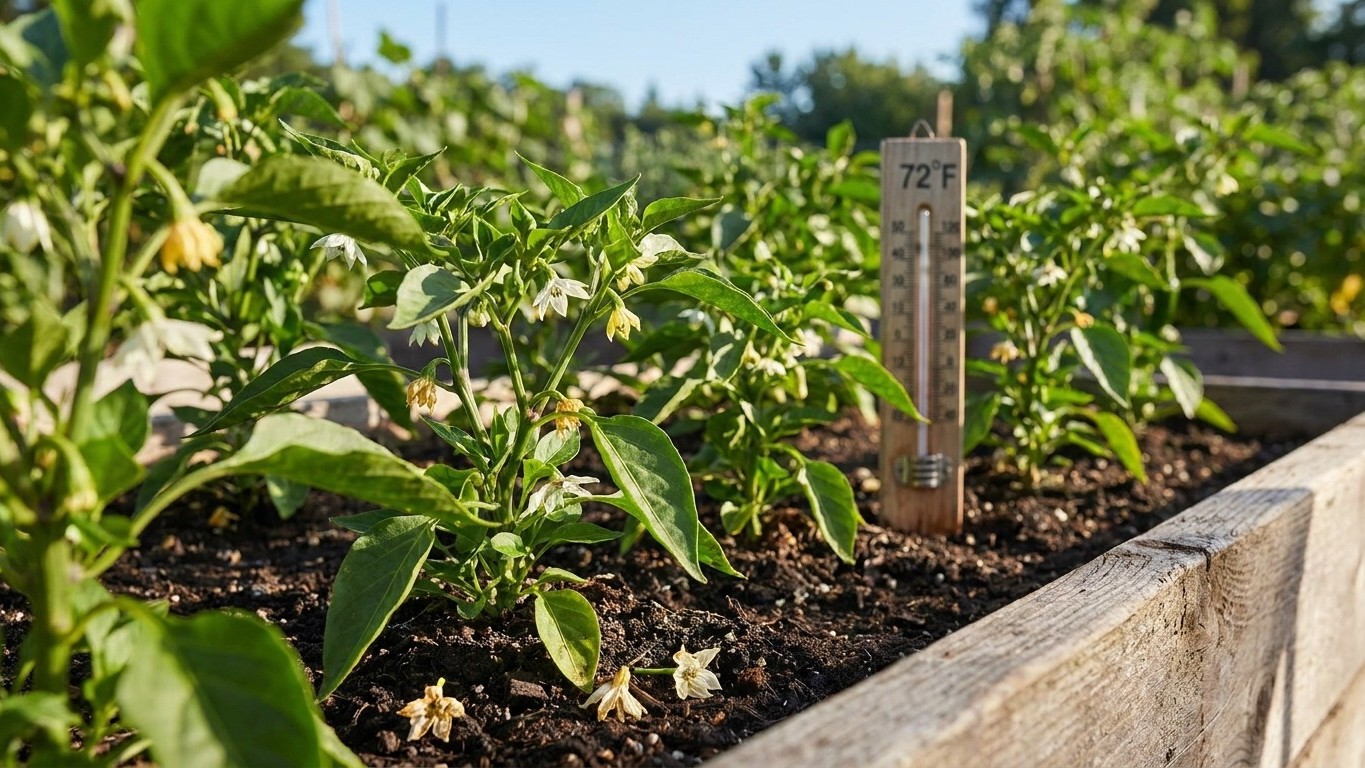
Start pepper seed indoors in British Columbia between mid-January and early February for most Lower Mainland and coastal gardens, counting back 8 to 10…
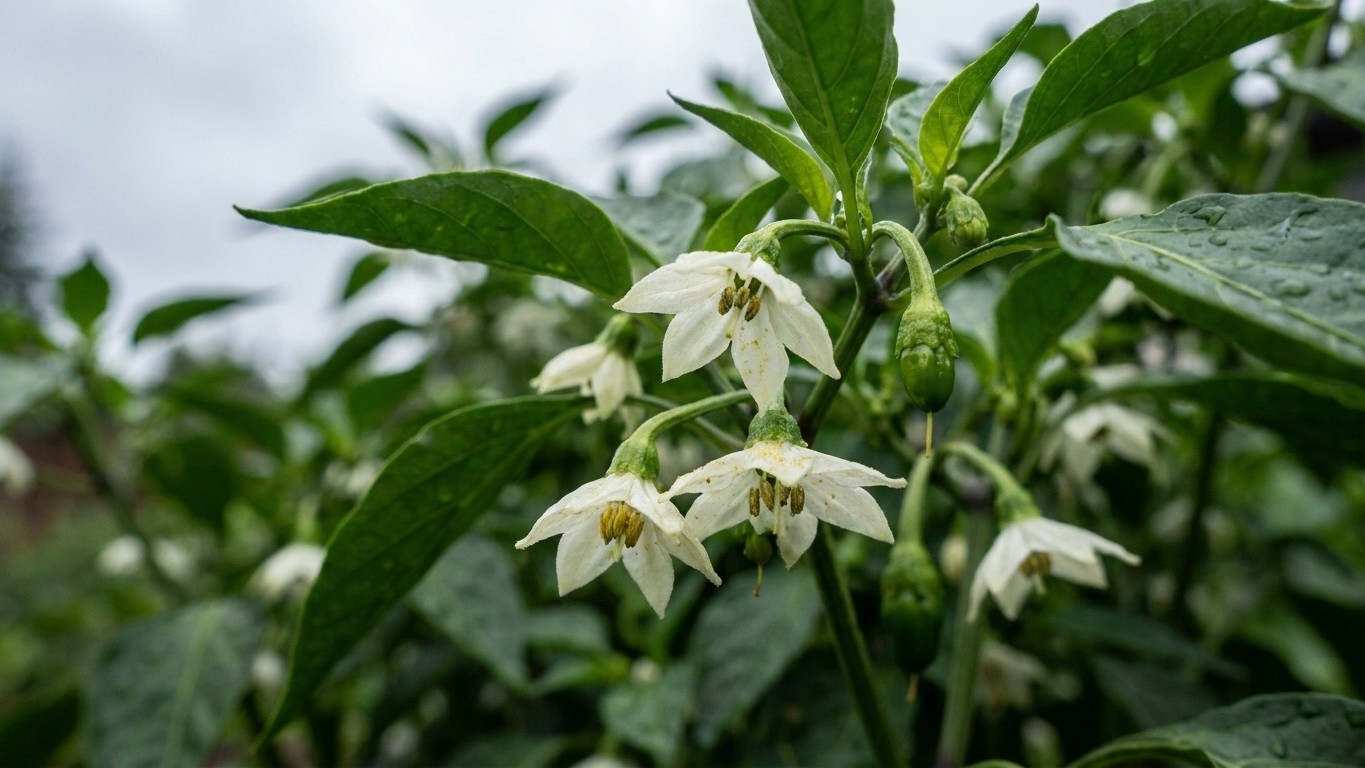
British Columbia’s short answer is simple: peppers here almost never fail because of heat.
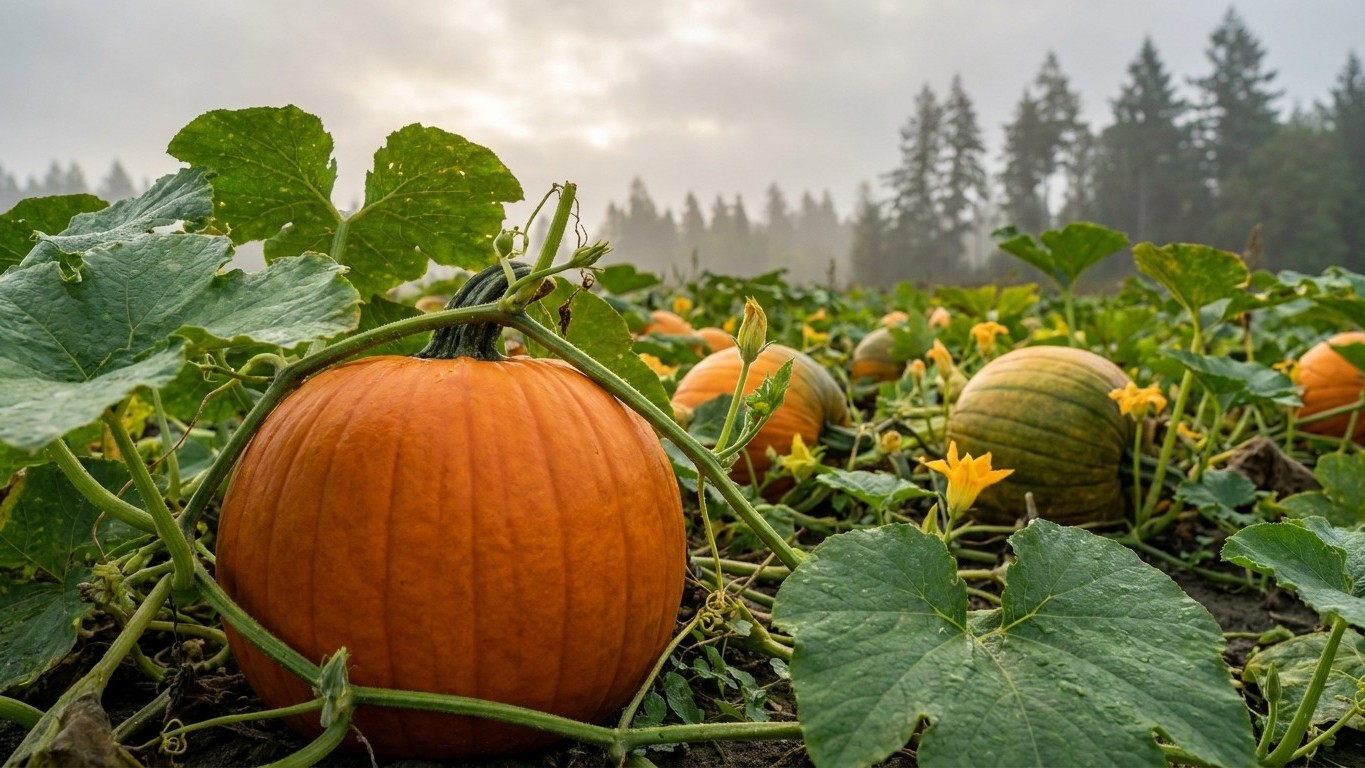
In coastal British Columbia, pumpkins ripen only when their flowers open by mid-to-late September, working back from the region’s average frost date.