What to Plant in California in January
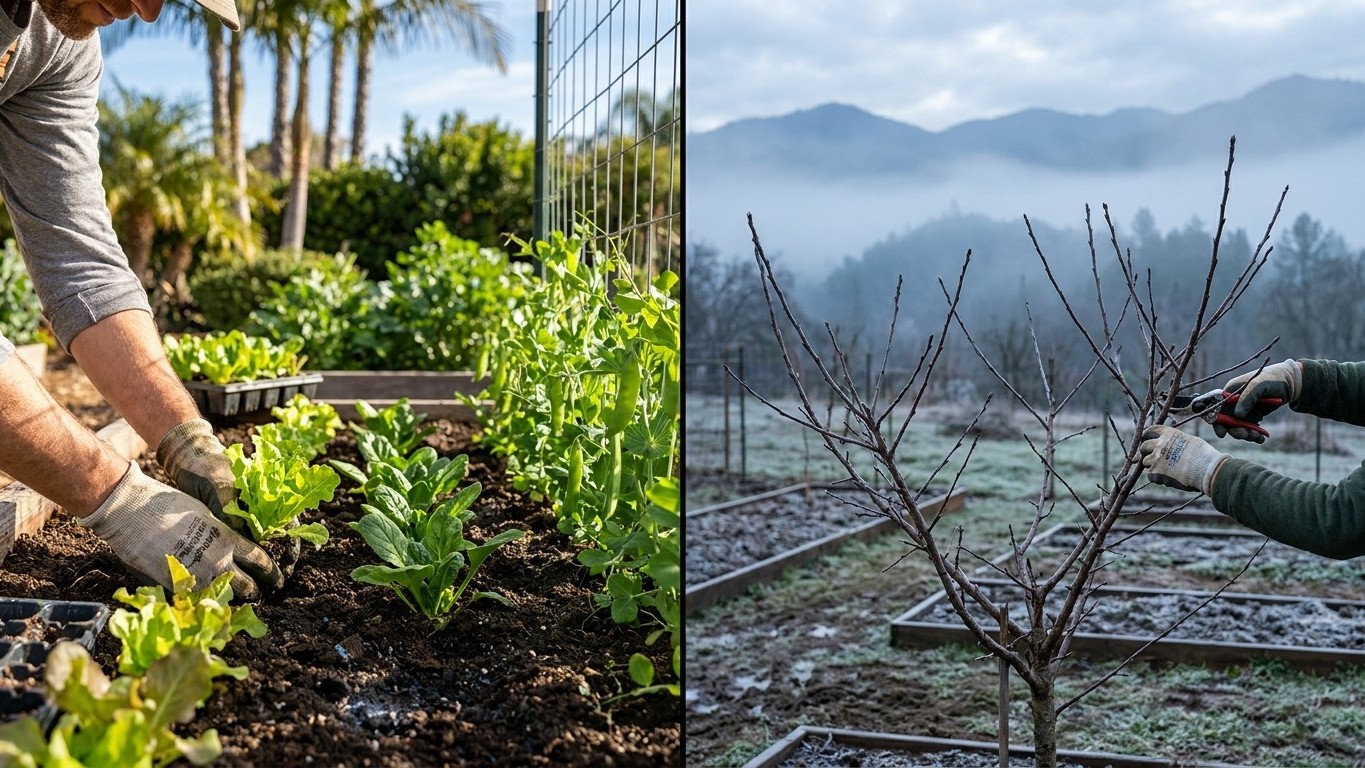
The honest answer depends on which California you’re gardening in. Along the coast and through Southern California, frost simply doesn’t happen in an…
Home & garden, state by state
Everything we have worked out for California: what to plant and when, which varieties finish in time, the pests that actually turn up here, and the jobs that pay off month by month. We also cover the rest of the property, from lawns and soil to home care and energy, because a garden rarely stops at the vegetable bed.
The numbers first, because everything else follows from them. Measured at the weather station in Los Angeles, the last spring freeze falls around no freeze occurs in an average year and the first fall freeze falls around no freeze occurs in an average year, USDA zones 5a-11a, 4,719 growing degree days in the year.
Garlic is the awkward one: only 0 weeks below 40 °F, where it needs six to split into cloves. Chill the cloves before planting, or grow a softneck type.
Elsewhere on the property in California: the pests that turn up here.
Figures from NOAA's 1991-2020 climate normals. A state is not one climate: elevation, a large lake or the coast can move these dates by two weeks either way, so check your own county with the extension service before you spend money.
The honest answer depends on which California you’re gardening in. Along the coast and through Southern California, frost simply doesn’t happen in an…
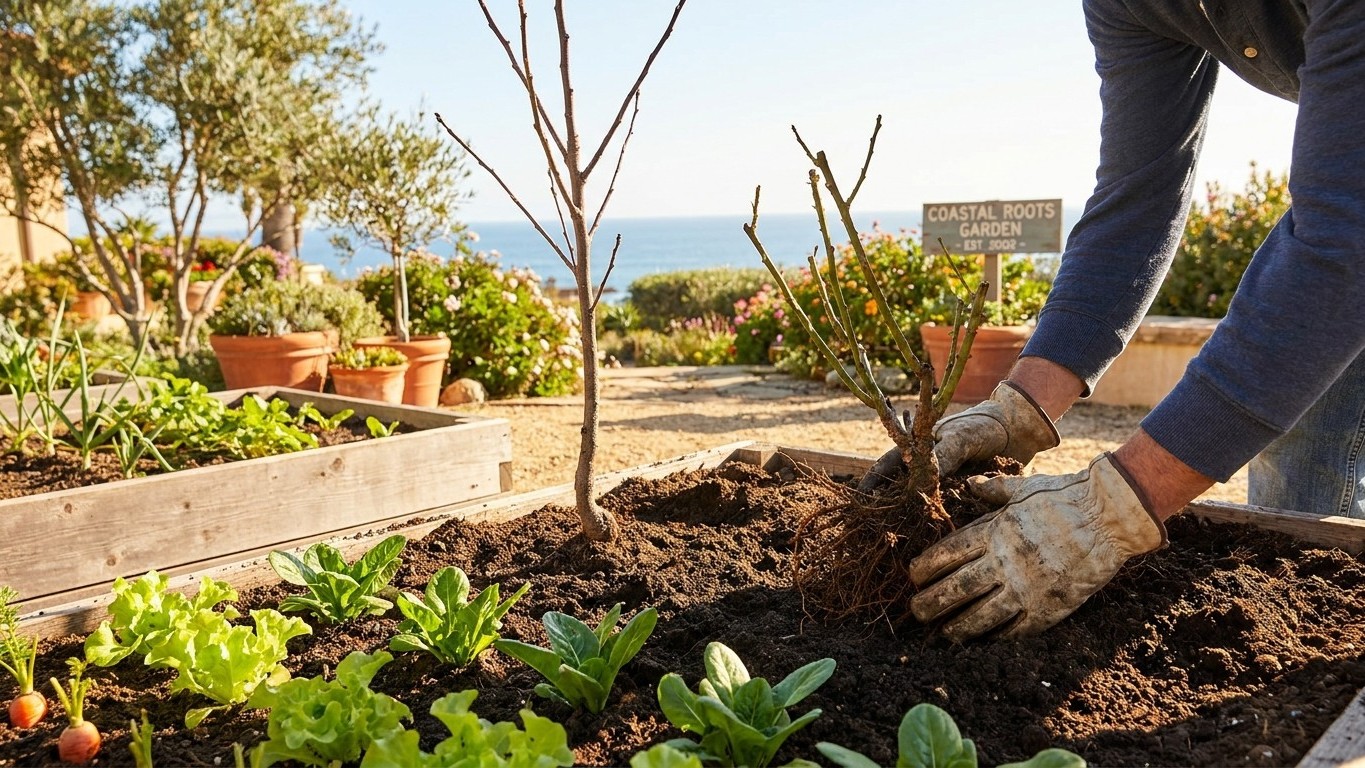
February in California splits into two different gardens depending on where you stand.
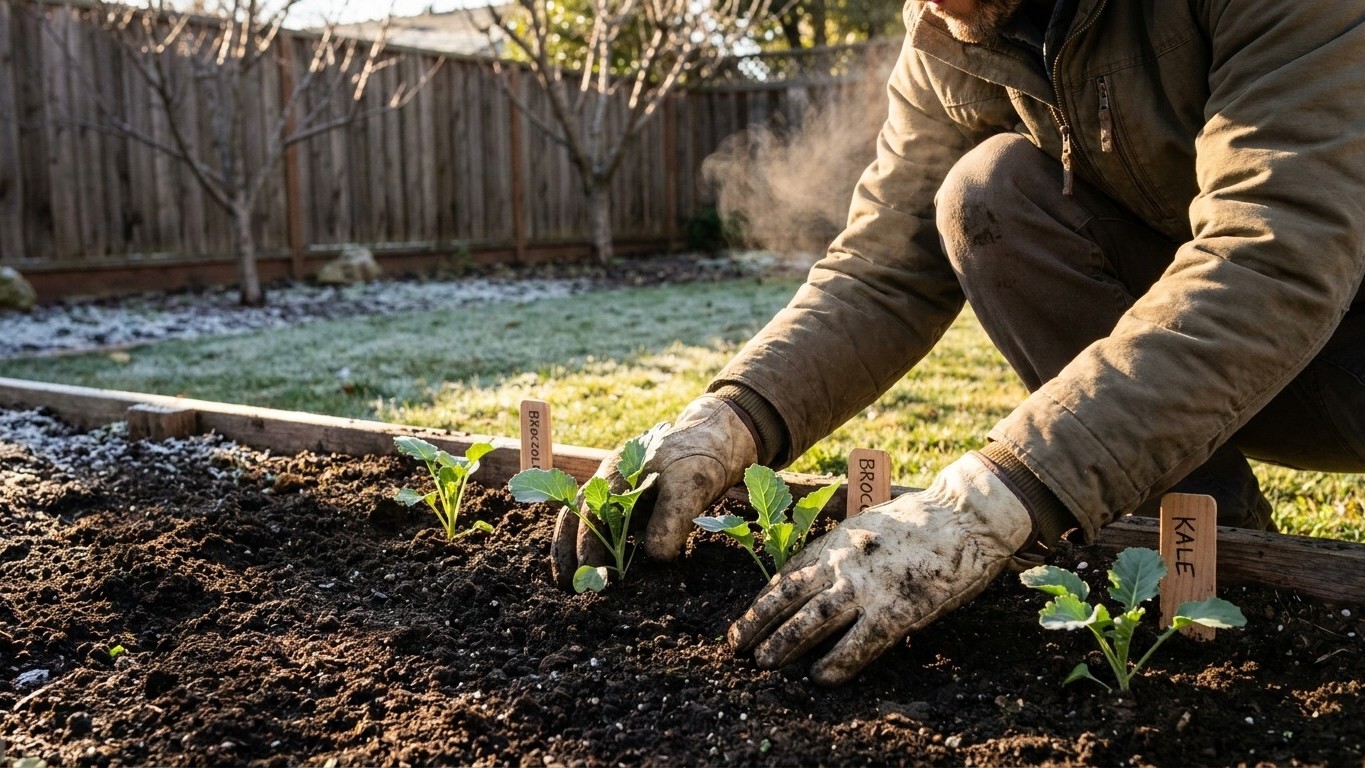
December in California splits sharply by region. Along the coast and through Southern California, where no freeze occurs in an average year, gardeners…
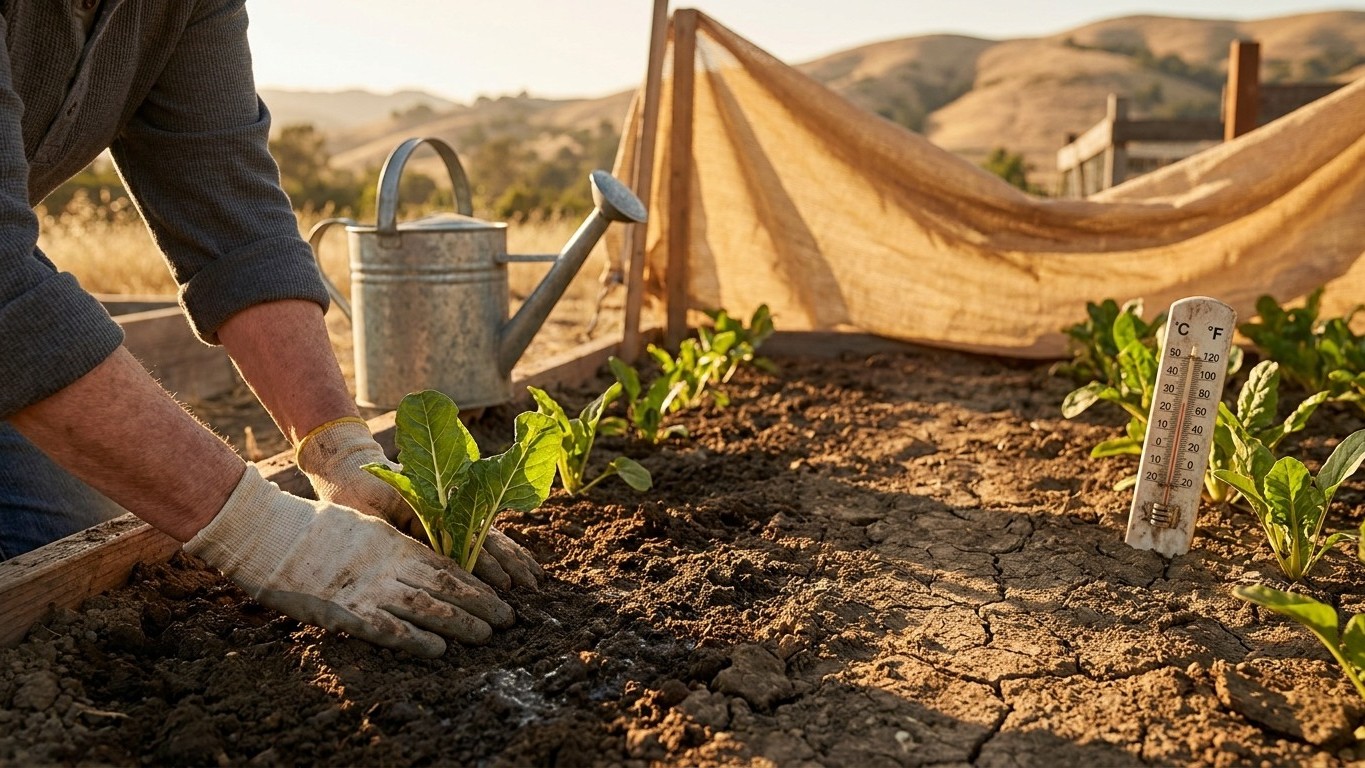
August in California splits into two very different gardens. Along the coast and through Southern California, where freezes essentially never happen, the…
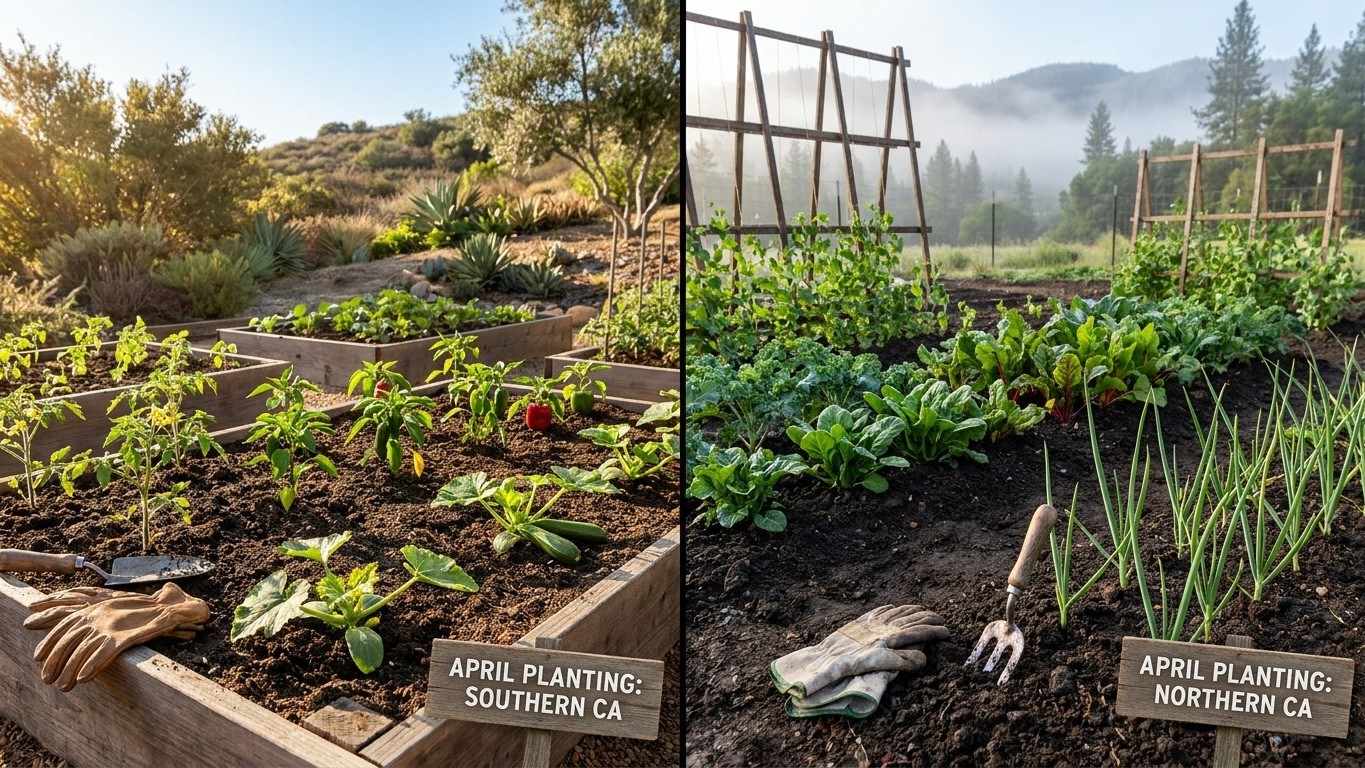
April is the month California splits in two. Along the coast and through Southern California, where frost simply doesn’t happen, this is prime time to…
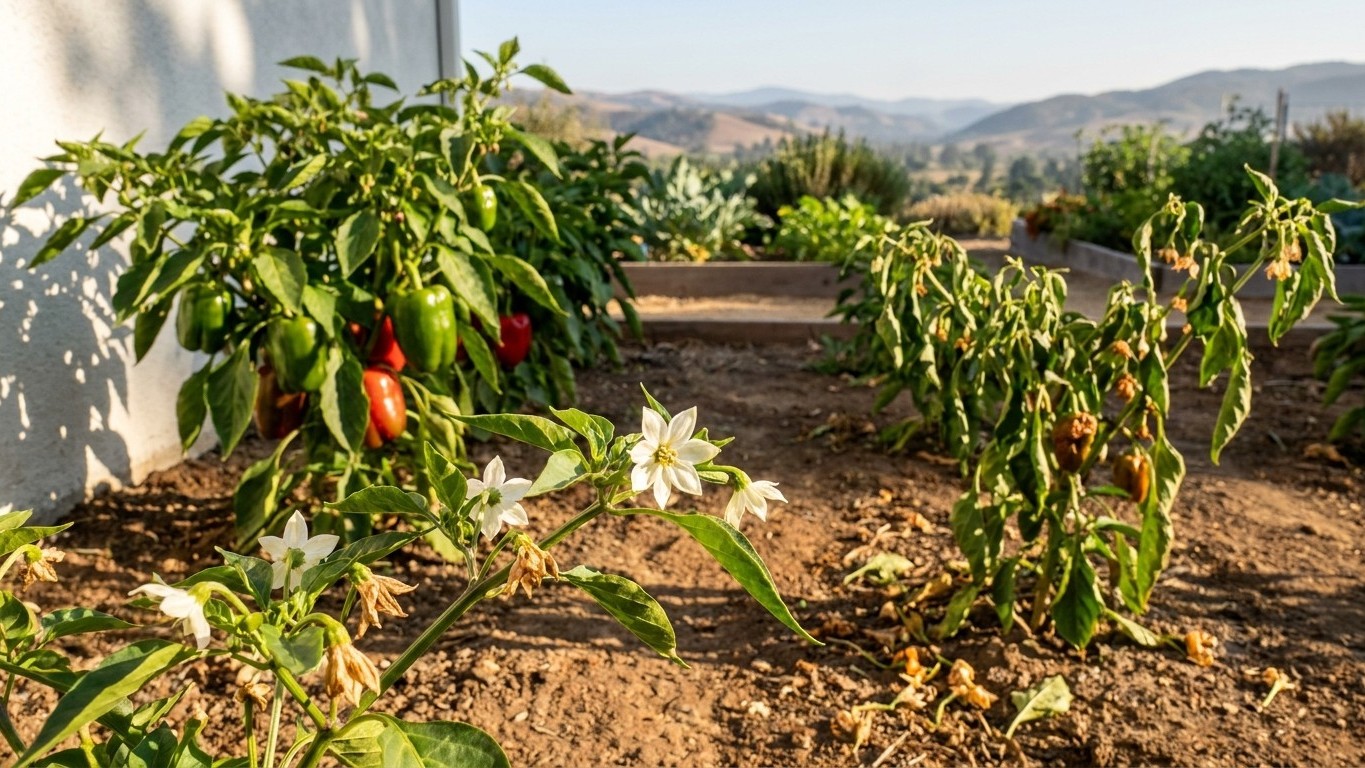
California pepper growers face a split climate: coastal and southern zones rarely see frost at all, while the Central Valley and Sierra foothills freeze…
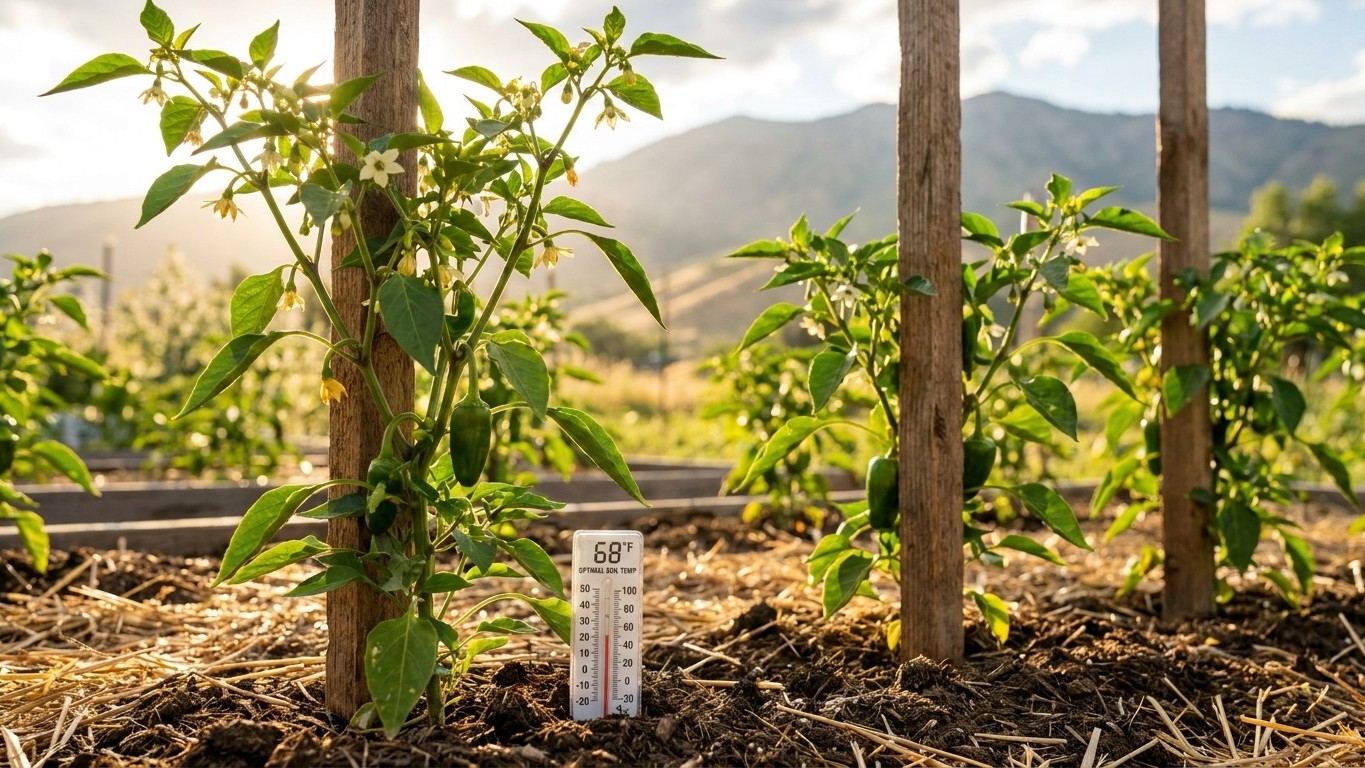
In frost-free parts of California, nearly any pepper variety can ripen given enough warm days, because the growing window barely closes.
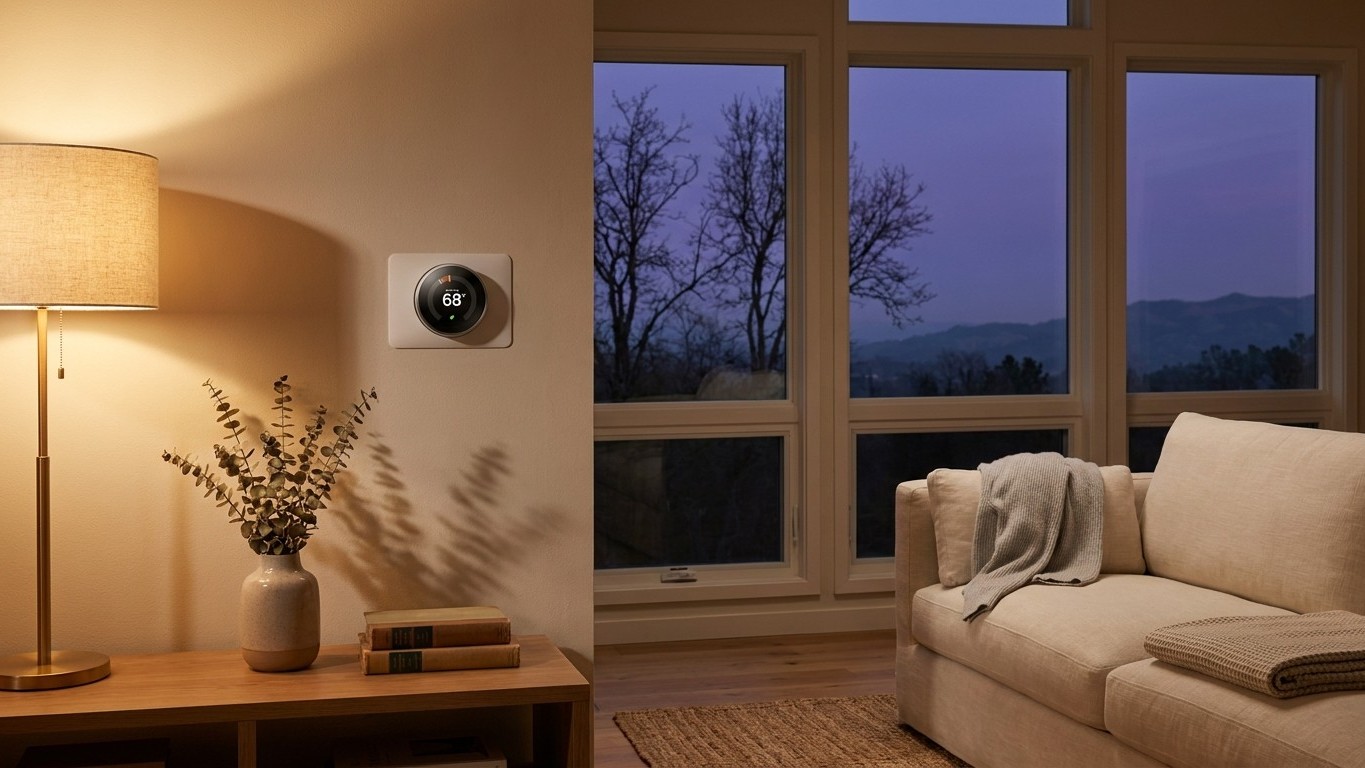
The heating season in this part of California opens in November, when the average temperature first slips below the 65°F mark that utilities and climate…
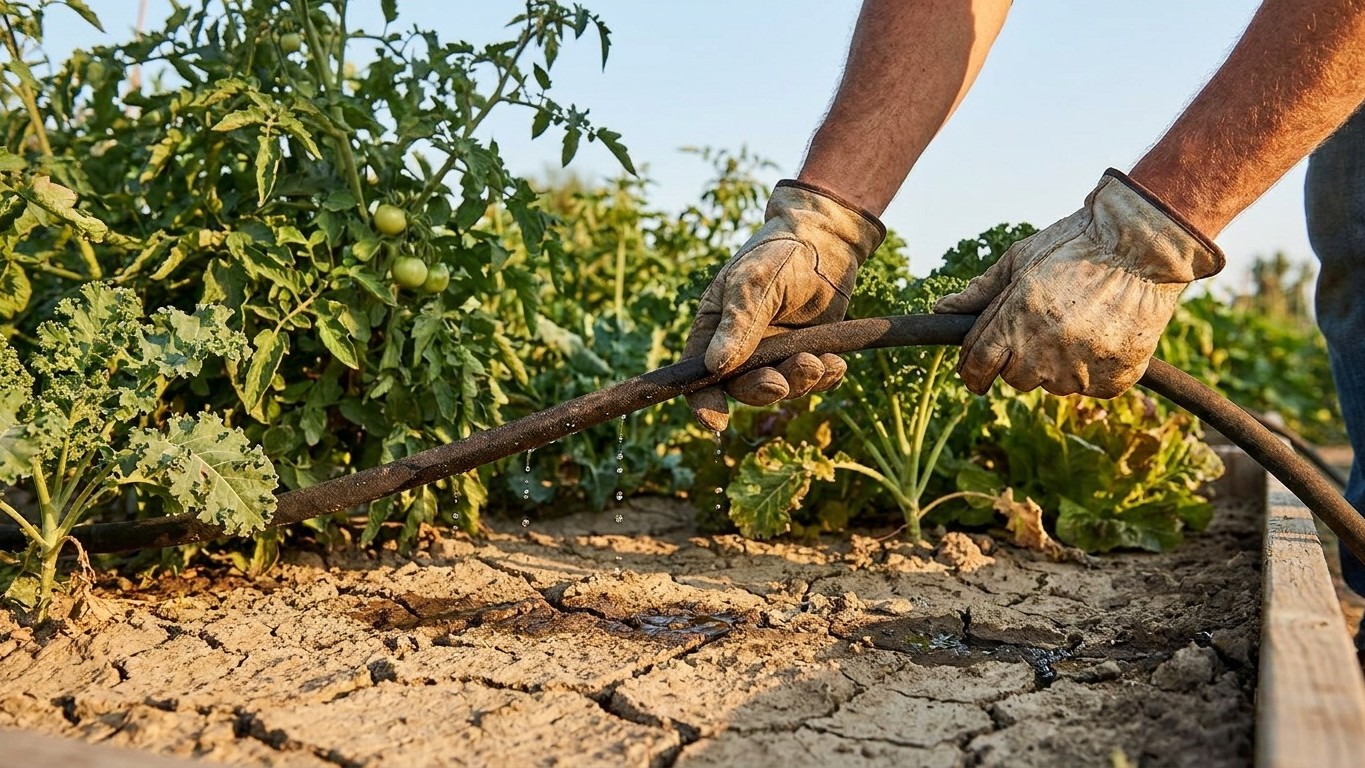
California’s driest summer month brings 0.0 inches of rain, and the reference station averages just 2.4 days a year at or above 90F.
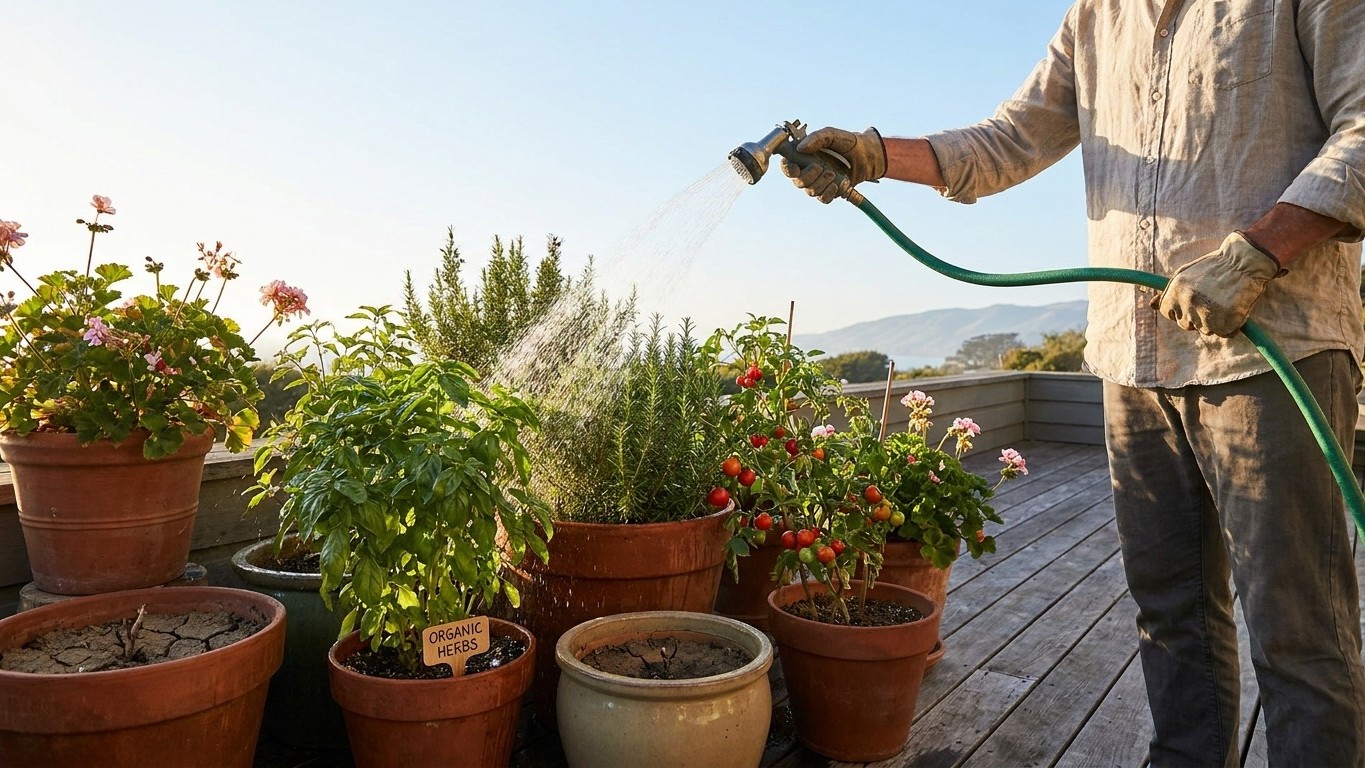
August delivers 0.0 inches of rain here, on average, while the whole year sees just 2.4 days at or above 90F.