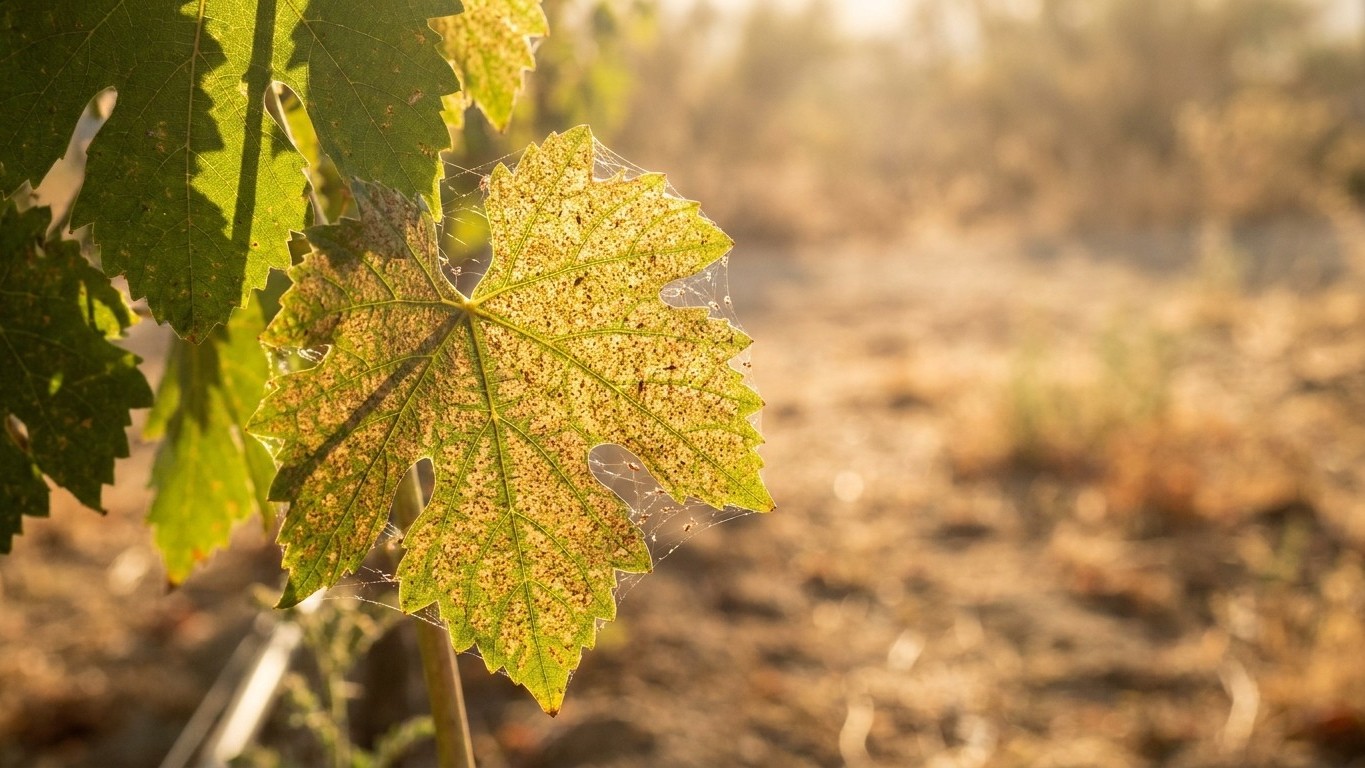

Spider mites hit their stride in California the moment temperatures climb past 90°F and the rain stops, which in most of the state means late May through September. Inland valleys like Fresno, Bakersfield and Sacramento see the fastest outbreaks because heat speeds up the mite’s life cycle to as little as five days from egg to breeding adult. Coastal cities with fog and milder afternoons, think San Francisco or Santa Barbara, see smaller, slower populations. Stopping them comes down to three moves: knock them off with water, bring in predatory mites, and skip the broad-spectrum insecticides that wipe out the bugs already keeping mites in check.
When Spider Mites Peak Across California’s Climate Zones

California doesn’t have one mite season, it has several, depending on where you’re standing. In the Central Valley, from Redding down through Bakersfield, populations of the twospotted spider mite and the Pacific spider mite (a species that specifically loves almonds and grapes) start building in May and can explode by July when daytime highs sit in the upper 90s for weeks at a stretch. Growers in this region often see webbing on almond leaves and stippled, bronzed grape foliage before the Fourth of July.
Desert regions, the Coachella Valley, Palm Springs, the Imperial Valley, run on a different clock. Mites there can stay active nearly year-round on ornamentals and citrus, slowing only during the coolest weeks of December and January. Southern California’s inland areas, Riverside and San Bernardino counties, follow a pattern closer to the Central Valley but with an earlier start, often April, because spring warms up faster there than up north.
Coastal strips from Eureka to San Diego tell a quieter story. Marine layer humidity and cooler afternoons slow mite reproduction considerably. Outbreaks still happen, particularly on drought-stressed junipers and roses tucked against south-facing walls that trap heat, but they rarely reach the scale seen 60 miles inland.
Why California’s Dry Heat Is Custom-Built for Mite Outbreaks
Spider mites are built for exactly the conditions California specializes in. Low humidity dries out the fine webbing predators use to hunt them, and heat accelerates egg-laying to the point where a single female can produce over 100 offspring in two weeks. Add a multi-year drought pattern, which California has experienced repeatedly over the past two decades, and you get plants under water stress with thinner leaf tissue that mites pierce more easily.
Dust plays a bigger role than most homeowners realize. Roadside plants, and anything near unpaved driveways or gravel landscaping, collect fine dust on their leaves. That dust interferes with the natural predators that would otherwise keep mite numbers down, and it also seems to give mites a slight edge, possibly by providing extra shelter from wind and rain. The University of California’s statewide Integrated Pest Management Program notes that dusty conditions and hot, dry weather are the two biggest drivers of outbreak severity in agricultural and landscape settings alike.
Almonds, grapes, roses, tomatoes, beans and many landscape conifers like junipers and arborvitae rank among the most commonly affected plants statewide. Backyard vegetable gardens in the Central Valley frequently lose tomato and bean plants to mite damage by August if nobody’s watching the undersides of the leaves for the telltale stippling and fine webbing.
What Actually Stops a California Spider Mite Outbreak
Water is the cheapest, fastest tool available, and it works because mites hate moisture. A firm spray from a garden hose, aimed at the undersides of leaves every few days, physically knocks mites and their eggs off the plant and raises humidity just enough to slow reproduction. This alone resolves mild infestations on roses, tomatoes and most ornamentals within one to two weeks.
Natural Predators Already Living in Your Yard
Predatory mites, ladybugs, lacewings and predatory thrips all eat spider mites, and California’s mild climate supports healthy populations of these insects in yards that aren’t regularly sprayed with broad insecticides. Commercial growers in the Central Valley release Phytoseiulus persimilis, a predatory mite species, directly onto almond and grape crops when outbreaks get ahead of natural predator numbers. Home gardeners can buy the same species through some garden supply retailers, though release timing matters, they need to go out before mite populations peak, not after the damage is already visible.
Insecticidal soap and horticultural oil offer a middle option between plain water and chemical pesticides. Both work only on contact, which means thorough coverage of leaf undersides is non-negotiable, and both require repeat applications every five to seven days to catch newly hatched mites. Neither leaves lasting residue, which is exactly why they don’t harm the predatory insects doing the real long-term work.
The single biggest mistake California gardeners make is reaching for a broad-spectrum insecticide like carbaryl or a pyrethroid product at the first sign of stippled leaves. These chemicals kill spider mites, but they kill natural predators faster and more completely, and mites rebound from a spray far quicker than ladybugs or predatory mites do. Entomologists call this effect “mite flaring,” and it’s documented across California’s almond and cotton industries as a direct cause of worse outbreaks following pesticide applications. The University of California’s IPM program specifically advises against these broad treatments for spider mite control for this reason. Full guidance on identification and management is available through UC ANR’s spider mite pest notes.
Plants at Highest Risk in California Landscapes
Certain plants show up again and again in California mite complaints, and knowing which ones are vulnerable helps with early detection. Junipers and arborvitae, staples of drought-tolerant landscaping across the state, are notorious hosts because their dense foliage traps heat and dust while hiding early webbing from view. Roses come in a close second, especially in inland valleys where afternoon heat radiates off nearby pavement or block walls.
Vegetable gardeners lose the most sleep over tomatoes and pole beans, both of which show damage fast, yellow speckling followed by bronzed, crispy leaves, once populations take hold in July heat. On the agricultural side, almonds and wine grapes represent the two crops where Pacific spider mites cause the most economic damage statewide, with outbreaks sometimes forcing growers into multiple predatory mite releases per season during particularly dry years.
Citrus trees in Southern California and the desert valleys face a related but distinct threat from citrus red mites, a separate species that follows similar hot, dry outbreak patterns but targets fruit and leaf surfaces differently than the twospotted or Pacific spider mite. Anyone growing citrus alongside roses or junipers should check both pest types separately, since a single treatment plan rarely covers all of them.
One detail that surprises a lot of homeowners: mite damage often shows up two to three weeks after the population actually peaked, because the bronzing and leaf drop are a delayed reaction to earlier feeding. By the time stippled leaves are obvious, the mite colony may already be past its worst point, or heading into a second, faster wave if the weather stays hot and dry into fall.