Cutworms in Connecticut: When It Shows Up and What Stops It
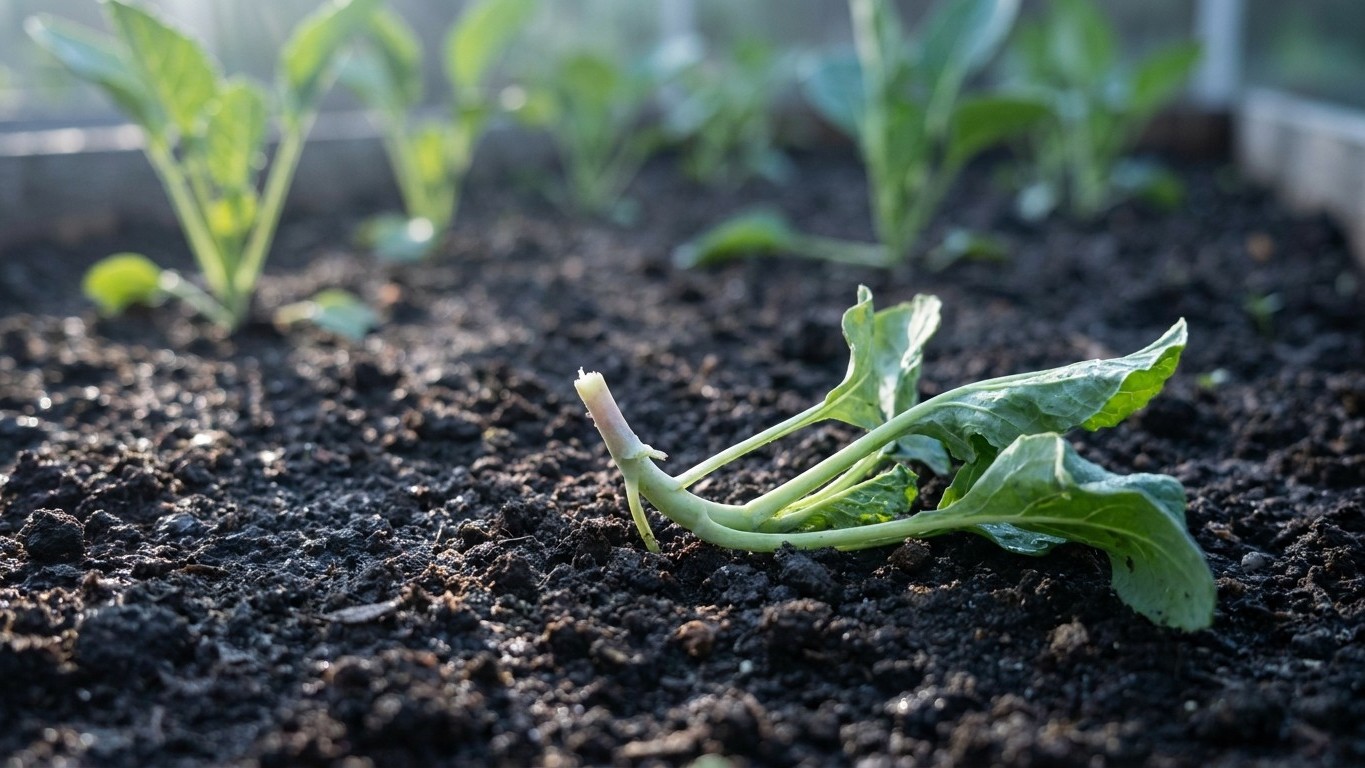
Cutworms start clipping Connecticut seedlings as early as late April in the state’s warmer coastal towns, and by mid-May they’re active statewide.
Home & garden, state by state
Everything we have worked out for Connecticut: what to plant and when, which varieties finish in time, the pests that actually turn up here, and the jobs that pay off month by month. We also cover the rest of the property, from lawns and soil to home care and energy, because a garden rarely stops at the vegetable bed.
The numbers first, because everything else follows from them. Measured at the weather station in Bridgeport, the last spring freeze runs April 2 to April 12 and the first fall freeze runs October 28 to November 10, USDA zones 6a-7b, 3,314 growing degree days in the year.
Garlic does well: 21.8 weeks below 40 °F, comfortably past the six it needs to form a proper head.
Elsewhere on the property in Connecticut: the pests that turn up here.
Figures from NOAA's 1991-2020 climate normals. A state is not one climate: elevation, a large lake or the coast can move these dates by two weeks either way, so check your own county with the extension service before you spend money.
Cutworms start clipping Connecticut seedlings as early as late April in the state’s warmer coastal towns, and by mid-May they’re active statewide.
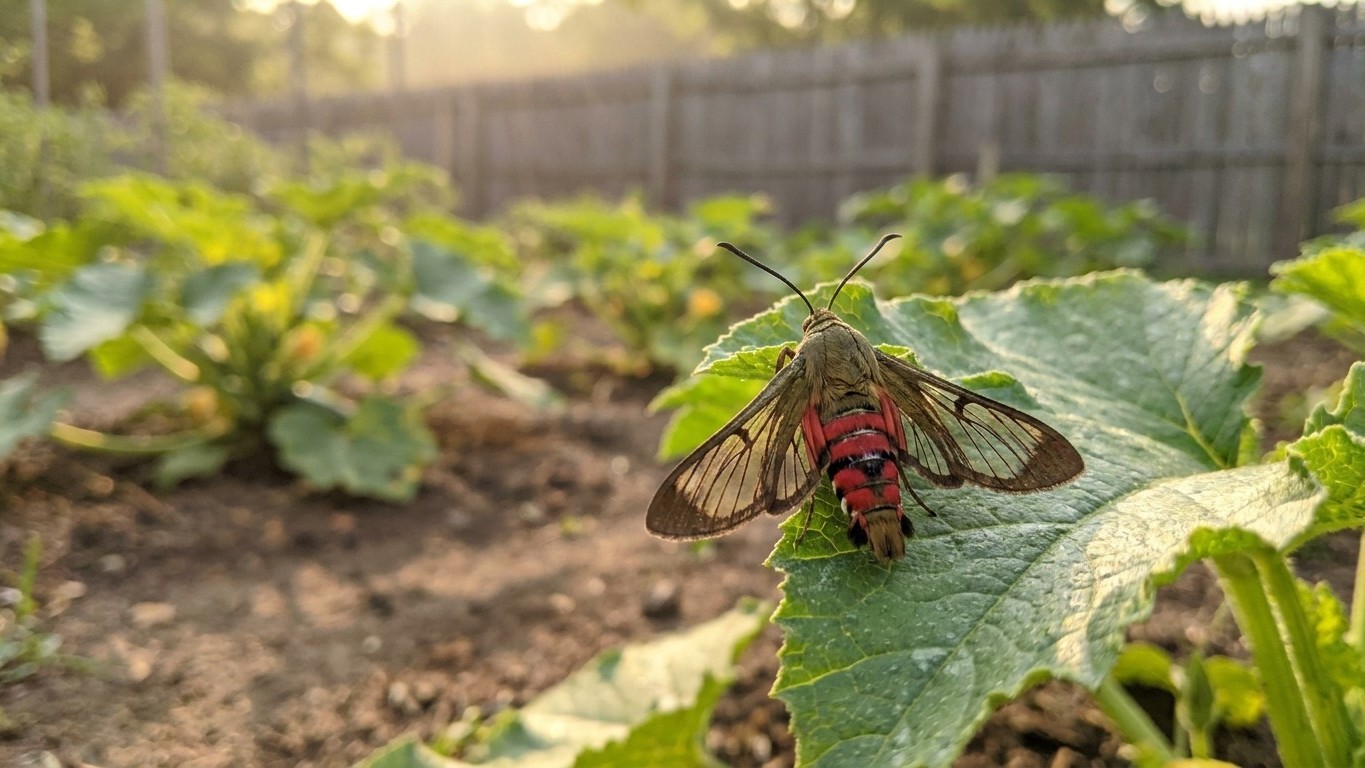
Adult squash vine borer moths start emerging in Connecticut gardens around the third week of June, with peak egg-laying activity running through mid-July.
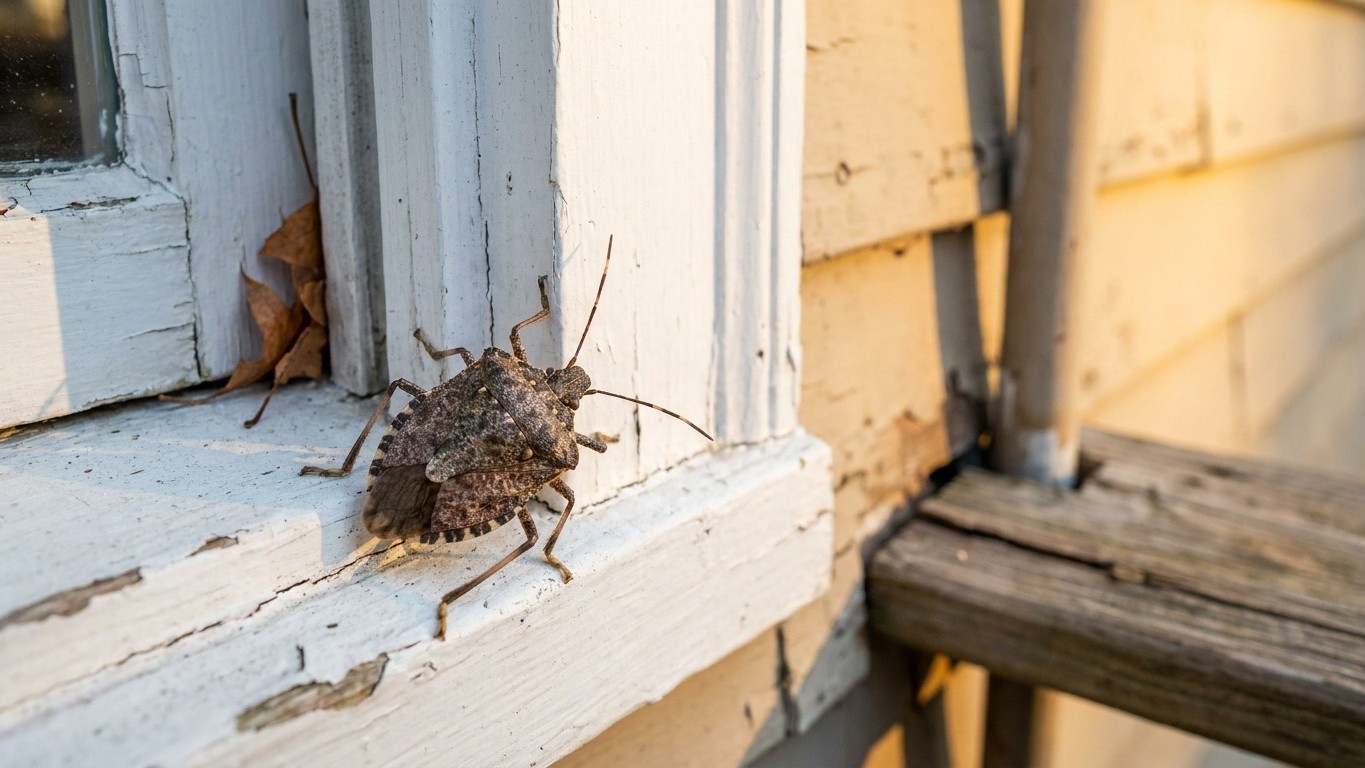
Brown marmorated stink bugs show up in Connecticut homes twice a year on a predictable schedule: a spring emergence around late April through May, and a…
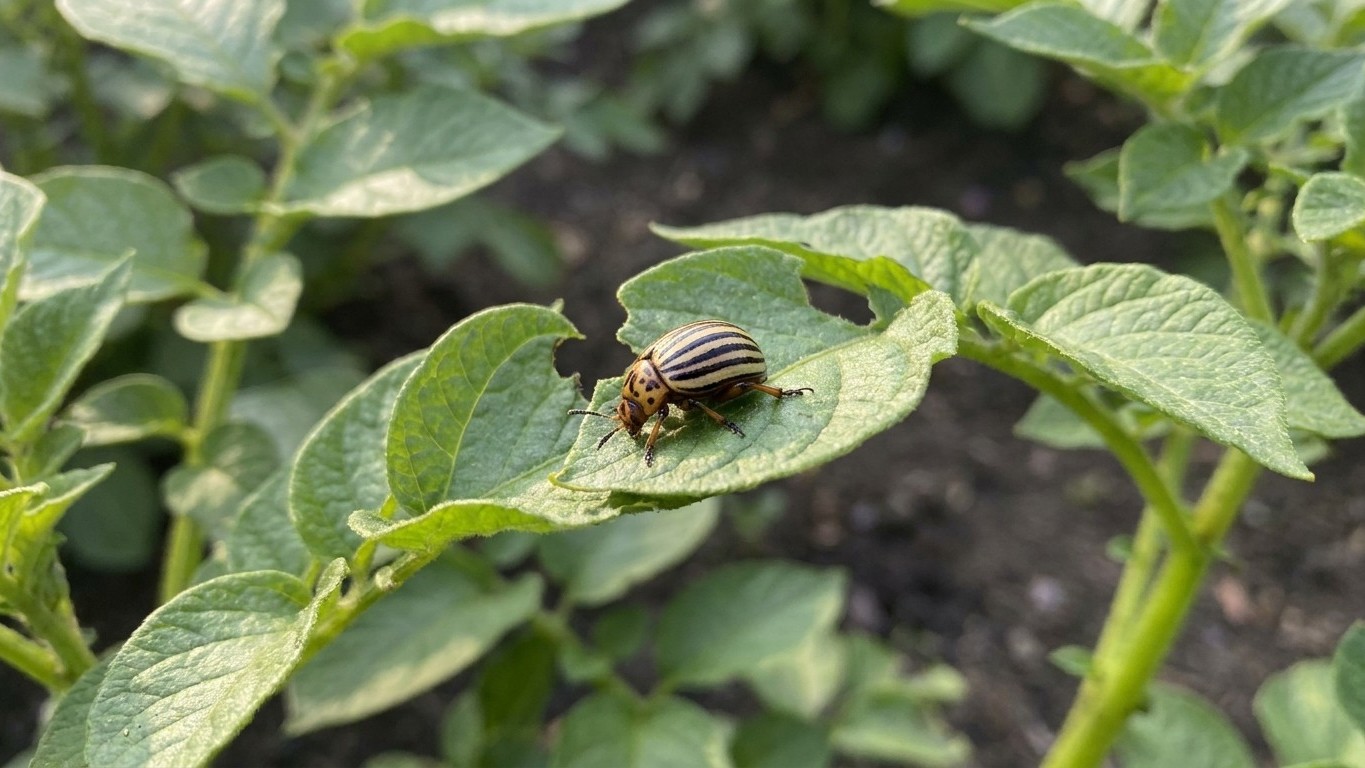
Colorado potato beetles start showing up in Connecticut gardens in late April to mid-May, right around the time soil temperatures climb past 50°F.
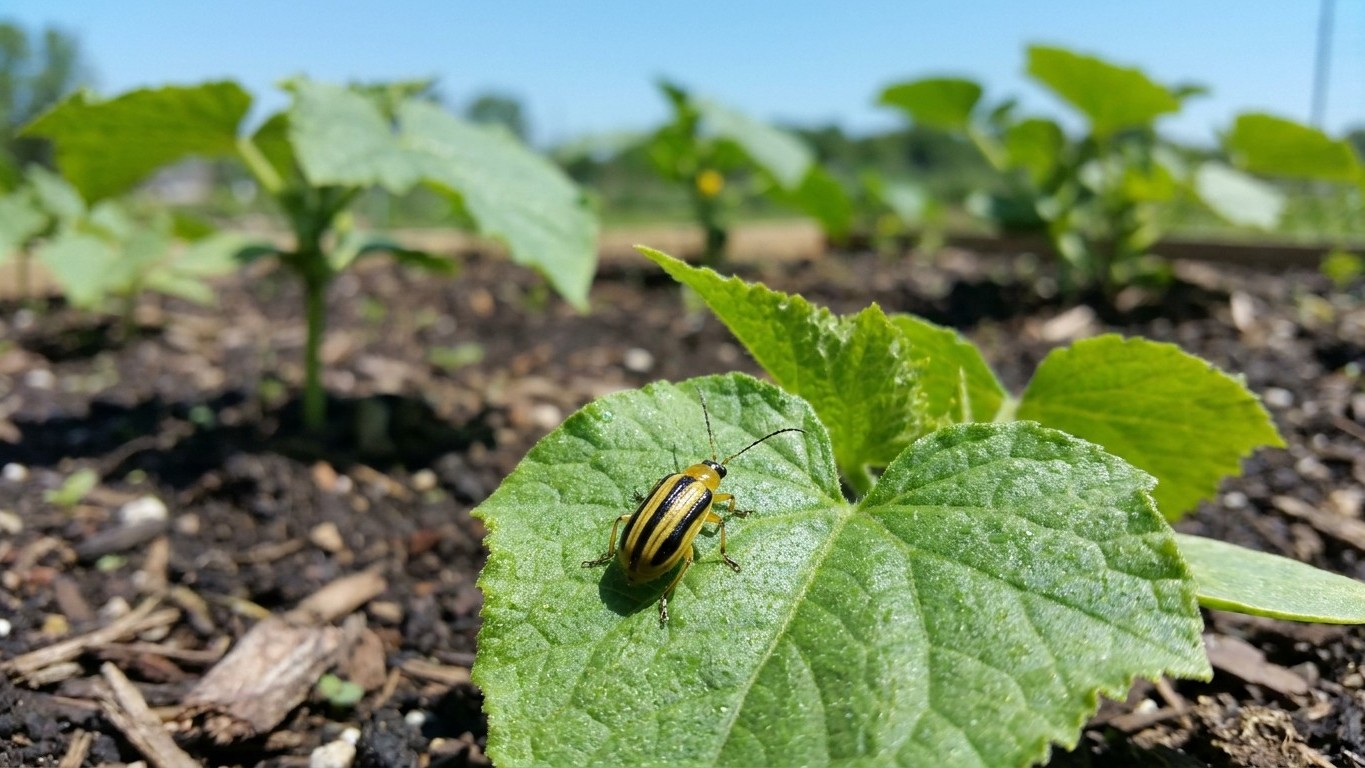
Striped cucumber beetles show up in Connecticut gardens right around the time soil temperatures climb past 50°F, usually in the last two weeks of April…
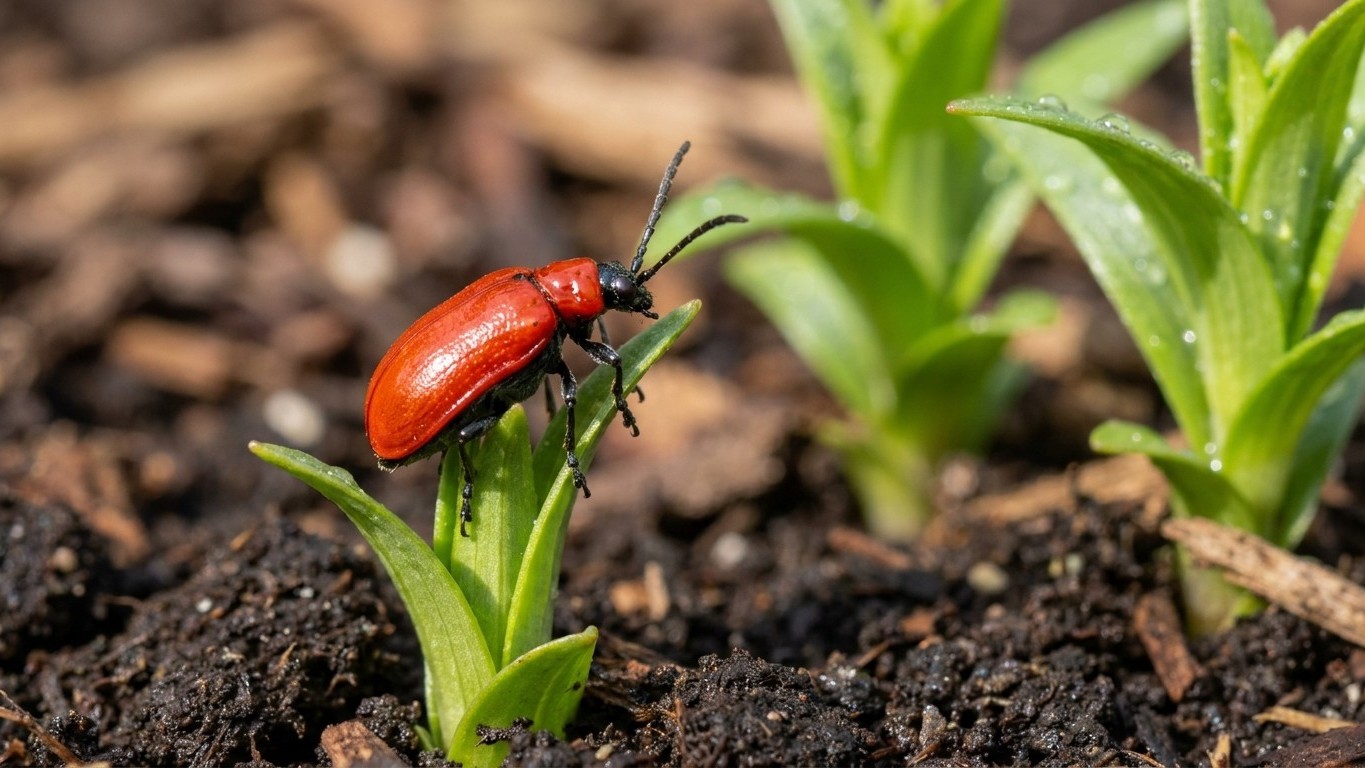
The lily leaf beetle typically arrives in Connecticut gardens in April, right when true lily shoots poke a few inches out of the soil.
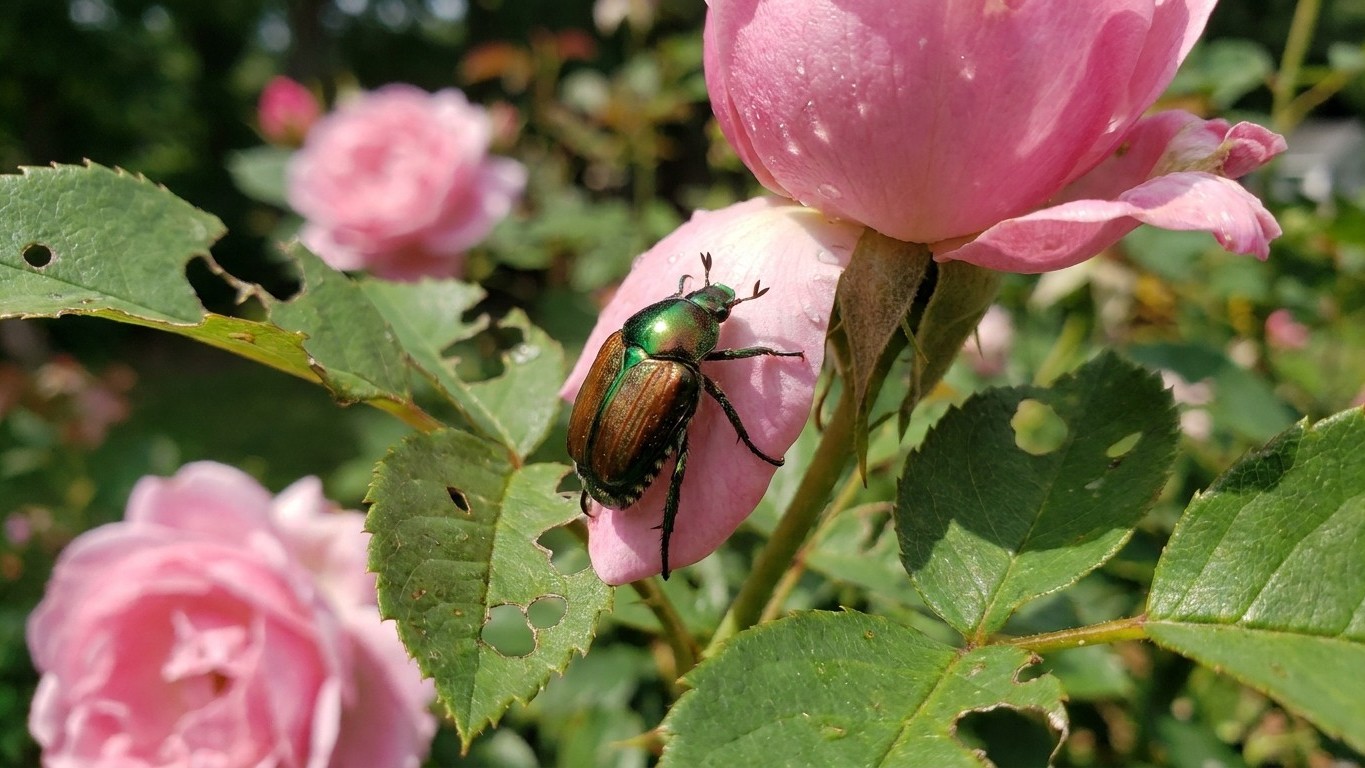
Japanese beetles start showing up in Connecticut in late June, with populations peaking through mid-July and feeding activity stretching into mid-August.
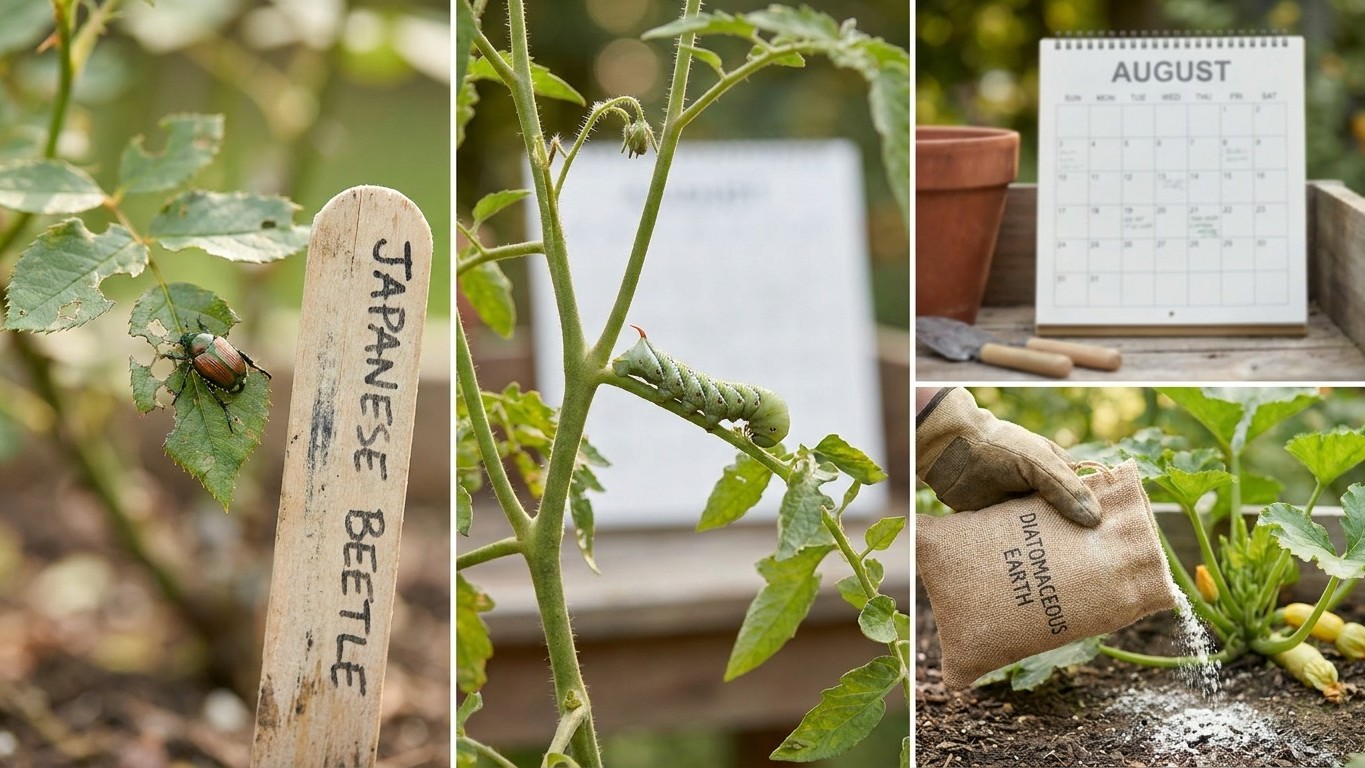
UConn Extension flags ten common pests for Connecticut gardens, from cutworms in spring to stink bugs in fall, and how to spot each one.
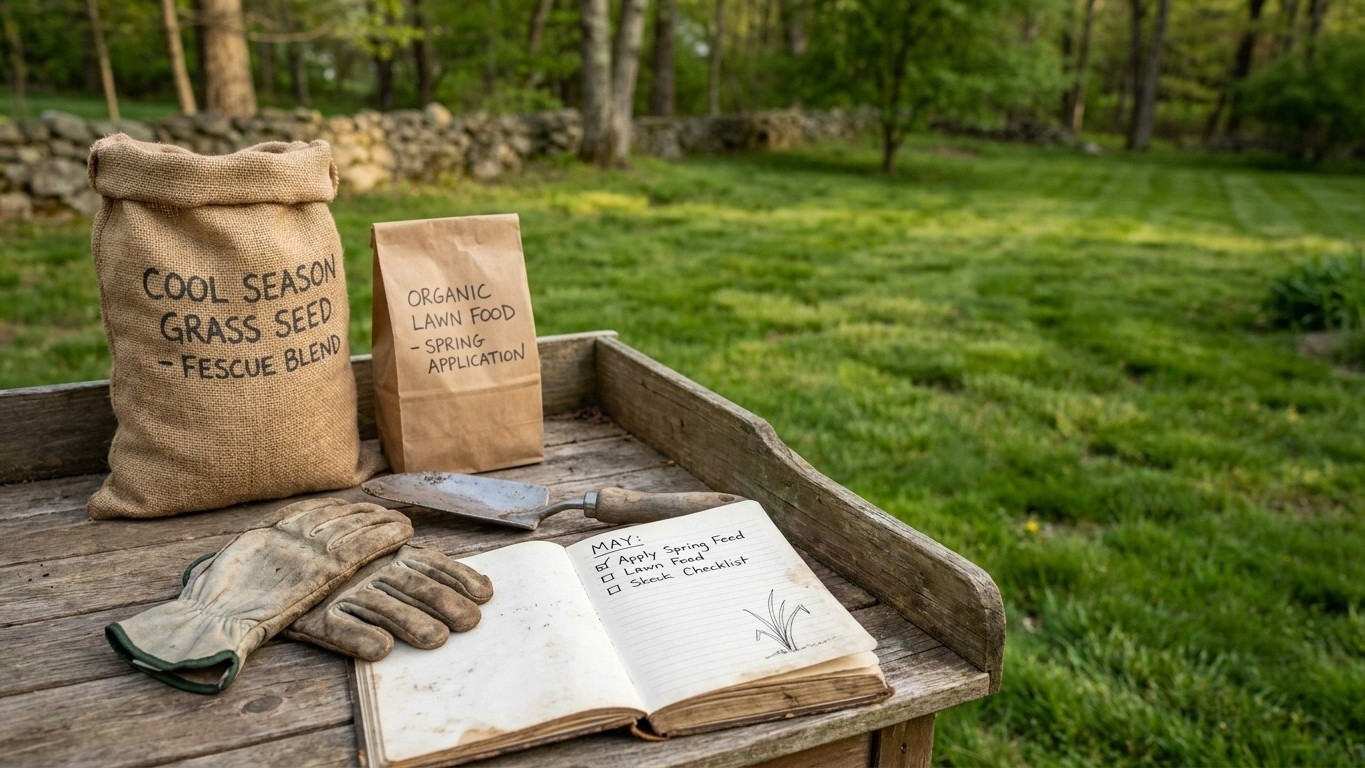
Connecticut’s cool winters and mild summers call for cool-season grass, seeded in fall and fed mainly in September, per NOAA and Clemson Extension data.
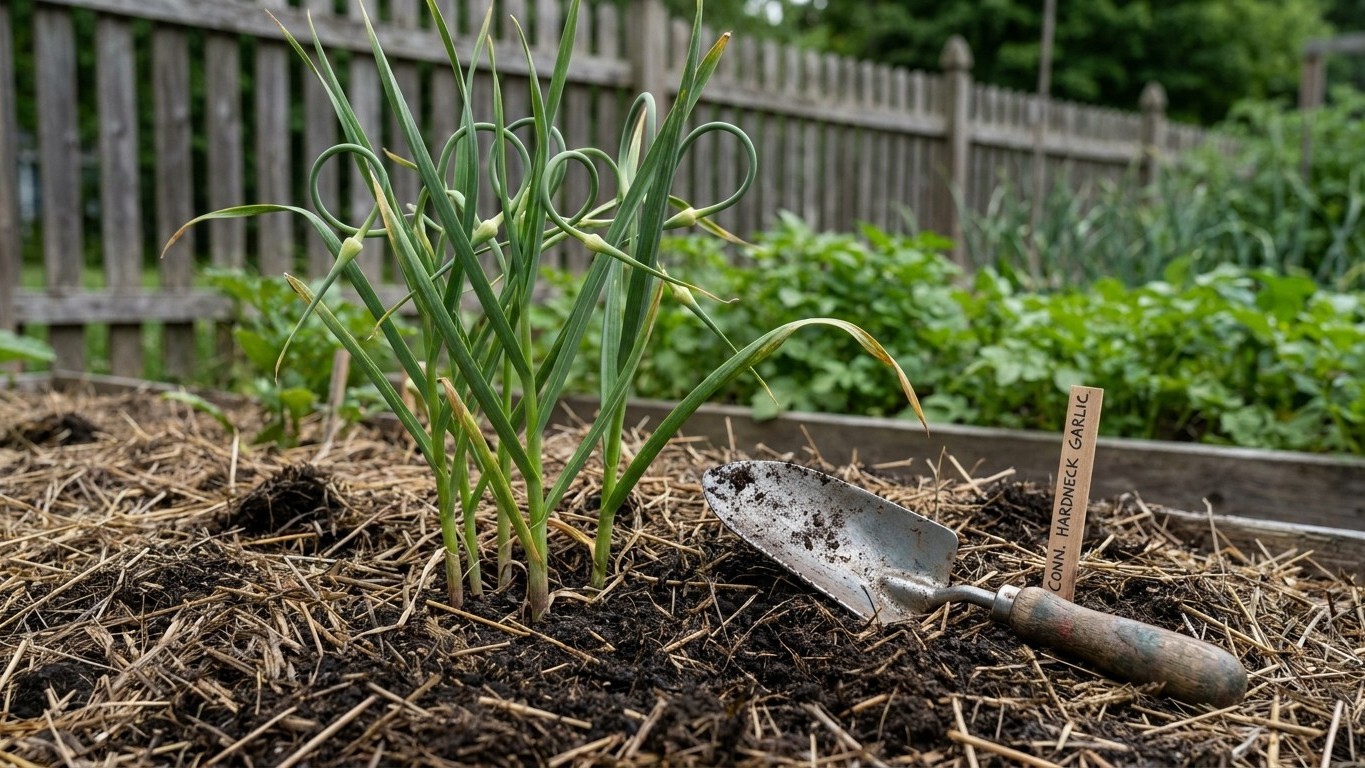
Connecticut garlic goes in the ground early to mid October, timed three to four weeks ahead of the Bridgeport area’s typical first fall frost.