Firewood in Connecticut: Which Woods Your Winter Actually Needs
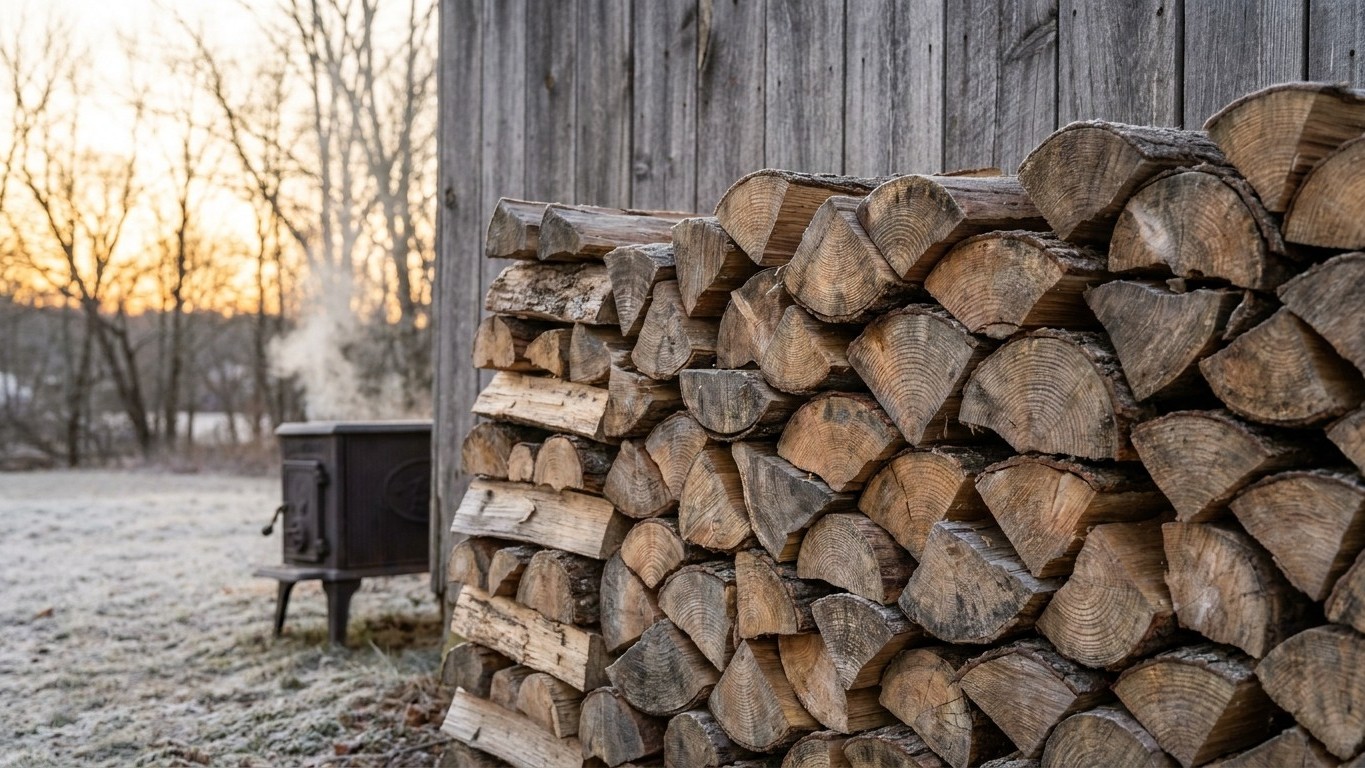
Connecticut winters bottom out at an average low of 24.4°F in the coldest month, measured at the Bridgeport reference station.
Home & garden, state by state
Everything we have worked out for Connecticut: what to plant and when, which varieties finish in time, the pests that actually turn up here, and the jobs that pay off month by month. We also cover the rest of the property, from lawns and soil to home care and energy, because a garden rarely stops at the vegetable bed.
The numbers first, because everything else follows from them. Measured at the weather station in Bridgeport, the last spring freeze runs April 2 to April 12 and the first fall freeze runs October 28 to November 10, USDA zones 6a-7b, 3,314 growing degree days in the year.
Garlic does well: 21.8 weeks below 40 °F, comfortably past the six it needs to form a proper head.
Elsewhere on the property in Connecticut: the pests that turn up here.
Figures from NOAA's 1991-2020 climate normals. A state is not one climate: elevation, a large lake or the coast can move these dates by two weeks either way, so check your own county with the extension service before you spend money.
Connecticut winters bottom out at an average low of 24.4°F in the coldest month, measured at the Bridgeport reference station.
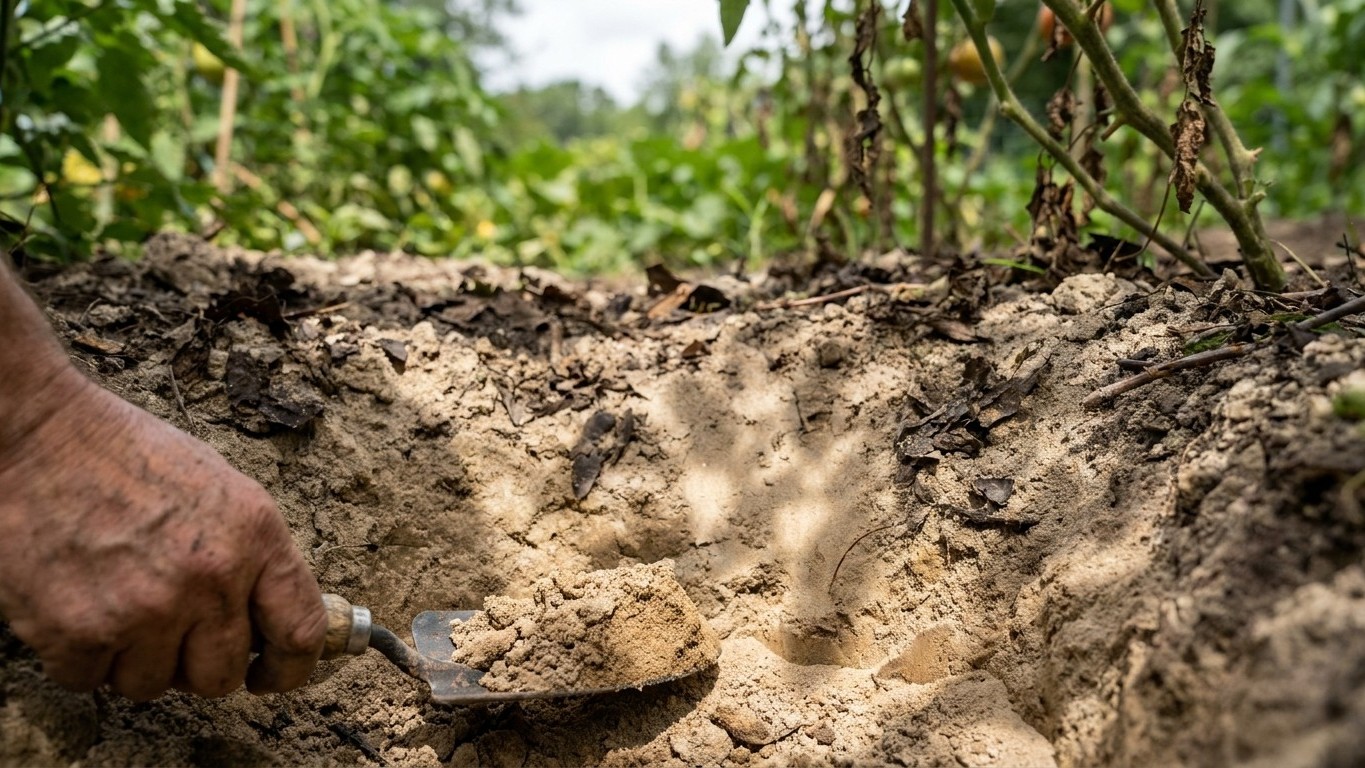
Connecticut’s official soil series is the Windsor series, a sandy, fast-draining ground that tells you almost nothing about what’s actually under your…
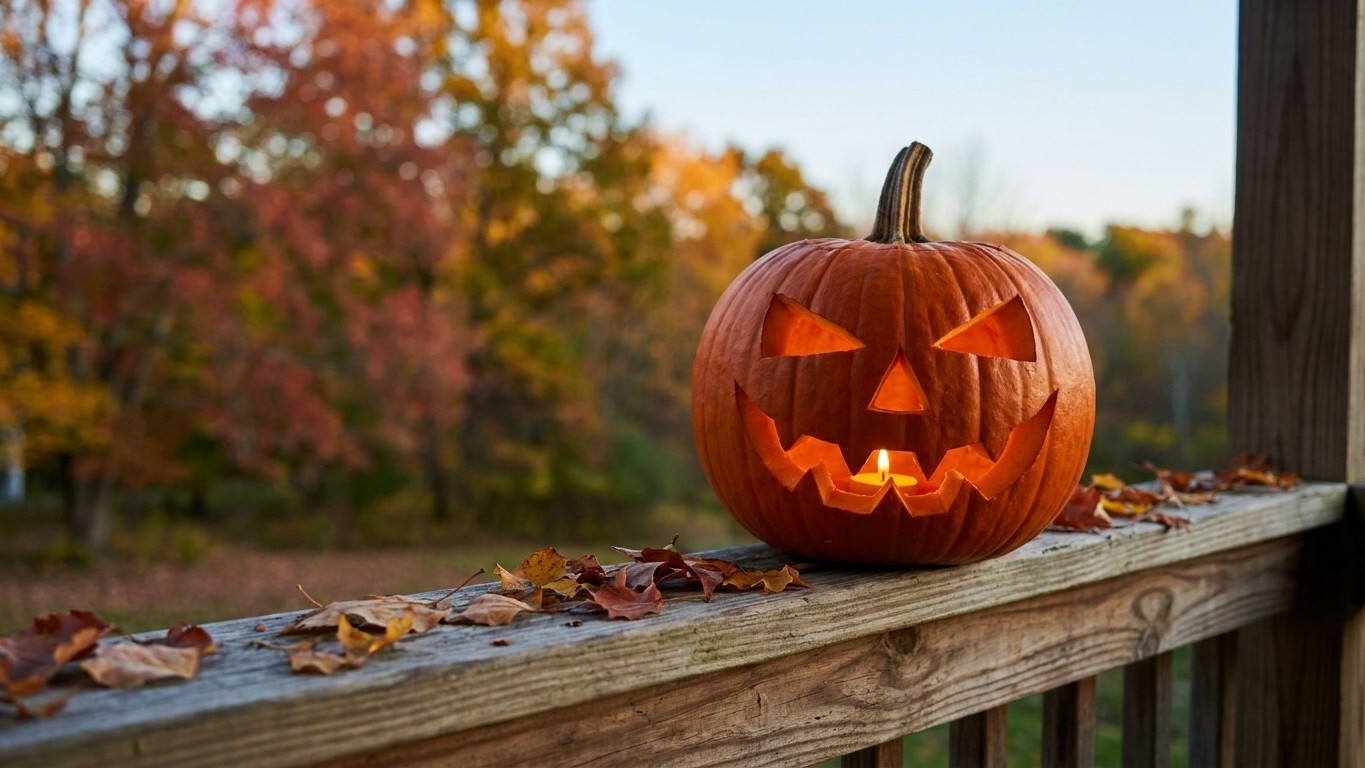
Connecticut’s mean first fall frost lands somewhere between October 28 and November 10, which puts it right on top of Halloween itself.
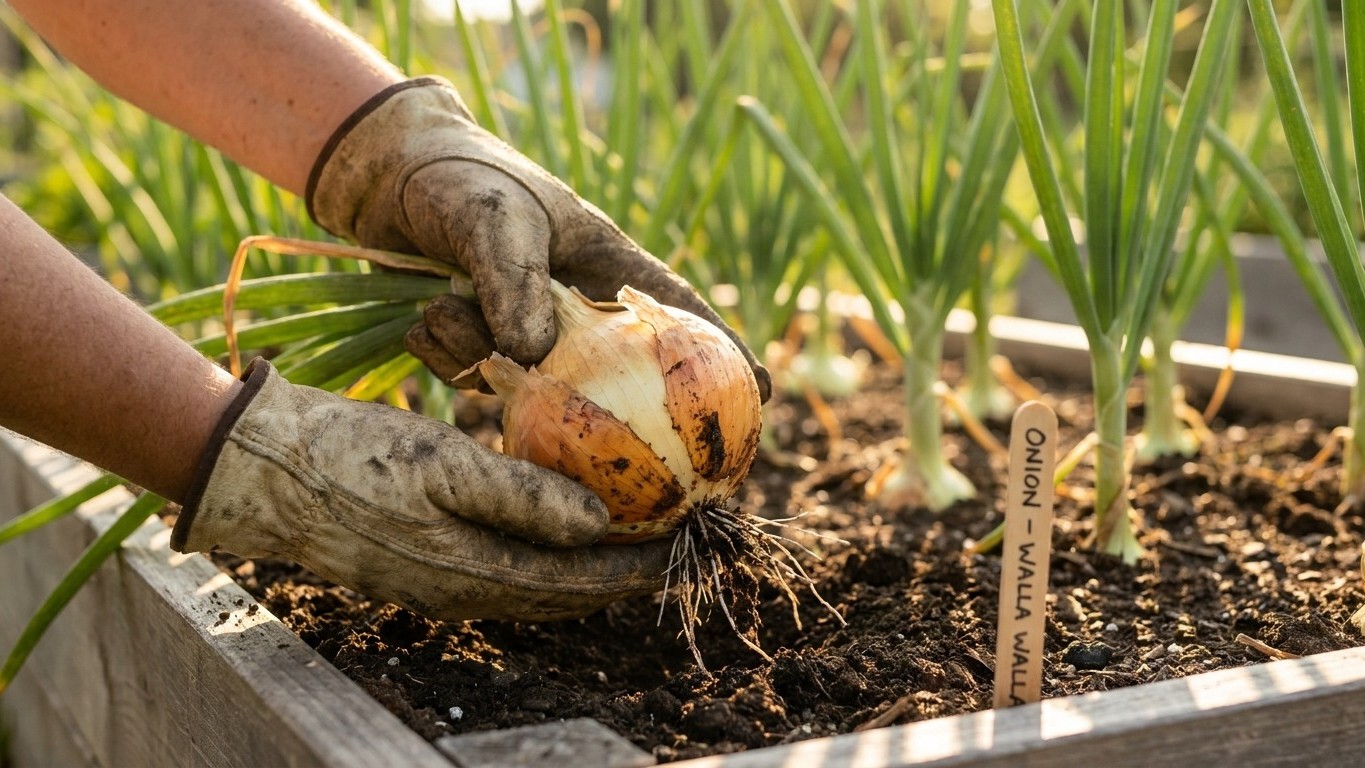
If you’ve ever grown a lush, leafy onion plant that never made a bulb, the problem probably wasn’t your soil or your watering schedule.
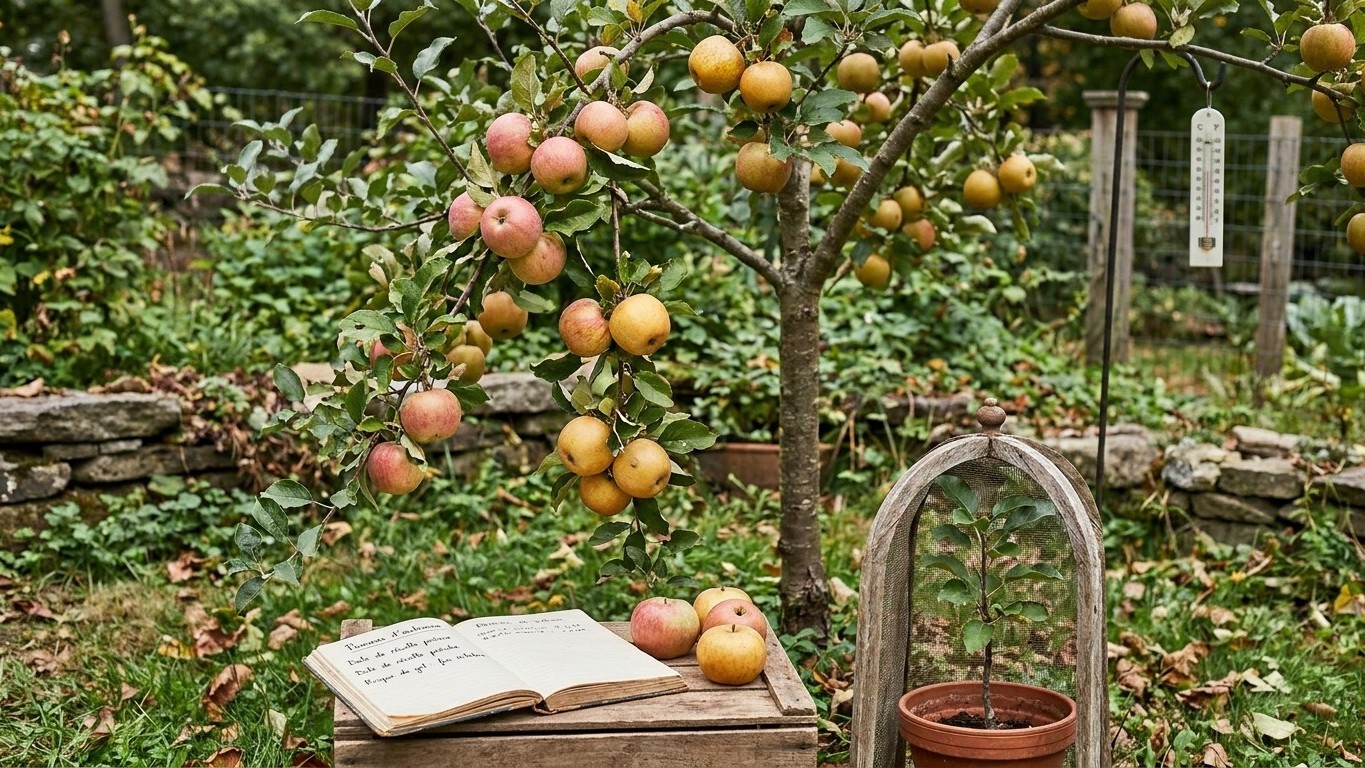
A practical look at which apple varieties survive Connecticut’s winters, when frost threatens blossoms, and how to plant a pollinating pair that actually works.
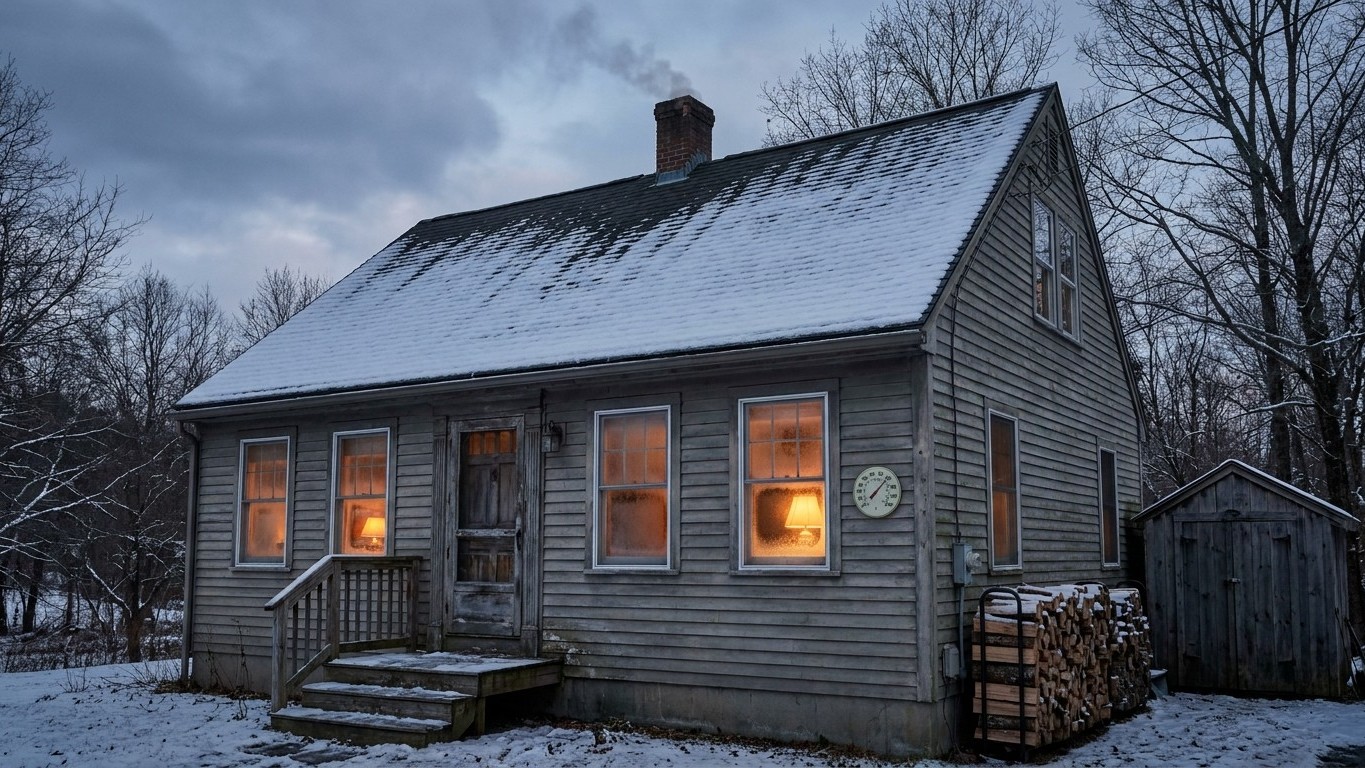
Connecticut winters hover close to freezing for months at a stretch rather than plunging into deep-freeze territory for a few brutal weeks.
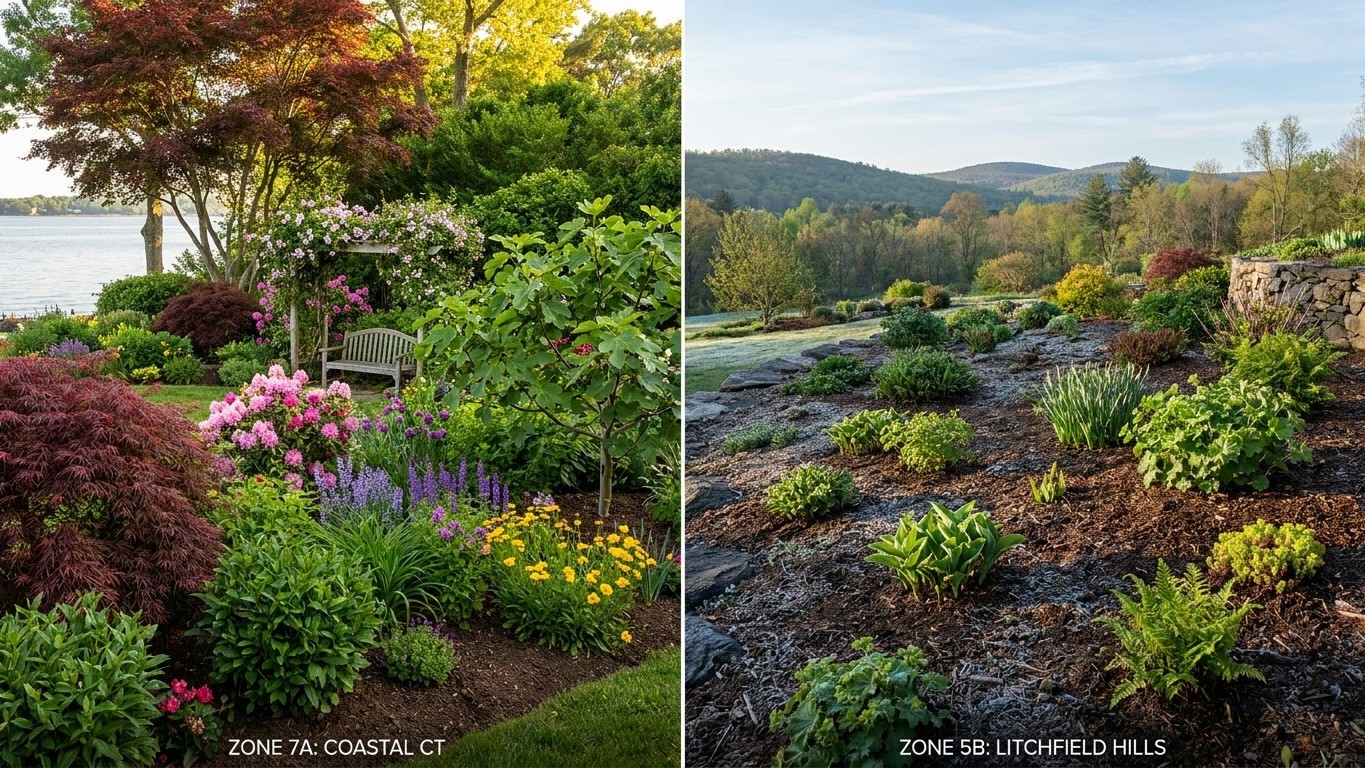
Connecticut gardeners work with a growing season that runs roughly from mid-May to mid-October, depending on where in the state you live, and that window…
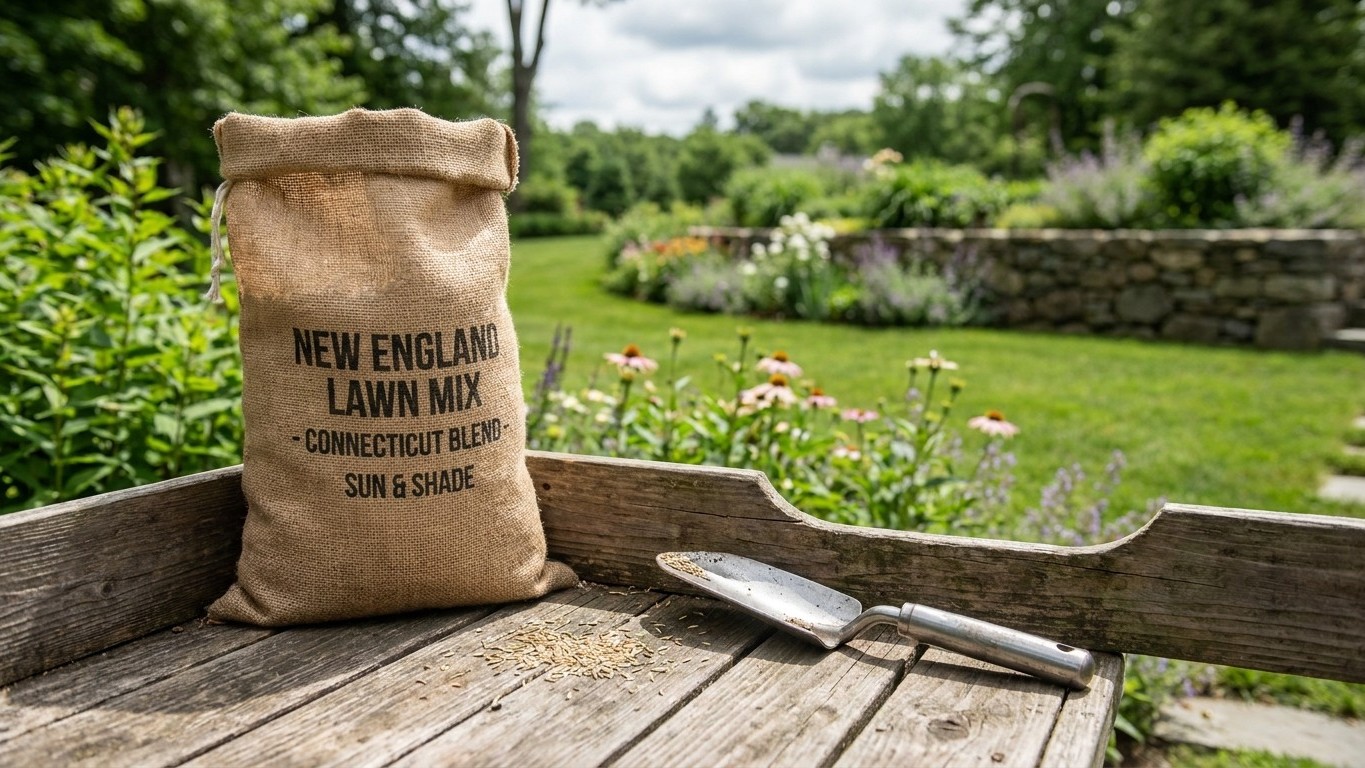
Connecticut’s cool-season climate favors Kentucky bluegrass, tall fescue and fine fescue, seeded in fall using Bridgeport’s frost dates as a guide.
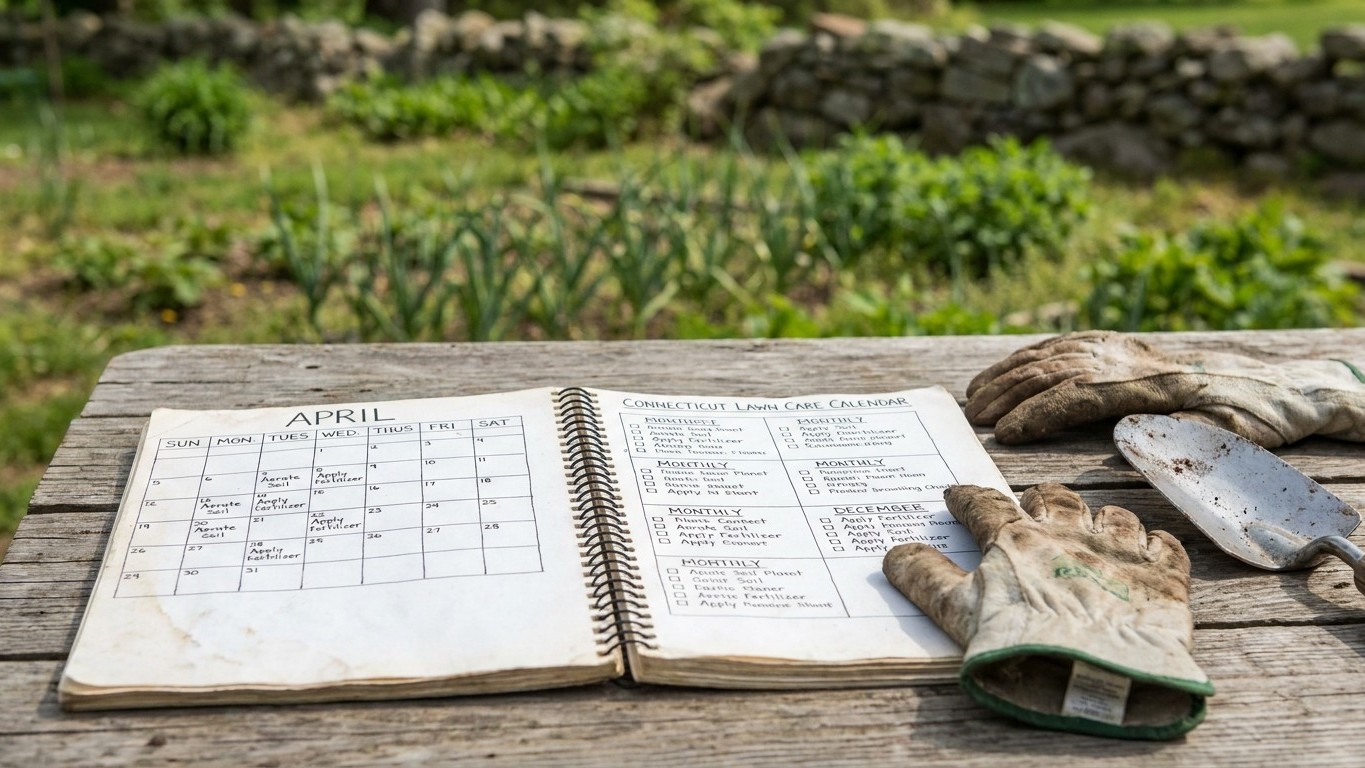
A month-by-month guide to feeding, mowing, and seeding Connecticut’s cool-season lawns, based on NOAA frost data and Clemson’s tall fescue maintenance calendar.
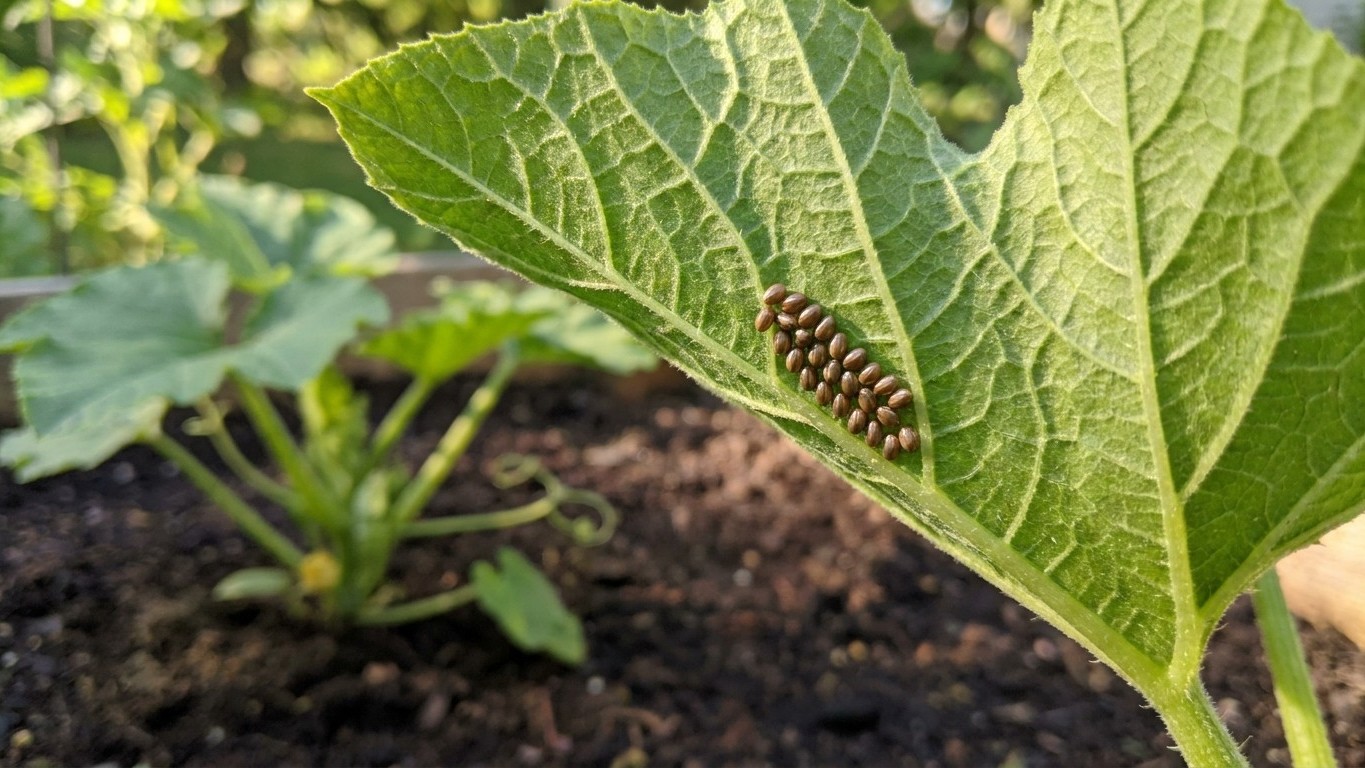
Squash bugs typically appear in Connecticut gardens between late May and mid-June, right after overwintering adults wake up and go hunting for young…