Why a Heated Floor Takes Hours to Respond
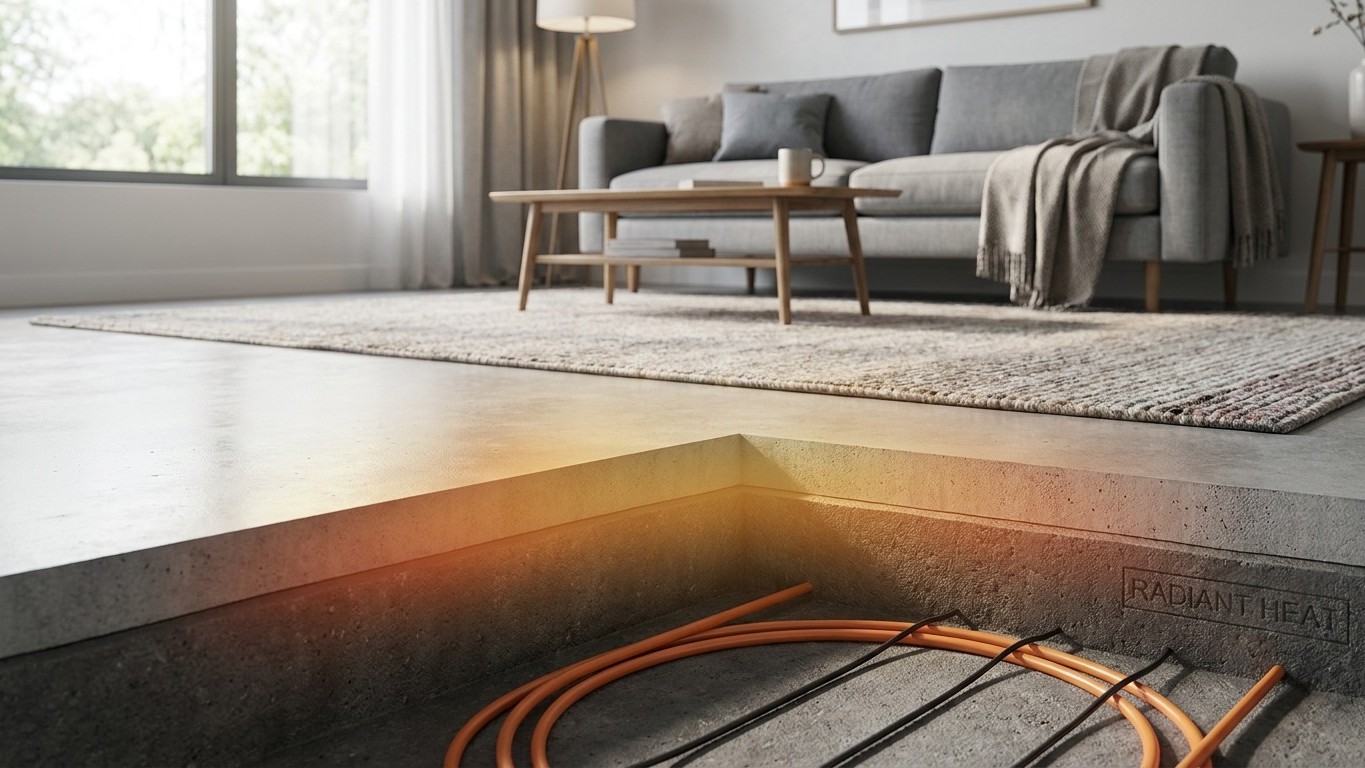
A radiant floor takes hours to respond because it isn’t heating air directly, it’s heating mass.
Home & garden, state by state
A radiant floor takes hours to respond because it isn’t heating air directly, it’s heating mass.
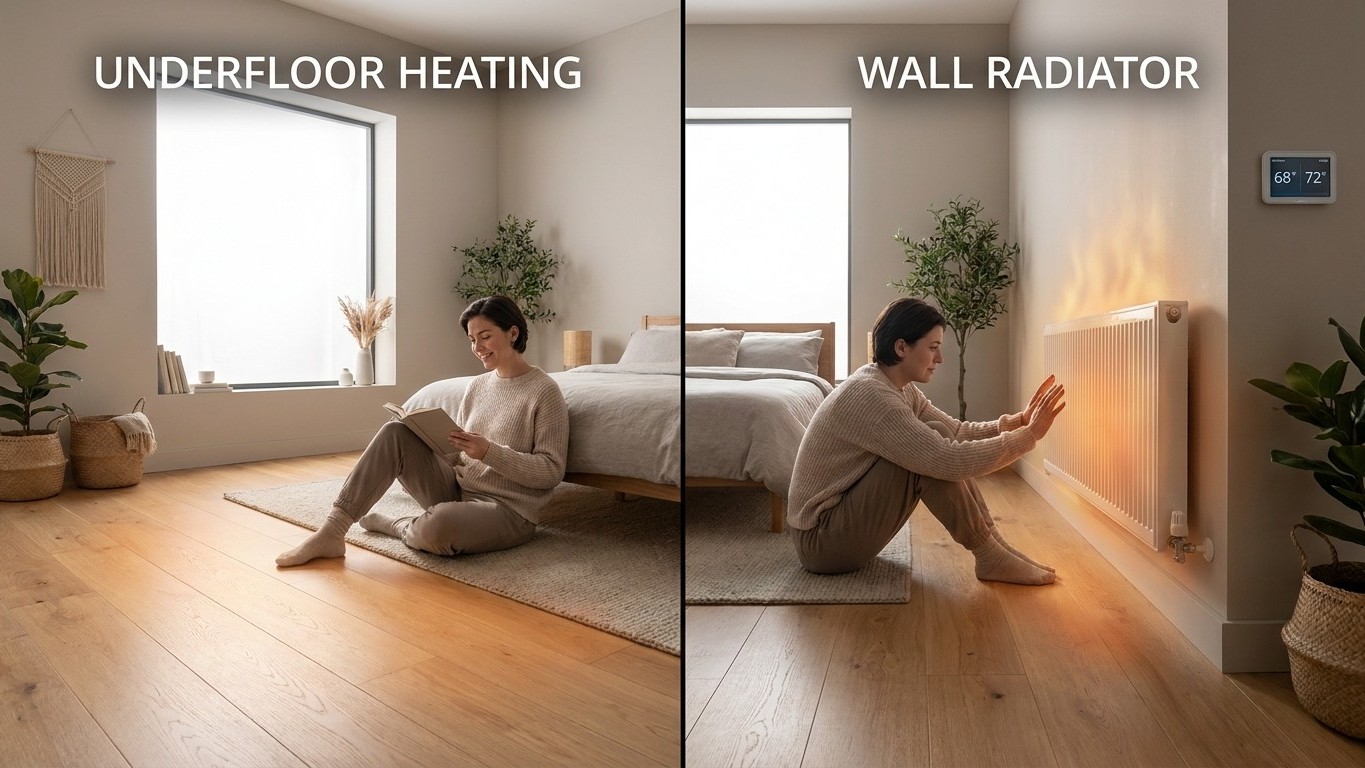
Radiant floor heating wins on comfort and even warmth; radiators win on speed and flexibility.
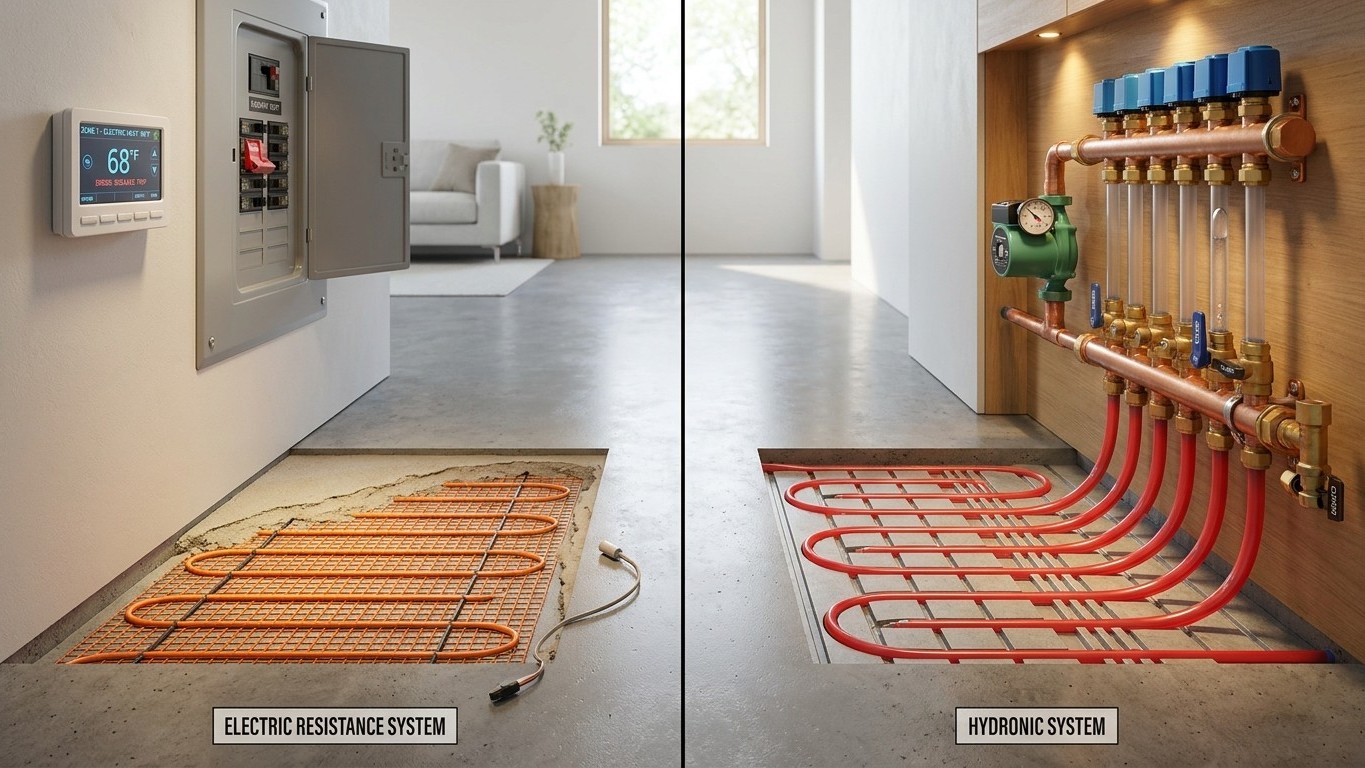
Most “dead” radiant floors are not actually dead. The system is usually alive but blocked at one specific point: a tripped breaker, a failed sensor, an…
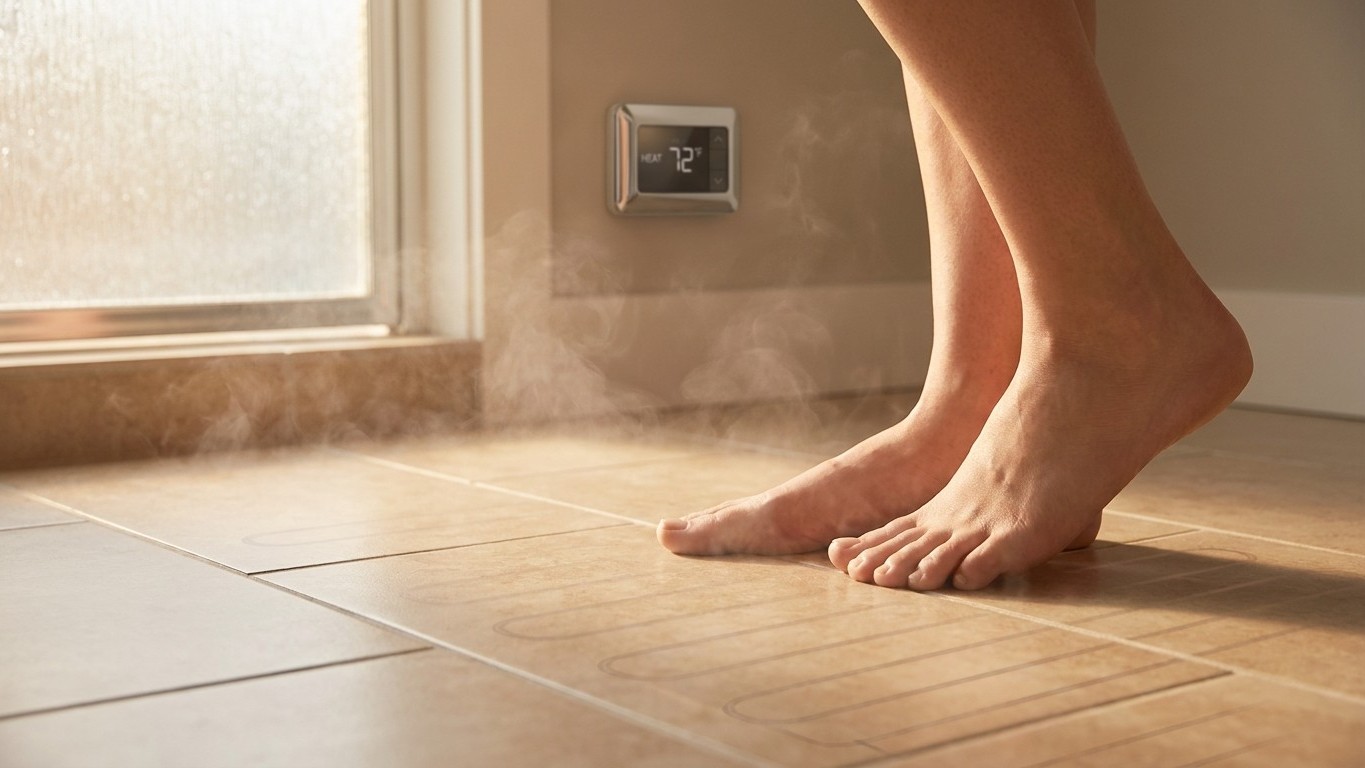
A heated bathroom floor takes four things: a subfloor solid enough to bond to, a thin electric mat or hydronic tubing embedded in mortar, a thermostat…
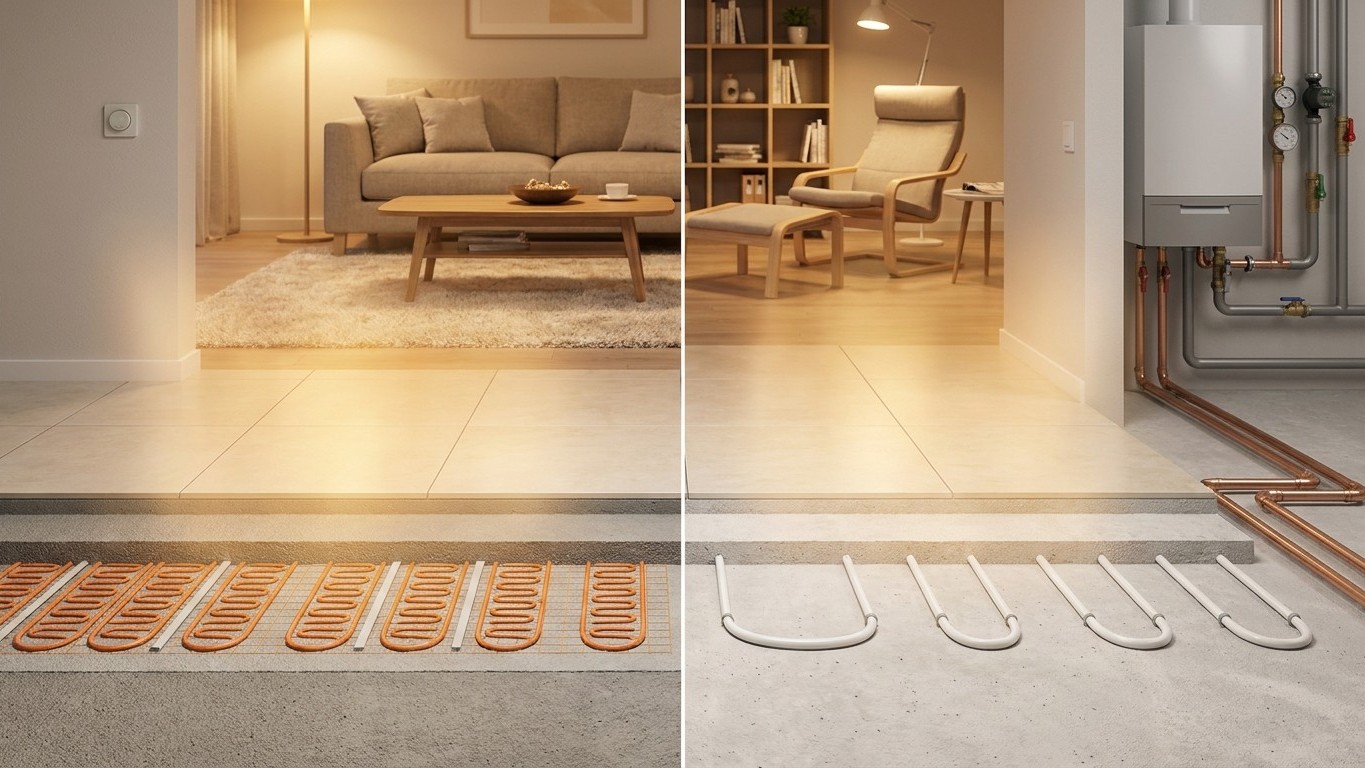
Radiant floor heating has no running cost of its own. What you pay depends entirely on what feeds the system: an electric floor costs whatever your…
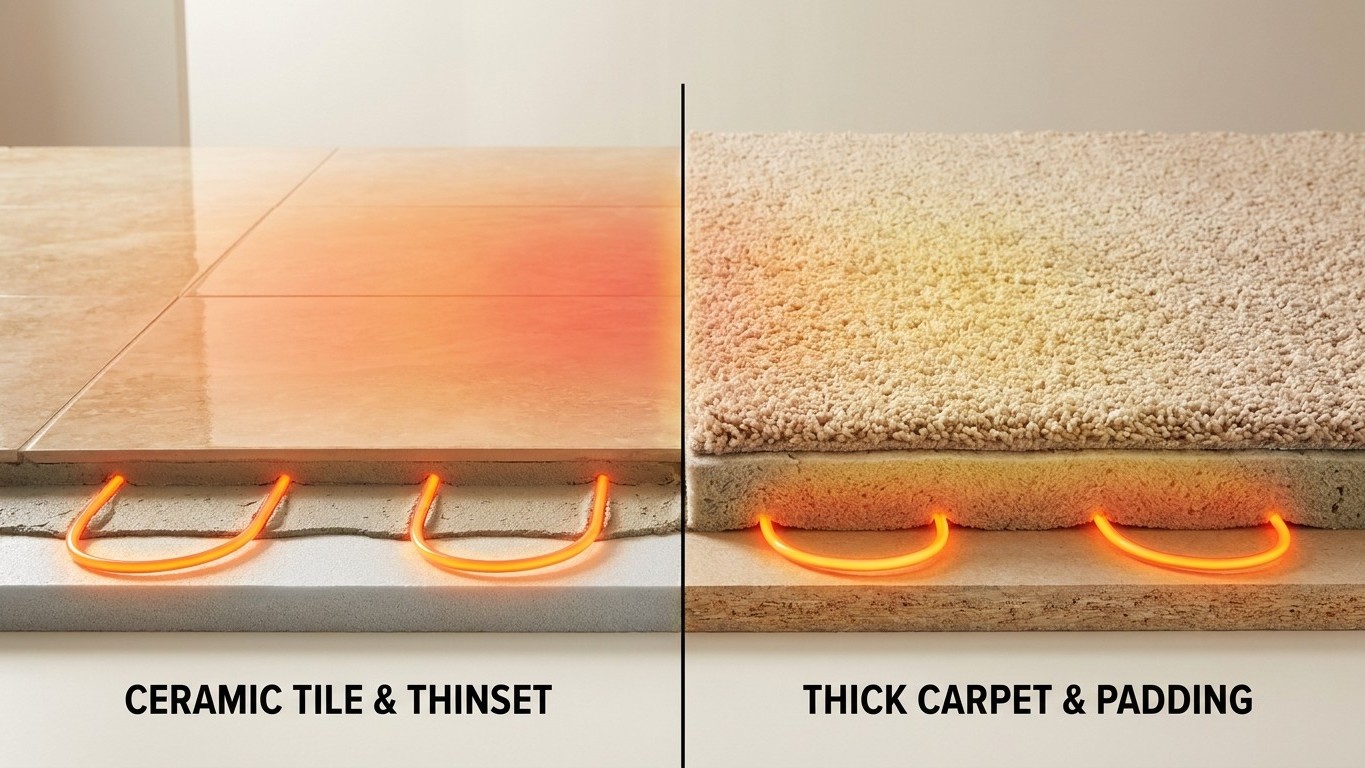
Tile and stone top the list because they conduct heat with almost no resistance, letting a radiant system run at lower water or cable temperatures while…
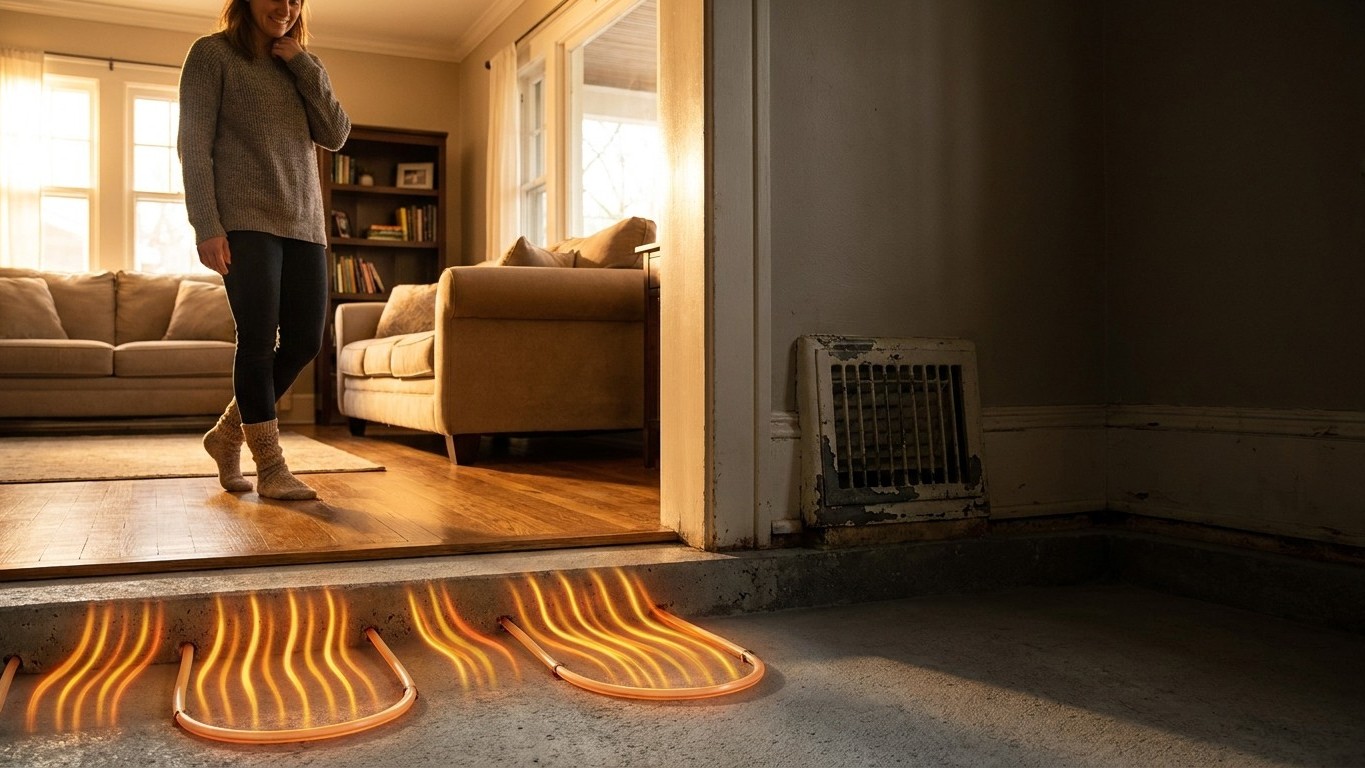
Radiant floor heating warms a room by turning the entire floor into a low-temperature heat source, rather than blasting hot air through vents.
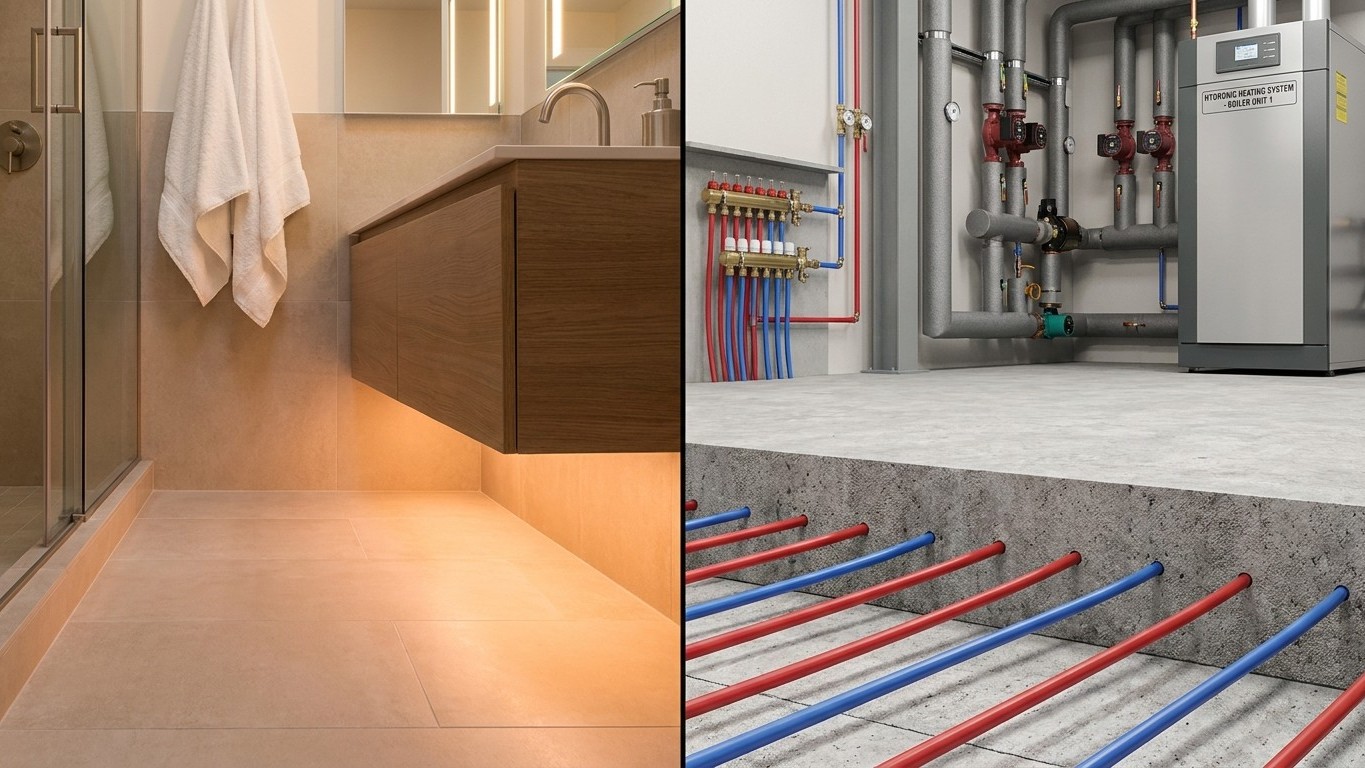
The short answer: electric radiant floor heating fits a single room, usually a bathroom or kitchen, because it needs no boiler and installs in a thin…
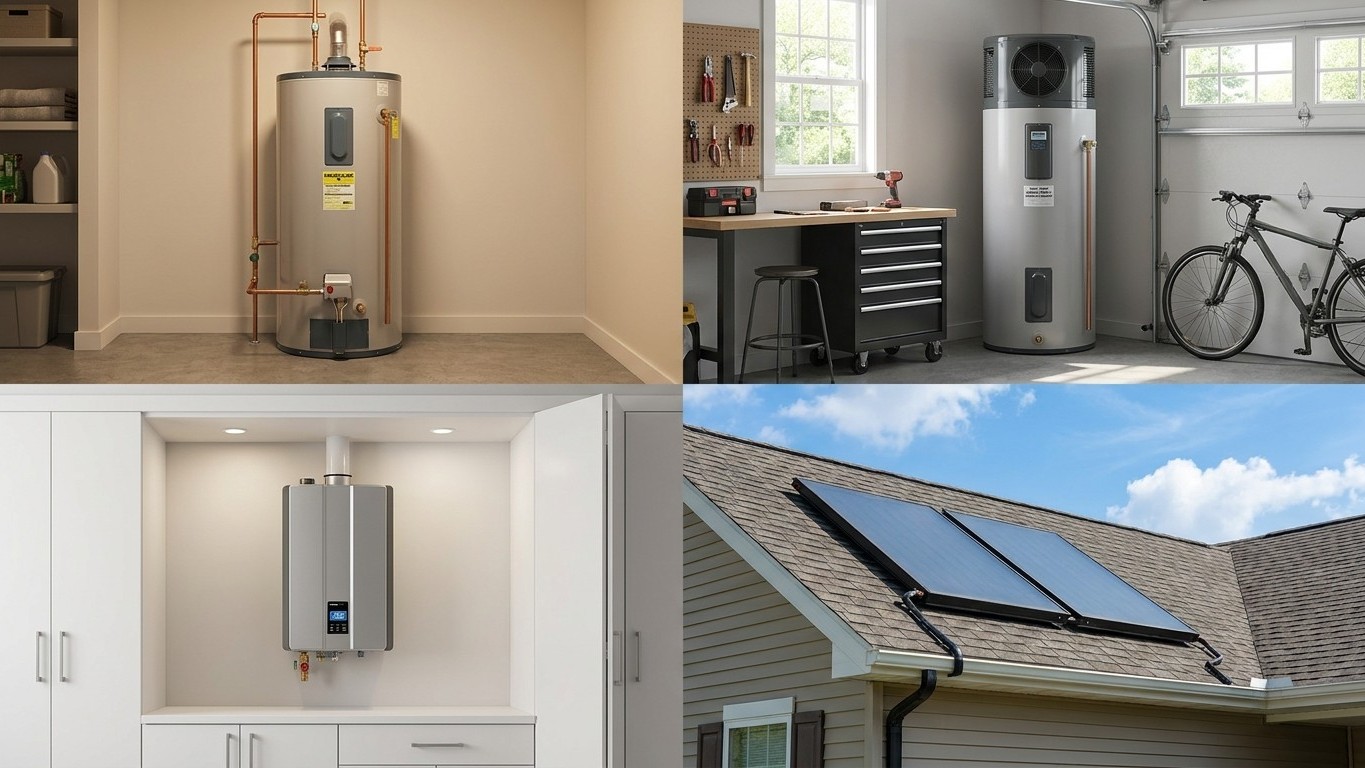
Four technologies make hot water in American homes: storage tanks, tankless units, heat pump water heaters, and solar systems.
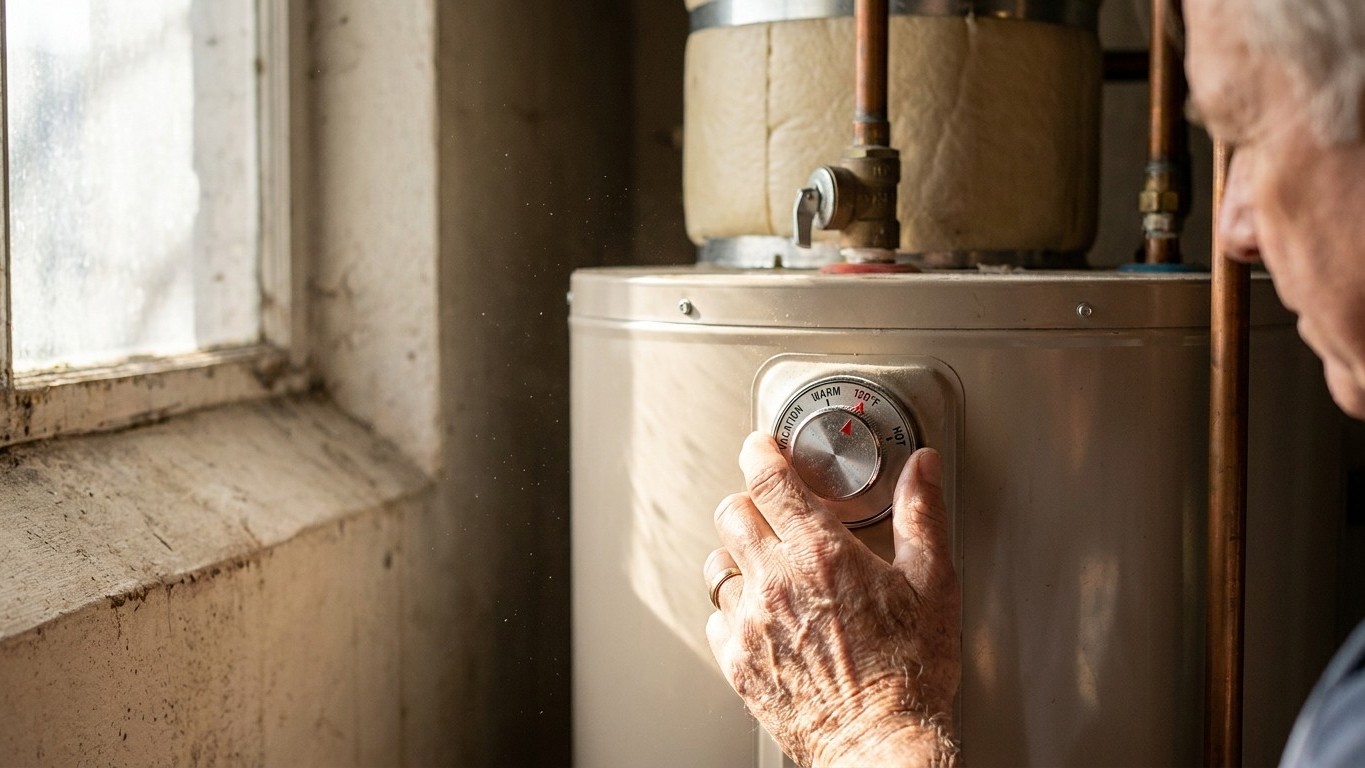
Most water heaters leave the factory with the thermostat set closer to 140°F. The U.S.