Heating With Pellets in Florida: What a Winter Takes
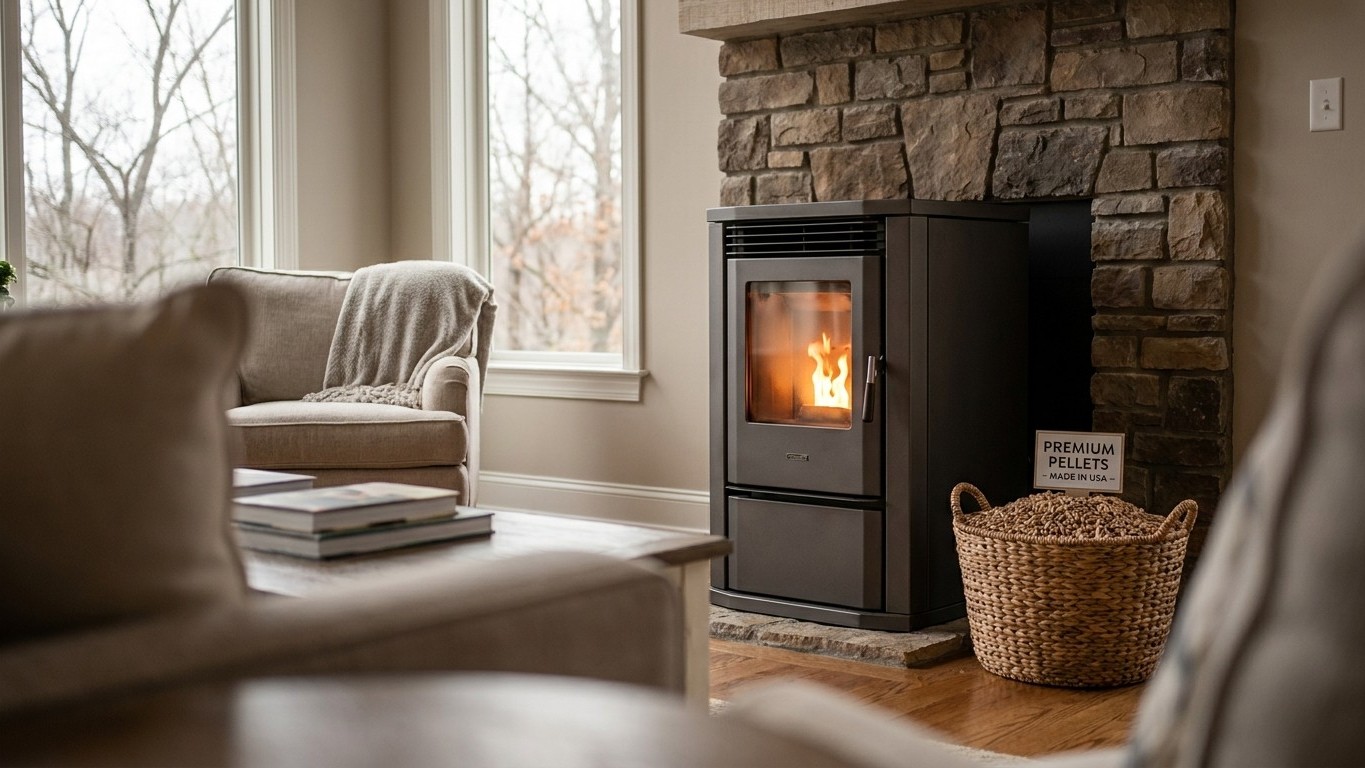
A pellet stove in Florida is almost never the main heat source. With roughly 1,228 heating degree days a year at the Jacksonville reference station, the…
Home & garden, state by state
Everything we have worked out for Florida: what to plant and when, which varieties finish in time, the pests that actually turn up here, and the jobs that pay off month by month. We also cover the rest of the property, from lawns and soil to home care and energy, because a garden rarely stops at the vegetable bed.
The numbers first, because everything else follows from them. Measured at the weather station in Jacksonville, the last spring freeze runs February 16 to March 7 and the first fall freeze runs November 26 to December 13, USDA zones 8b-11b, 7,000 growing degree days in the year.
Heat, not frost, is what shortens the season here: above 86 °F tomato pollen goes sterile, so growers run a spring crop and an autumn one rather than a single long season. Garlic is the awkward one: only 0 weeks below 40 °F, where it needs six to split into cloves. Chill the cloves before planting, or grow a softneck type.
Elsewhere on the property in Florida: the pests that turn up here.
Figures from NOAA's 1991-2020 climate normals. A state is not one climate: elevation, a large lake or the coast can move these dates by two weeks either way, so check your own county with the extension service before you spend money.
A pellet stove in Florida is almost never the main heat source. With roughly 1,228 heating degree days a year at the Jacksonville reference station, the…
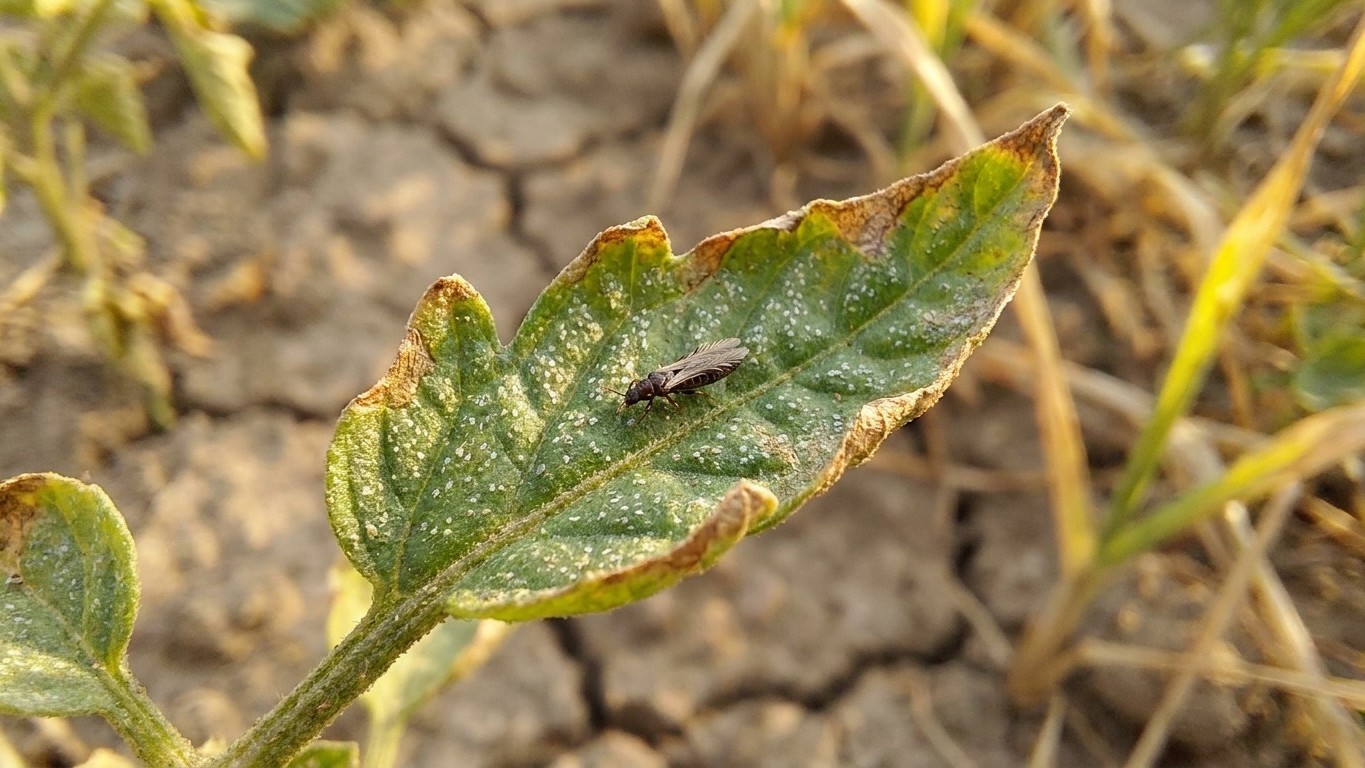
Chilli thrips show up in Florida whenever a stretch of hot, dry weather settles in, and that can happen anytime from spring through fall.
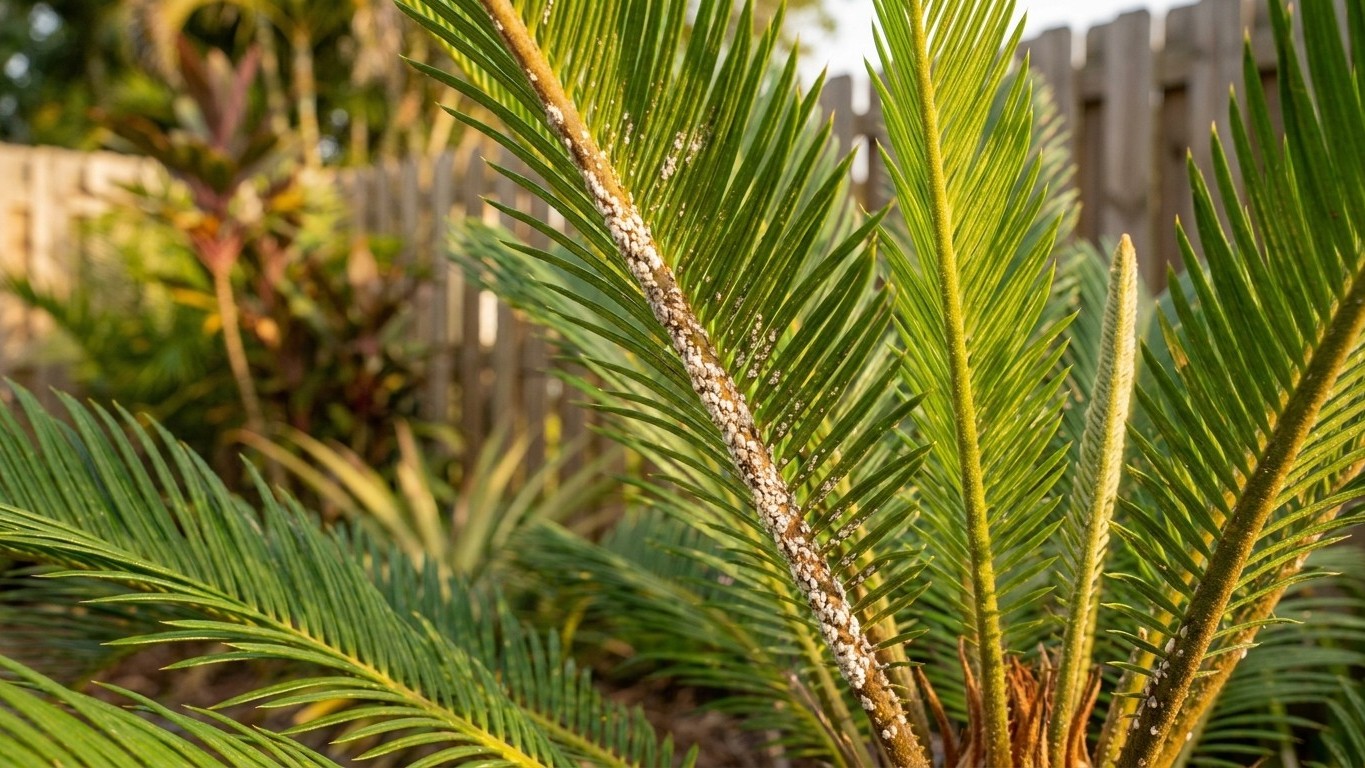
Cycad aulacaspis scale doesn’t take a real break in most of Florida, the insect stays active through mild winters and only slows down during genuine cold…
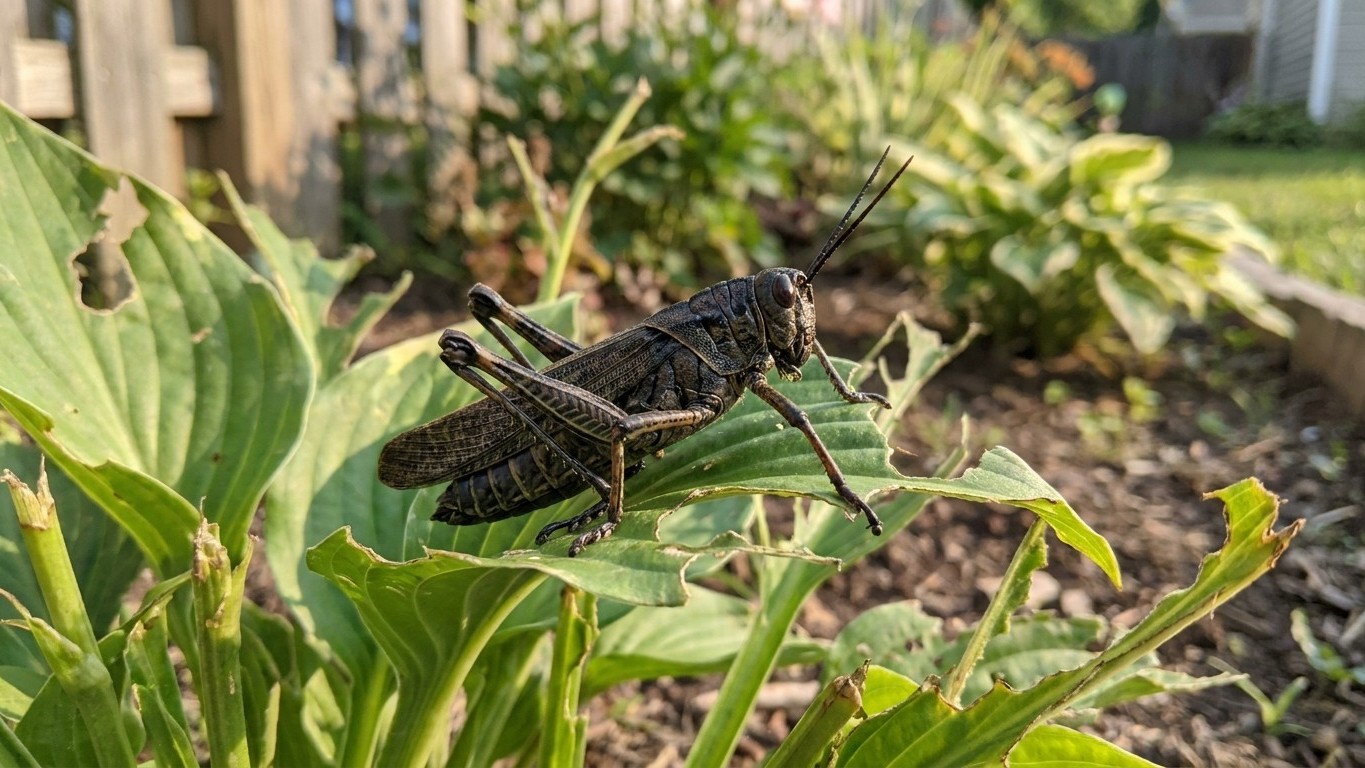
The Eastern lubber grasshopper shows up in Florida gardens from March or April through October or November, with the heaviest numbers in July and August.
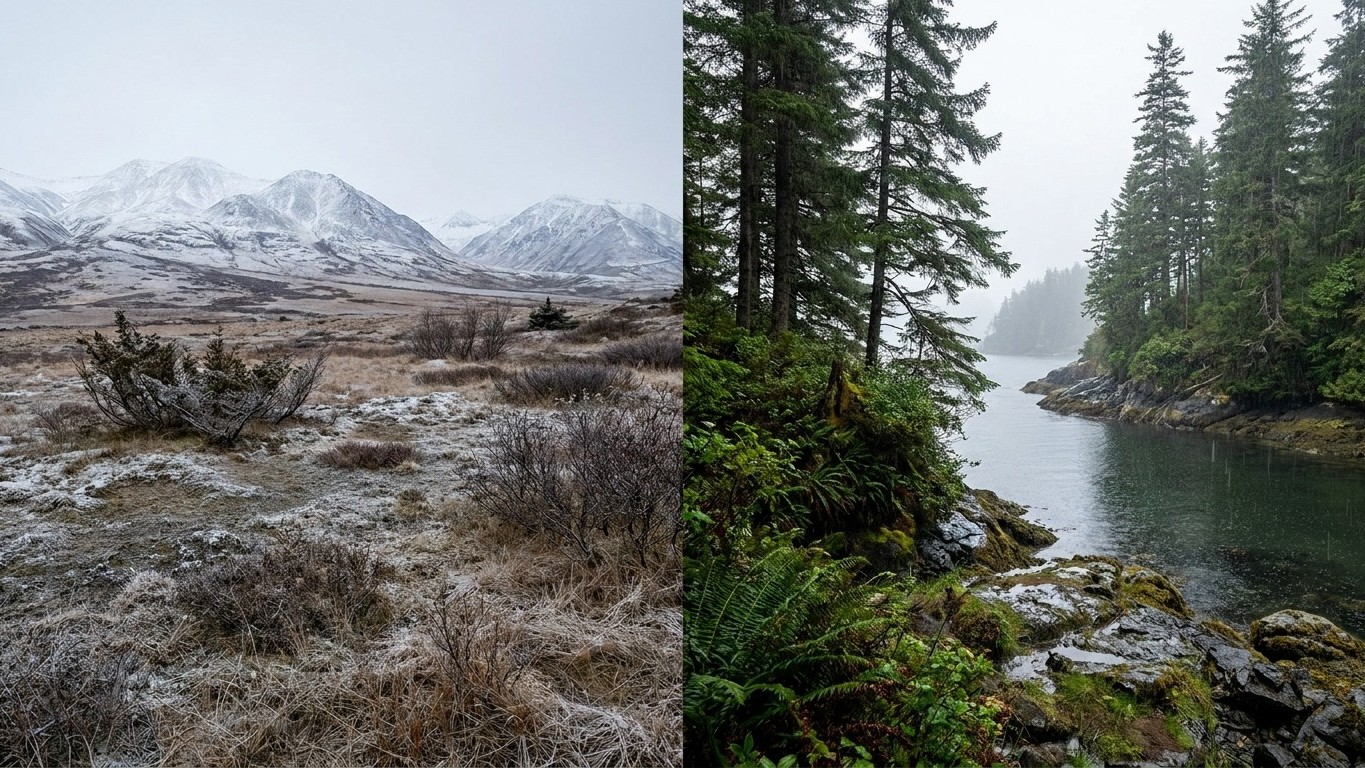
Florida’s USDA hardiness range runs from 8b to 11b, and none of the 65 landscape plants tracked on this site are hardy across that whole span.
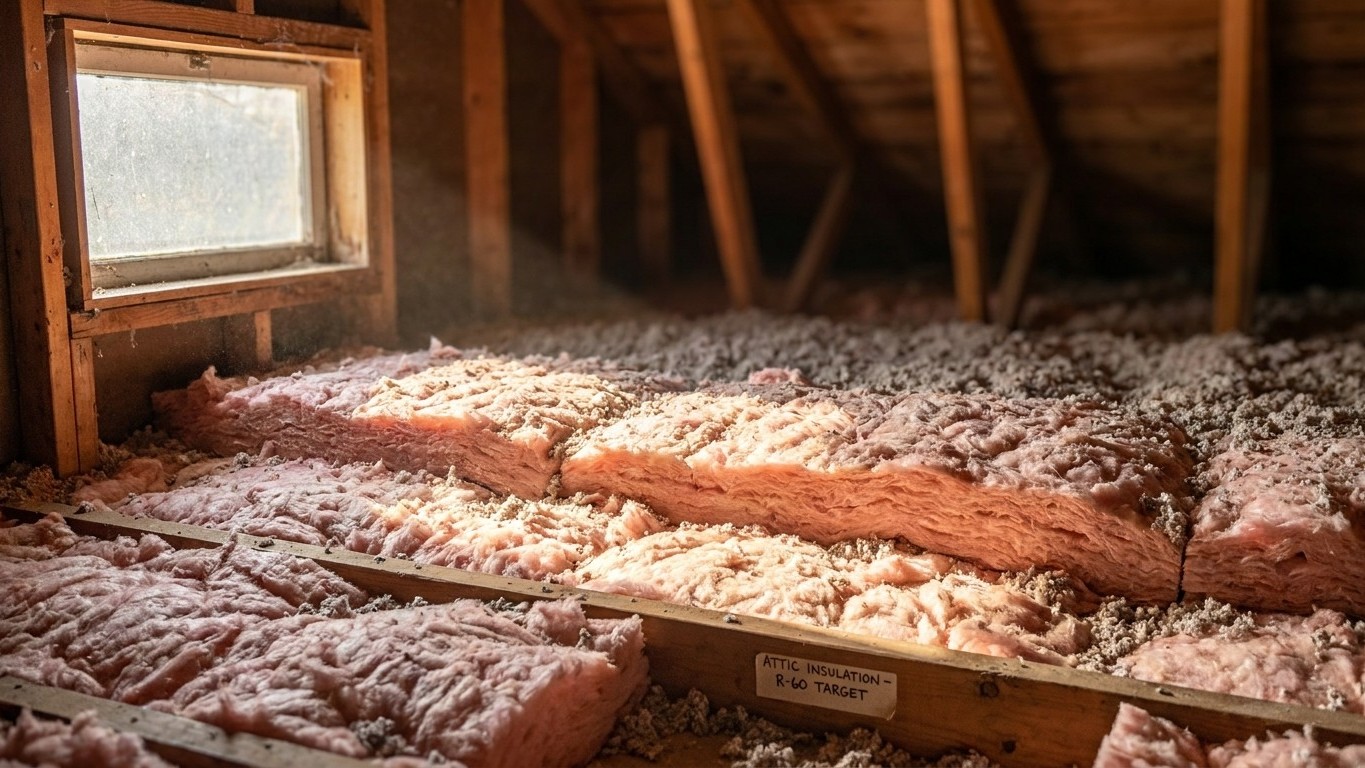
Florida doesn’t have one insulation number. Sixty-three of its 67 counties sit in IECC climate zone 2A, where ENERGY STAR recommends R49 attic insulation…
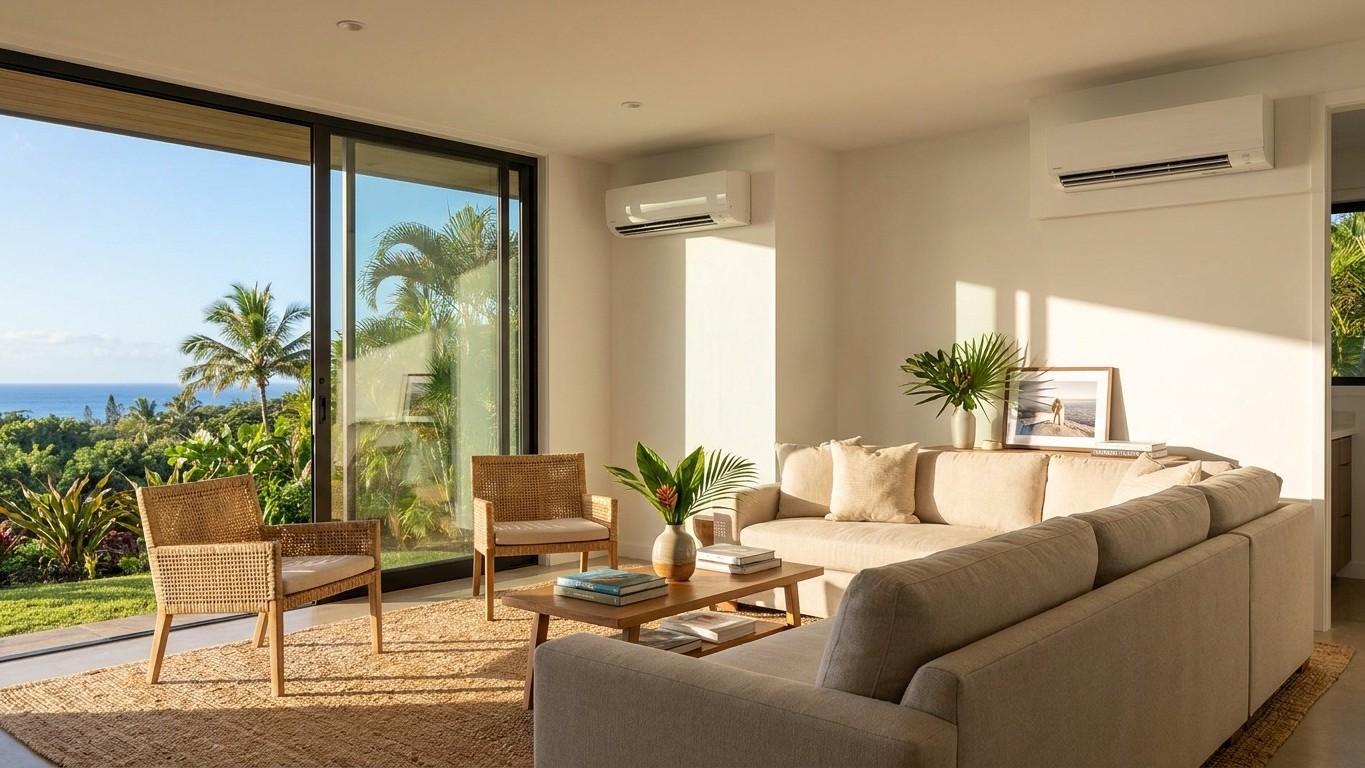
In Florida, the closest thing to a true pause is April, when the Jacksonville reference station logs roughly 180 combined heating and cooling degree days…
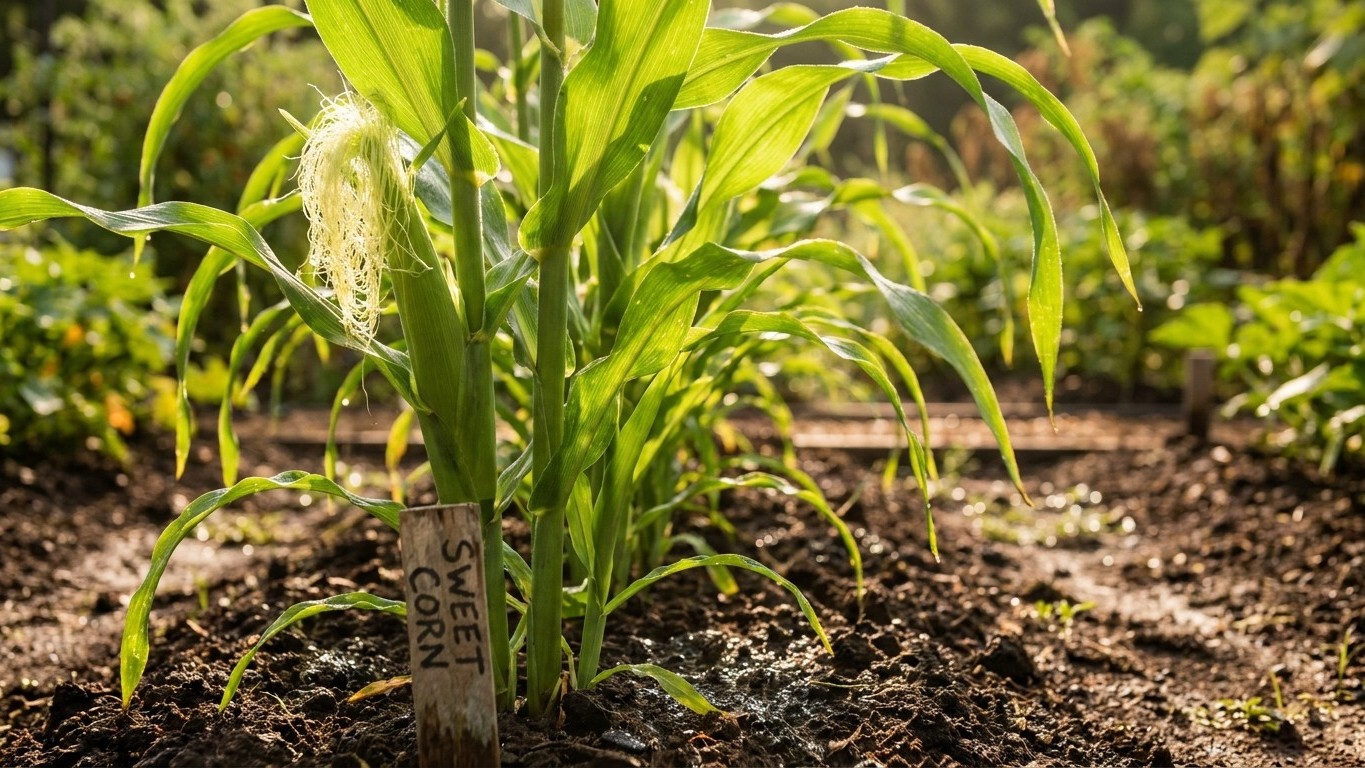
Yes, sweet corn can ripen in Florida, but the answer changes depending on where in the state you’re standing.
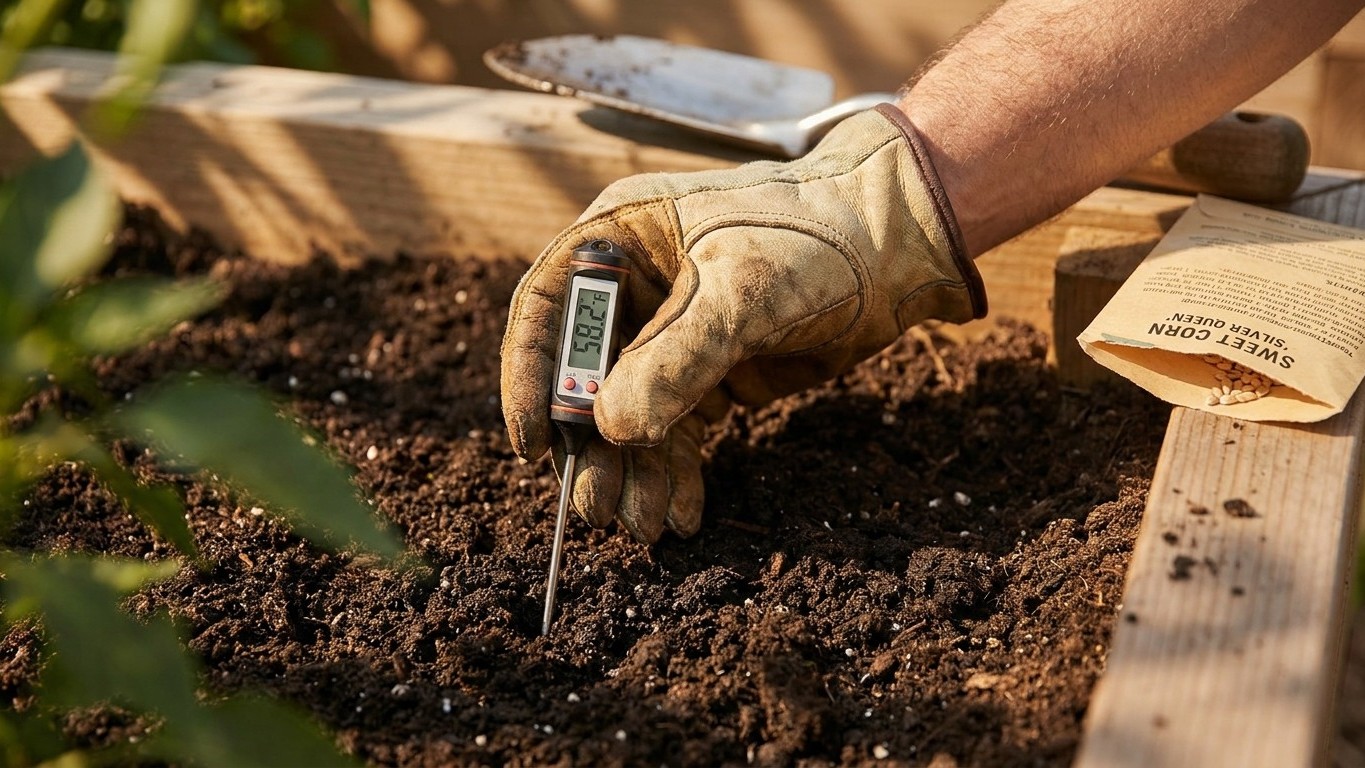
In Jacksonville and the rest of north Florida, sweet corn seed doesn’t go into the ground on the last frost date.
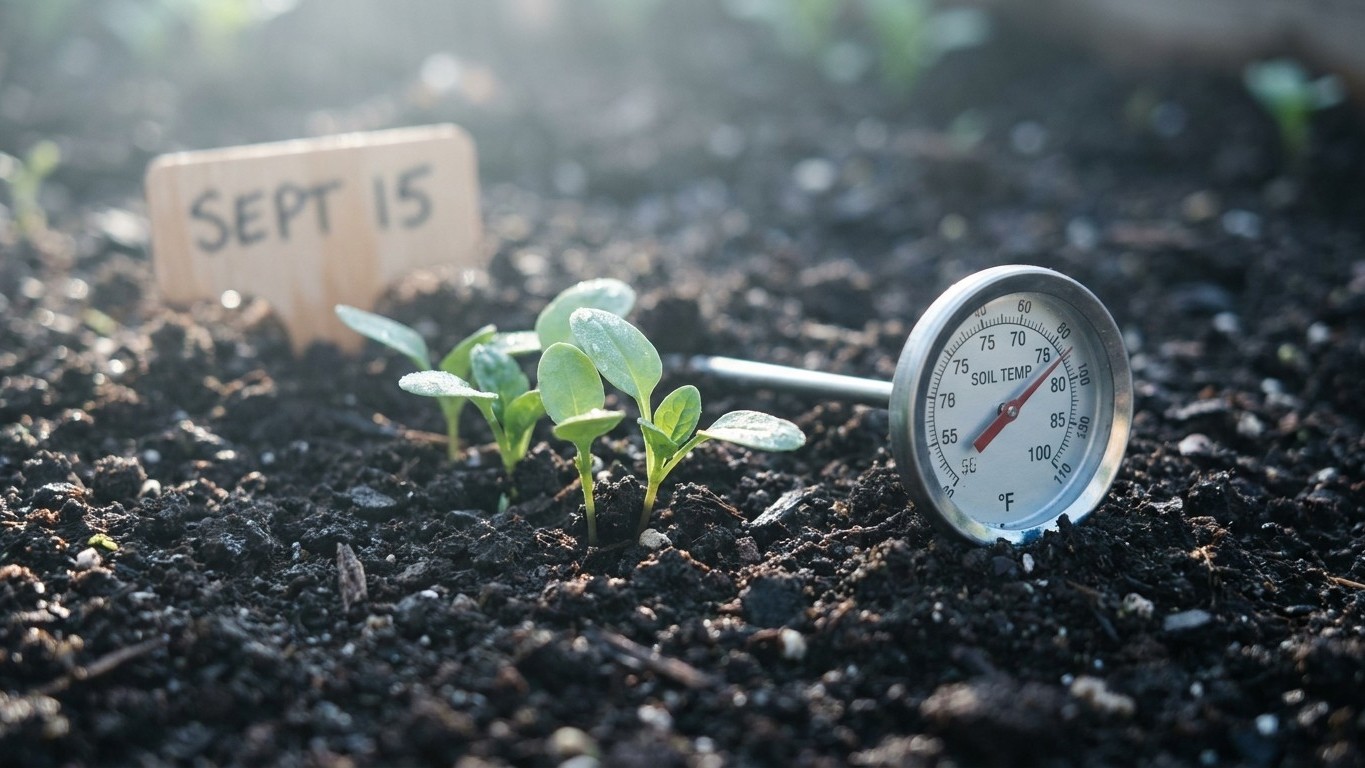
In north Florida, where Jacksonville’s climate data anchors this guide, autumn spinach goes into the ground from mid-September through late October, once…