Tomato Pests in Missouri: Which Ones Actually Show Up Here
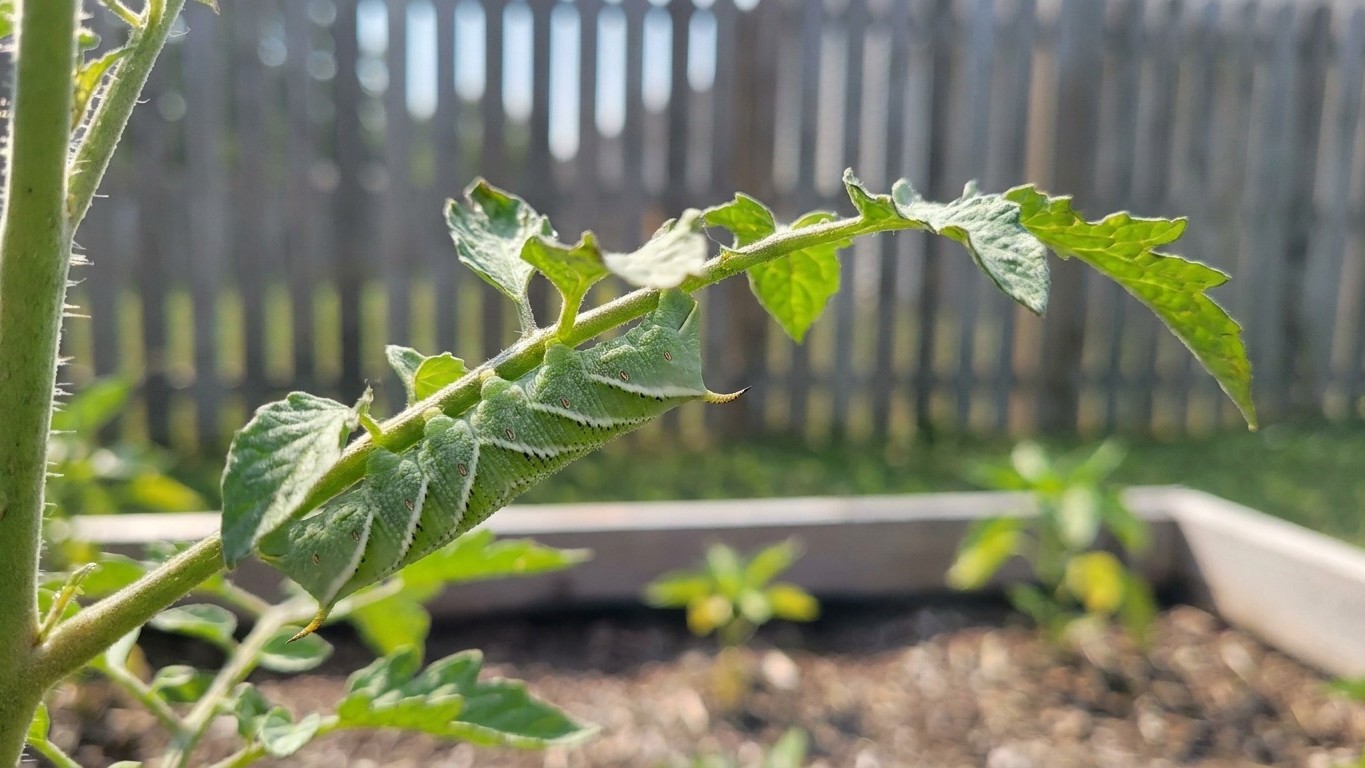
A season-by-season rundown of which tomato pests actually appear in Missouri gardens, keyed to the region’s frost dates from NOAA.
Home & garden, state by state
A season-by-season rundown of which tomato pests actually appear in Missouri gardens, keyed to the region’s frost dates from NOAA.
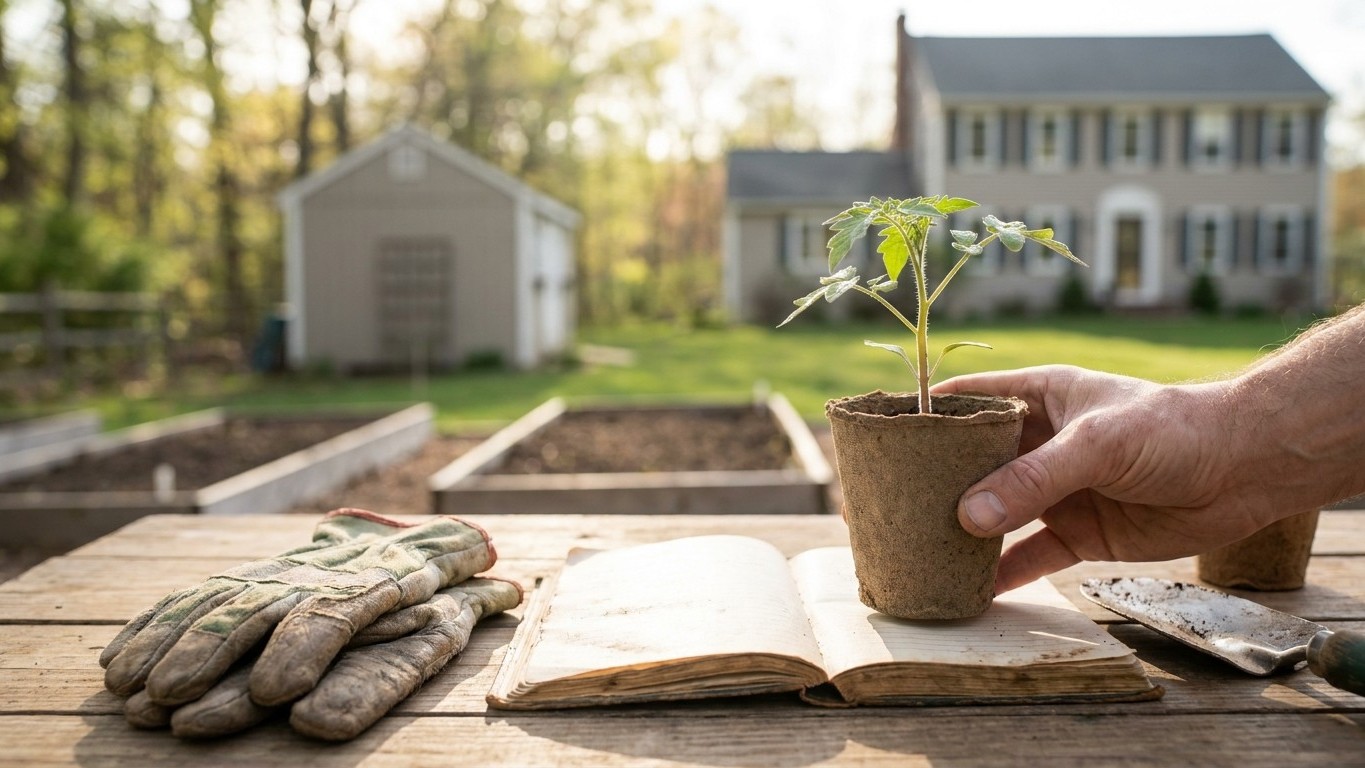
Explains how Connecticut’s NOAA frost window sets tomato transplant dates and shows the math for calculating them from any cultivar’s days to maturity.
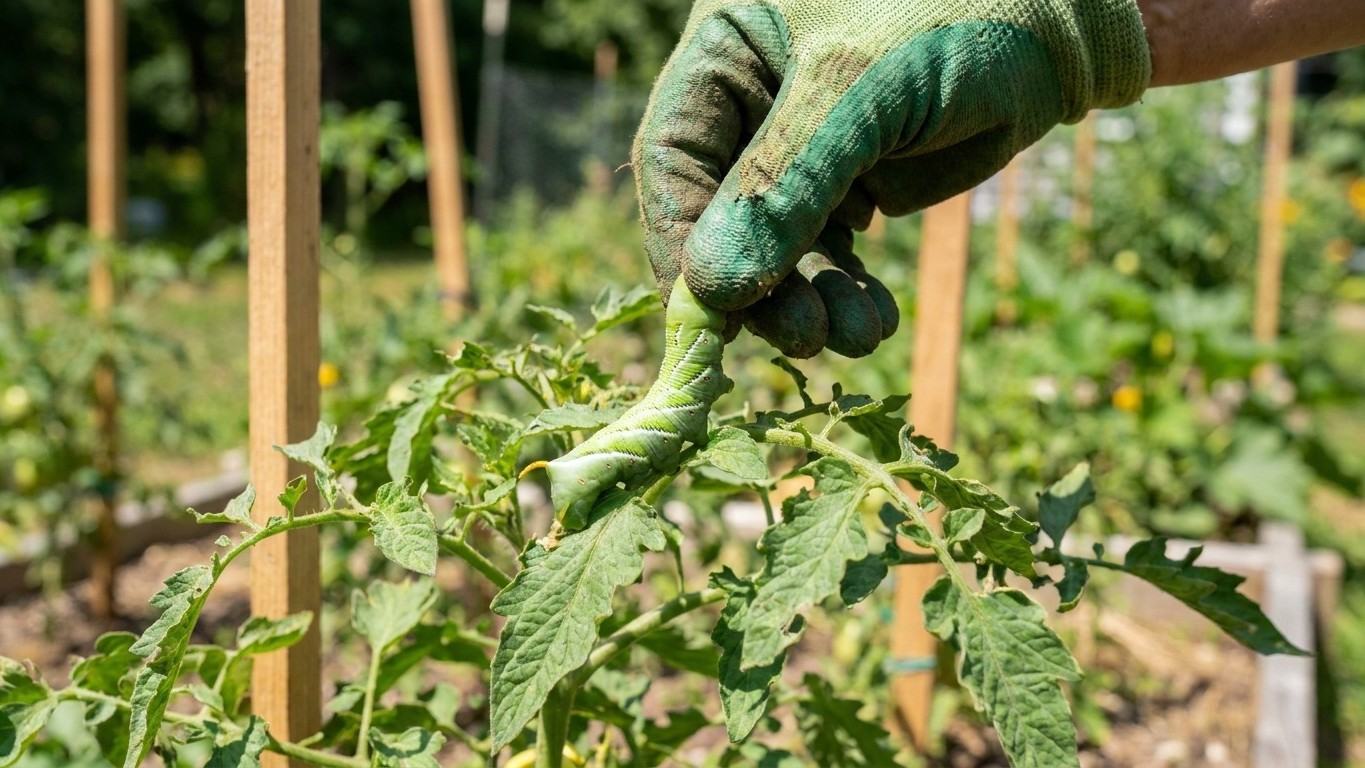
A season-by-season rundown of the tomato pests that actually appear in Massachusetts gardens, with the visual details needed to identify each one correctly.
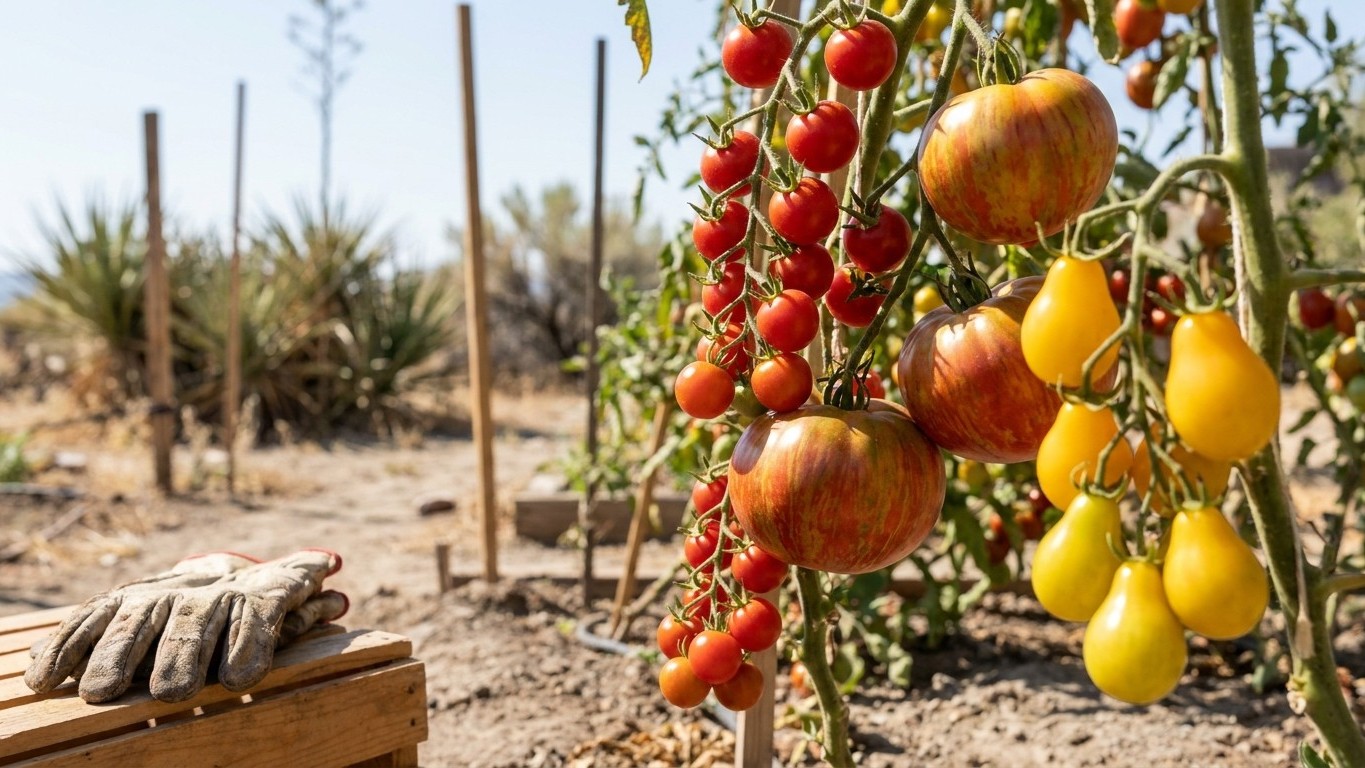
Nevada’s frost-free season near Las Vegas is long enough for fast cherry tomatoes and slower slicers alike, but elevation elsewhere changes the math entirely.
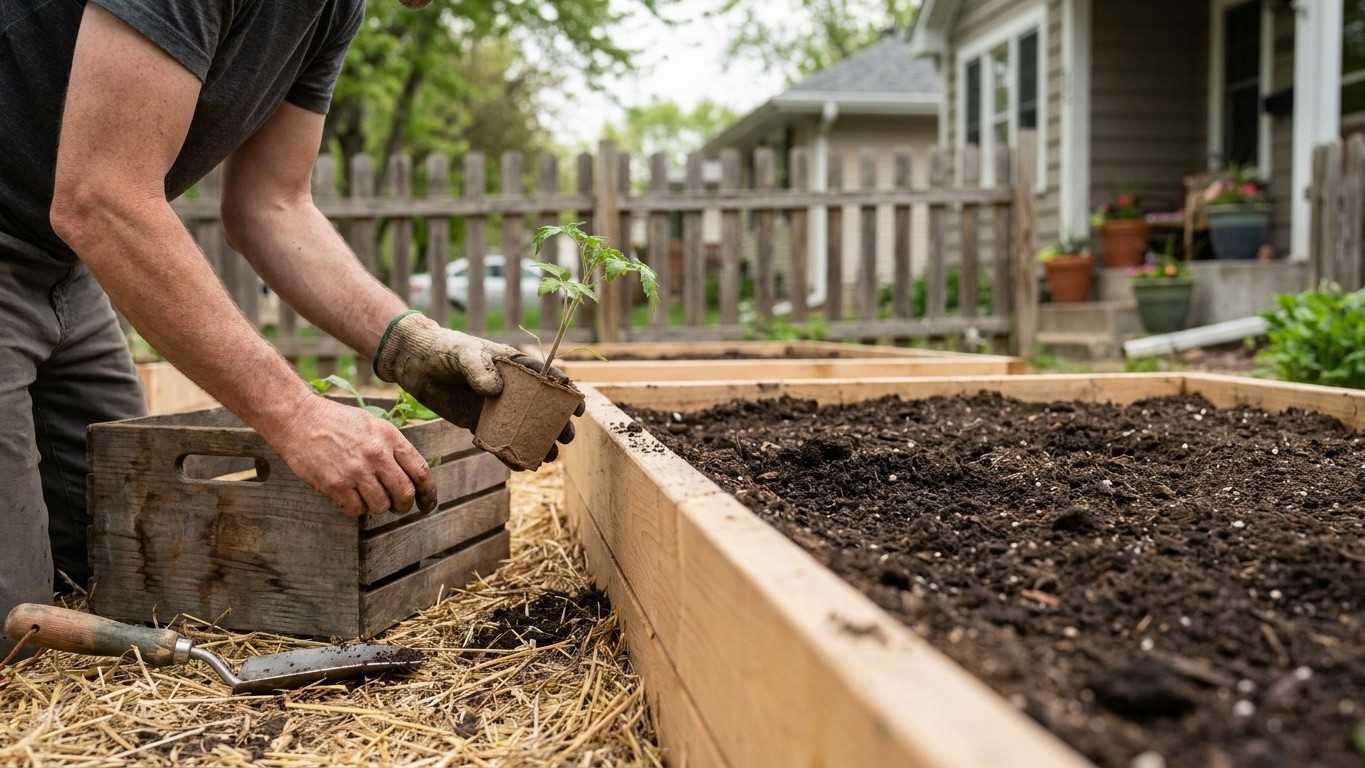
Minnesota’s last spring frost falls between April 17 and April 30 in Minneapolis, so tomato transplants go in during early to mid May, adjusted for your county.
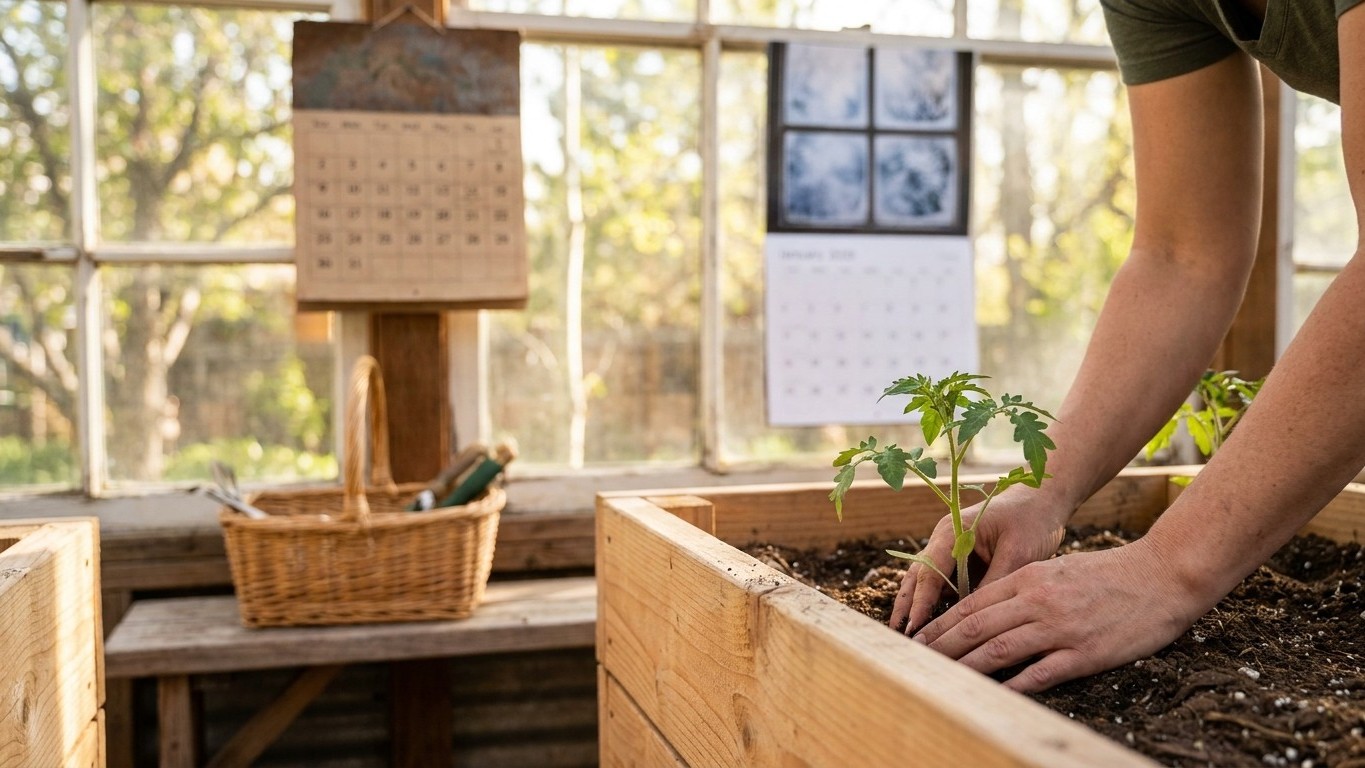
Colorado’s last spring frost falls in a range, not a date, so this explains how to count backward from it using days to maturity for your tomatoes.
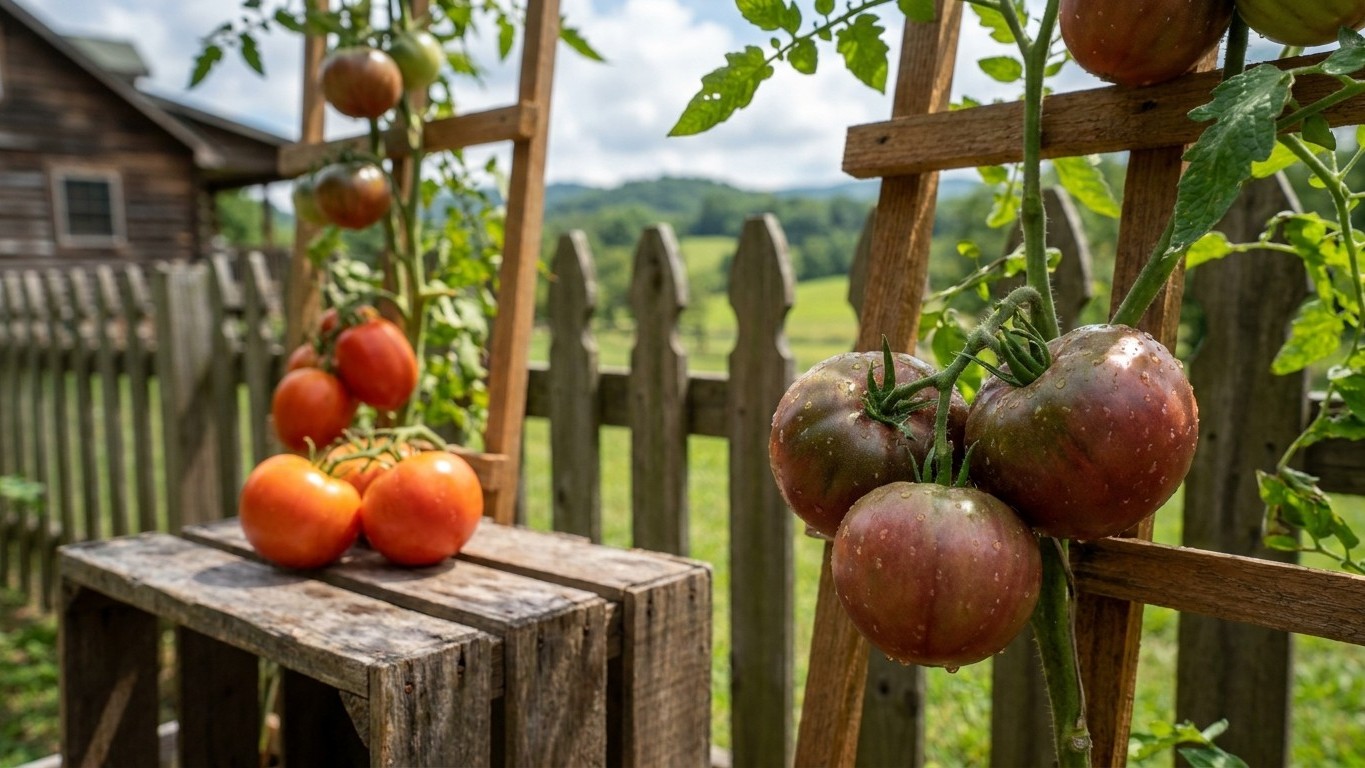
A rundown of tomato varieties suited to Tennessee’s frost-free growing season, from 55-day cherry tomatoes to 78-day paste and slicing types, with their calculated ripening windows.
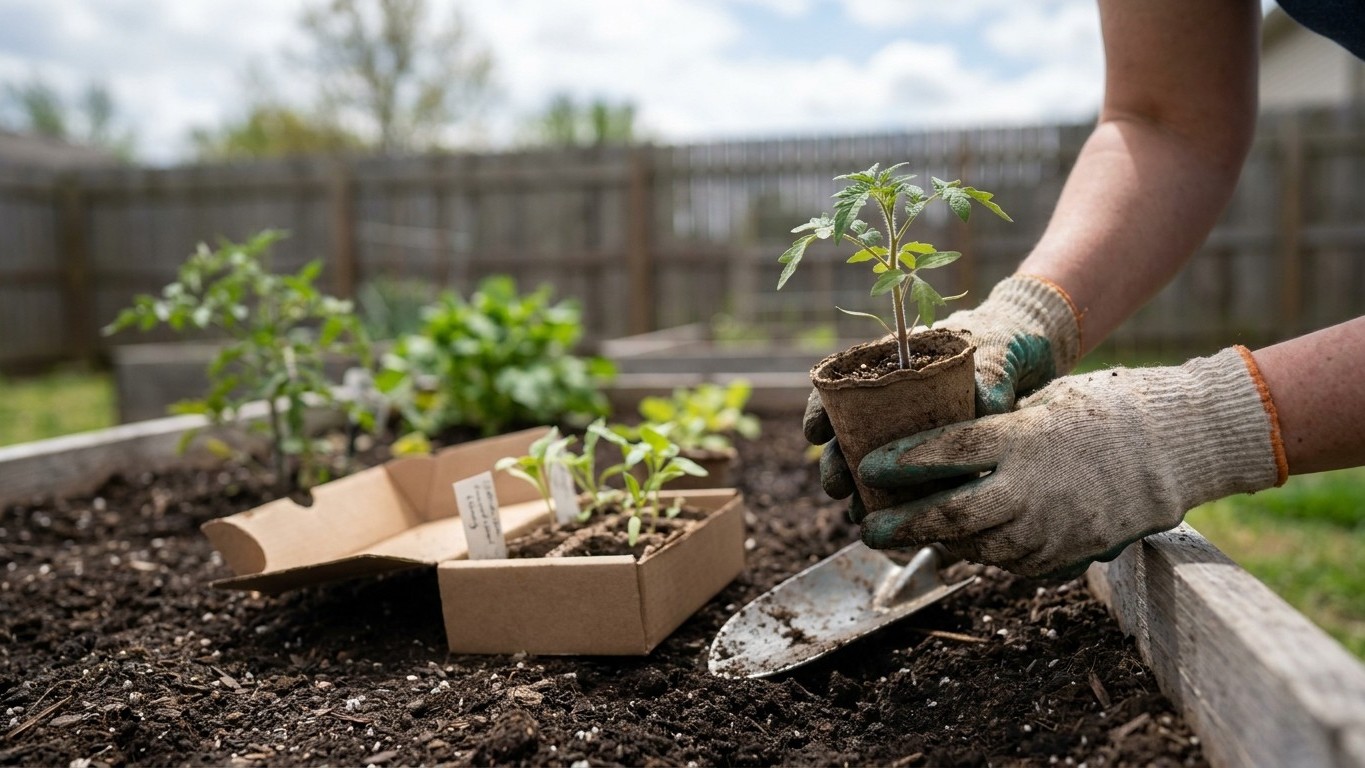
Missouri’s tomato transplant window runs mid-April to early May based on Kansas City frost data, with adjustments for soil temperature and location across the state.
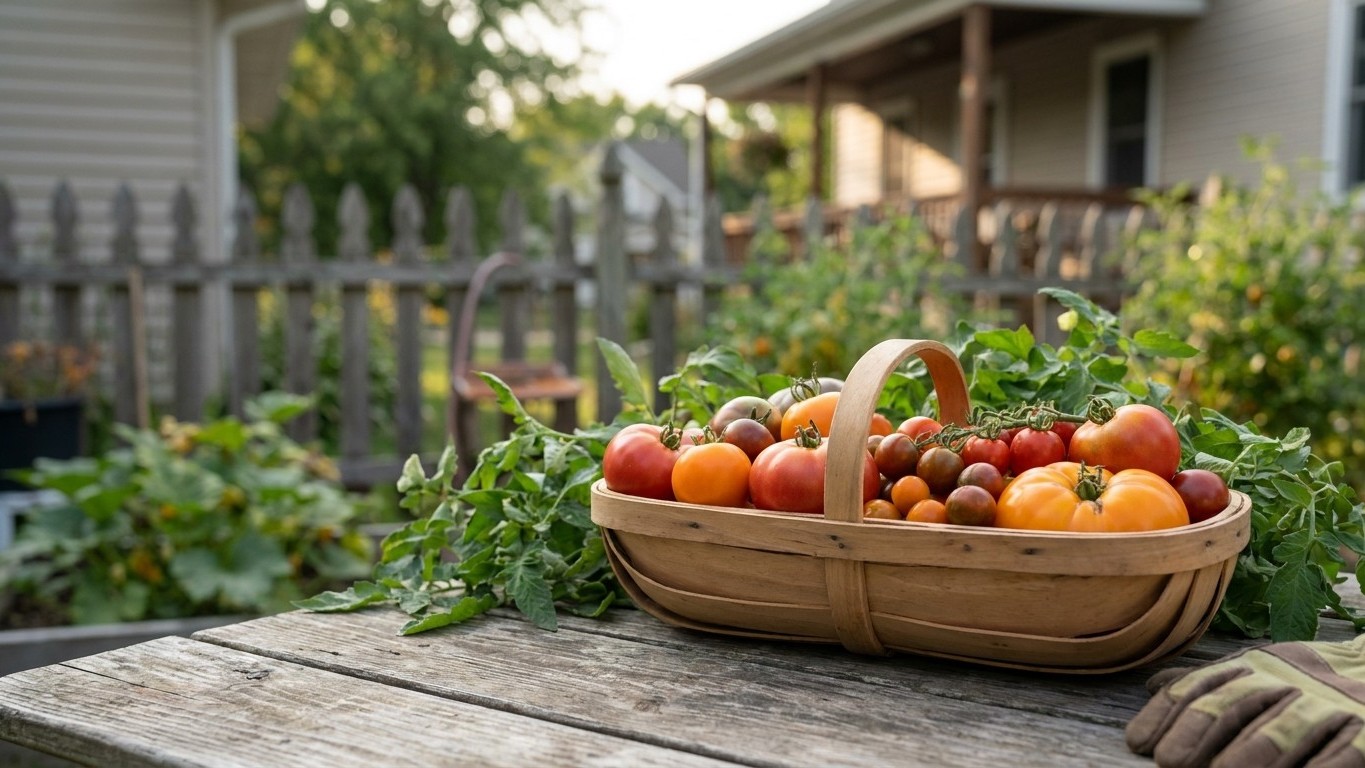
Nine catalog tomato varieties are checked against Wisconsin’s frost window, from 55-day cherry tomatoes to 78-day paste types, to show which finish before frost.
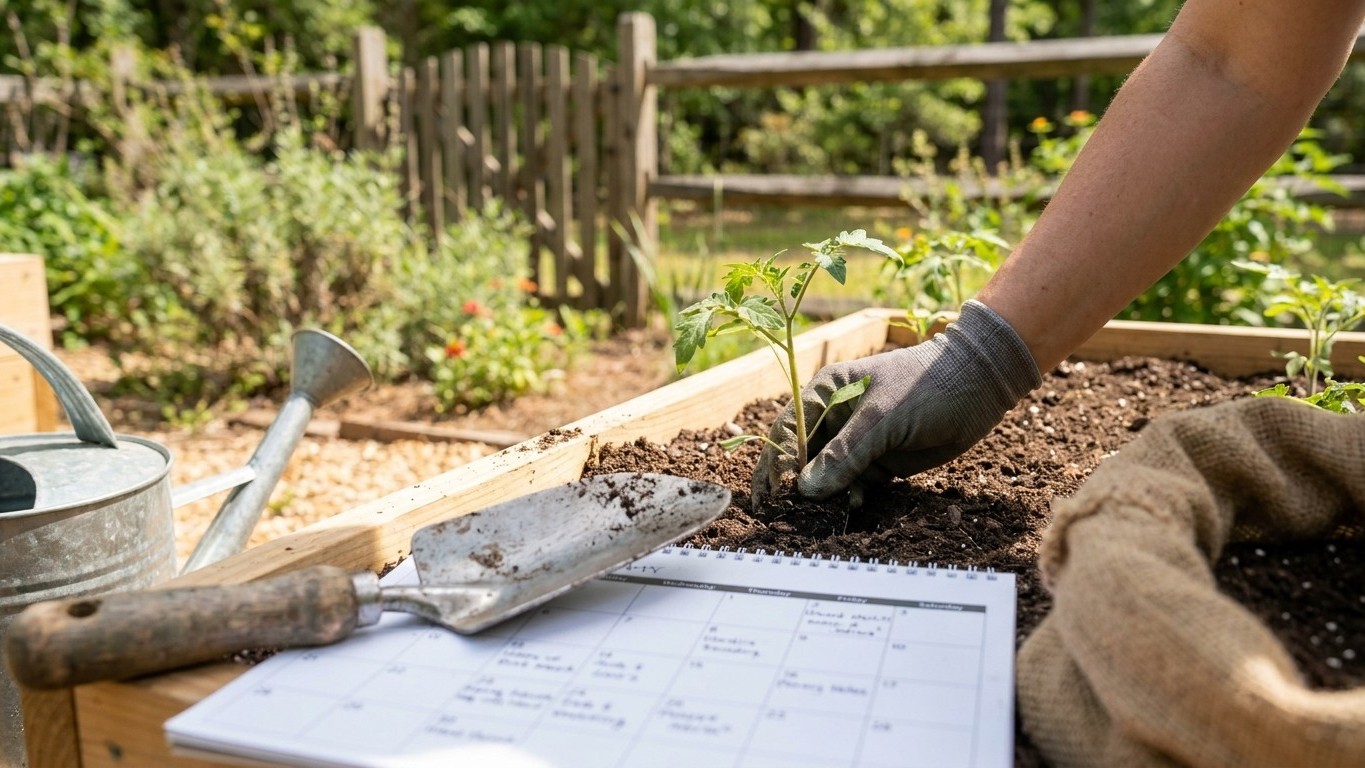
Learn how to use NOAA’s Charleston frost dates and a cultivar’s days-to-maturity to work out your own tomato planting window in South Carolina.