Watering a Garden in Utah: How Much, How Often, and the Local Rules
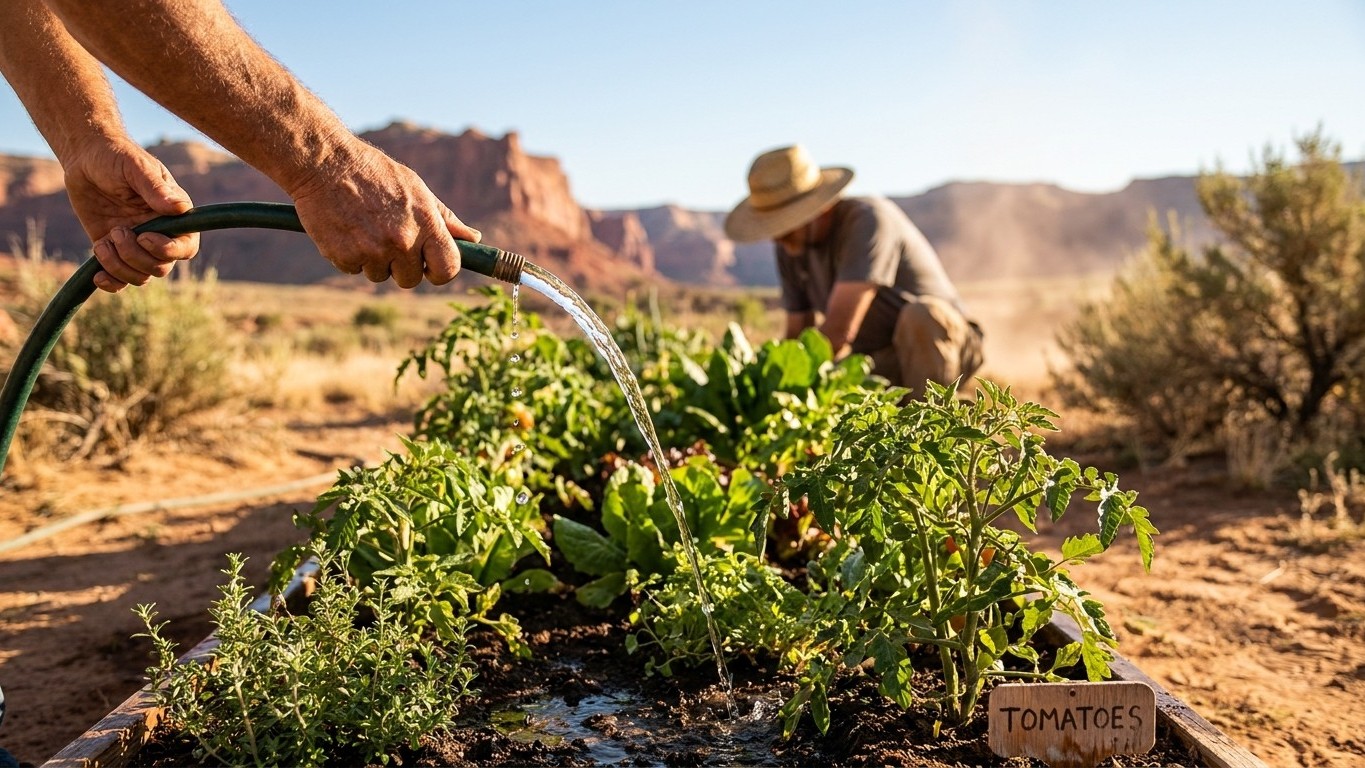
Utah gardens live or die by two numbers: 52.1 days a year that hit 90F or hotter, and a summer sky that hands over almost none of the water a garden bed…
Home & garden, state by state
Utah gardens live or die by two numbers: 52.1 days a year that hit 90F or hotter, and a summer sky that hands over almost none of the water a garden bed…
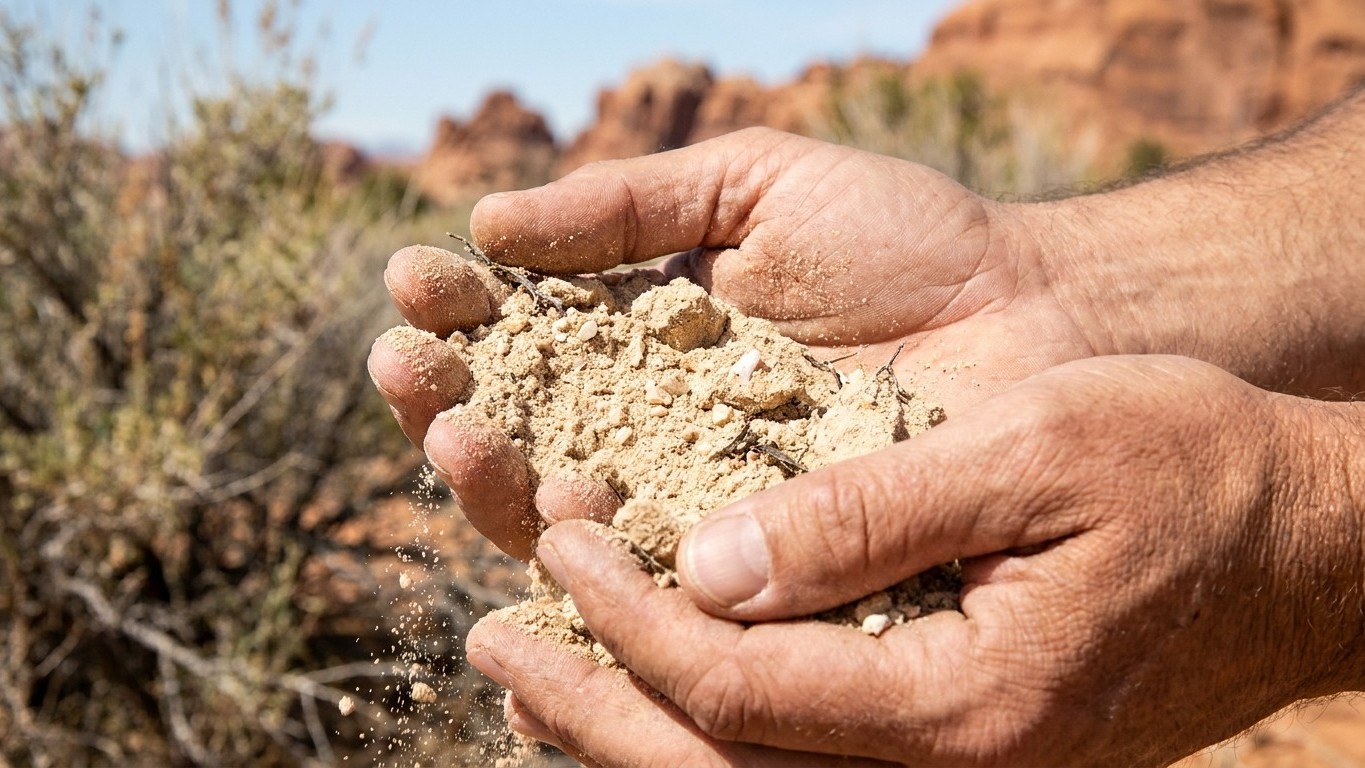
Utah soil, according to USDA’s representative state series, is the Mivida series: a dry-climate Aridisol that runs alkaline, sandy, and low in organic…
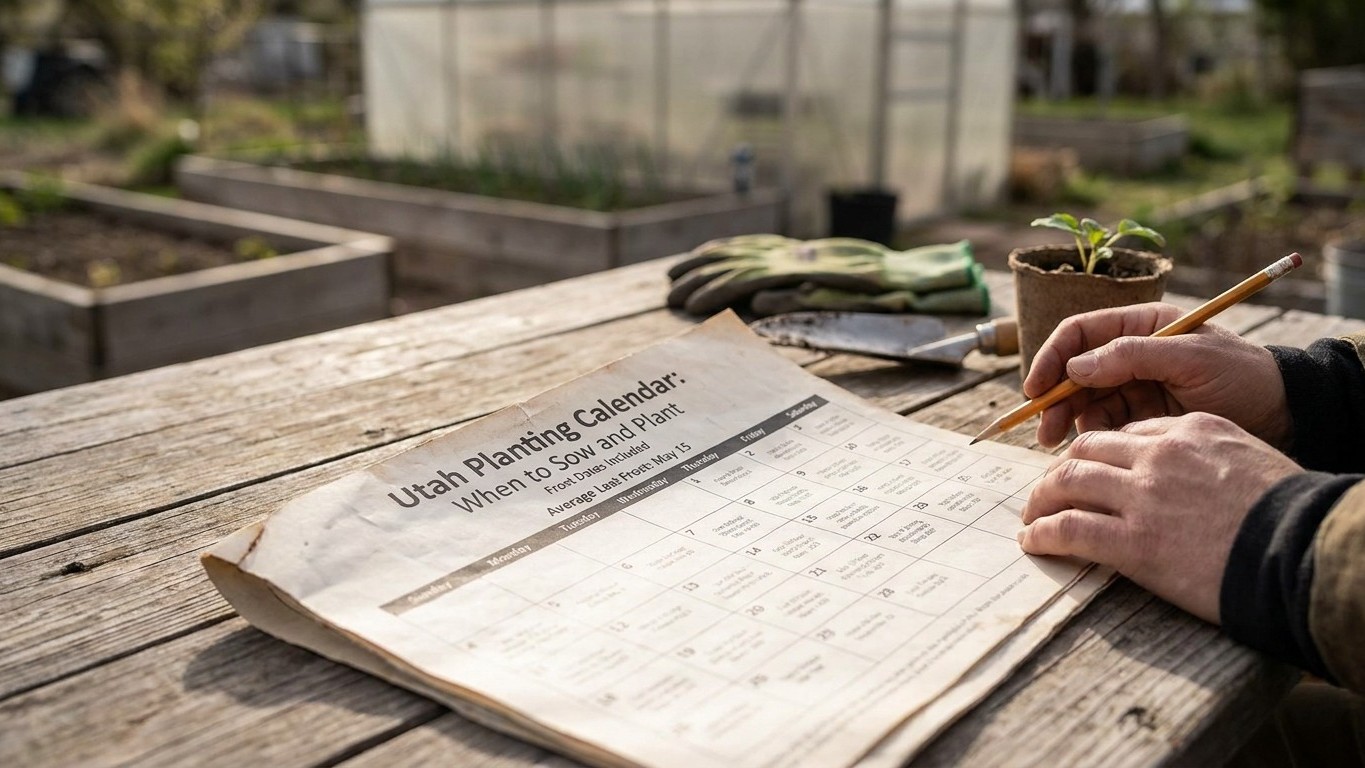
A plain-language guide to Utah’s spring and fall frost dates, cool-season and warm-season planting windows, and where to check local extension guidance.
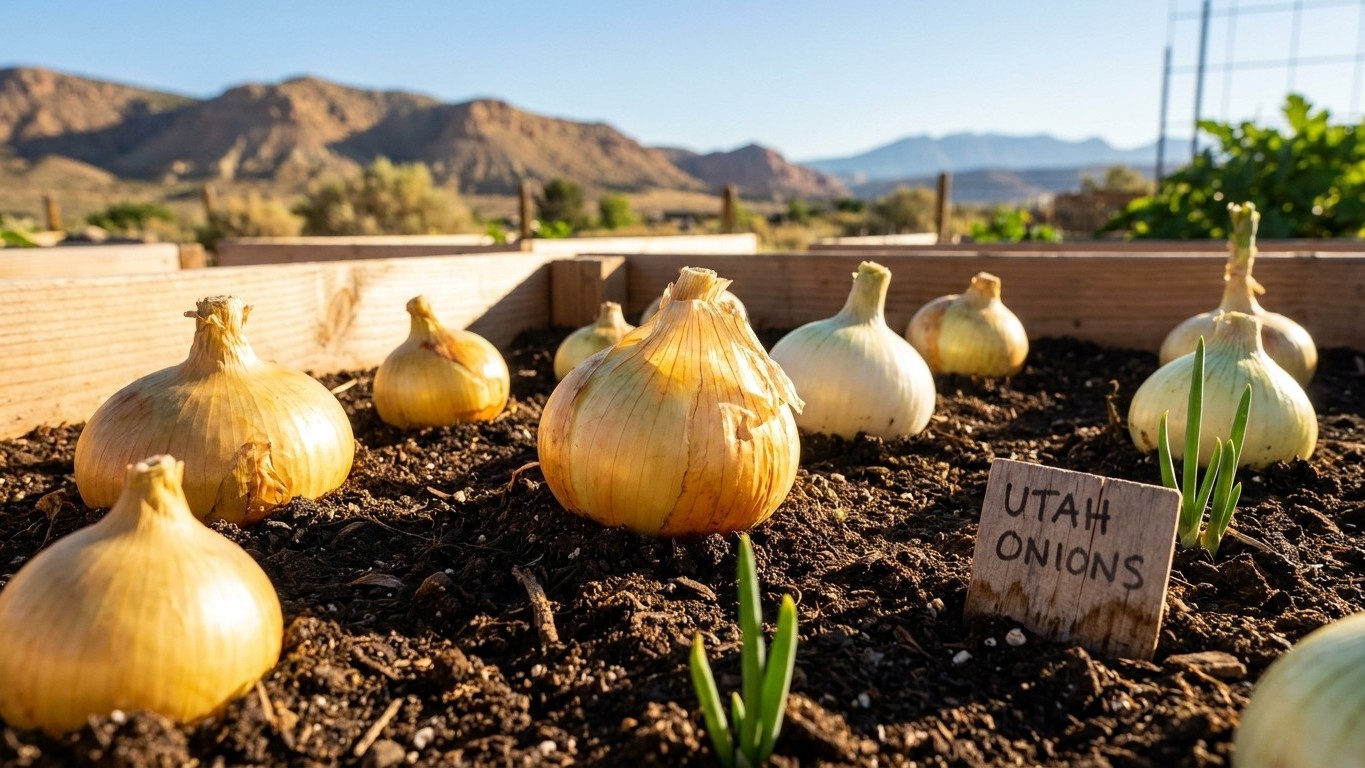
Salt Lake City sits at 40.78 degrees north, and on the longest day of the year it gets 14 hours and 56 minutes of daylight.
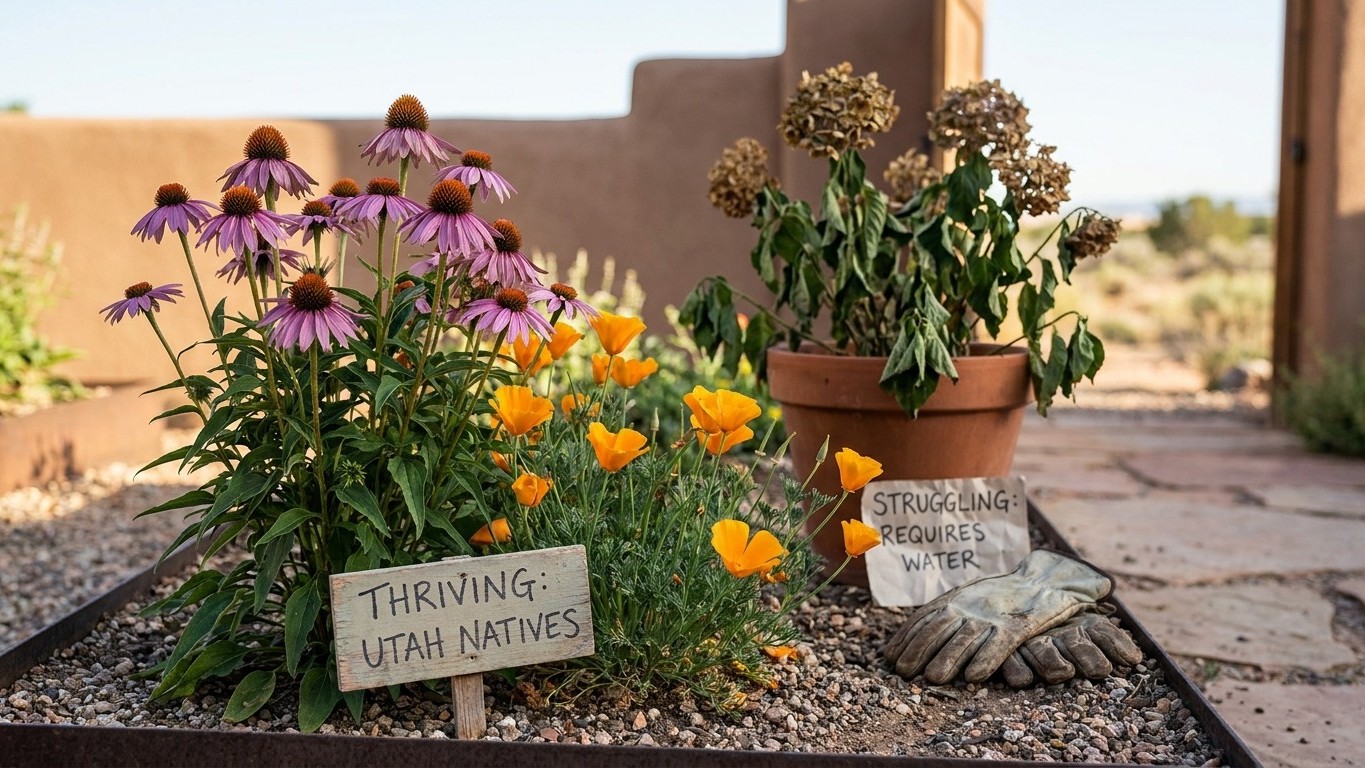
A plain-language guide to which flowers survive Utah’s cold winters and hot, dry summers, using NOAA and USDA climate data for Salt Lake City.
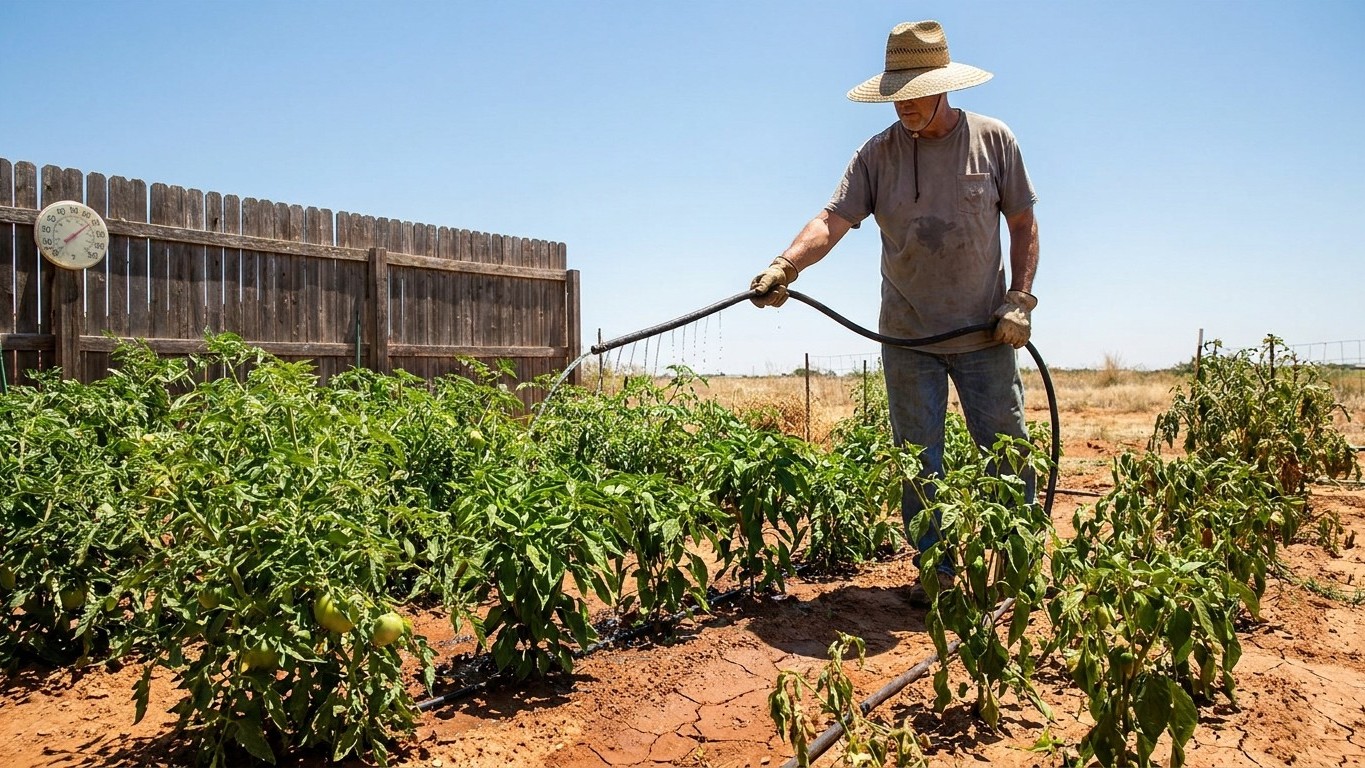
Texas gardens don’t fail from neglect. They fail from misreading the state’s own extremes: a Gulf Coast summer that logs over 100 days above 90°F, soil…
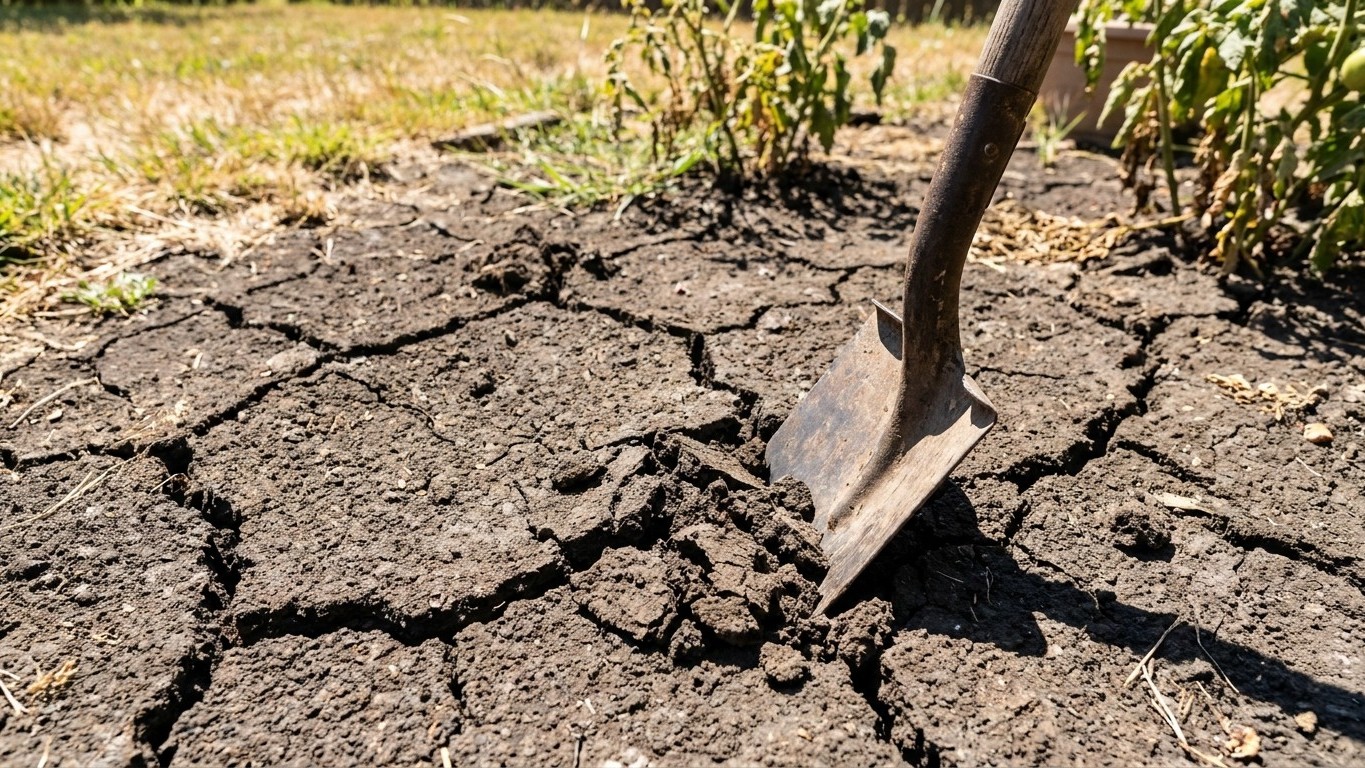
Dig a spade into typical Texas ground and odds are you’ll hit clay that either cracks like a dry lakebed or clings to your boot like wet cement.
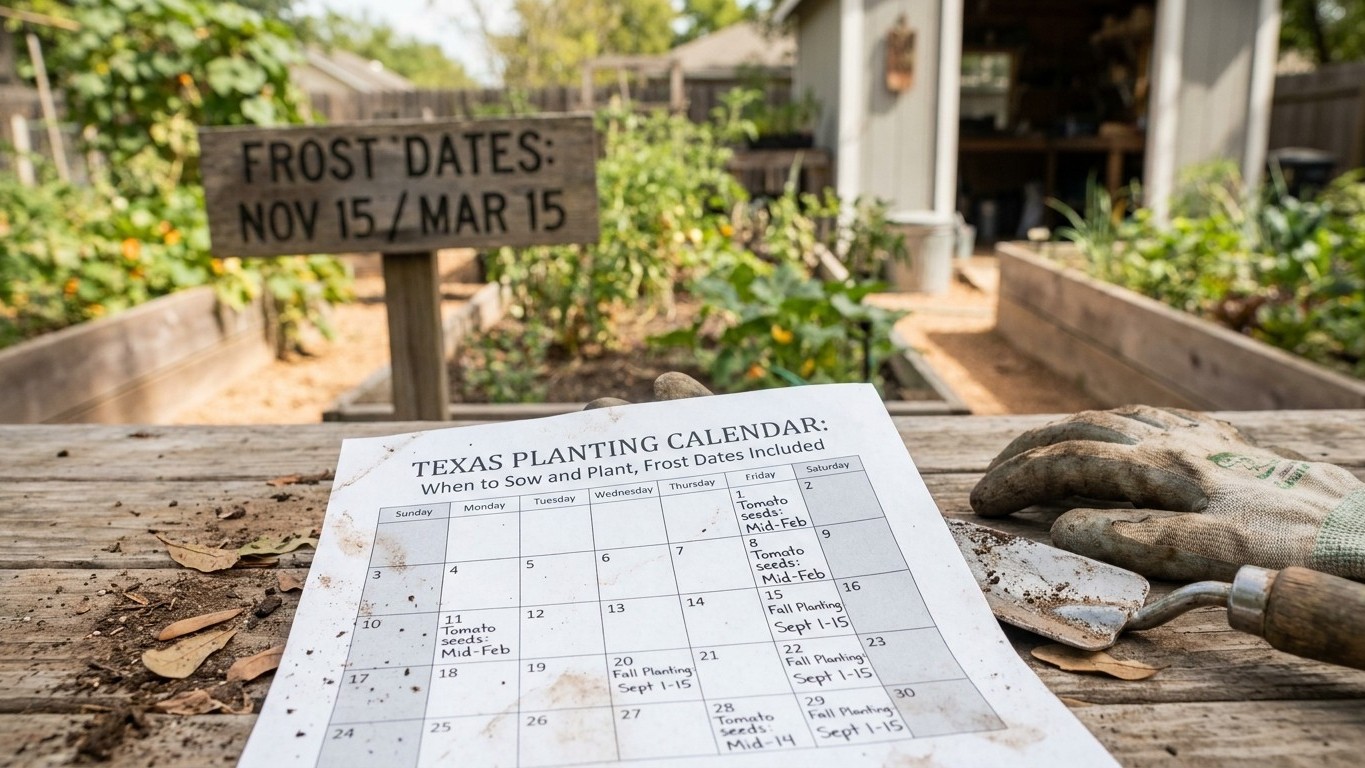
NOAA’s Houston frost normals anchor this Texas planting calendar, with the math shown so gardeners anywhere in the state can adjust it to their own zone.
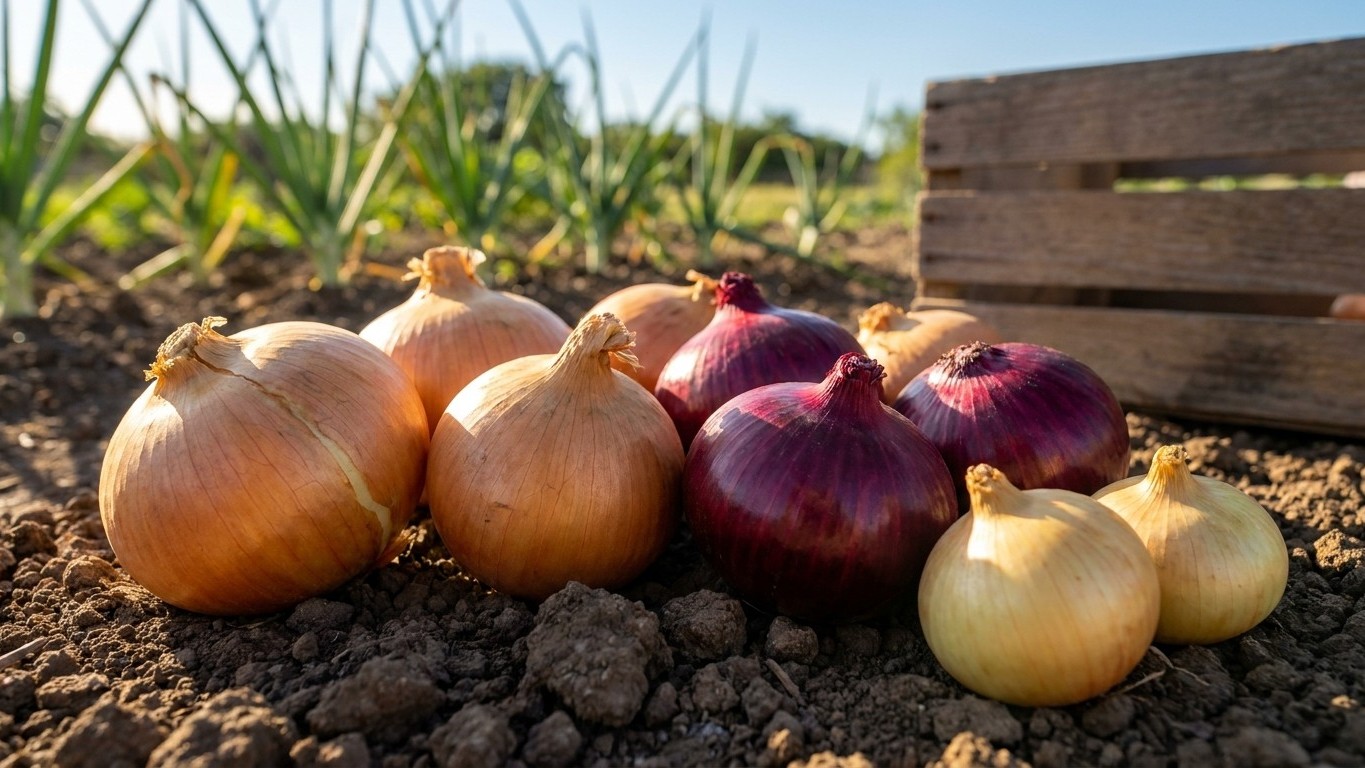
At Houston’s latitude, roughly 30 degrees north, only short-day onions reliably form bulbs.
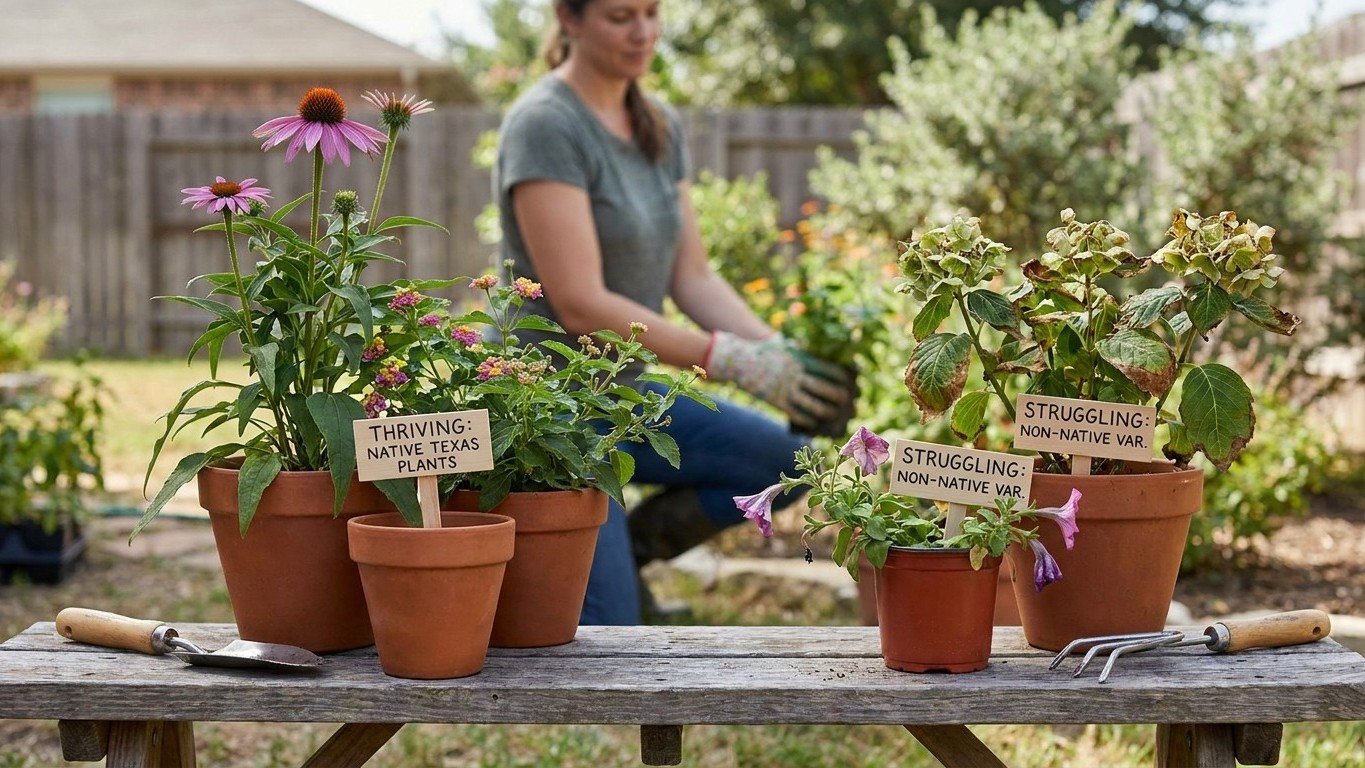
A practical breakdown of which flowers handle Texas heat, drought and wide zone range, and which ones fail no matter how you baby them.