Nevada Soil: What You Are Digging Into, and How to Improve It
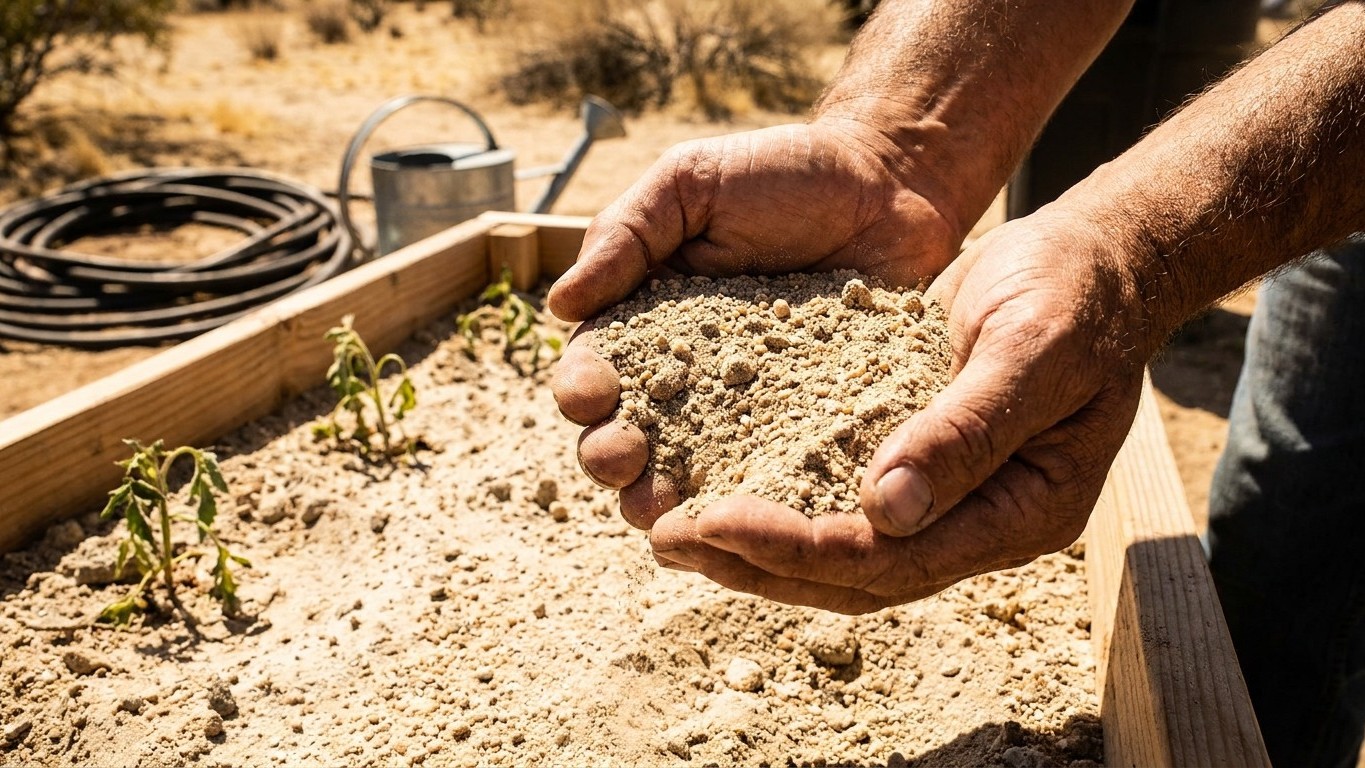
Nevada’s official state soil is the Orovada series, a dry-climate Aridisol that runs alkaline, sandy, and low in organic matter.
Home & garden, state by state
Nevada’s official state soil is the Orovada series, a dry-climate Aridisol that runs alkaline, sandy, and low in organic matter.
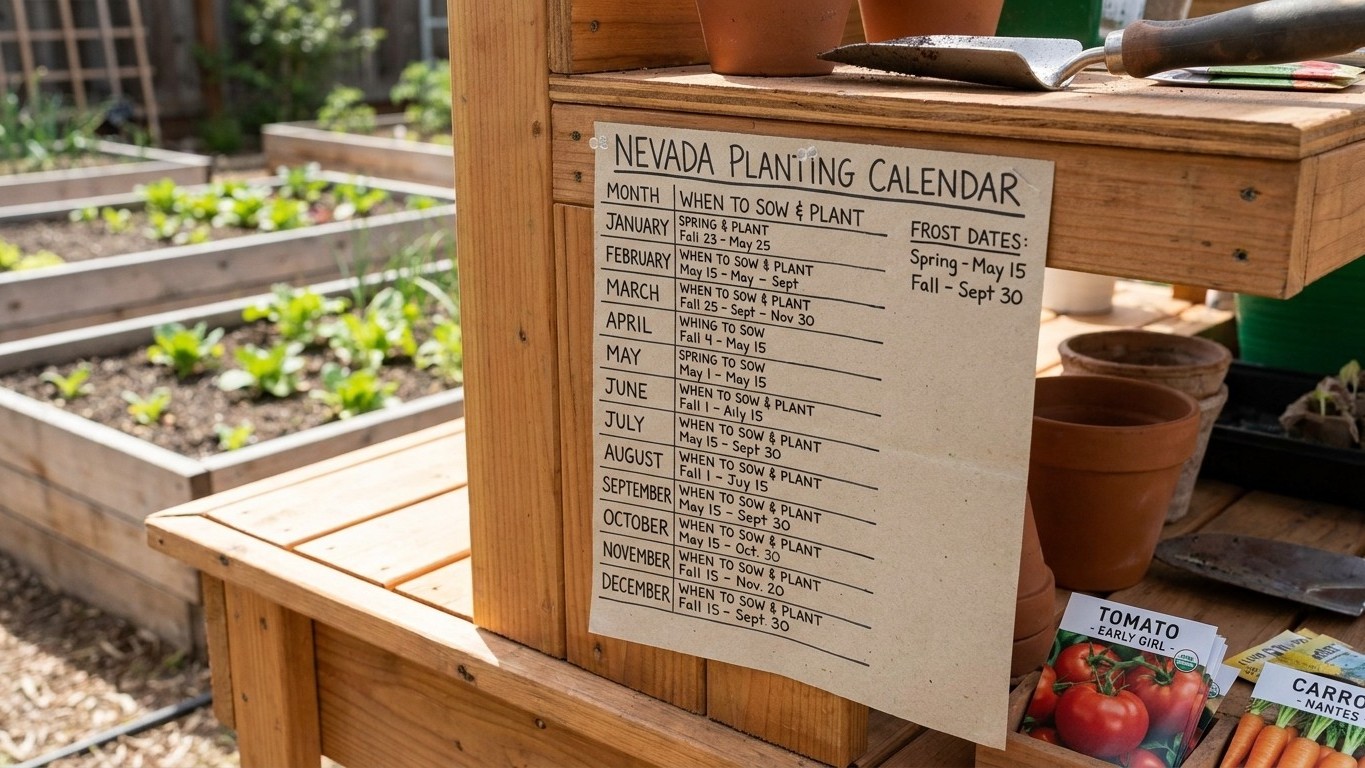
Nevada’s frost dates span from the Las Vegas desert to high mountain valleys, so this calendar shows how to calculate your own planting window using NOAA data and UNR Extension.
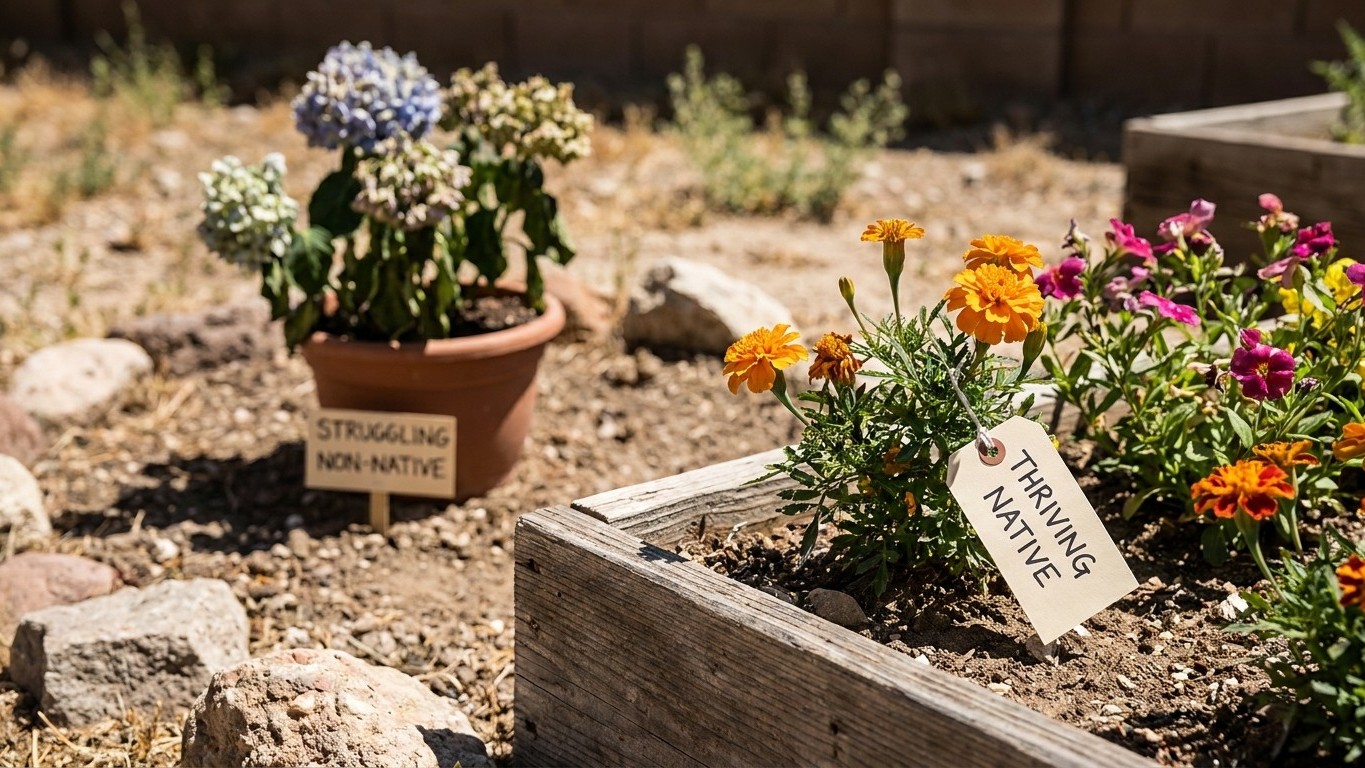
Nevada spans desert heat and mountain cold, so hardy perennials, native wildflowers, and heat-tolerant annuals succeed where delicate bloomers fail outright.
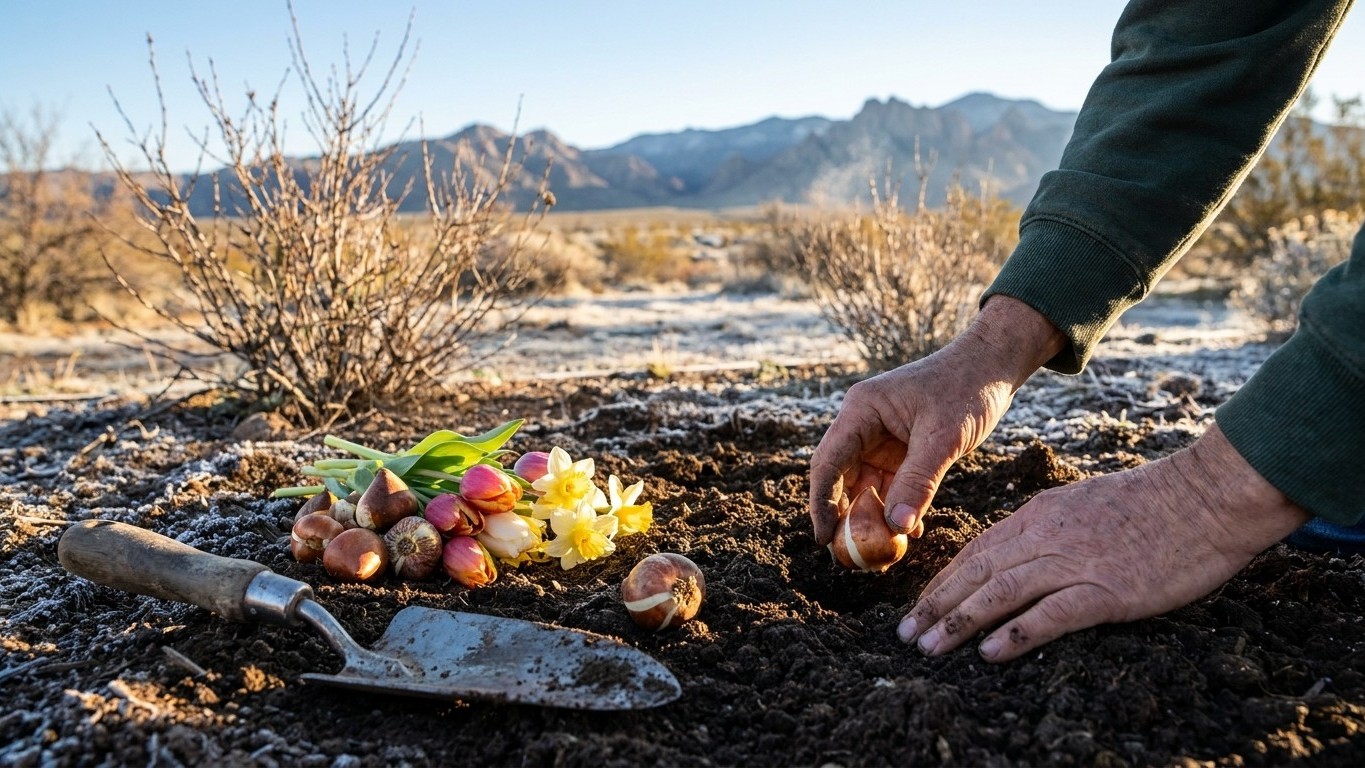
Nevada gardeners split into two camps every fall: those who can plant tulips straight into the ground and forget them, and those who need a refrigerator…
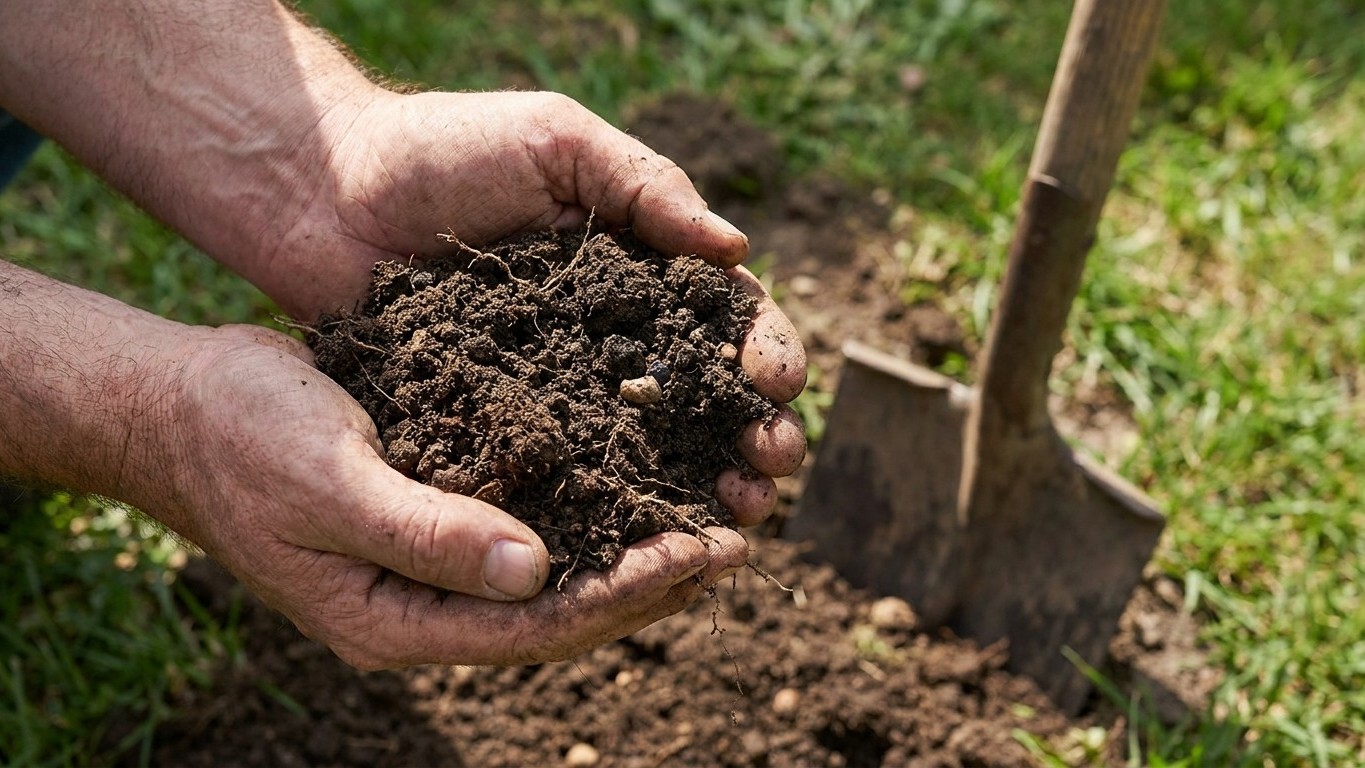
Dig a shovel into Nebraska ground and you’re most likely standing on the Holdrege series, the state’s official soil since 1979 and the dark, deep loam…
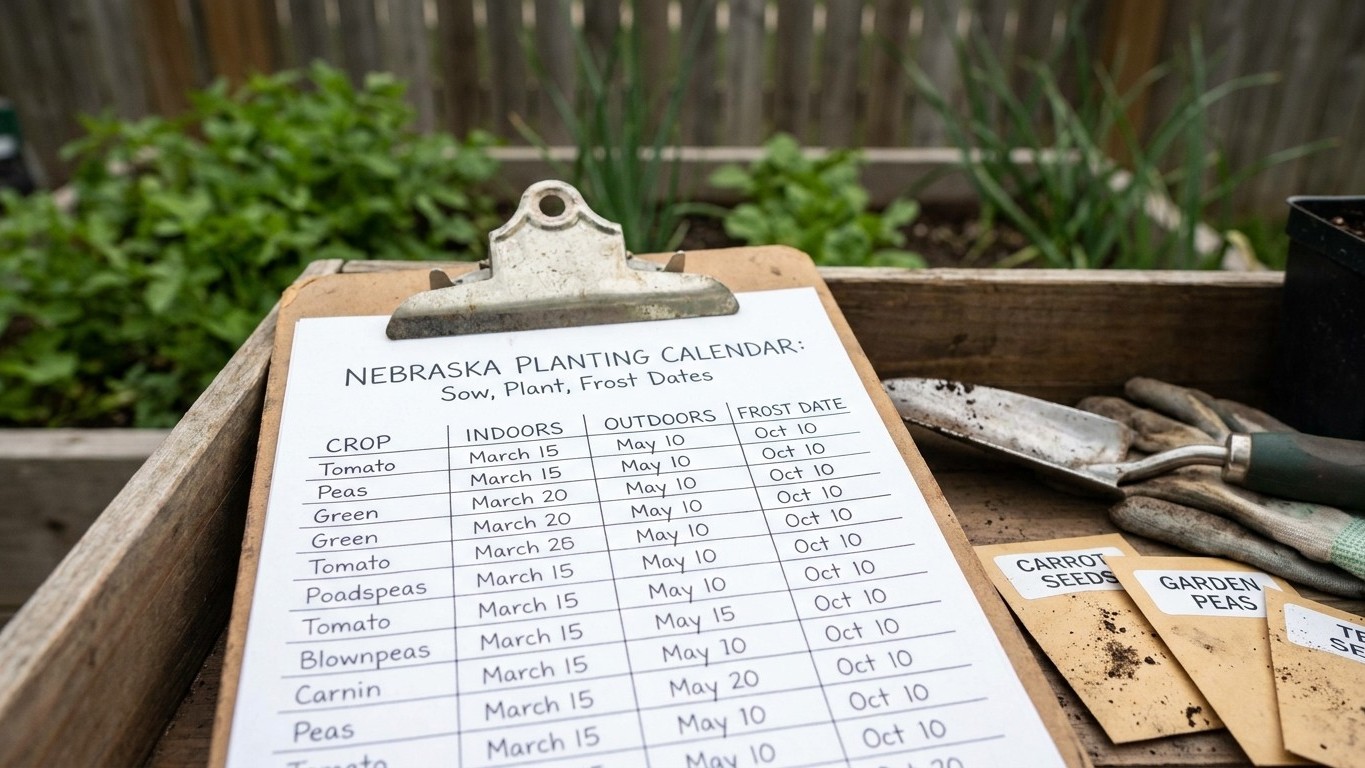
Nebraska’s planting dates hinge on NOAA’s Omaha frost normals: last freeze April 12-23, first fall freeze October 15-26, with rural areas running later and earlier.
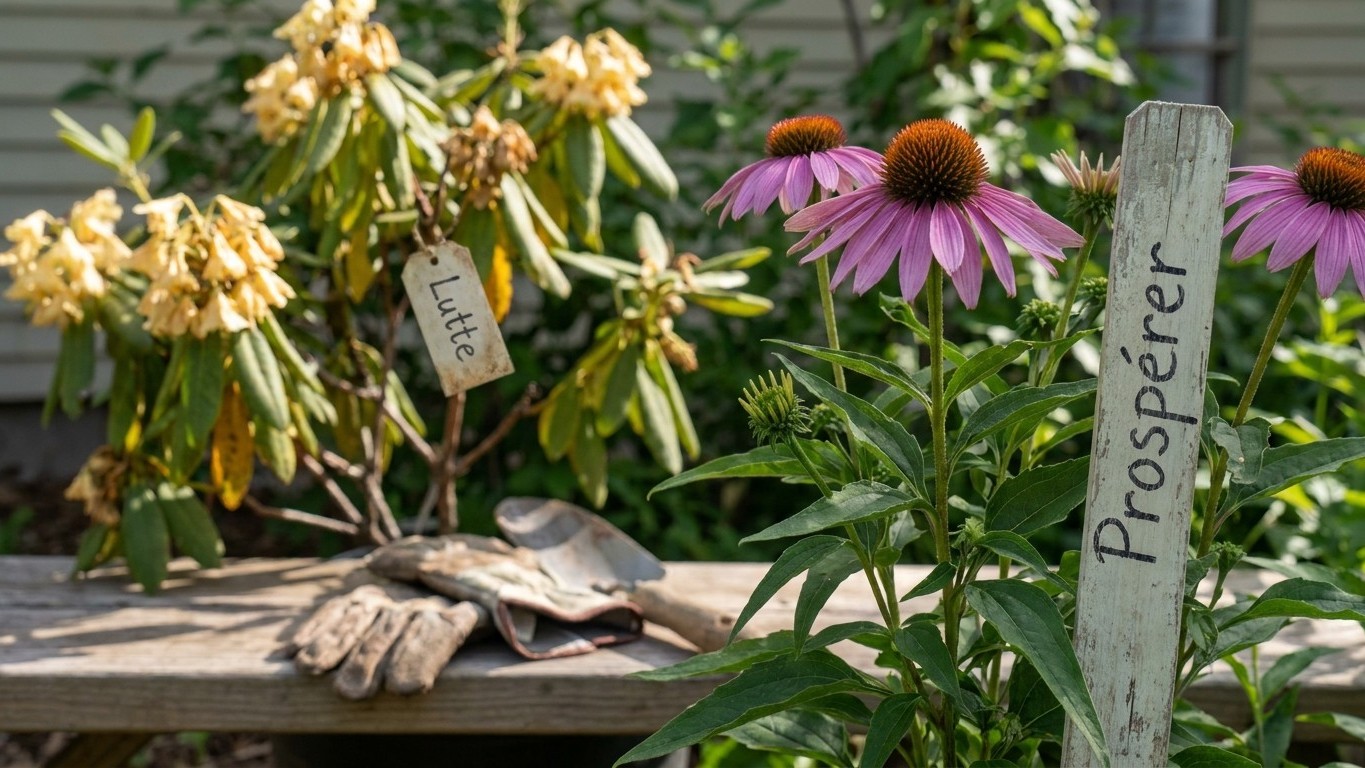
Nebraska’s cold winters, dry heat, and wide hardiness range mean some flowers thrive here while others need special care or don’t survive at all.
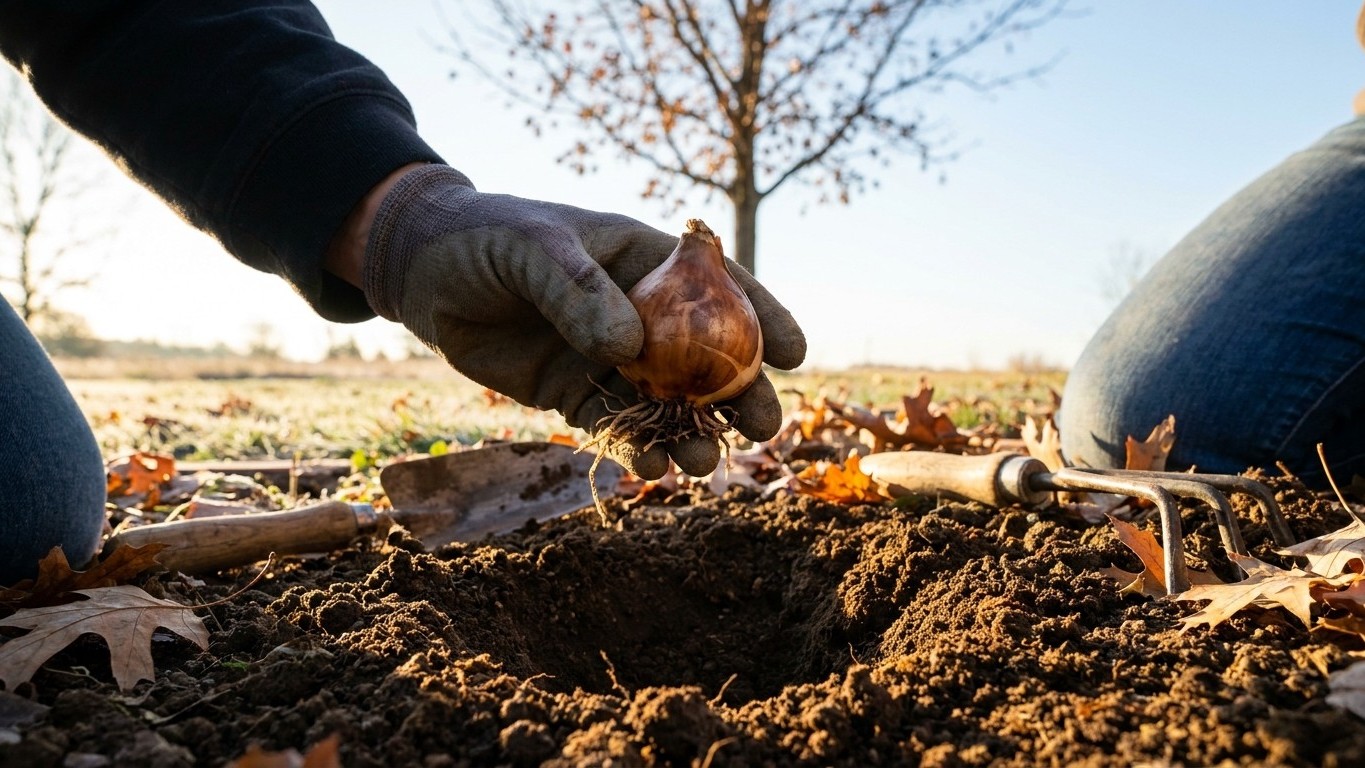
Fall is planting season for spring bulbs in Nebraska, but the real question isn’t when to dig the hole.
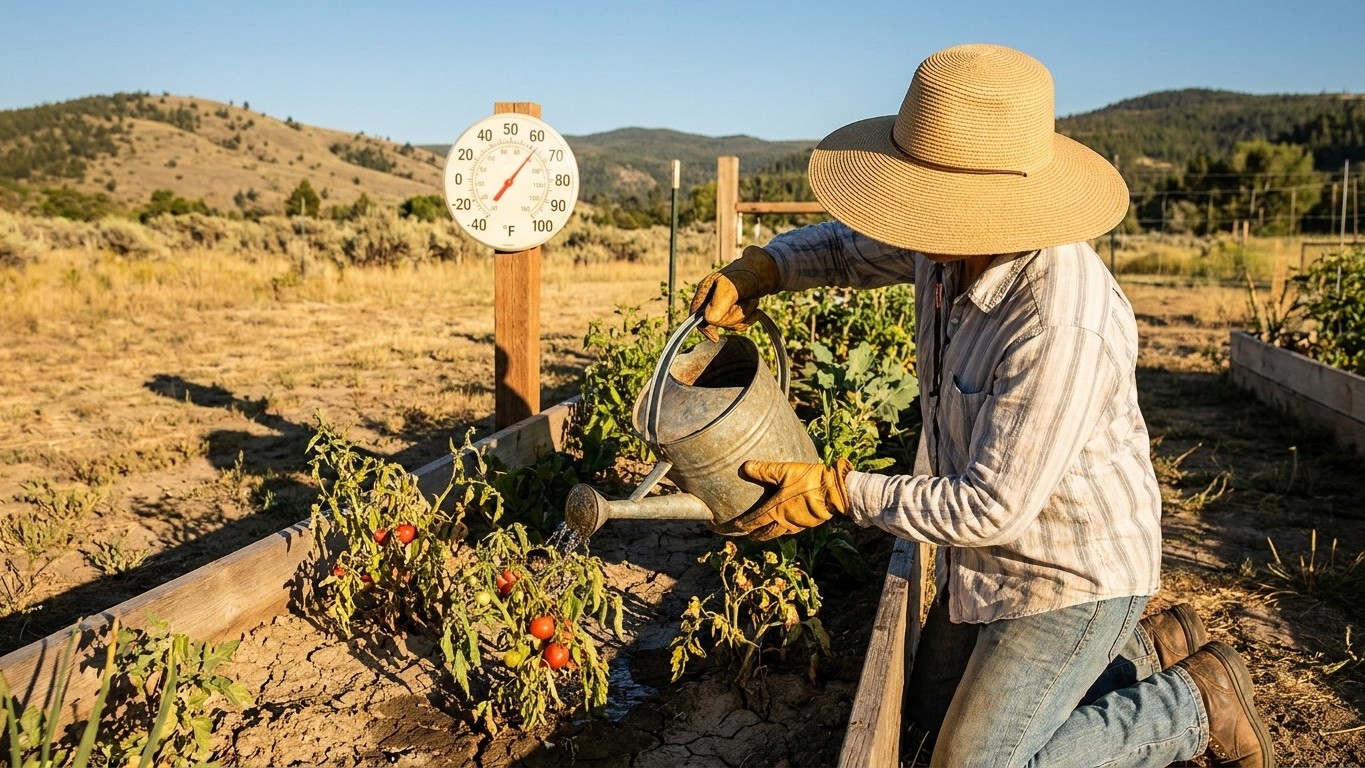
Montana gardens live and die on two numbers: how many days climb past 90F each summer, and how far apart the rain actually falls.
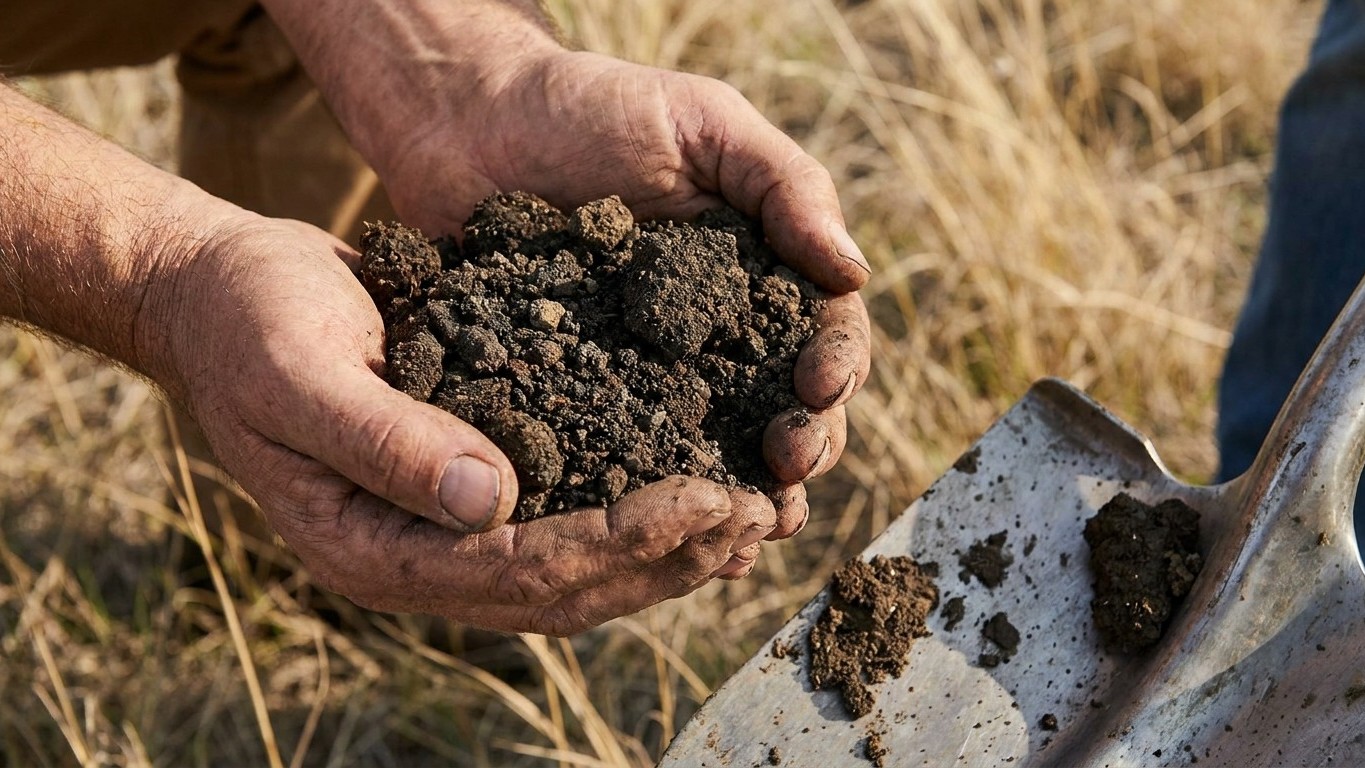
Dig a shovel into most of Montana’s dryland prairie and you’ll hit dark, crumbly ground that holds together in a ball but doesn’t turn to concrete.