G.30 Rootstock: A 18-20 Foot Apple Tree
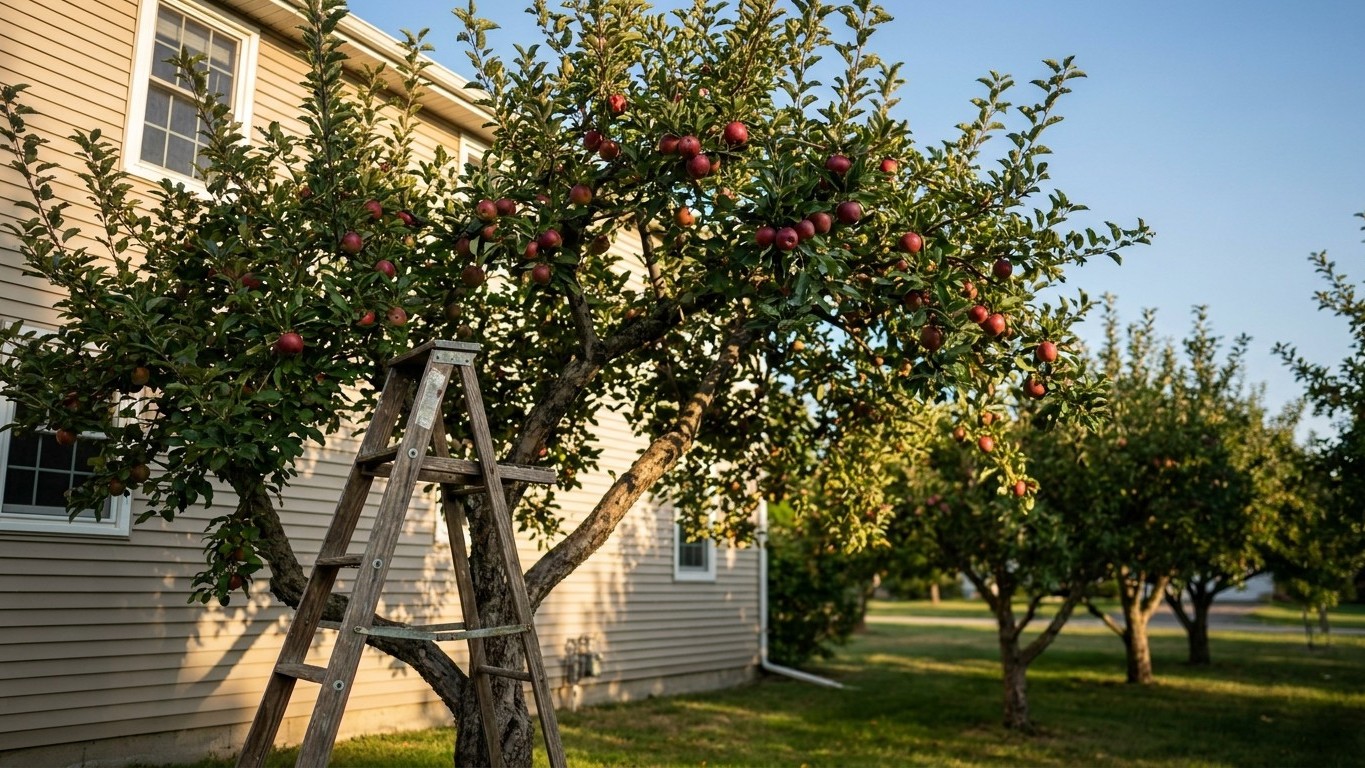
A G.30 apple tree tops out at 18 to 20 feet, according to Utah State University Extension’s rootstock size chart for home orchards.
Home & garden, state by state
A G.30 apple tree tops out at 18 to 20 feet, according to Utah State University Extension’s rootstock size chart for home orchards.
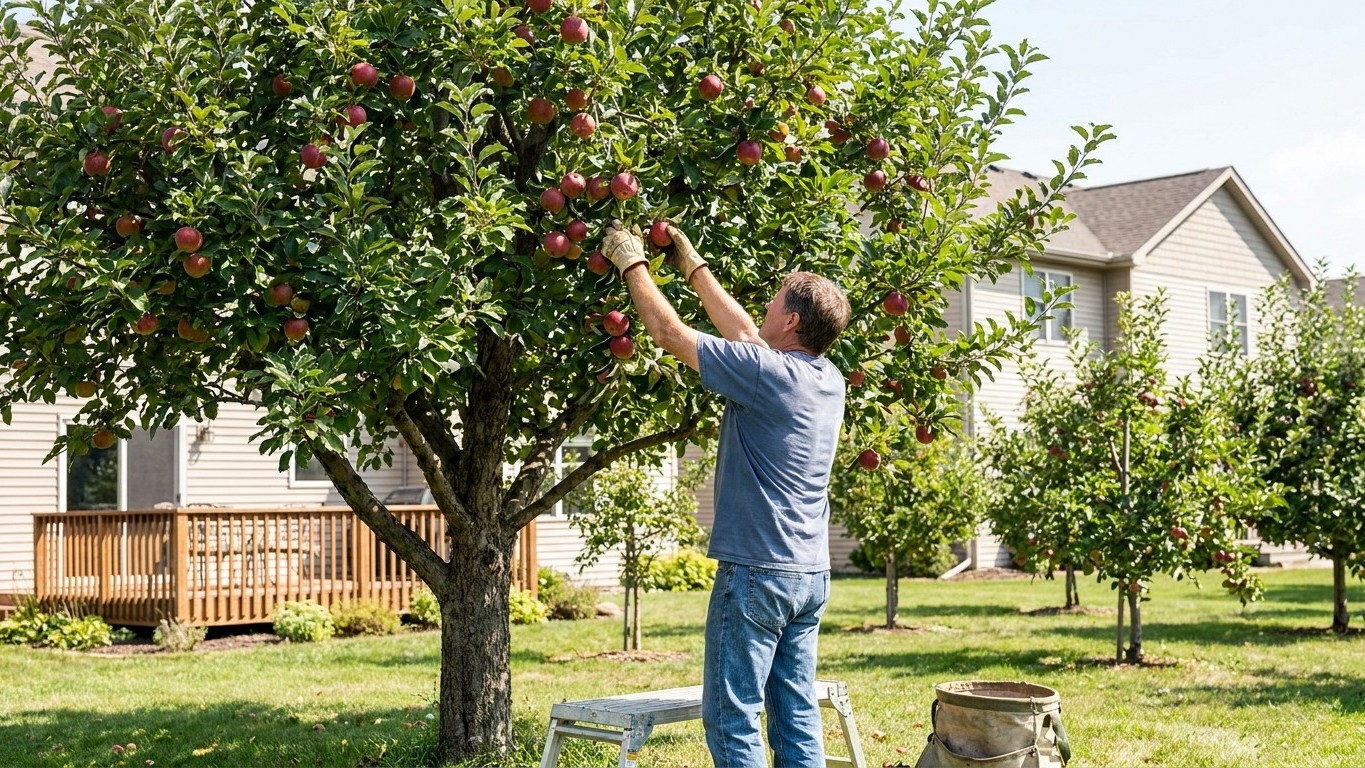
A tree grafted onto G.11 rootstock reaches 12 to 15 feet at maturity, according to Utah State University Extension’s rootstock chart for home garden…
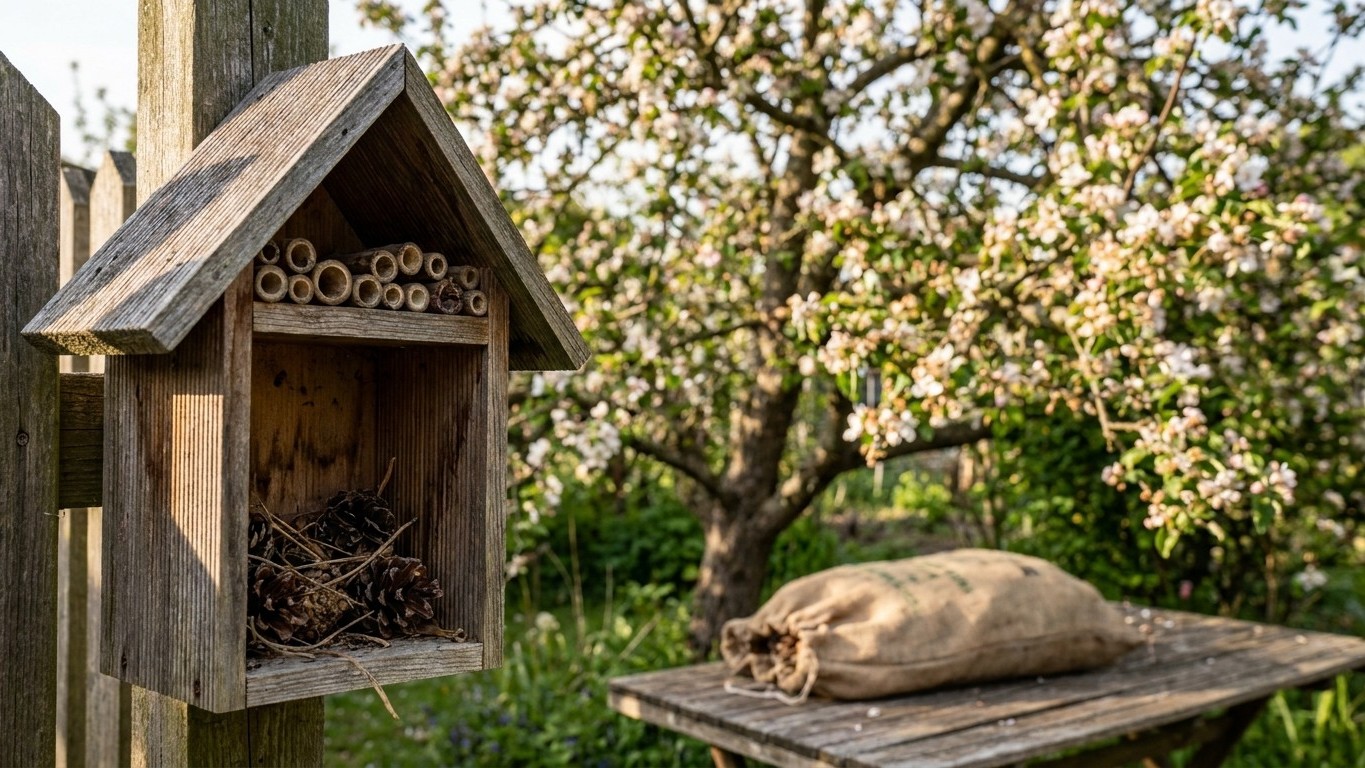
Explains why an apple tree can flower fully yet produce no fruit, covering pollination failure, sterile varieties, frost damage and biennial bearing patterns.
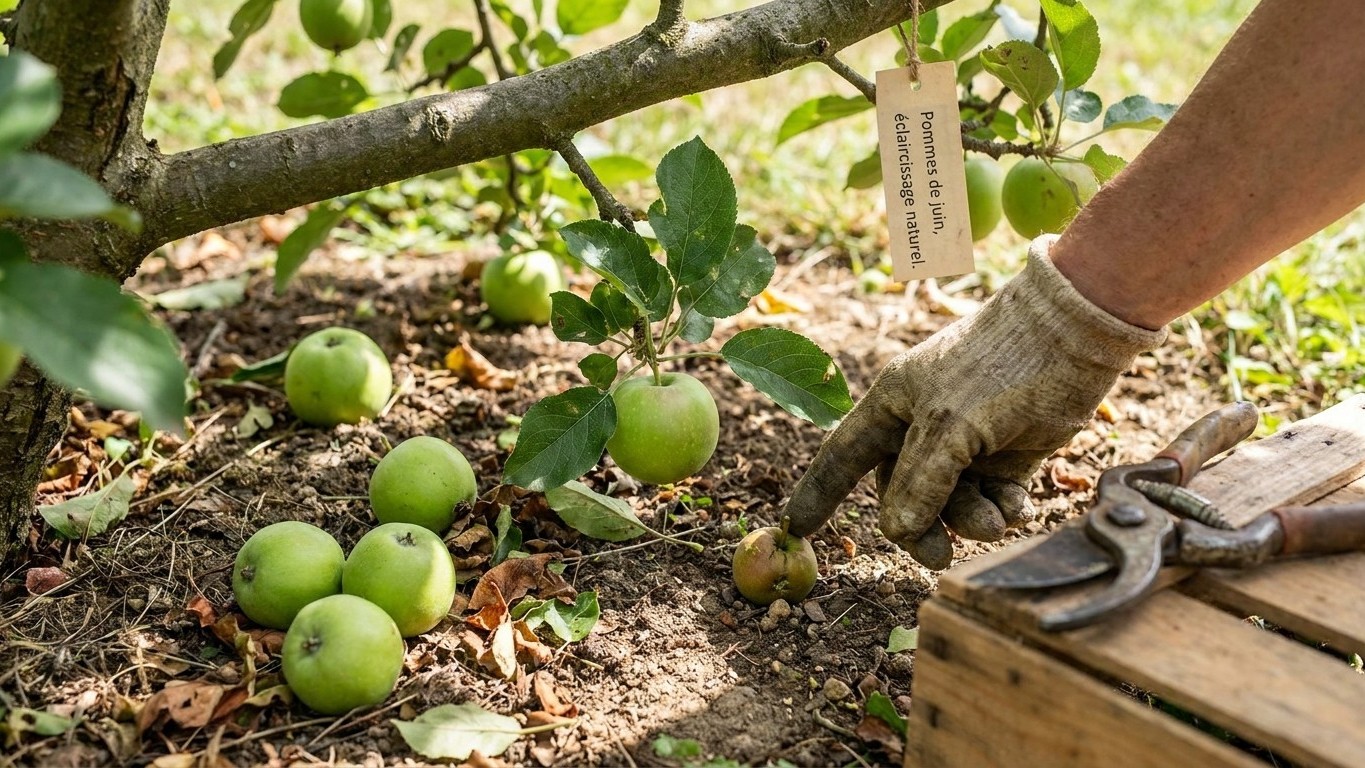
Small apples dropping in June are usually the tree self-thinning after a heavy bloom, not a sign of disease, pests, or poor pollination management.
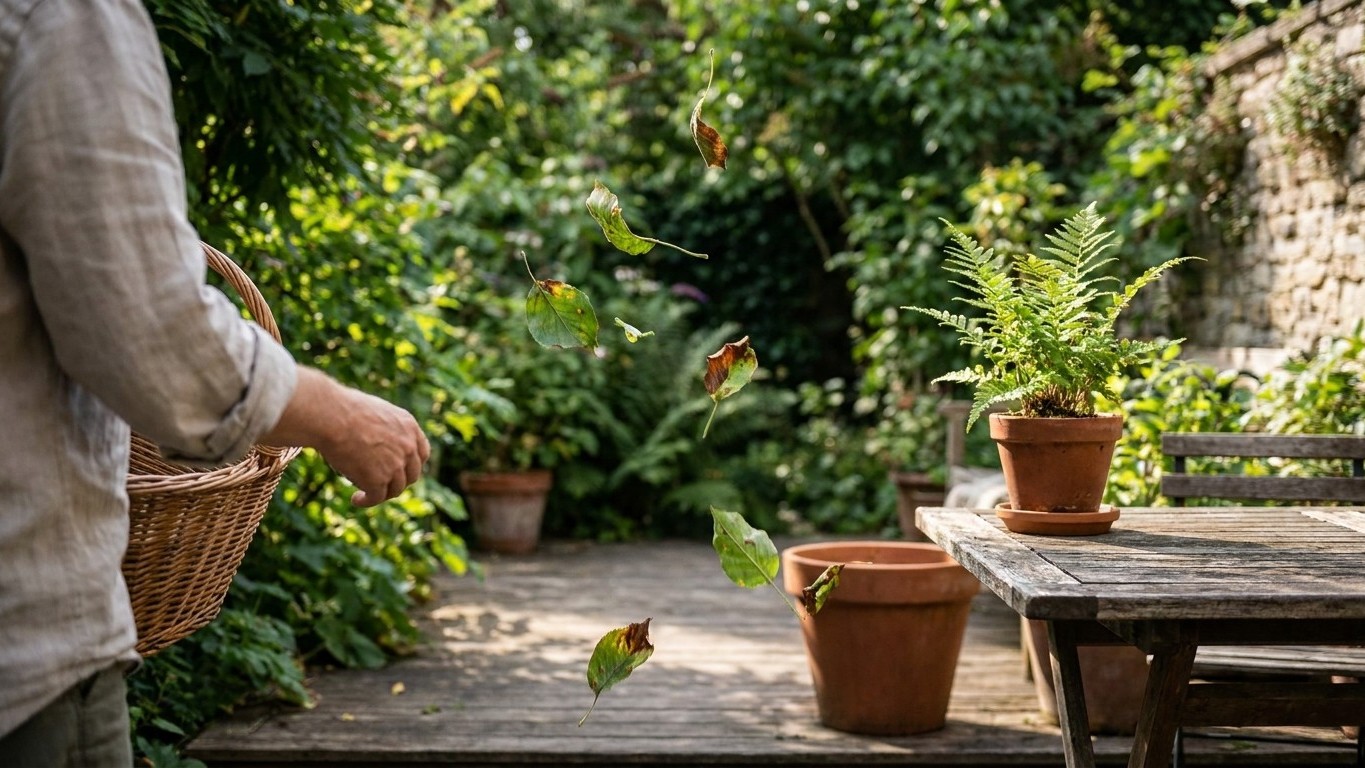
Early leaf drop on apple trees usually means stress, not the arrival of fall. Here’s how to read the pattern and find the real cause.
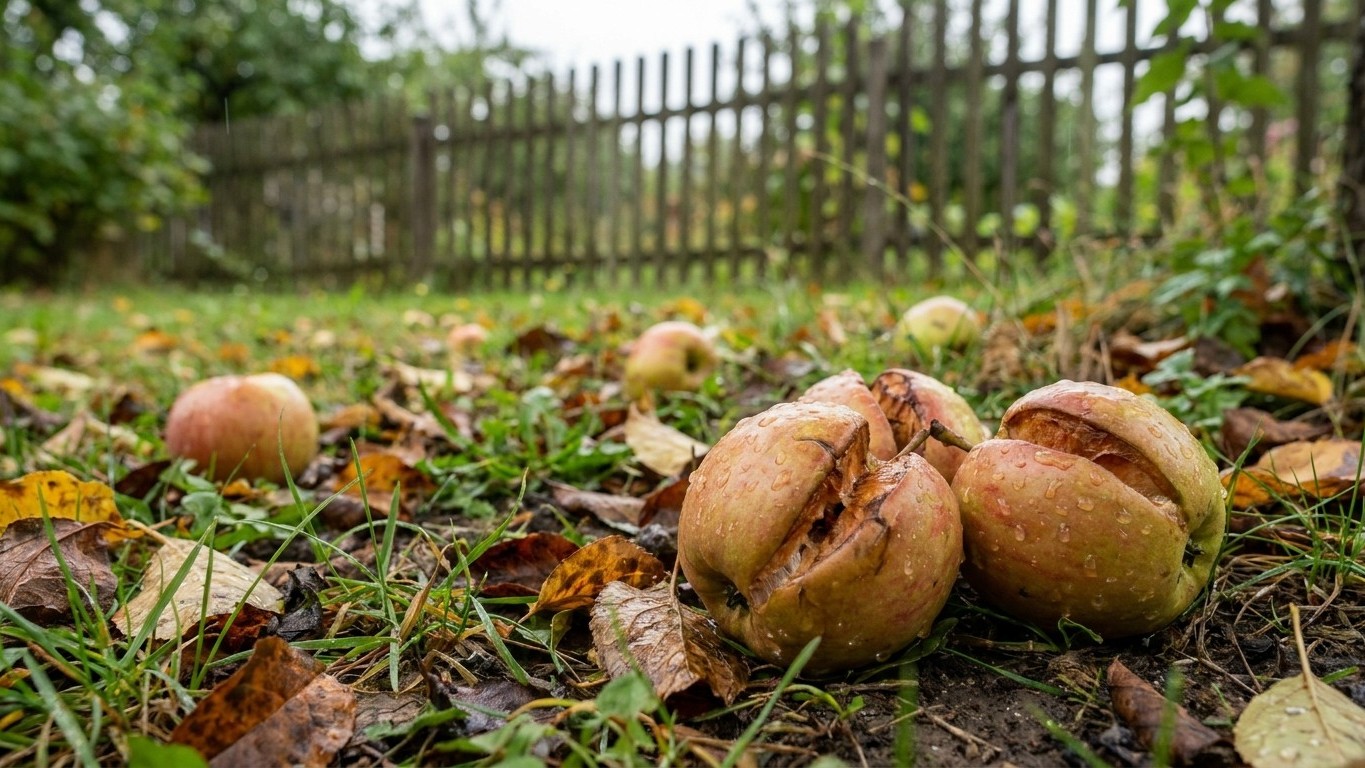
Explains why apples crack open after heavy rain, how to tell a growth crack from sunscald or hail damage, and what to change next season.
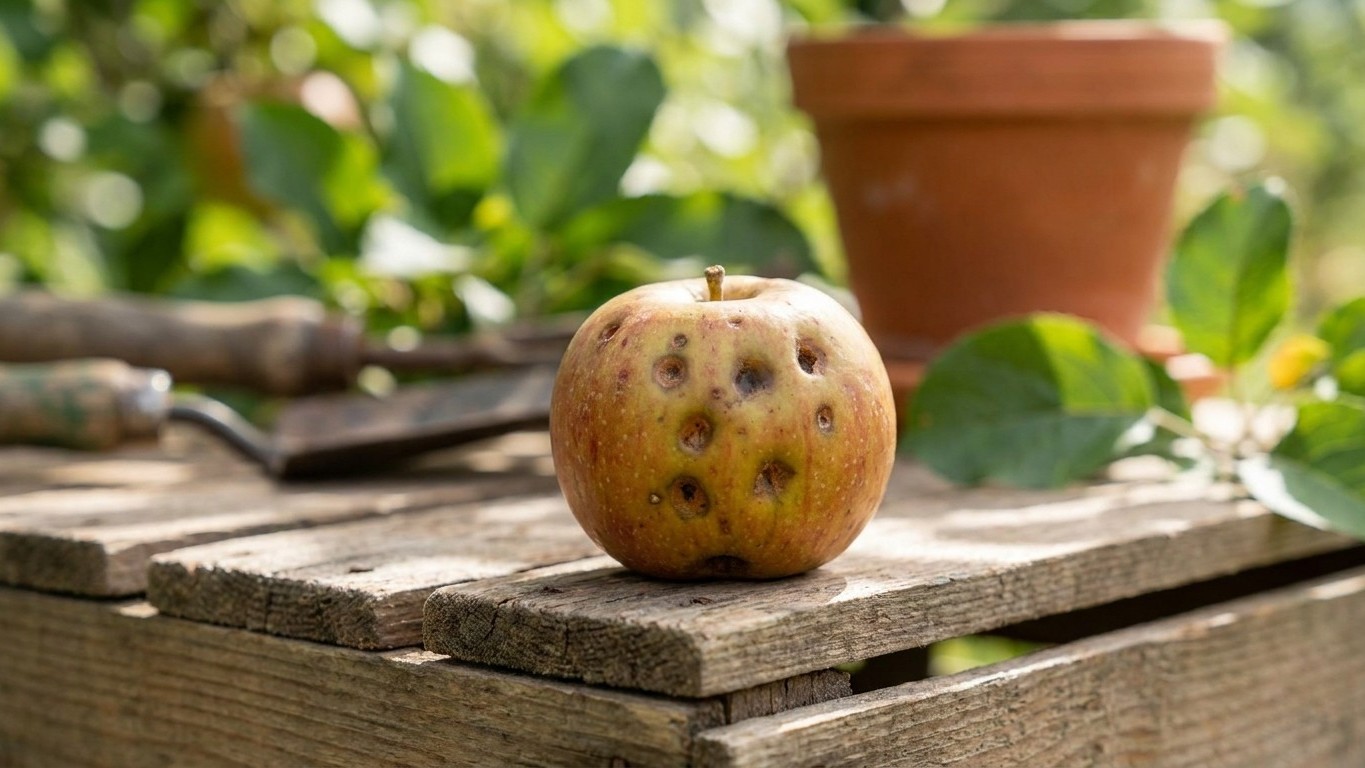
Bitter pit is a calcium deficiency inside the apple, not the soil, causing sunken brown spots that show up at harvest or in storage.
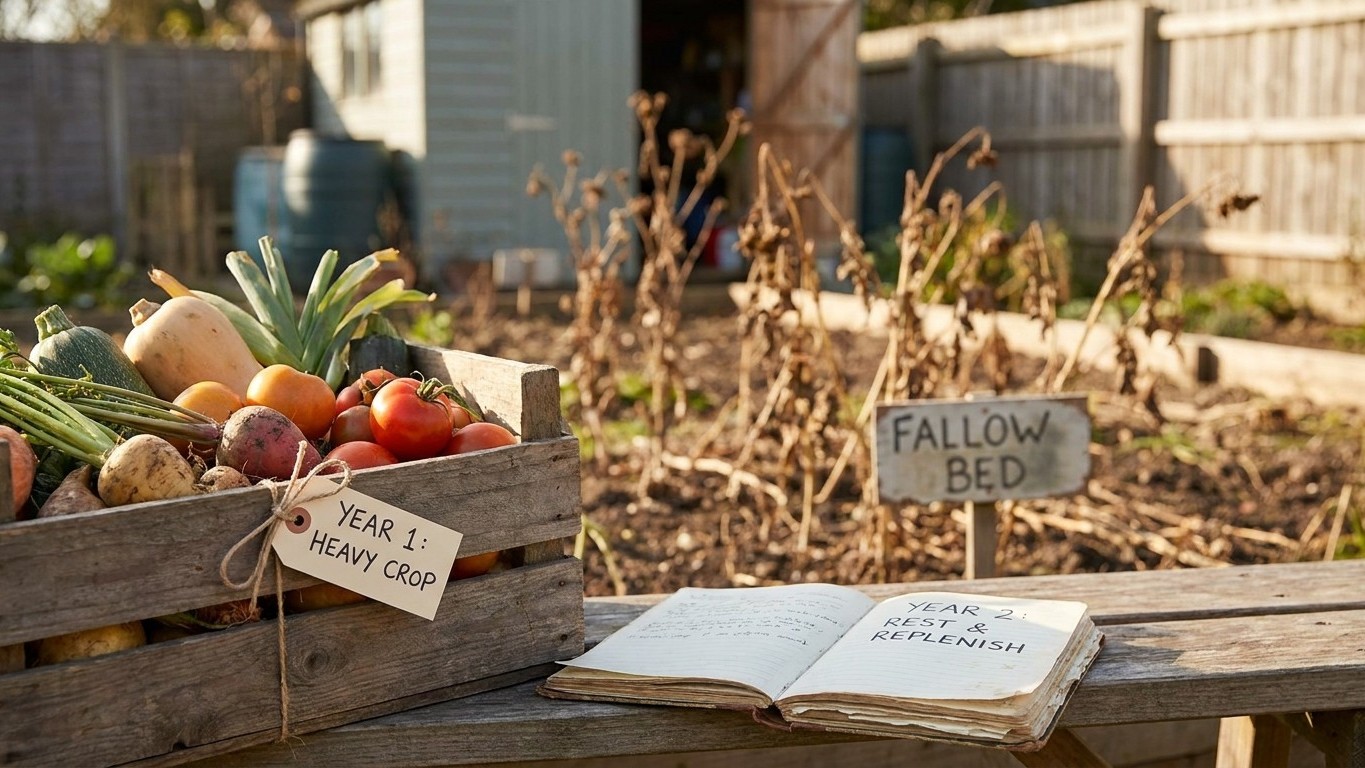
Apple trees that crop heavily one year and barely at all the next are showing alternate bearing, a hormonal pattern you can manage with early fruit thinning.
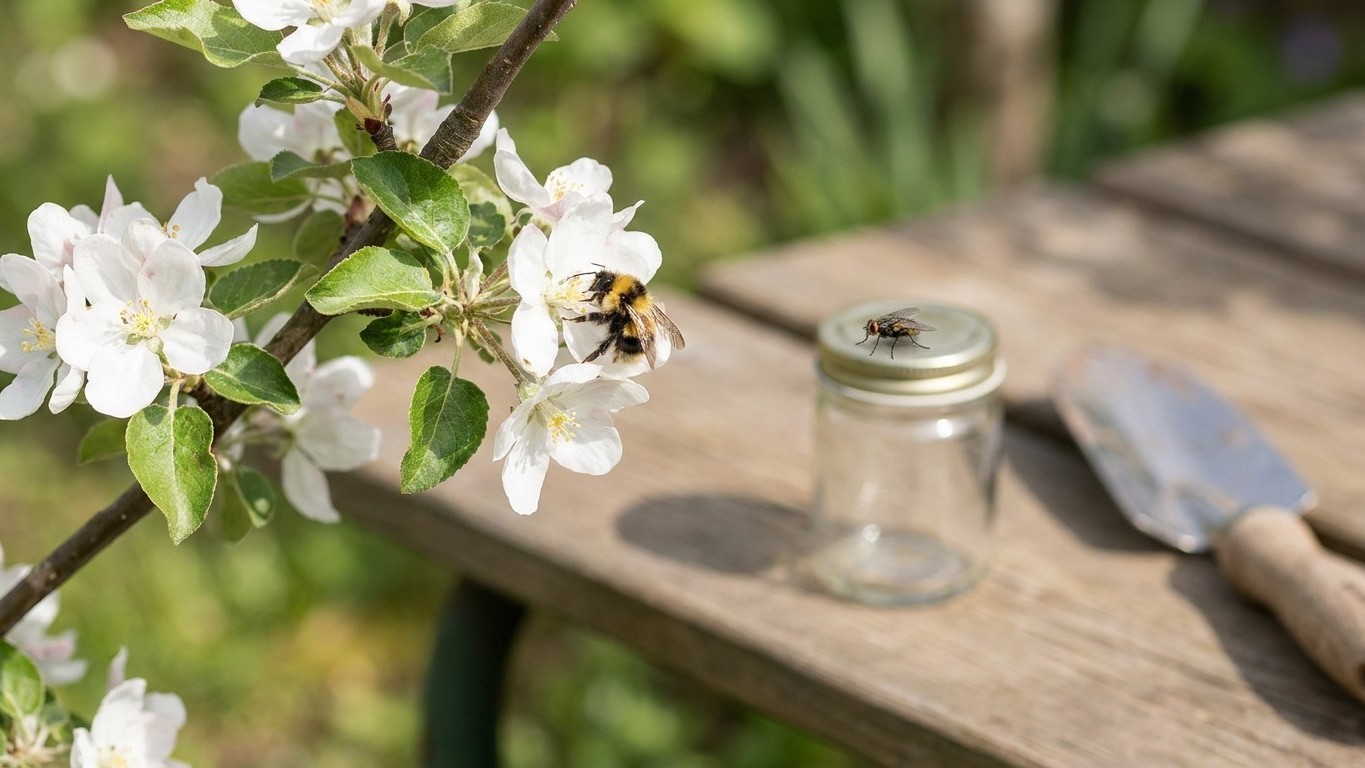
Zestar has no published list of compatible apples, so this page explains how to choose a mid-season pollinator and how many trees you need.
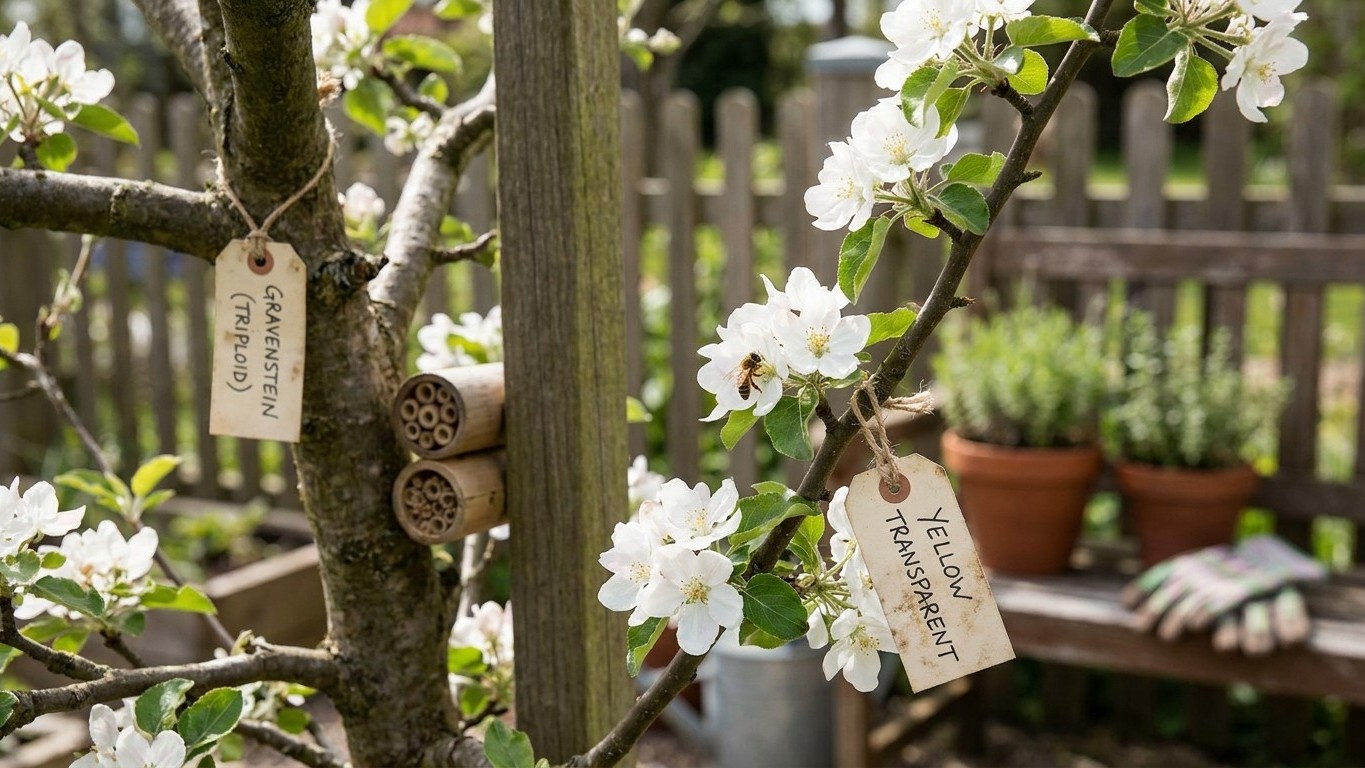
USU Extension gives Yellow Transparent’s bloom timing but no named partner, so this explains how to pick a compatible variety and what won’t work.