Flowers That Actually Thrive in Florida, and the Ones That Struggle
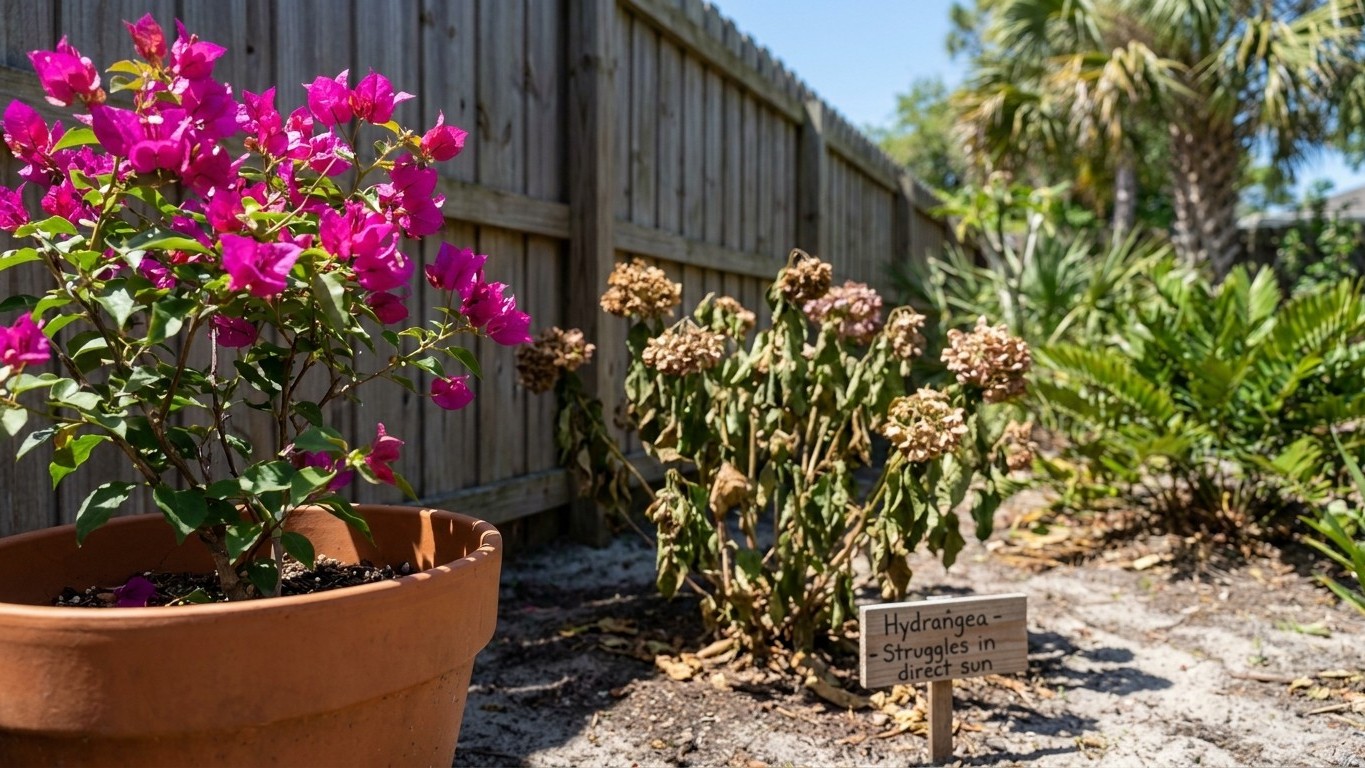
Florida’s zones run 8b to 11b, and Jacksonville’s NOAA climate normals show heat load, not winter cold, decides which flowers survive.
Home & garden, state by state
Florida’s zones run 8b to 11b, and Jacksonville’s NOAA climate normals show heat load, not winter cold, decides which flowers survive.
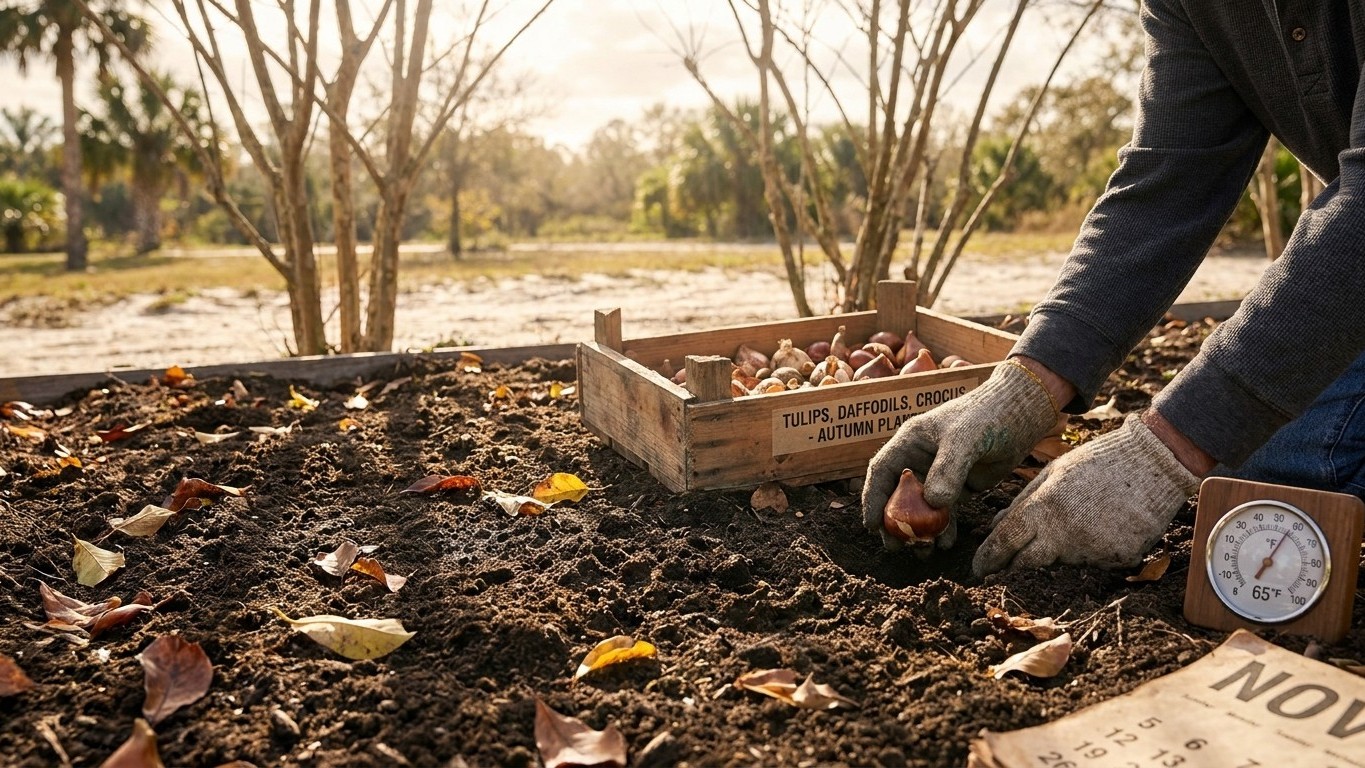
Florida sits mostly outside the cold that spring bulbs need to flower, and that single fact decides more than any planting date.
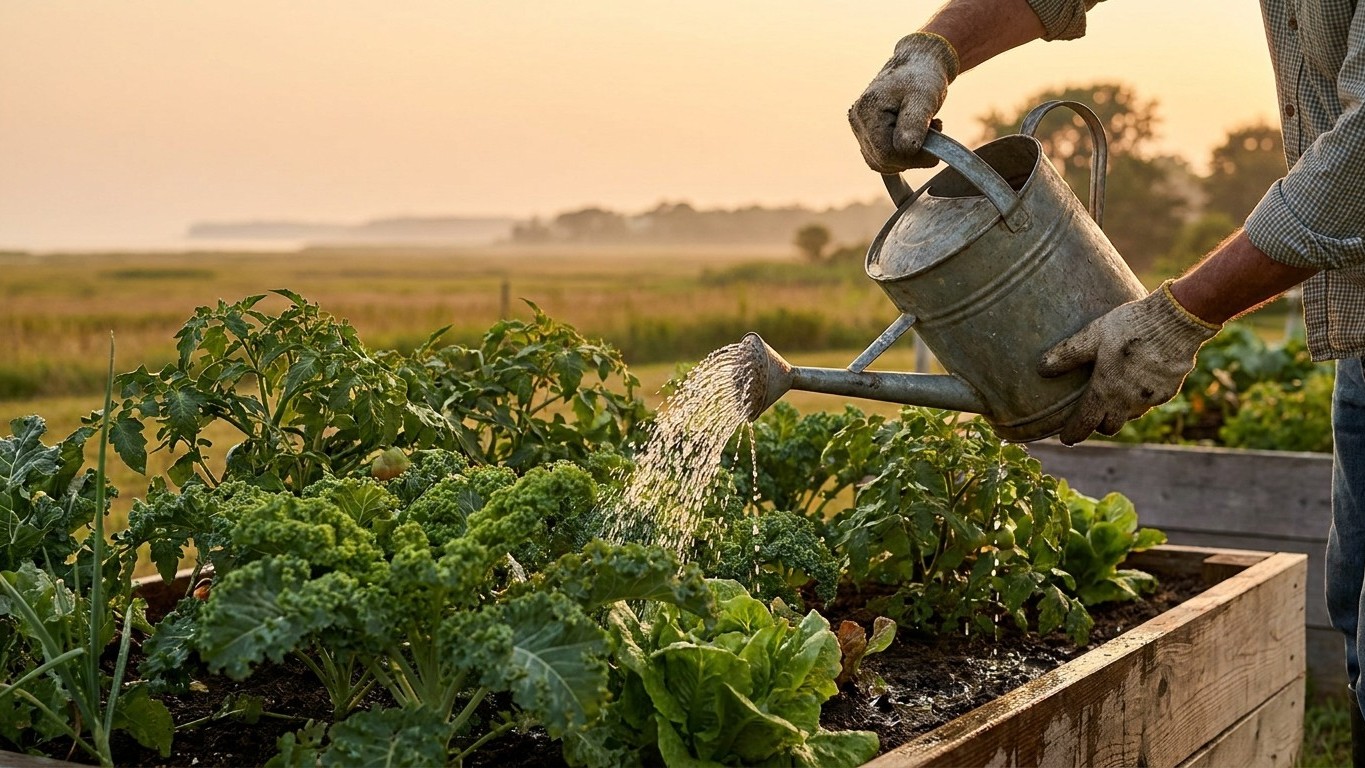
Delaware sits at the edge of two climates: humid enough that a lot of gardeners assume the rain does the work for them, and hot enough for long enough…
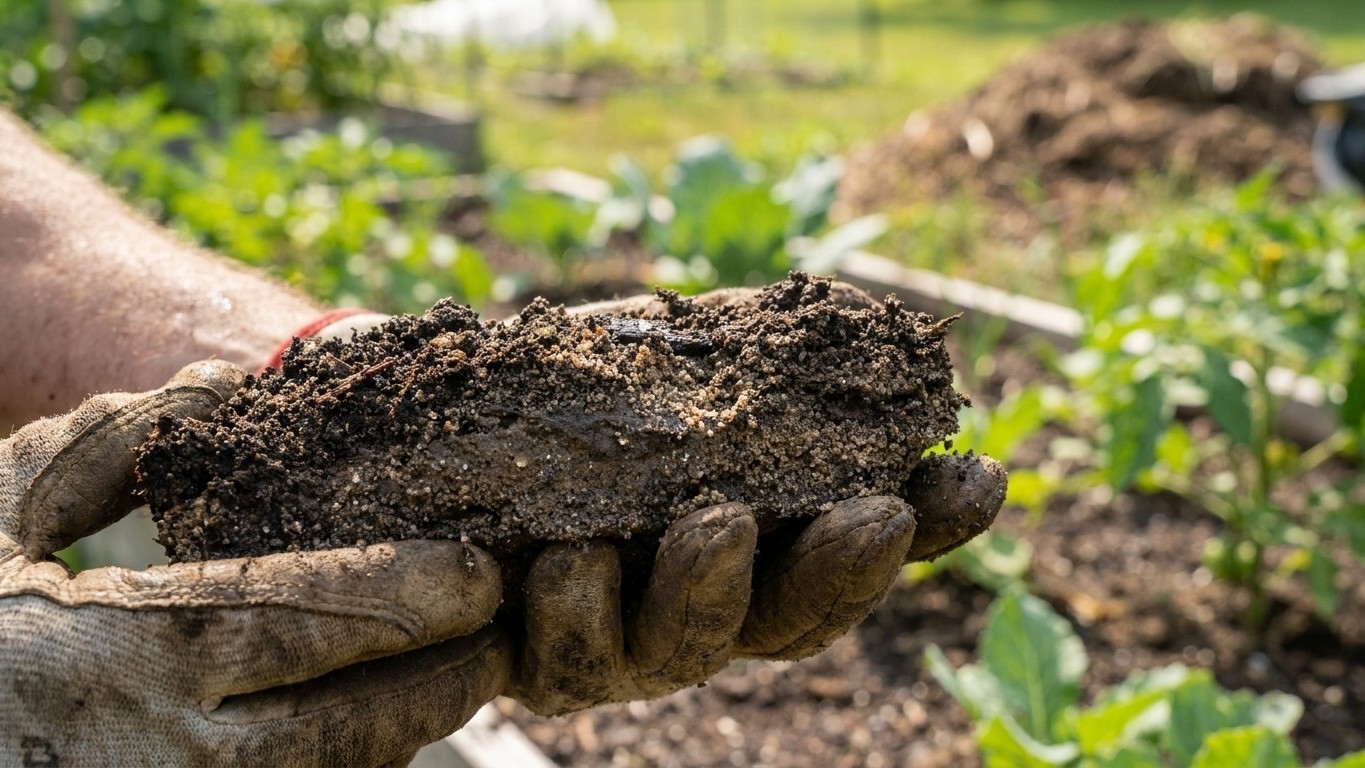
Dig a foot down almost anywhere in Delaware and you’re likely standing in some version of the Greenwich series, the state’s official soil since 2000.
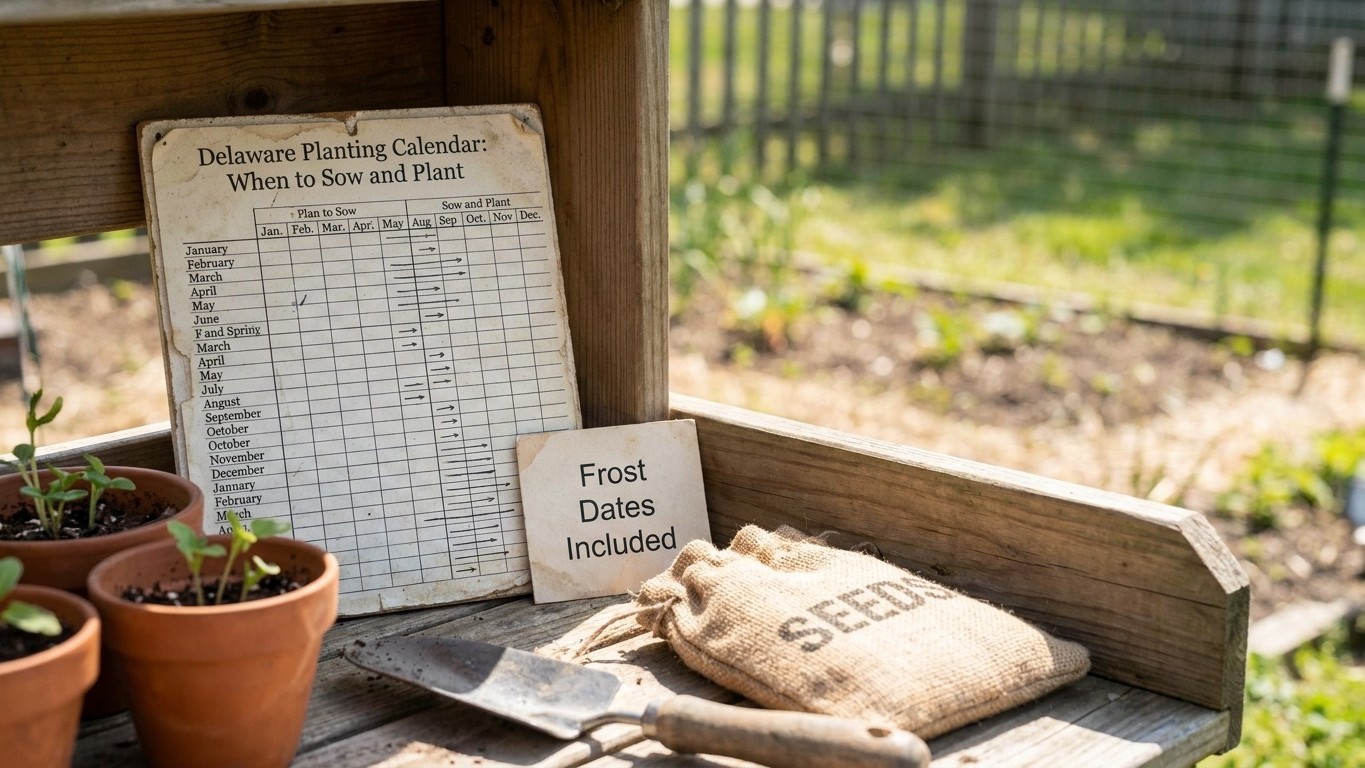
A county-by-county guide to Delaware’s frost dates and planting windows, from cool-season peas through fall crops, using NOAA’s 30-year climate normals for Wilmington.
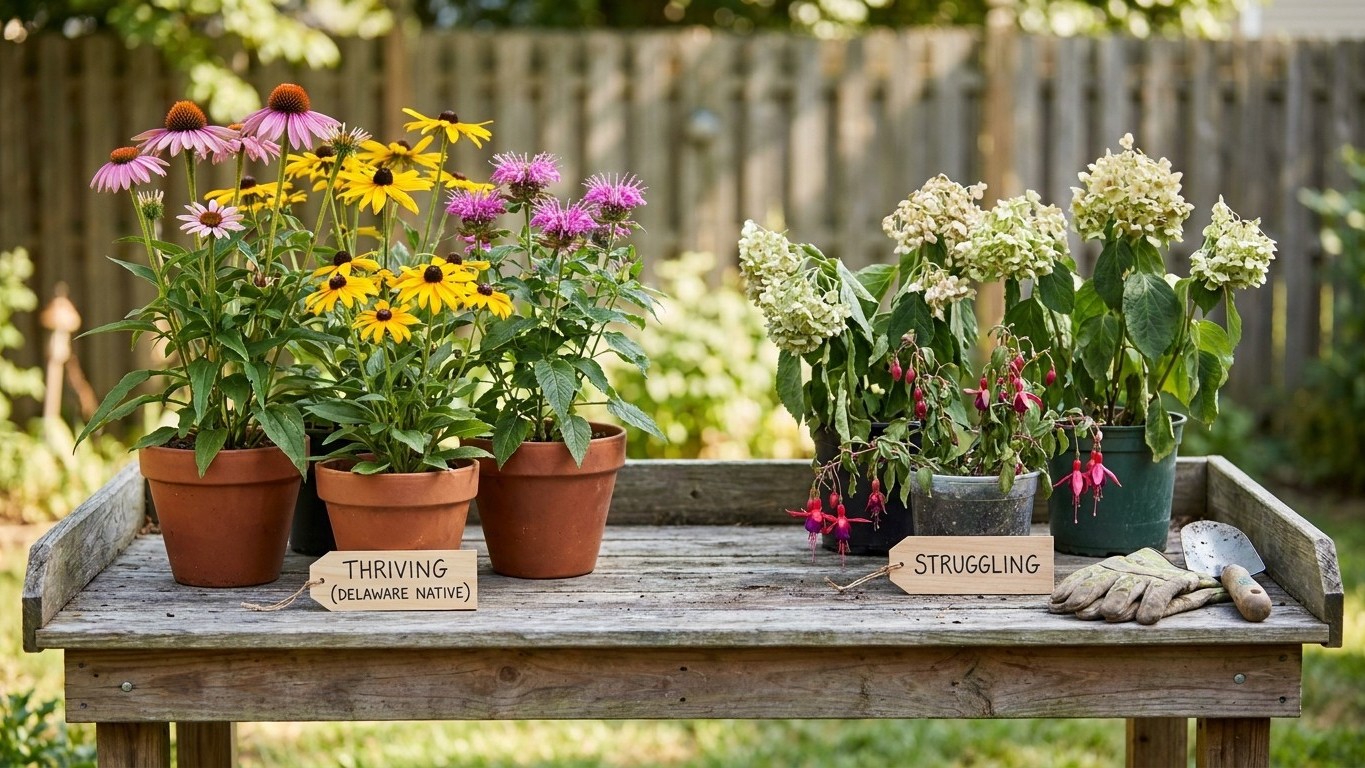
Delaware’s humid summers and zone 7a-8a winters favor native perennials like coneflower and daylily, while tropical annuals and thirsty exotics often struggle.
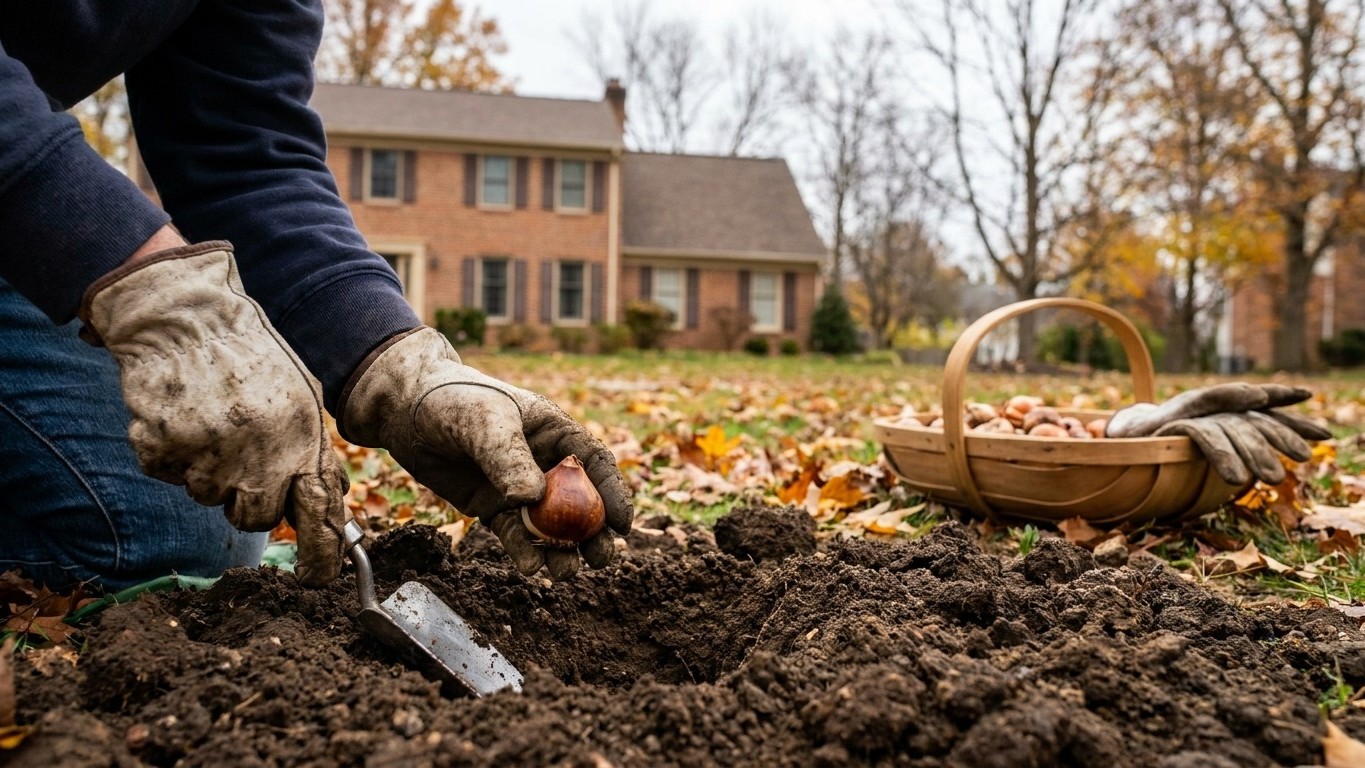
Delaware’s spring bulb question isn’t really about beauty, it’s about cold. This state’s winters, zone 7a to 8a on the USDA map, with a coldest-month…
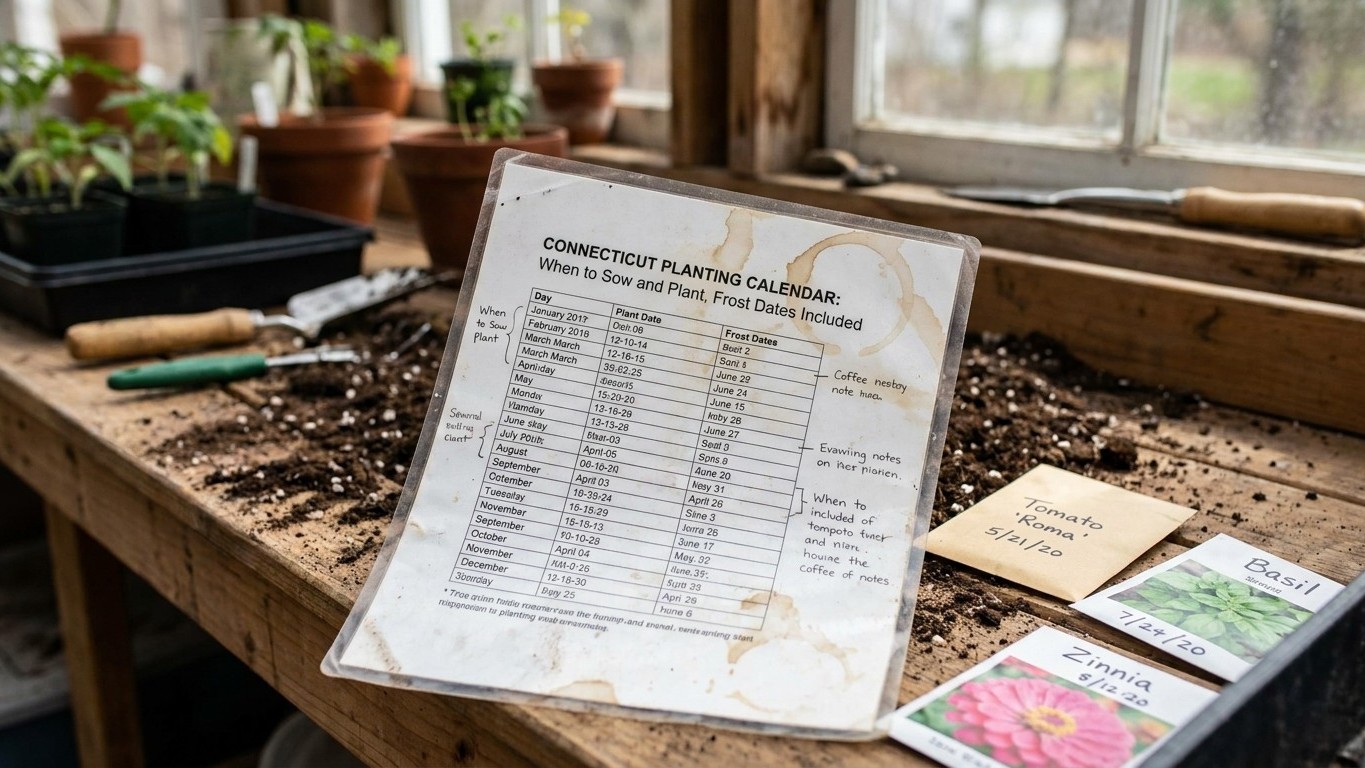
Connecticut’s frost dates run from early April to early-to-mid November depending on location, and this guide shows how to plan sowing dates around them.
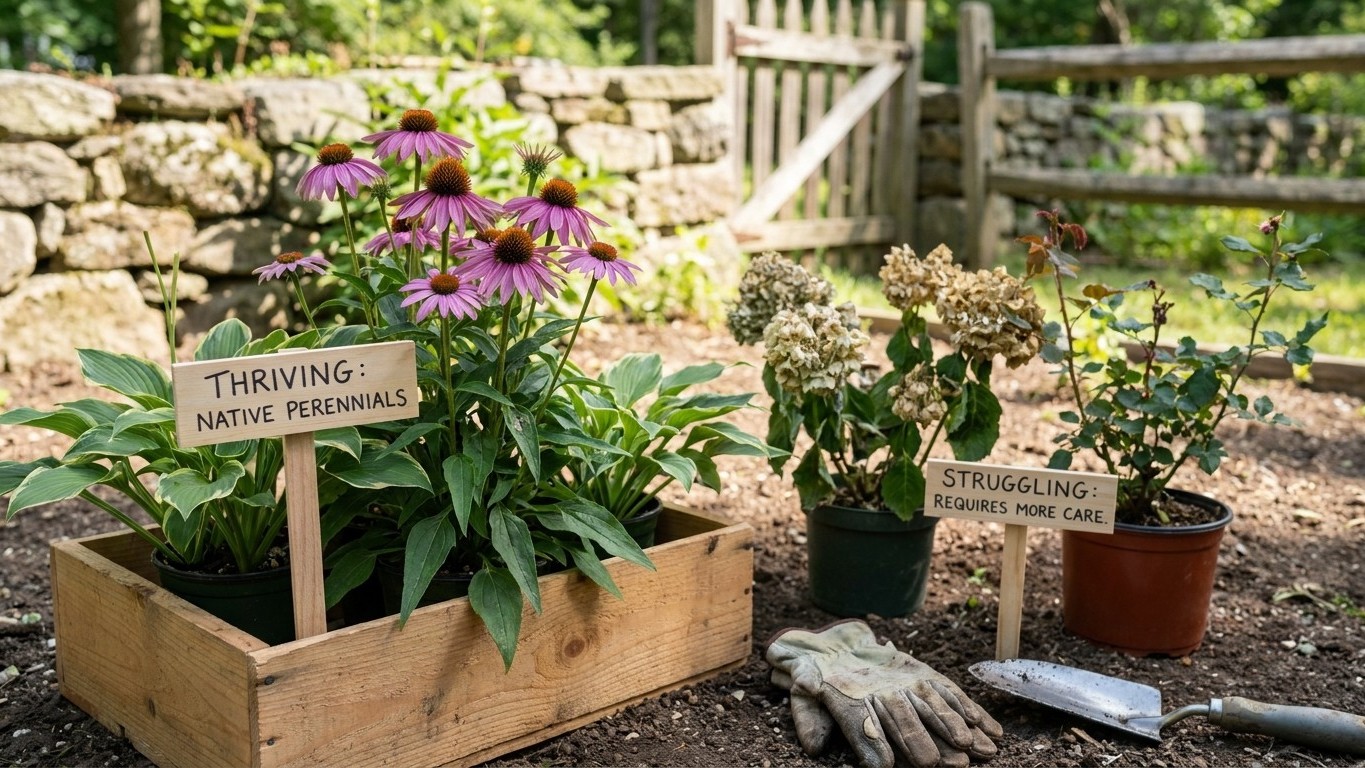
A look at which flowers hold up through Connecticut winters and summers, using NOAA and USDA climate data for the state.
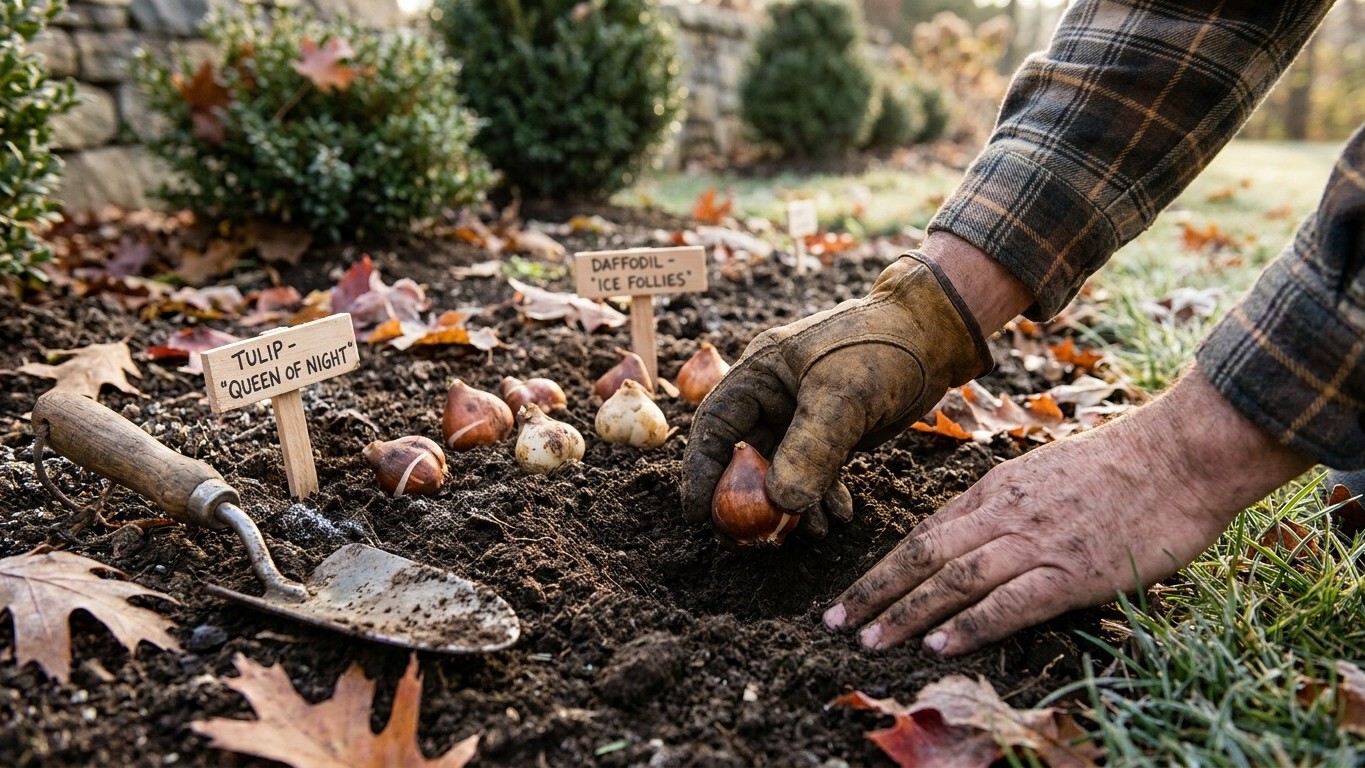
Connecticut’s winters give spring bulbs everything they need to bloom well, but the planting window matters more than most garden center tags let on.