What Pollinates Candy Crisp, and What Cannot
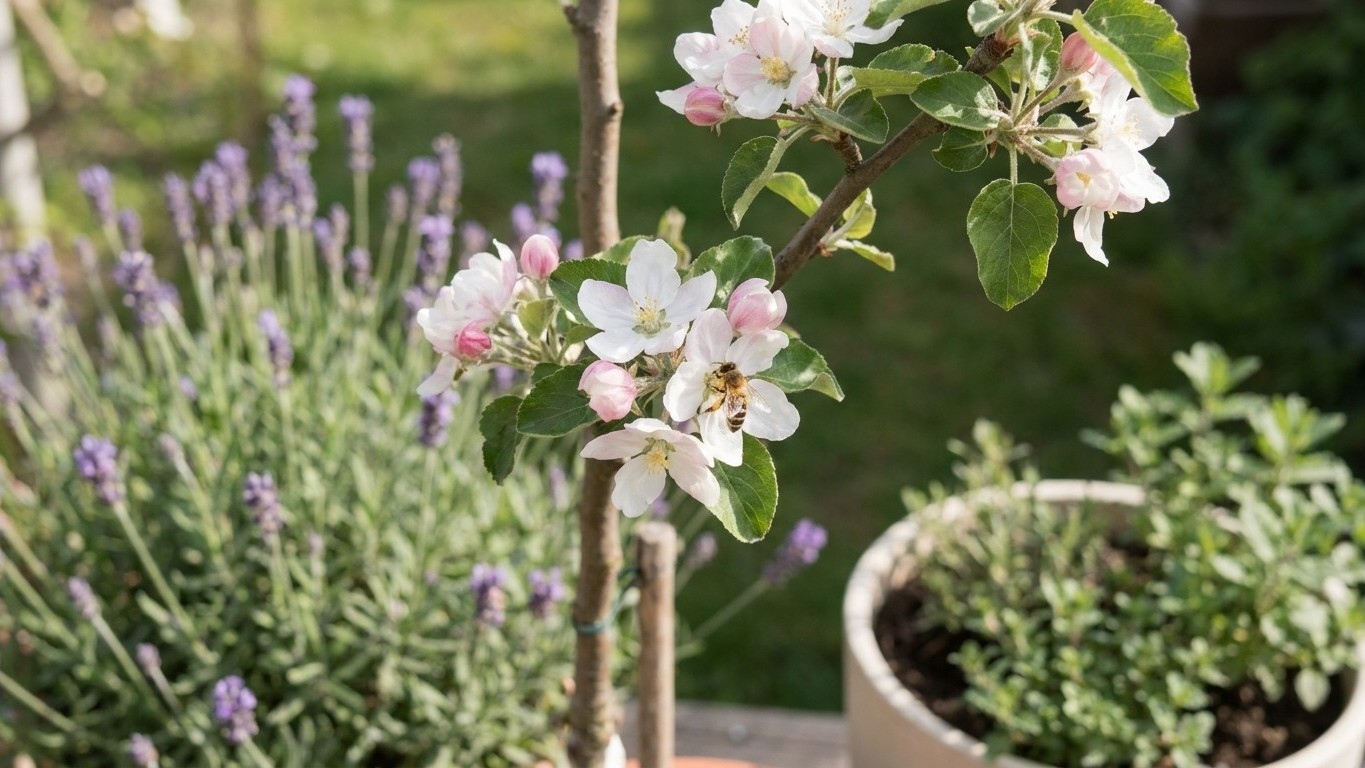
Candy Crisp’s bloom season is mid, per USU Extension, but the extension does not publish a confirmed pollinator list, so growers need to pick a same-season partner carefully.
Home & garden, state by state
Candy Crisp’s bloom season is mid, per USU Extension, but the extension does not publish a confirmed pollinator list, so growers need to pick a same-season partner carefully.
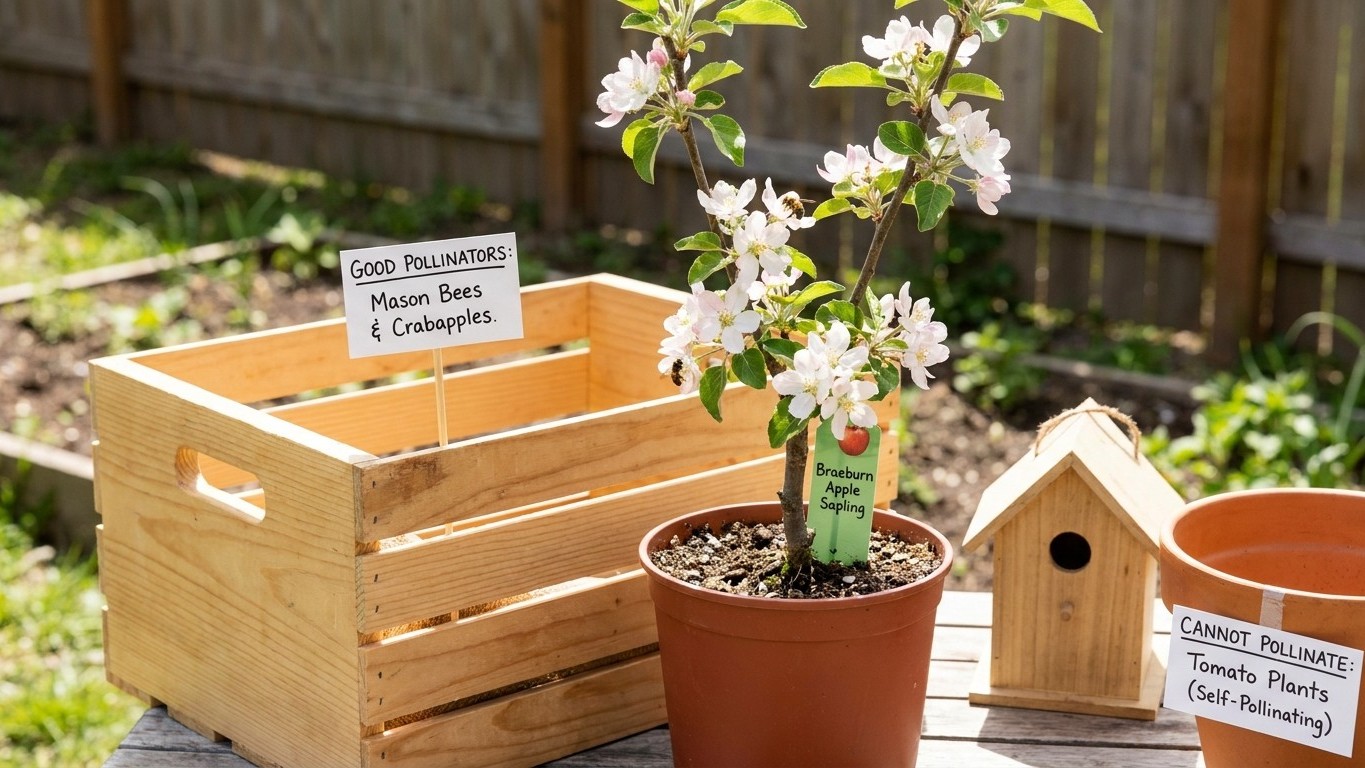
Braeburn needs another early-blooming apple tree nearby, since USU’s guide gives its bloom timing but names no specific partner variety.
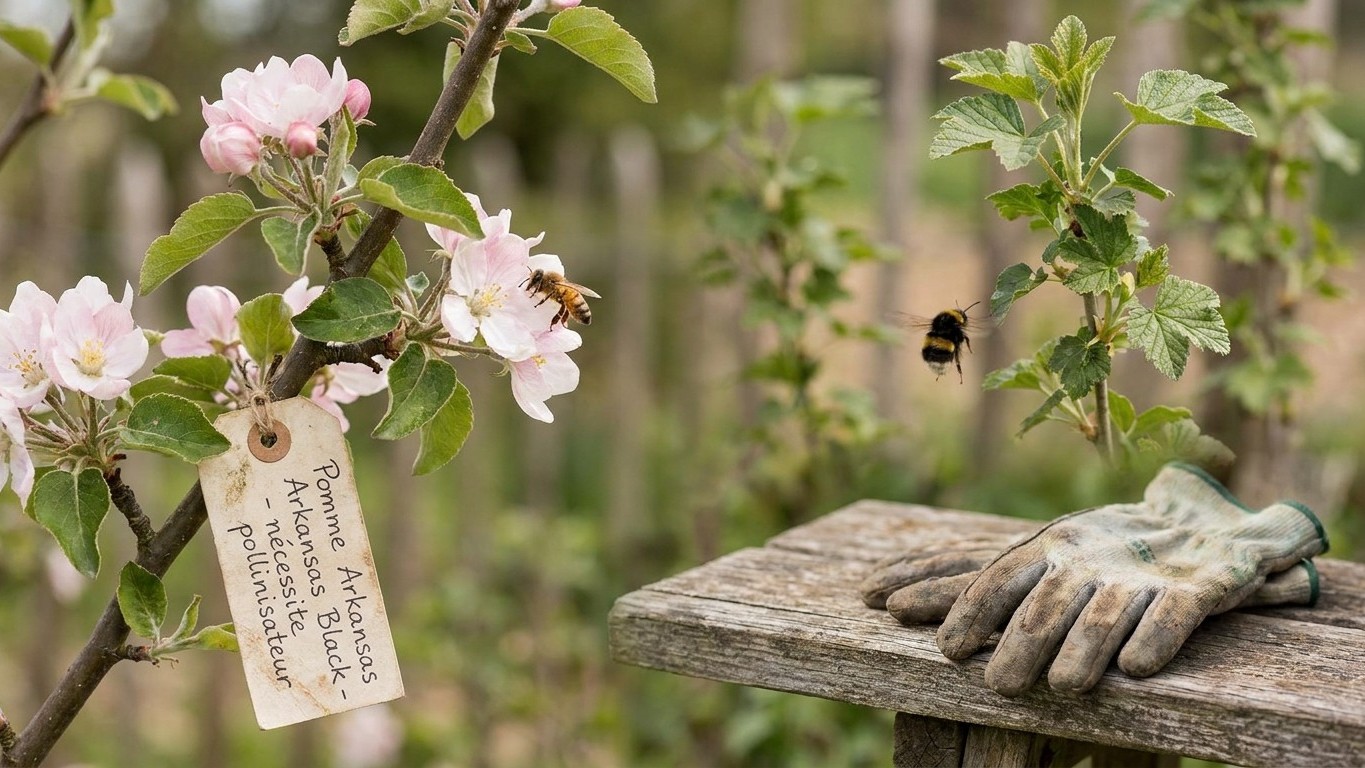
Arkansas Black apple pollination explained: which four varieties provide fertile pollen, and why Jonagold and Stayman flower alongside it but never pollinate it.
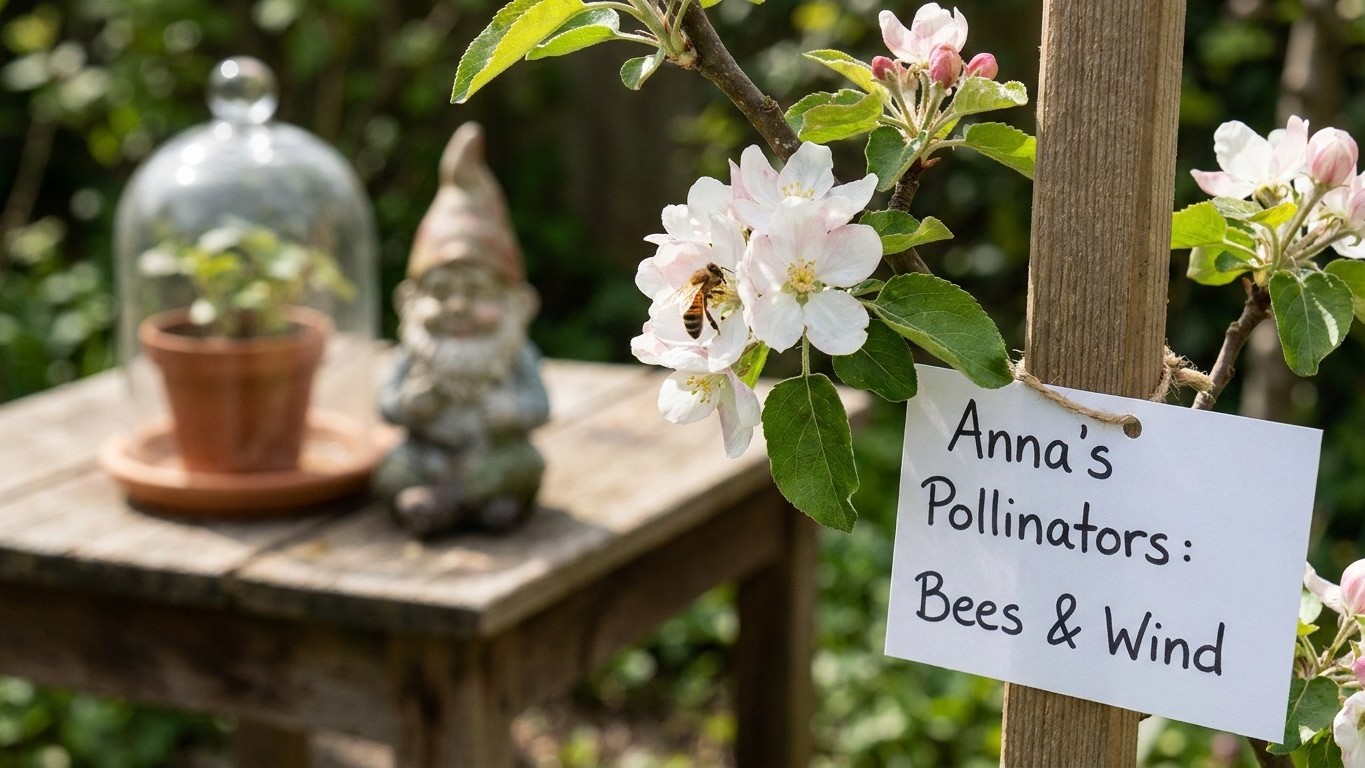
Anna’s only documented pollen partner is Dorsett Golden. This explains the bloom-group rule, what it does not guarantee, and options for small gardens.
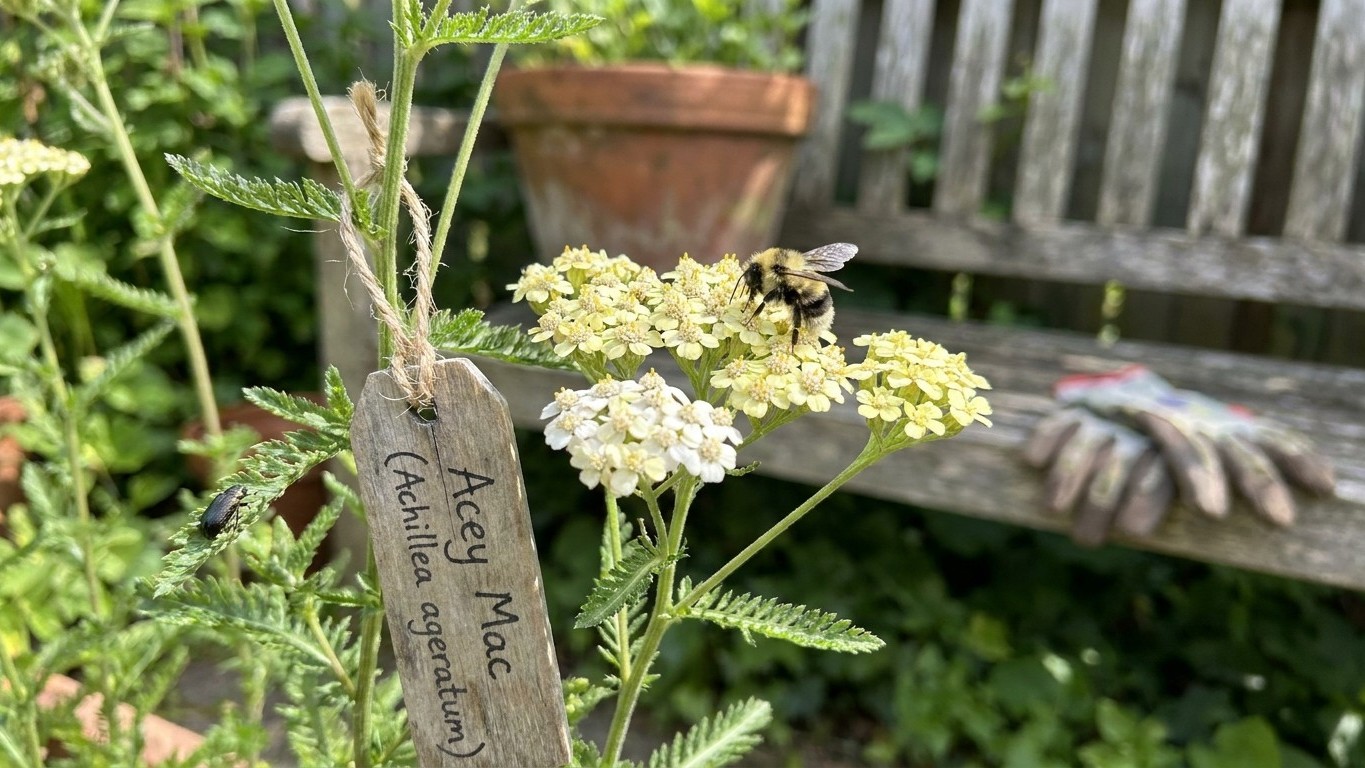
Acey Mac has no published pollinator list, so this explains the bloom-group rule for picking a compatible tree and what definitely won’t work.
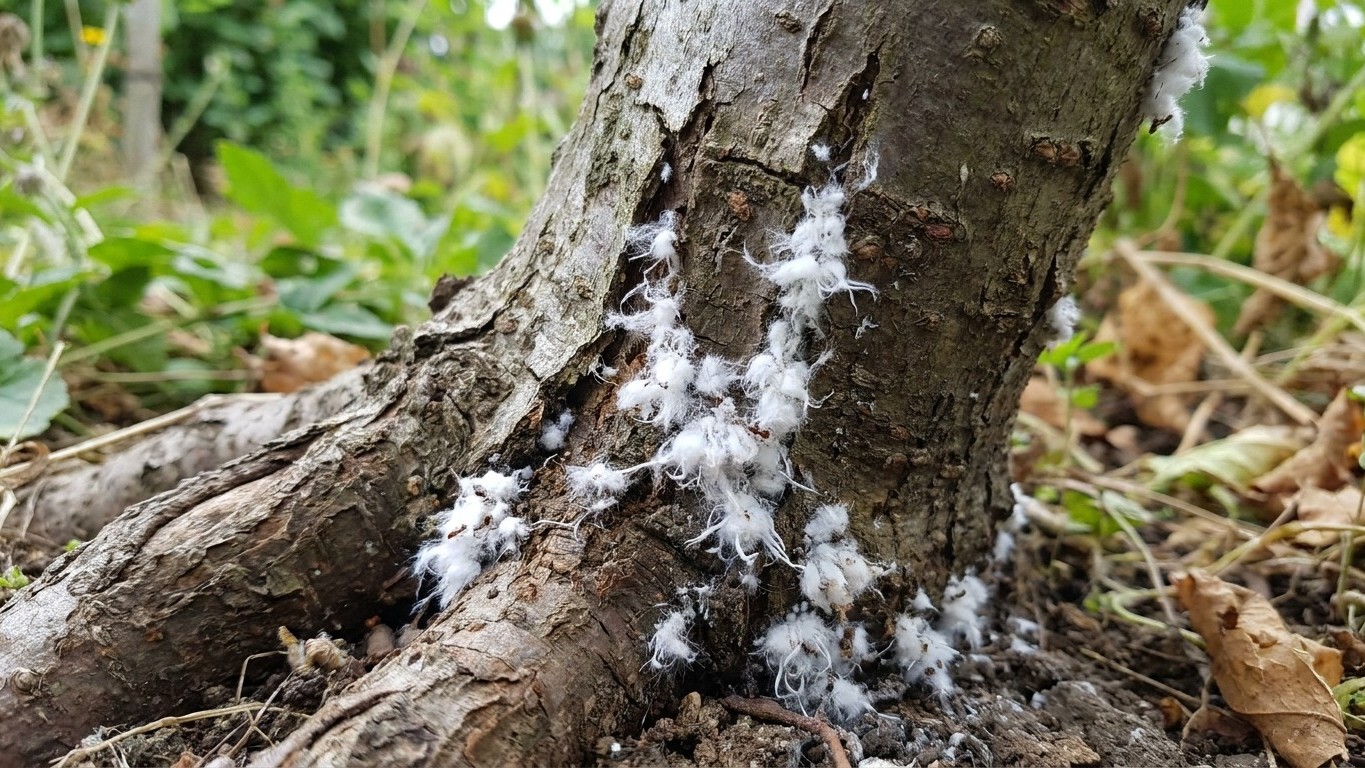
Woolly apple aphid coats bark wounds and roots in white wax, weakens young trees, and calls for pruning and sanitation rather than routine spraying.
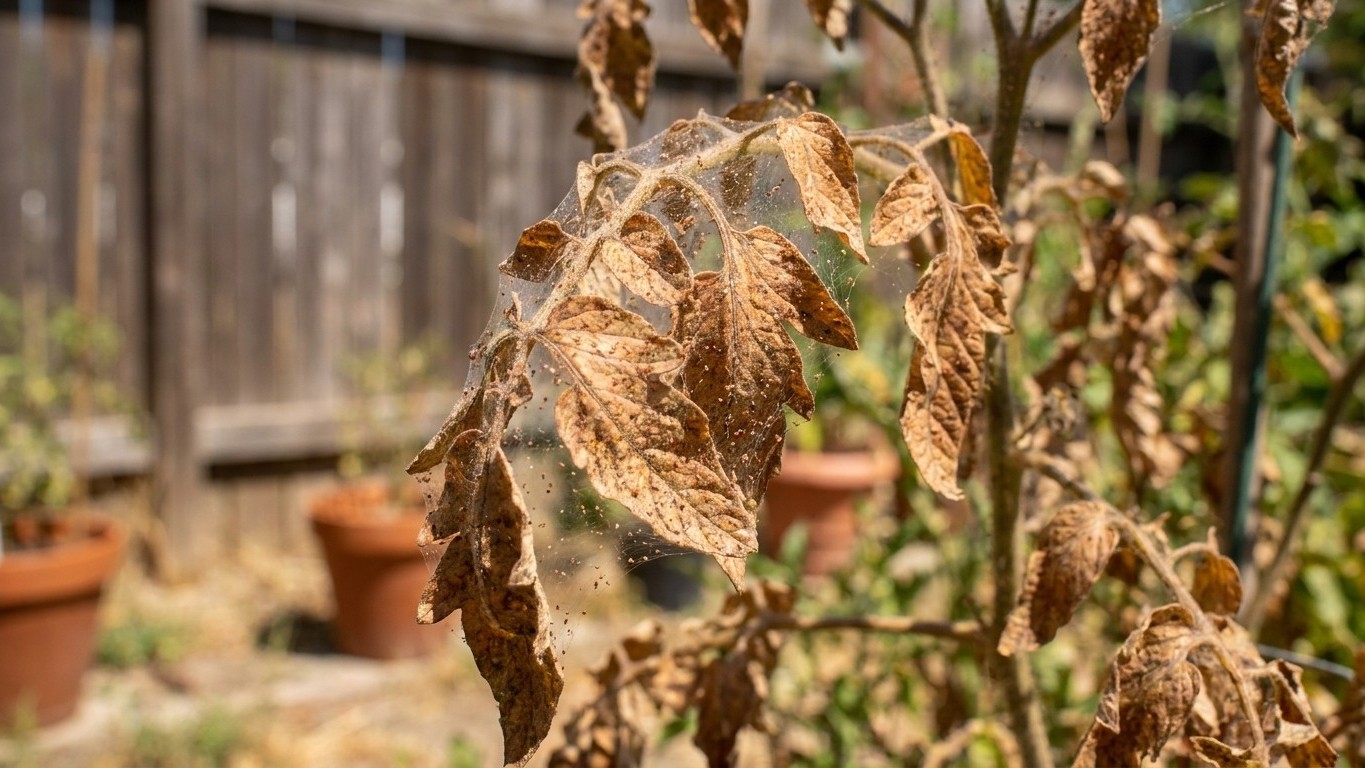
Spider mites cause a bronze, stippled look on apple leaves during a hot dry summer, and a simple paper tap test confirms them before you spray.
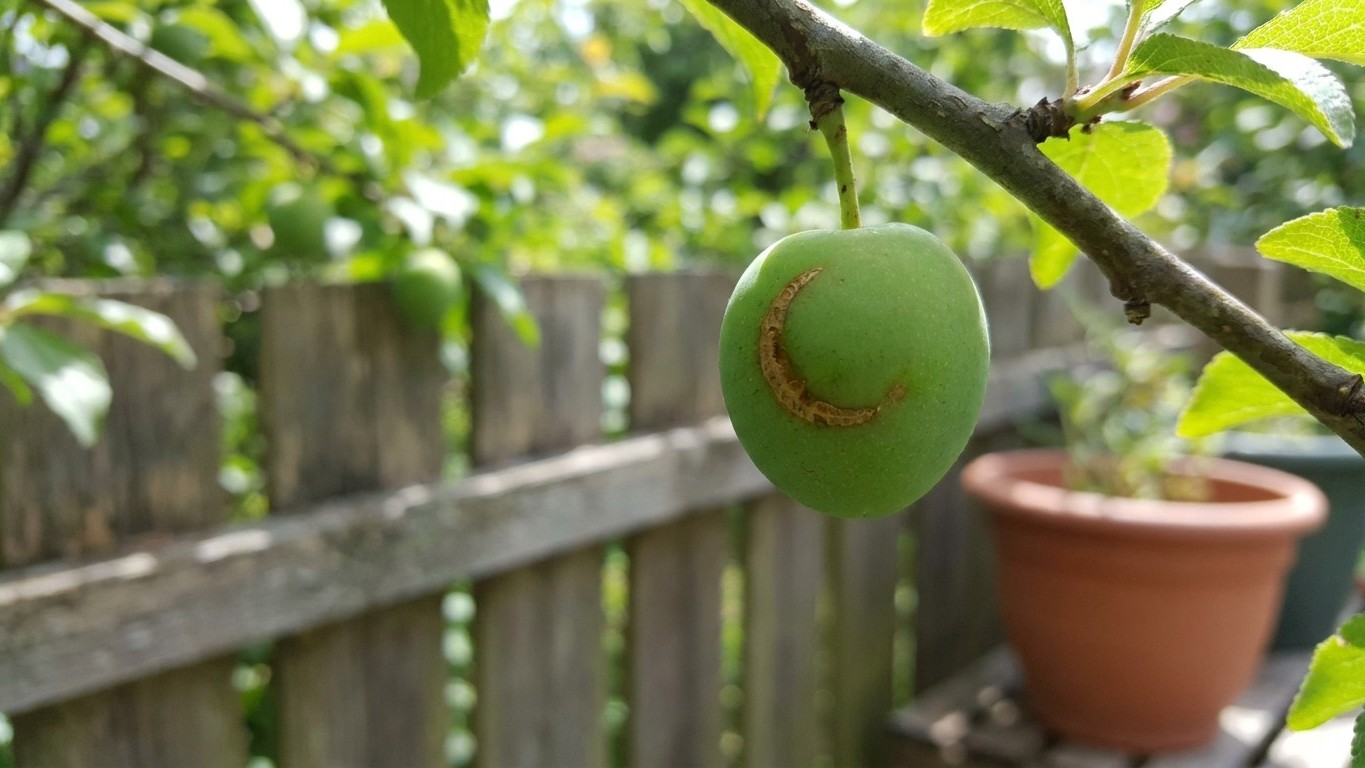
Plum curculio leaves a crescent-shaped scar on young apple fruit, and the damage tells you exactly when to check for the beetle itself.
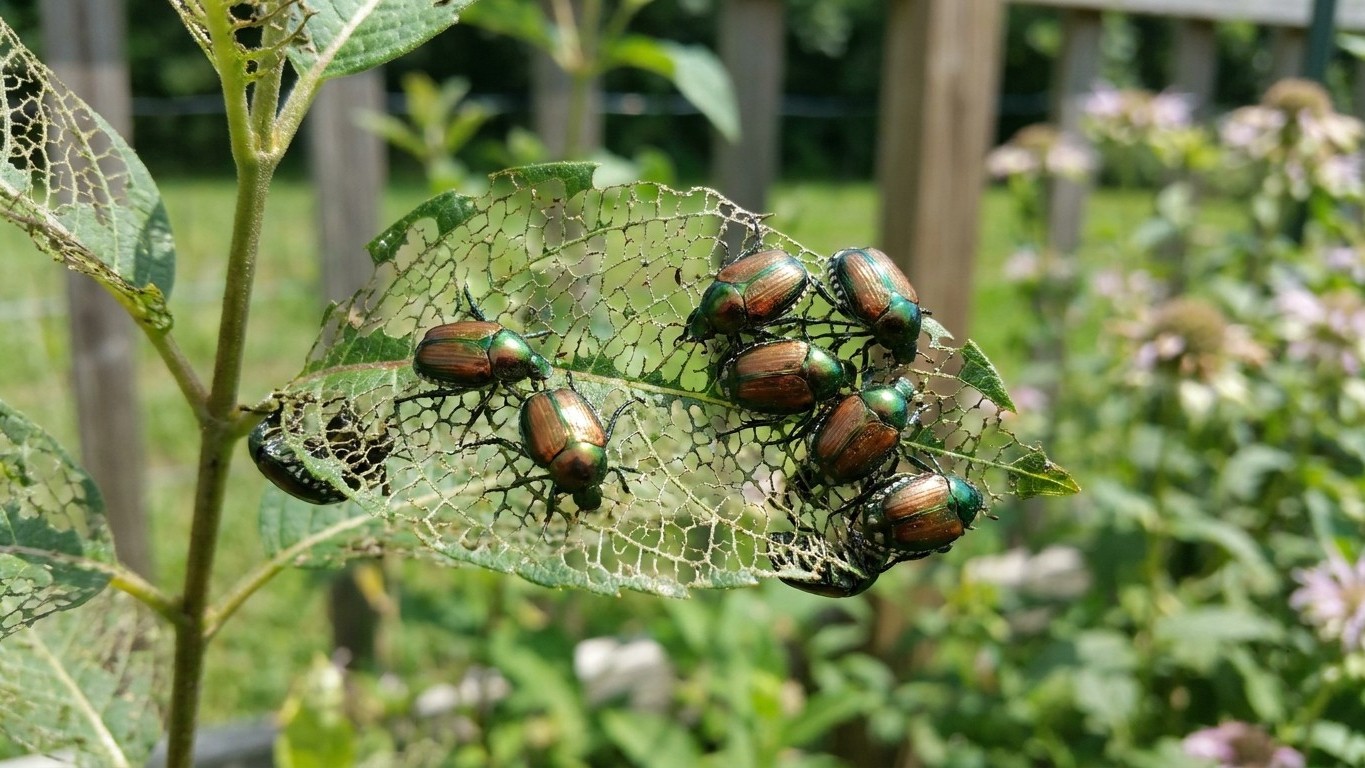
Japanese beetles skeletonize apple leaves and scar ripening fruit in summer, and this article shows how to confirm the pest and treat it without harming bees at bloom.
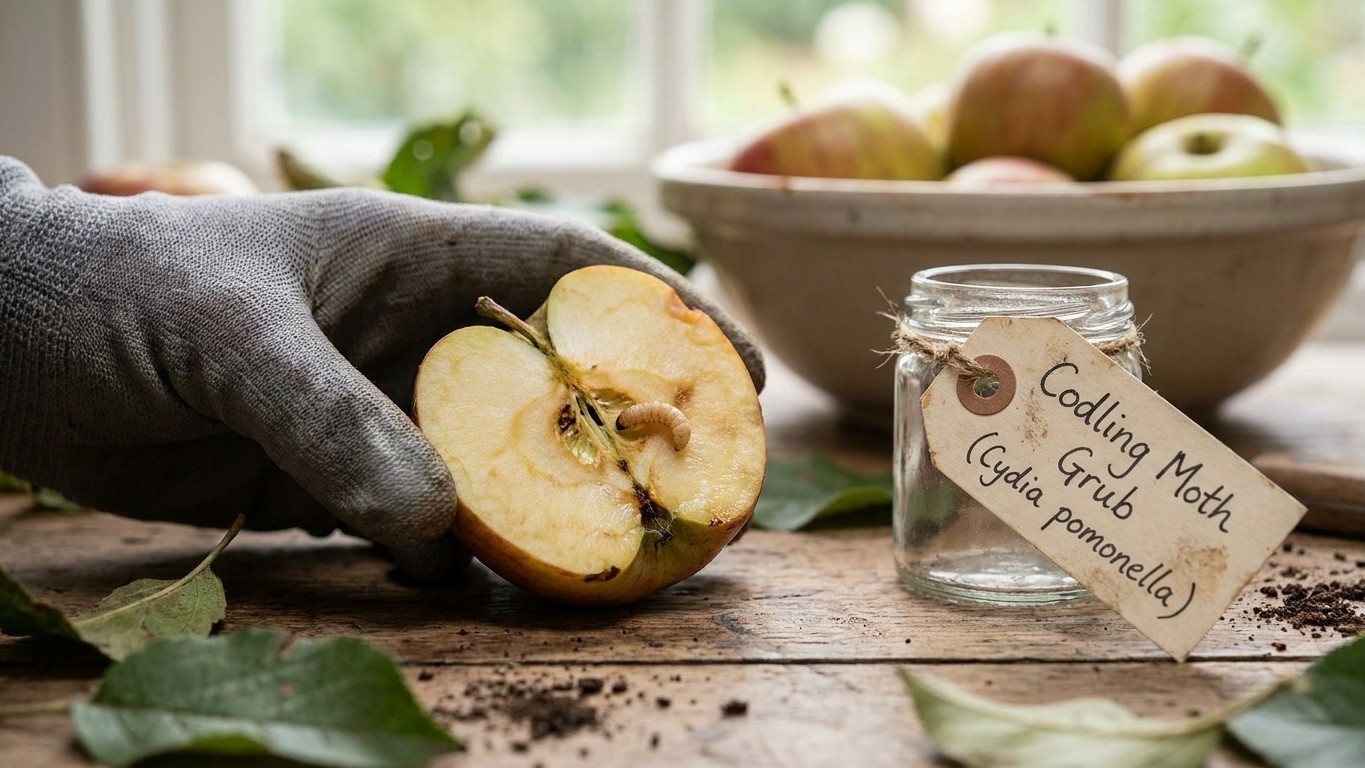
Codling moth larvae tunnel from a frass-plugged hole to the apple’s core, leaving fruit unfit for storage unless caught early.