Bitter Rot: Sunken Circles That Spread in Warm Rain
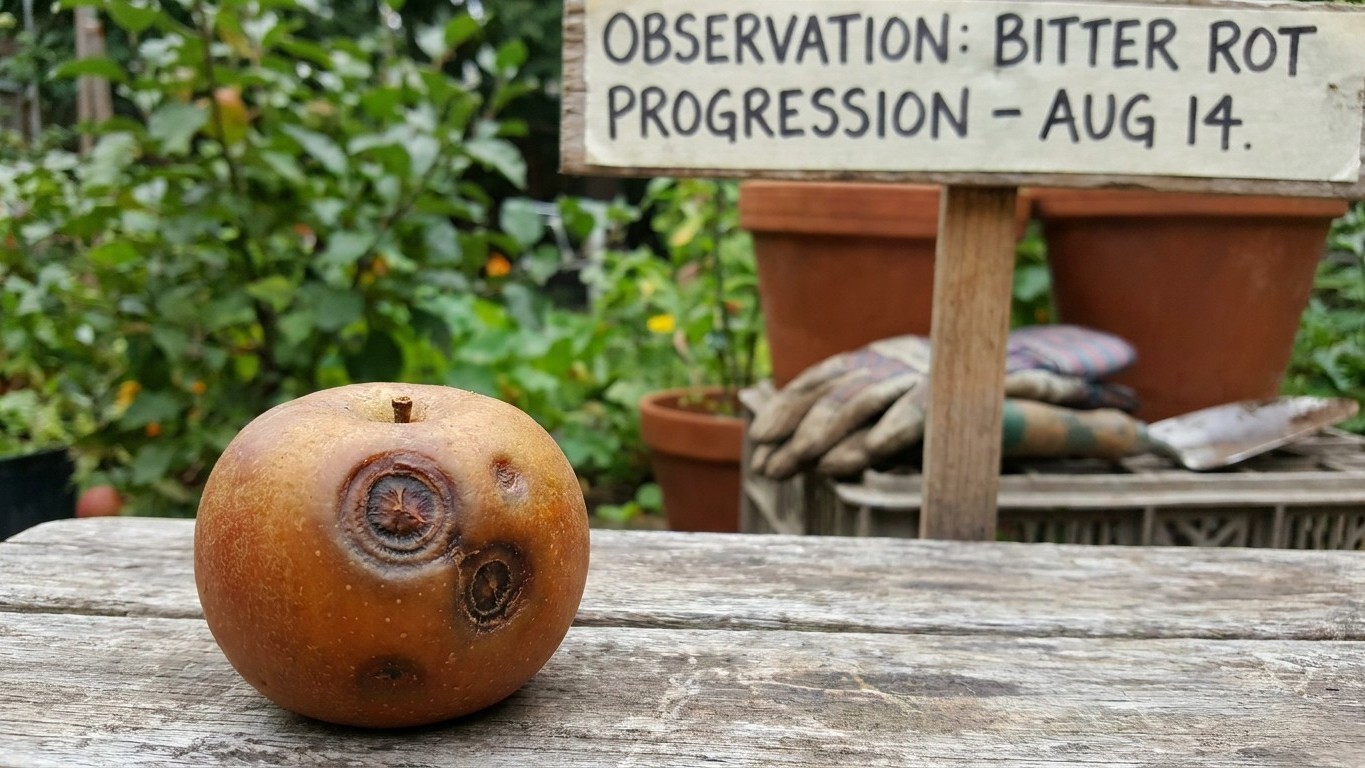
Bitter rot causes sunken, cone-shaped lesions on apples during warm rainy weather, spreading from cankers and dead wood already in the orchard.
Home & garden, state by state
Bitter rot causes sunken, cone-shaped lesions on apples during warm rainy weather, spreading from cankers and dead wood already in the orchard.
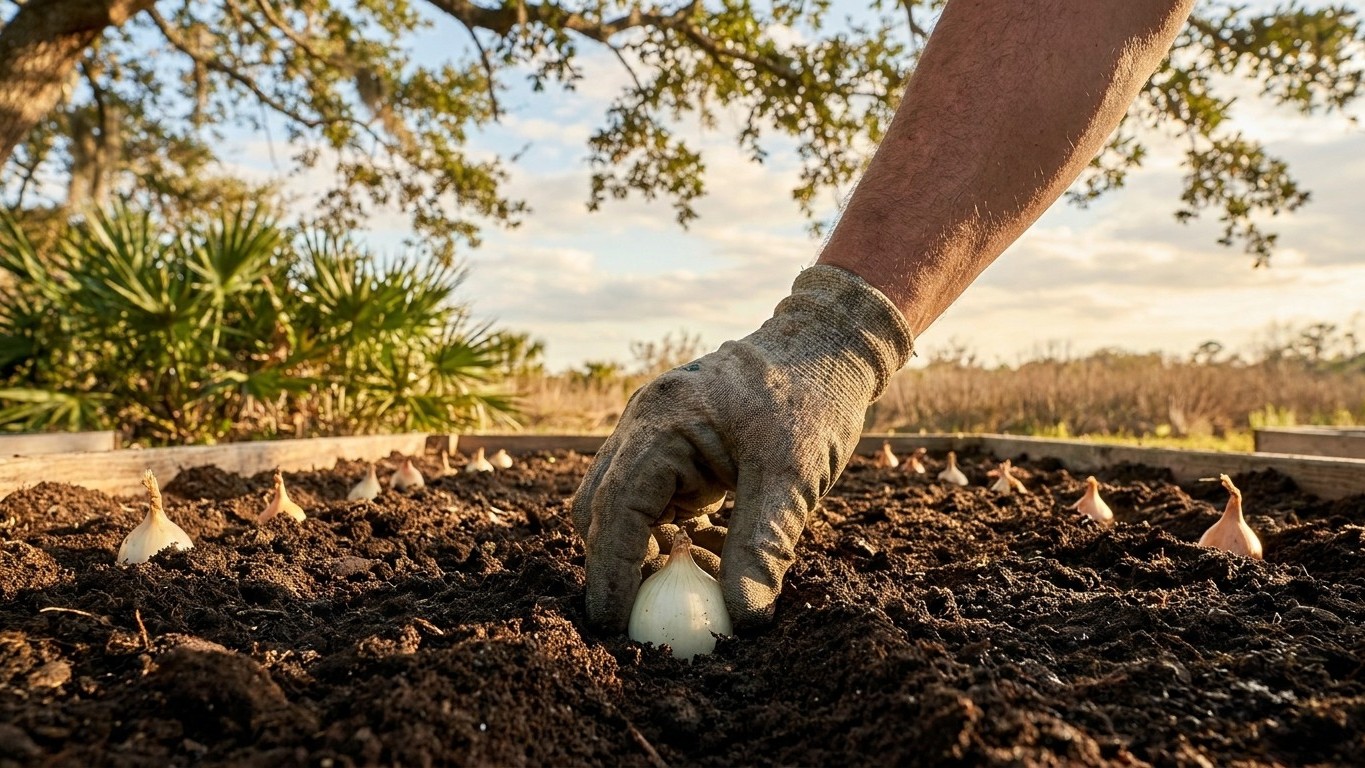
Plant short-day onions in North Florida between mid-October and early December, not in spring.
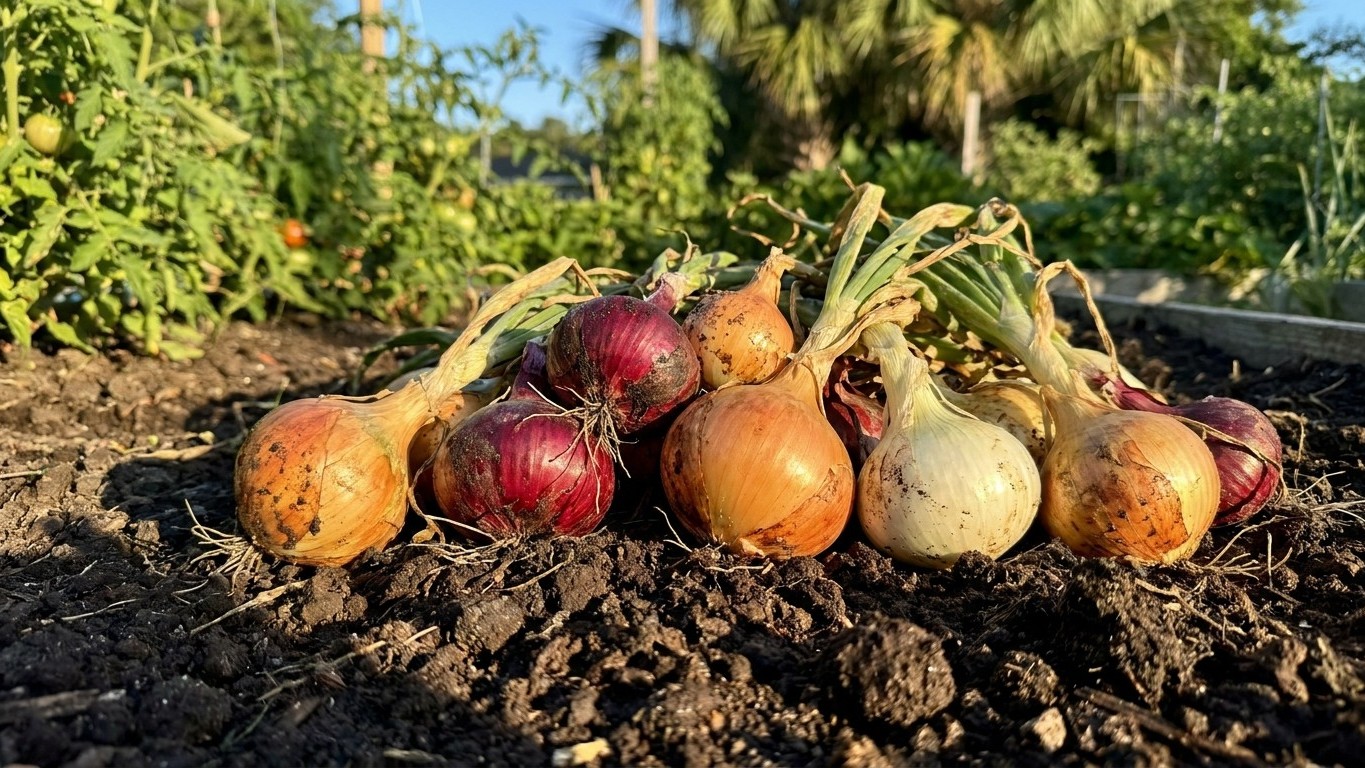
Florida gardeners need short-day onions, full stop. At 30.48°N, the reference station used for these figures sees just 13 hours and 58 minutes of…
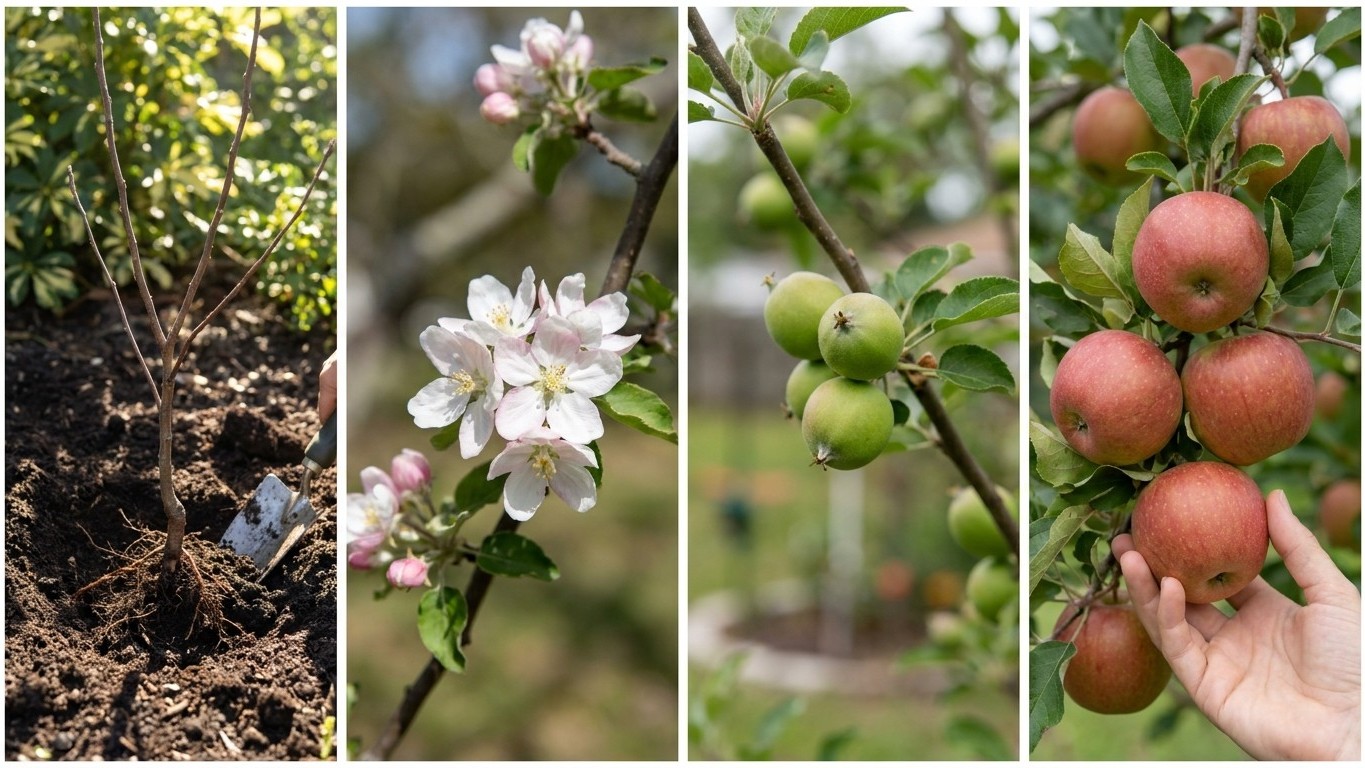
A stage-by-stage look at when Florida apple trees break dormancy, bloom and fruit, keyed to Jacksonville’s NOAA frost dates and low-chill cultivars.
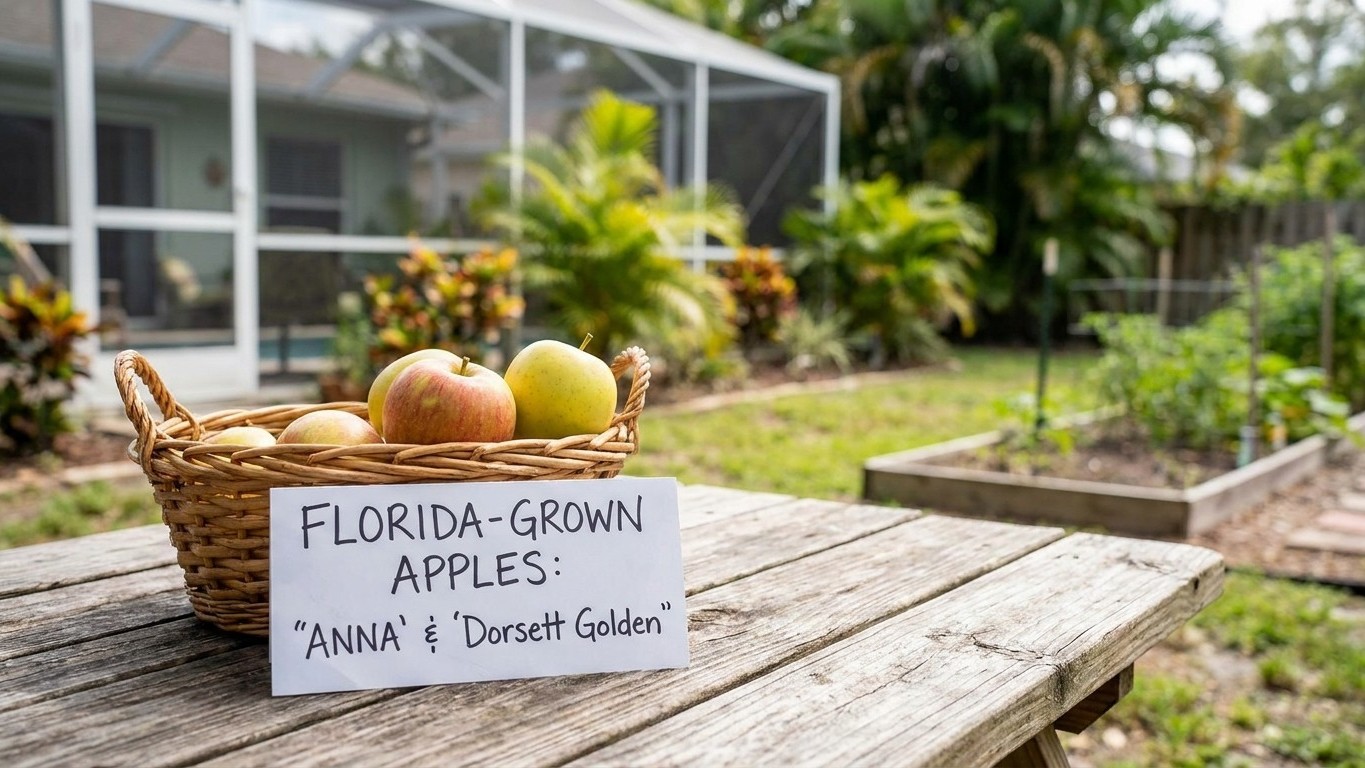
Explains why Florida’s mild winters limit apple chill hours, which regions have the best odds, and where to check for verified low-chill options.
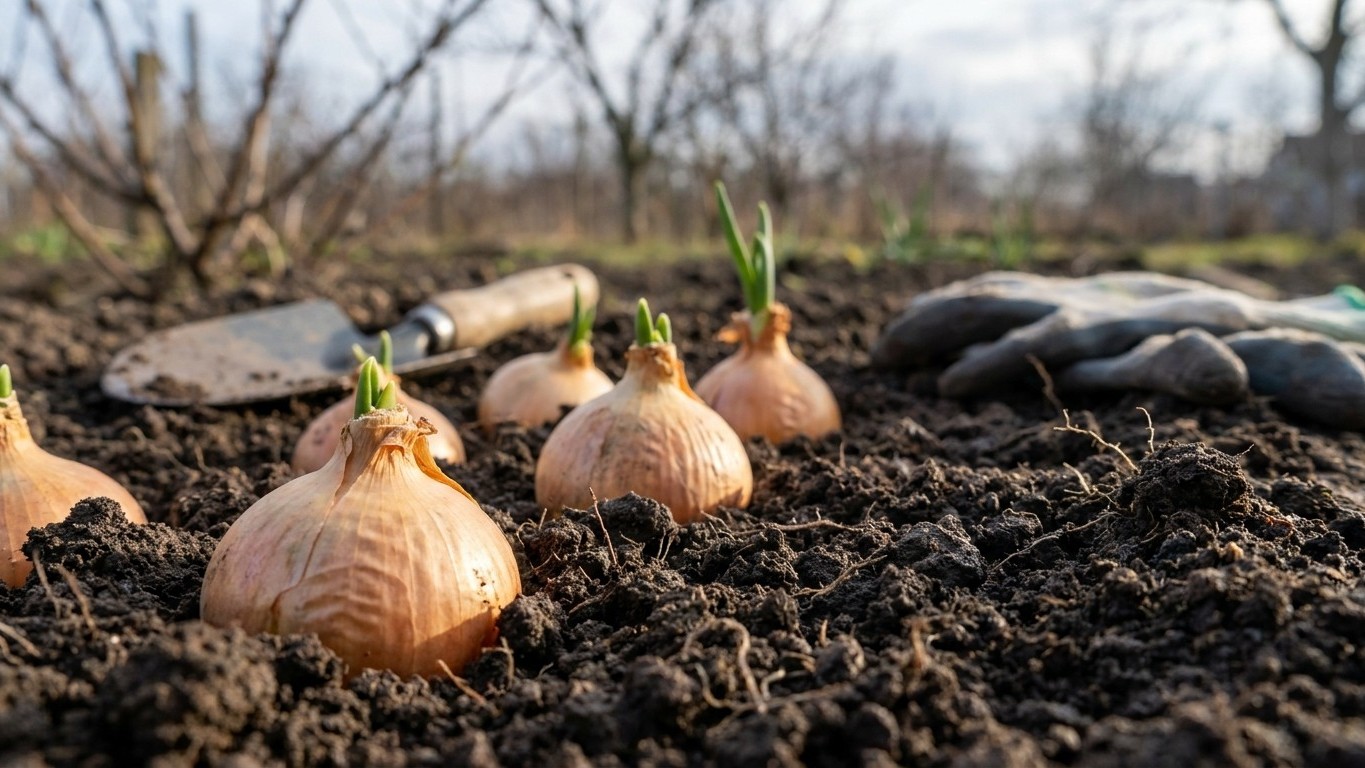
Delaware sits at 39.67 degrees north, measured at the Wilmington weather station, and on the longest day of the year the sun gives that spot 14 hours and…
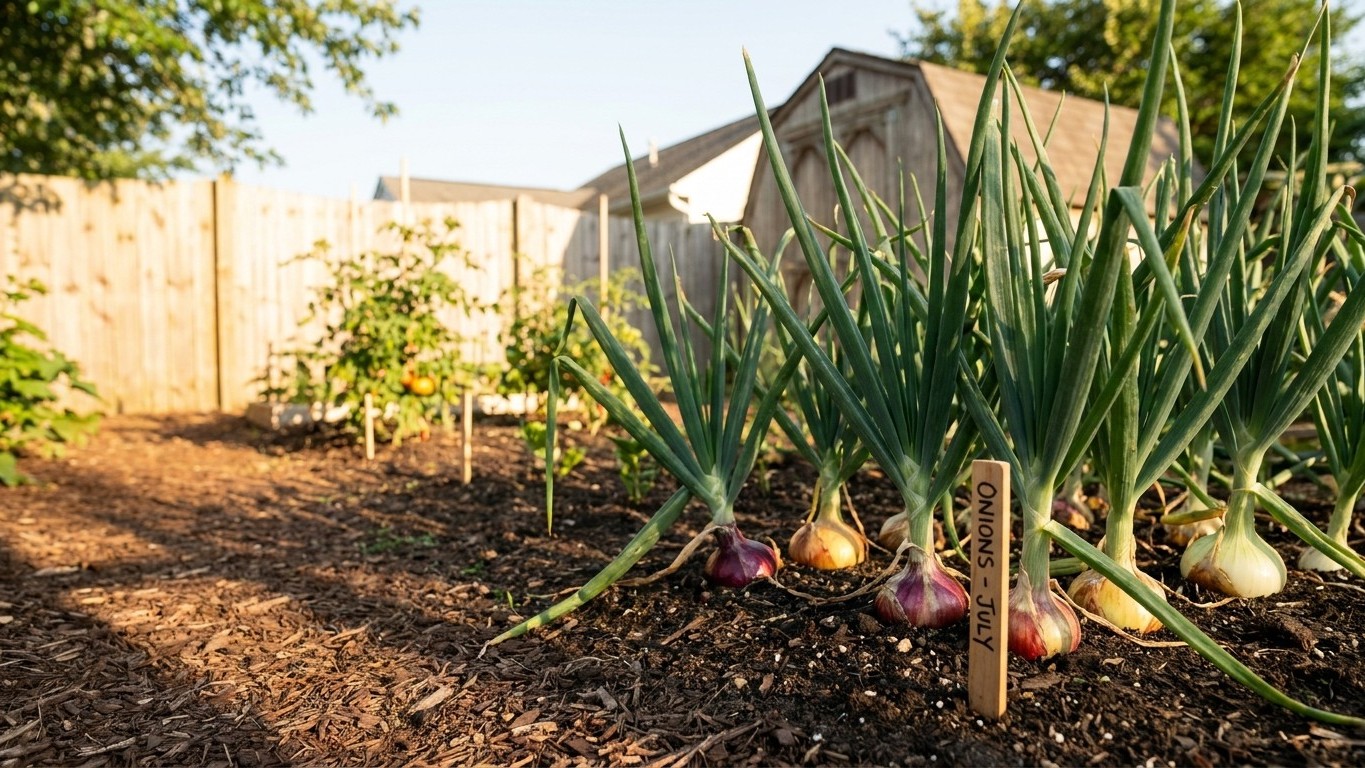
Delaware sits at 39.67 degrees north latitude, measured at Dover, where the longest day of the year delivers 14 hours and 49 minutes of daylight.
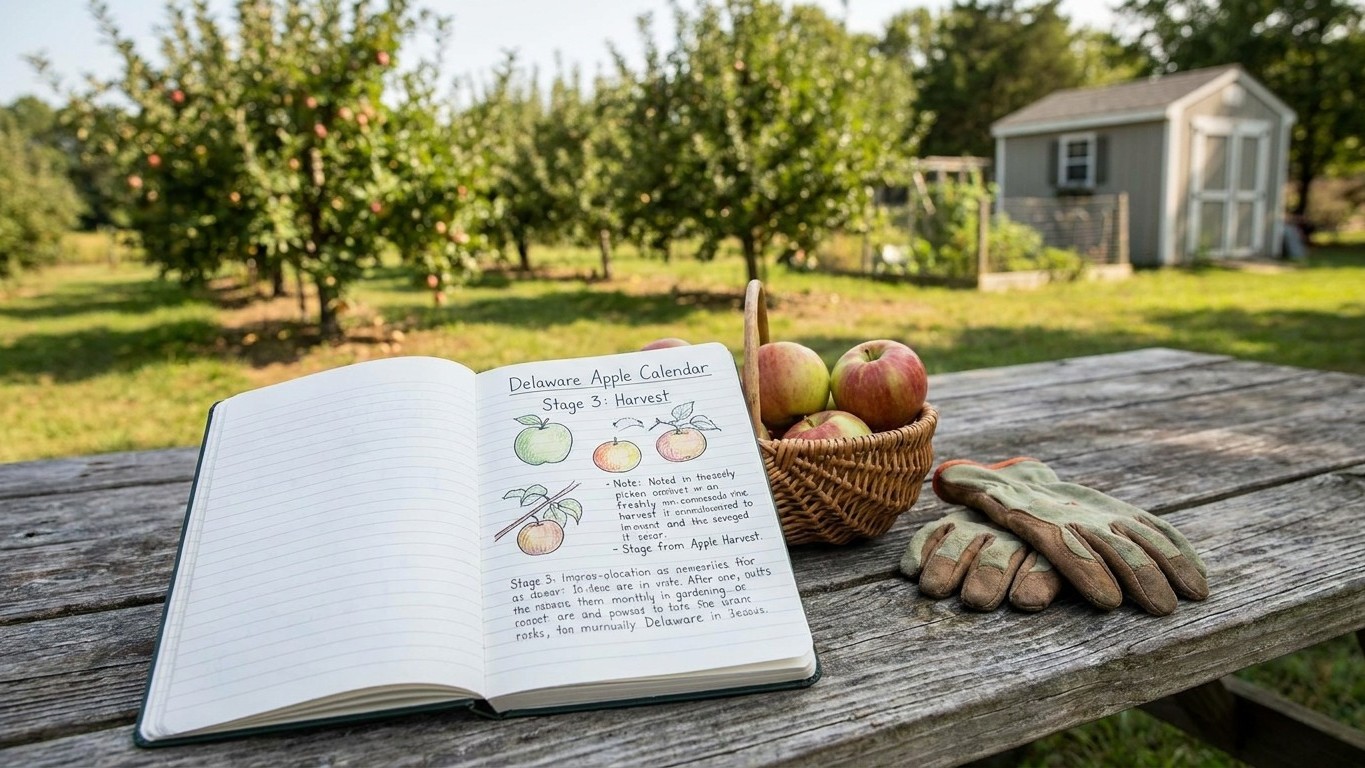
A stage-by-stage apple calendar for Delaware, tied to NOAA’s Wilmington frost dates, covering pruning, bloom, fruit set and harvest timing.
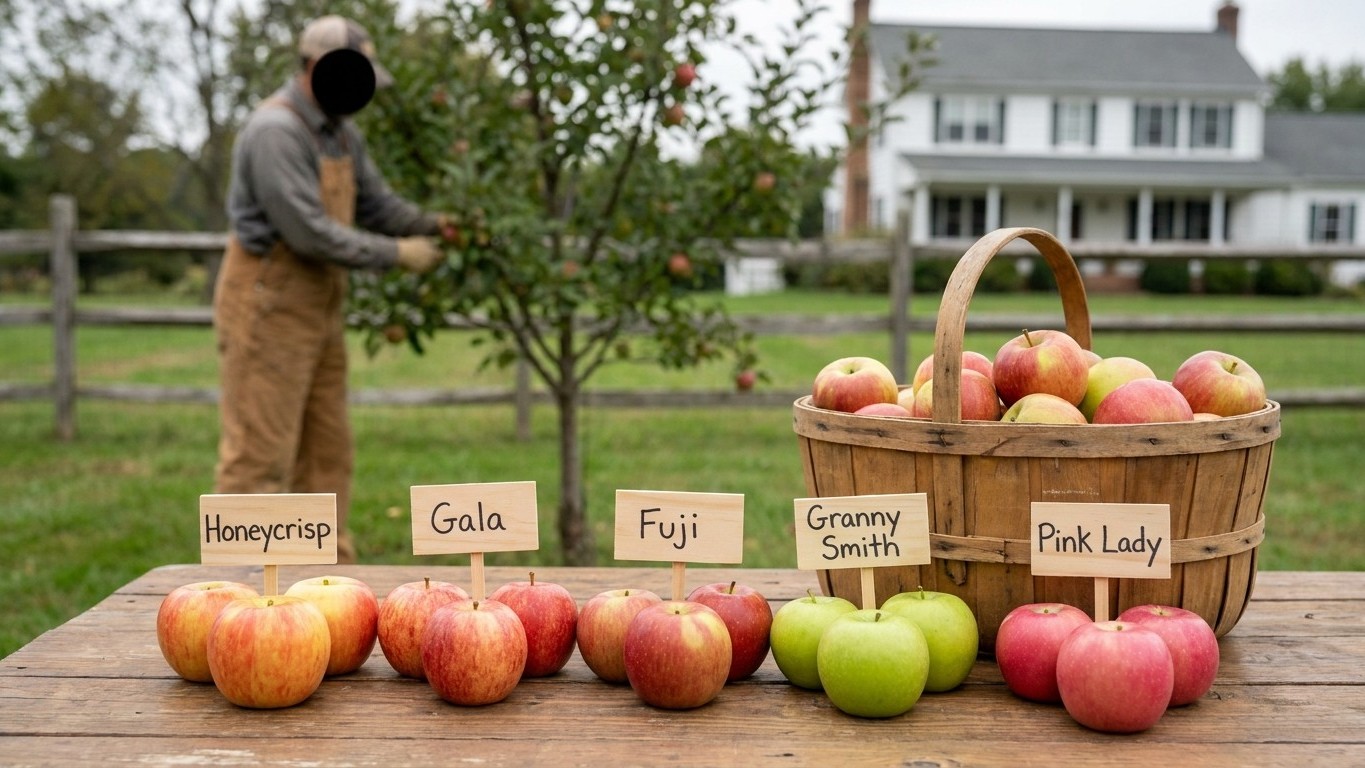
Delaware’s apple success depends on matching bloom time to Wilmington’s frost window and confirming enough winter chill, not on chasing a single named variety.
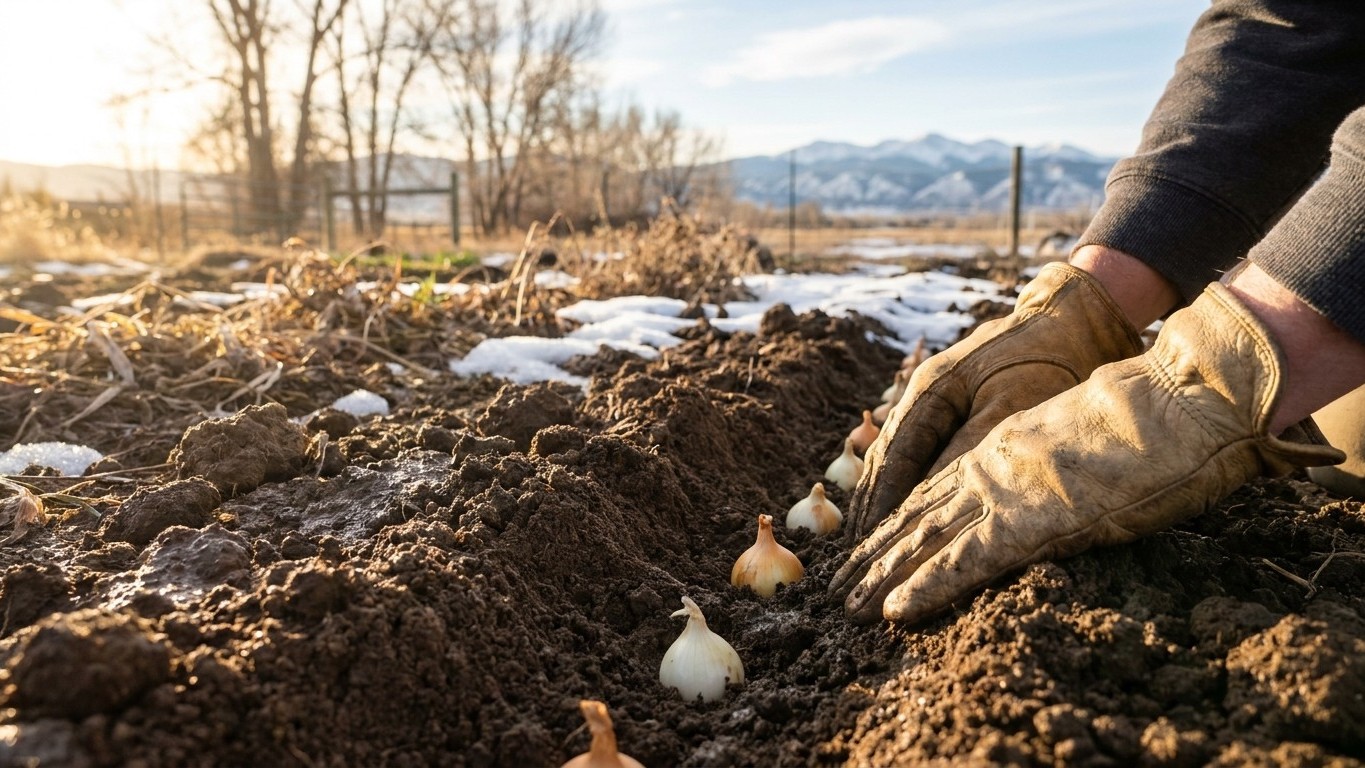
Colorado onion growers plant in late winter to early spring, not fall. At Denver’s latitude of 39.83°N, the longest day of the year delivers 14 hours and…