Growing Apples in Kansas: Varieties, Timing and Frost Risk
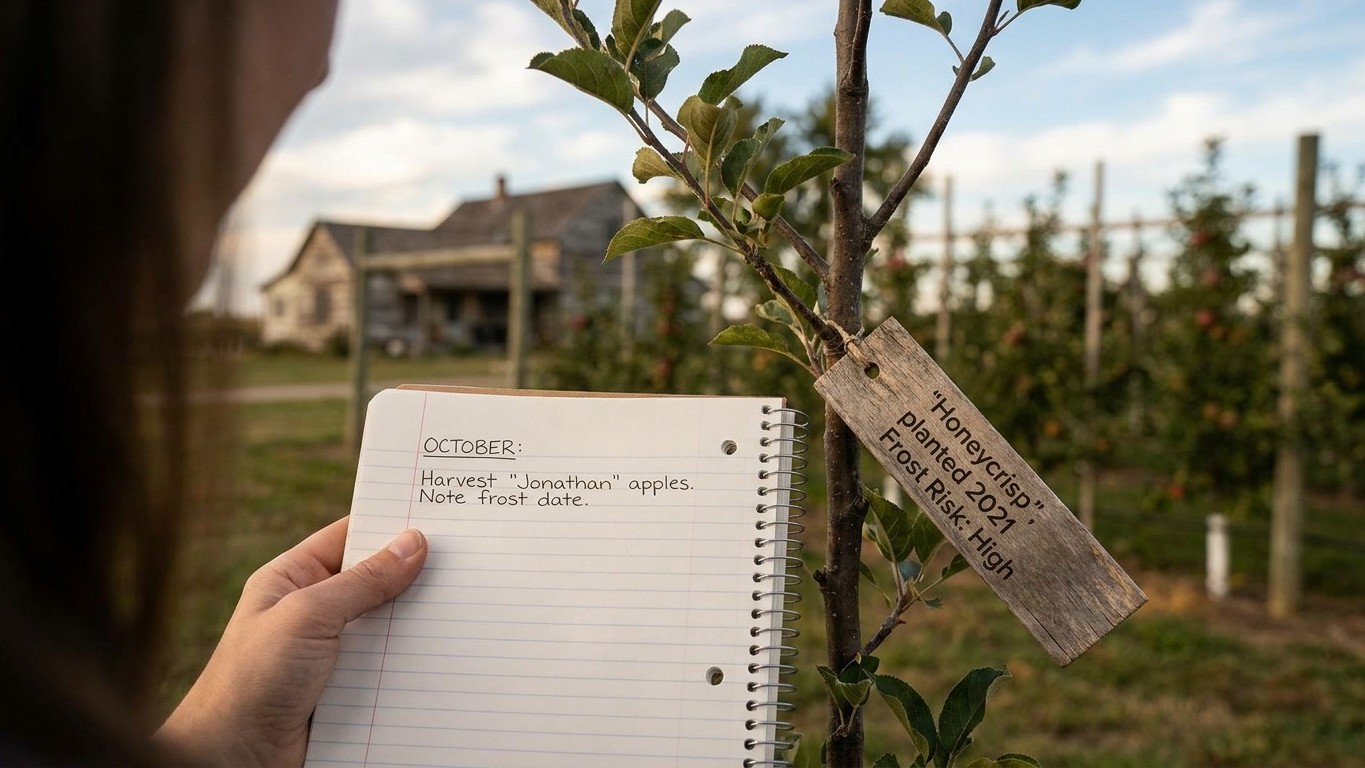
Kansas can grow apples in every region, but variety choice, chill needs, and Wichita’s spring frost window determine whether the bloom survives.
Home & garden, state by state
Kansas can grow apples in every region, but variety choice, chill needs, and Wichita’s spring frost window determine whether the bloom survives.
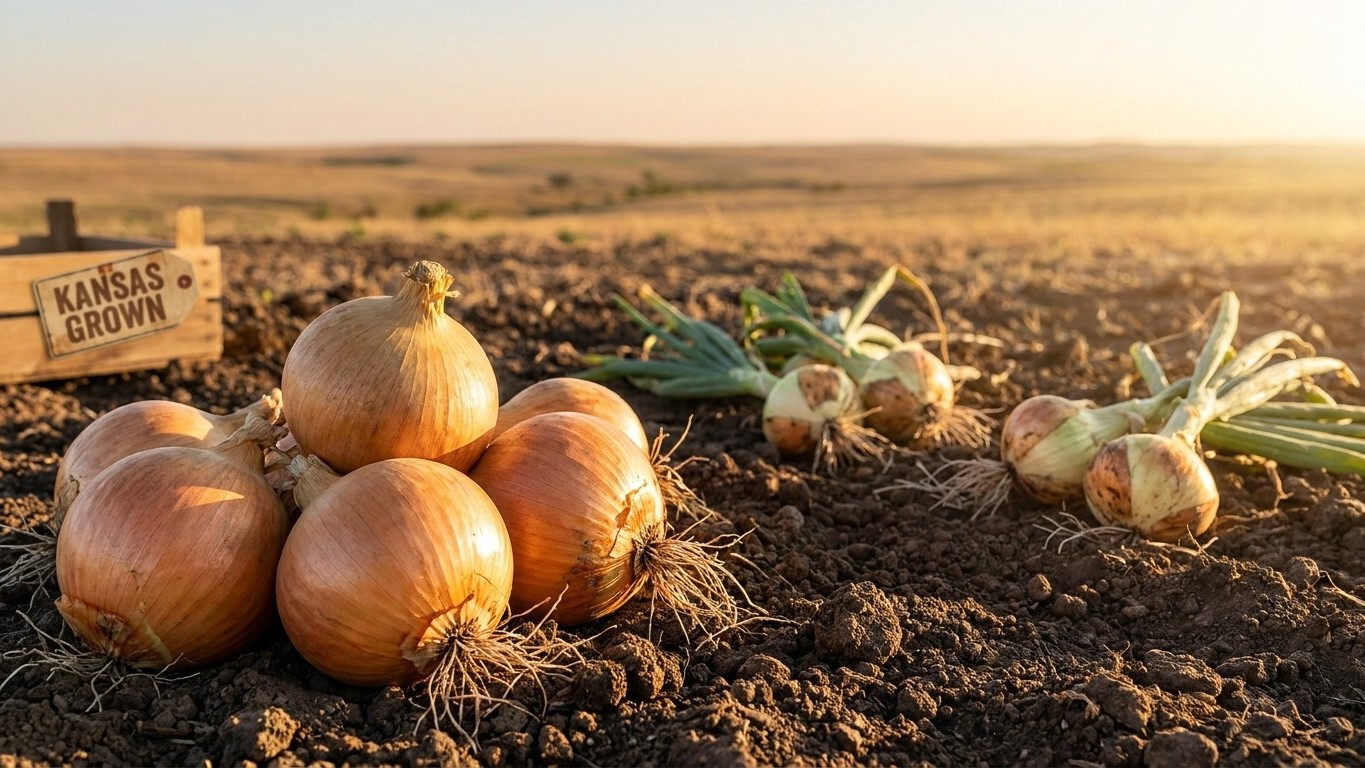
At 37.65 degrees north, Wichita gets 14 hours and 36 minutes of daylight on the longest day of the year.
Iowa’s mean first fall frost lands somewhere between October 14 and October 25, based on thirty years of weather station data recorded near Des Moines.
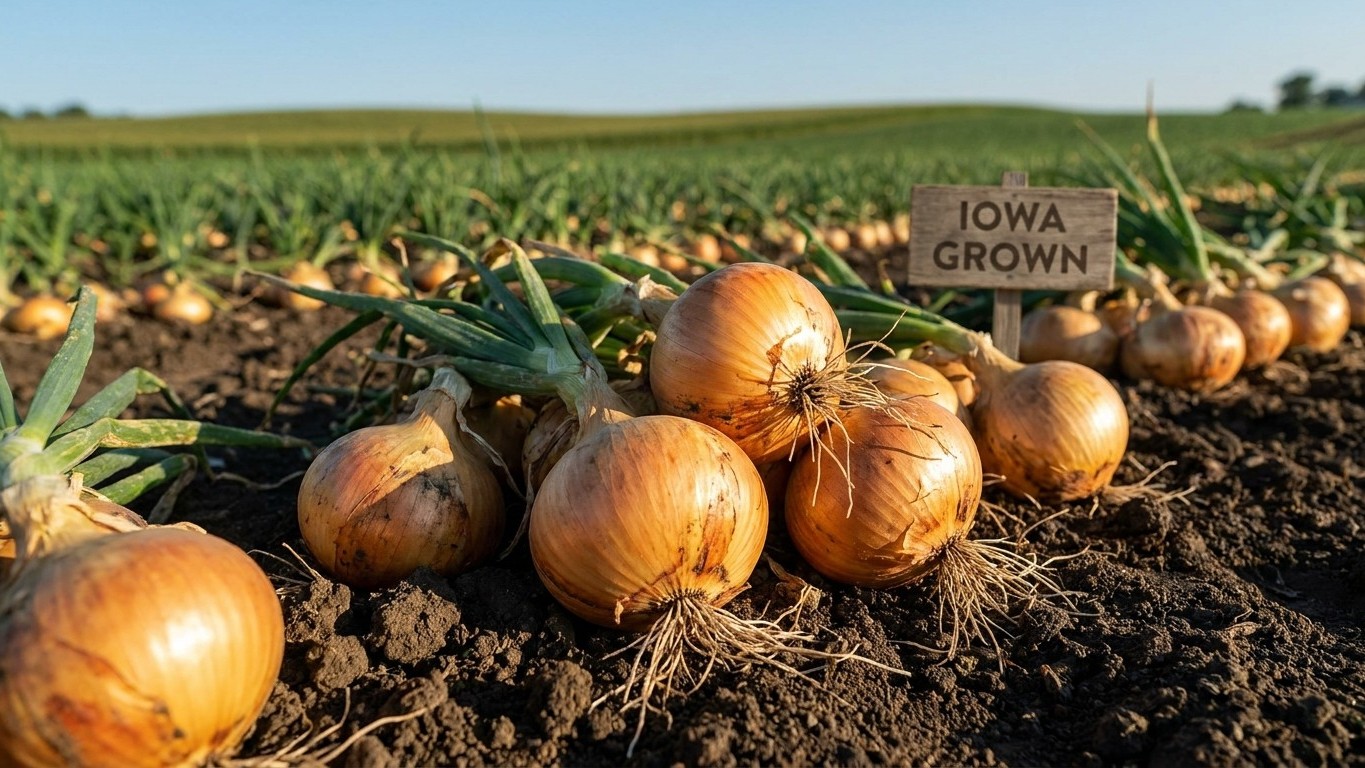
At 41.53 degrees north, the reference station for this territory gets 15 hours and 1 minute of daylight on the longest day of the year.
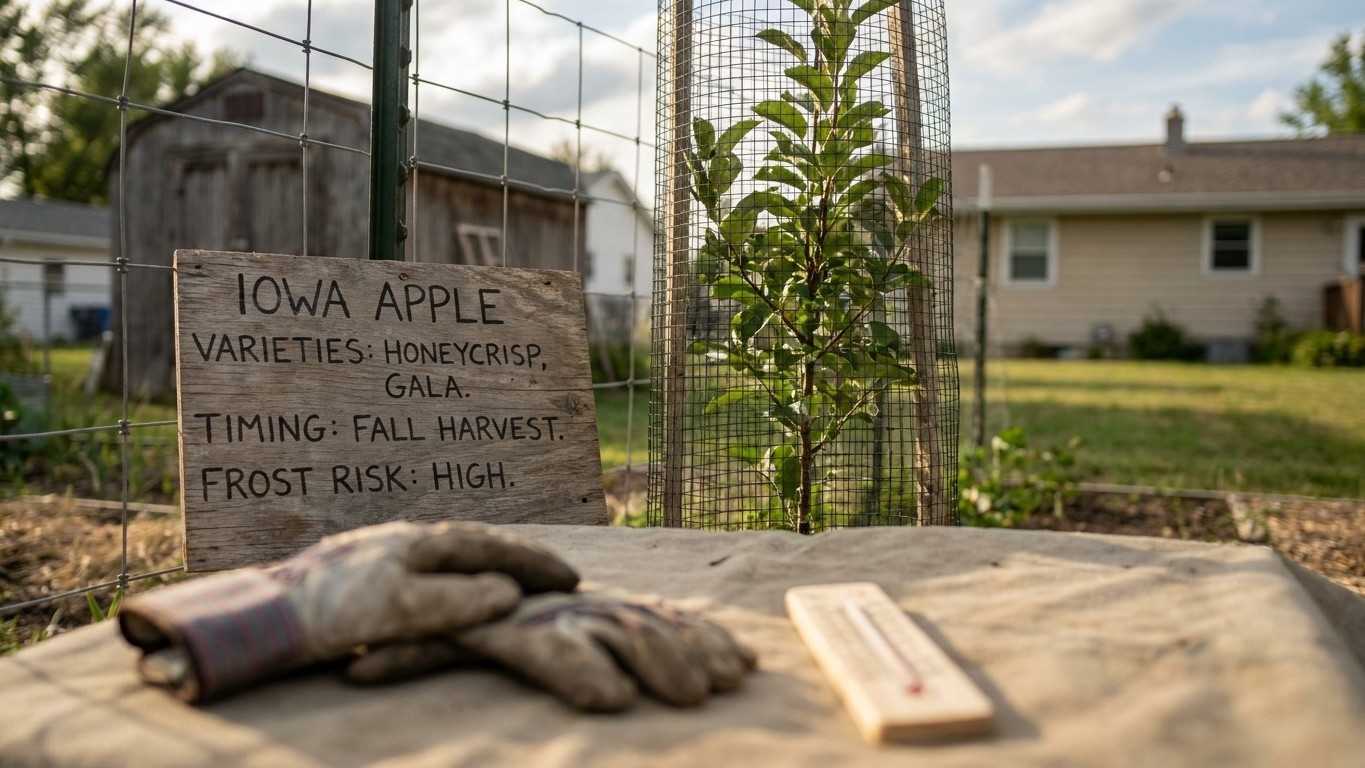
Iowa spans USDA zones 4b to 6a, so variety choice, pollination pairing and frost timing depend heavily on where in the state you plant.
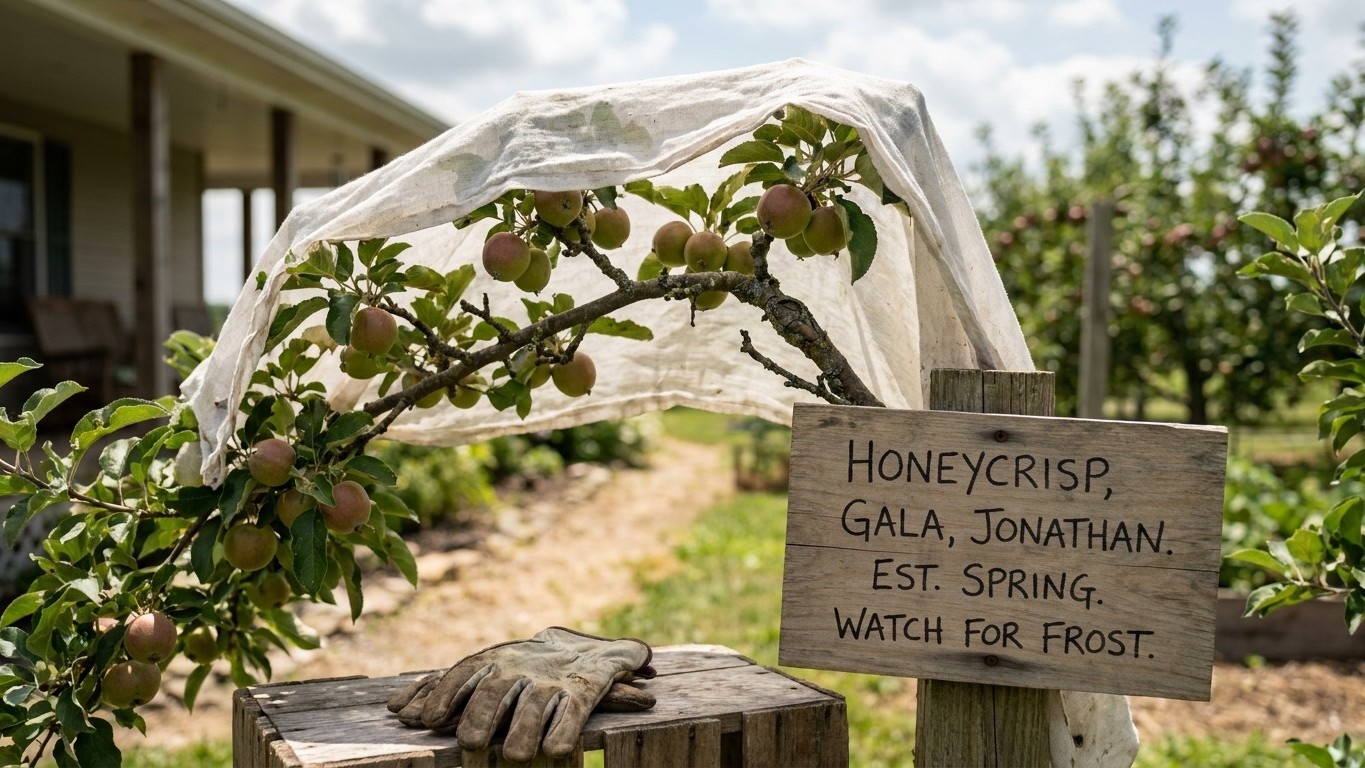
Indiana’s apple-growing range covers Zone 5b to 7a, with winter hardiness rarely the limiting factor and spring frost at bloom the real risk to watch.
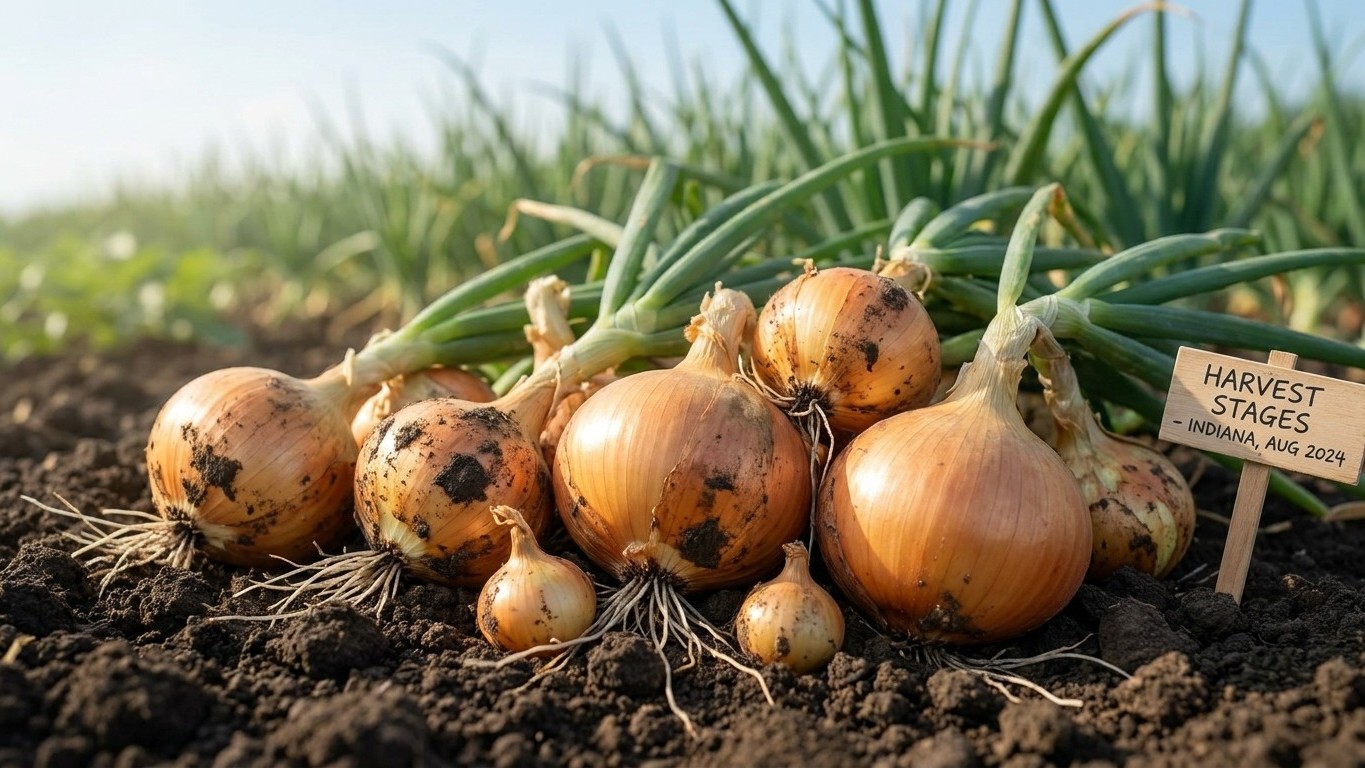
Indianapolis sits at 39.71 degrees north, and on the longest day of the year the sun gives it 14 hours and 49 minutes of daylight.
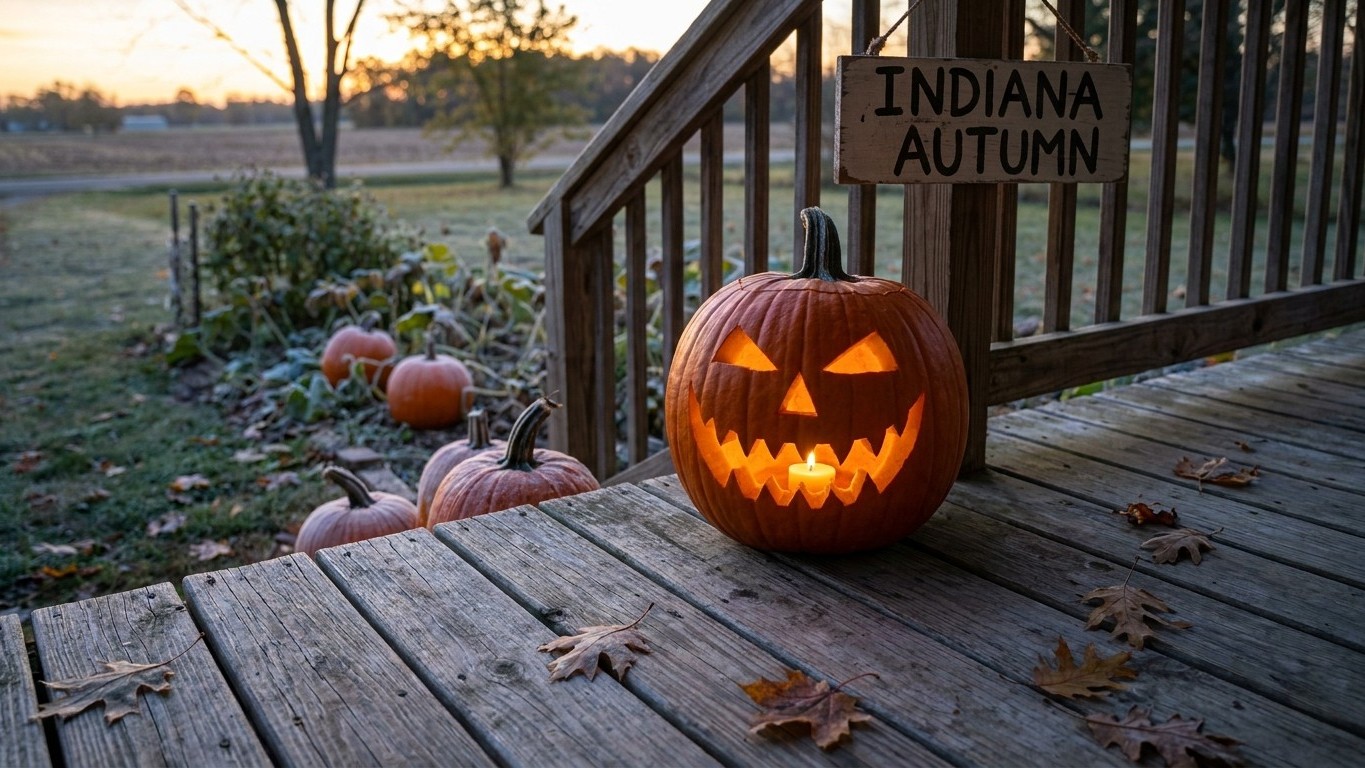
Indianapolis sees its average first fall frost somewhere between October 21 and October 30, which puts it right on top of Halloween, not weeks ahead of it.
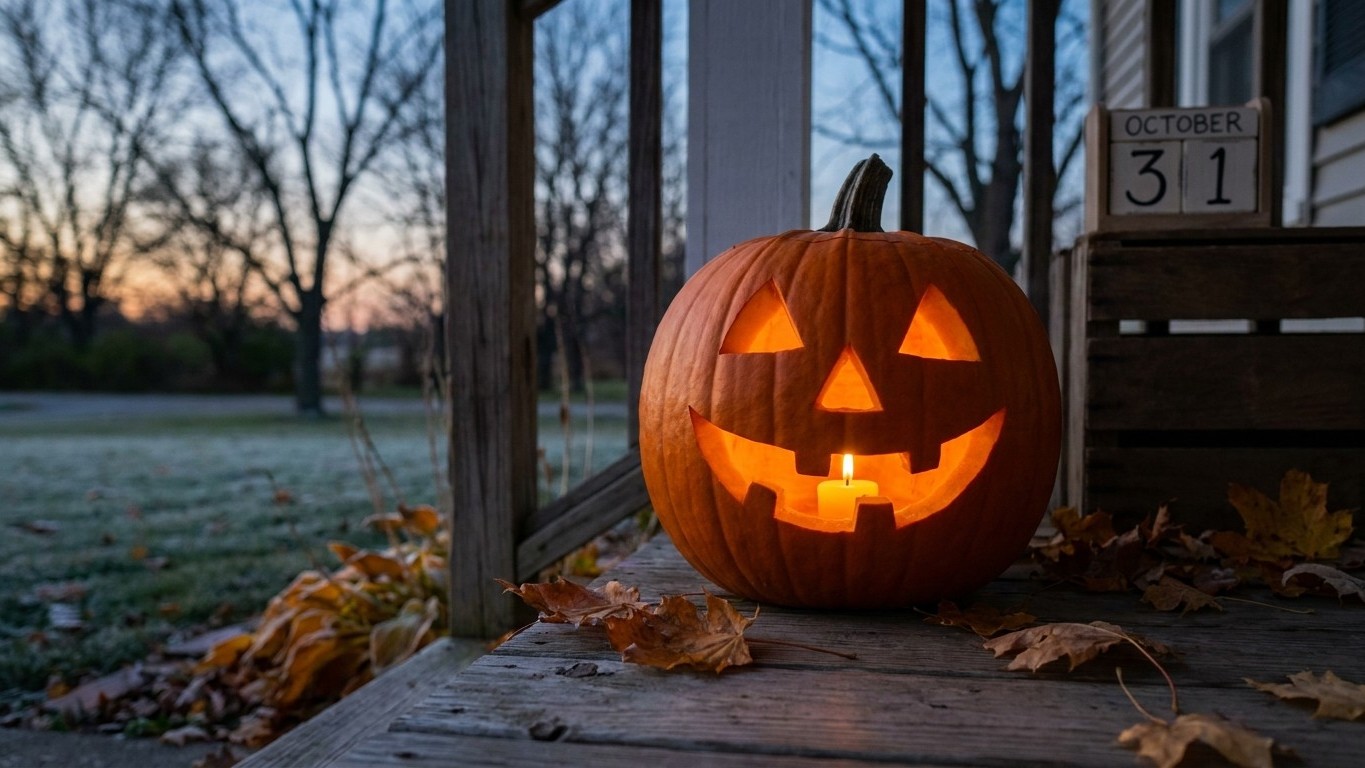
Around Chicago, the mean first fall frost lands somewhere between October 24 and November 3.
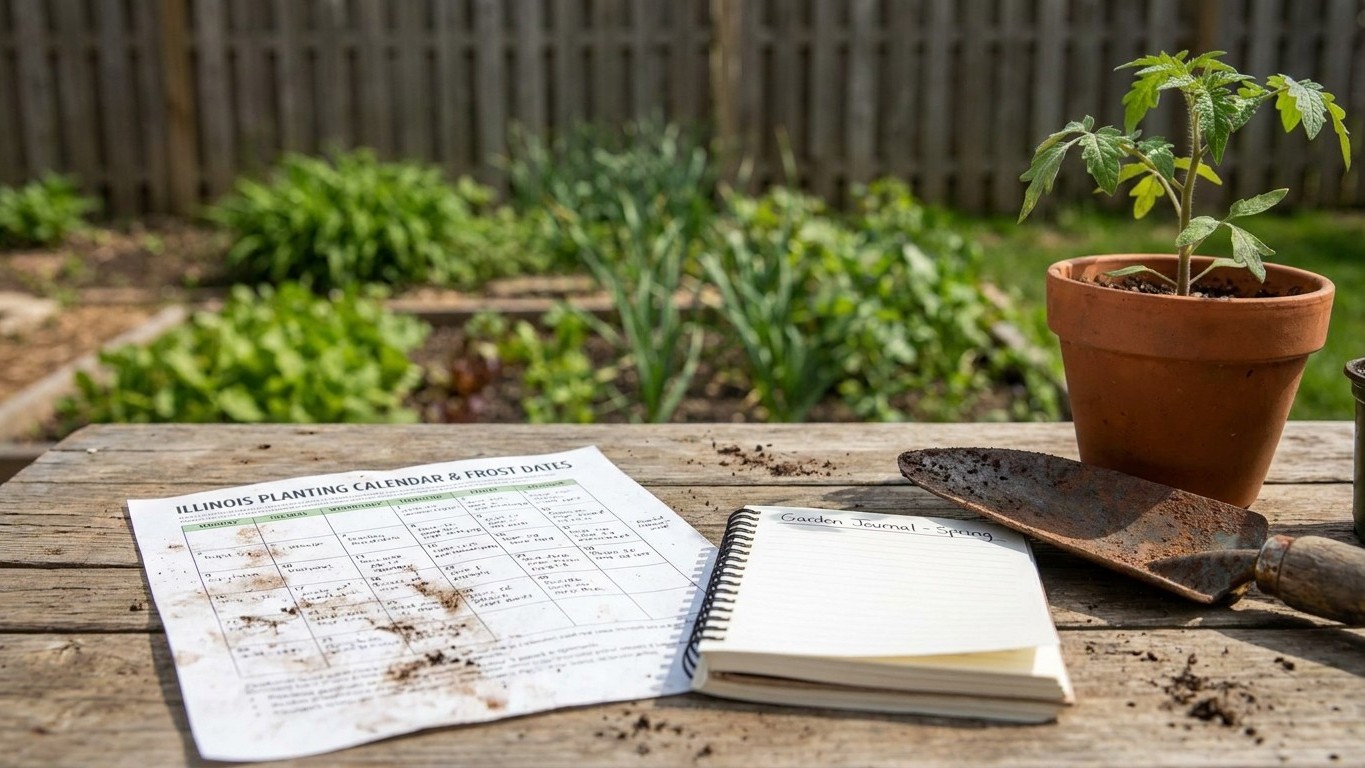
Illinois gardeners get NOAA’s Chicago-area frost dates, cool-season and warm-season planting windows, and calculated transplant dates for several tomato varieties.