The Best Grass Seed for Texas Lawns
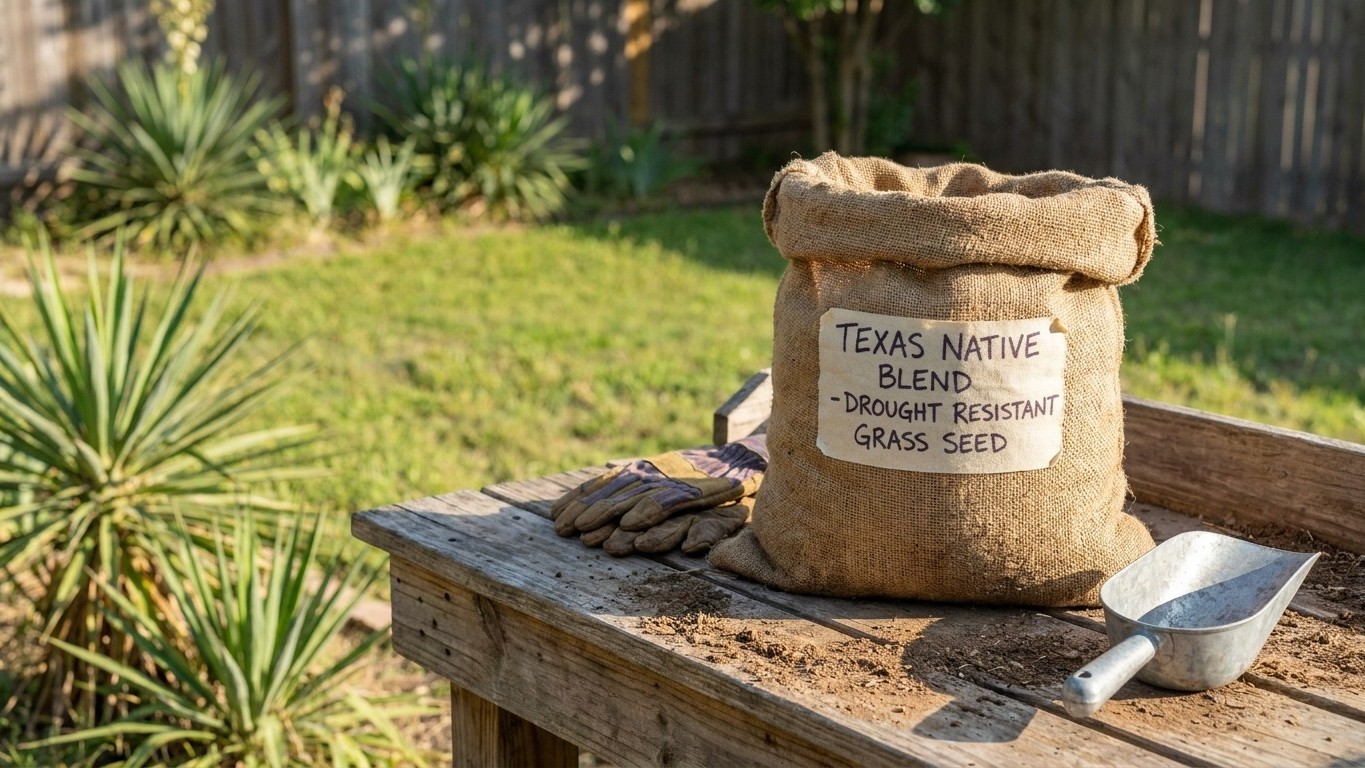
Explains why Texas lawns need warm-season grass species, how Houston’s frost data affects timing, and which grasses suit different yard conditions across the state.
Home & garden, state by state
Explains why Texas lawns need warm-season grass species, how Houston’s frost data affects timing, and which grasses suit different yard conditions across the state.
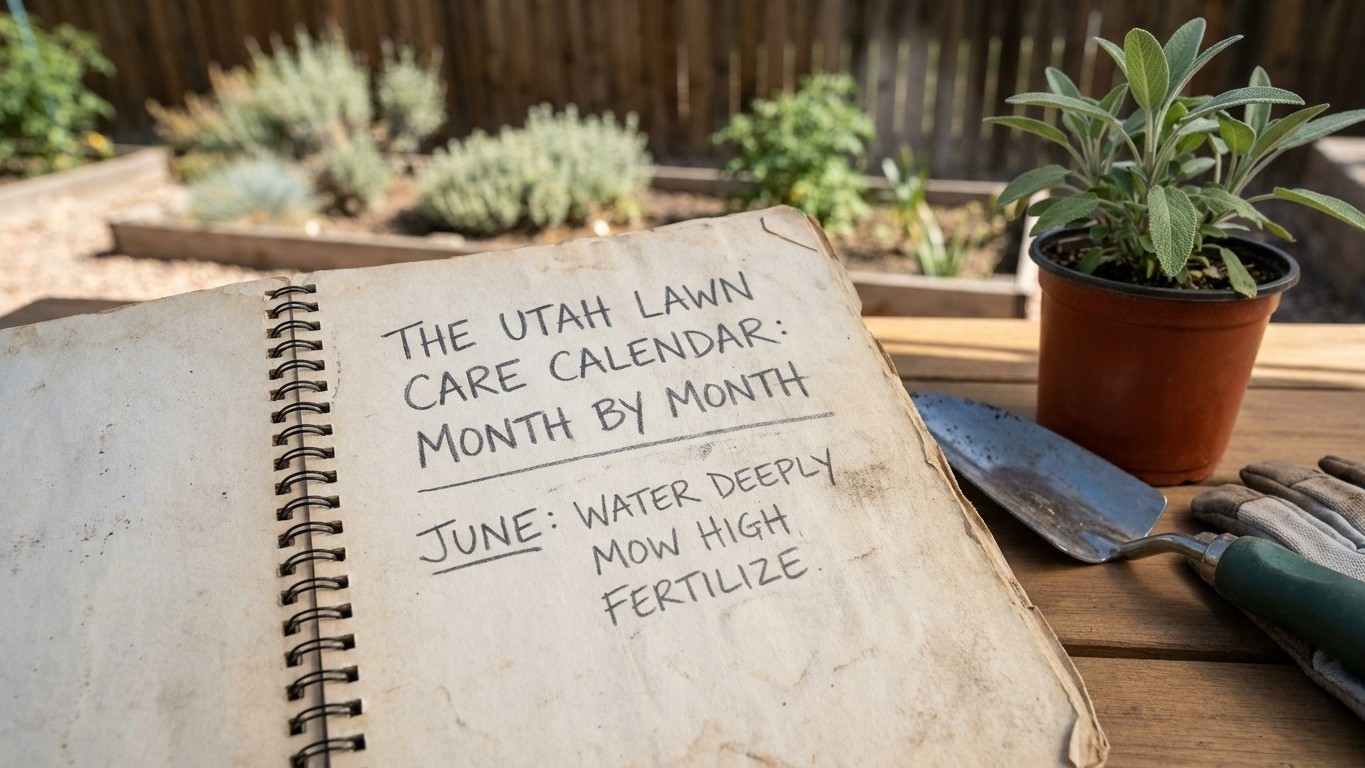
A month-by-month lawn calendar for Utah that separates cool-season grasses like tall fescue from warm-season grasses like bermudagrass, since neither dominates the state’s transition-zone climate.

A month-by-month care calendar for Washington lawns, covering cool-season and warm-season grasses and the frost dates near Seattle that set the schedule.
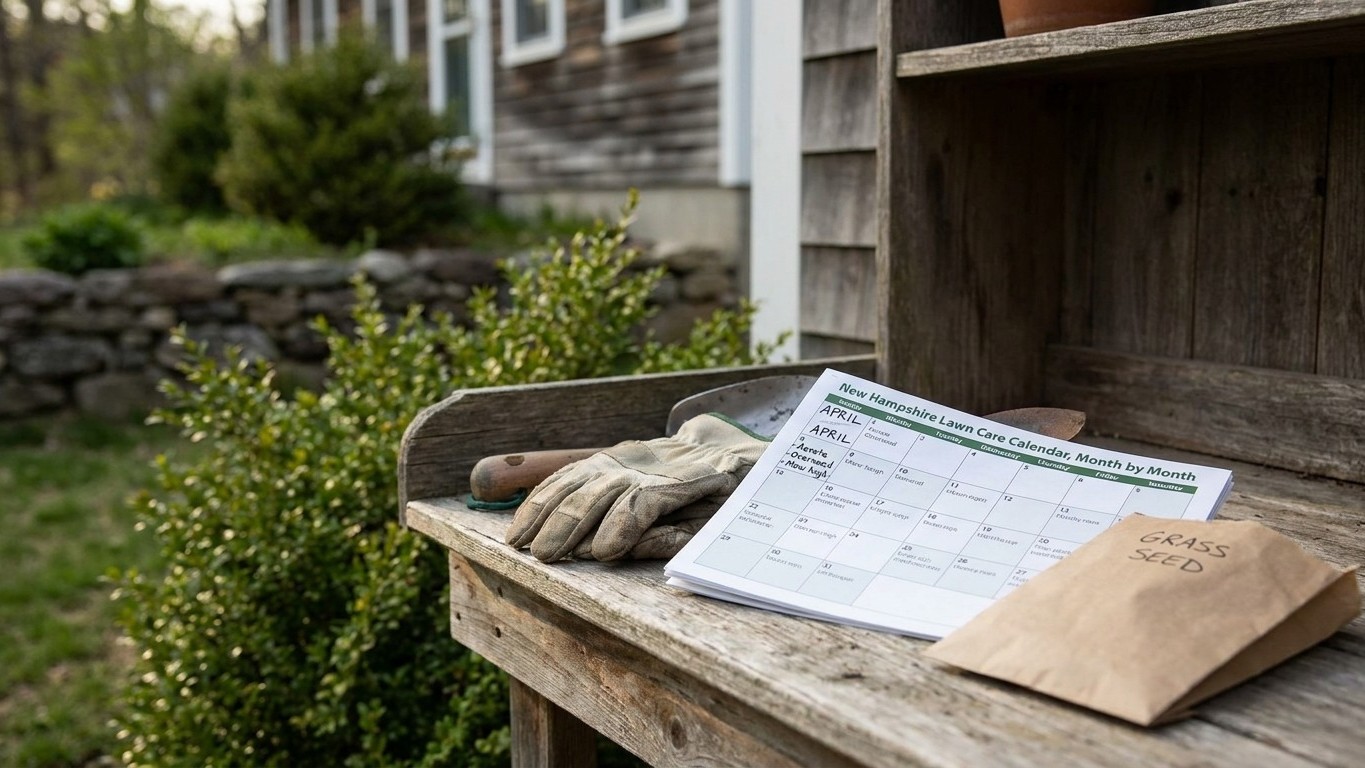
A month-by-month lawn calendar for New Hampshire, built around Manchester’s NOAA frost dates and the cool-season grasses recommended for the state.
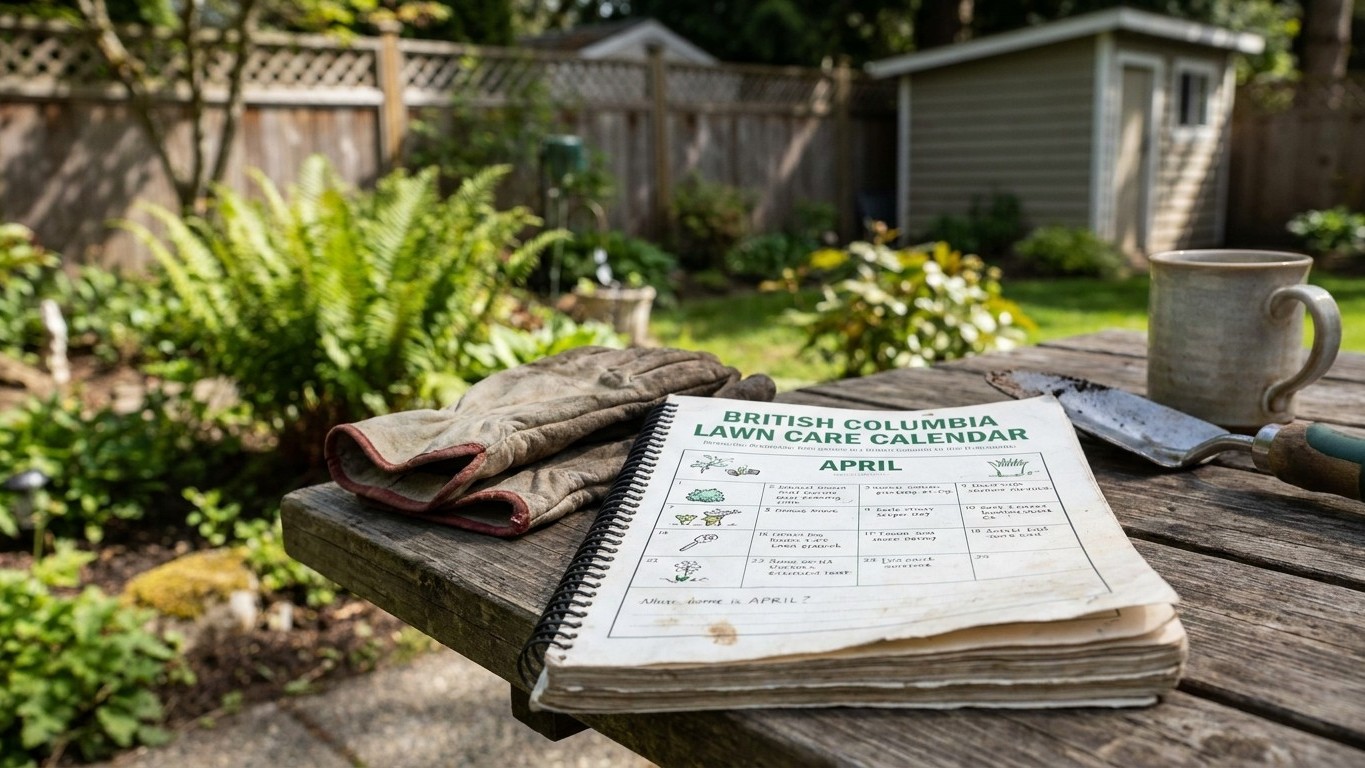
A month-by-month lawn calendar for British Columbia, built on Clemson’s species calendars and Environment Canada’s Vancouver frost normals.
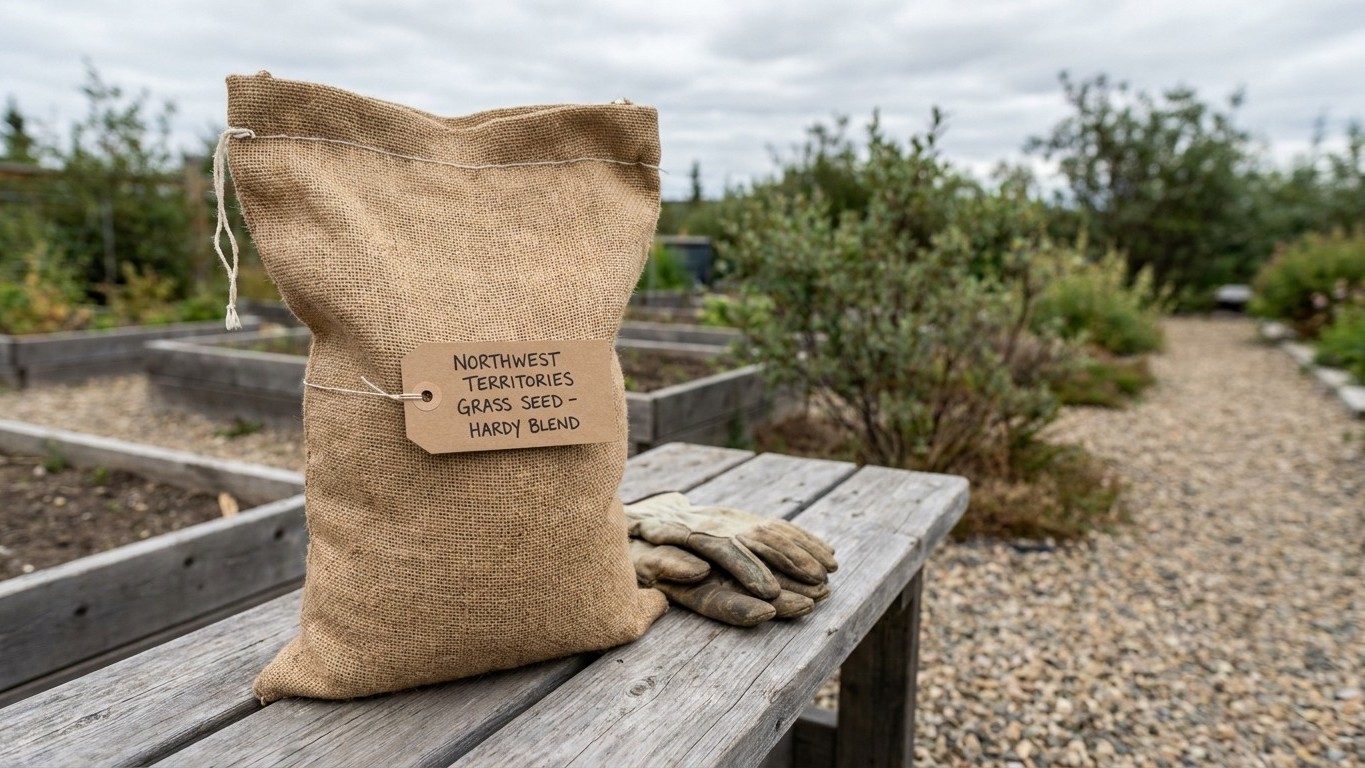
Cool-season grasses are the only realistic choice for Northwest Territories lawns, and Yellowknife’s climate normals set the narrow seeding window each species needs to establish.
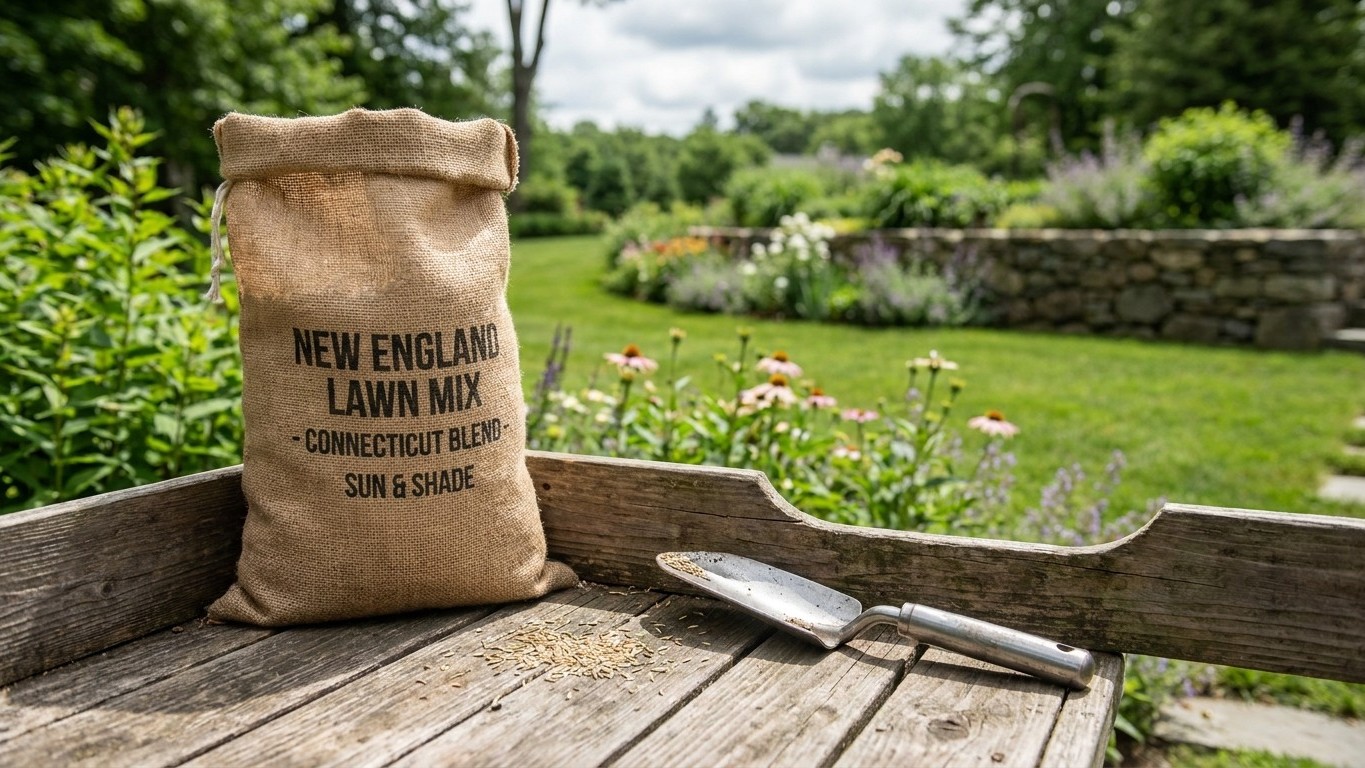
Connecticut’s cool-season climate favors Kentucky bluegrass, tall fescue and fine fescue, seeded in fall using Bridgeport’s frost dates as a guide.
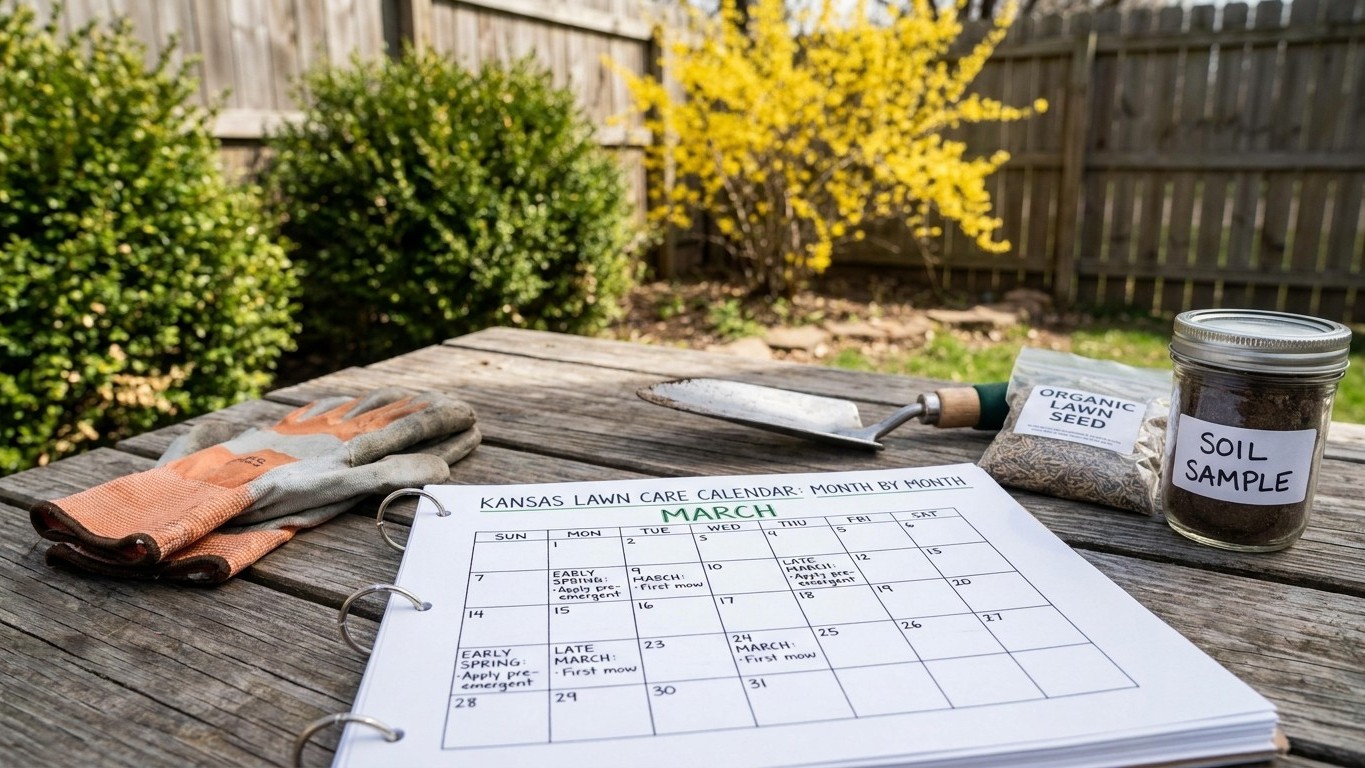
A month-by-month guide to feeding, mowing and seeding cool-season and warm-season lawns in Kansas, based on Wichita’s climate normals and Clemson’s turf calendars.

A month-by-month look at Oregon lawn care, covering both cool-season and warm-season grasses, Portland’s frost dates, and the trade-offs of each choice.

Prince Edward Island lawns need cool-season grass seed. Here’s how fine fescue, Kentucky bluegrass, perennial ryegrass, rough bluegrass and tall fescue compare.