Snow Mold: What the Grass Looks Like When the Snow Leaves
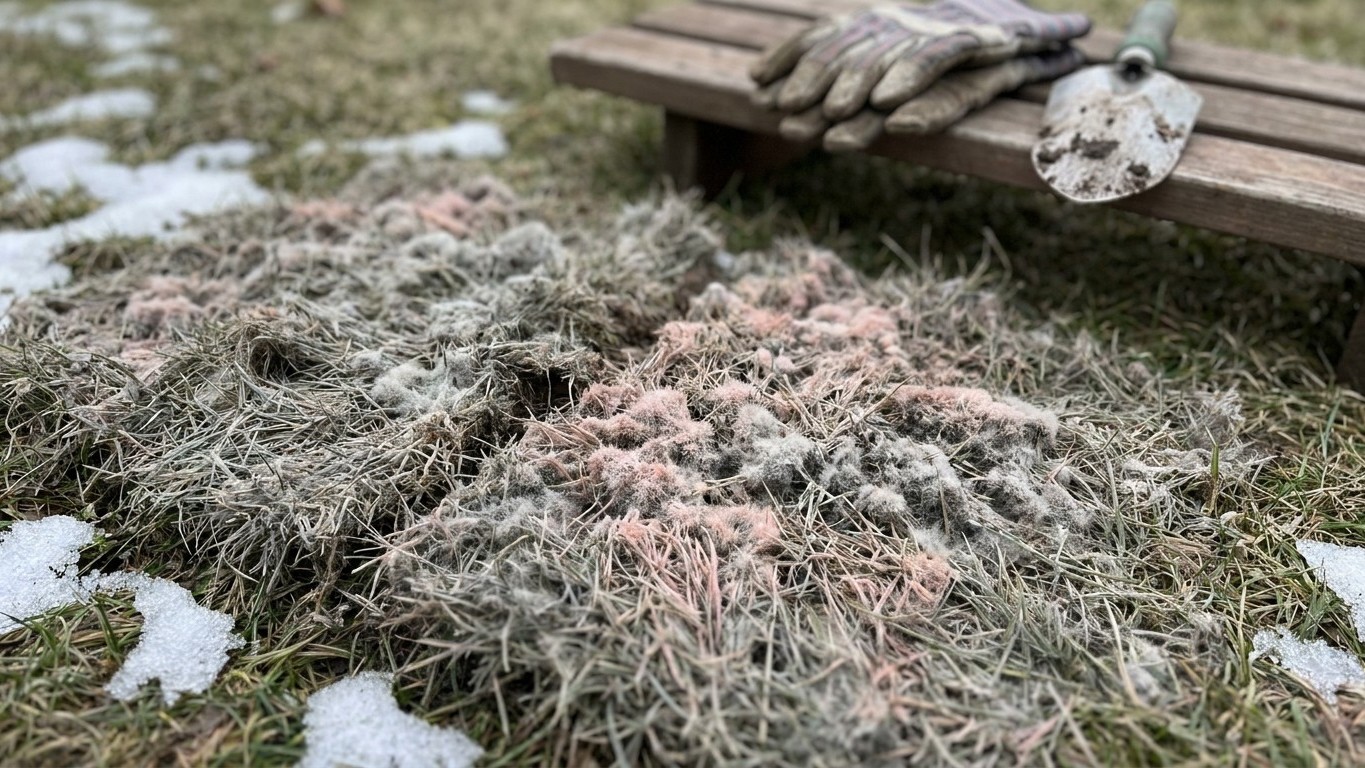
Snow mold leaves matted, discolored patches when snow melts. Here’s how to tell it from dormancy or vole damage and what to do about it.
Home & garden, state by state
Snow mold leaves matted, discolored patches when snow melts. Here’s how to tell it from dormancy or vole damage and what to do about it.
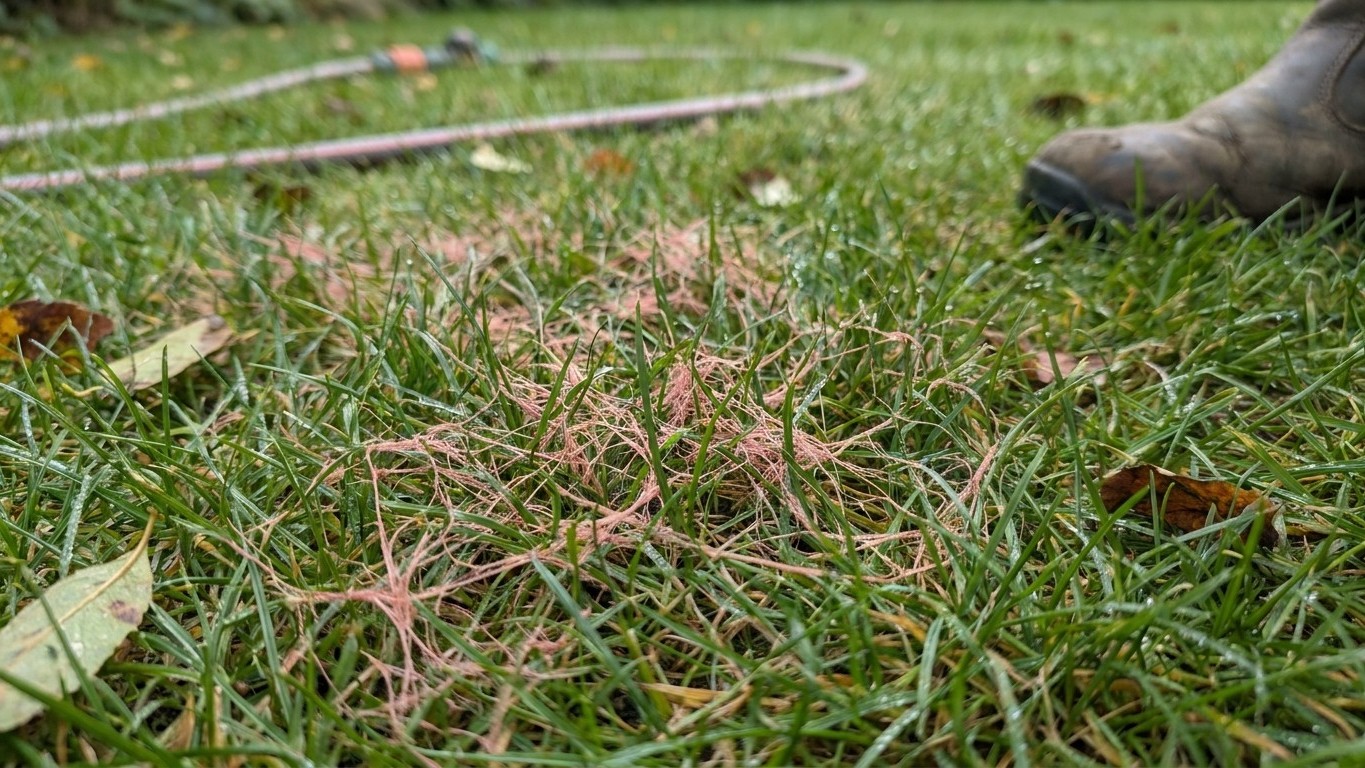
Red thread shows up as pink threads on grass blades during cool, damp weather, usually on lawns that are short on nitrogen.
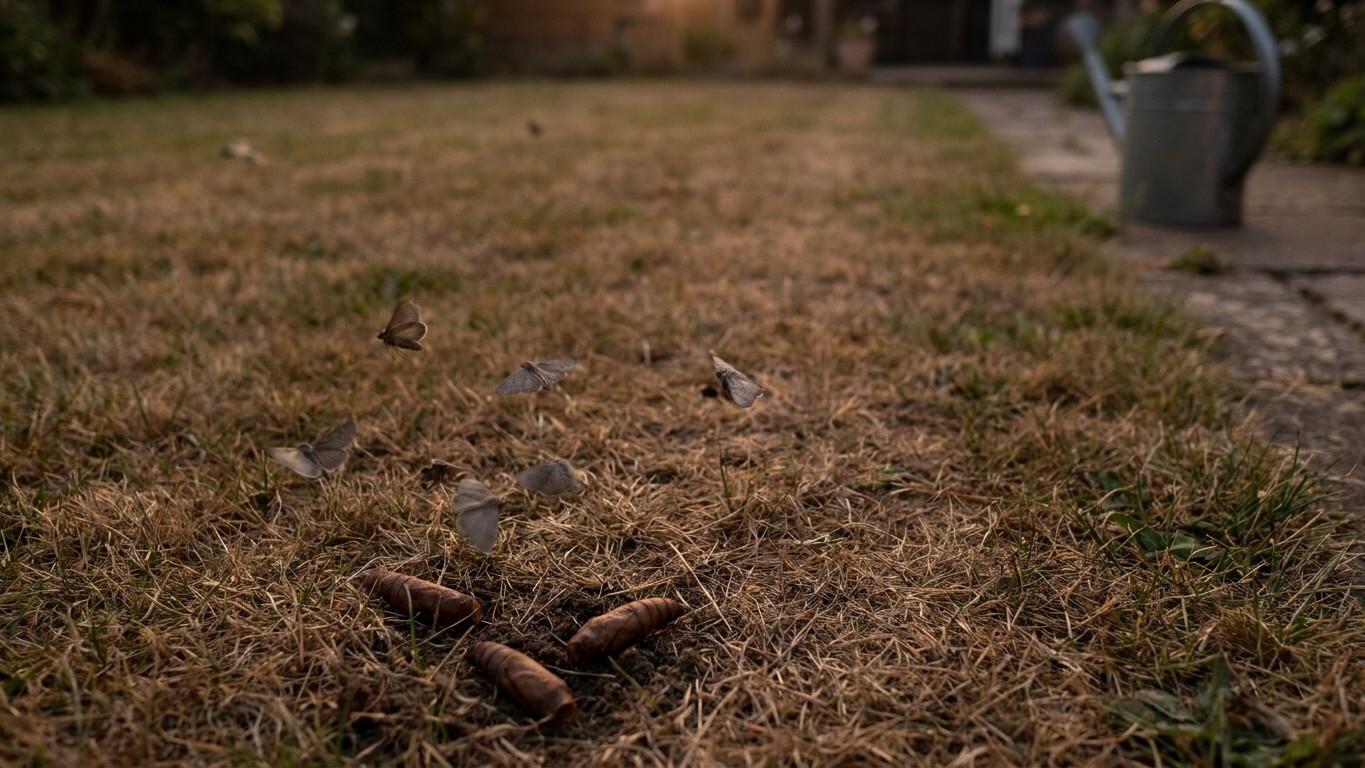
Sod webworm moths at dusk and ragged brown lawn patches explained, plus the soap flush test that tells you whether treatment is actually needed.
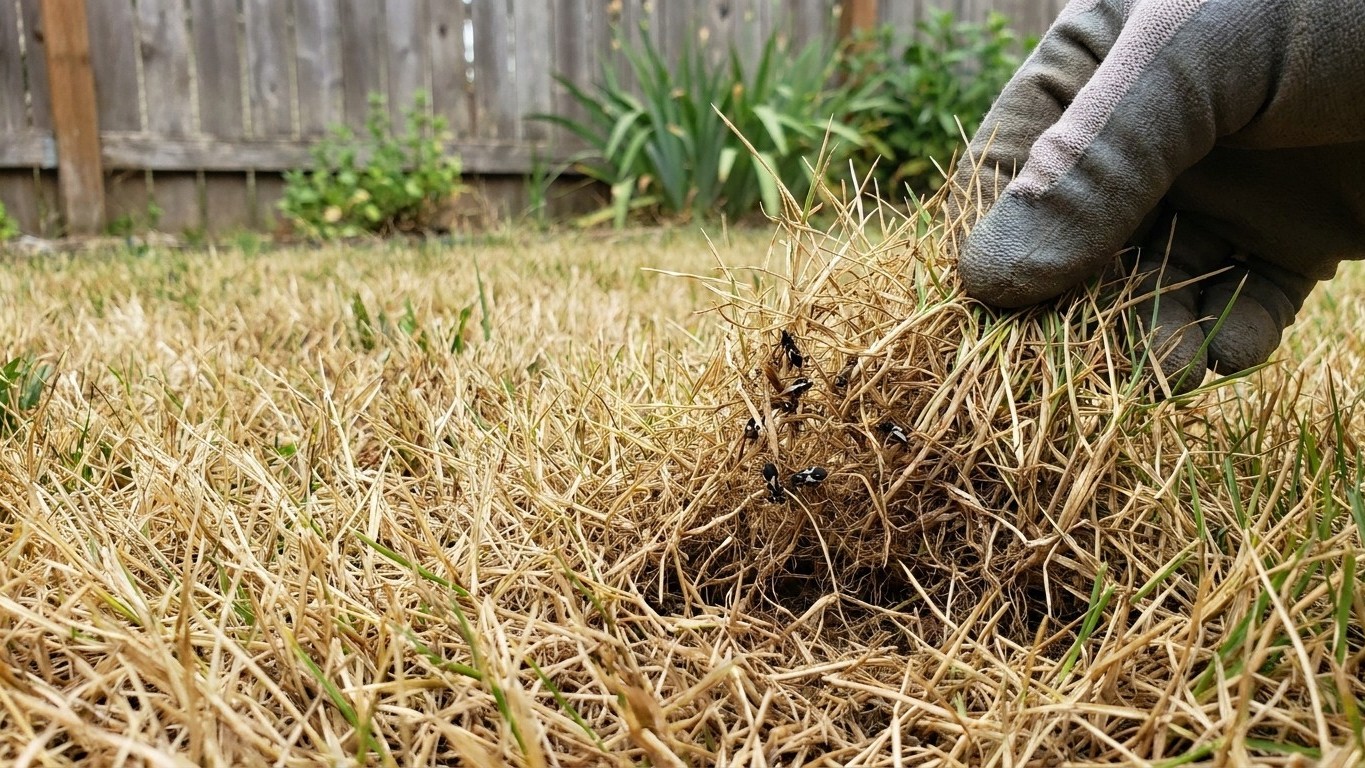
Chinch bugs cause yellow patches that mimic drought stress in warm-season lawns, and a simple flotation test confirms the pest before you treat.
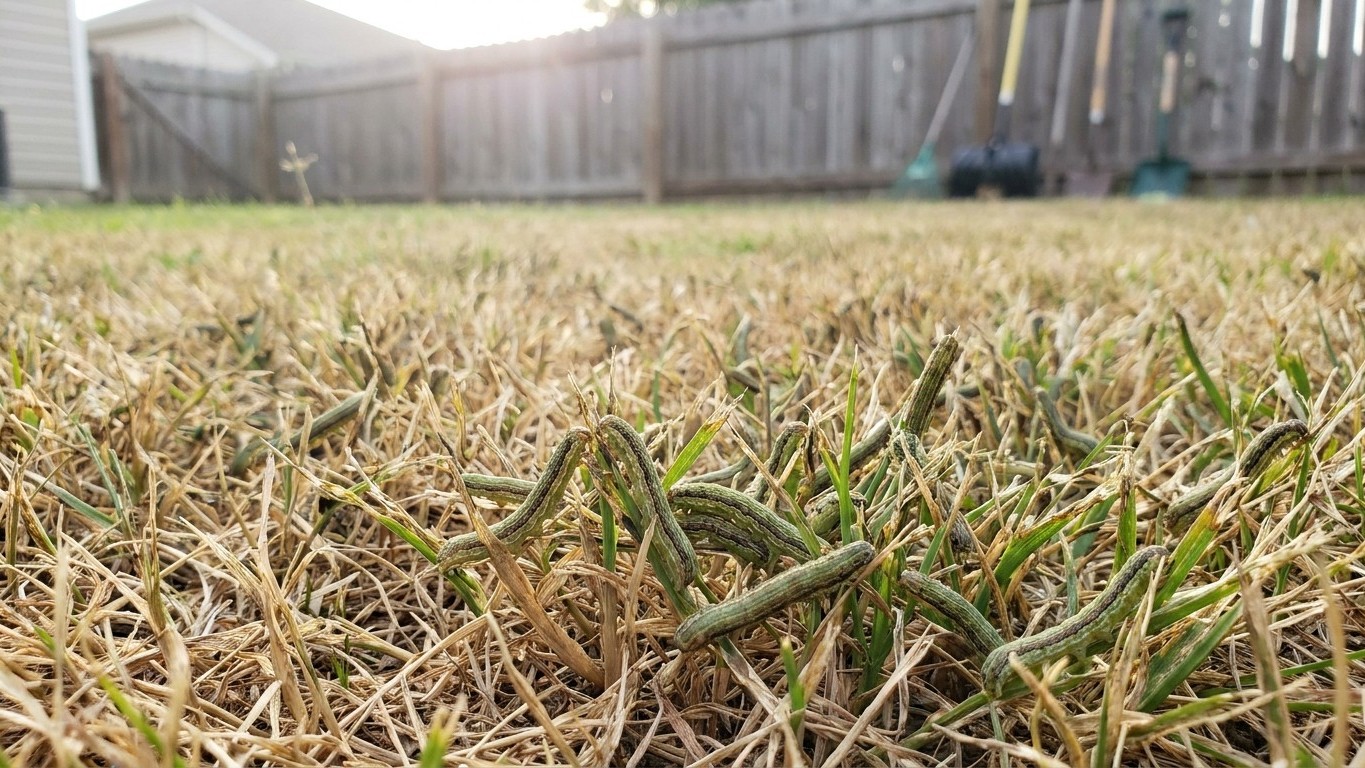
Armyworms can turn a green lawn brown in days. Here is how to tell them apart from drought stress, when to treat, and what controls actually work.
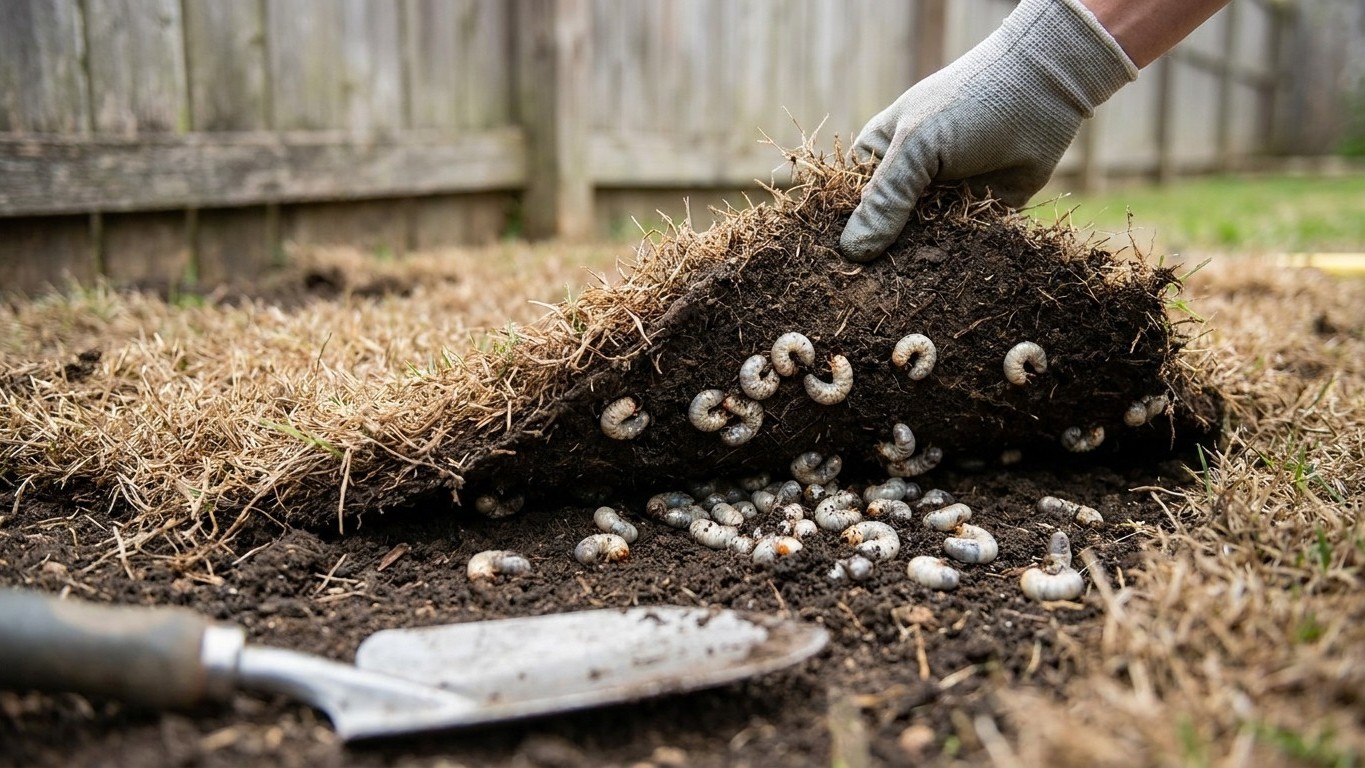
White grubs feed on turf roots underground, and lawns show it as sod that lifts loose in late summer before you ever see the insect.
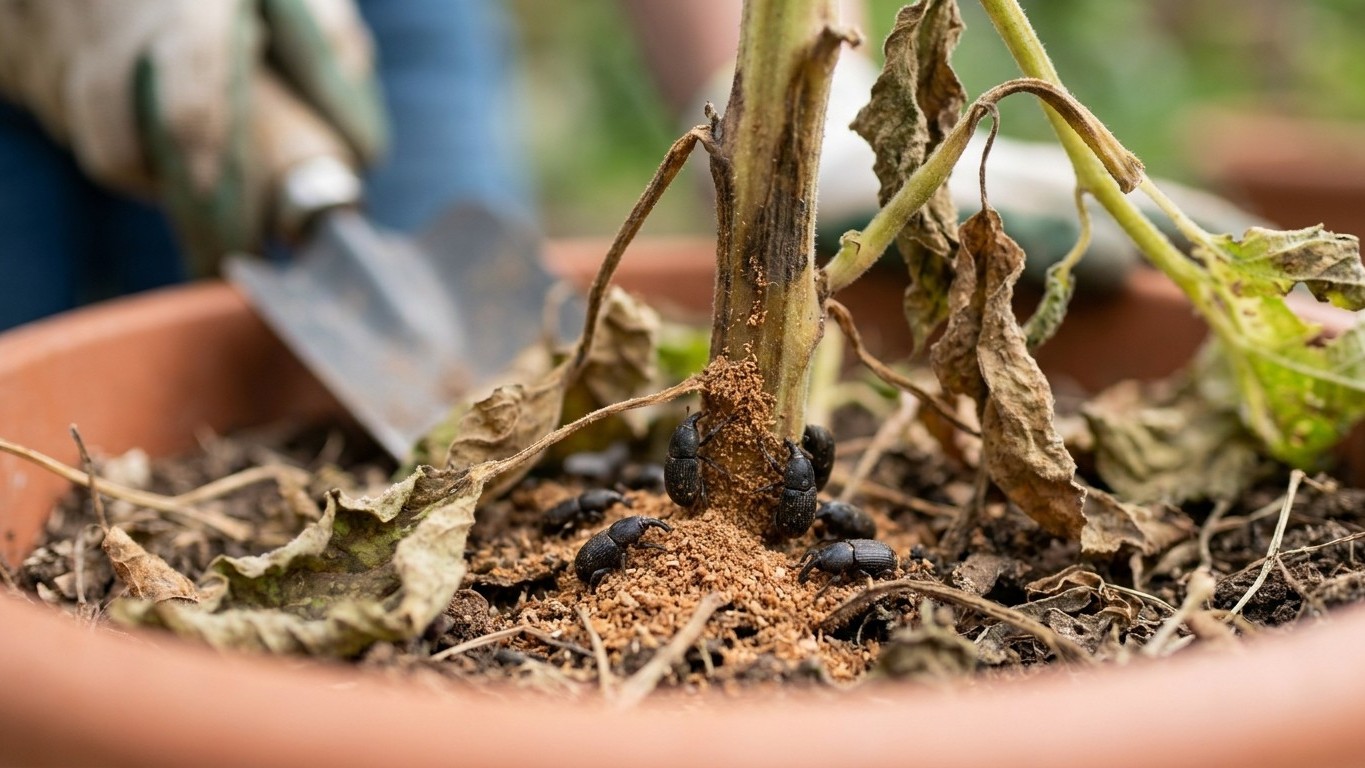
Sawdust-like frass at a dying stem’s base signals billbug larvae feeding inside the grass, a sign easy to mistake for drought stress.
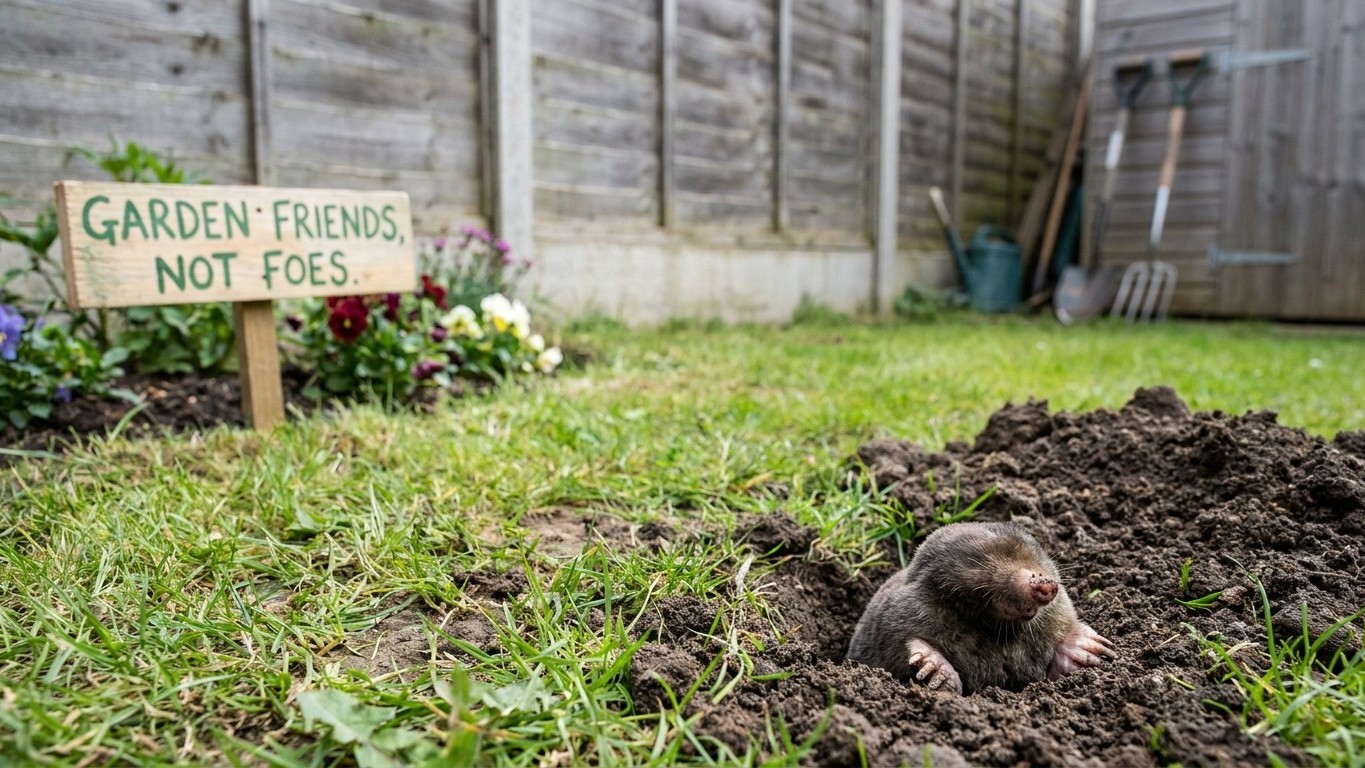
Moles eat earthworms and grubs, not grass, so the ridges and mounds in your yard are digging damage rather than a feeding problem to fear.
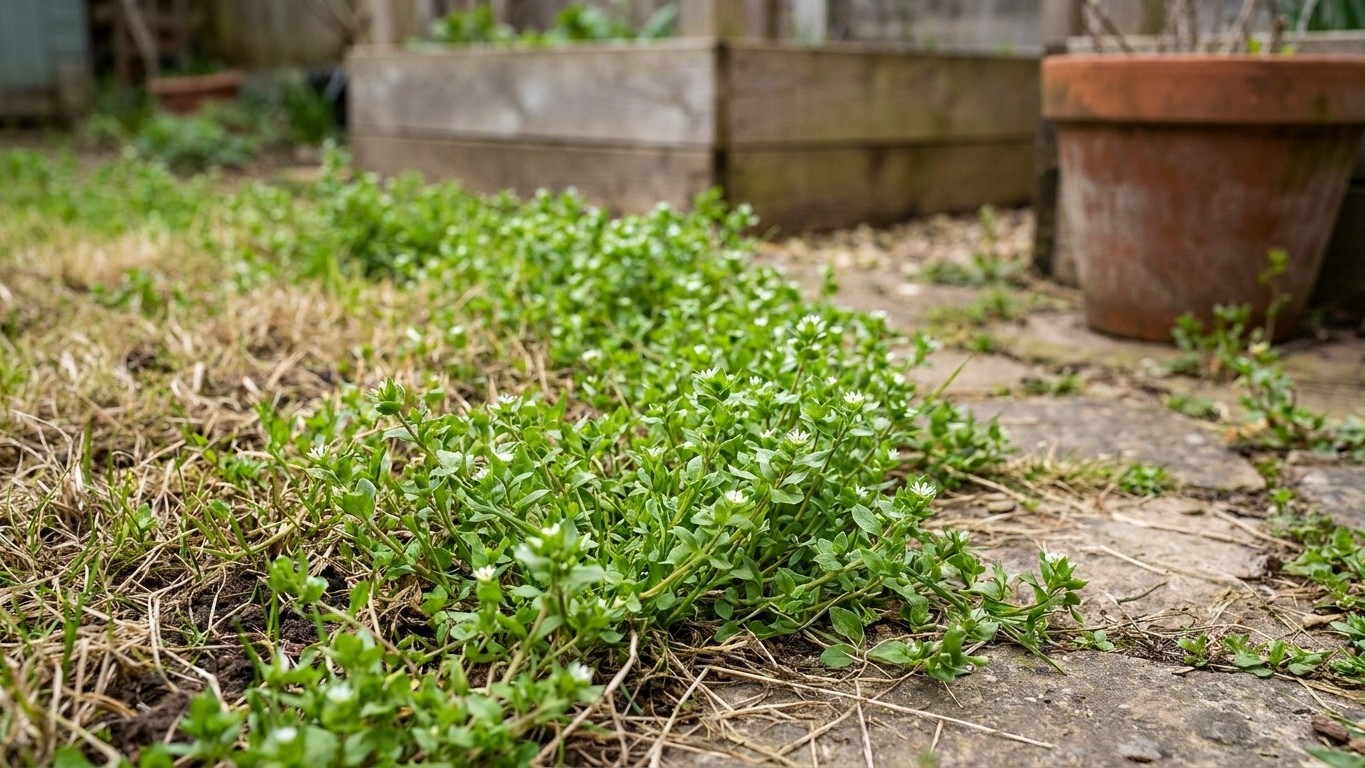
Chickweed is a winter annual that germinates in fall and flowers before spring, so timing and thick turf matter more than any spray.
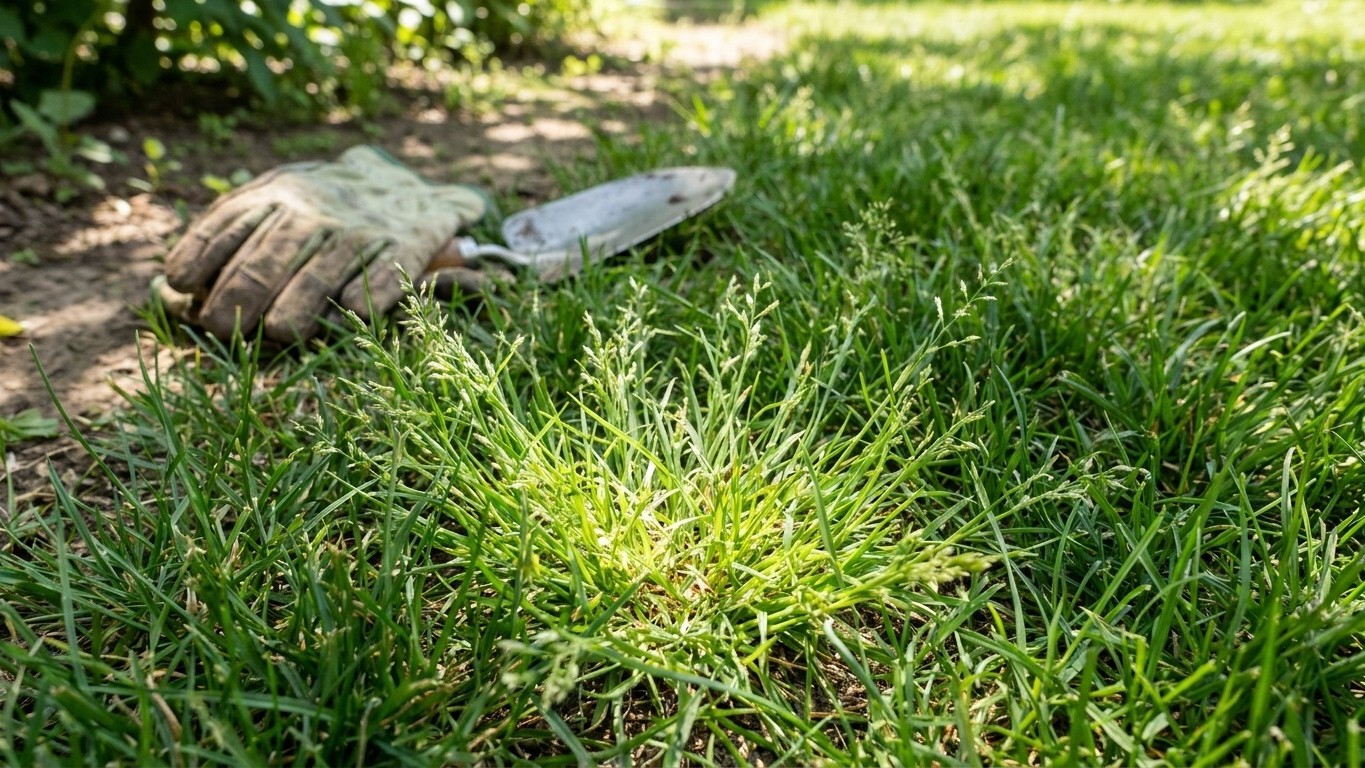
Annual bluegrass is a cool-season weed that mimics turf, sets seed at mowing height, and needs pre-emergent timing keyed to bloom, not a date.