When to Sow Cover Crops in South Dakota
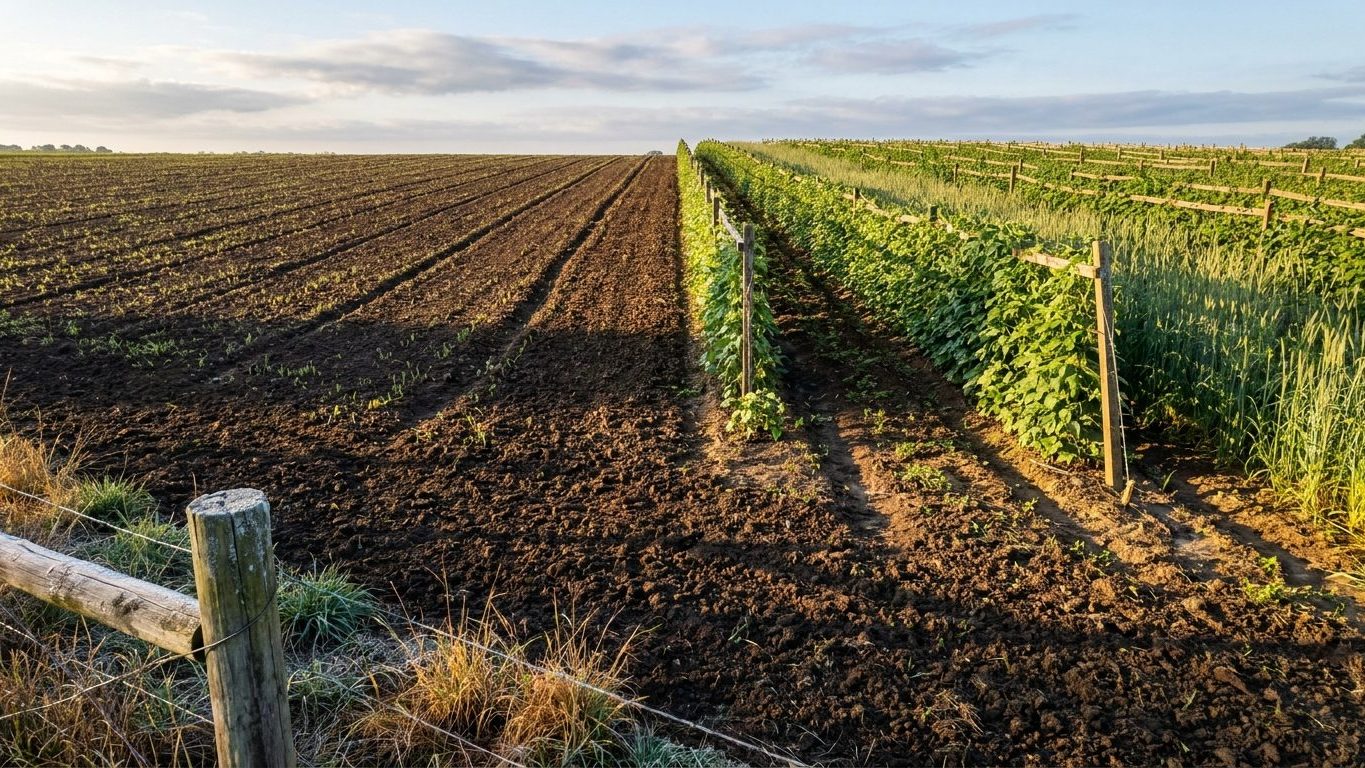
In South Dakota, cool-season covers like oats, field peas, and brassicas can go in as early as mid-April and tolerate the last frost, which lands April…
Home & garden, state by state
In South Dakota, cool-season covers like oats, field peas, and brassicas can go in as early as mid-April and tolerate the last frost, which lands April…
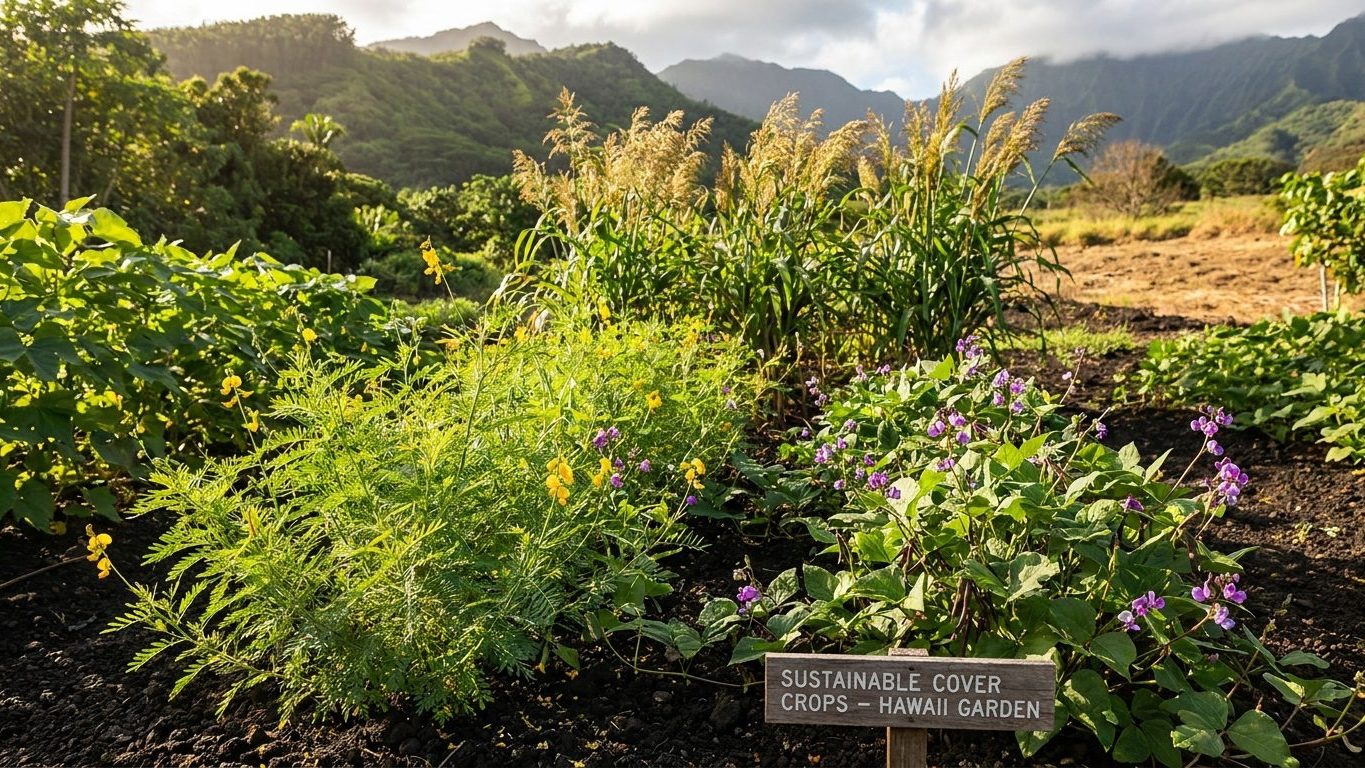
Cover crops that work in South Dakota split into two camps: winter-killed species you seed after your last harvest and let freeze out, and true winter…
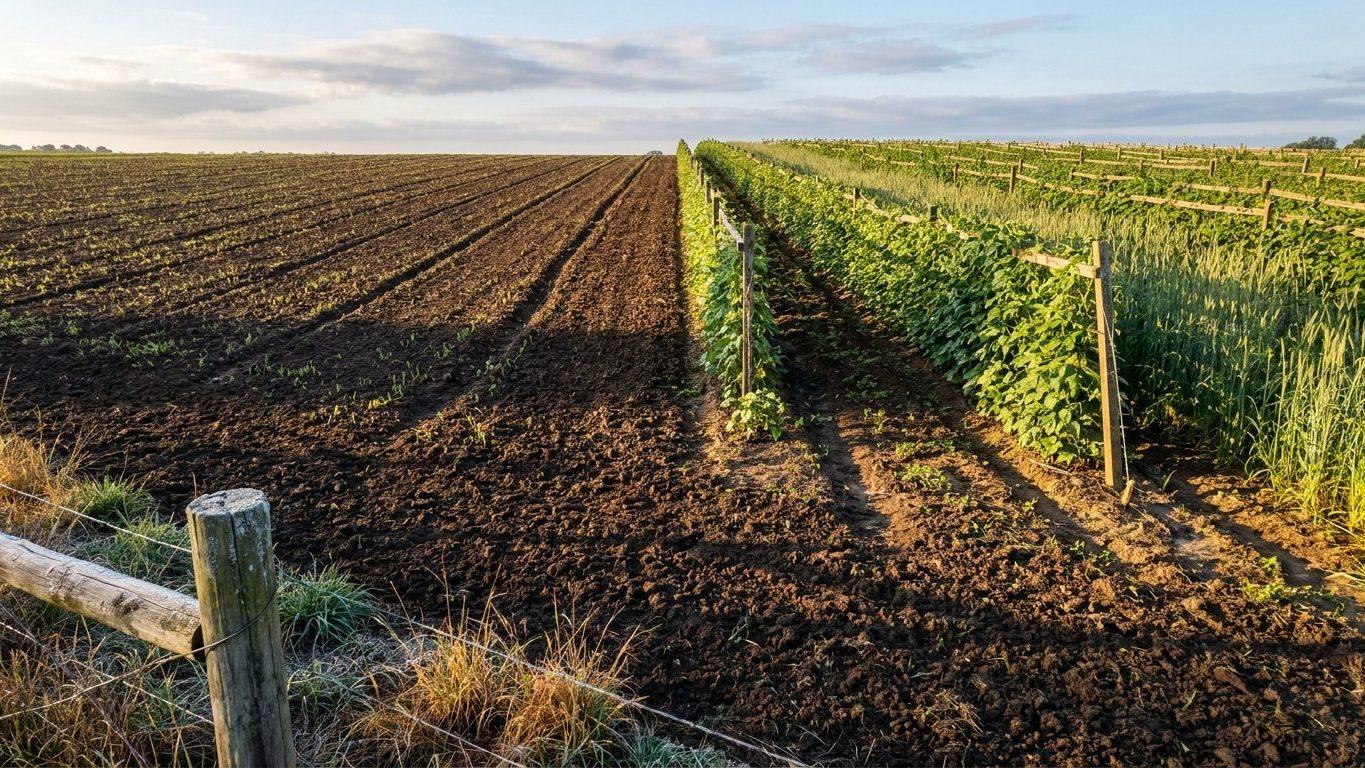
South Carolina gardeners work two sowing windows, not one: cool-season cover crops go in during fall, ahead of the season’s first freeze, and warm-season…
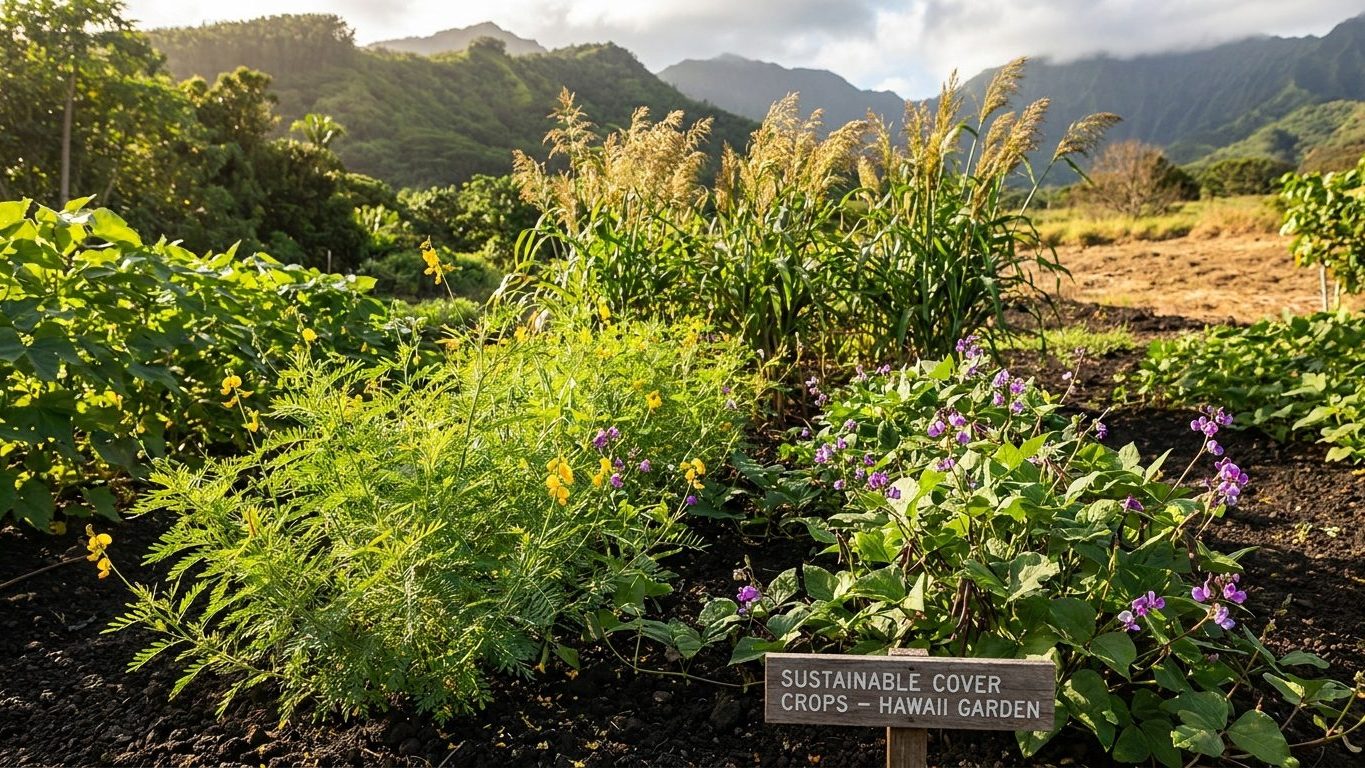
South Carolina’s long, mild growing season makes it prime cover crop territory for both cool-season legumes and warm-season smother crops.
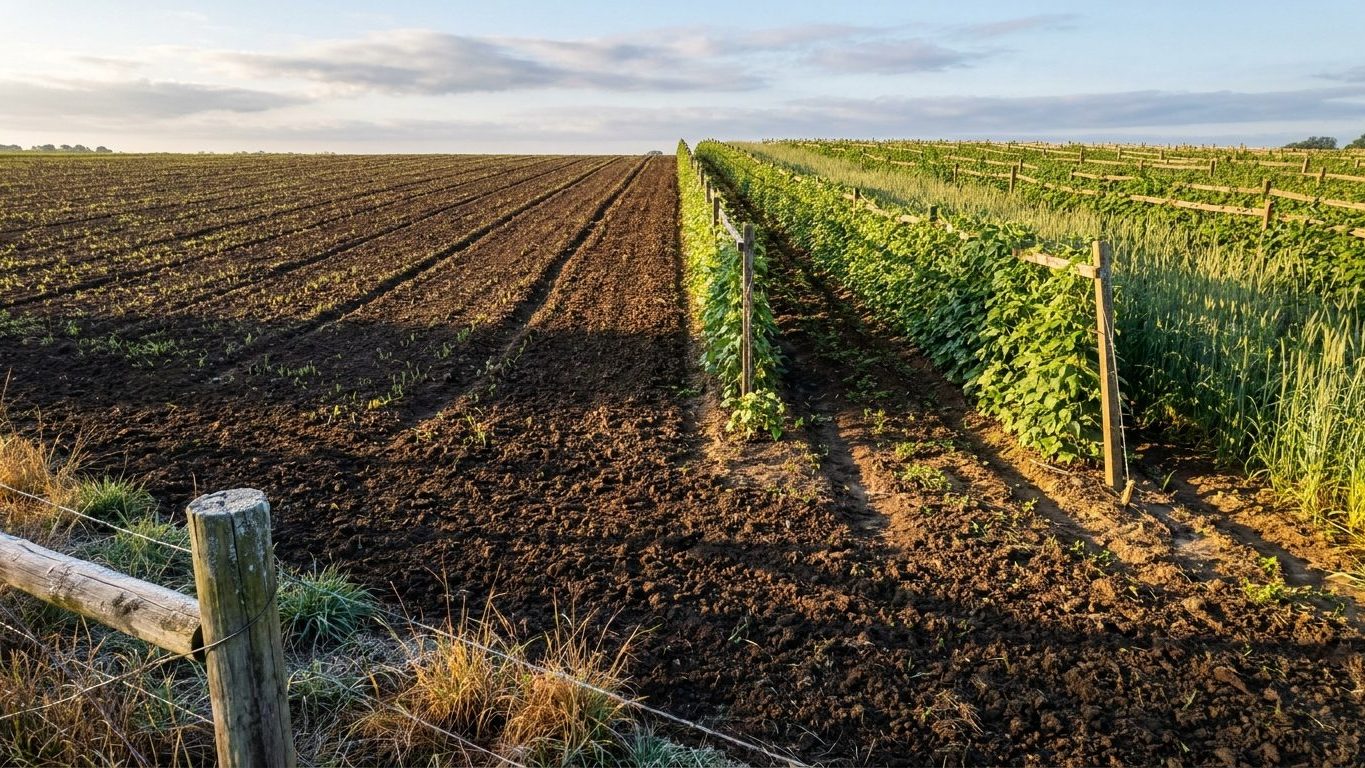
The frost-free window around Saskatoon runs from a mean last spring frost of May 18 to a mean first fall frost of September 18, giving cover crops…
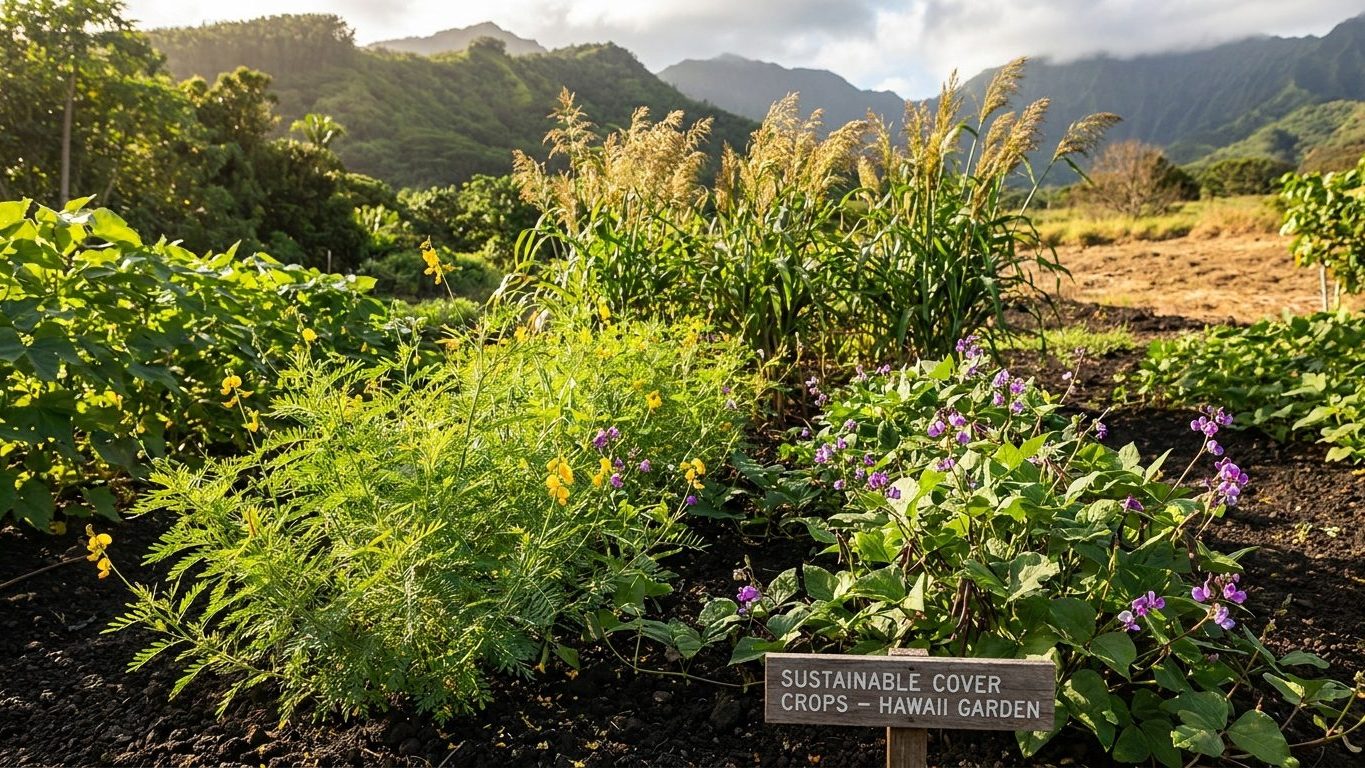
Fall rye is the cover crop that actually survives a Saskatchewan winter, and it’s the one most growers lean on for overwinter ground cover.
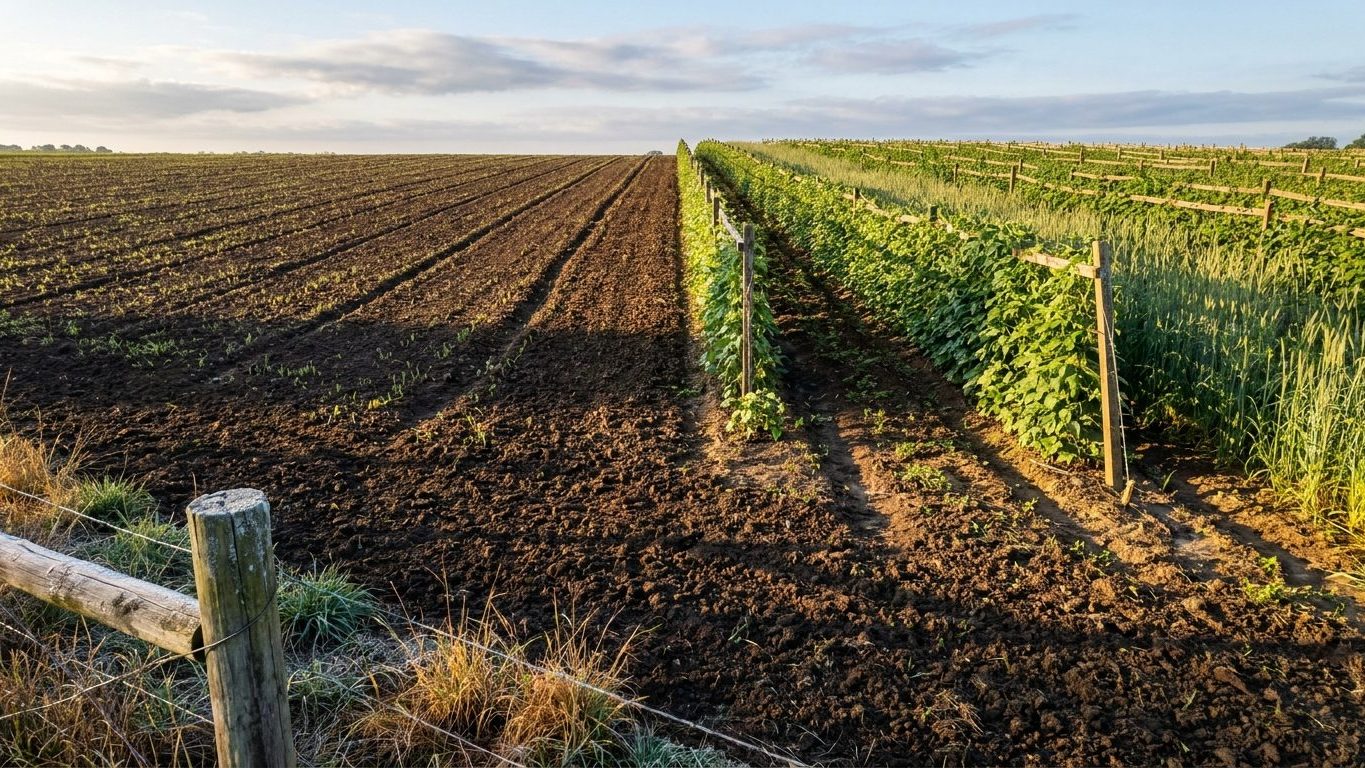
In Rhode Island, fall cover crops go in the ground from mid-August through early September, timed to the first fall frost window of October 24 to…
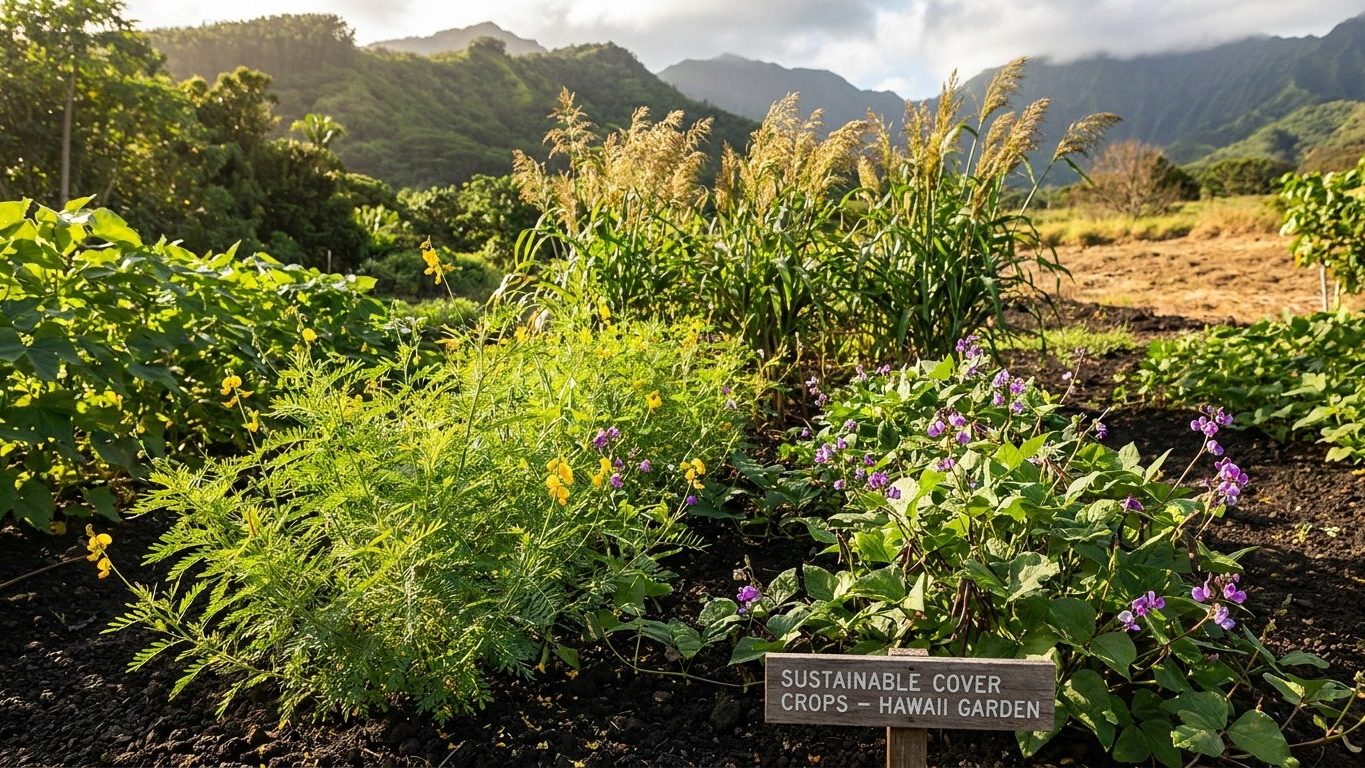
Rhode Island’s frost-free window runs roughly six months, long enough for a full rotation but short enough that timing matters.
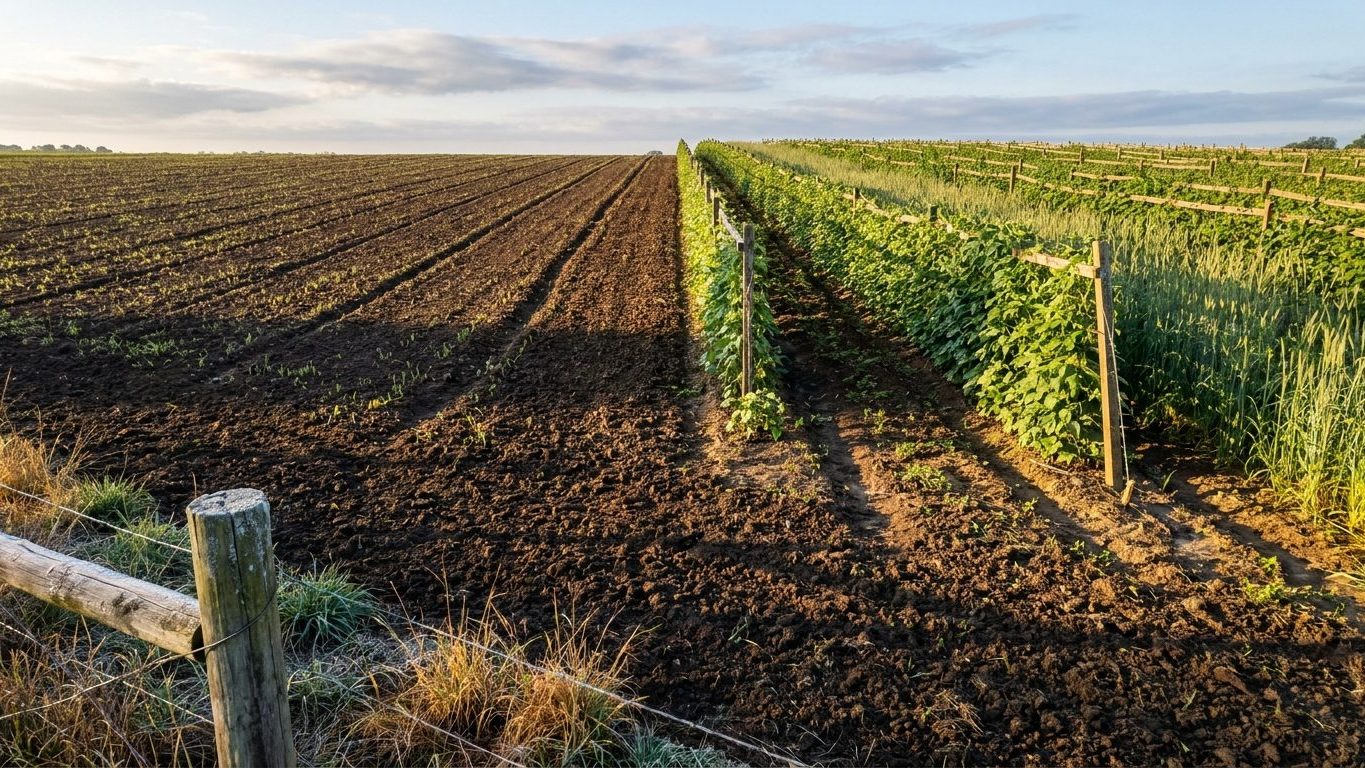
Cover crops in Quebec go into the ground twice a year: a fall planting right after the main harvest, timed to beat the average first frost of October 5…
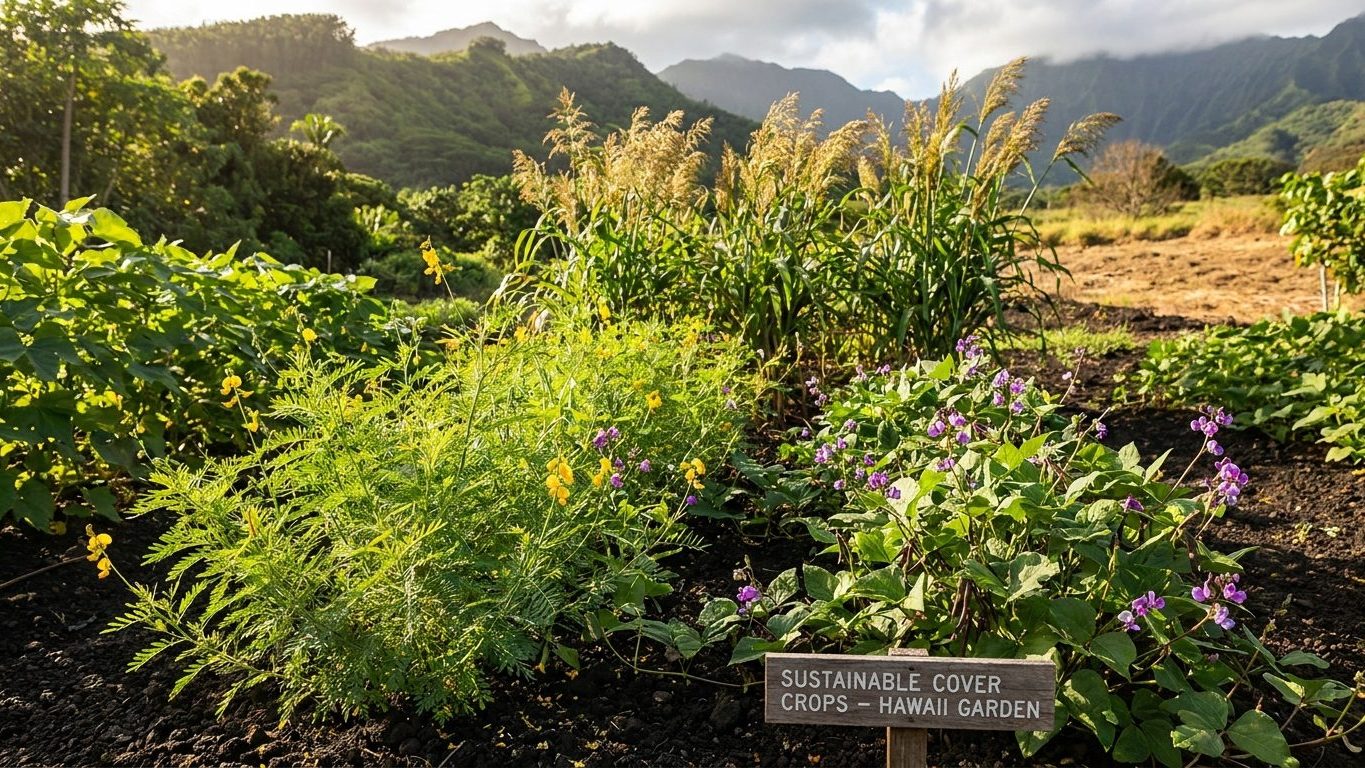
Winter cereal rye is the safest cover crop bet across most of Quebec, with oats and field peas as strong alternates.