Ginger Gold Apple: Worth Growing, If Fire Blight Is Not Your Problem
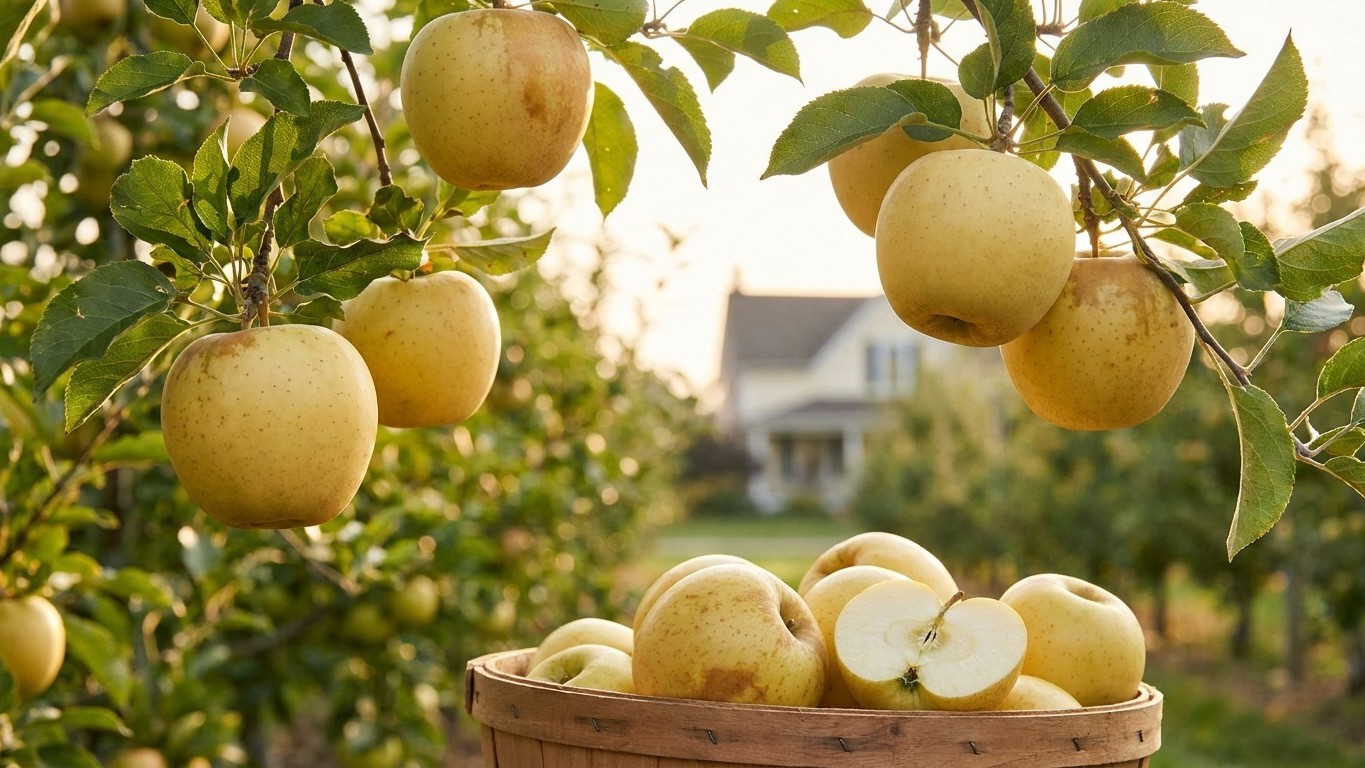
Ginger Gold earns its keep in most home orchards, but one weakness decides whether it’s a smart pick or a headache: fire blight.
Home & garden, state by state
Ginger Gold earns its keep in most home orchards, but one weakness decides whether it’s a smart pick or a headache: fire blight.
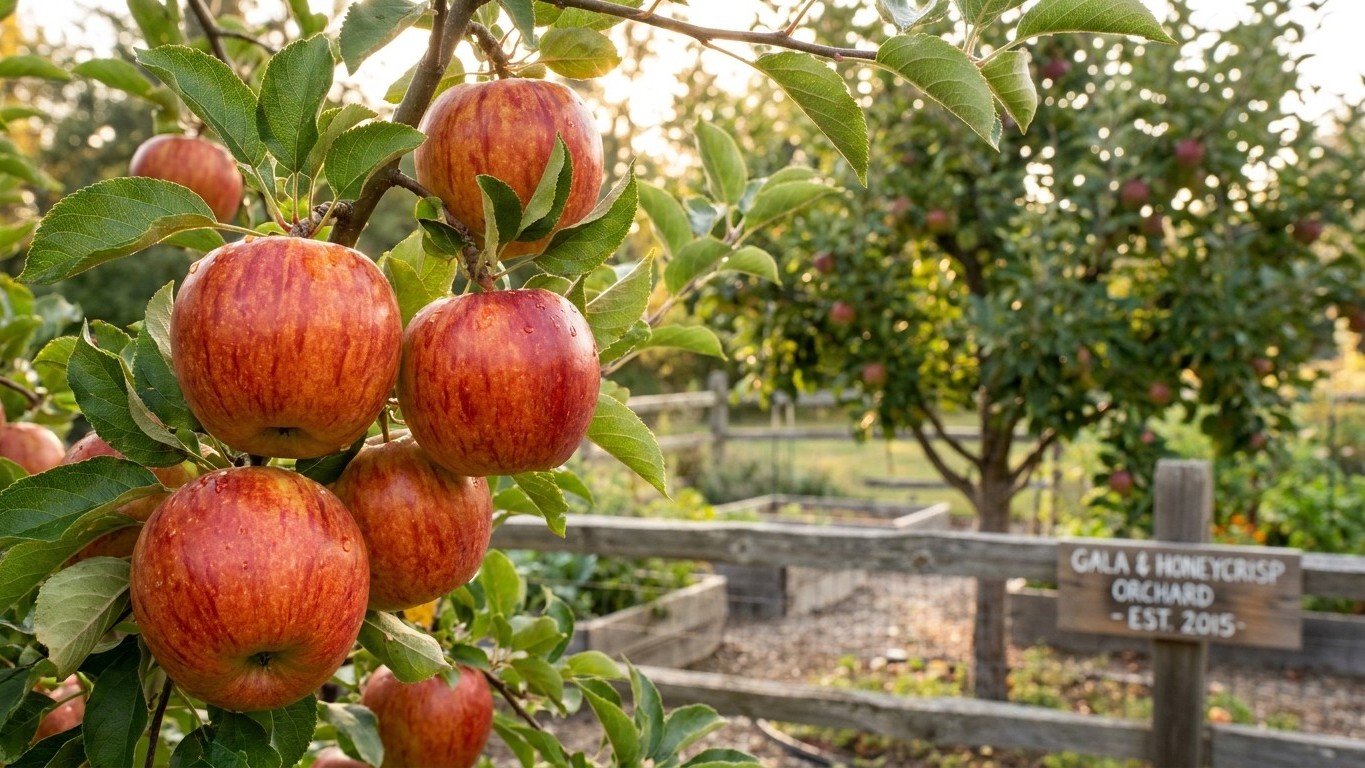
Gala ripens in September, carries a mild, floral sweetness best eaten fresh, and needs a genetically different variety nearby to set a full crop, since…
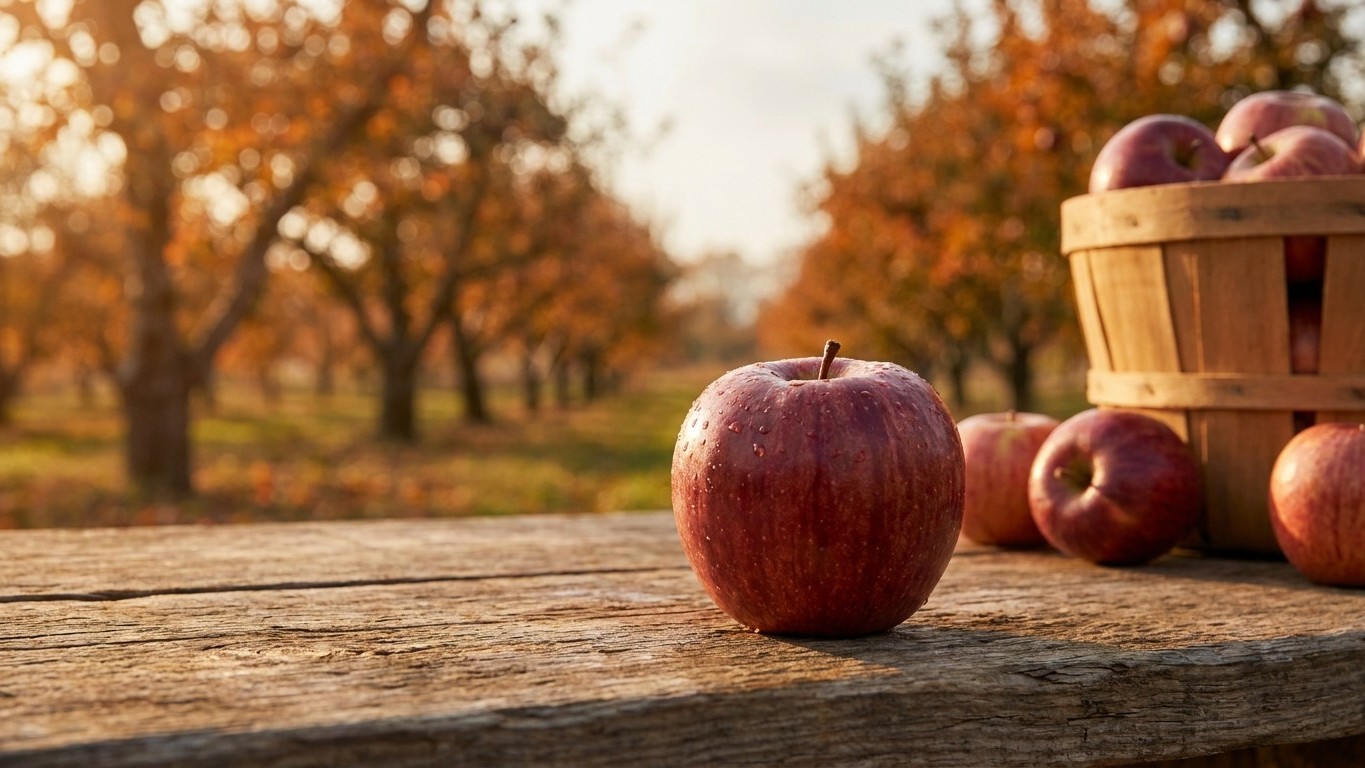
Fuji earns its space in a home orchard on flavor and storage alone, but it comes with one serious catch: a fire blight rating that punishes gardeners in…
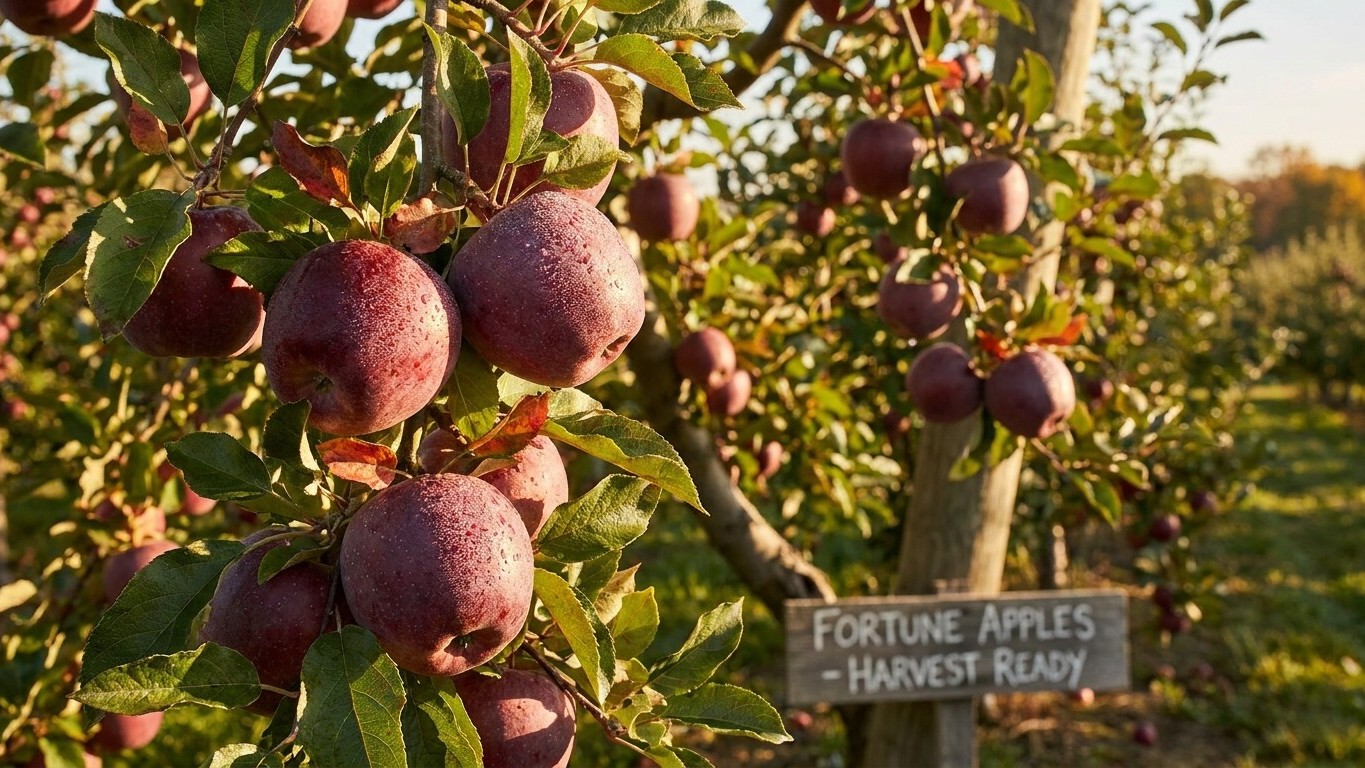
Fortune is a mid-season dessert apple with rich, spicy, sweet-tart flavor and firm crisp flesh, ready mid to late October and hardy across zones 5…
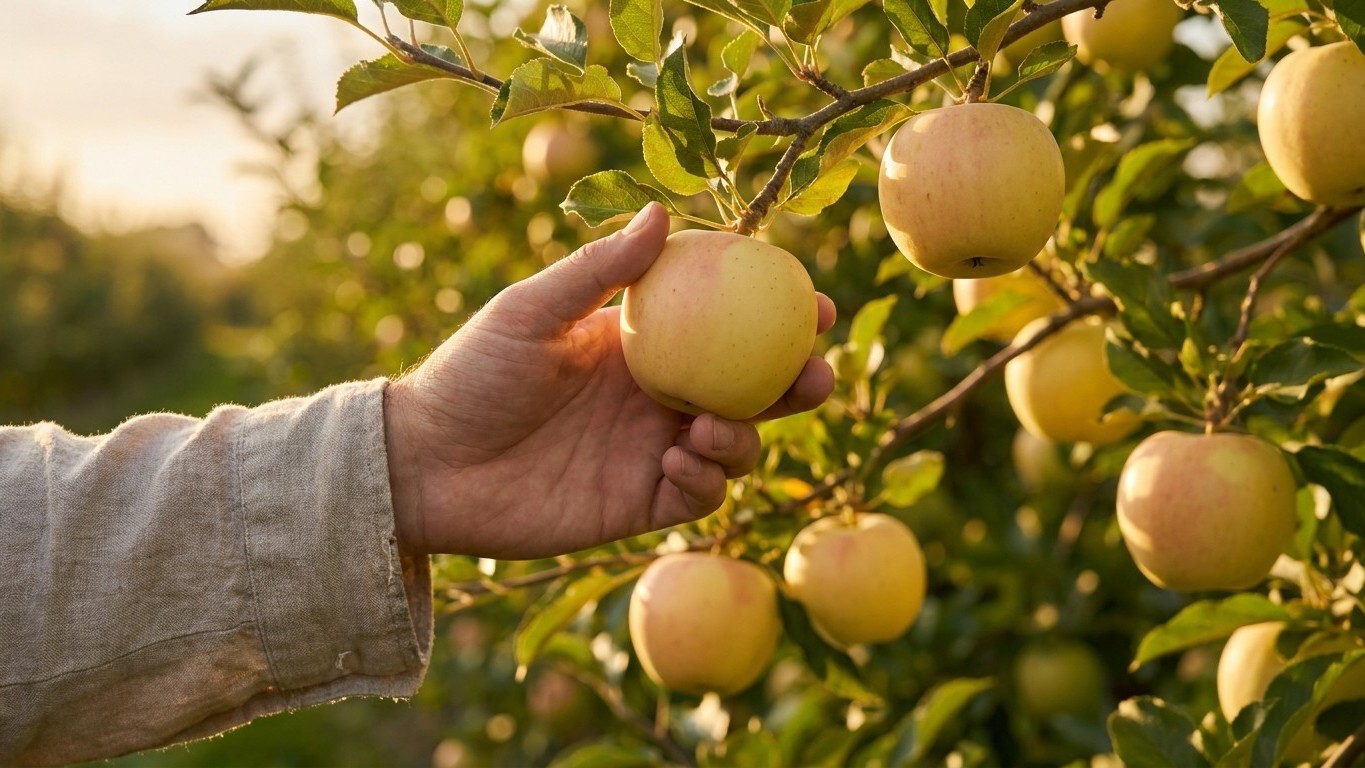
Earligold is an early-season apple bred for growers who want ripe fruit before Labor Day: hardy in zones 4 through 7, ready in late August to early…
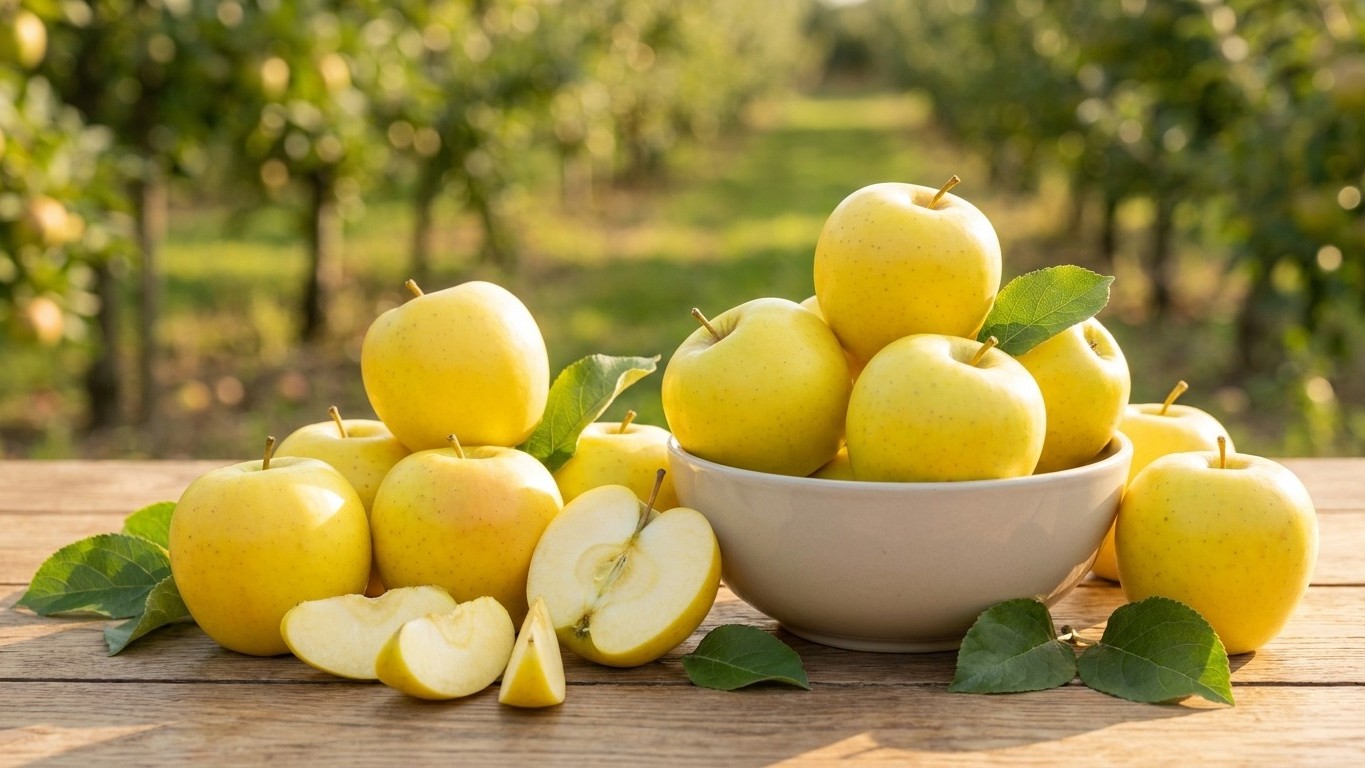
Dorsett Golden ripens with sweet, mild, firm yellow flesh and almost no tartness, best eaten fresh rather than baked.
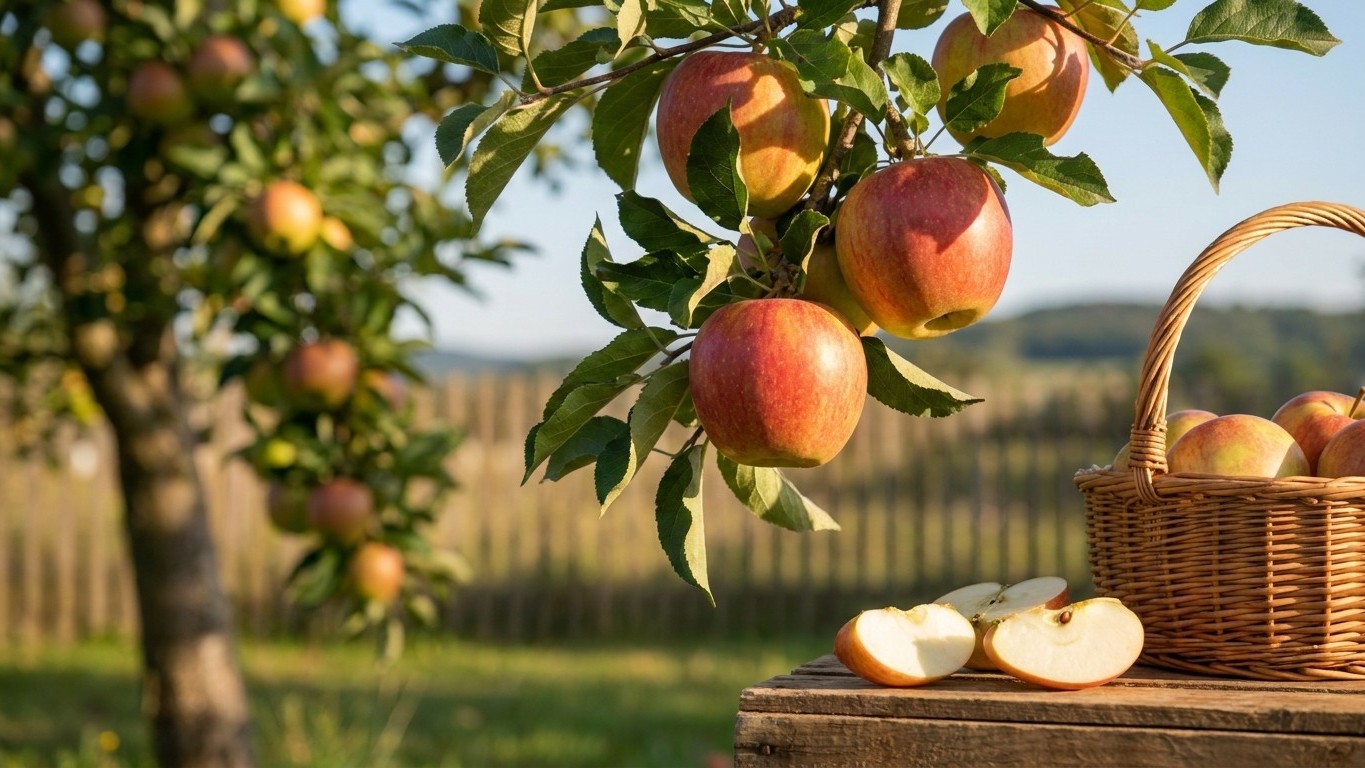
Autumn Crisp ripens in mid September, carries a sweet, lightly tart flavor with crisp, juicy flesh, and grows reliably in USDA zones 4 through 7.
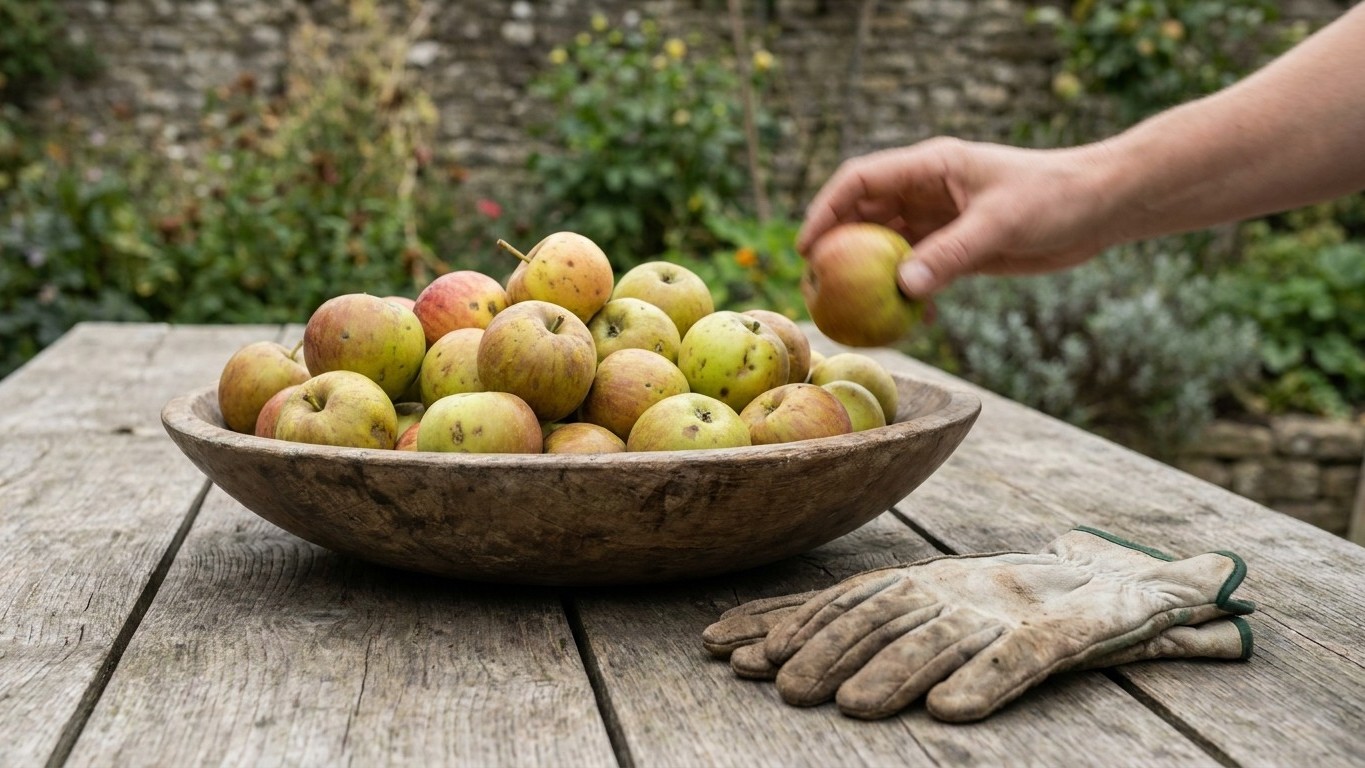
Apples that ripen but stay small are usually caused by too many fruit per cluster or a pollination gap, not disease, and each needs a different fix.
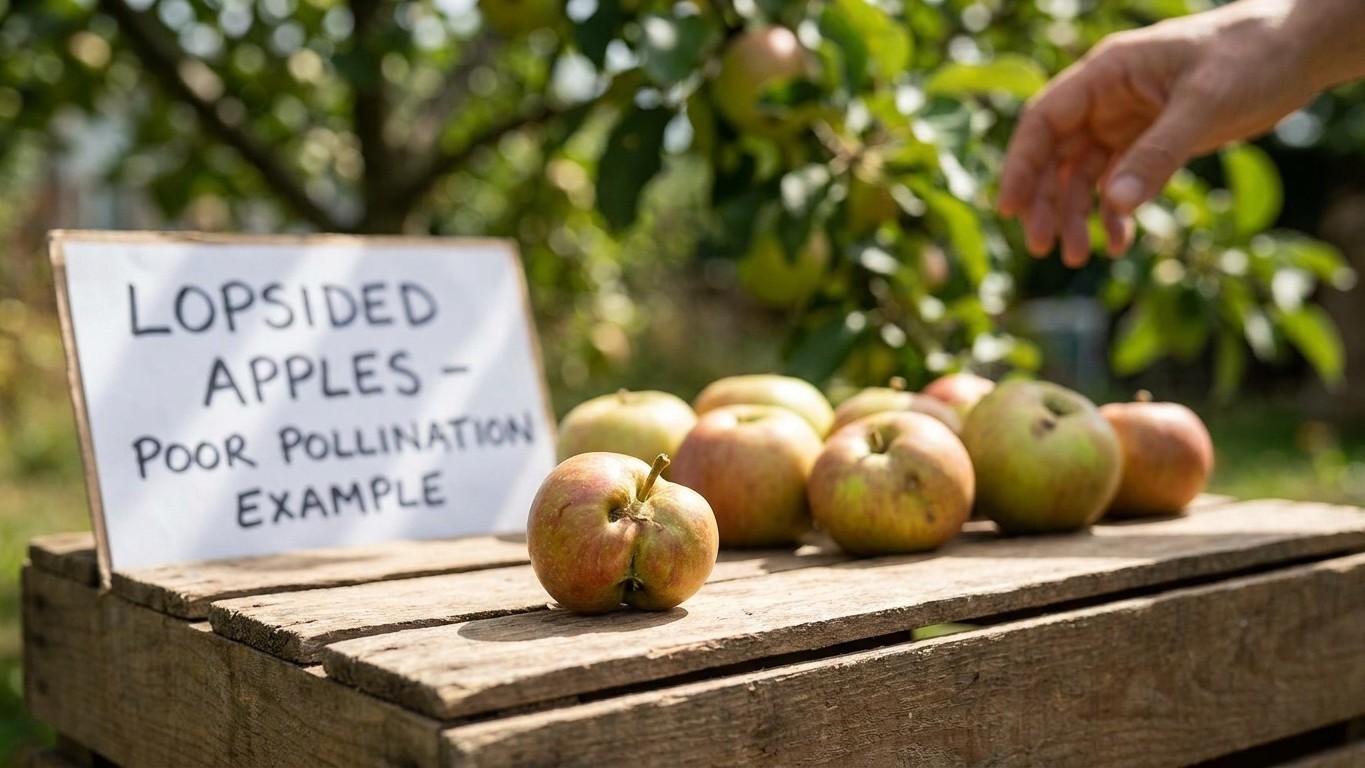
Lopsided apples usually result from uneven pollination and seed count rather than disease, pests, or nutrient problems in the tree.
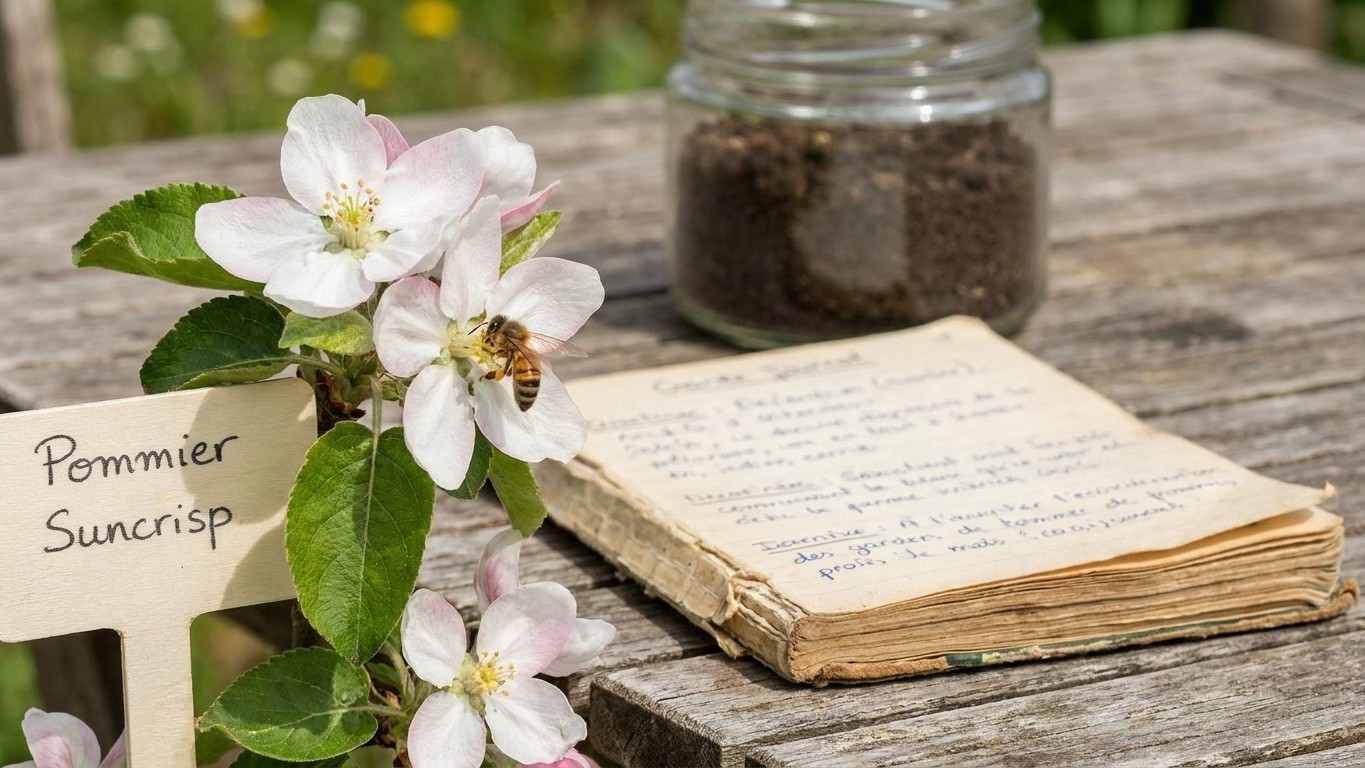
Suncrisp needs a mid-season apple partner to pollinate well. USU Extension names no specific variety, so this explains what to plant and what fails.