Hedge Plants for Maryland: What Holds, and What Only Looks Hardy
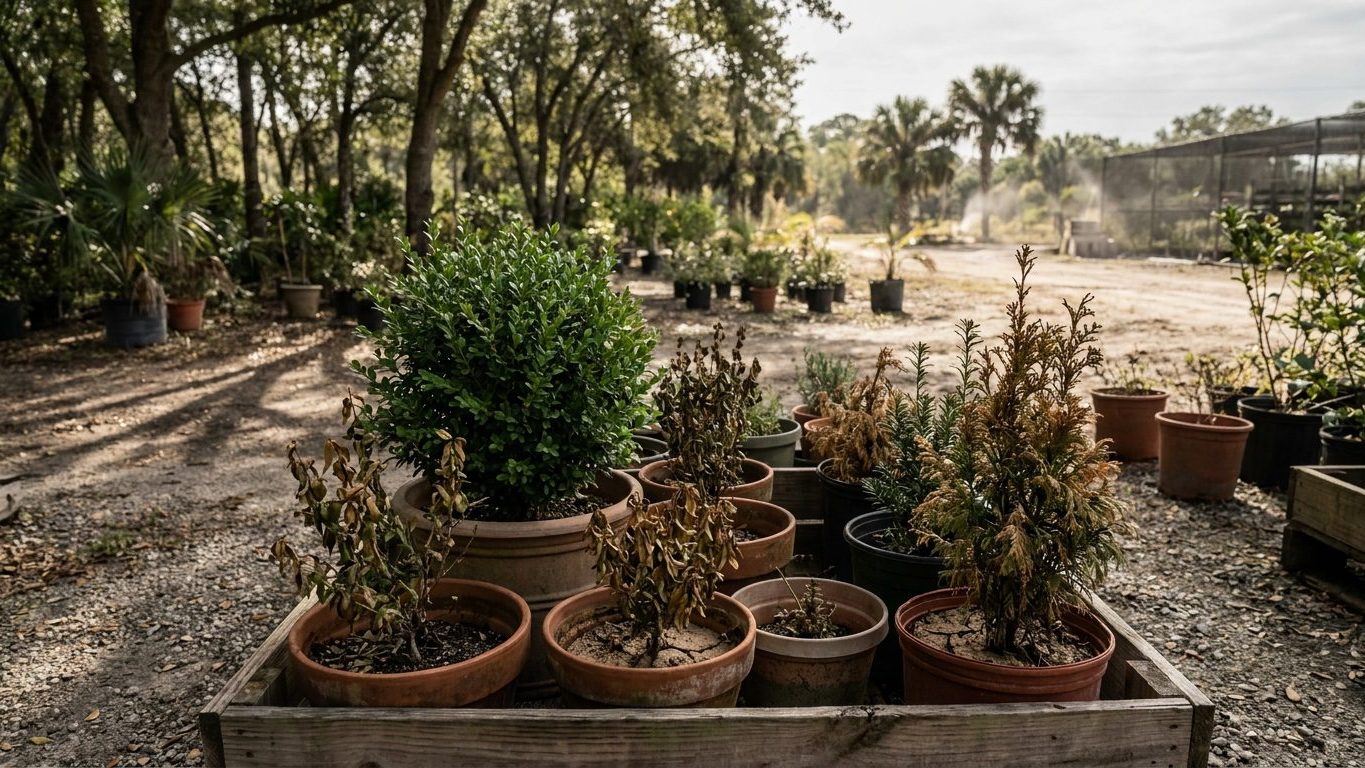
Maryland runs from USDA zone 5b to 8a, a spread wide enough that the same hedge can thrive in one county and die in another.
Home & garden, state by state
Maryland runs from USDA zone 5b to 8a, a spread wide enough that the same hedge can thrive in one county and die in another.
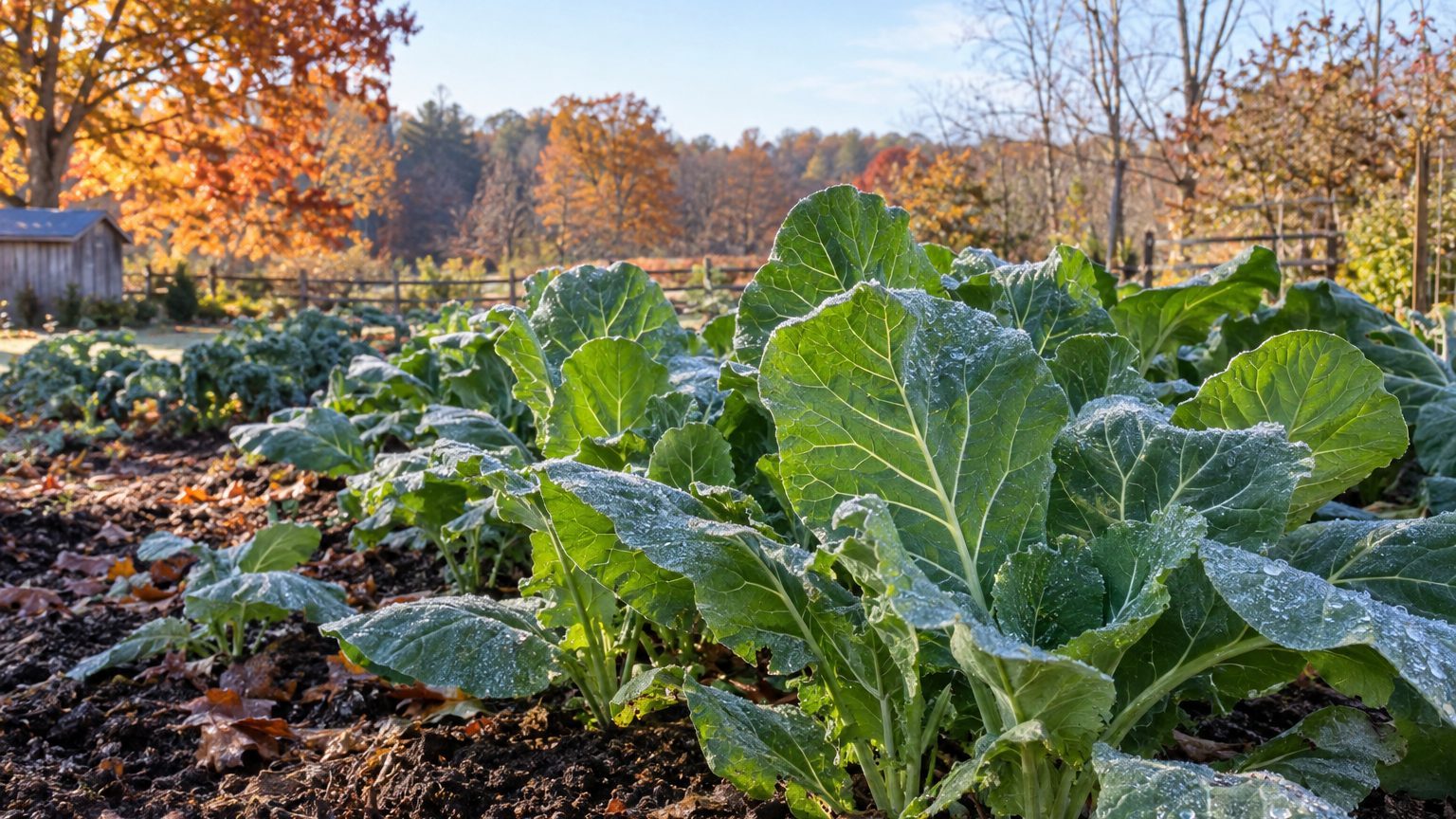
Start collards indoors in spring, move them into the garden around Vermont’s last frost, and count back from the first fall frost to check that your…
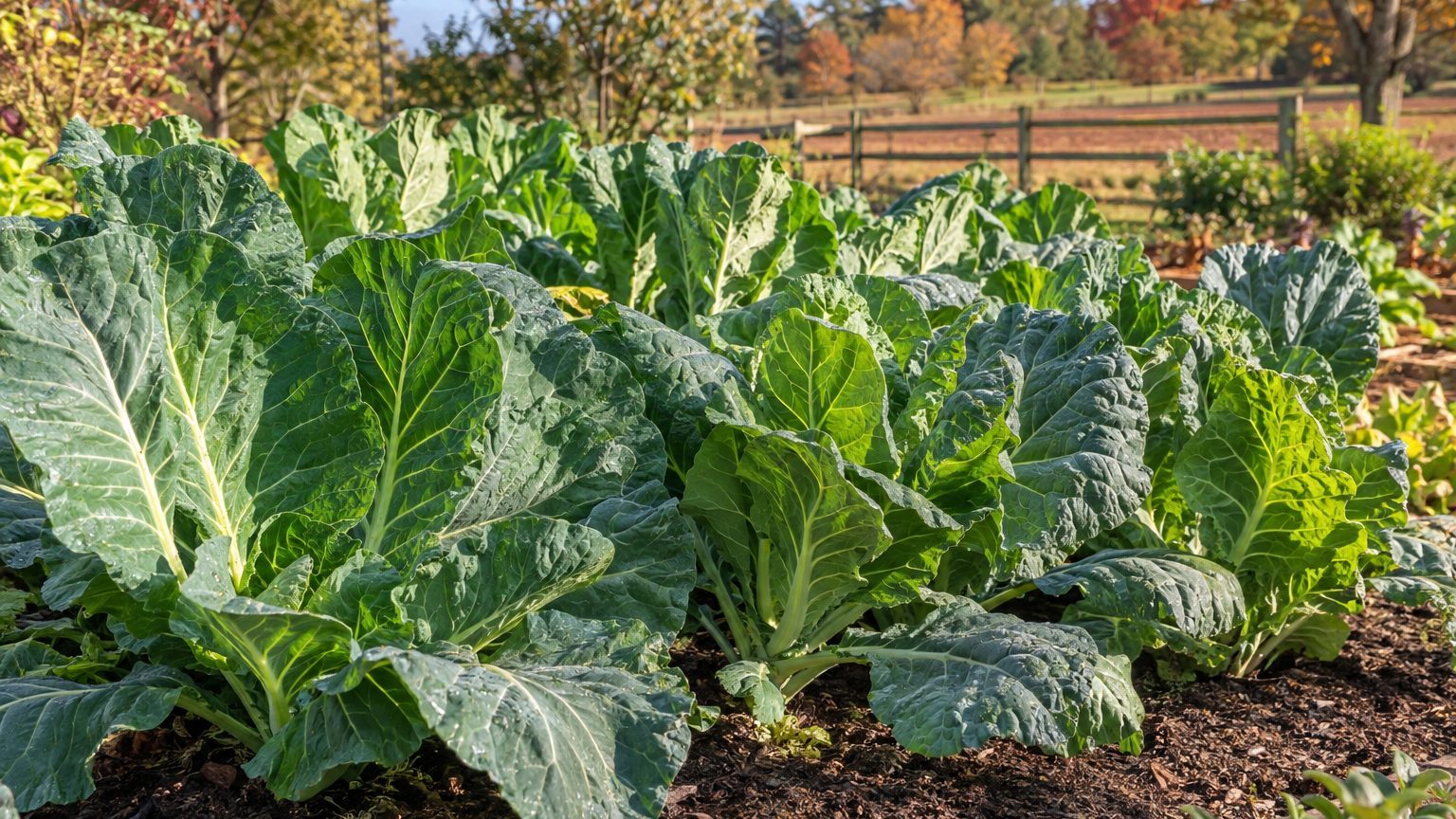
Pick the fastest-maturing open-leaf collard you can find, set it out as a transplant, and plan on a fall harvest.
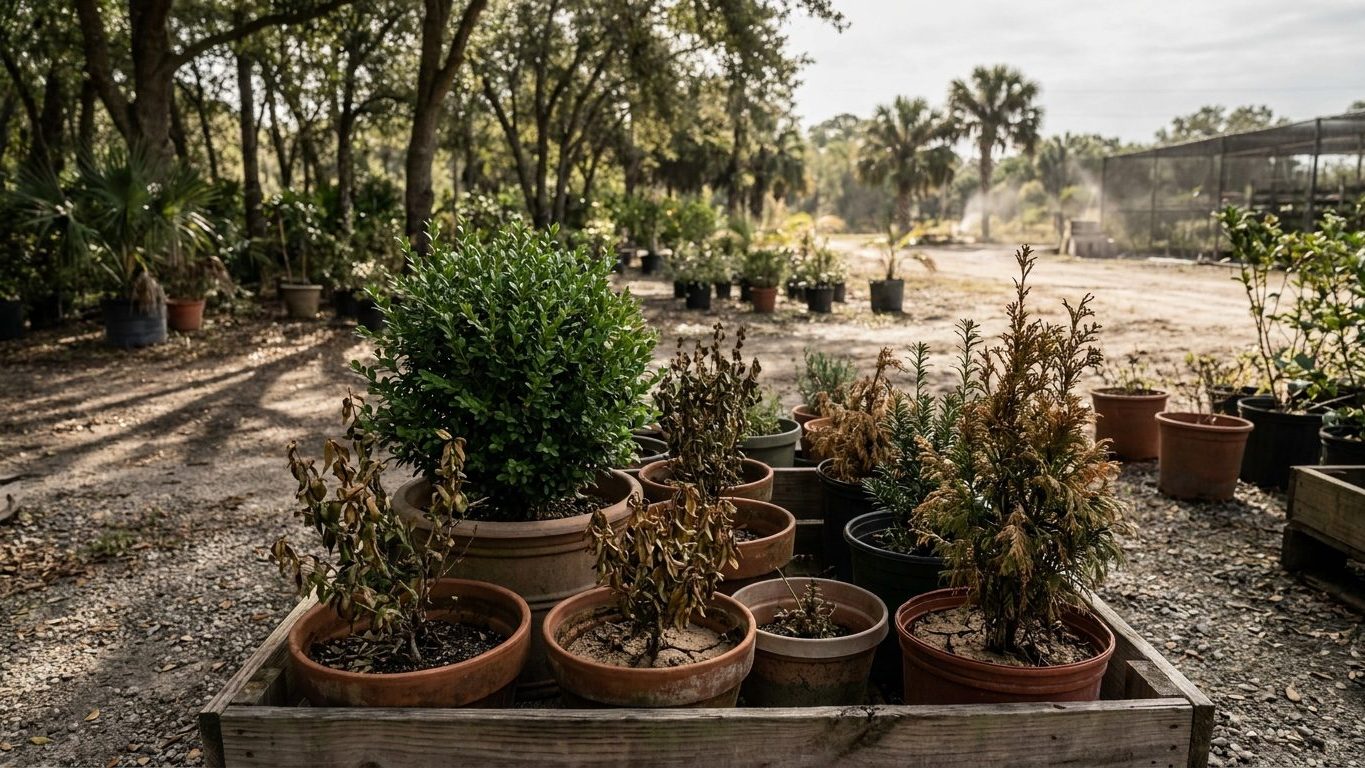
Of the 12 hedge species tracked for Maine, six survive winter anywhere in the state, six survive only in part of it, and none fail everywhere.
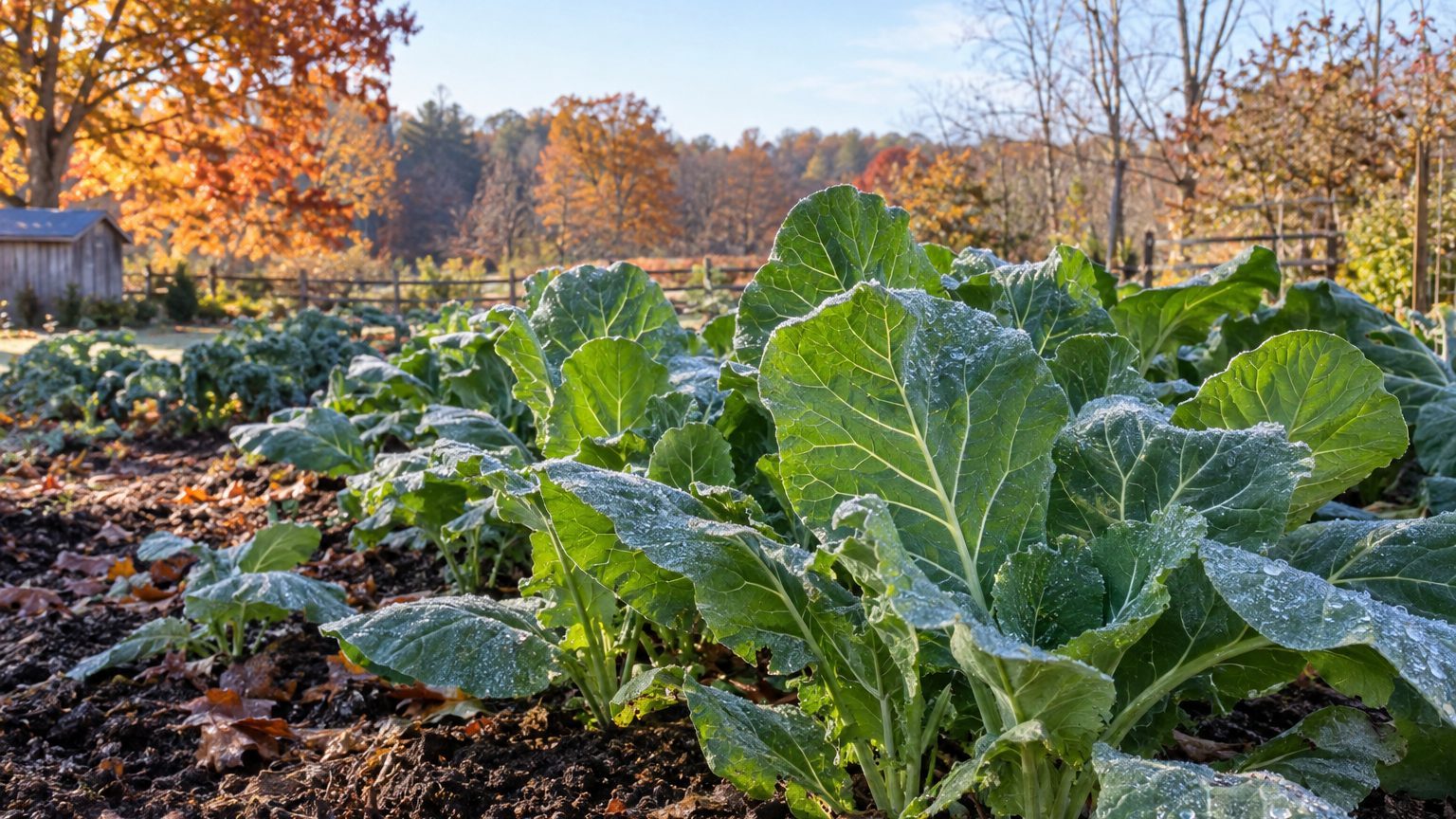
Collards go in the ground twice in Utah: as spring transplants set out near the last freeze, and as a summer sowing that matures in cooler fall weather.
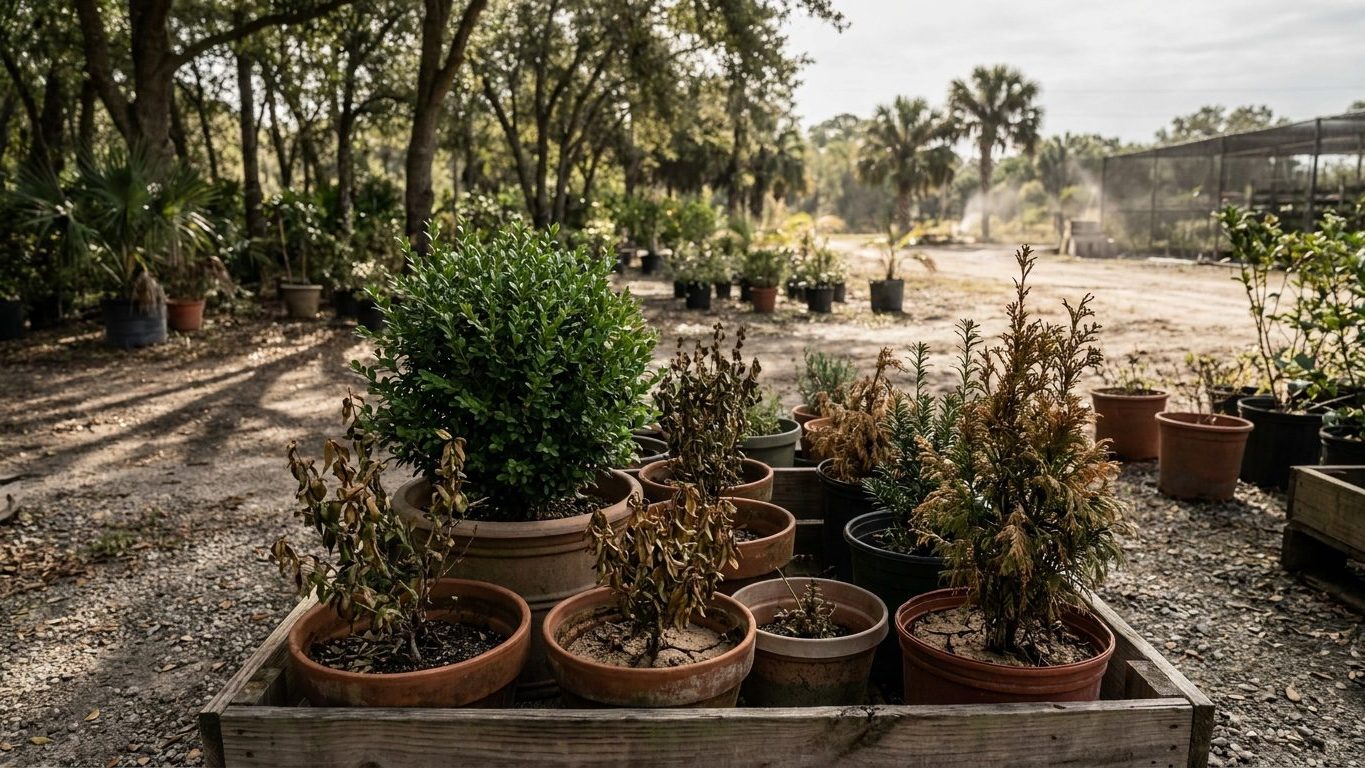
Of the 12 hedge species documented on this site, only one survives across all of Louisiana, which runs from zone 8a to 10a on the USDA hardiness map…
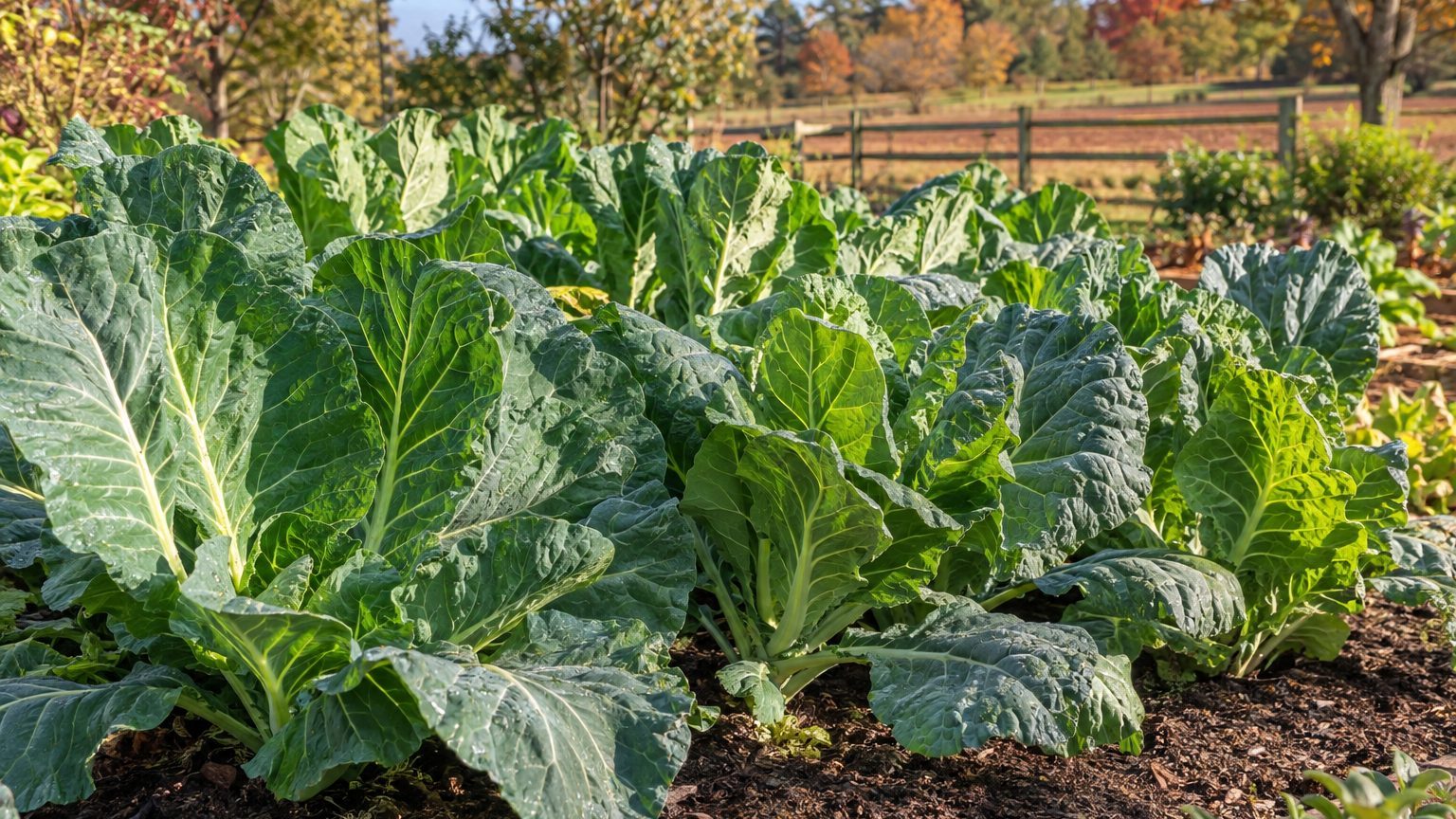
The best collards for Utah are quick-maturing, non-heading types that stand up to cold, planted so they reach size well before the fall freeze.
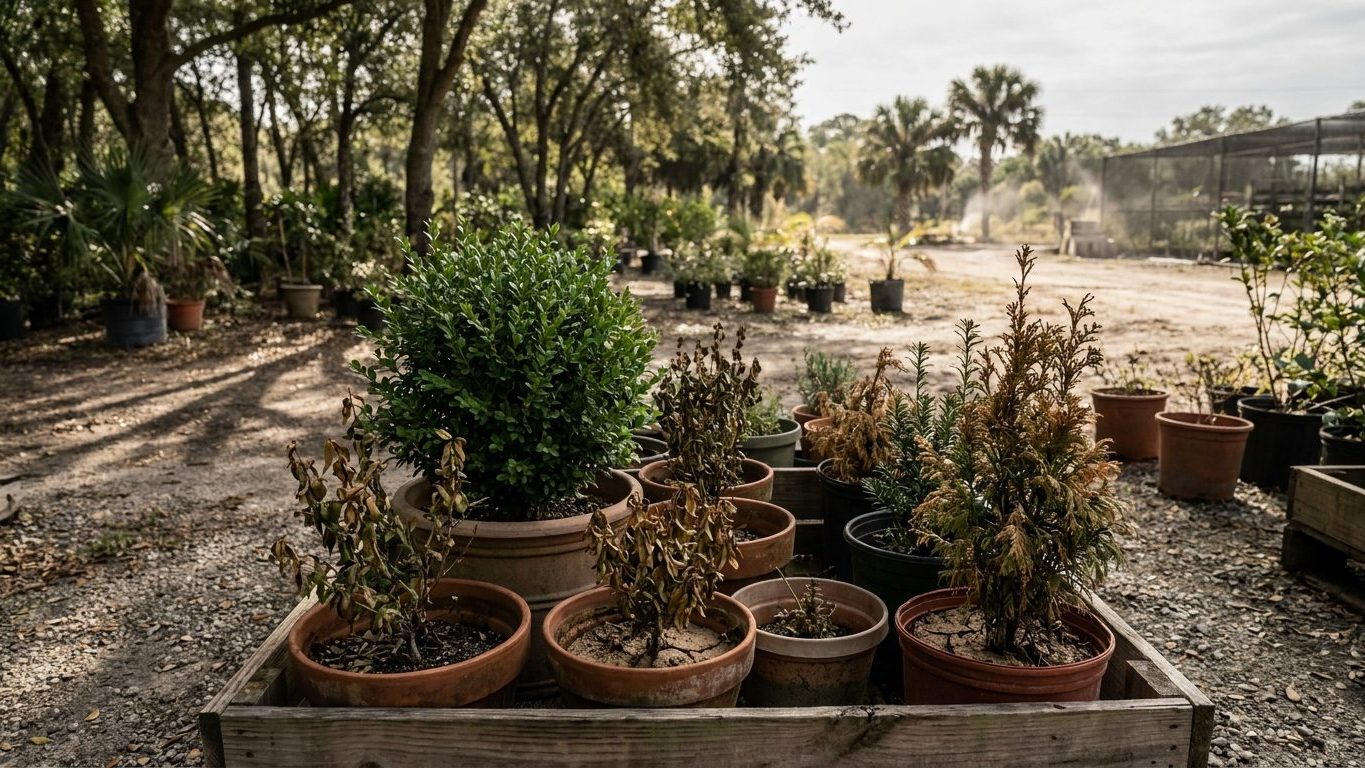
All 12 hedge species documented for Kentucky survive winter across the whole state, which runs from zone 6a to 7a on the USDA map.
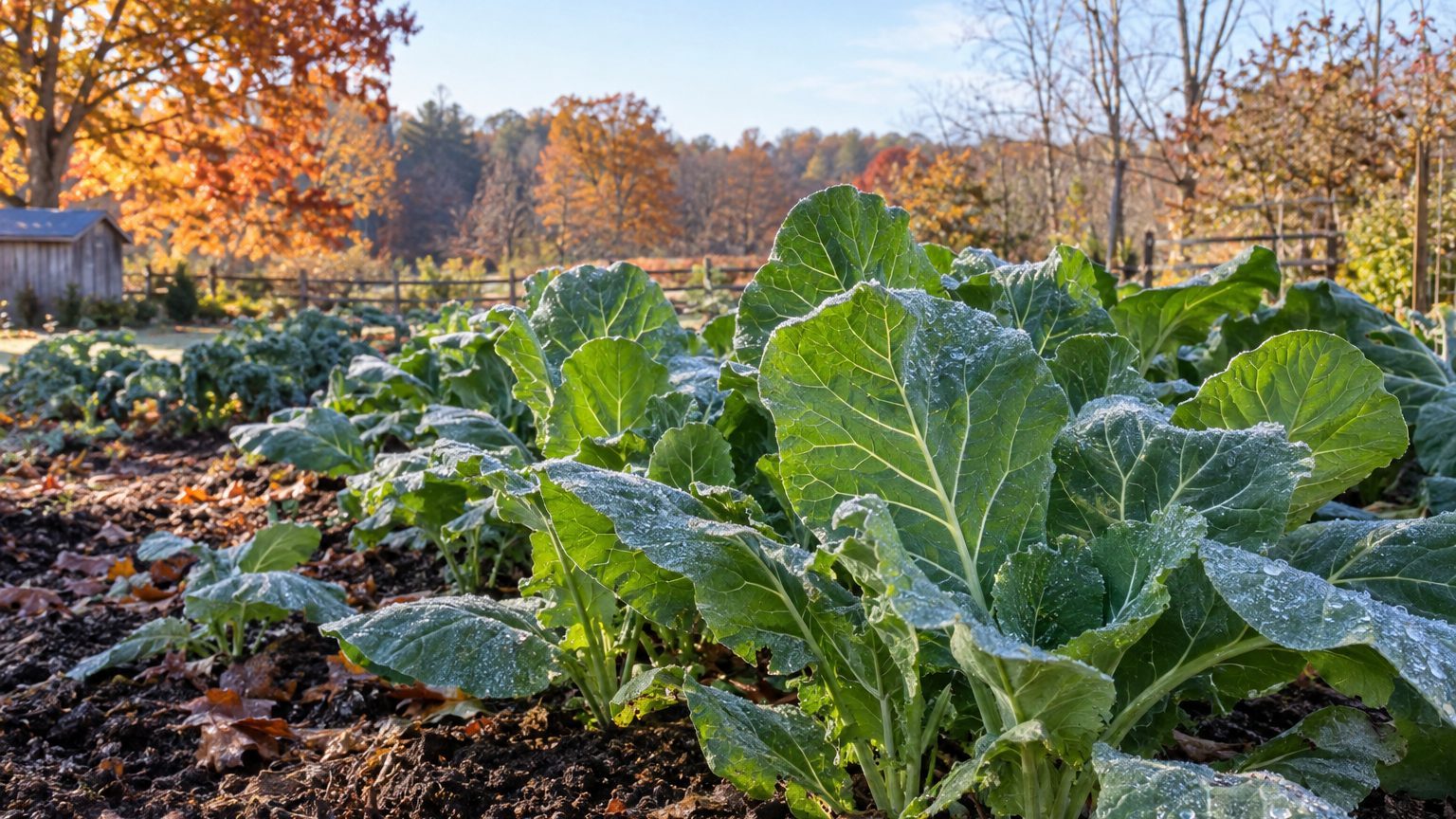
Texas has no single collard planting date. The state runs from Gulf Coast humidity to Panhandle winters, and the frost figures this page can stand behind…
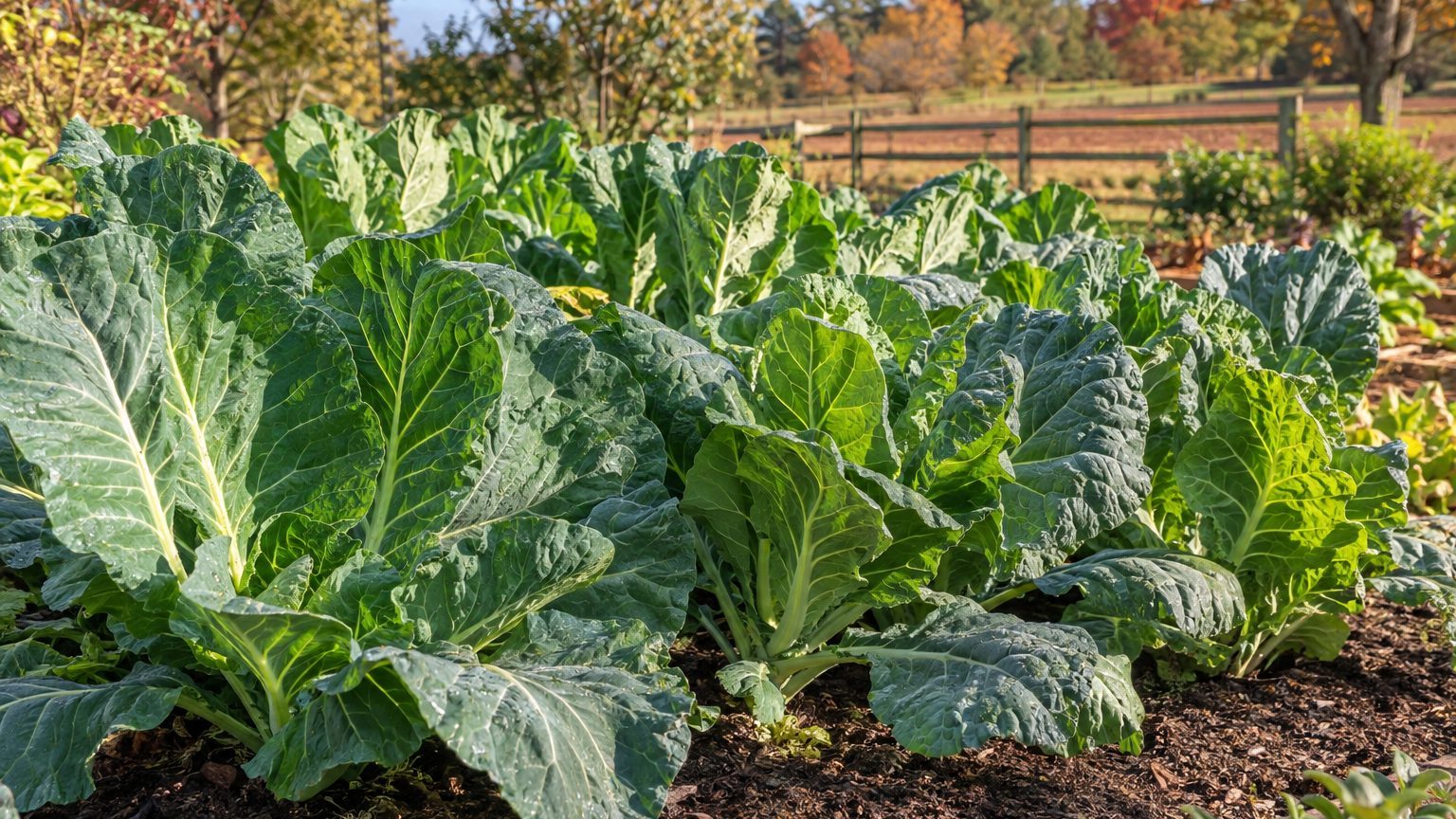
For most of Texas, the best collard is a leafy, open-growing type sown for fall and winter harvest, not a slow heading variety chasing a long season.