When to Plant Collards in Texas
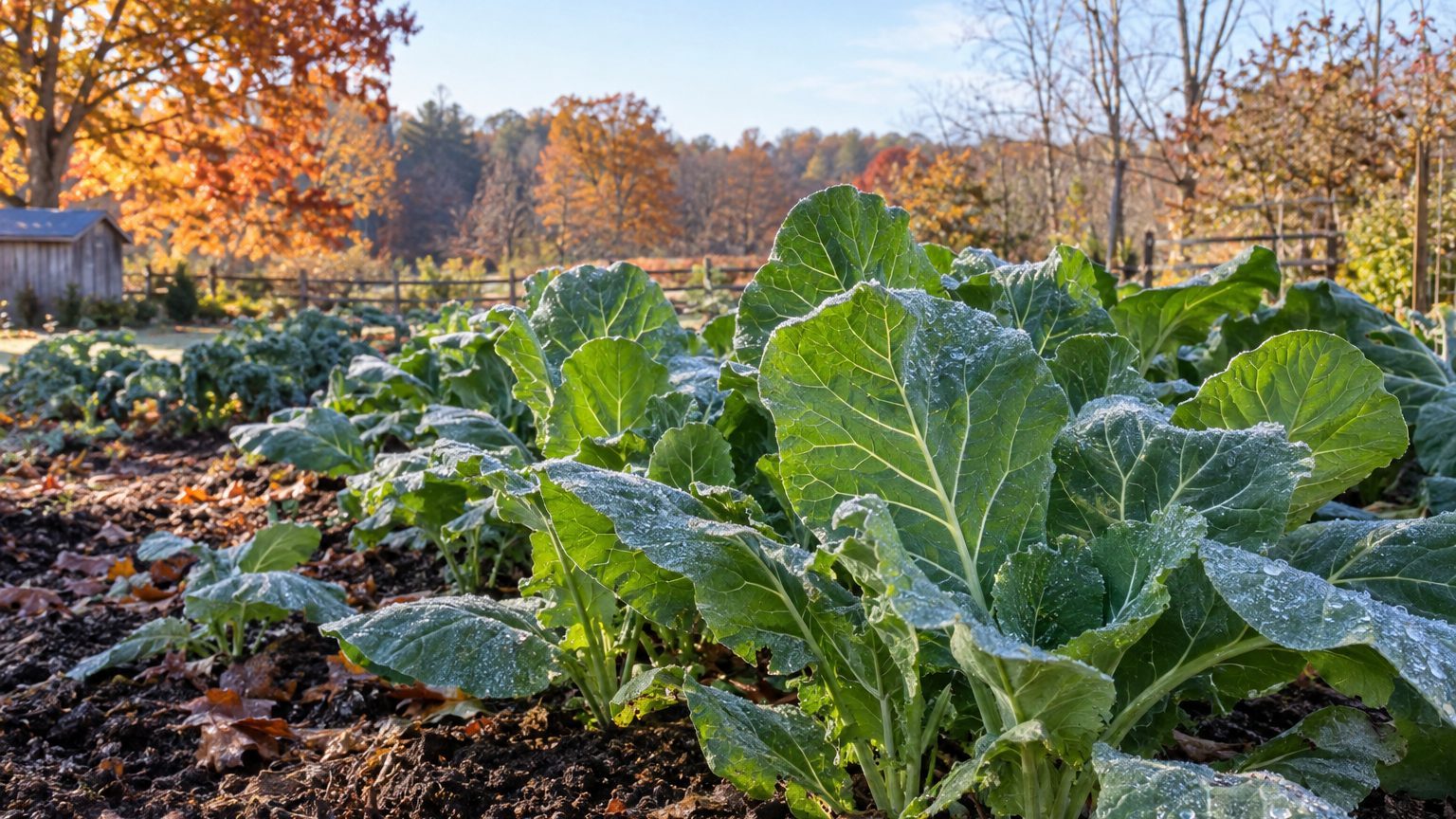
Texas has no single collard planting date. The state runs from Gulf Coast humidity to Panhandle winters, and the frost figures this page can stand behind…
Home & garden, state by state
Texas has no single collard planting date. The state runs from Gulf Coast humidity to Panhandle winters, and the frost figures this page can stand behind…
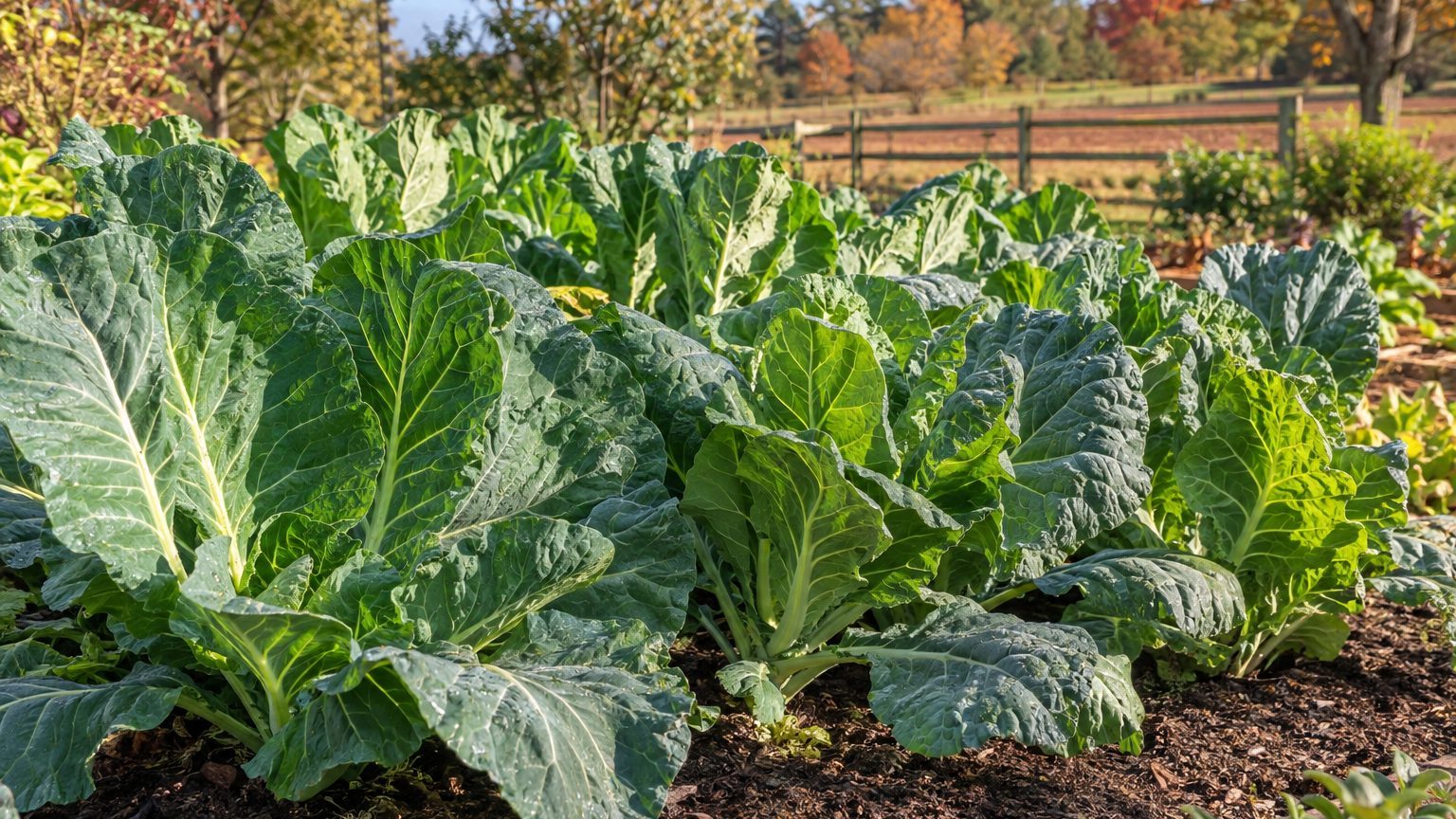
For most of Texas, the best collard is a leafy, open-growing type sown for fall and winter harvest, not a slow heading variety chasing a long season.
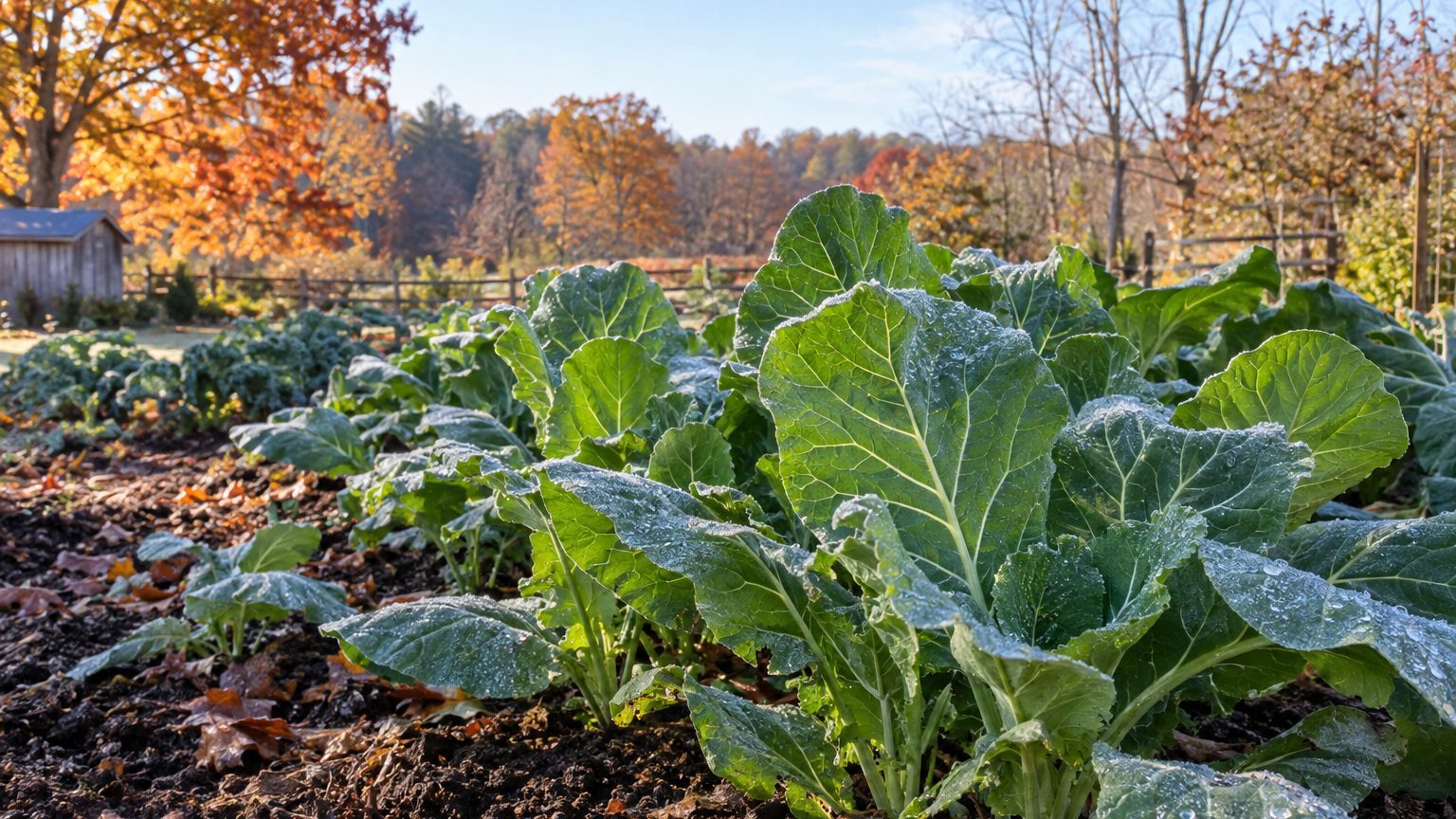
Collards give Tennessee gardeners two planting seasons instead of one, and both hang on the same kind of number: the point at which a 32°F freeze becomes…
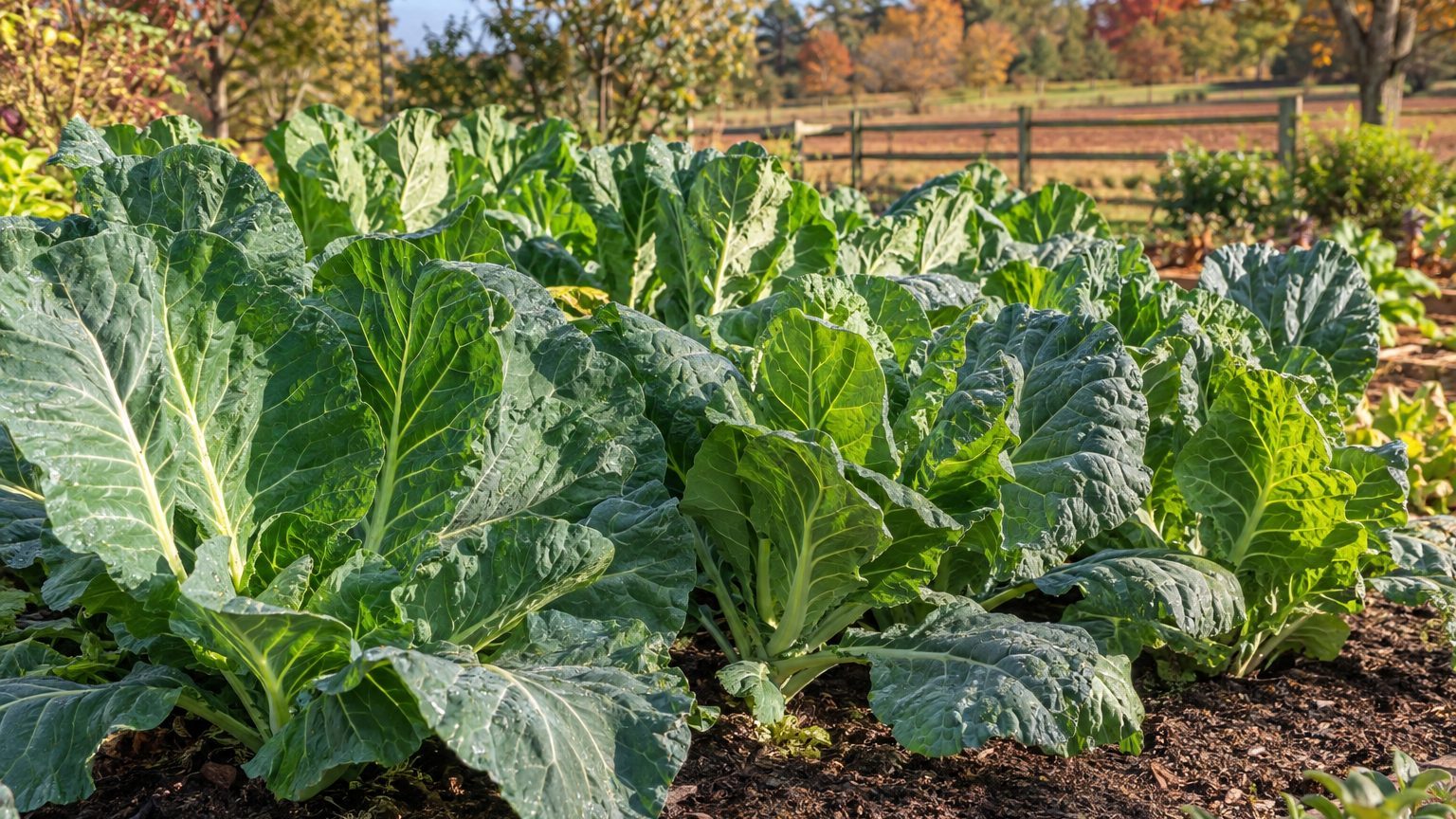
Open-leaf, non-heading collards are the safe main crop across Tennessee, and the fall planting is the one that pays off.
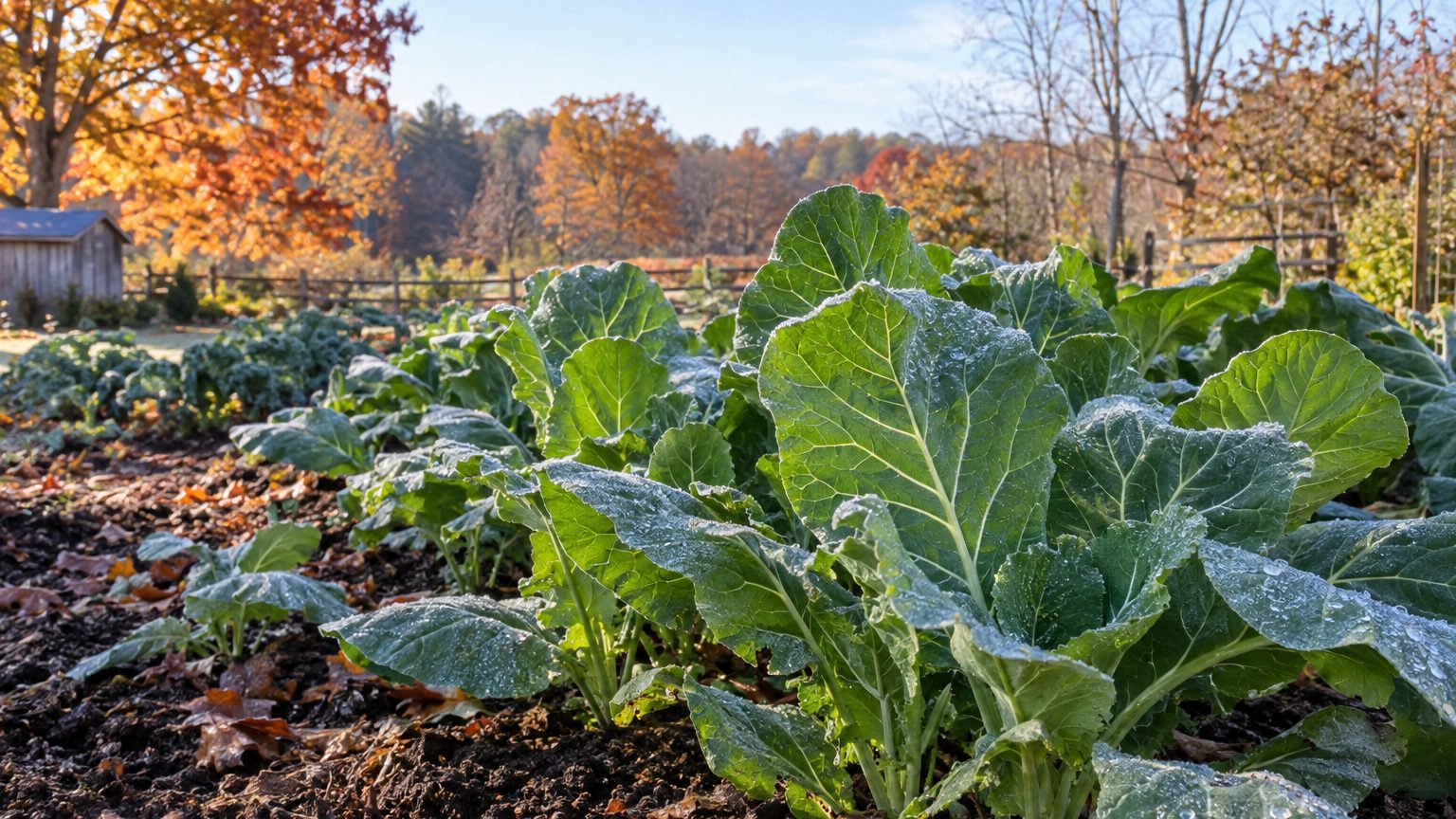
Collards belong to the cabbage family, not to the Deep South, and South Dakota’s cold suits them better than its heat.
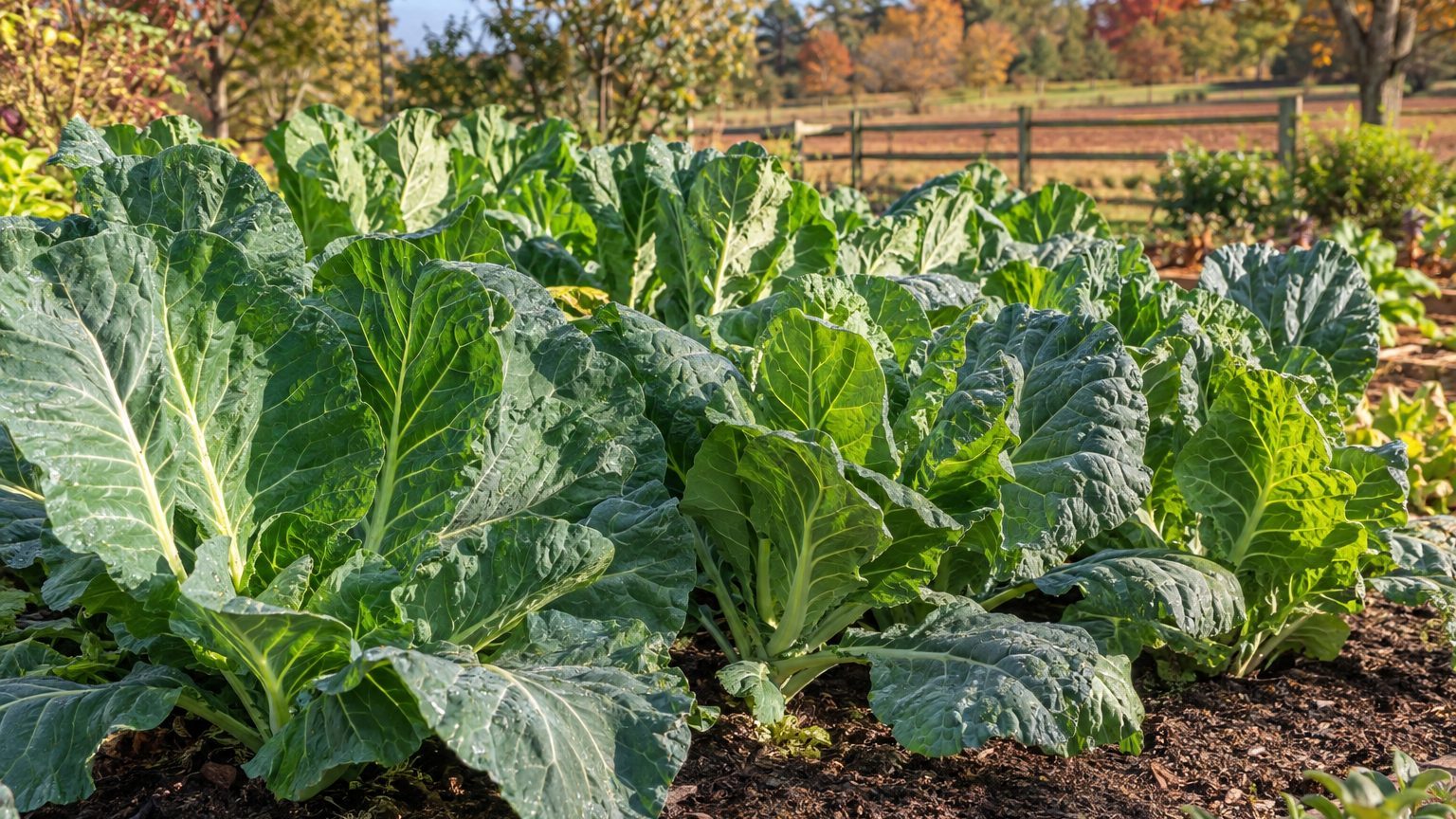
For most South Dakota gardens, the best collards are quick-maturing, compact types set out as transplants and grown as much for fall as for summer.
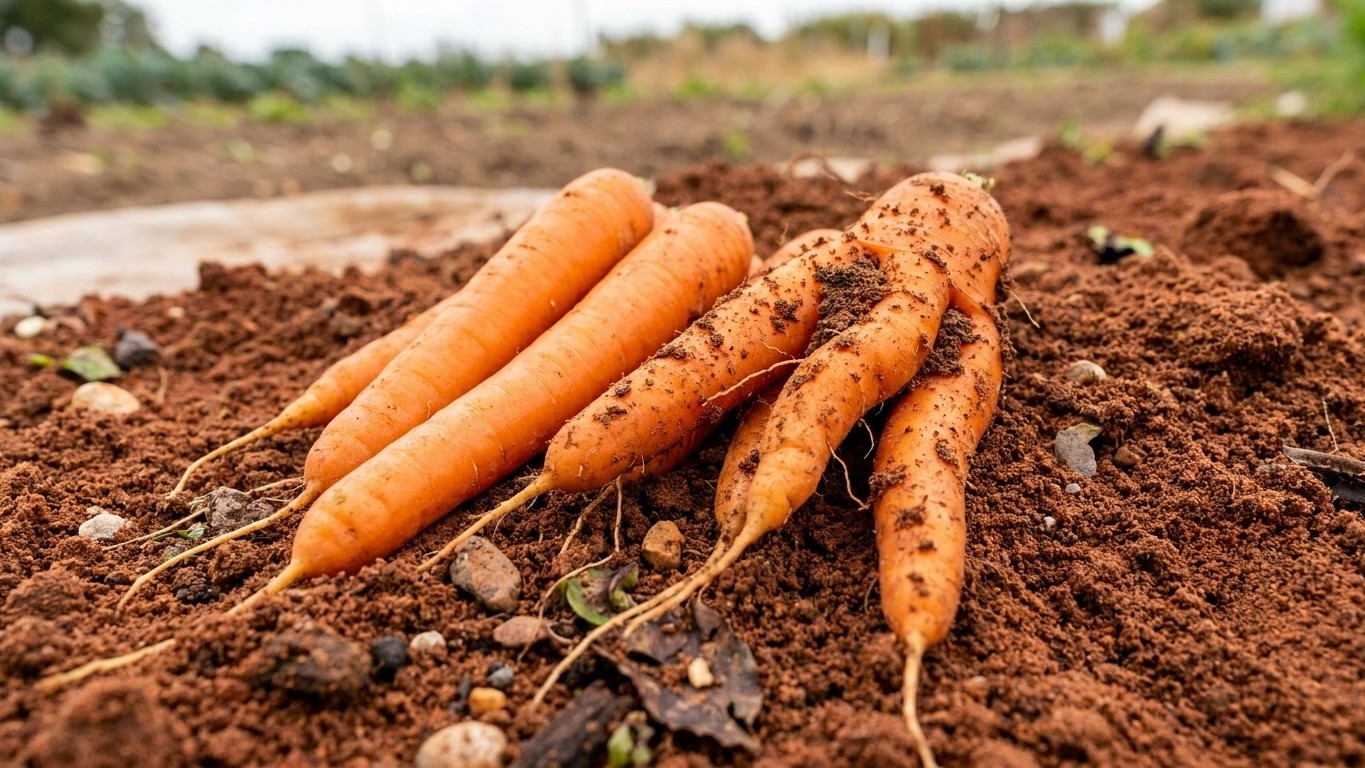
Pull carrots when the tops are full and thick and the shoulders show at the soil line.
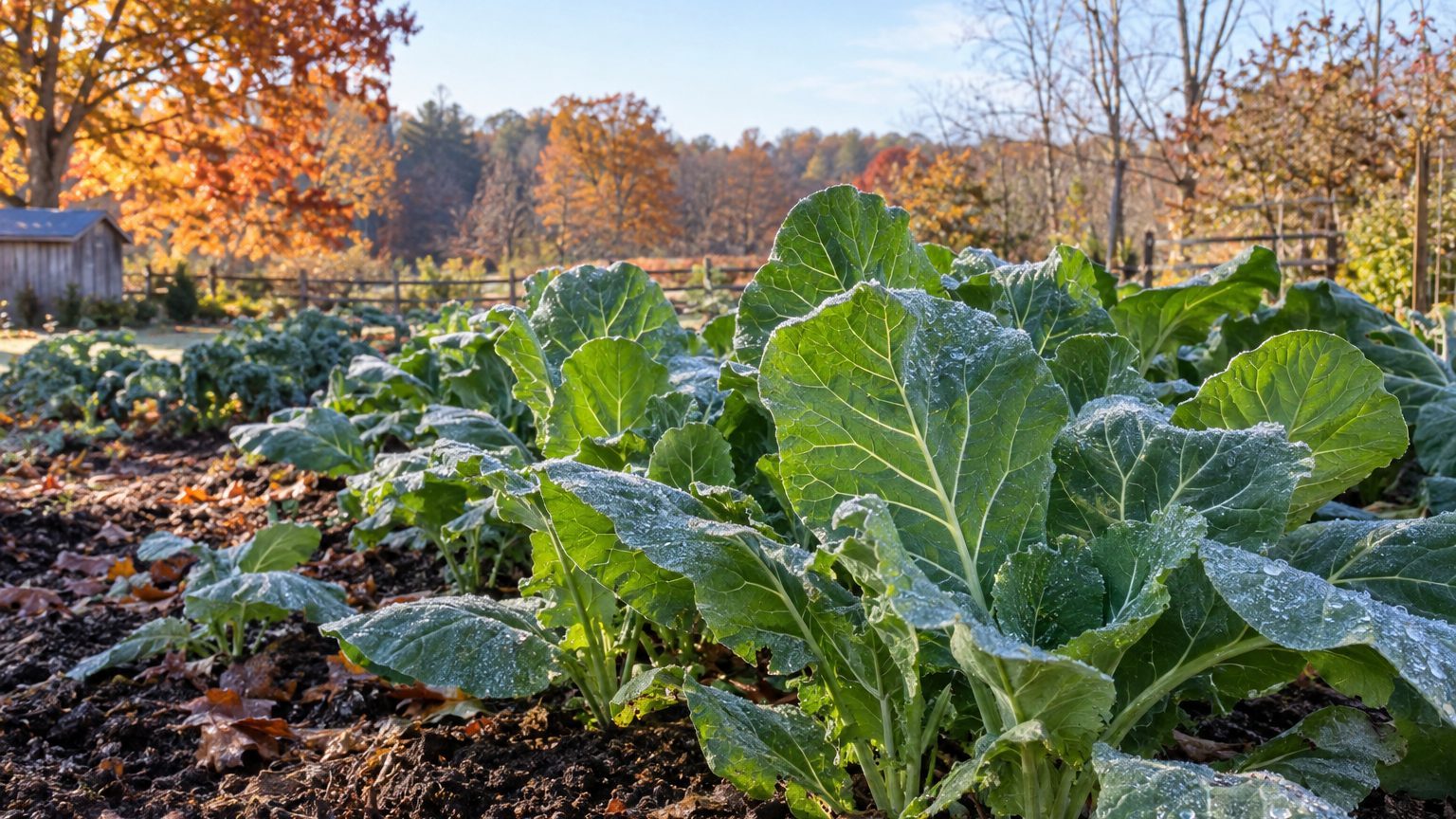
Sow collards in South Carolina twice: late winter for a spring crop, and late summer for the fall and winter crop that most Southern gardeners treat as…
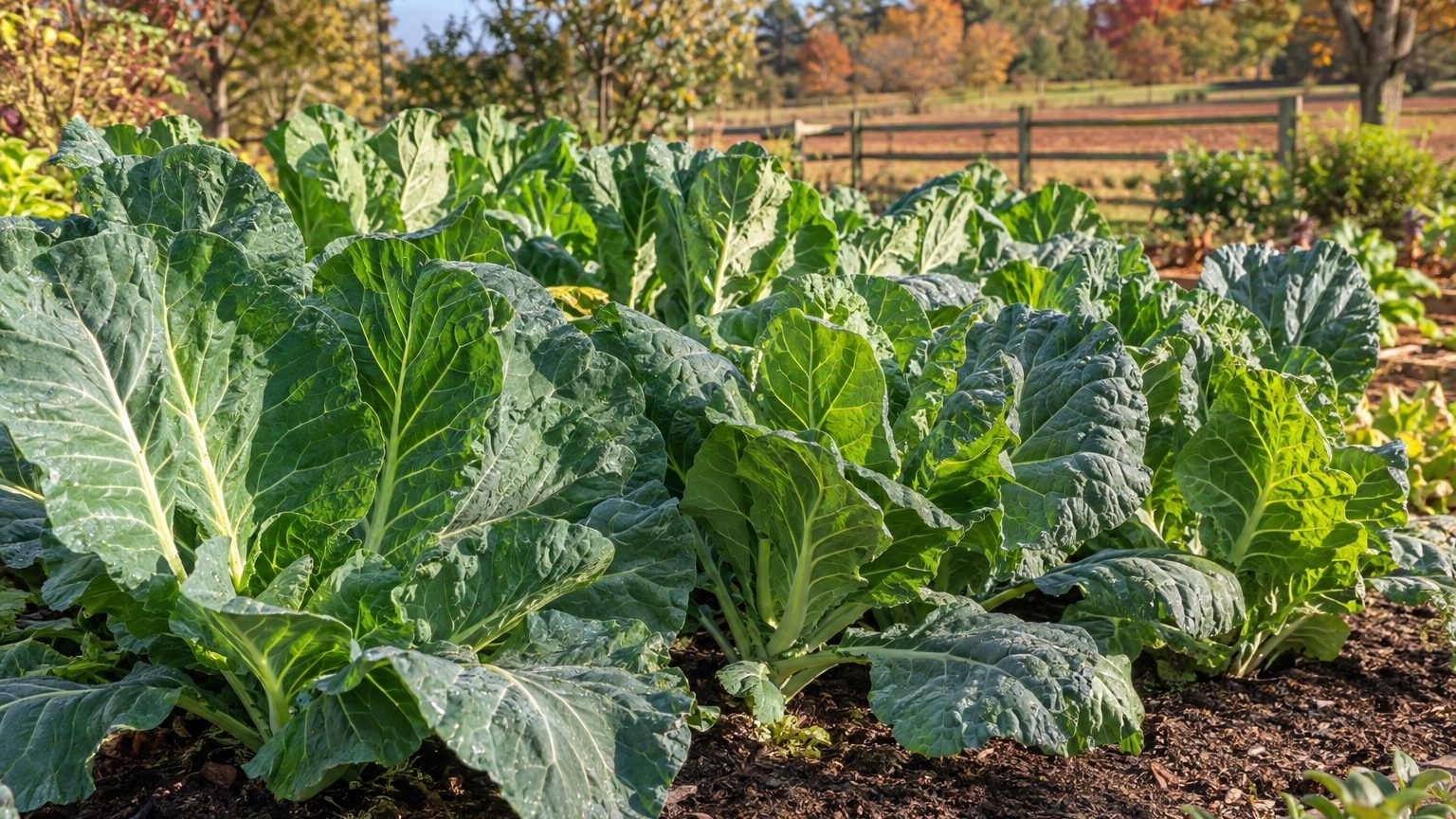
For most South Carolina gardens, the best collard is a non-heading, open-leaf type such as Georgia Southern or Vates, planted for fall and cut through…
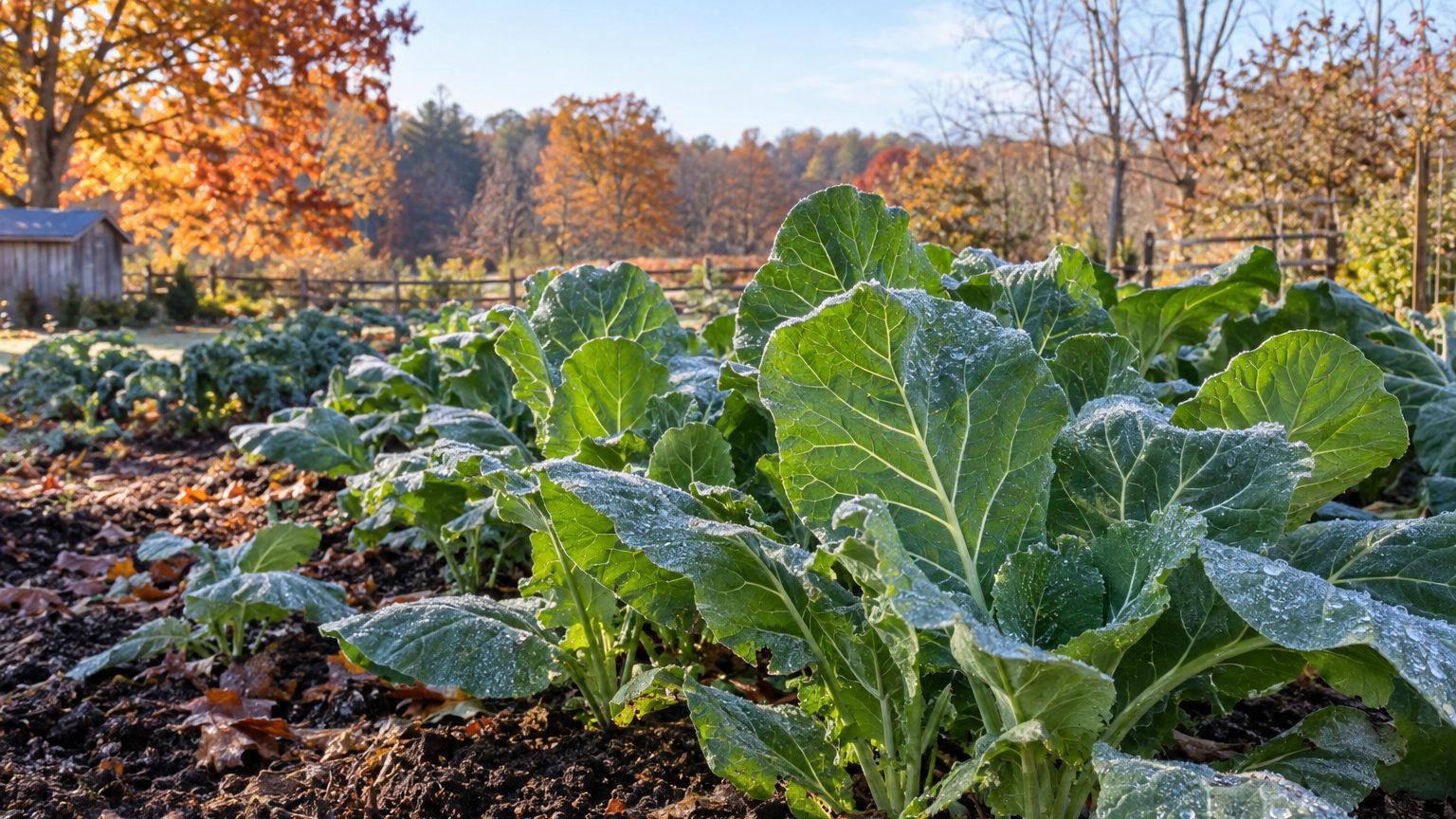
Set collard transplants outside around Saskatoon’s average last spring frost, May 18, and expect the season to end near the average first fall frost…