Protecting Roses Through a Alabama Winter
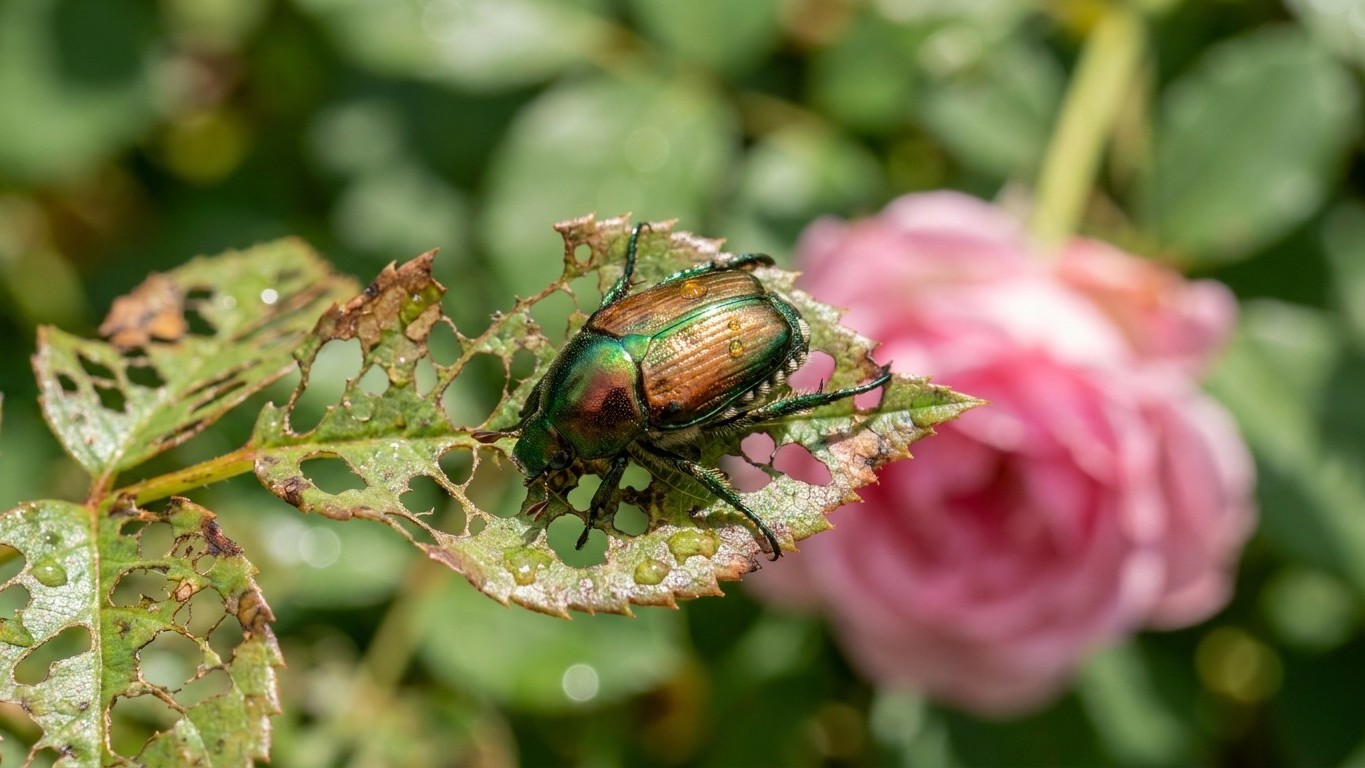
Most rose bushes in Alabama get through winter with nothing more than a light layer of mulch, but the state’s USDA hardiness range of 7a to 9a means a…
Home & garden, state by state
Most rose bushes in Alabama get through winter with nothing more than a light layer of mulch, but the state’s USDA hardiness range of 7a to 9a means a…
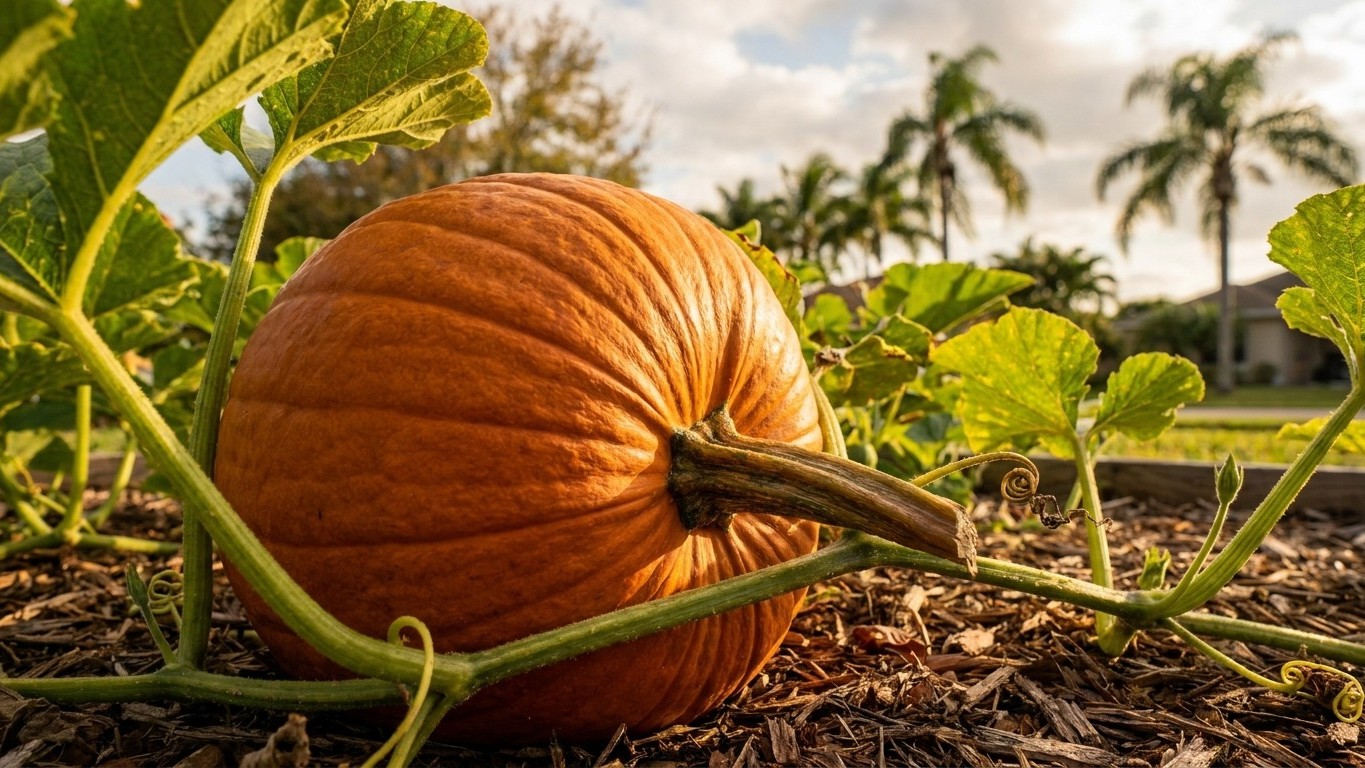
Nine pumpkin-feeding pests are documented for this region, and none of them wait for a calendar reminder.
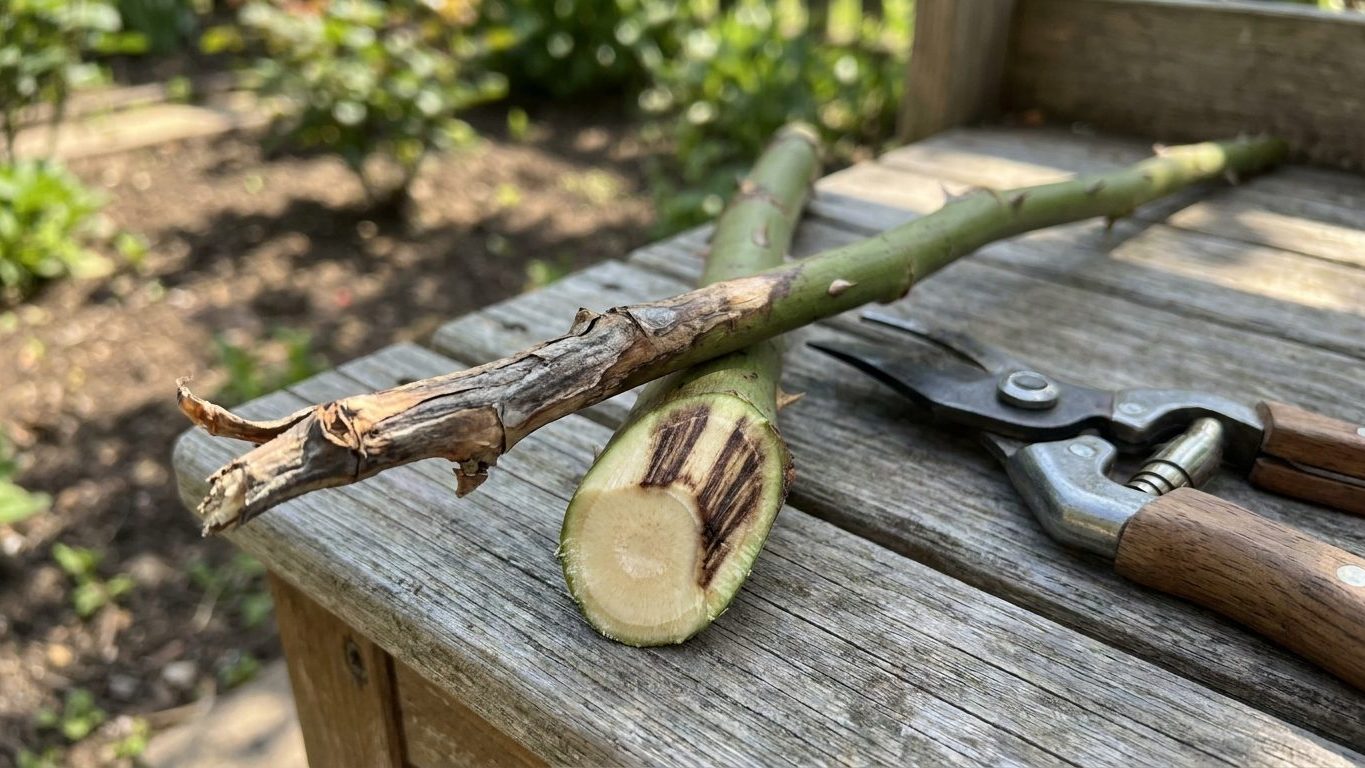
Cane dieback starting at the tip usually means either winter injury or a fungal canker got into the cane through a wound or pruning cut.
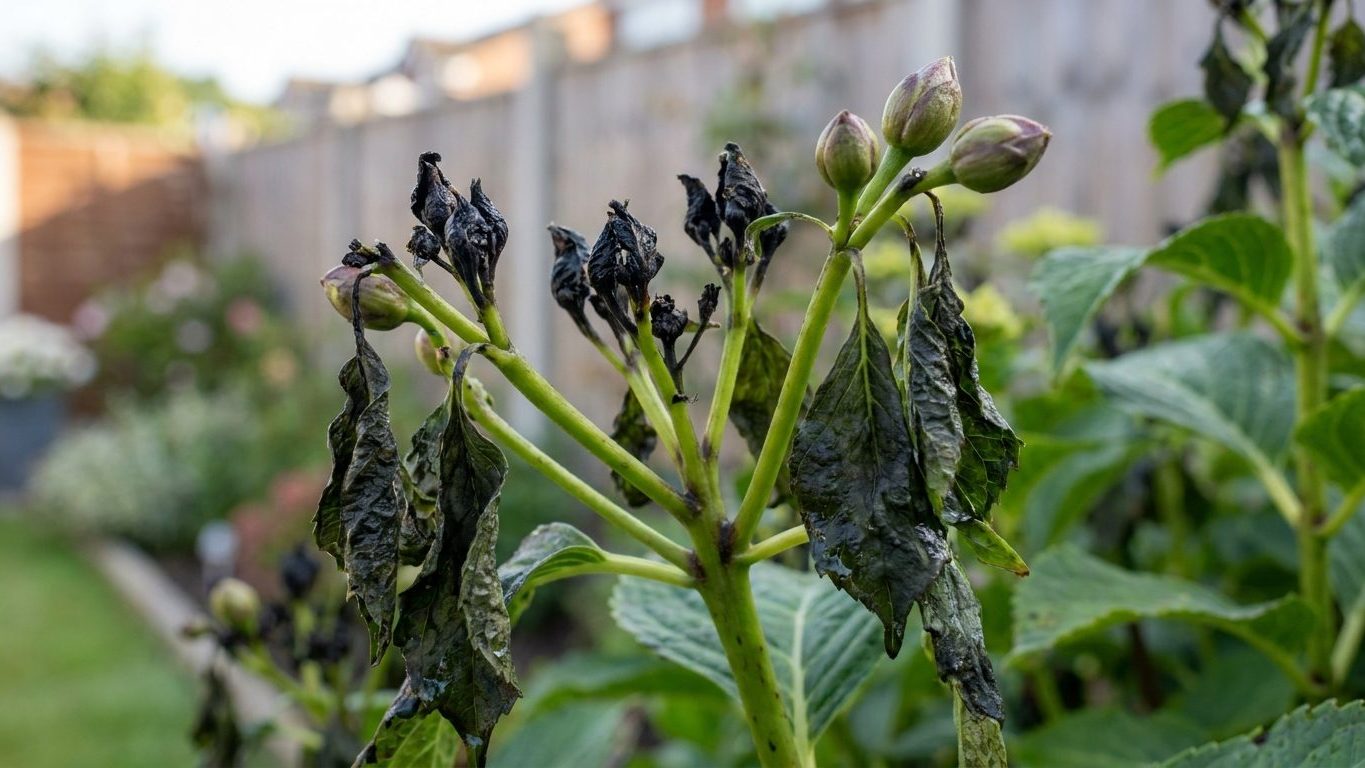
That blackened, limp tip on your hydrangea is bud death from a late-season freeze that hit after the plant had already woken up.
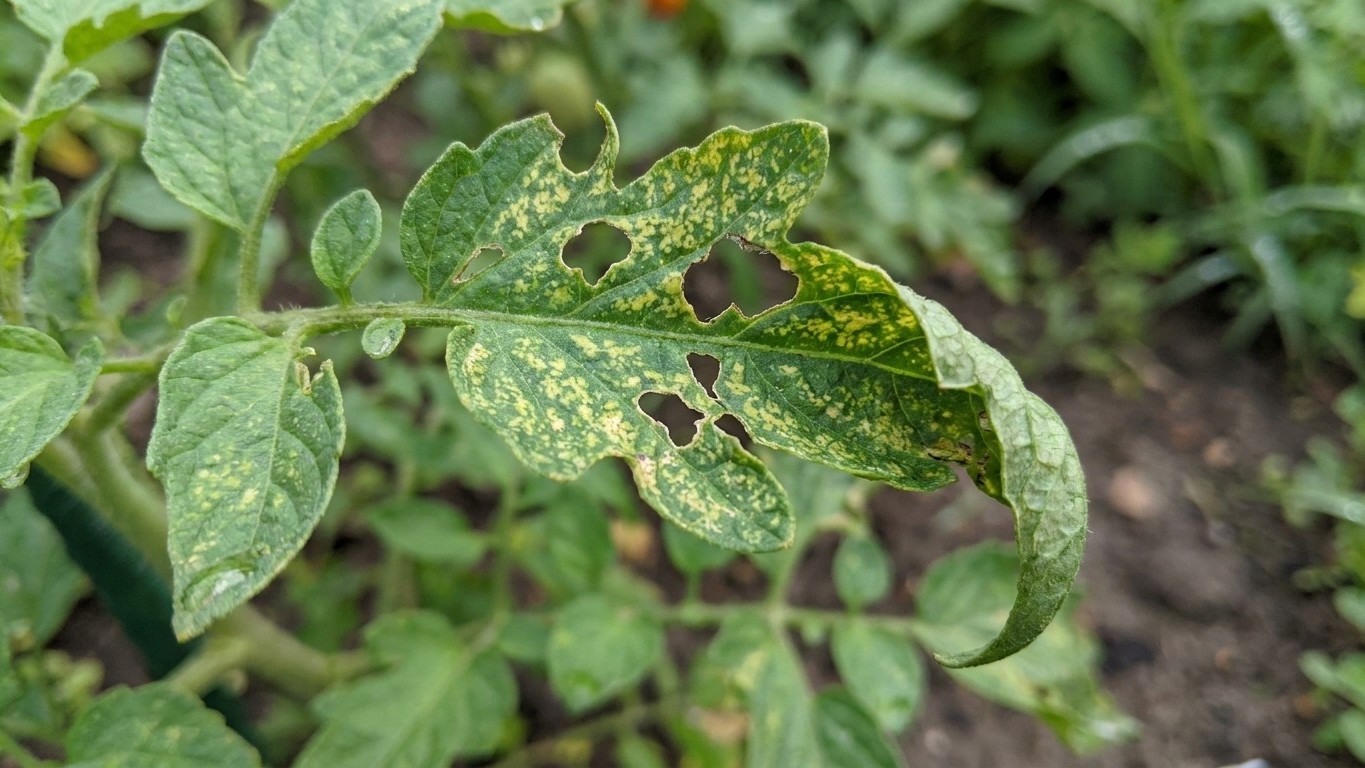
Nine insects and mollusks show up on potato in this region before the season’s done: Colorado potato beetle arrives first and does the most visible…
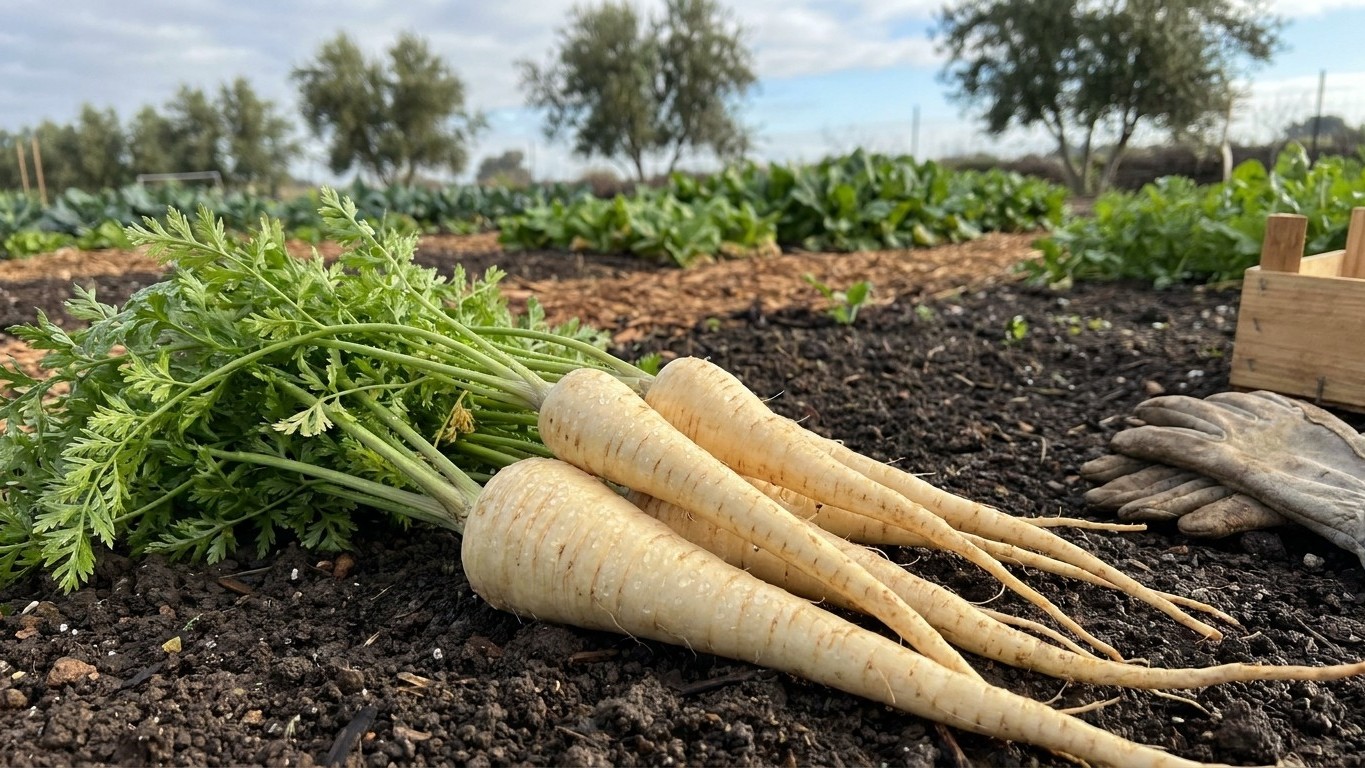
The pests documented for parsnip in this region are aphids, carrot rust fly, cutworms, flea beetles, grasshoppers, slugs, spider mites, and wireworms.
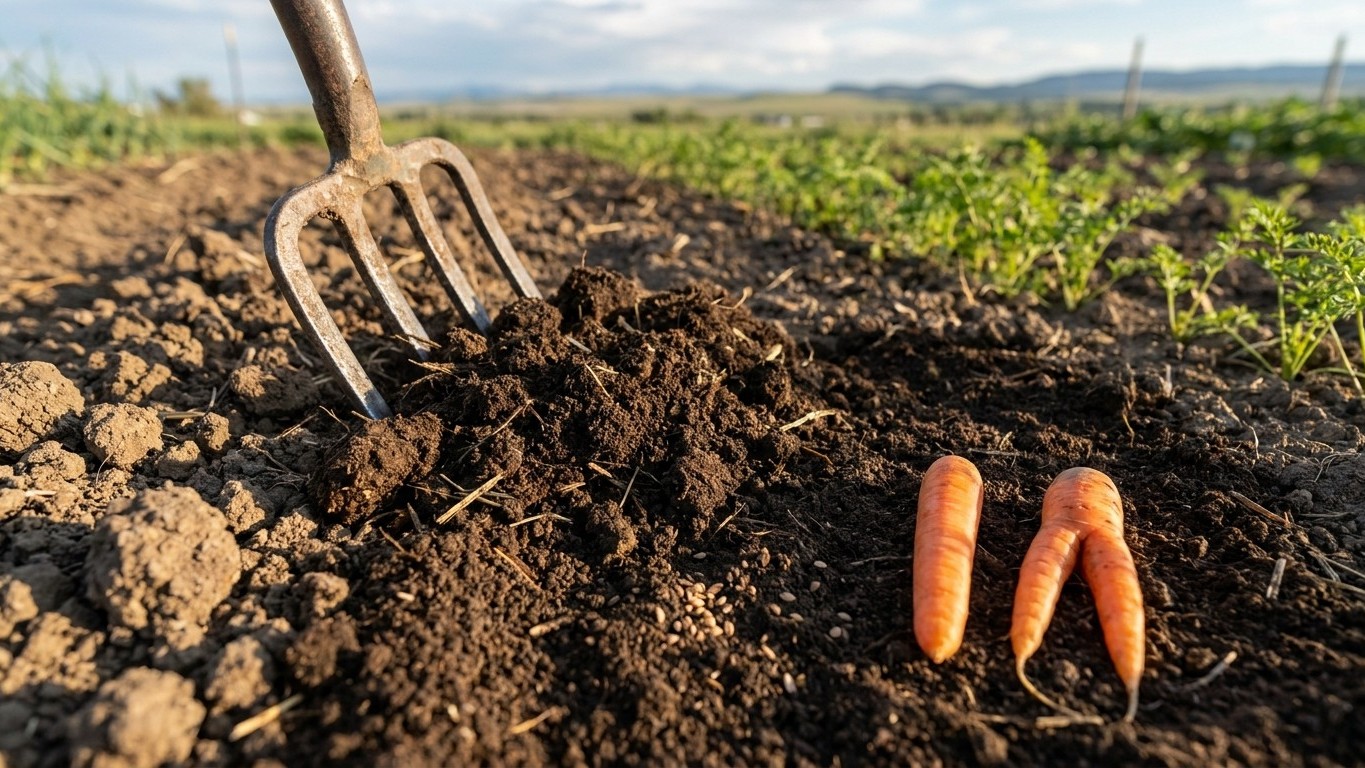
Eight species from the documented list actually feed on carrot in this growing region: aphids, carrot rust fly, cutworms, flea beetles, grasshoppers…
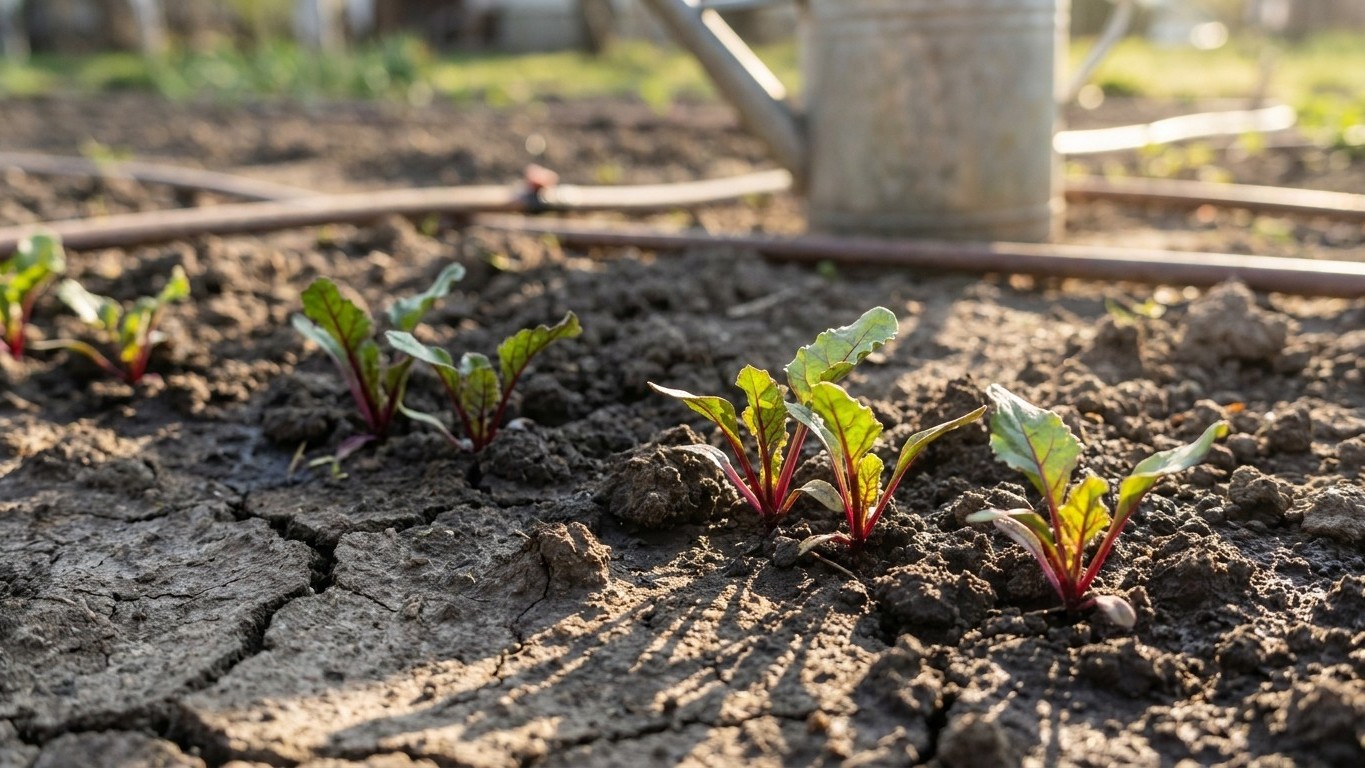
Beets in British Columbia face a shorter, cooler-edged list of leaf and root feeders than warmer growing regions get, and most of them show up at two…
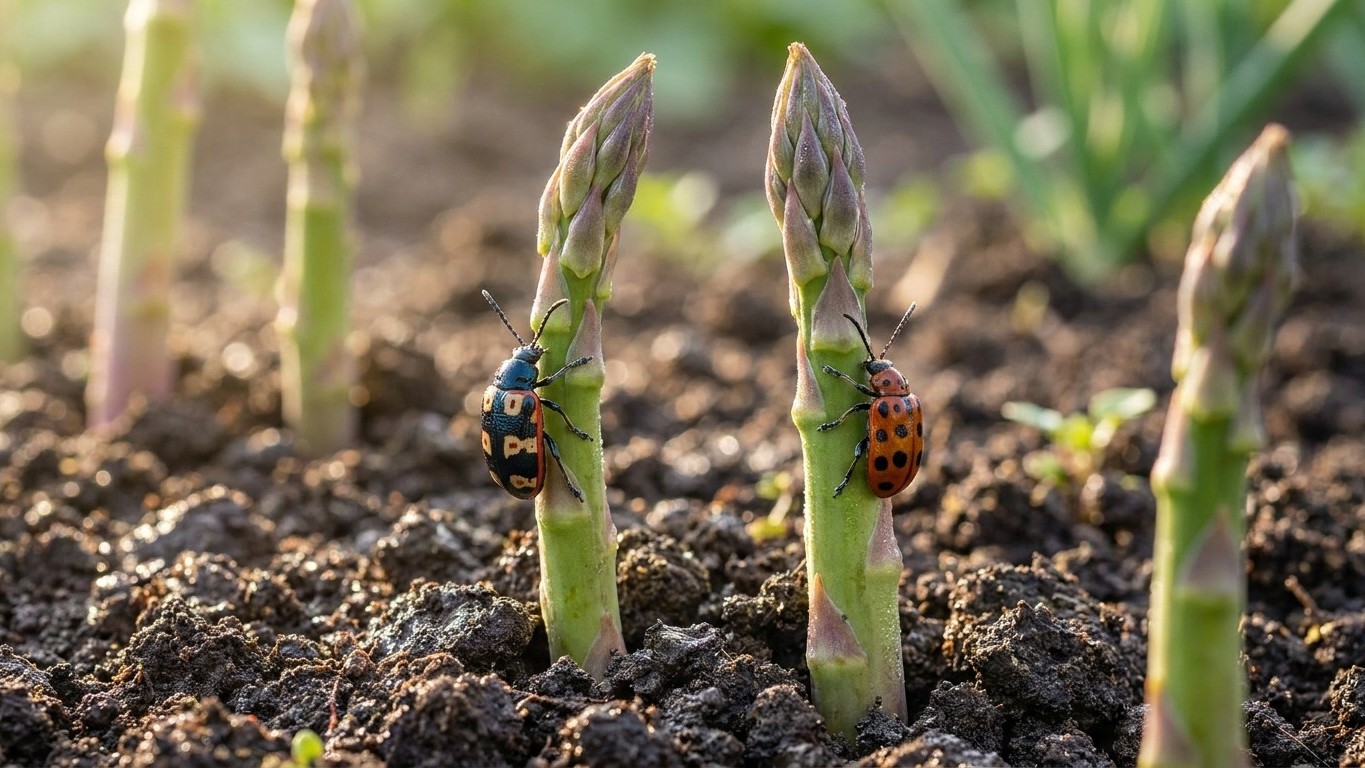
British Columbia gardeners growing asparagus mostly deal with generalist feeders rather than a single dedicated asparagus pest: aphids, cutworms…
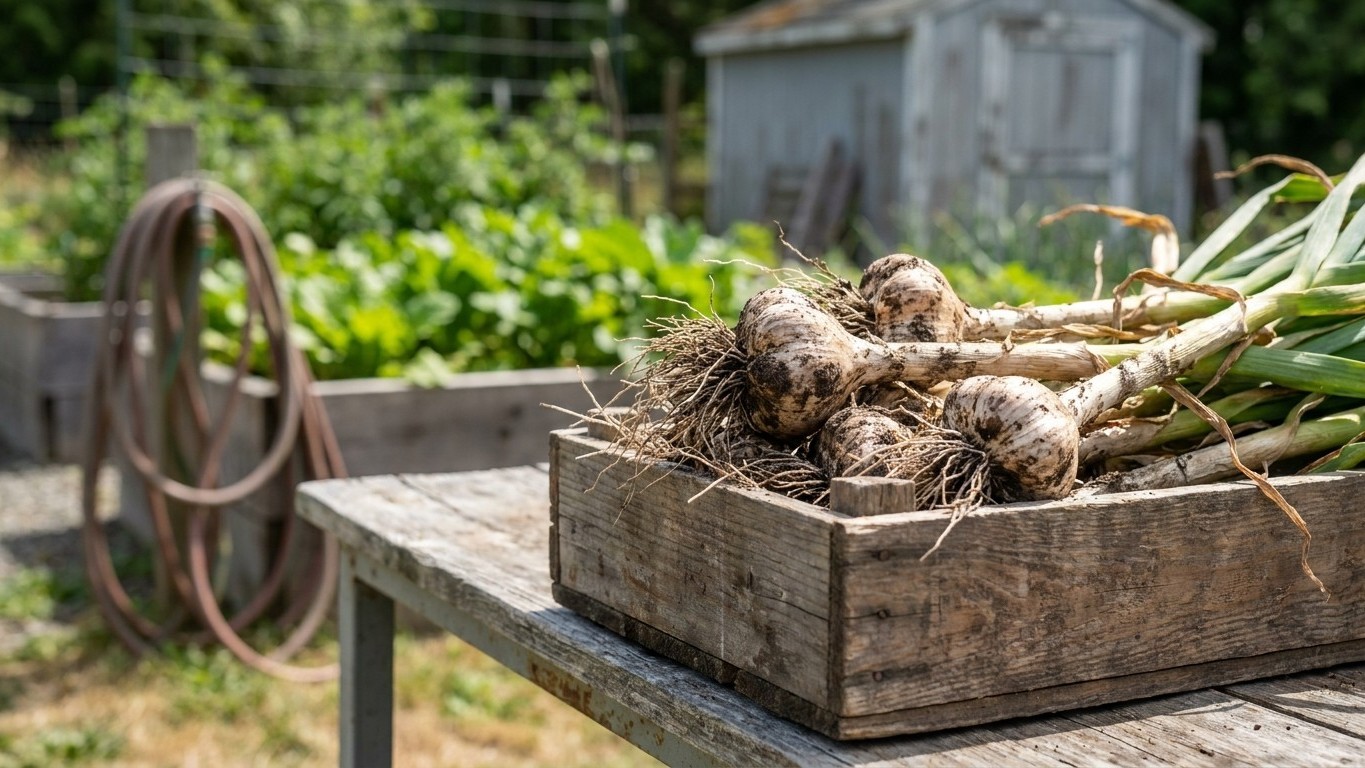
California gardeners growing garlic contend with six pests documented by University of California Agriculture and Natural Resources: aphids (including…