Why Peppers Fail to Set Fruit in Oklahoma
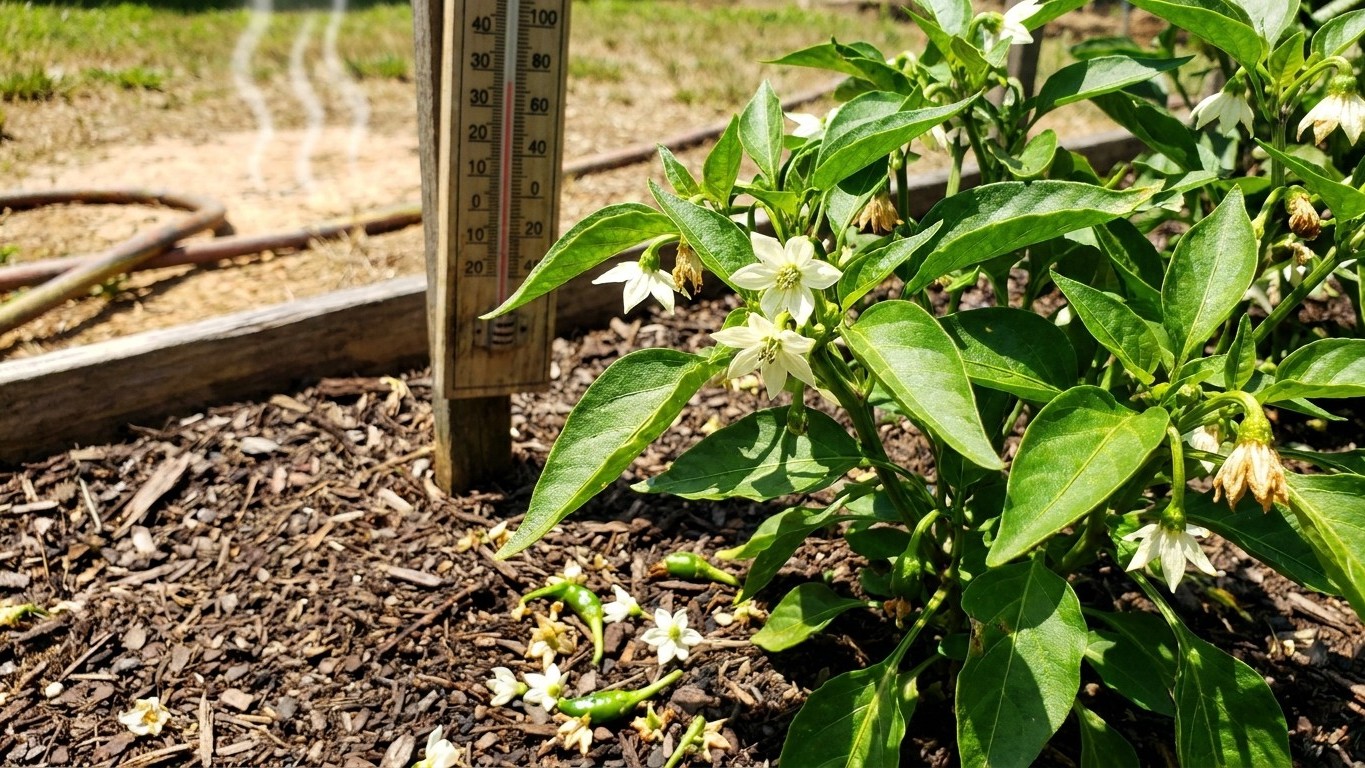
Peppers stop setting fruit in Oklahoma for one of two reasons: heat that scrambles pollen viability on the days that hit or cross 90 F, or nights that…
Home & garden, state by state
Peppers stop setting fruit in Oklahoma for one of two reasons: heat that scrambles pollen viability on the days that hit or cross 90 F, or nights that…
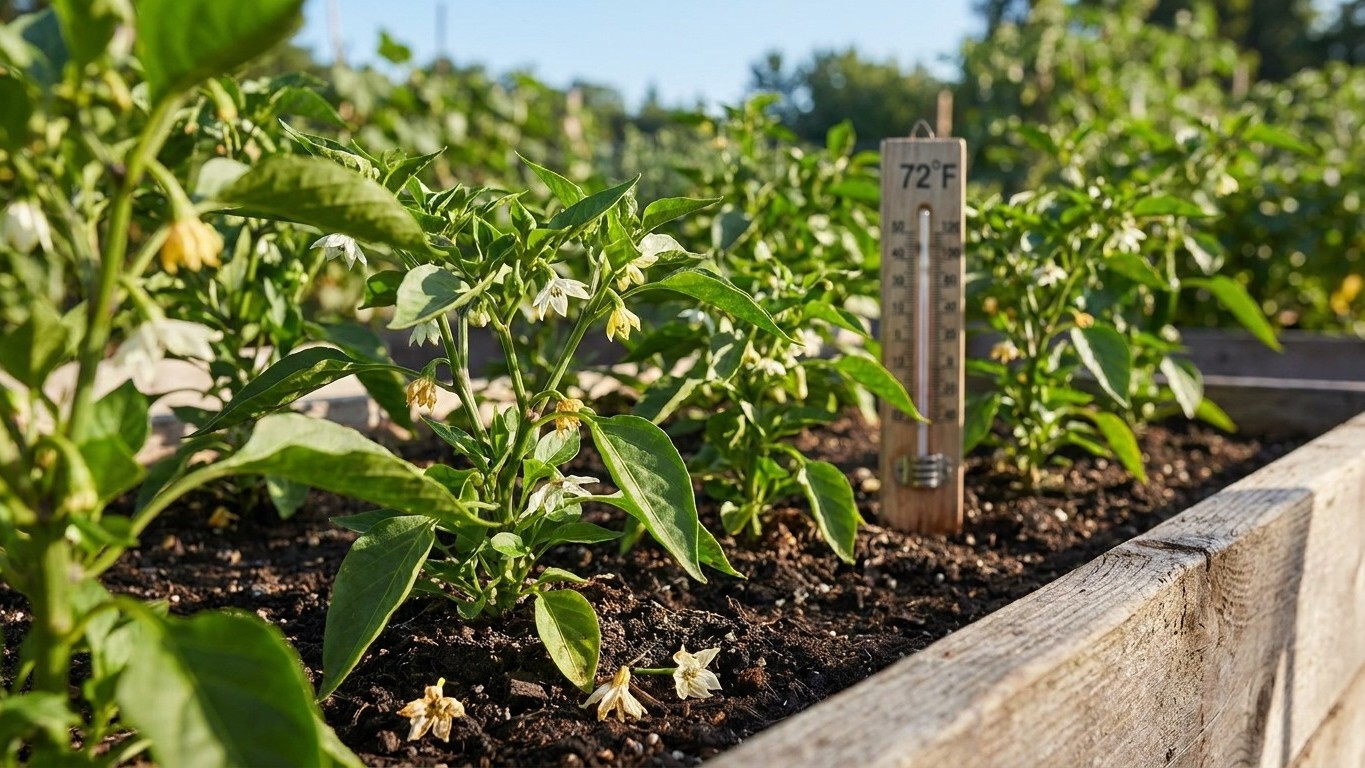
In central Ohio, expect to start pepper seed indoors somewhere between late February and mid-March, counting back 8 to 10 weeks from a transplant date…
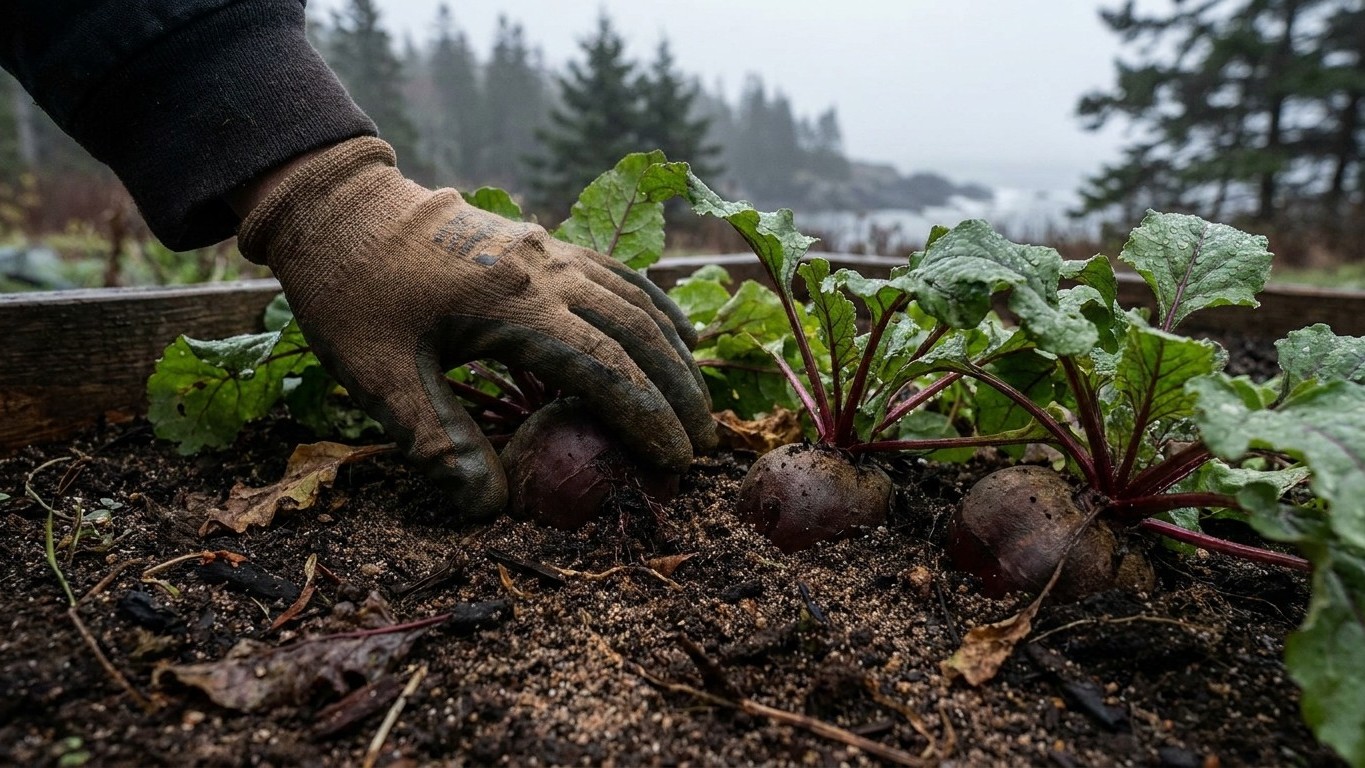
Beets in Newfoundland and Labrador do best when the grower treats the ground as sandy but sour: most agricultural soil across the province runs strongly…
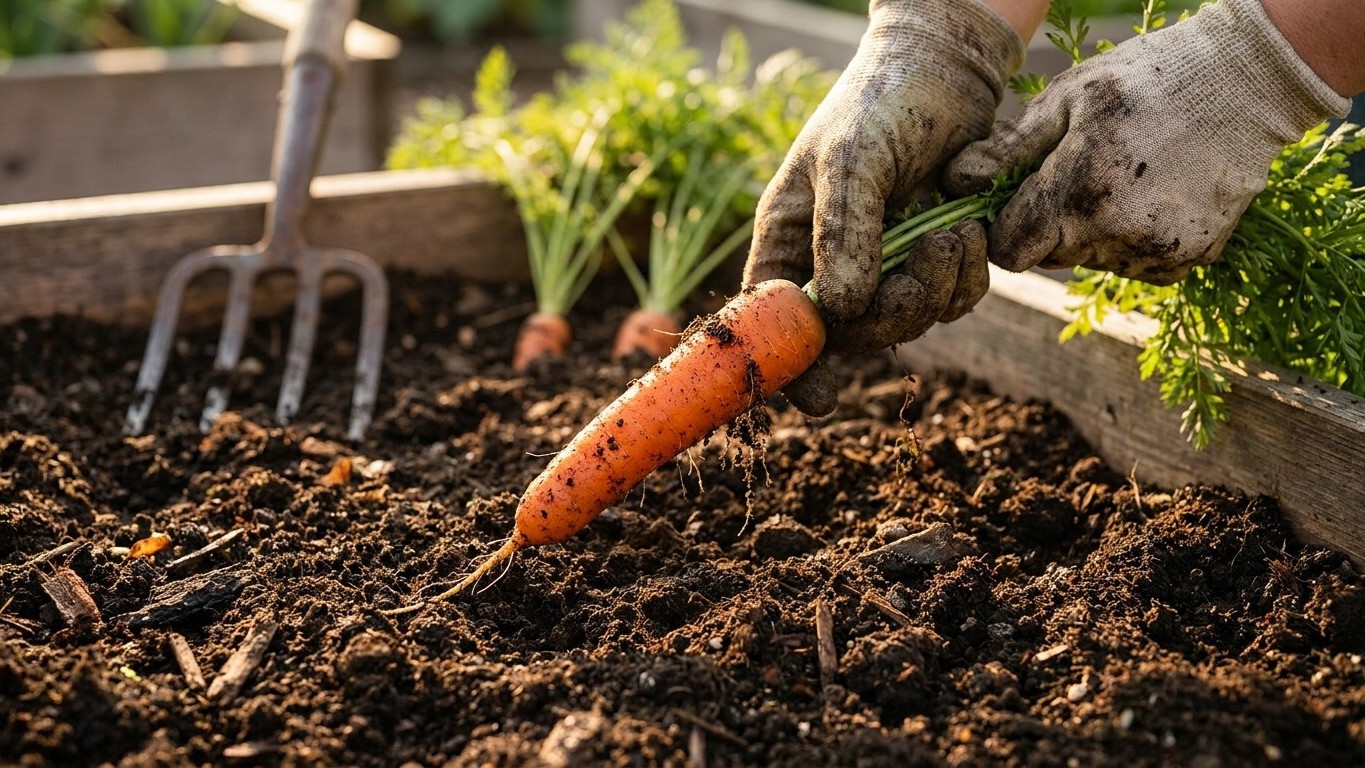
New York’s representative soil, the Honeoye series, sits on the favorable end of the spectrum for carrots: well drained, moderately fertile, and closer…
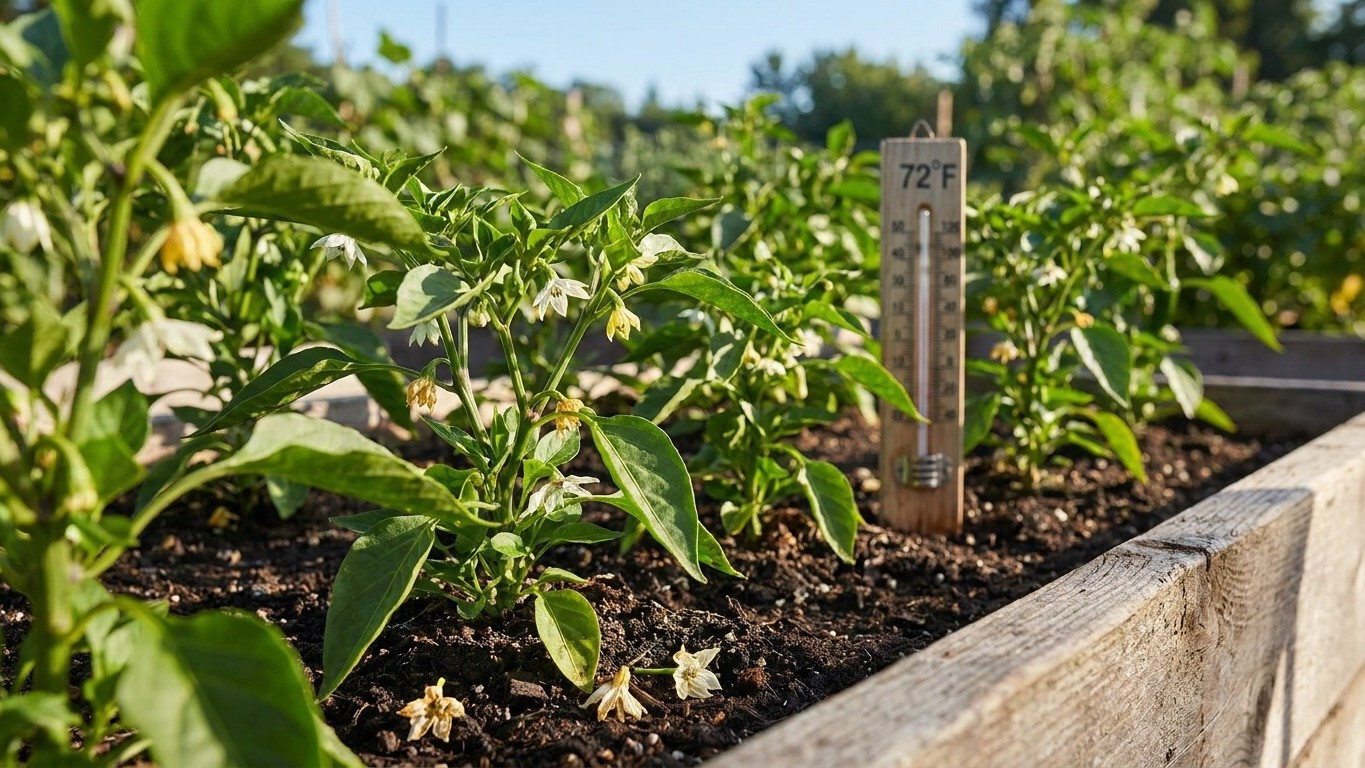
Nunavut’s reference station at Rankin Inlet logs an average of 0.0 days a year at or above 90 F, and the average last spring frost falls around June 19.
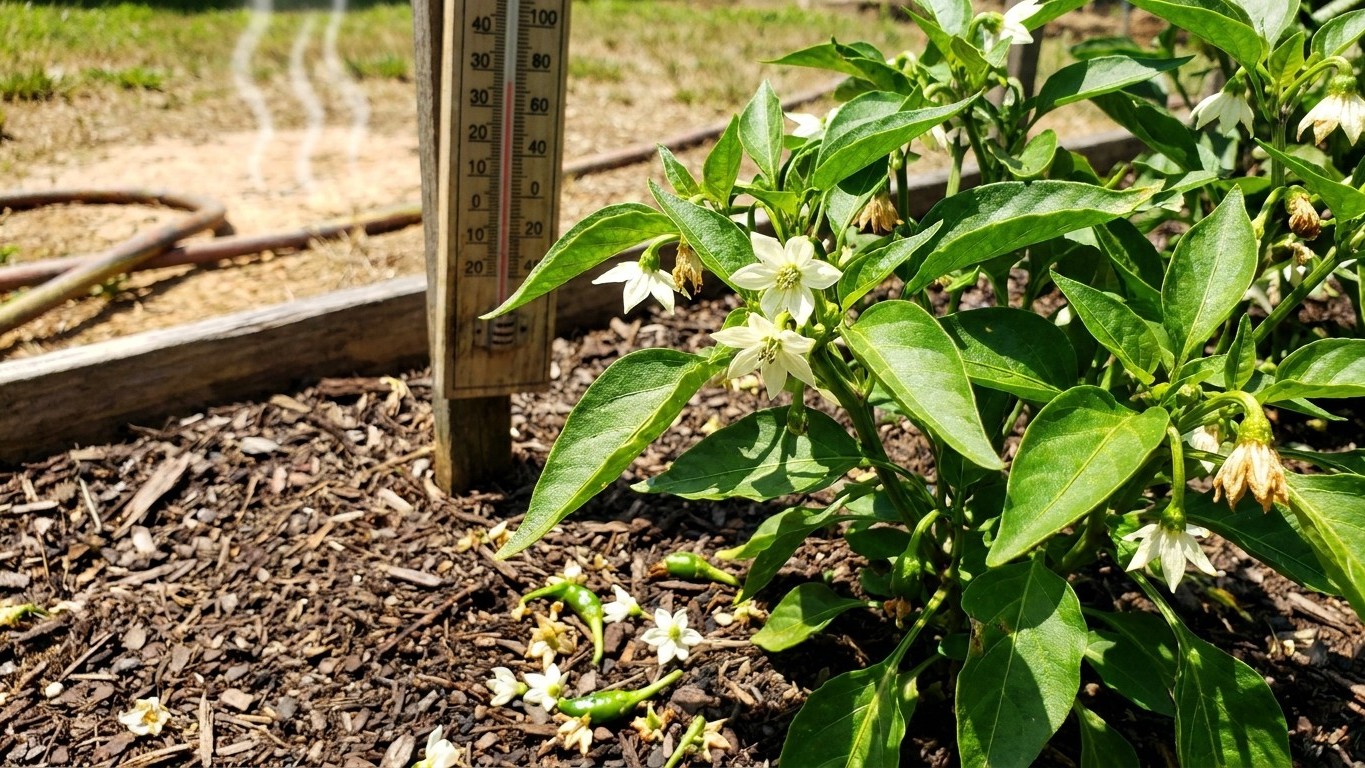
Peppers rarely set fruit outdoors in Nunavut because the territory’s growing season almost never delivers the steady warmth peppers need, and because the…
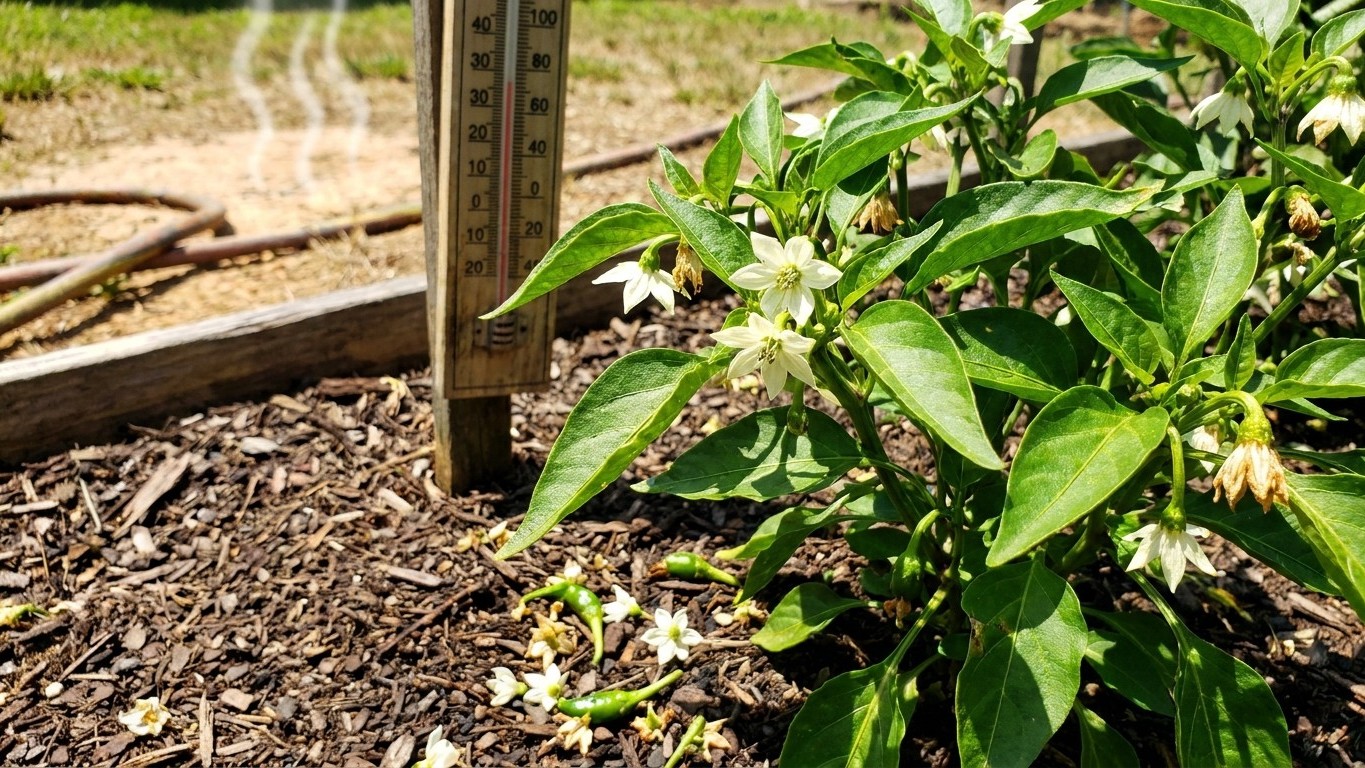
Peppers in Nova Scotia rarely stall because of heat. Halifax averages zero days a year at or above 90 F, so scorching afternoons are not the local threat.
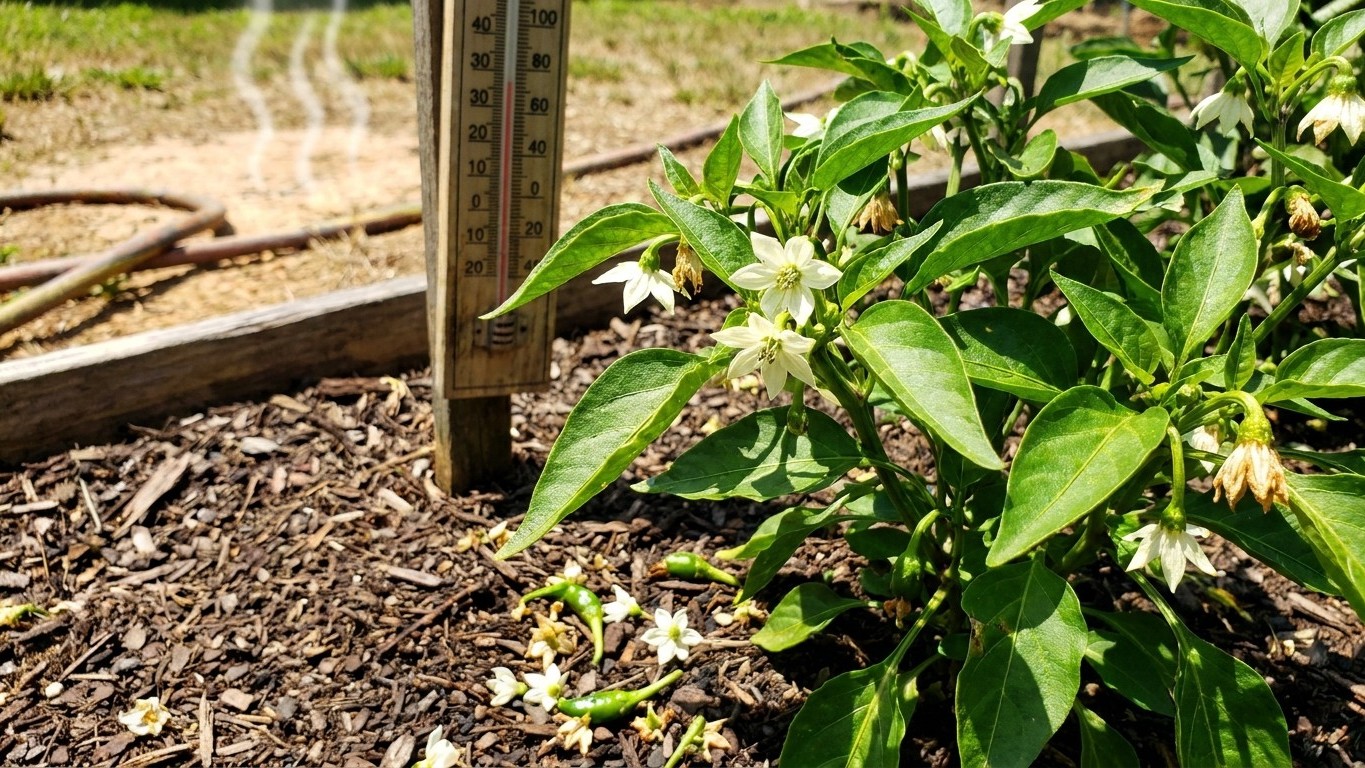
Peppers stop setting fruit in Kansas gardens for one of two reasons: the afternoons get too hot for pollen to stay viable, or a stretch of chilly nights…
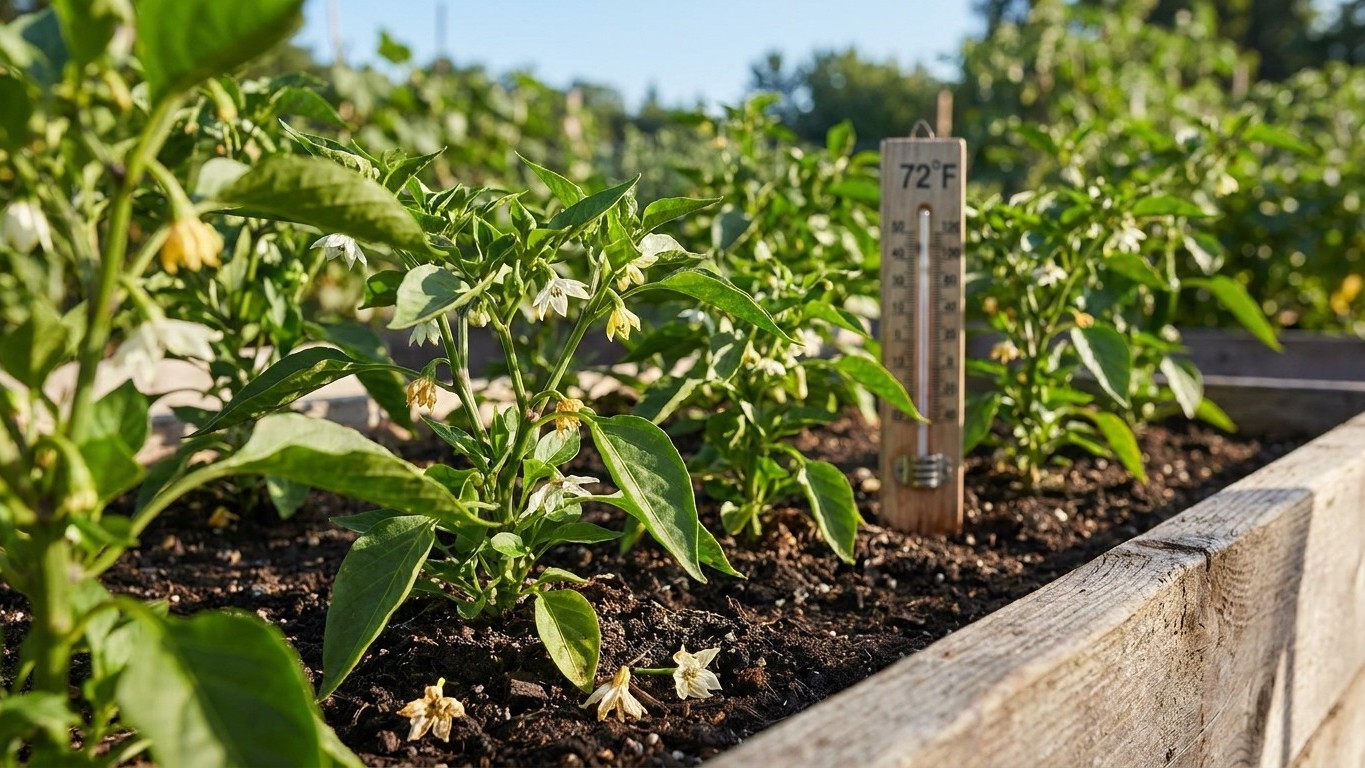
In the Piedmont around Charlotte, start pepper seed indoors between mid-January and early February.
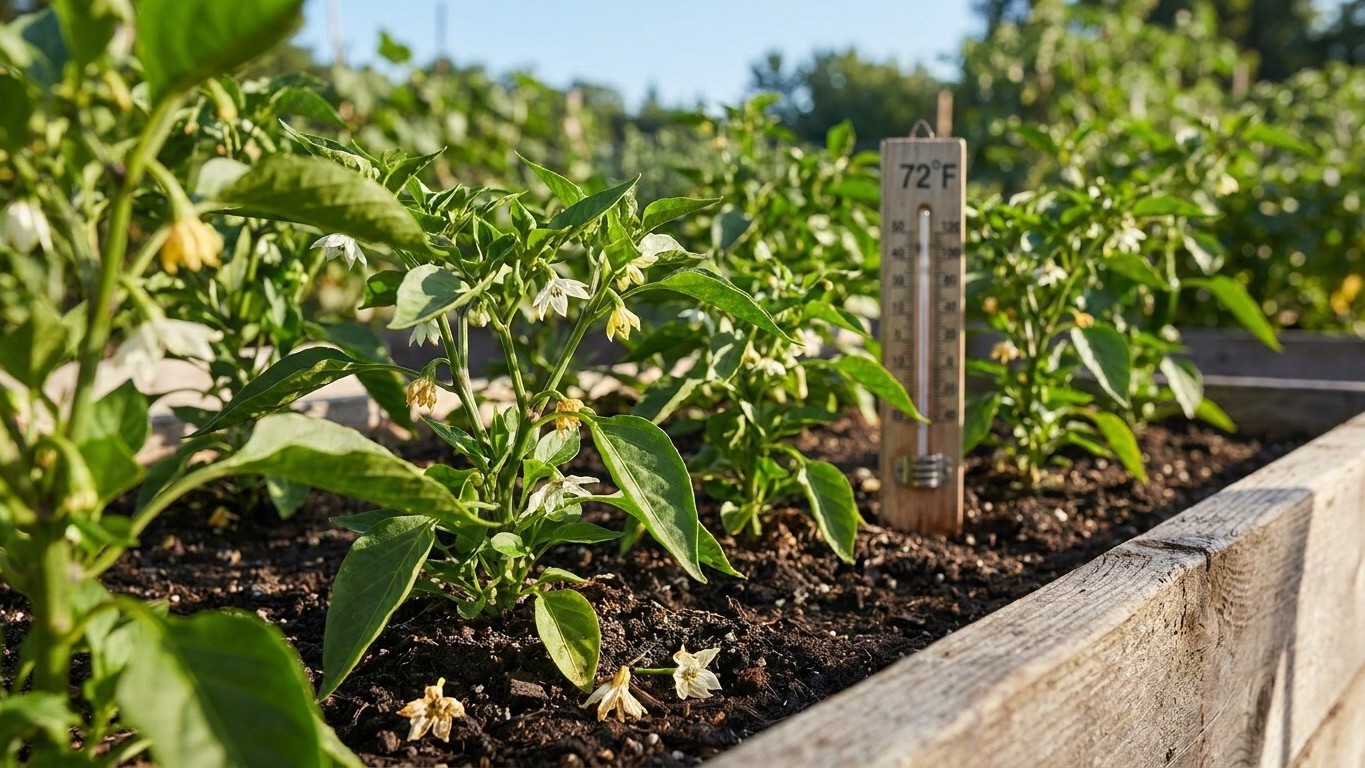
In Newfoundland and Labrador, start pepper seed indoors 8 to 10 weeks before the soil warms to 60 F and the frost risk has passed.