Skip to content

The Homestead Post

Home & garden, state by state

  • Home
  • Garden
    • Flowers
    • Lawn
    • Soil & Compost
    • Trees & Shrubs
    • Vegetables
  • Home Care
    • Electrical
    • Foundations
    • HVAC
    • Plumbing
    • Roofing
  • Energy
    • Heating & Cooling
    • Insulation
    • Rebates & Credits
    • Solar
  • Pests
    • Ants
    • Mosquitoes
    • Rodents
    • Termites
    • Ticks
  • Decor
    • Bedrooms
    • Kitchens
    • Living Rooms
    • Outdoor Spaces
  • DIY
    • Repairs
    • Tools
    • Weekend Projects
  • State Guides
    • Northeast
      • Connecticut
      • Maine
      • Massachusetts
      • New Hampshire
      • New Jersey
      • New York
      • Pennsylvania
      • Rhode Island
      • Vermont
    • Southeast
      • Alabama
      • Arkansas
      • Delaware
      • Florida
      • Georgia
      • Kentucky
      • Louisiana
      • Maryland
      • Mississippi
      • North Carolina
      • South Carolina
      • Tennessee
      • Virginia
      • West Virginia
    • Midwest
      • Illinois
      • Indiana
      • Iowa
      • Kansas
      • Michigan
      • Minnesota
      • Missouri
      • Nebraska
      • North Dakota
      • Ohio
      • South Dakota
      • Wisconsin
    • Southwest
      • Arizona
      • New Mexico
      • Oklahoma
      • Texas
    • West
      • Alaska
      • California
      • Colorado
      • Hawaii
      • Idaho
      • Montana
      • Nevada
      • Utah
      • Wyoming
    • Pacific Northwest
      • Oregon
      • Washington
    • Canada
      • Alberta
      • British Columbia
      • Manitoba
      • New Brunswick
      • Newfoundland and Labrador
      • Northwest Territories
      • Nova Scotia
      • Nunavut
      • Ontario
      • Prince Edward Island
      • Quebec
      • Saskatchewan
      • Yukon

Pepper Varieties That Ripen in a Idaho Season
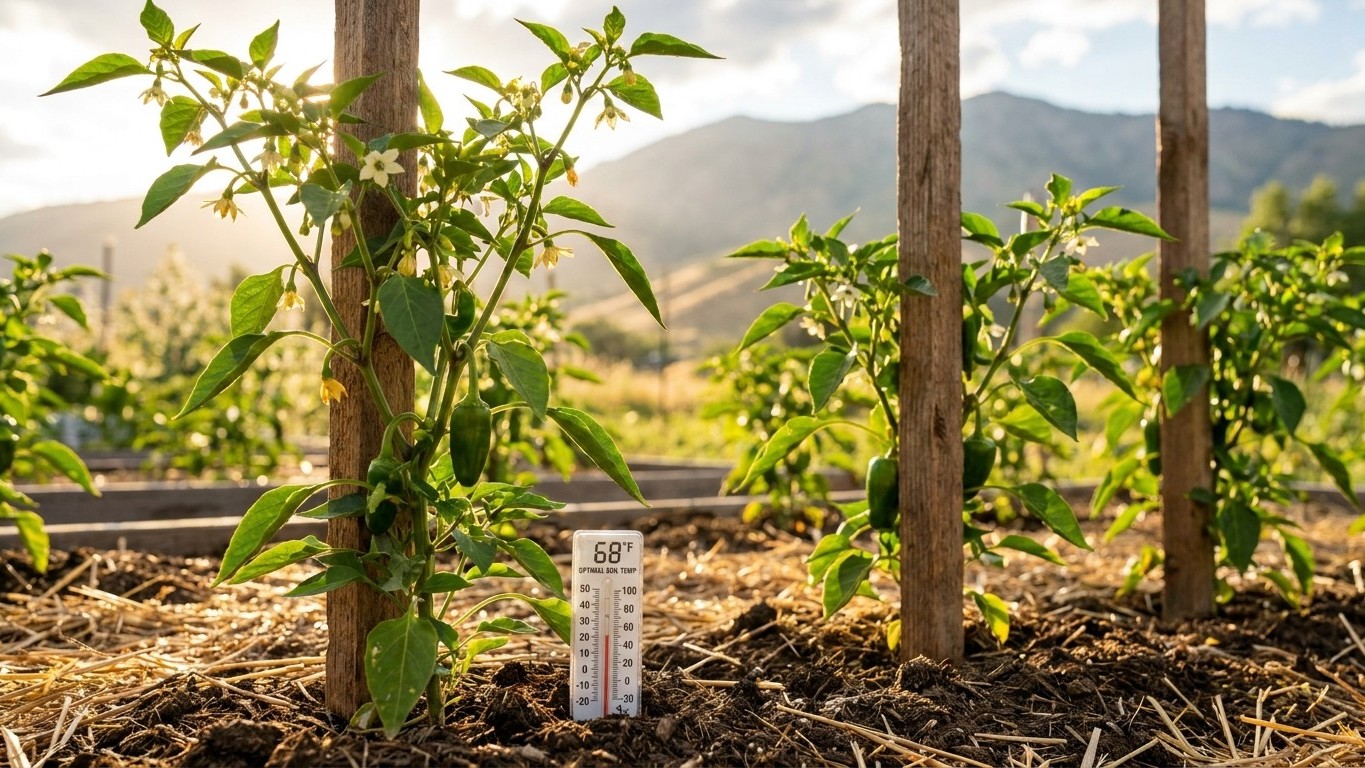
Pepper Varieties That Ripen in a Idaho Season

Pepper varieties in Idaho ripen on a narrow calendar: start seed 8 to 10 weeks before you transplant, move plants out only after frost and once soil hits…
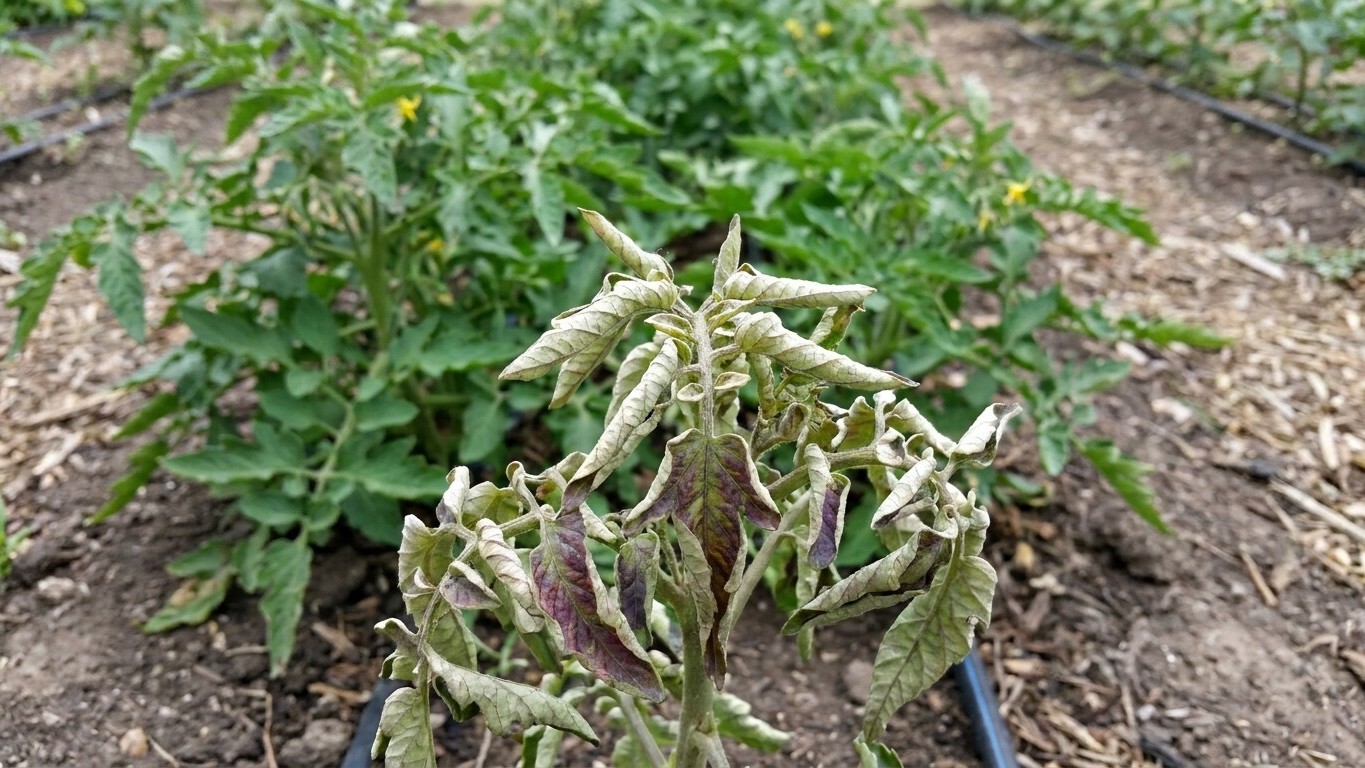
Curly Top: The Plant That Stops Dead While Its Neighbors Grow On

Curly Top: The Plant That Stops Dead While Its Neighbours Grow On

Curly Top is caused by Beet Curly Top Virus, carried by the beet leafhopper, and it does exactly what the name suggests: a tomato plant that was growing…
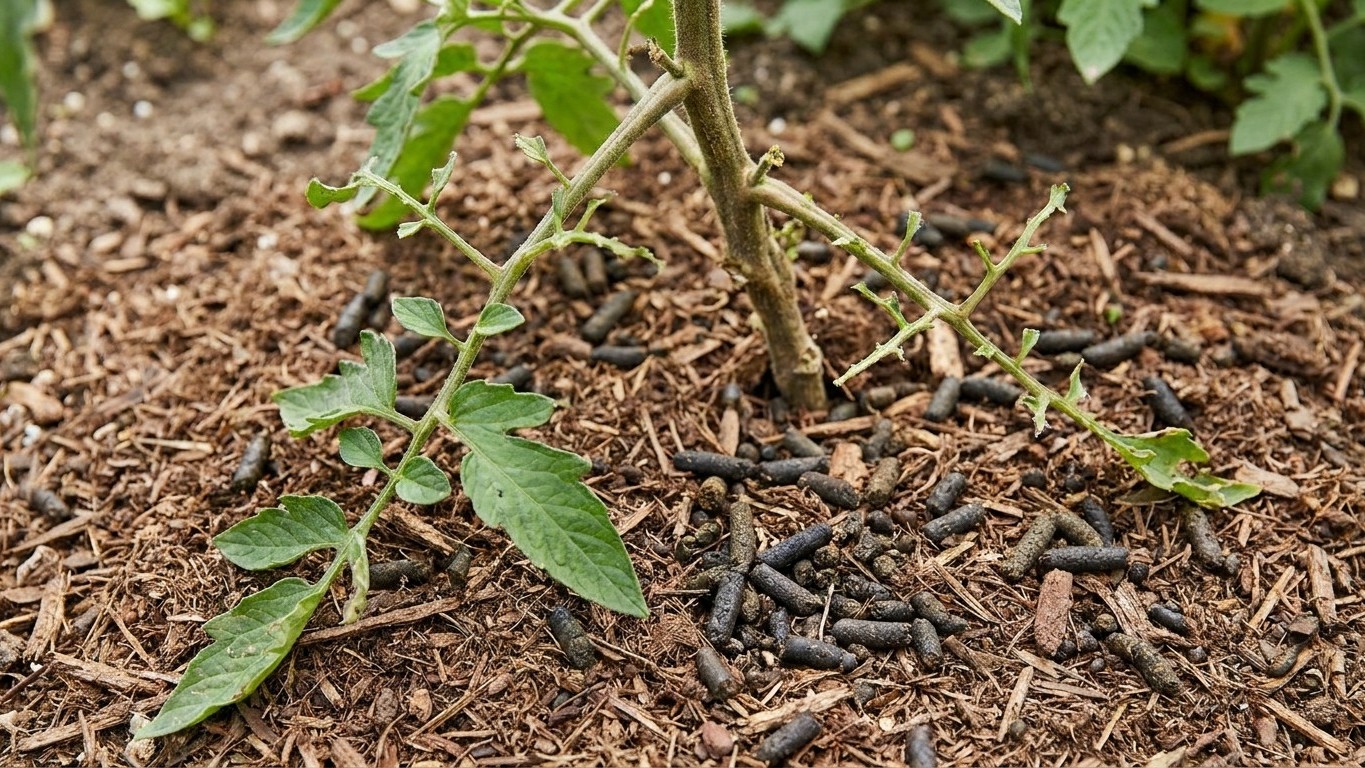
Tomato Hornworm: You Find the Droppings Before You Find the Caterpillar

Tomato Hornworm: You Find the Droppings Before You Find the Caterpillar

If you’re staring at a tomato plant that’s lost half its leaves overnight and finding dark, crumbly pellets scattered on the mulch below, you’re looking…
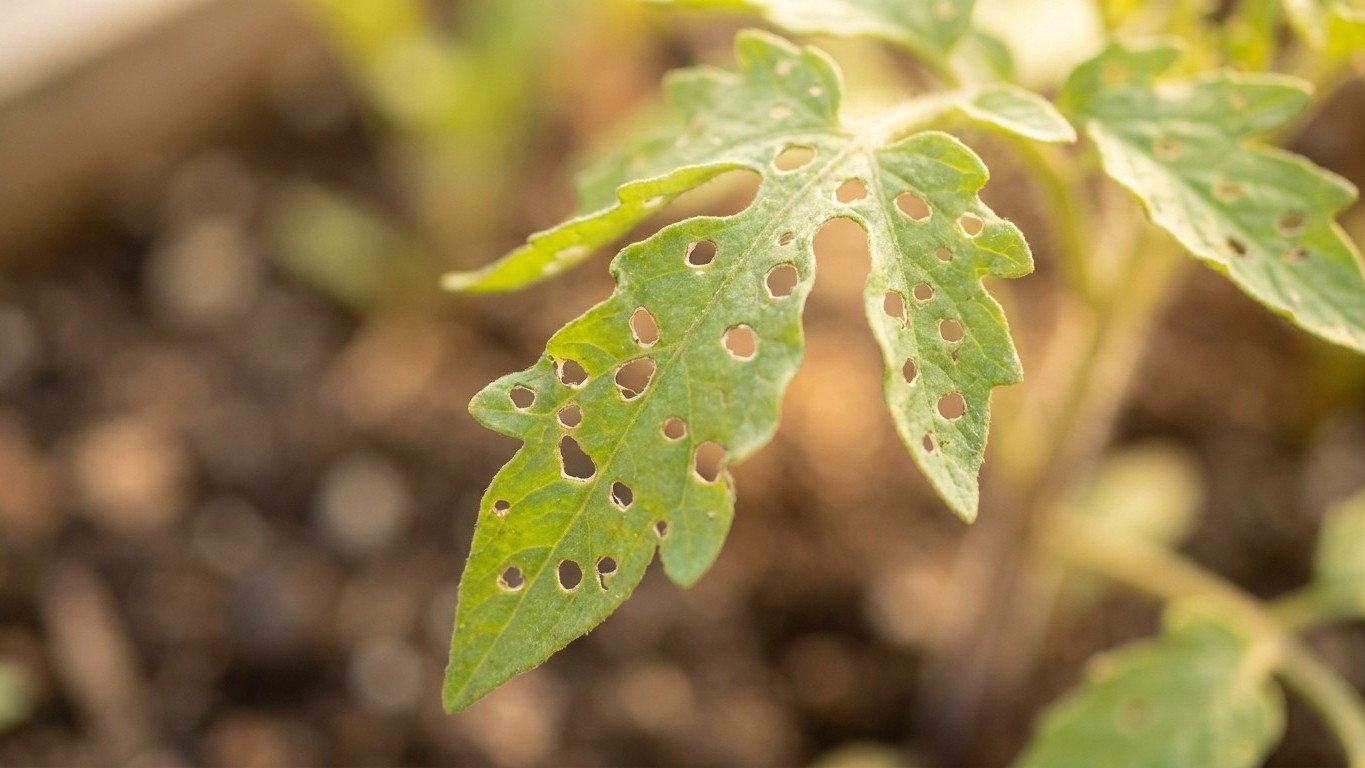
Flea Beetles: Shot-Holes Punched Through Young Tomato Leaves

Flea Beetles: Shot-Holes Punched Through Young Tomato Leaves

Tiny round holes scattered across the leaf surface, like someone took a hole punch to it in a dozen random spots, mean flea beetles.
Thrips on Tomatoes: Silvery Streaks, and the Virus They Carry

Thrips on Tomatoes: Silvery Streaks, and the Virus They Carry

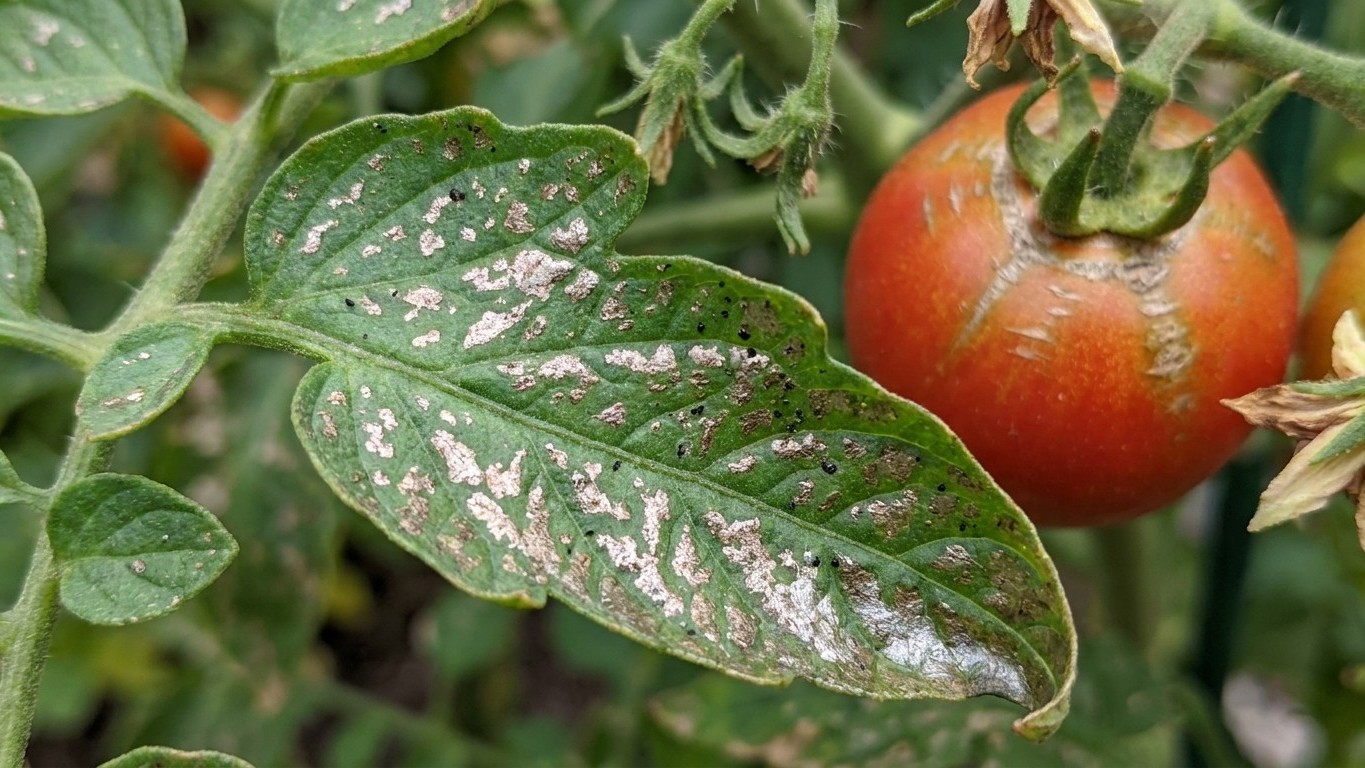
Silvery or bronze patches on tomato leaves, tiny black flecks scattered across them, and streaked or scarred fruit usually mean thrips.
Aphids on Tomatoes: Sticky Leaves Before You See the Insect

Aphids on Tomatoes: Sticky Leaves Before You See the Insect

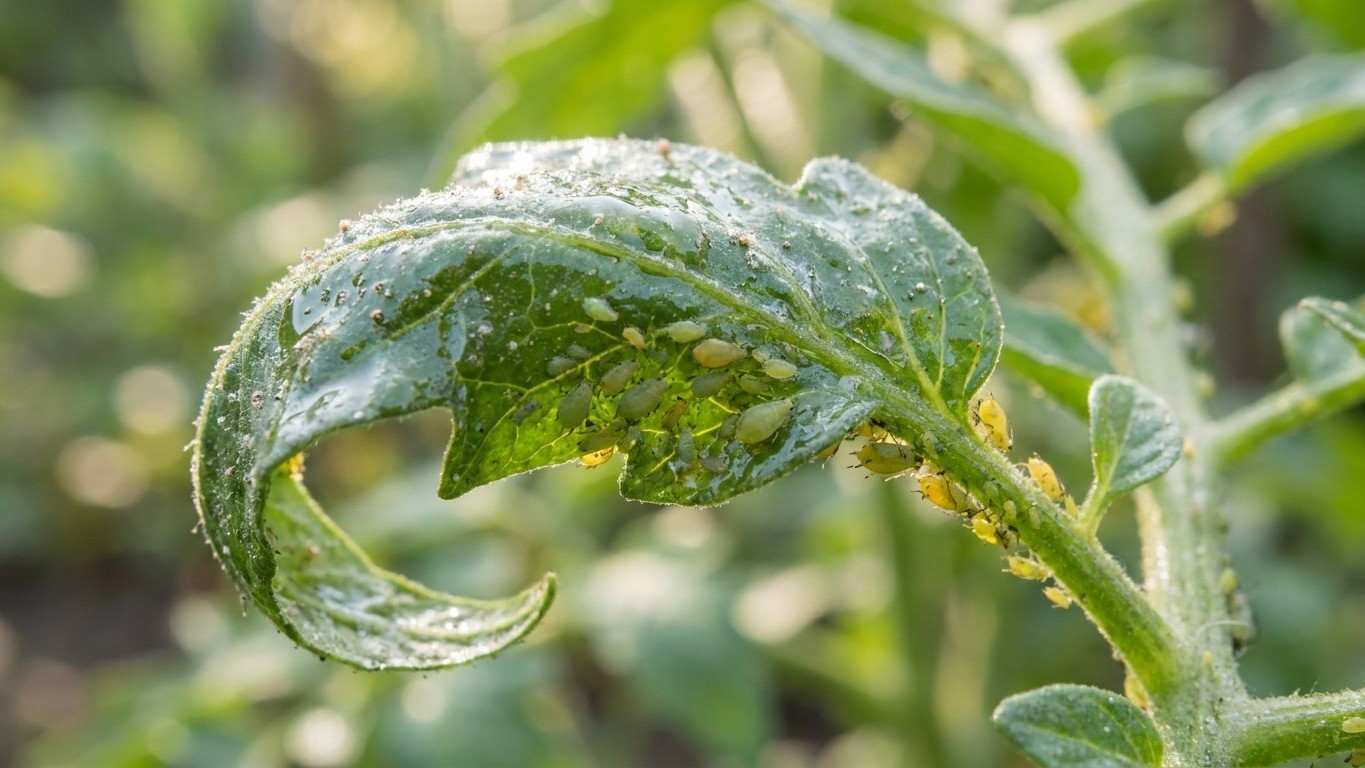
Sticky, shiny leaves on a tomato plant, especially near the growing tips, are almost always the first sign of an aphid colony, not the aphids themselves.
Anthracnose on Tomatoes: Sunken Circles That Only Show on Ripe Fruit

Anthracnose on Tomatoes: Sunken Circles That Only Show on Ripe Fruit

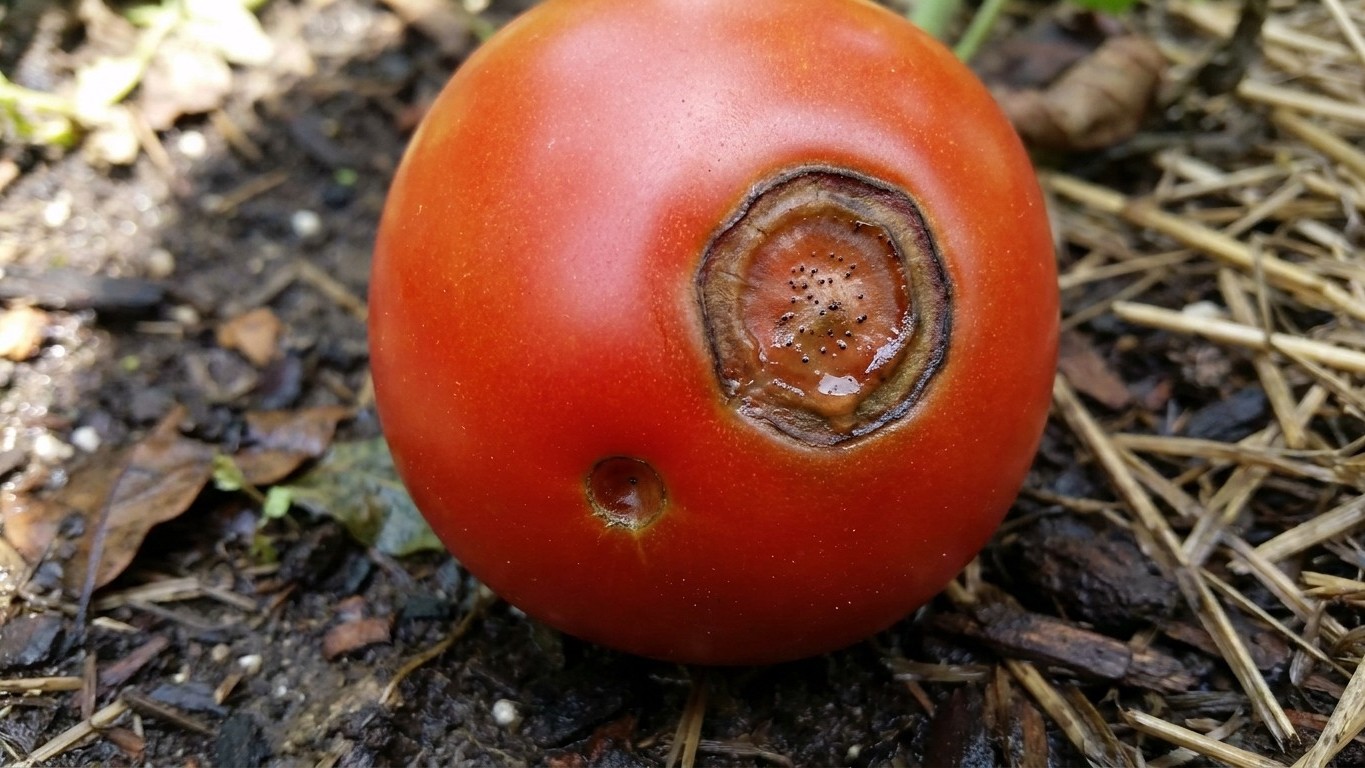
Anthracnose on tomatoes shows up as small, sunken, water-soaked circles on ripe or nearly ripe fruit, often developing a faint target pattern as they age.
Tomato Spotted Wilt: Bronze Rings, and the Thrips That Bring Them

Tomato Spotted Wilt: Bronze Rings, and the Thrips That Bring Them

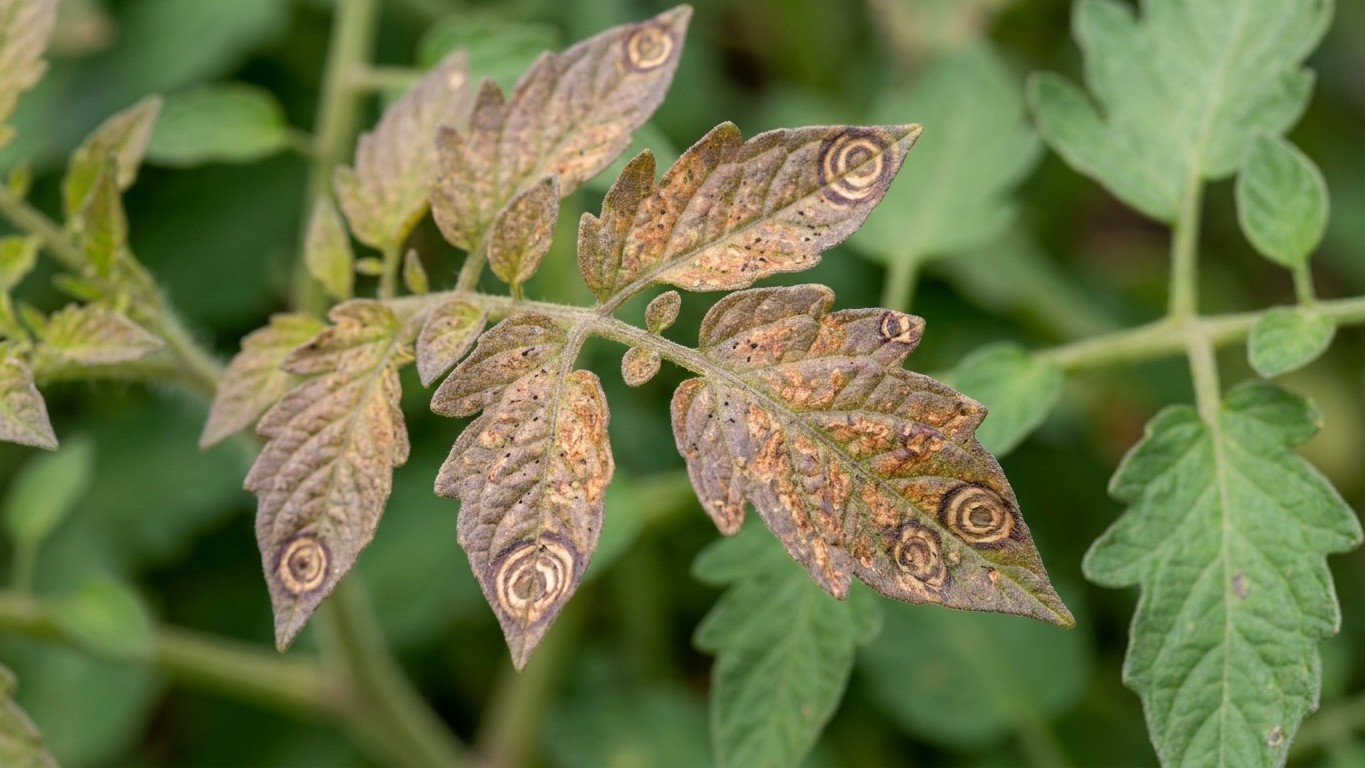
Bronze, ring-marked leaves on the upper growth and target-like rings on the fruit itself point to tomato spotted wilt virus, a disease carried by thrips…
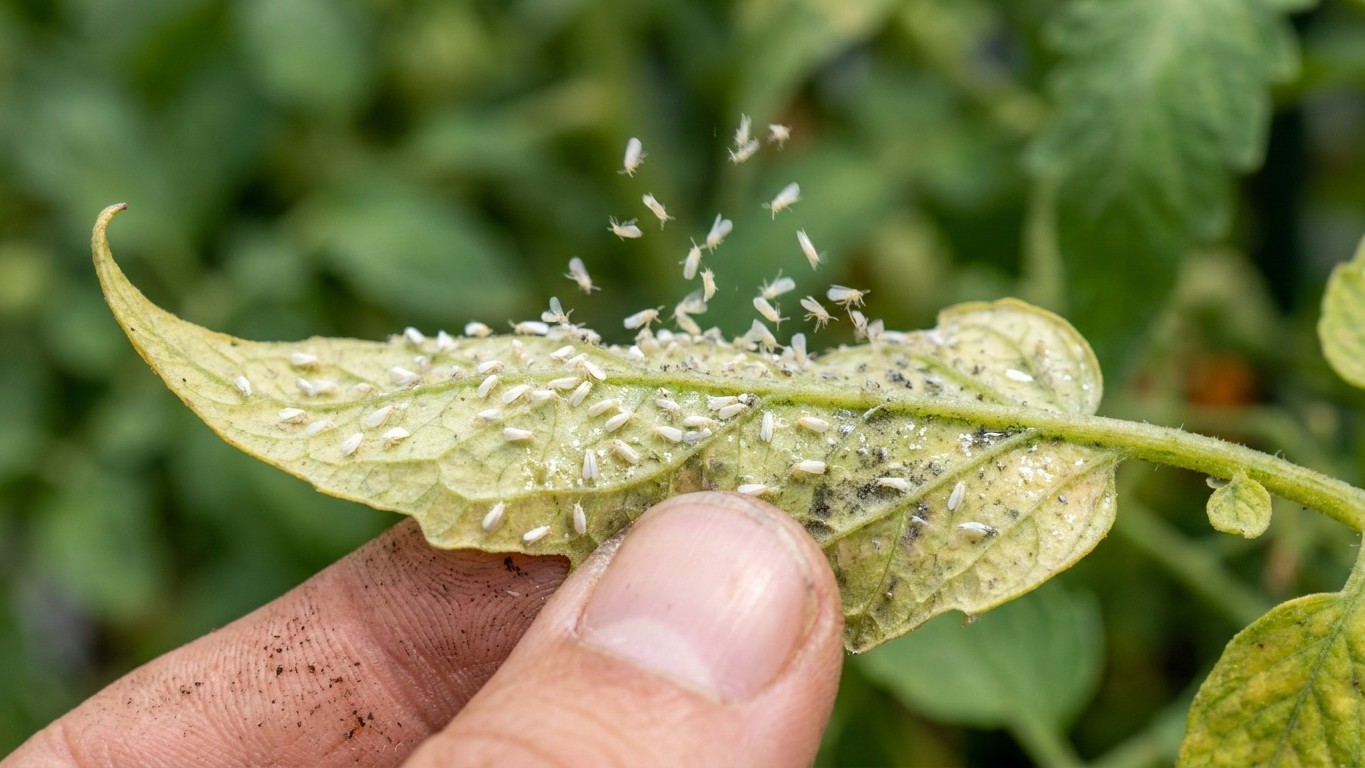
Whiteflies: The Cloud That Rises When You Brush the Plant

Whiteflies: The Cloud That Rises When You Brush the Plant

Brush a tomato plant and a pale cloud lifts off the underside of the leaves, hovers for a second, then settles right back down. That’s whiteflies.
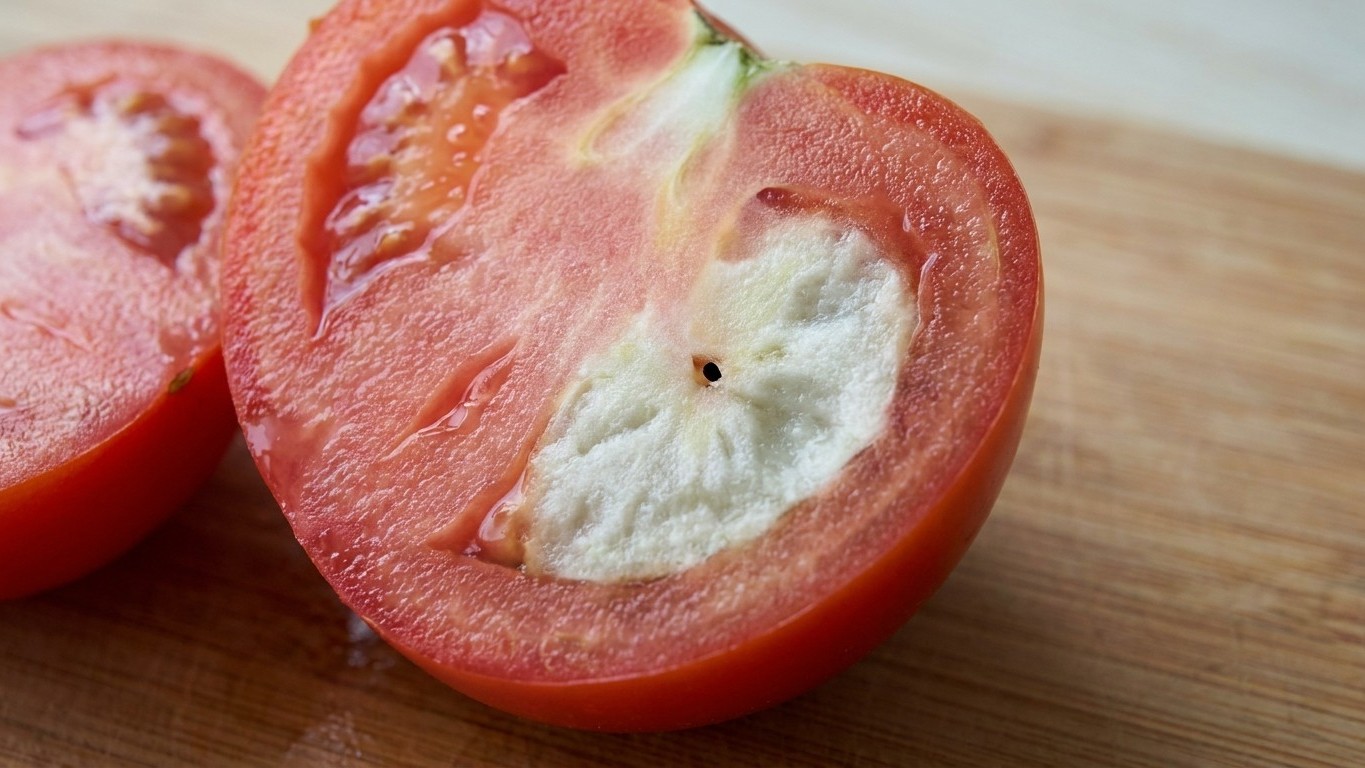
Stink Bugs: Pale Cloudy Patches Under the Skin of a Ripe Tomato

Stink Bugs: Pale Cloudy Patches Under the Skin of a Ripe Tomato

Those pale, cloudy patches sitting just under the skin of an otherwise ripe tomato are almost always stink bug feeding damage.

Older posts
Newer posts
← Previous Page1 … Page575 Page576 Page577 … Page674 Next →

The Homestead Post

Home and garden advice with the numbers attached — written for your climate, your season and your local rules.

Sections

  • Garden
  • Home Care
  • Energy
  • Pests
  • Decor
  • DIY

Popular states

  • California
  • Texas
  • Florida
  • New York
  • Pennsylvania
  • Ohio
  • Georgia
  • North Carolina
  • All states →

The Post

  • About us
  • Contact
  • Editorial guidelines
  • Affiliate disclosure
  • Privacy policy
  • Terms of use
© 2026 The Homestead Post·Home & garden, state by state