Garlic Varieties That Suit California Winters
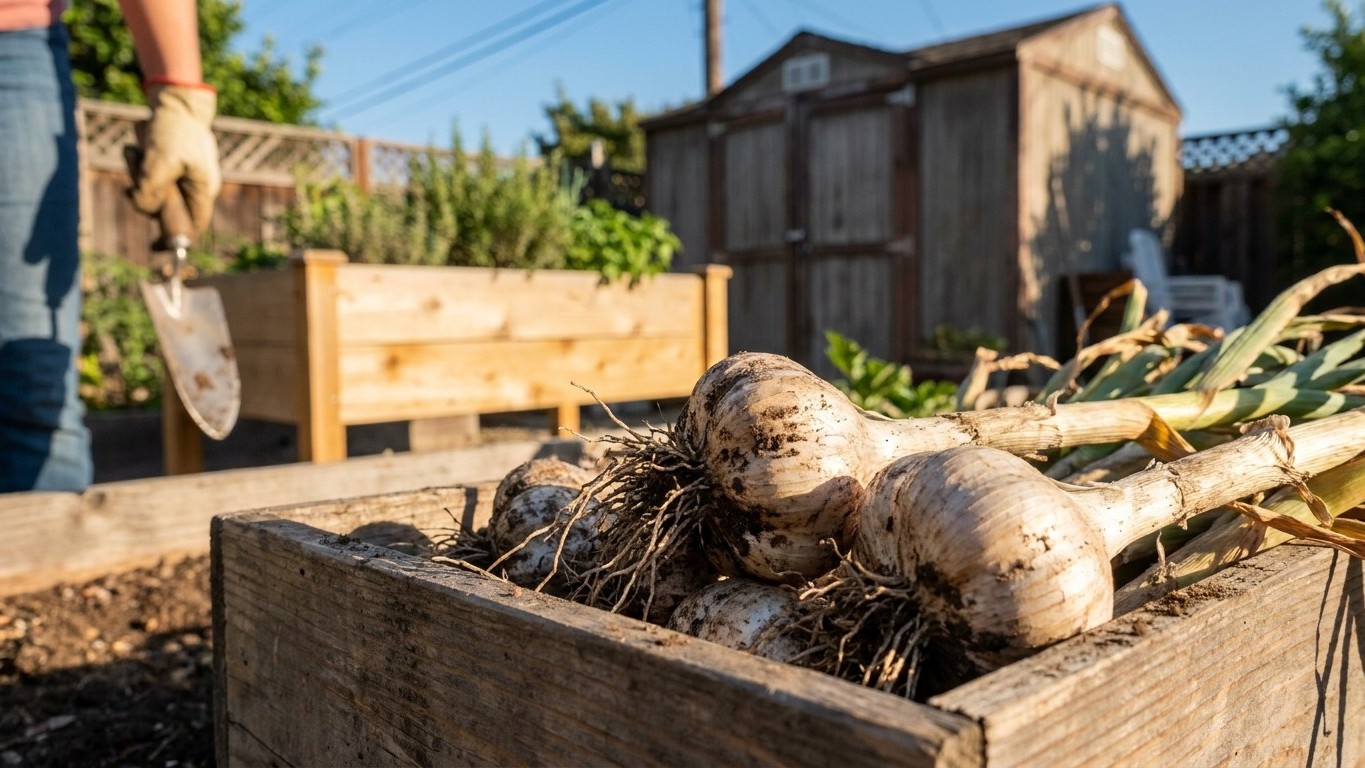
NOAA’s frost-free data for Los Angeles explains why softneck garlic outperforms hardneck varieties across most of coastal and Southern California.
Home & garden, state by state
NOAA’s frost-free data for Los Angeles explains why softneck garlic outperforms hardneck varieties across most of coastal and Southern California.
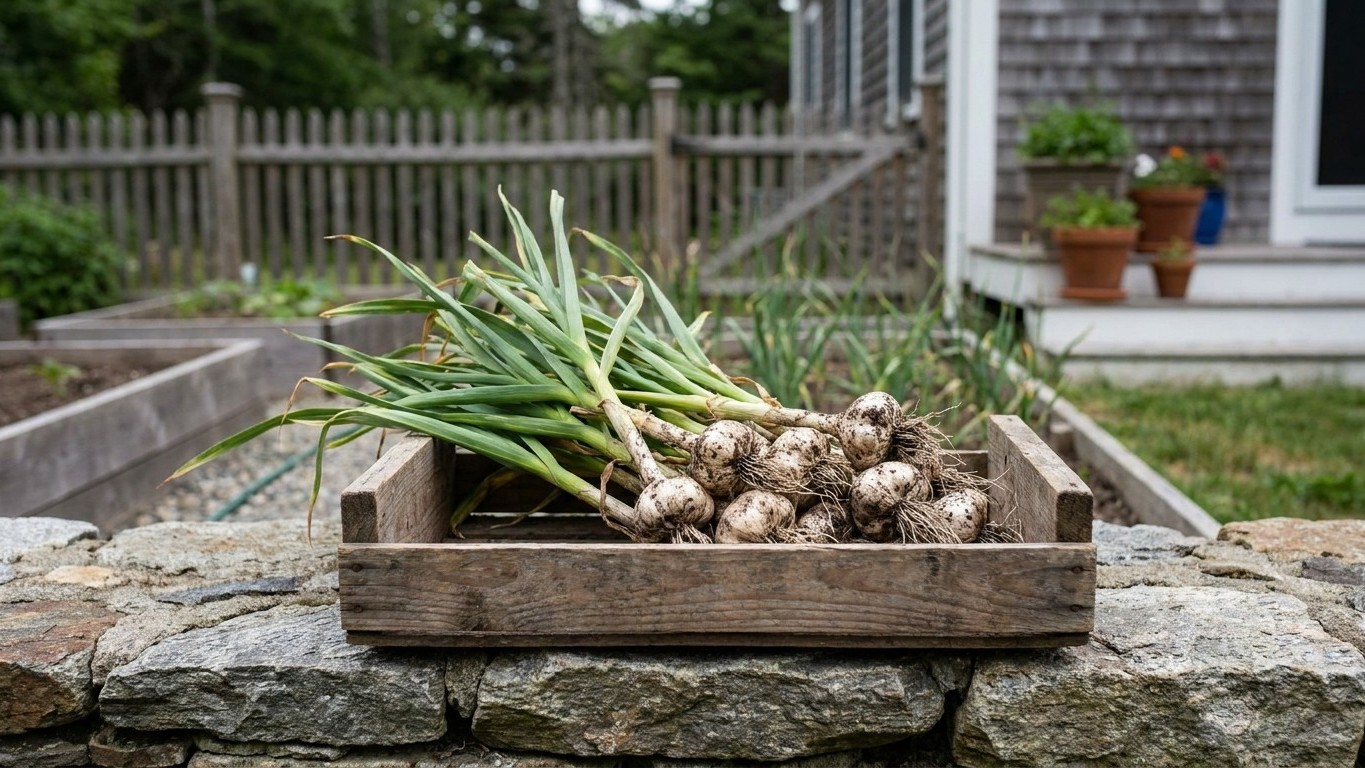
A practical rundown of fall planting dates, cold requirements, and variety choices for growing garlic successfully in Maine, from clove to cured bulb.
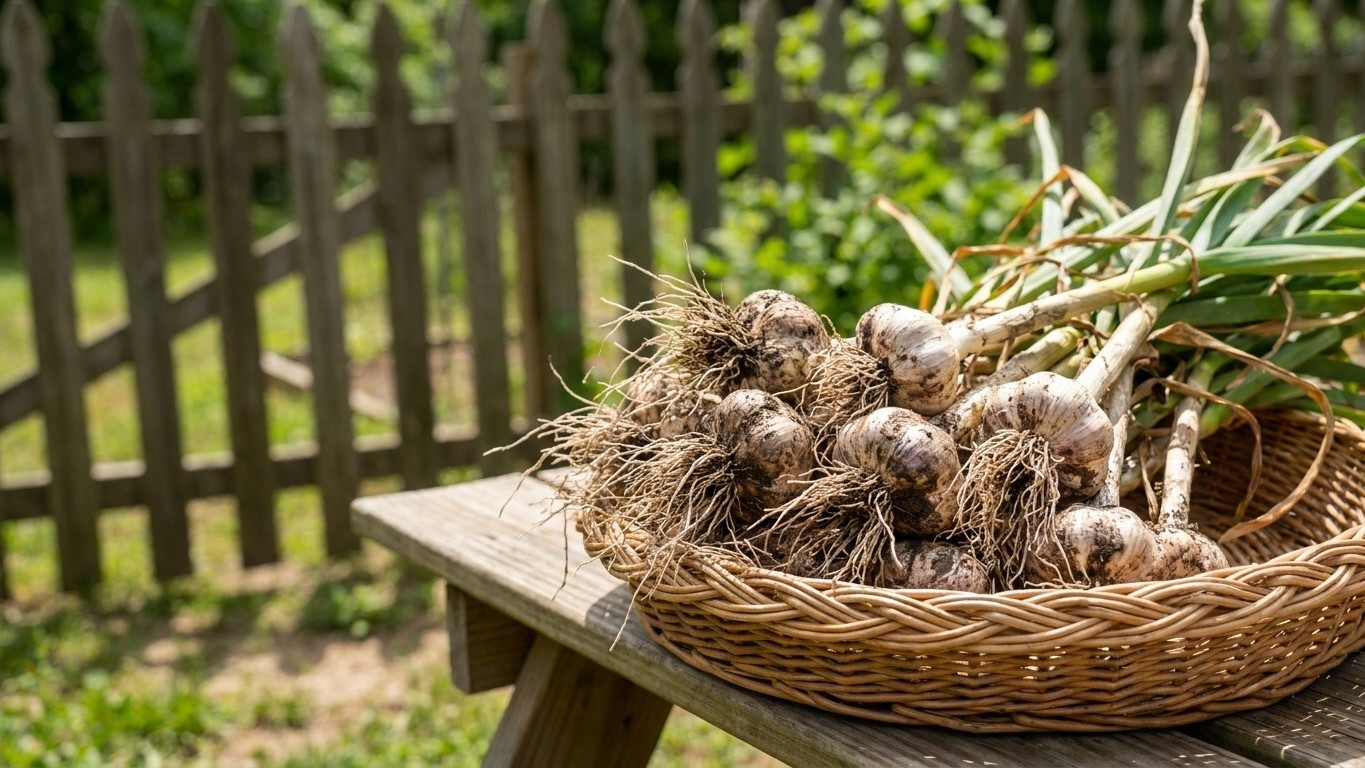
Softneck garlic like Inchelium Red and Lorz Italian handles Arkansas’s mild winters more reliably than hardnecks, which need sustained cold to bulb well.
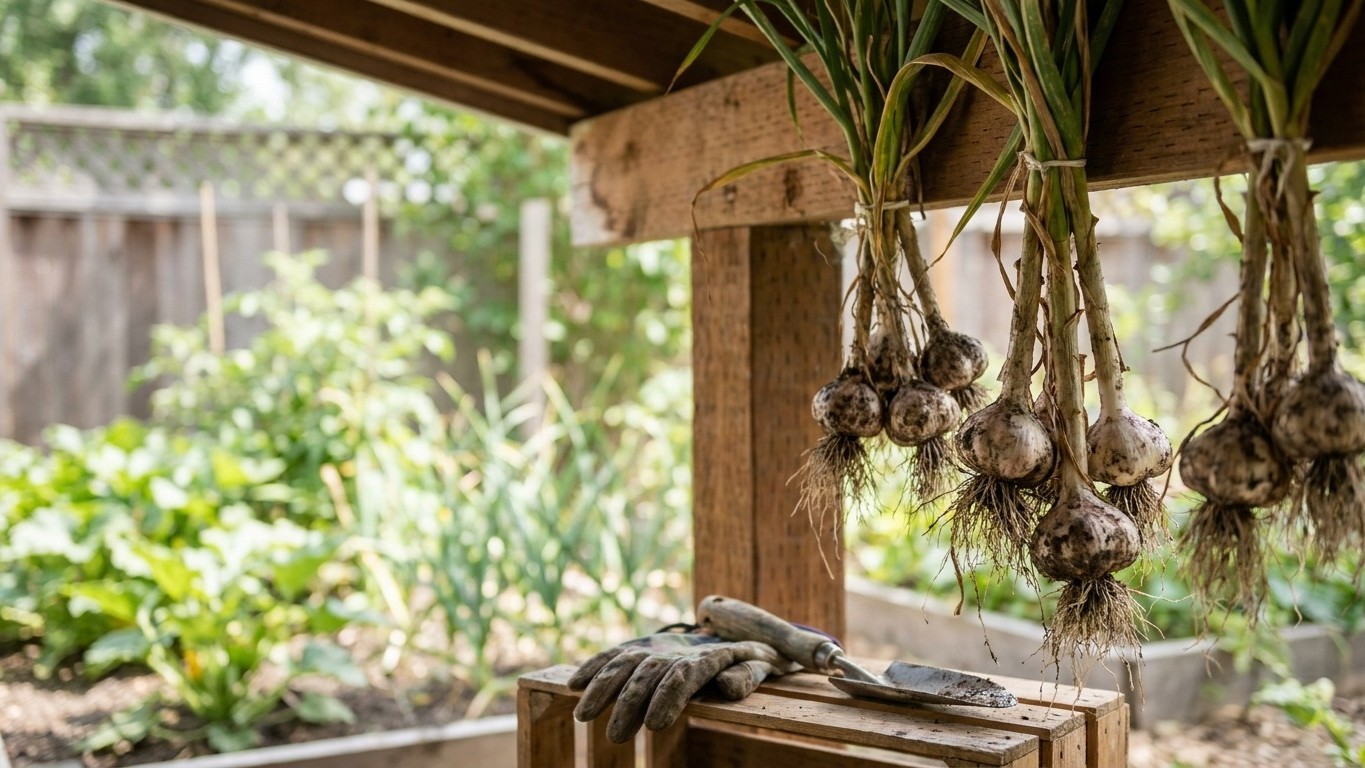
Garlic goes into British Columbia soil in mid-October, about three weeks before the region’s average first frost, so roots establish before winter.
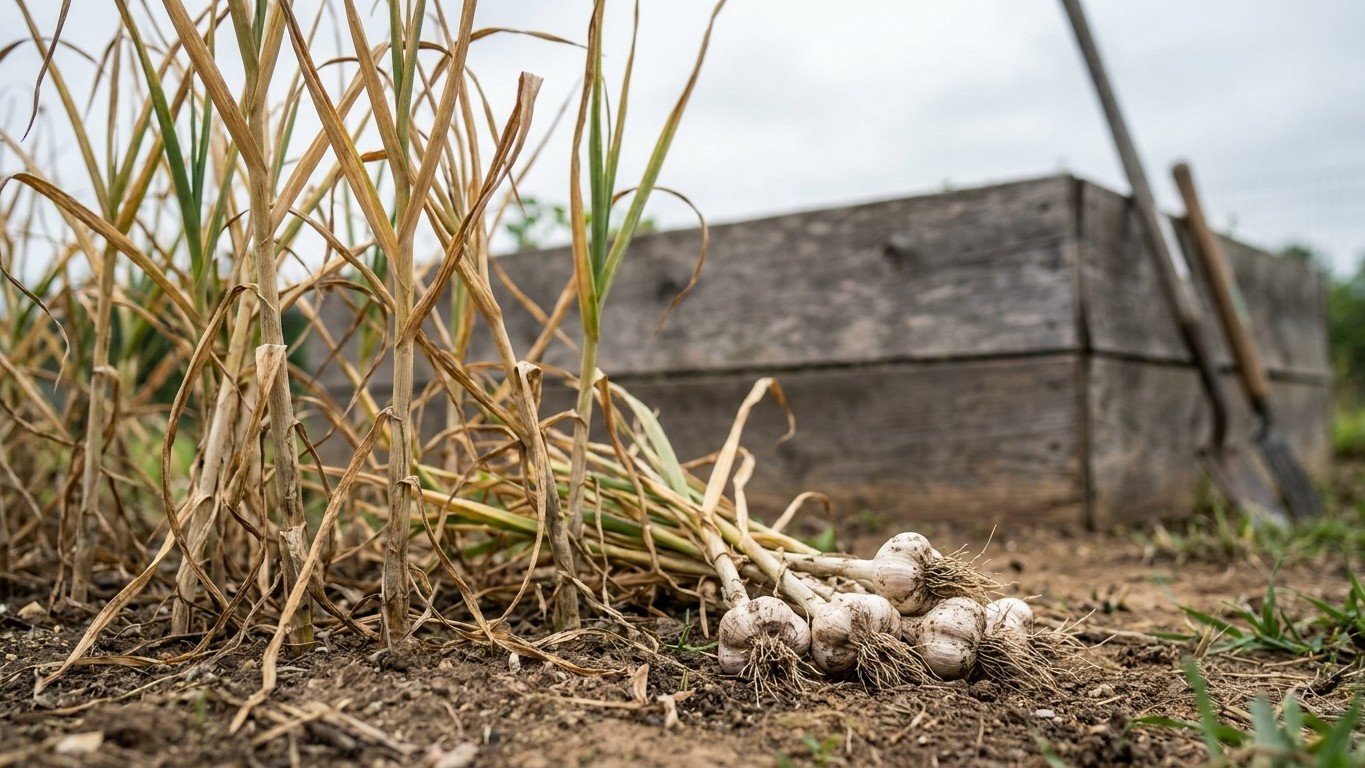
Garlic in Arkansas goes into the ground in mid to late October, about three to four weeks before NOAA’s Little Rock frost normals show the first freeze.
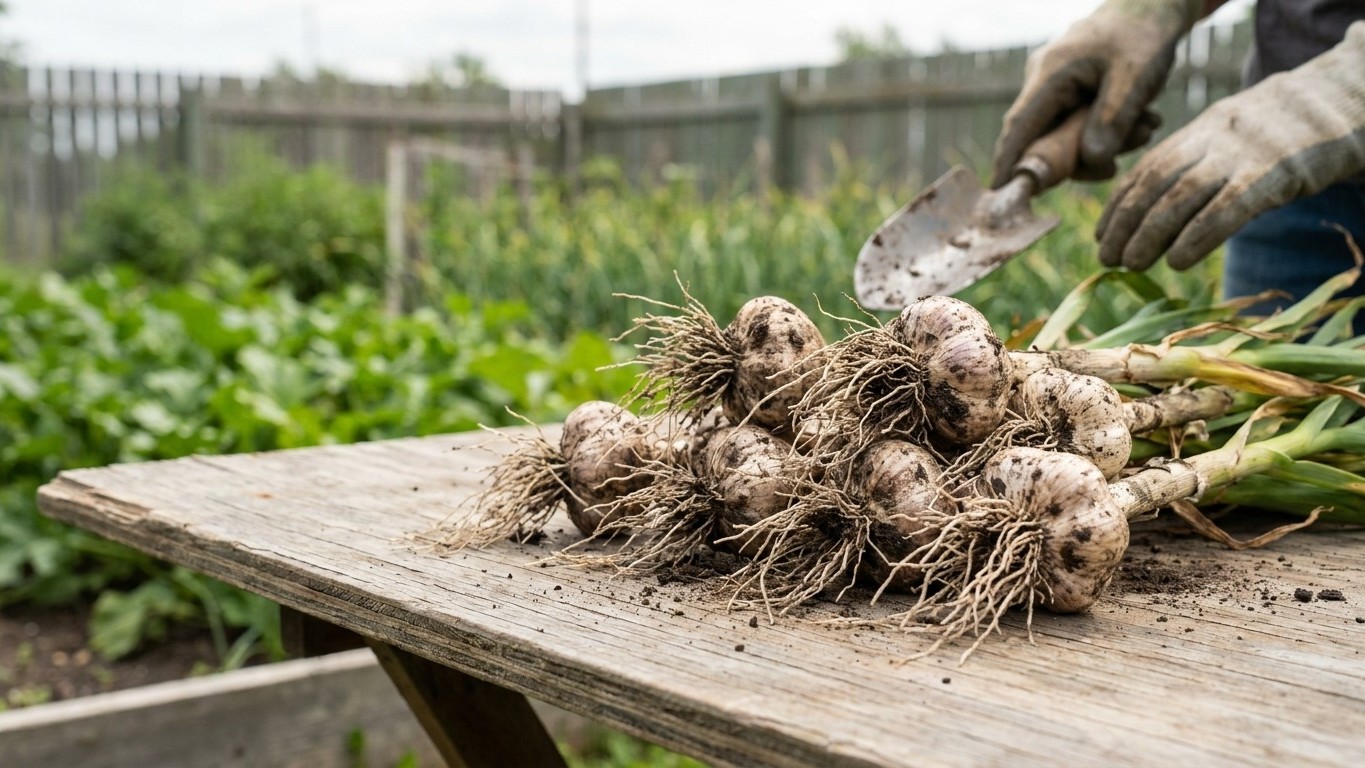
Manitoba growers plant garlic in September using Winnipeg’s frost-normal data, choose cold-hardy hardneck varieties, and mulch heavily through winter.
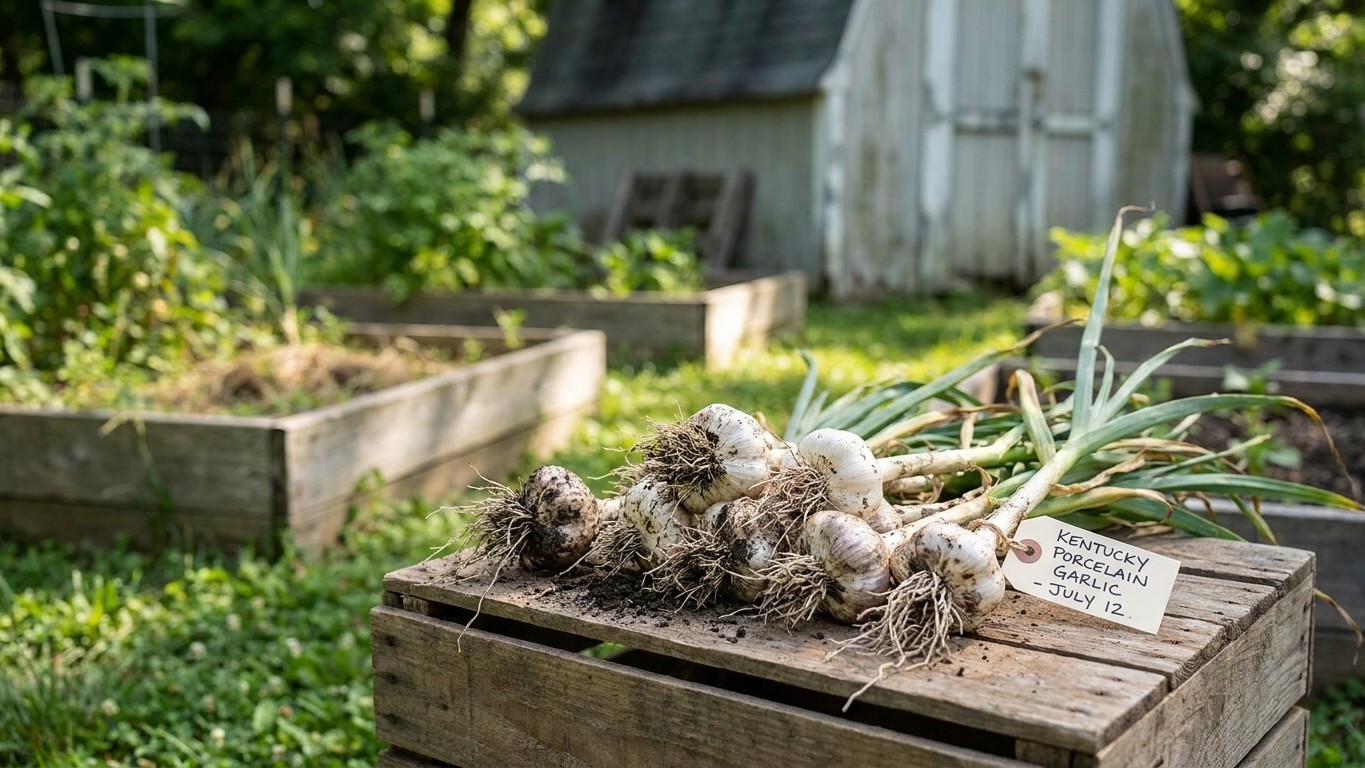
Kentucky’s autumn cold is enough to divide garlic cloves properly. Plant in mid to late October and choose hardneck varieties for the coldest winters.
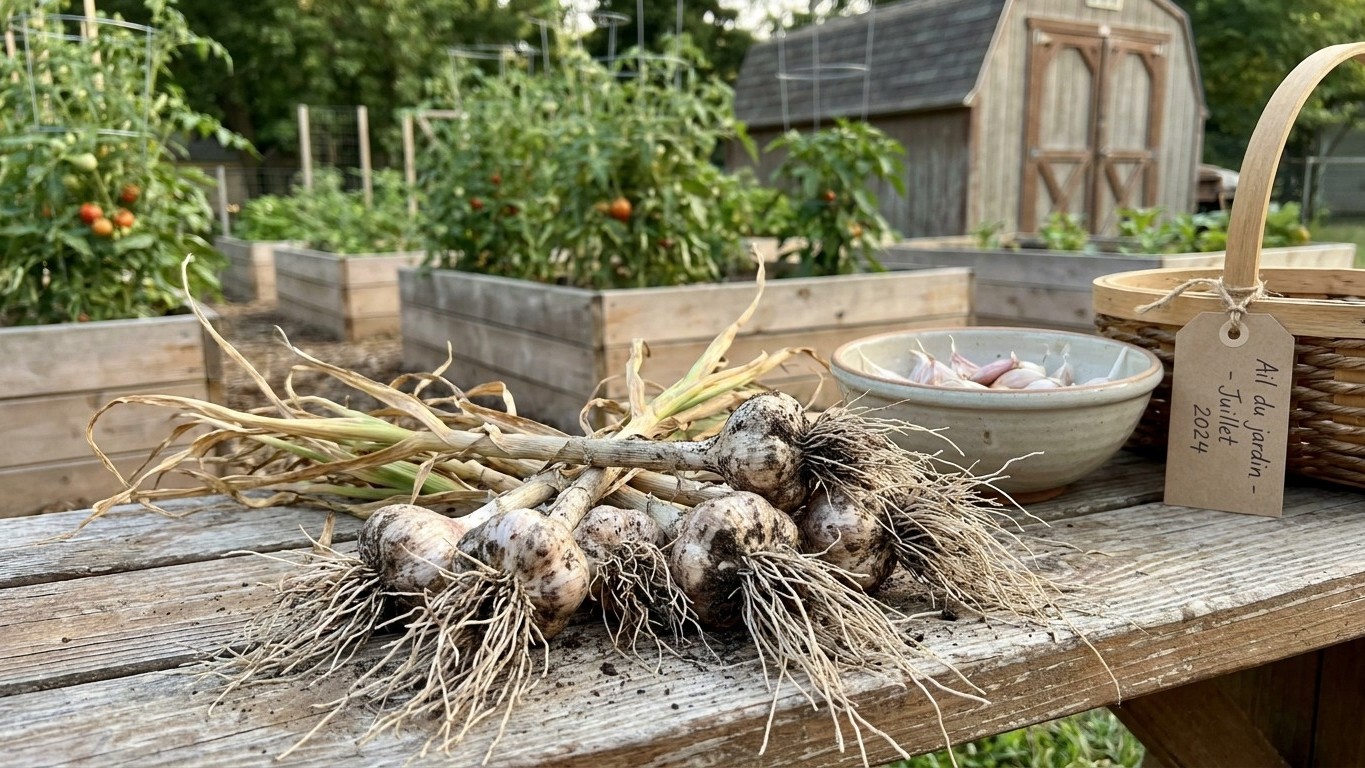
Kansas gets plenty of winter cold for garlic, but planting timing and variety choice still depend on Wichita’s fall frost dates and soil drainage.
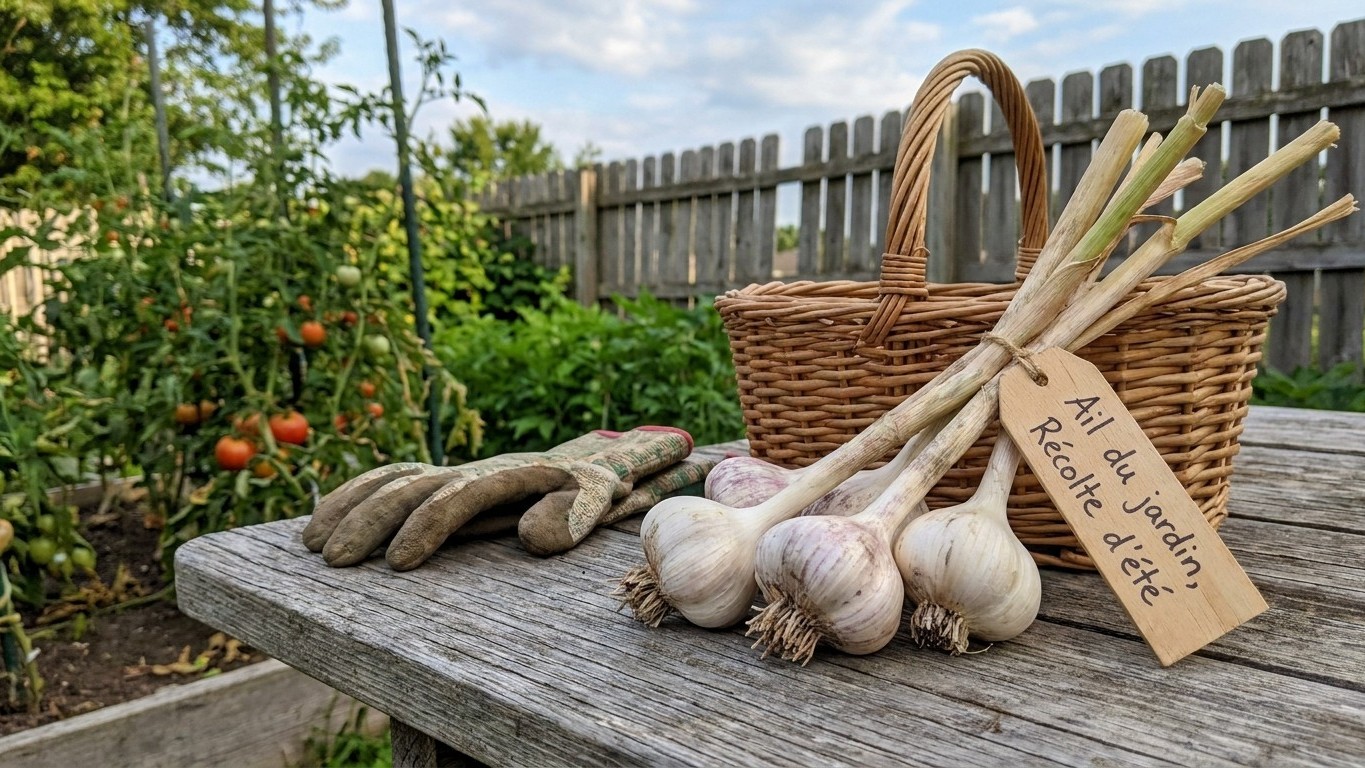
Iowa’s long winters meet garlic’s cold requirement easily, so growers plant hardneck and softneck cloves in early fall, weeks before the ground freezes.
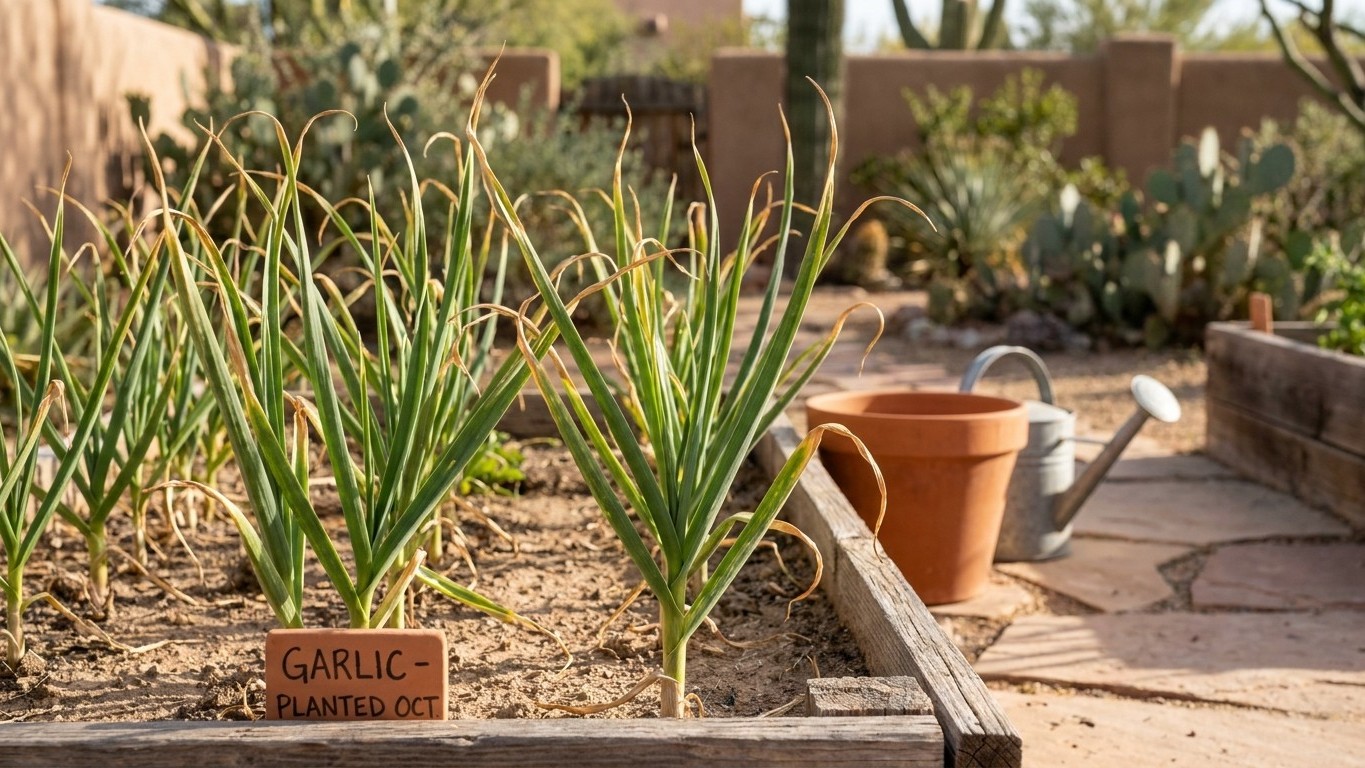
Phoenix has no reliable fall frost to count back from, so Arizona garlic planting timing depends on summer heat, elevation, and local extension data instead.