Growing Garlic in Connecticut: Planting Dates, Varieties and Winter Cold
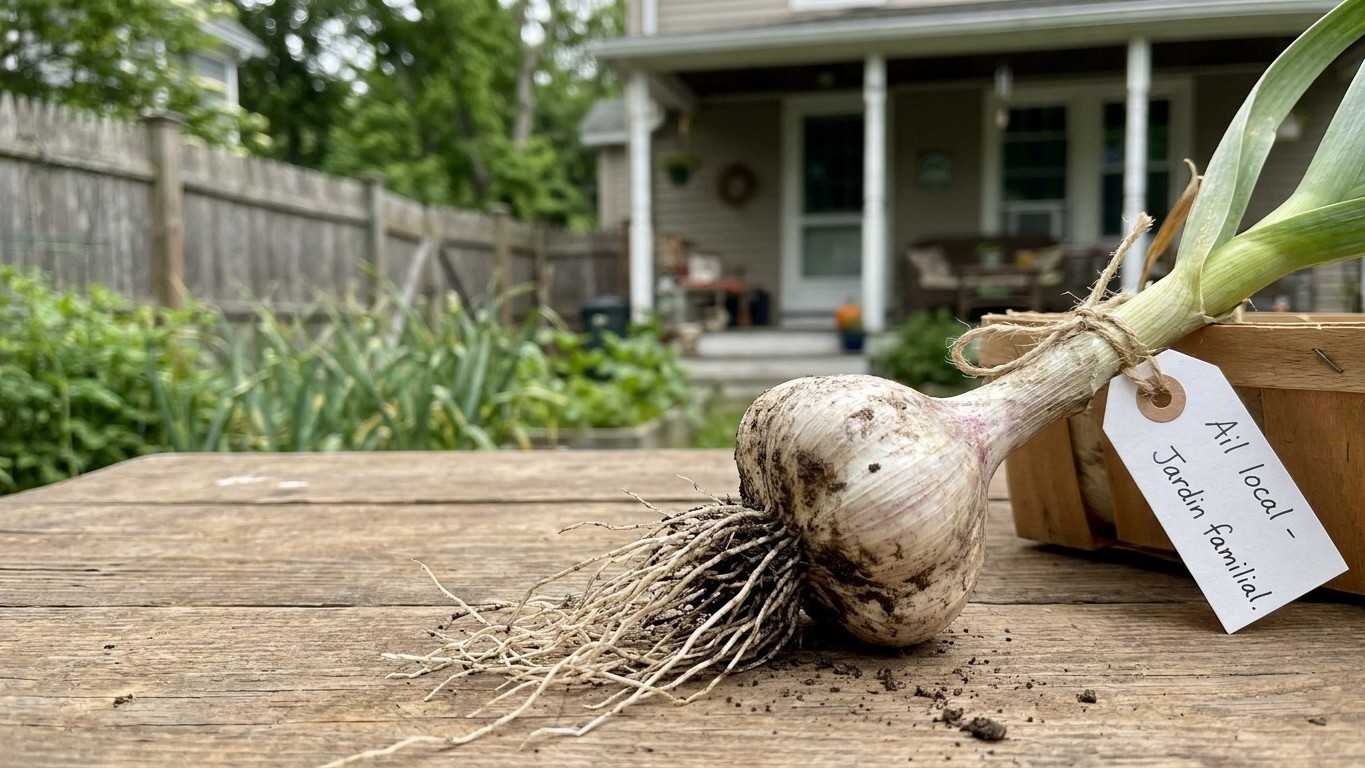
Connecticut’s cold winters satisfy garlic’s chilling needs, and cloves go into the ground in early to mid October, weeks before the first fall frost.
Home & garden, state by state
Connecticut’s cold winters satisfy garlic’s chilling needs, and cloves go into the ground in early to mid October, weeks before the first fall frost.
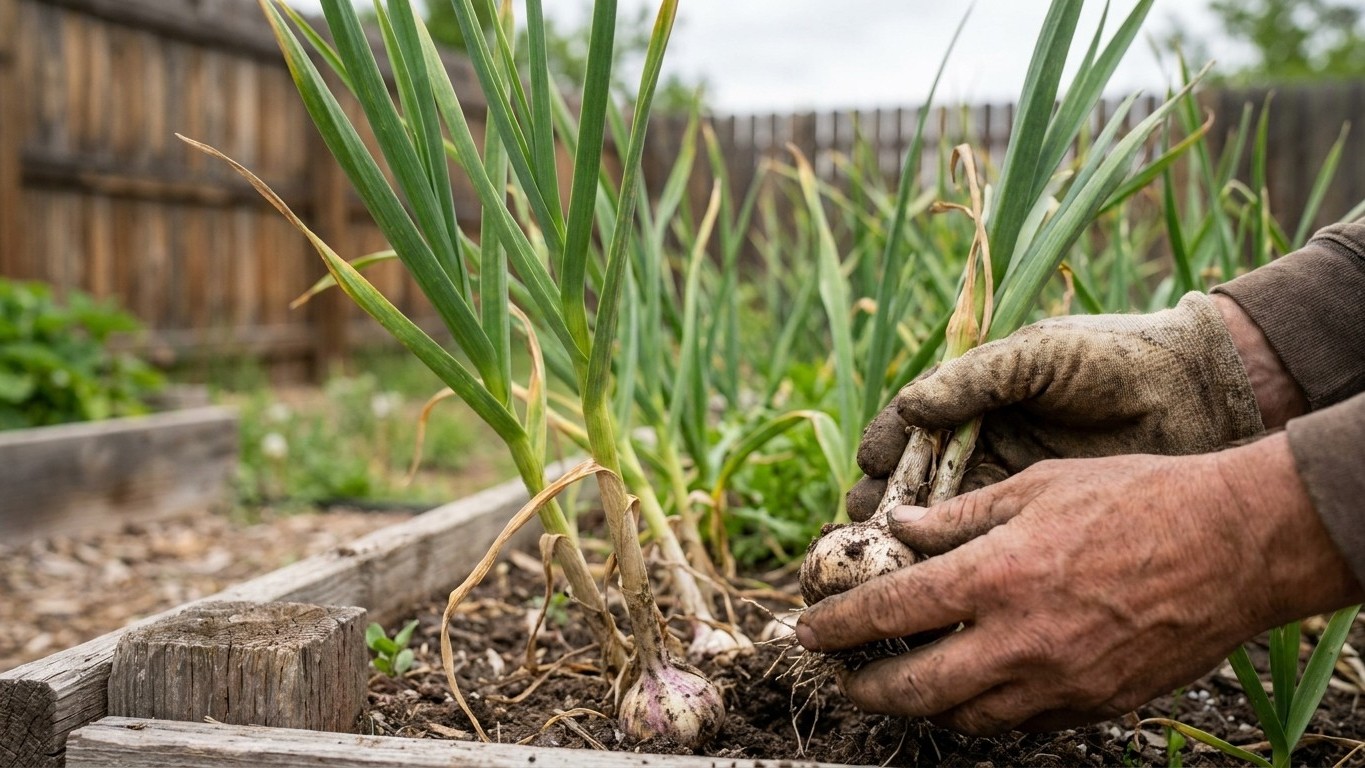
A practical guide to fall planting dates, hardneck and softneck varieties, soil prep and winter mulch for growing garlic in Colorado.
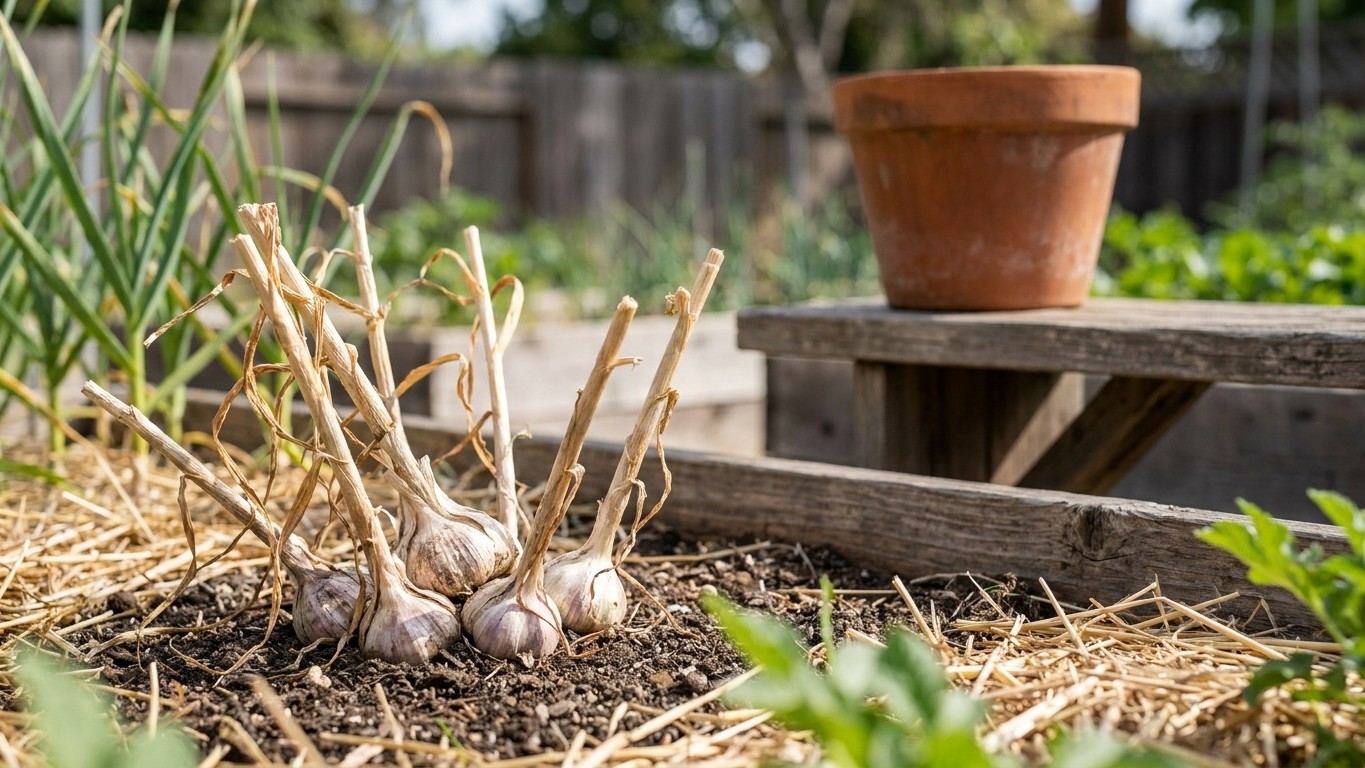
California garlic growers face two different climates: a frost-free coast that needs help vernalizing cloves, and a cold interior that does the job on its own.
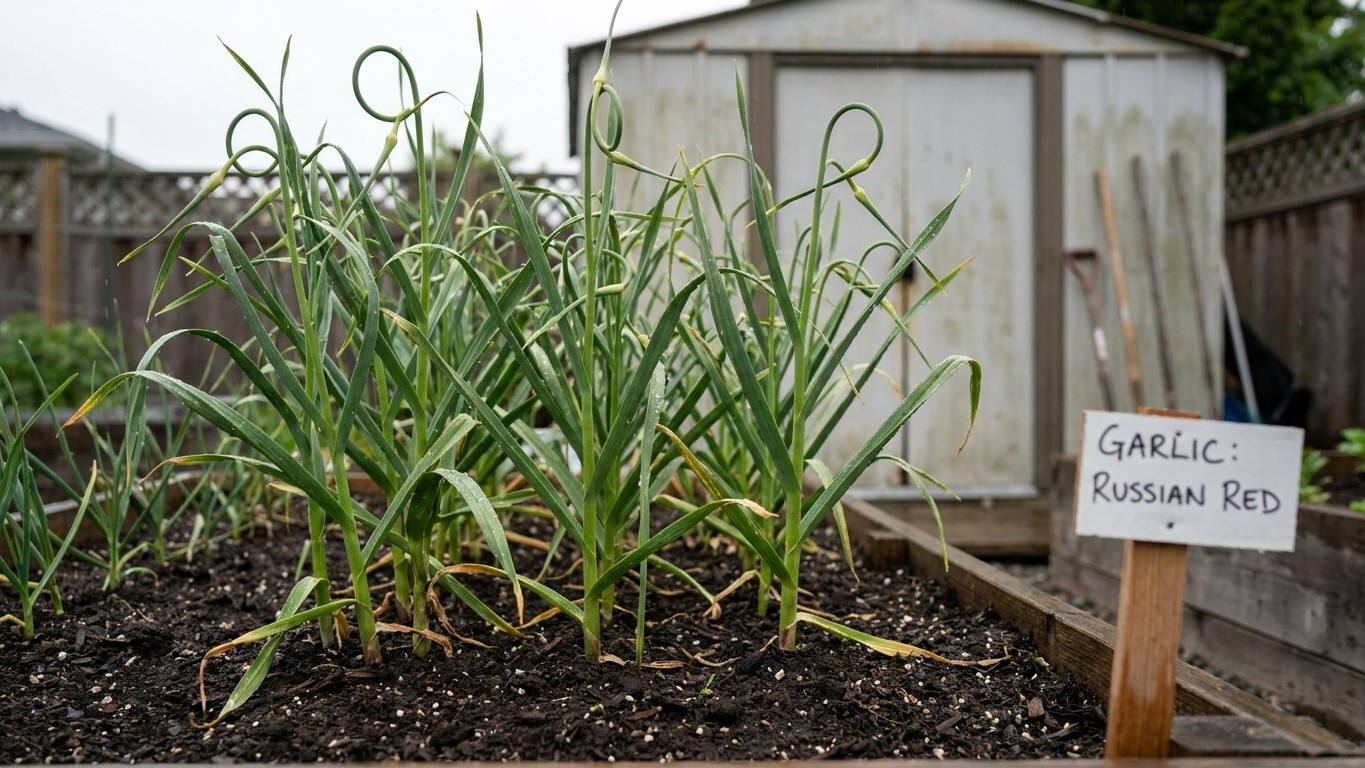
Coastal British Columbia’s mild winters and Vancouver’s average November frost date shape when to plant garlic, which types survive, and how long bulbs store afterward.
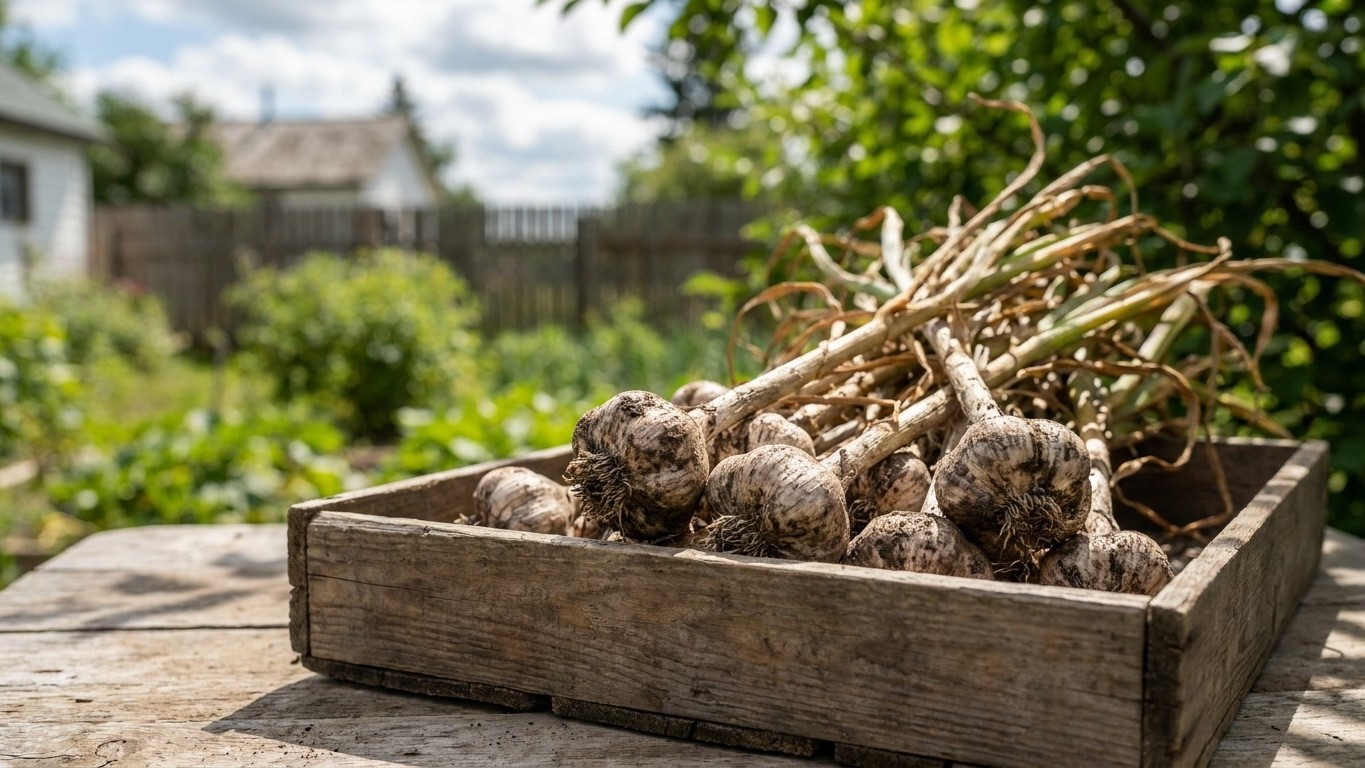
Alberta’s cold winters exceed garlic’s chilling requirement, so success depends on planting cloves ahead of the first fall frost and choosing hardneck varieties suited to hard winters.
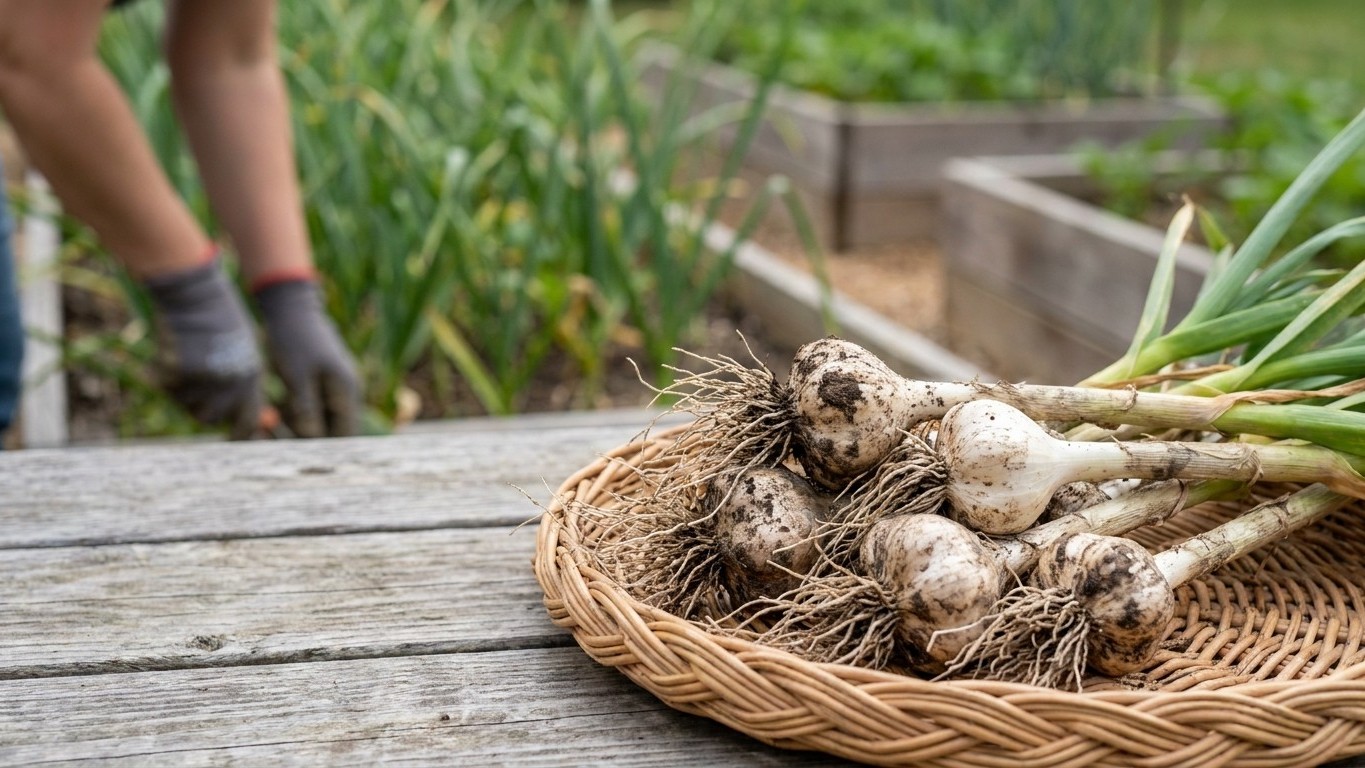
A frost-date breakdown of when to plant garlic in Arkansas, which cultivars fit the state’s winters, and what the local disease pressure actually is.
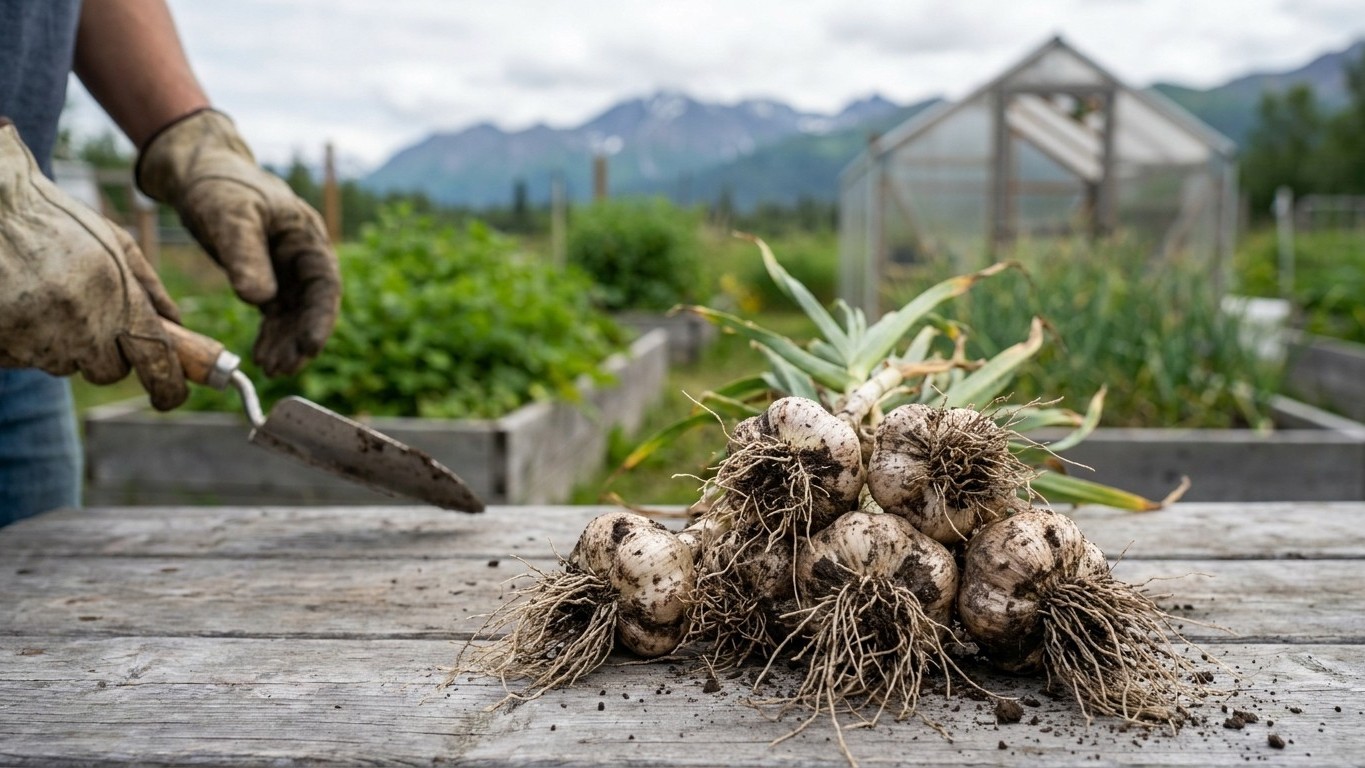
Anchorage’s NOAA frost data shows Alaska has ample cold for garlic vernalization, and settles which cultivars, planting week and winter mulch actually work here.
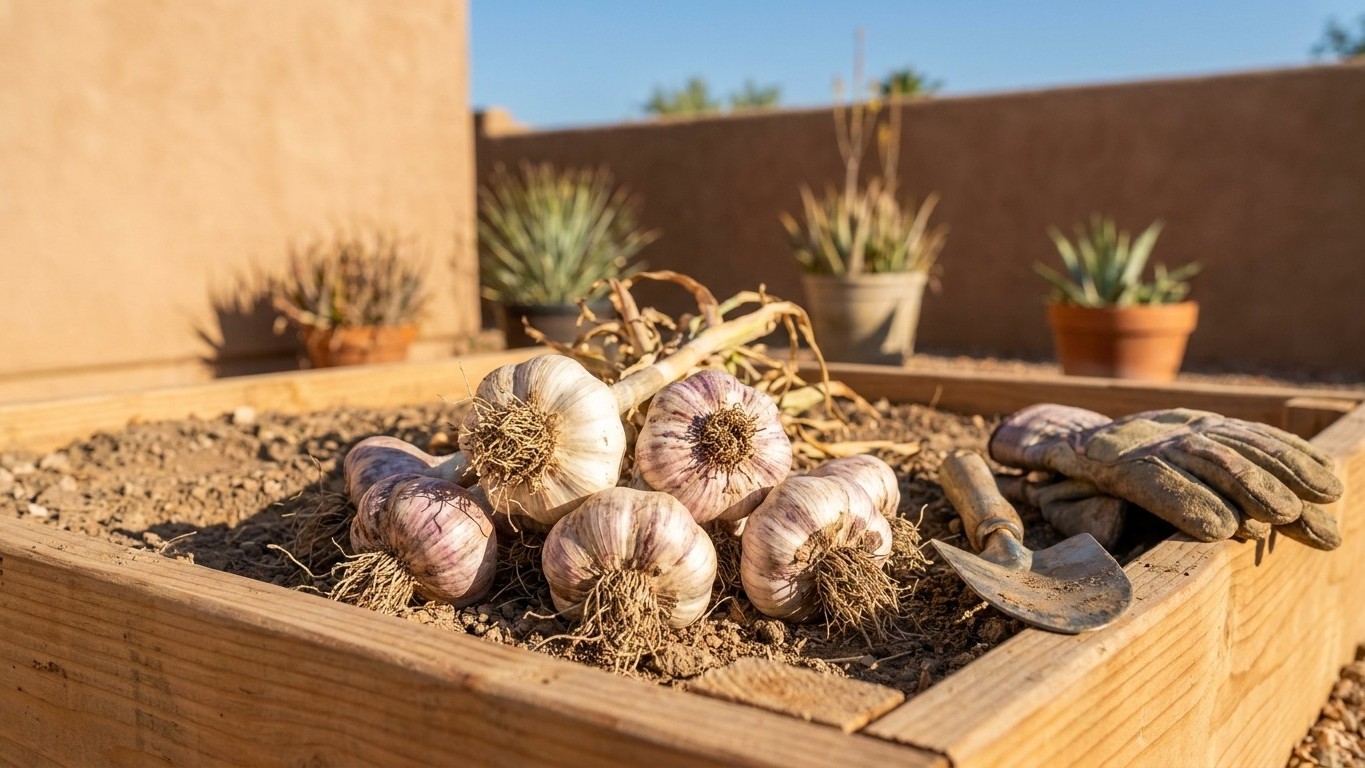
Arizona’s low desert rarely gets enough sustained cold for garlic to divide into cloves, so growers there chill cloves first or choose softneck varieties.
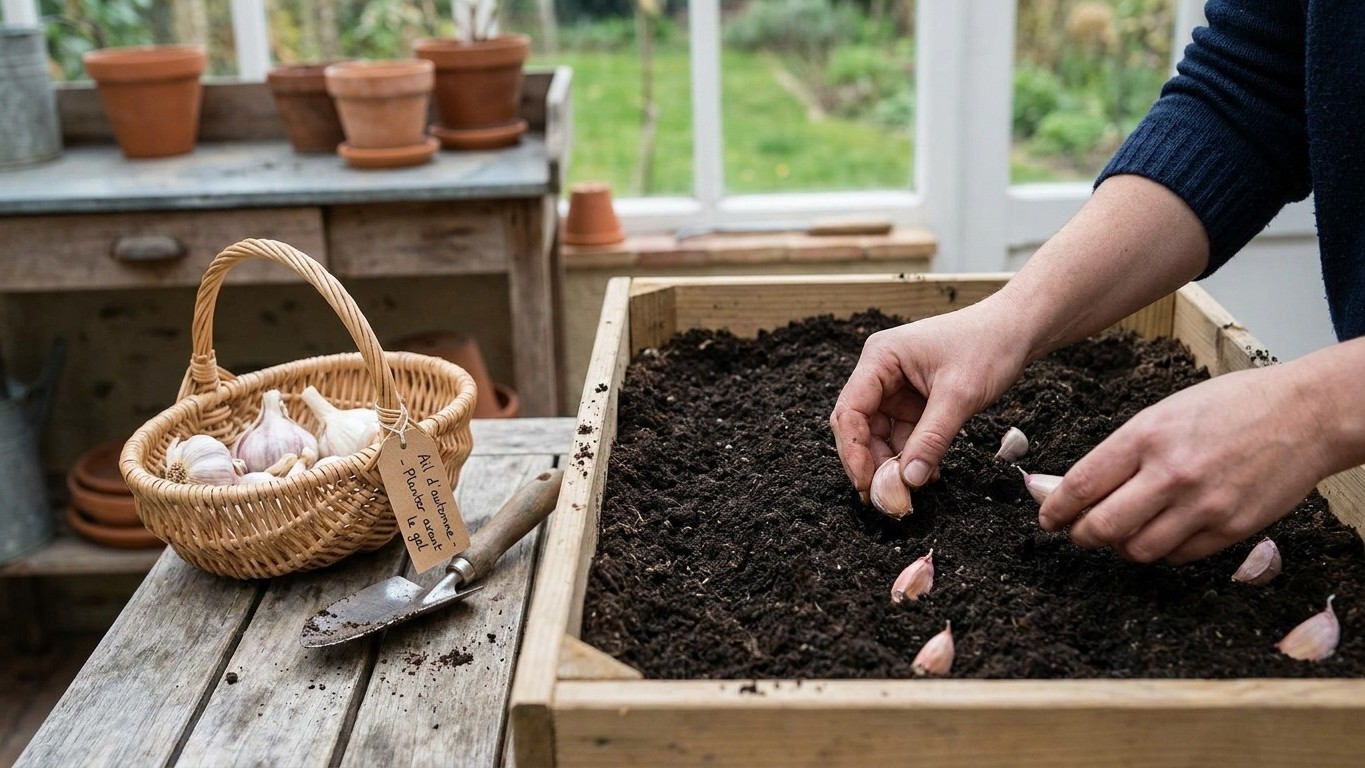
Susanville is a softneck Artichoke garlic with a long shelf life, best suited to gardeners whose winters run mild but still need supplemental chill.
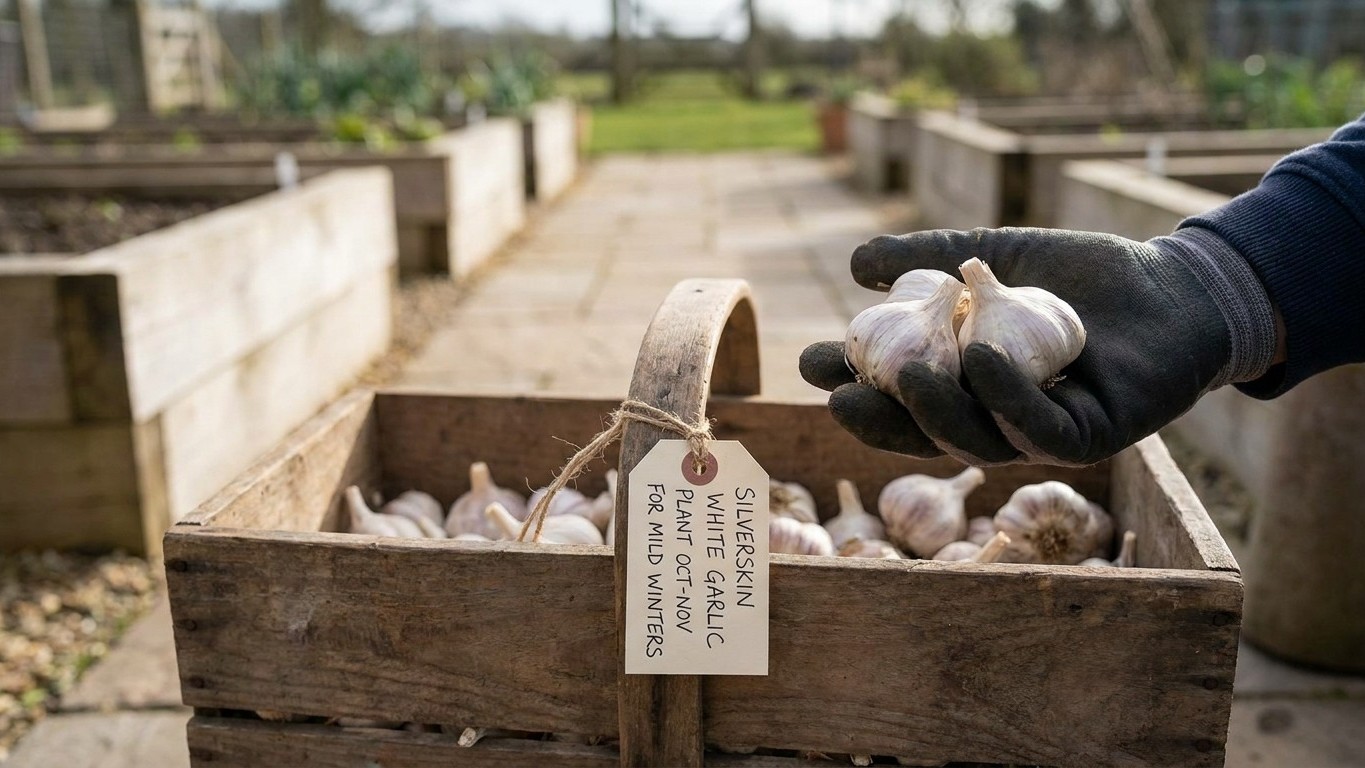
Silver White is a softneck Silverskin garlic that needs six weeks of chill to divide properly, a requirement many mild-winter regions can’t meet without refrigerating cloves first.