Corn earworm in Georgia: When It Shows Up and What Stops It
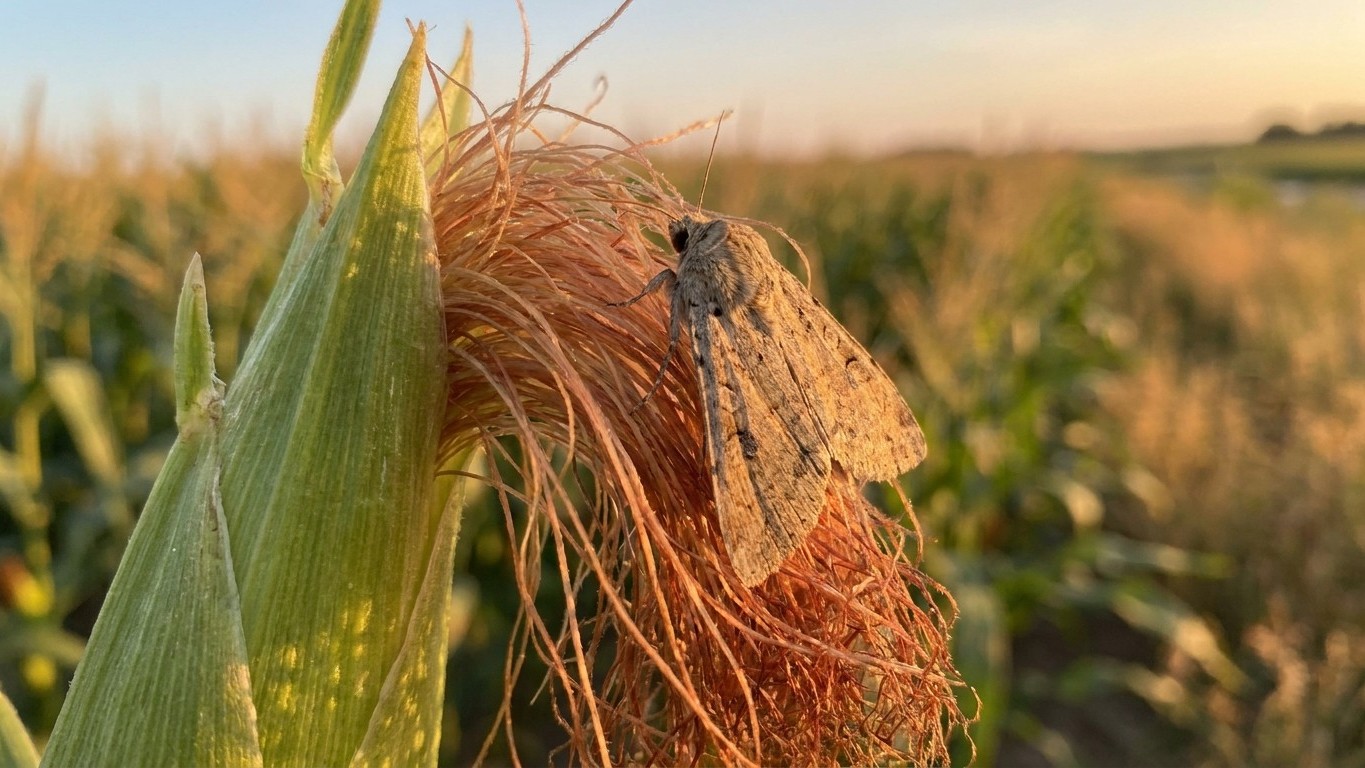
Corn earworm shows up in Georgia earlier than almost anywhere else in the country, and it never really leaves.
Home & garden, state by state
Everything we have worked out for Georgia: what to plant and when, which varieties finish in time, the pests that actually turn up here, and the jobs that pay off month by month. We also cover the rest of the property, from lawns and soil to home care and energy, because a garden rarely stops at the vegetable bed.
The numbers first, because everything else follows from them. Measured at the weather station in Atlanta, the last spring freeze runs March 11 to March 29 and the first fall freeze runs November 13 to December 1, USDA zones 6a-9b, 5,477 growing degree days in the year.
Garlic does well: 13 weeks below 40 °F, comfortably past the six it needs to form a proper head.
Elsewhere on the property in Georgia: the pests that turn up here.
Figures from NOAA's 1991-2020 climate normals. A state is not one climate: elevation, a large lake or the coast can move these dates by two weeks either way, so check your own county with the extension service before you spend money.
Corn earworm shows up in Georgia earlier than almost anywhere else in the country, and it never really leaves.
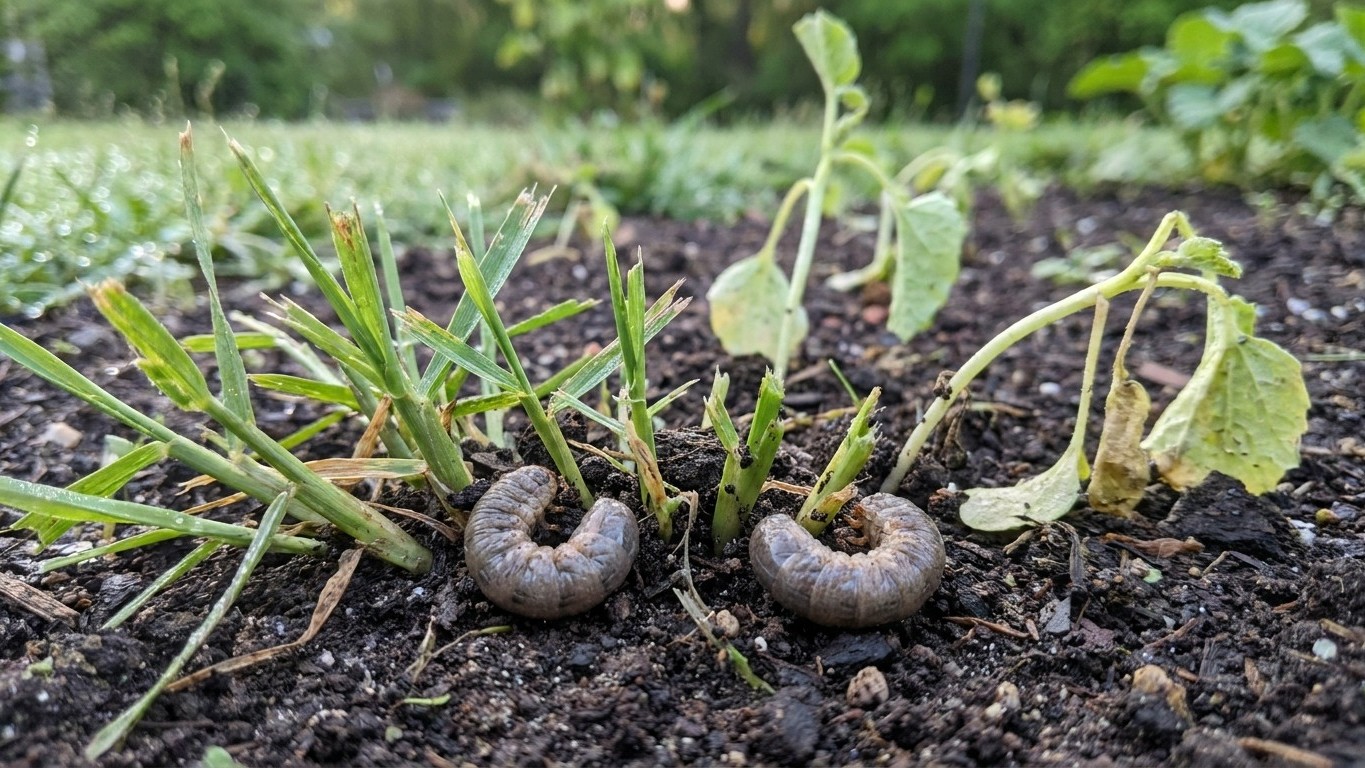
Cutworms show up in Georgia twice a year in most of the state: a spring wave from March through May and a second, often heavier, wave in September and…
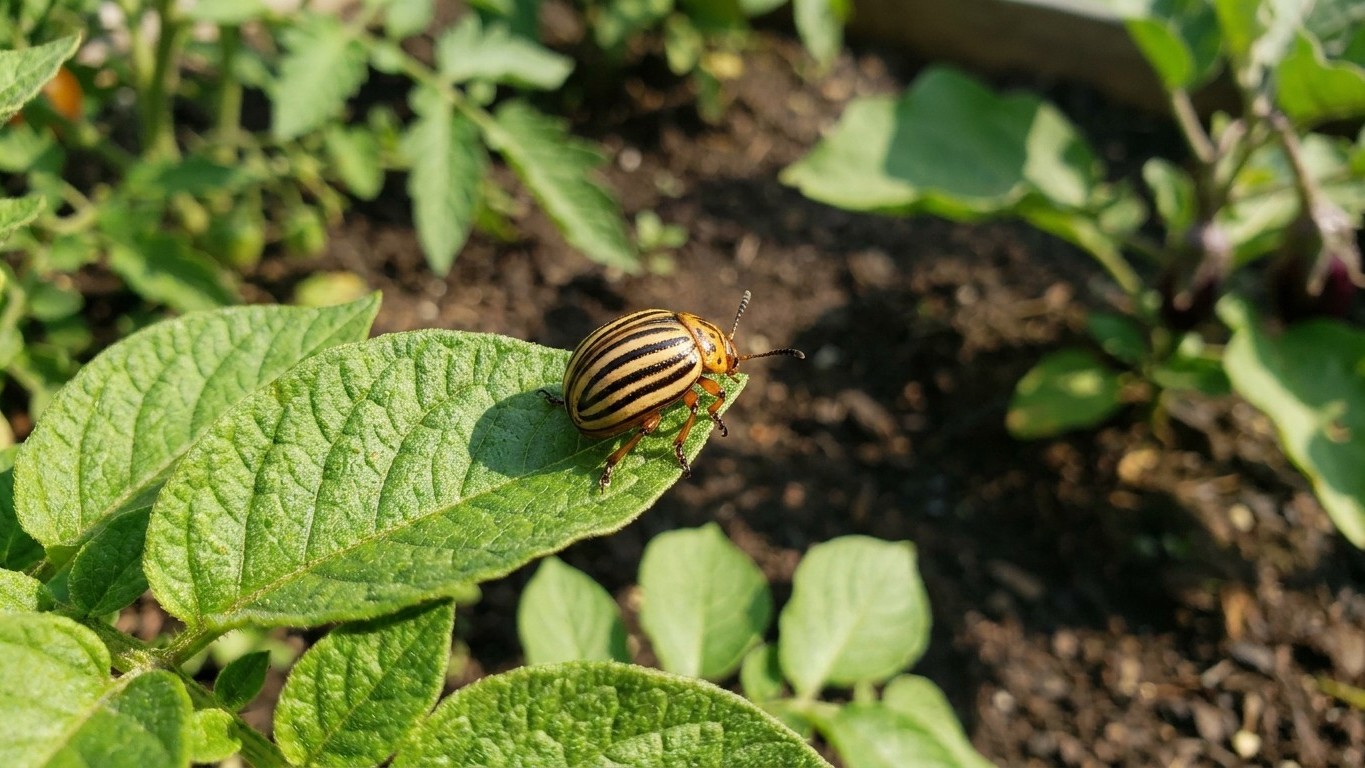
Colorado potato beetle turns up in Georgia mostly in home gardens and small farm plots growing potatoes, eggplant, or tomatoes, typically from late April…
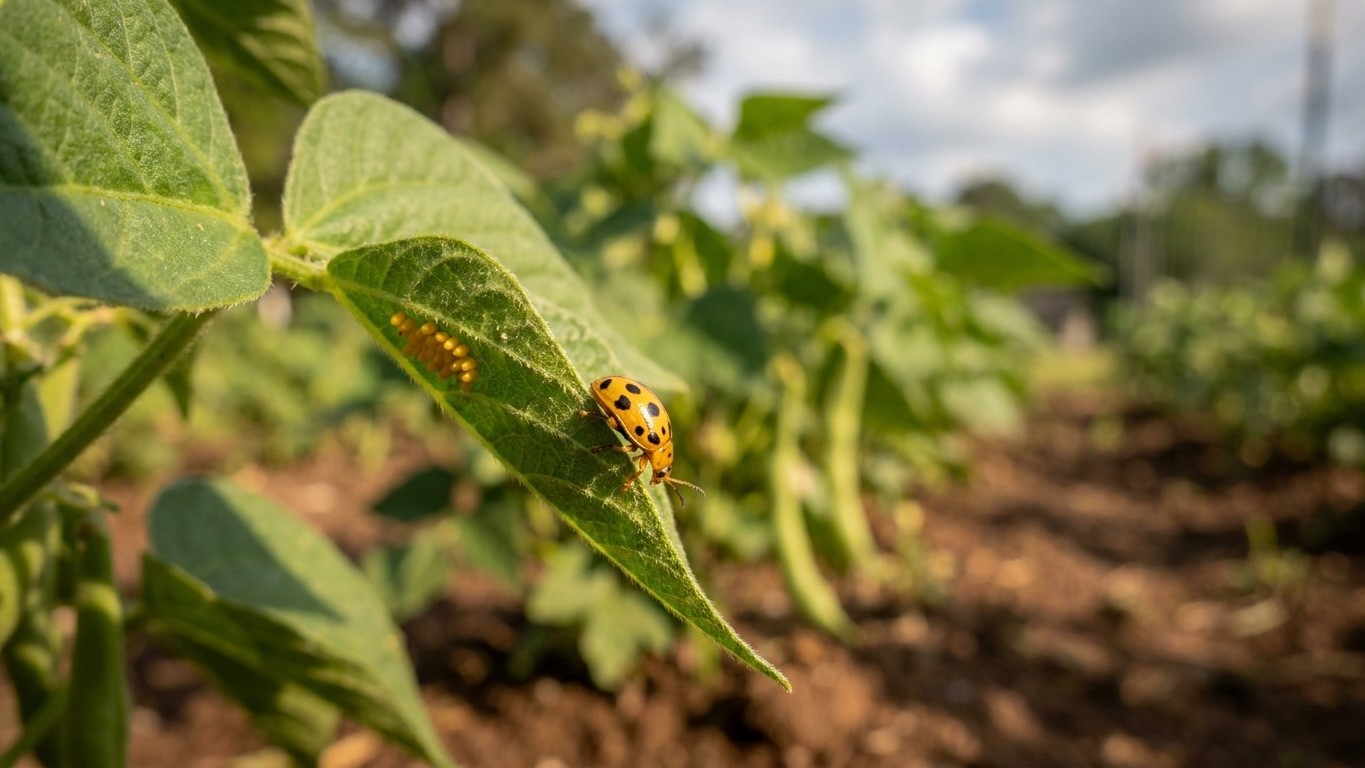
Mexican bean beetles start showing up in Georgia gardens in April, once daytime temperatures hold steady in the 65 to 70 degree range, and they stick…
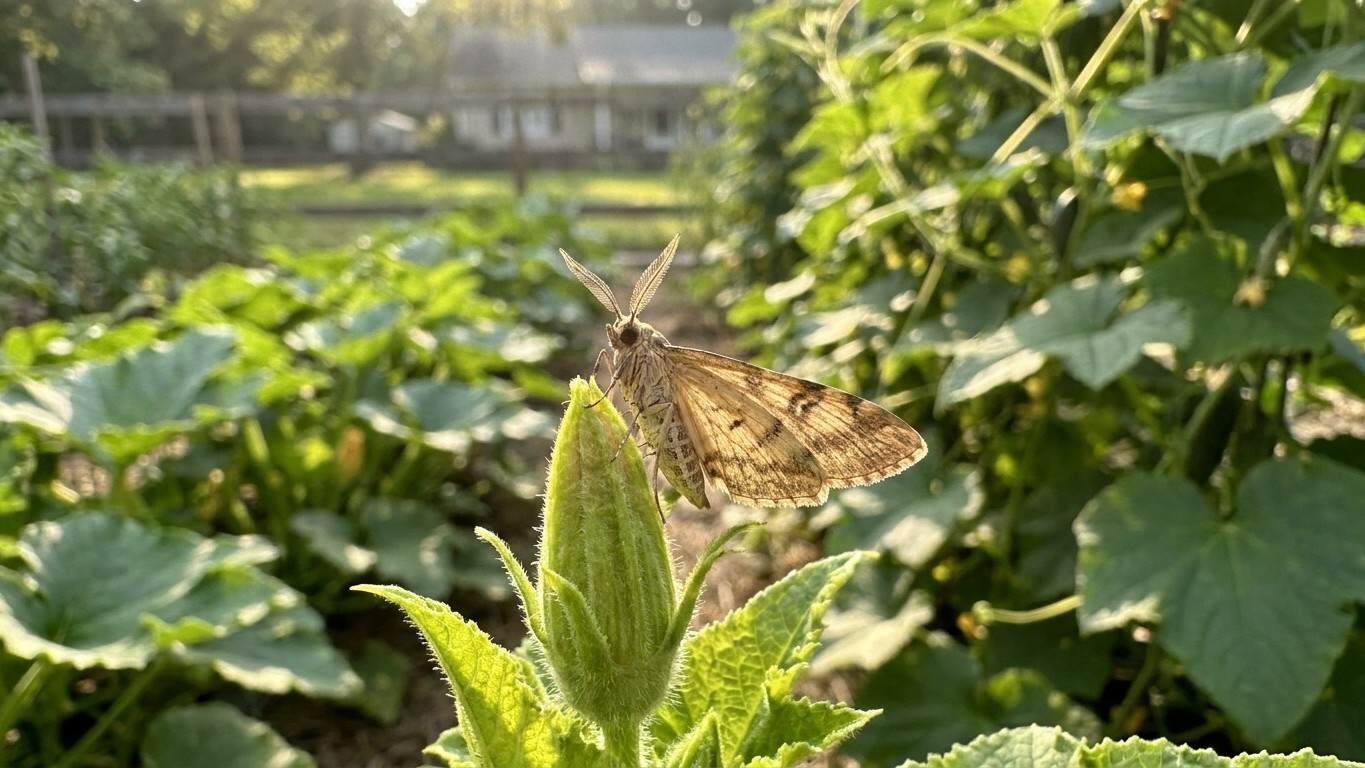
Pickleworm shows up in Georgia gardens and farm fields from roughly mid-June through the first frost, with damage peaking in August and September when…
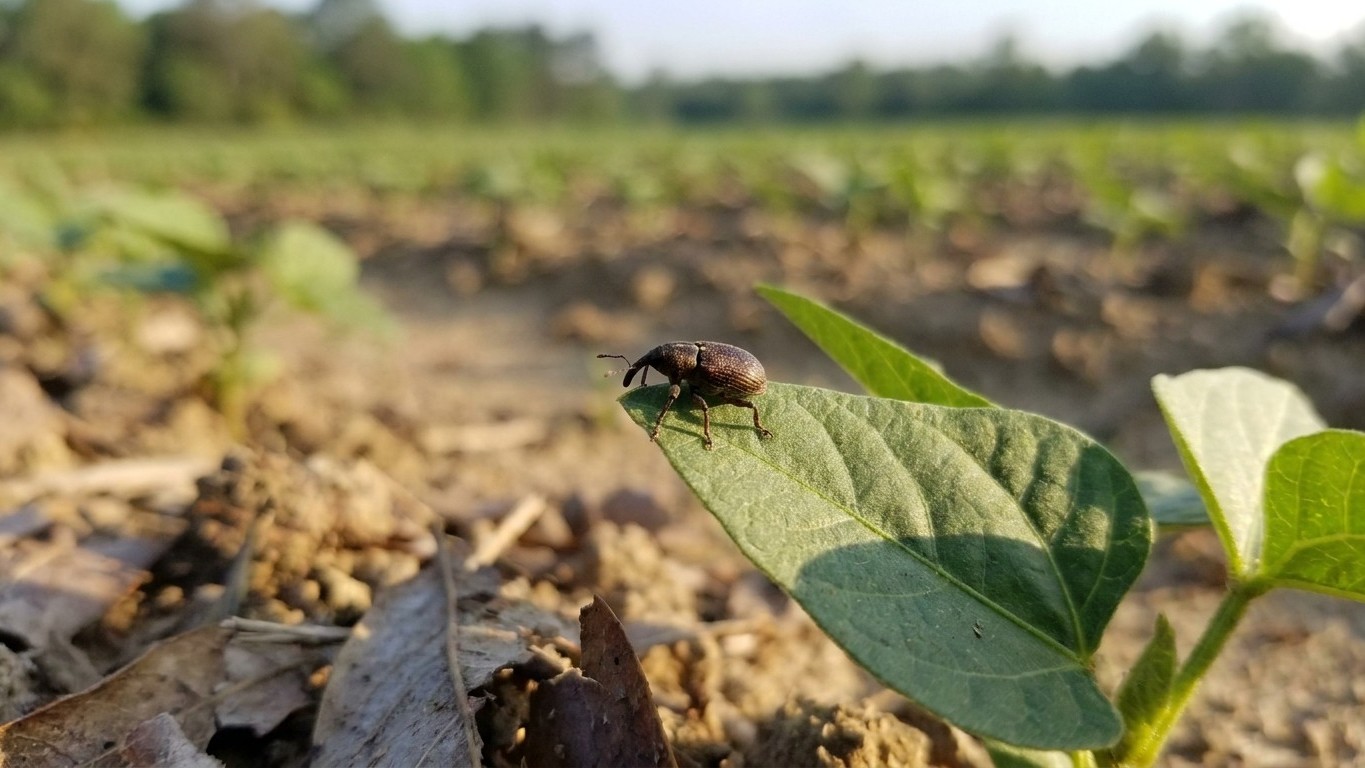
Cowpea curculio activity in Georgia typically kicks off in late April to early May in the southern part of the state, once soil temperatures climb into…
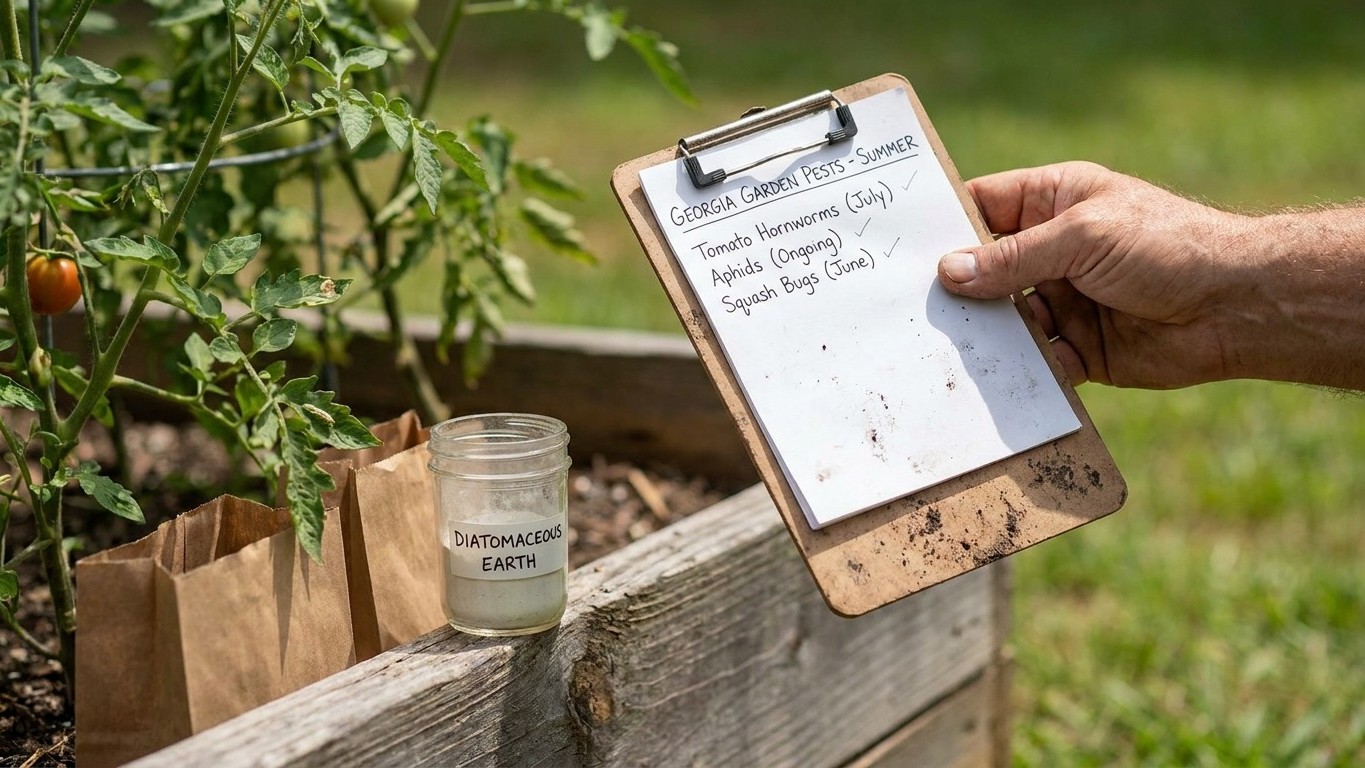
A season-by-season rundown of the ten pests UGA Extension tracks in Georgia gardens, with identification, timing, and real control costs.
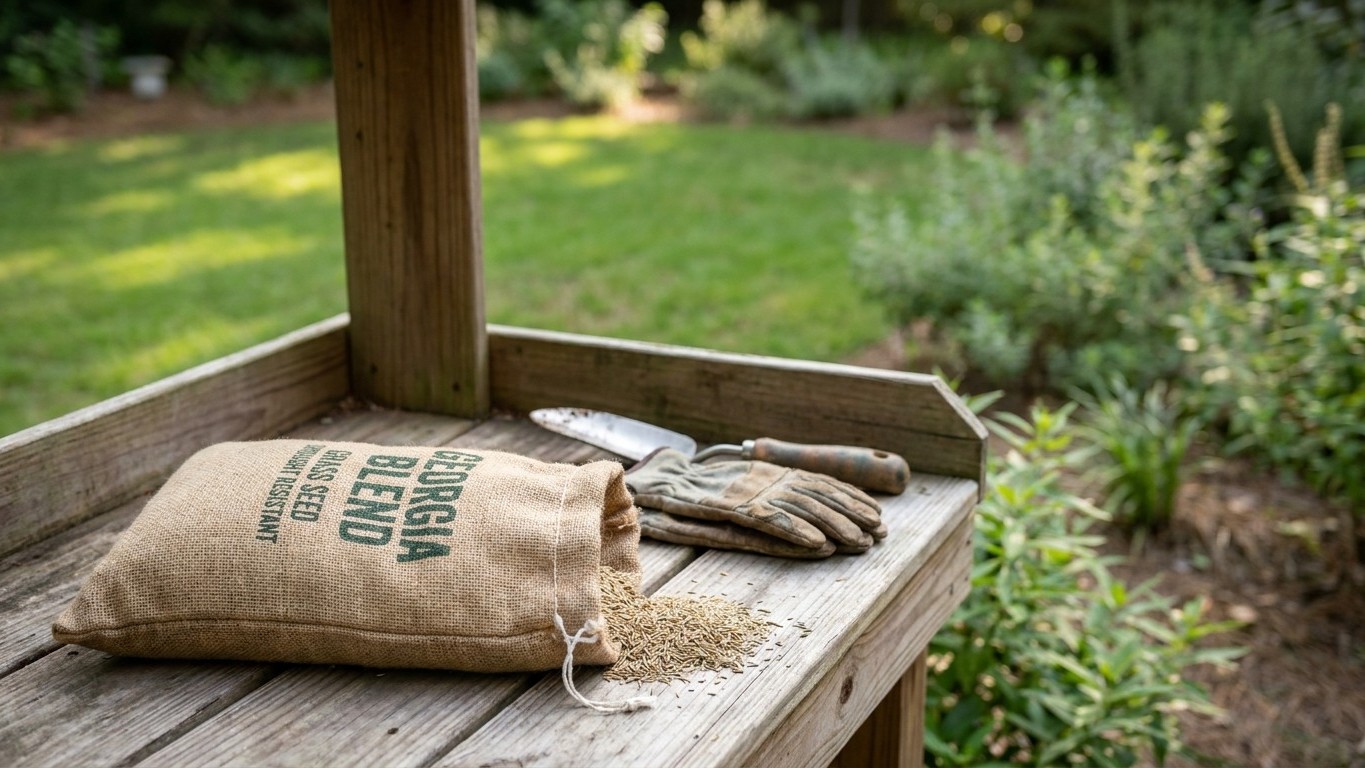
Georgia lawns sit in the transition zone, so choosing grass means picking between winter-green cool-season turf and summer-tough warm-season turf.
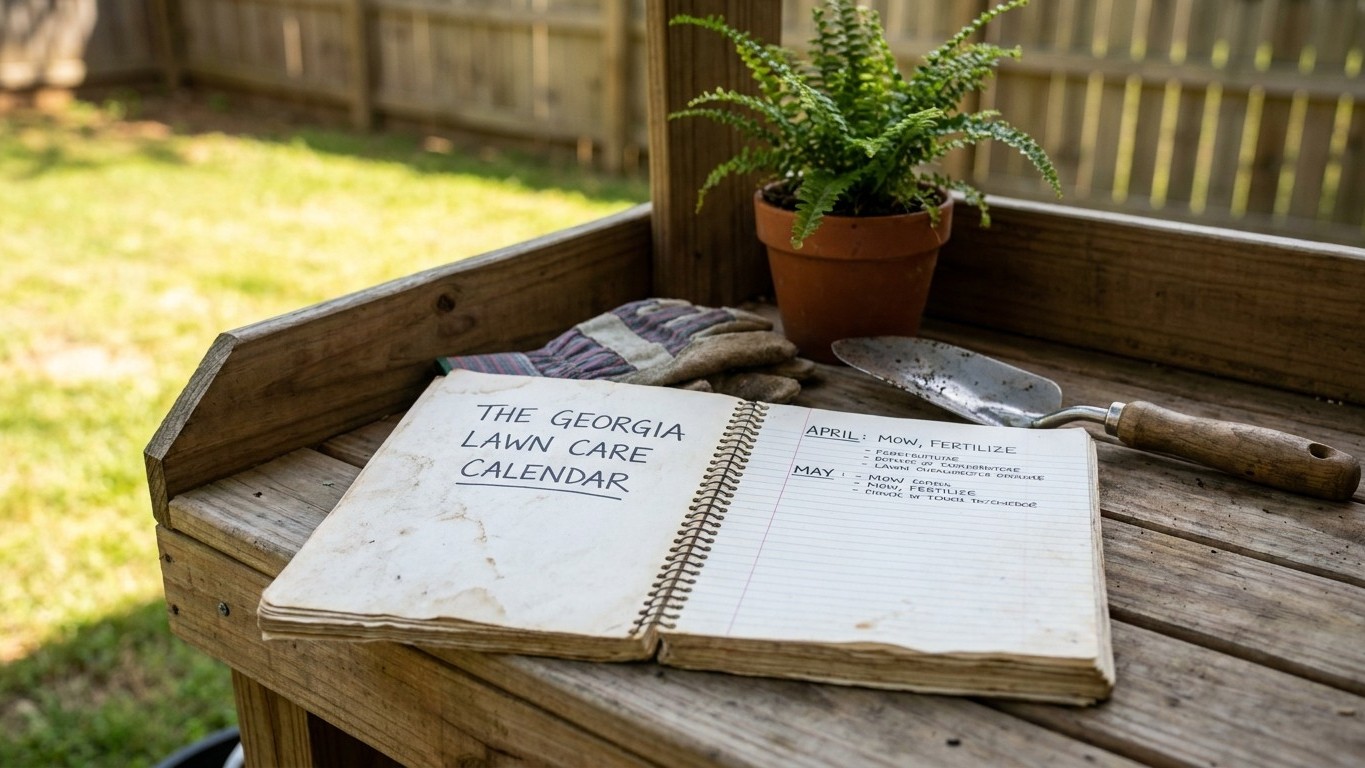
A month-by-month guide to Georgia lawn care that separates cool-season fescue tasks from warm-season bermudagrass and zoysiagrass tasks, using Clemson and NOAA figures.
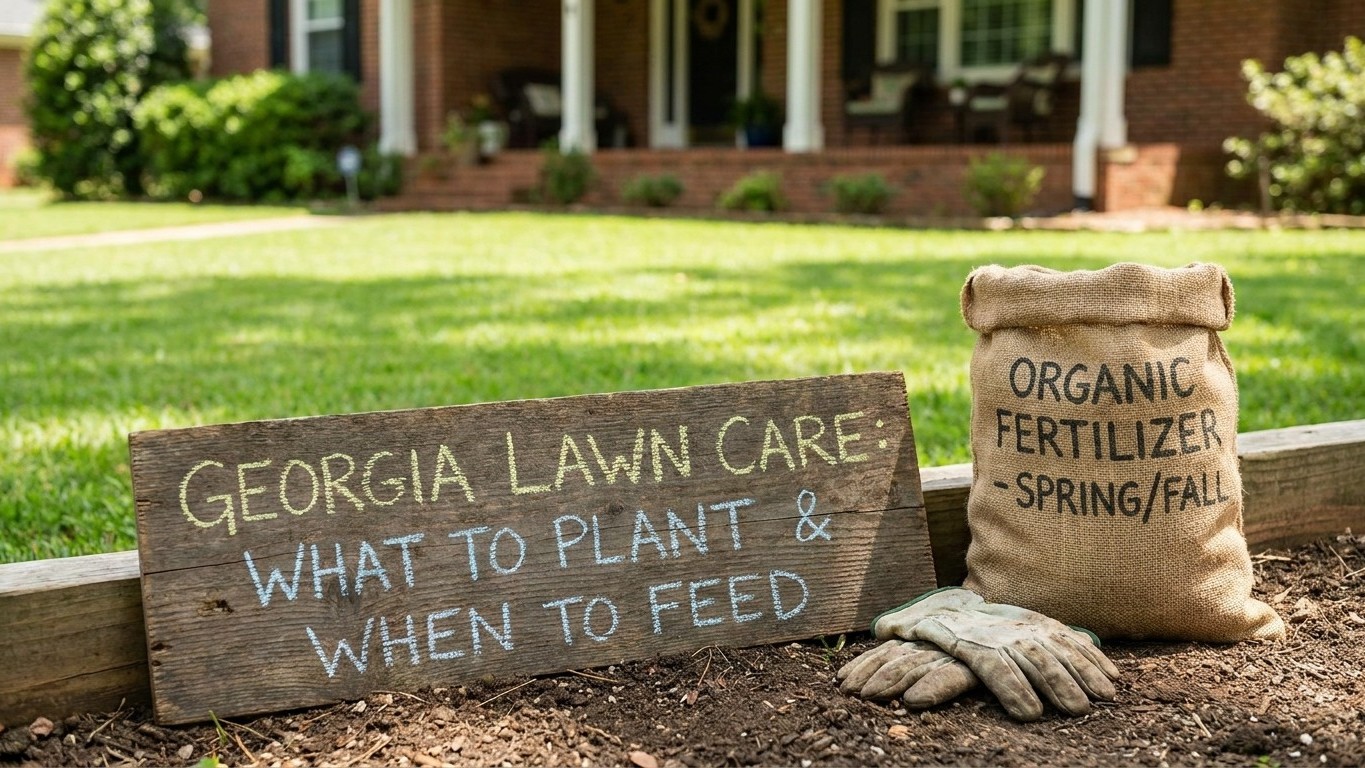
Georgia’s transition-zone climate means no grass wins outright, so this page covers seeding windows, feeding timing, mowing height and common lawn failures.