Watering a Garden in Hawaii: How Much, How Often, and the Local Rules
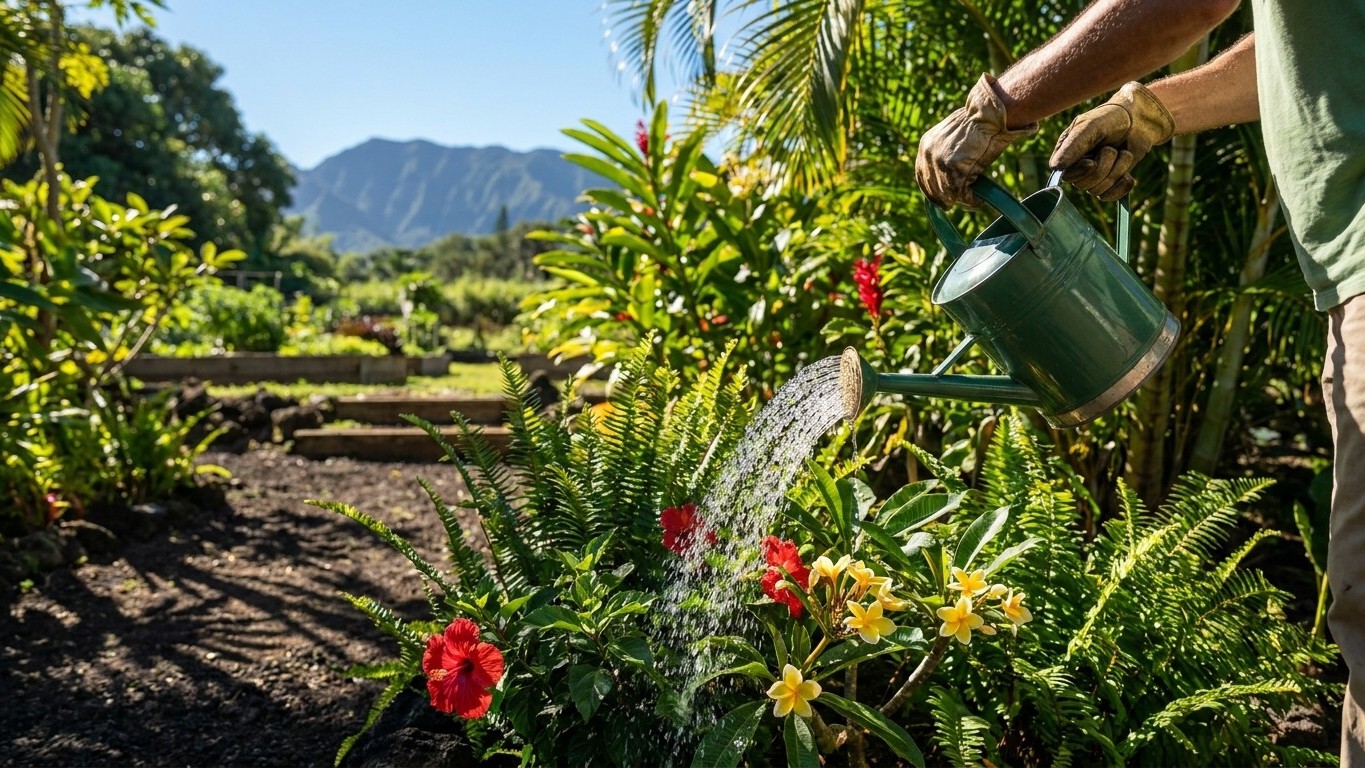
Hawaii gardens live and die by two things: how many days push past 90F and how wildly rainfall swings from one side of an island to the other.
Home & garden, state by state
Everything we have worked out for Hawaii: what to plant and when, which varieties finish in time, the pests that actually turn up here, and the jobs that pay off month by month. We also cover the rest of the property, from lawns and soil to home care and energy, because a garden rarely stops at the vegetable bed.
The numbers first, because everything else follows from them. Measured at the weather station in Honolulu, the last spring freeze falls around no freeze occurs in inhabited areas and the first fall freeze falls around no freeze occurs in inhabited areas, USDA zones 9a-13a, 9,934 growing degree days in the year.
Heat, not frost, is what shortens the season here: above 86 °F tomato pollen goes sterile, so growers run a spring crop and an autumn one rather than a single long season. Garlic is the awkward one: only 0 weeks below 40 °F, where it needs six to split into cloves. Chill the cloves before planting, or grow a softneck type.
Elsewhere on the property in Hawaii: the pests that turn up here.
Figures from NOAA's 1991-2020 climate normals. A state is not one climate: elevation, a large lake or the coast can move these dates by two weeks either way, so check your own county with the extension service before you spend money.
Hawaii gardens live and die by two things: how many days push past 90F and how wildly rainfall swings from one side of an island to the other.
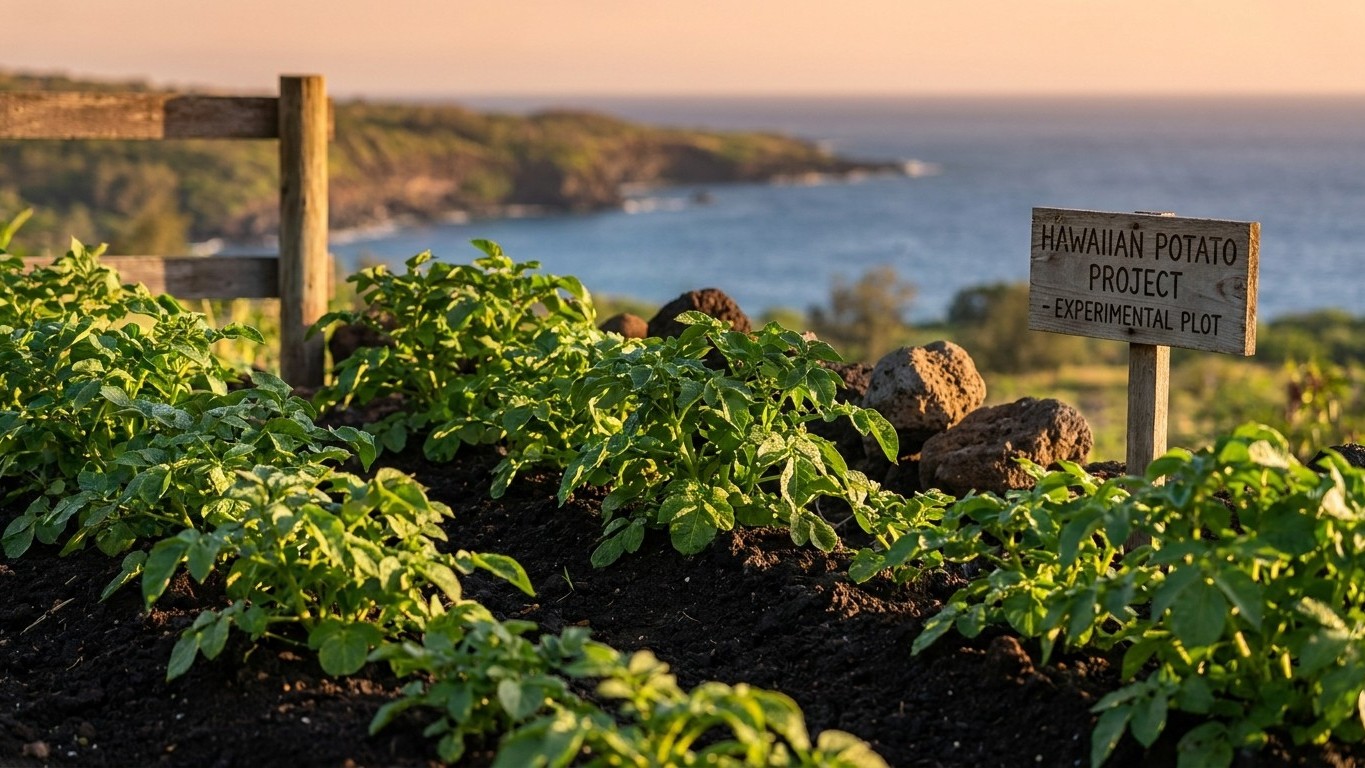
Hawaii’s coastline sees no frost. None. NOAA’s 1991-2020 climate normals return a “not computable” flag for every freeze percentile at the reference…
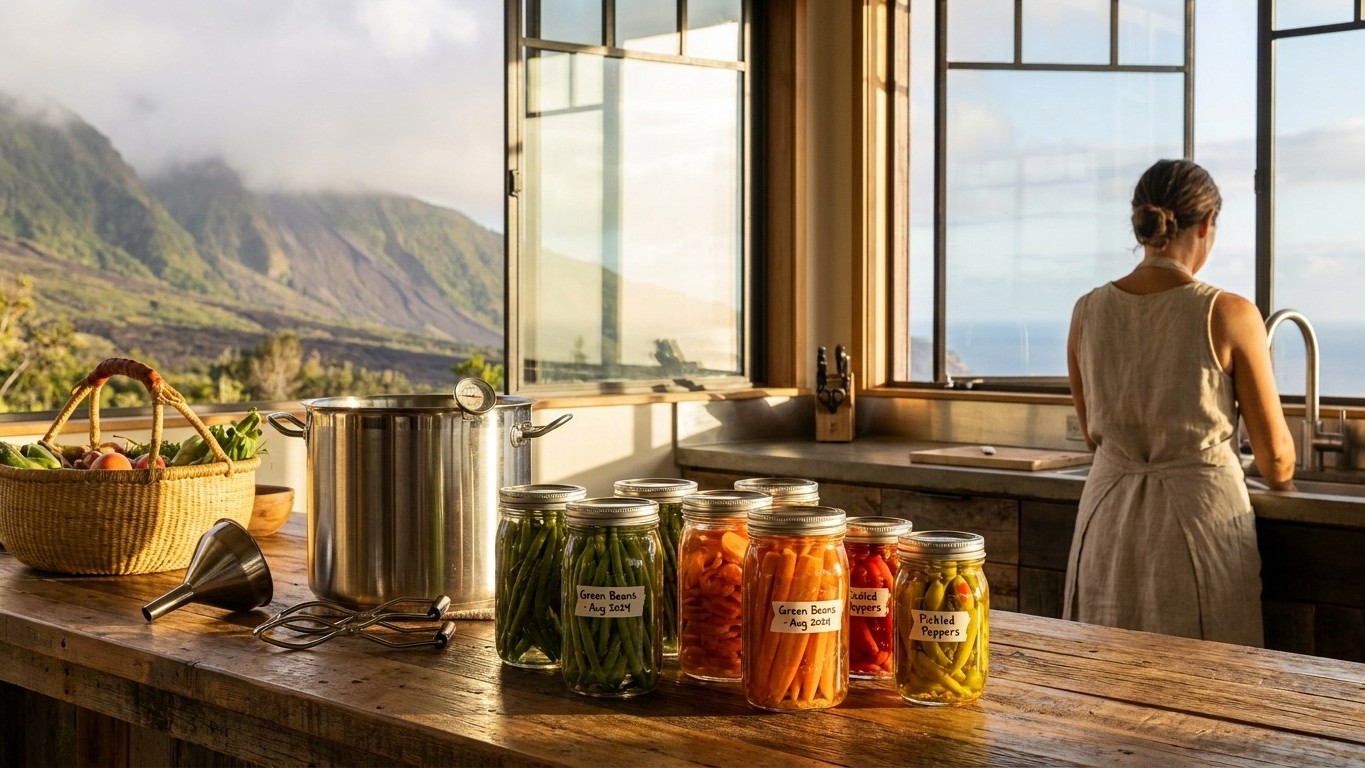
Honolulu sits at just 16 feet above sea level, where water boils somewhere between 208°F and 212°F, essentially true sea-level conditions.
At 21.32 degrees north, the latitude of Honolulu (NOAA station USW00022521), the longest day of the year brings 13 hours and 18 minutes of daylight.
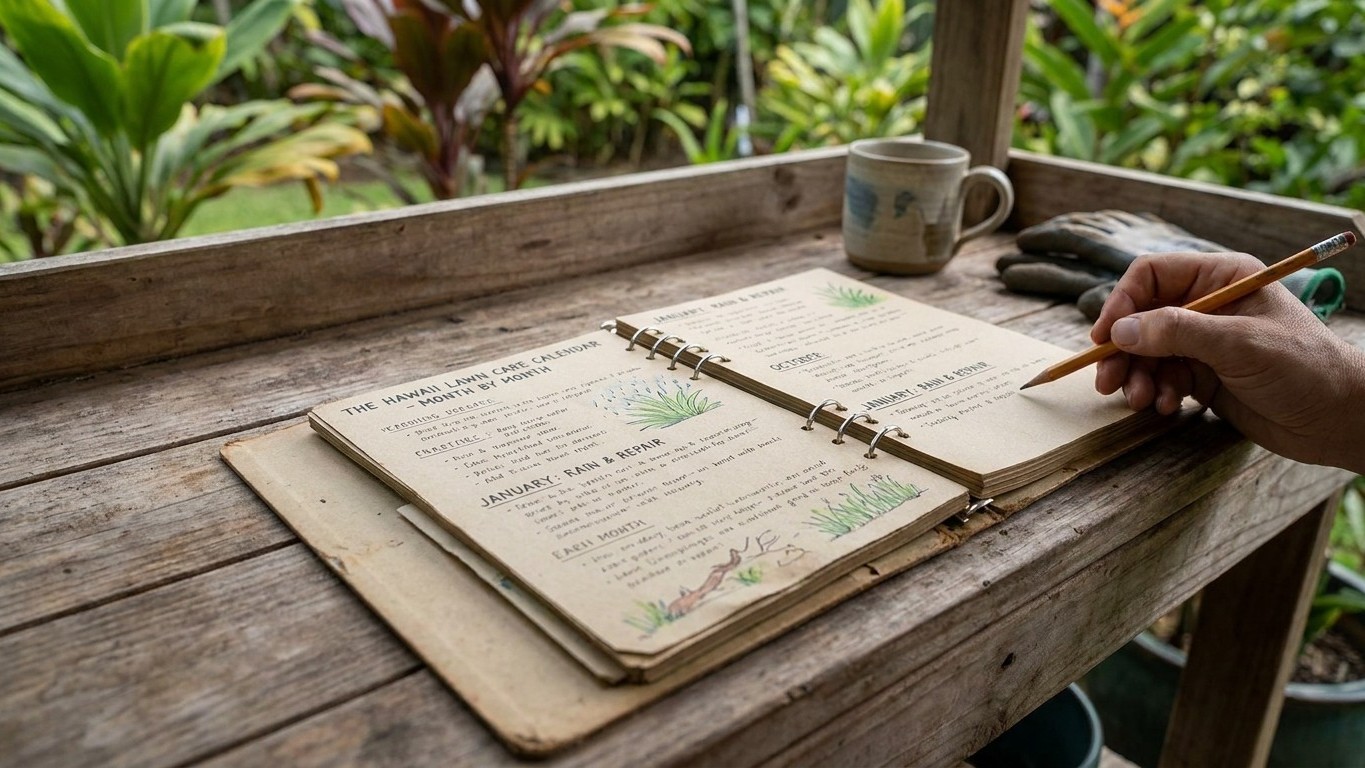
Hawaii’s warm-season lawns follow rainfall and elevation rather than frost, and this calendar gives mowing heights, nitrogen rates and seasonal tasks for Bermuda, Zoysia, St. Augustine and Centipede grass.
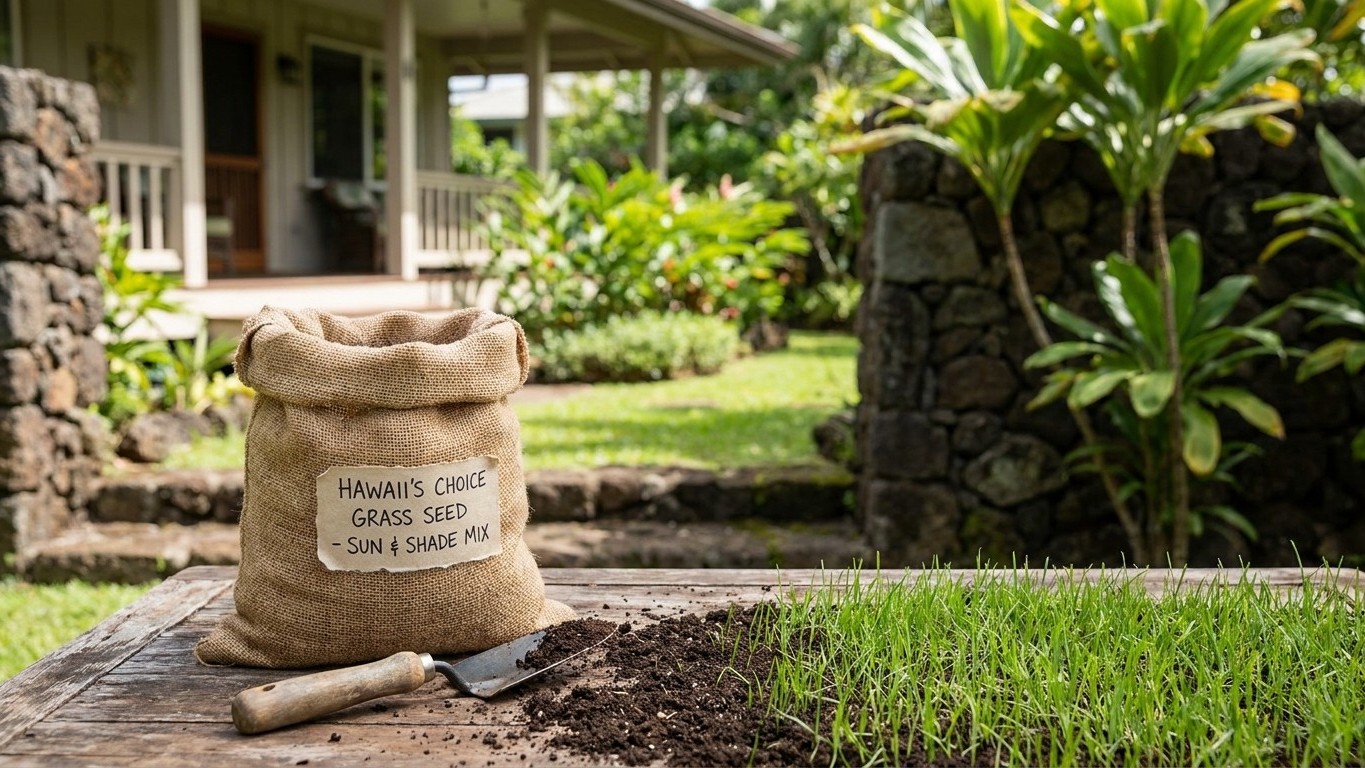
Explains which of the seven warm-season turf species suits Hawaii lawns based on rainfall, salt spray, shade and elevation, using Honolulu’s climate data.
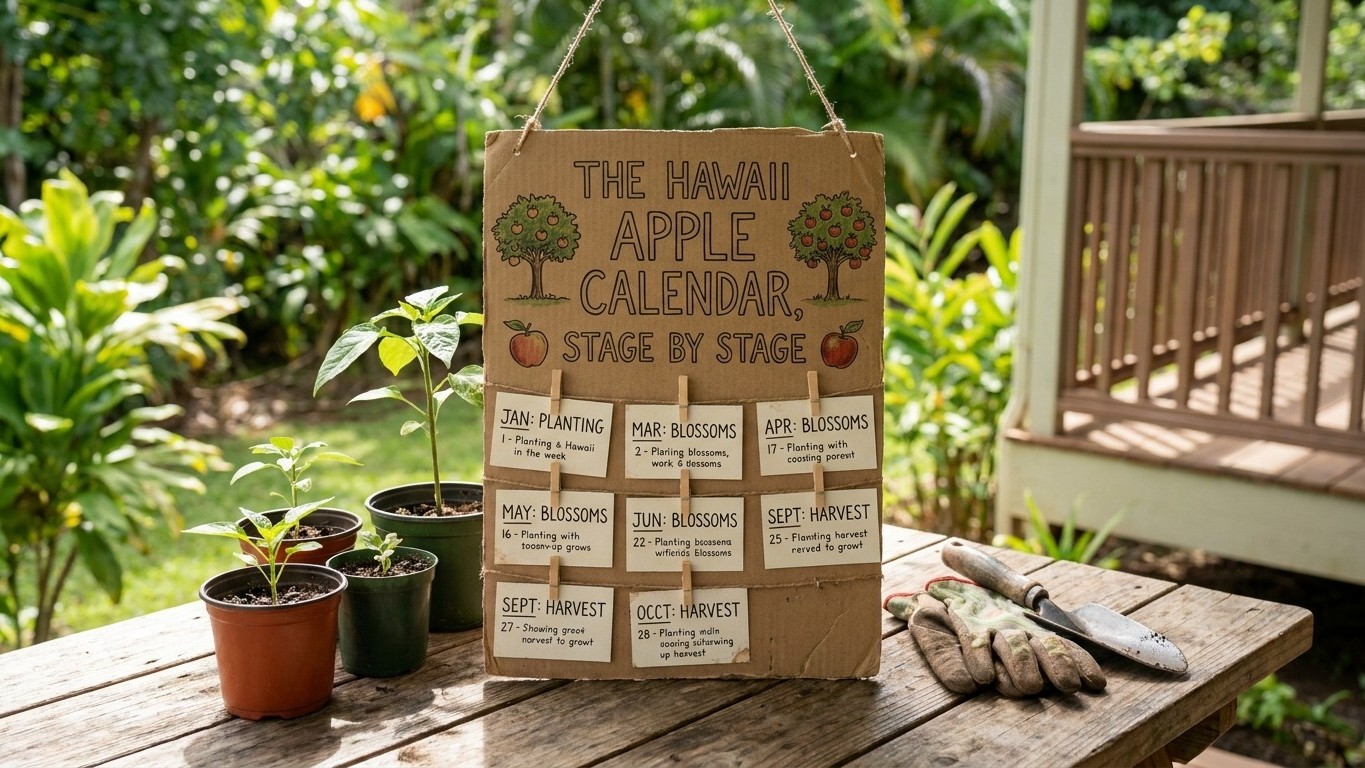
Explains why lowland Hawaii has no frost-based apple calendar, and how elevation, hand-forced dormancy and ultra-low-chill cultivars decide when trees bloom and fruit.
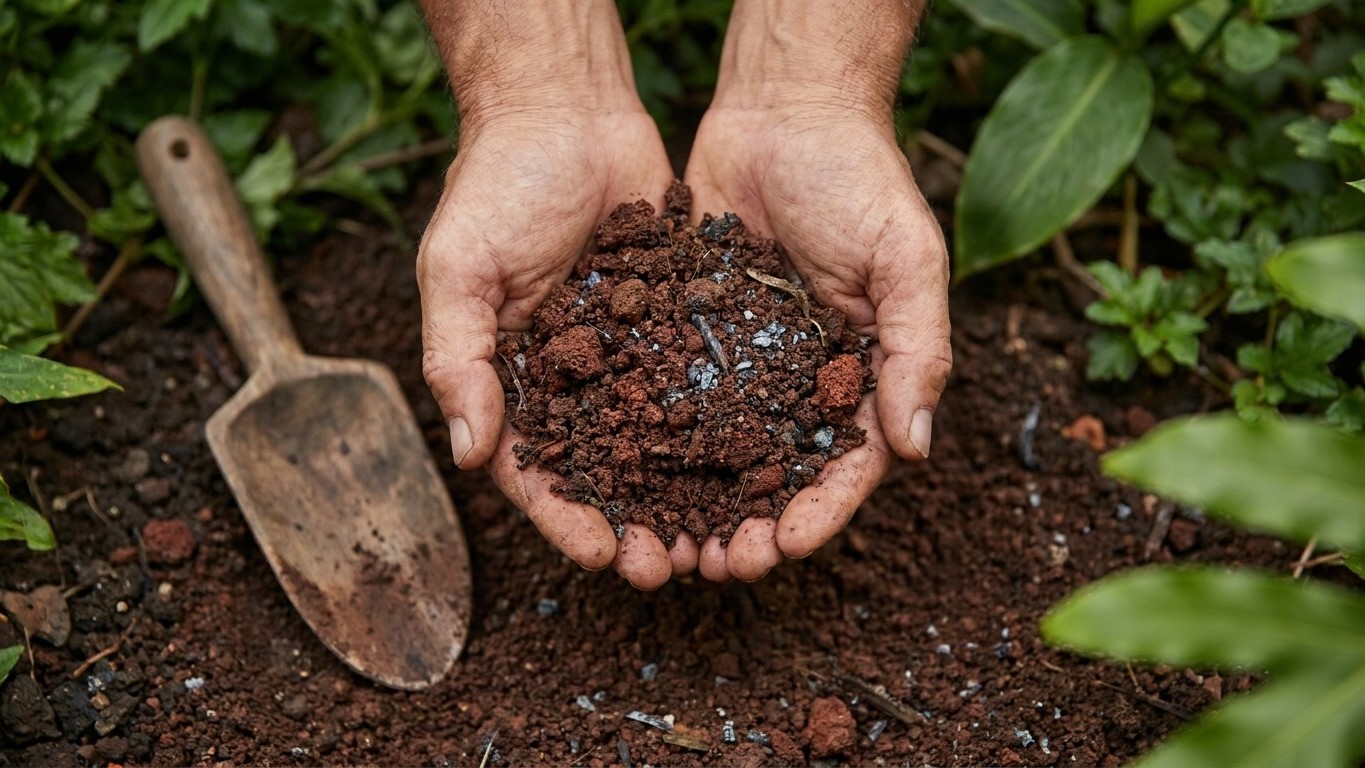
The soil USDA lists as representative of Hawaii is the Hilo series, an Andisol built from volcanic ash.
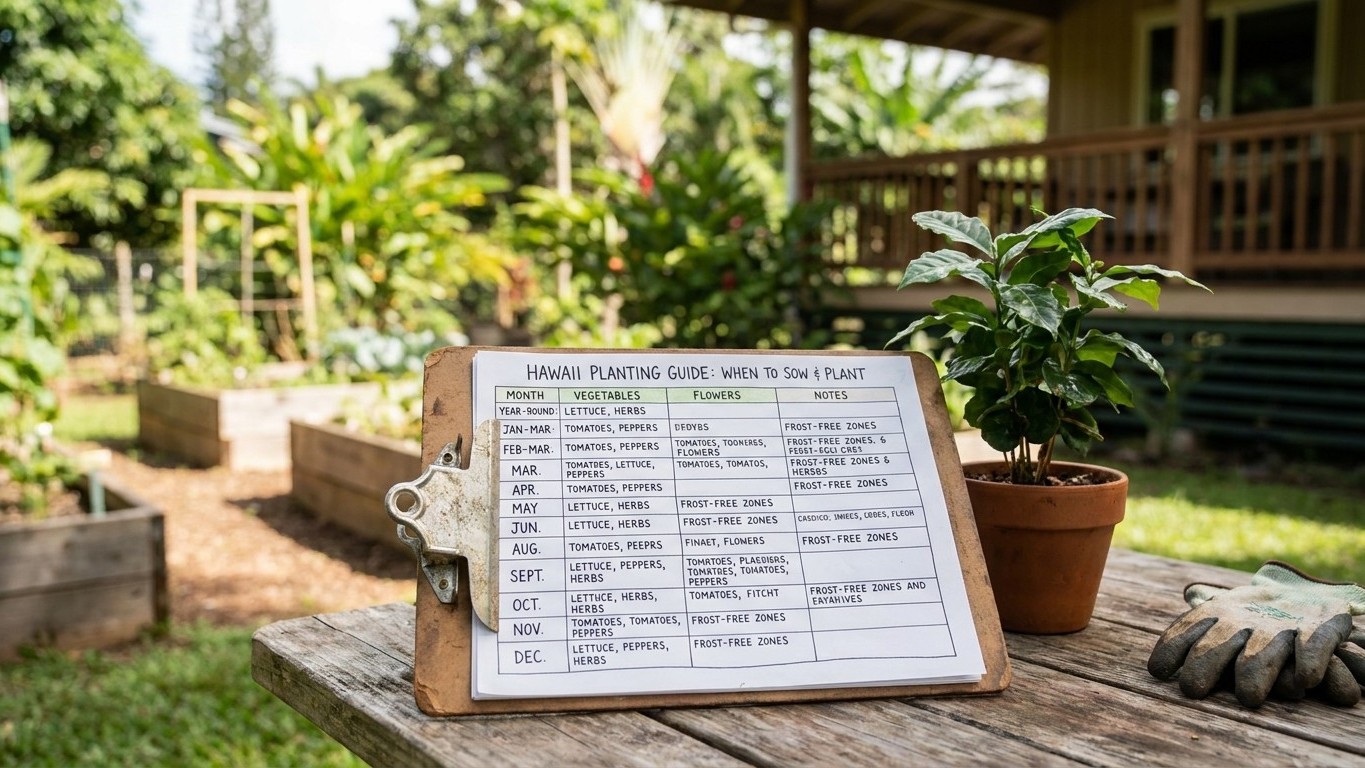
Hawaii’s frost-free climate means planting decisions come from elevation, rainfall, and soil temperature rather than a spring or fall frost date.
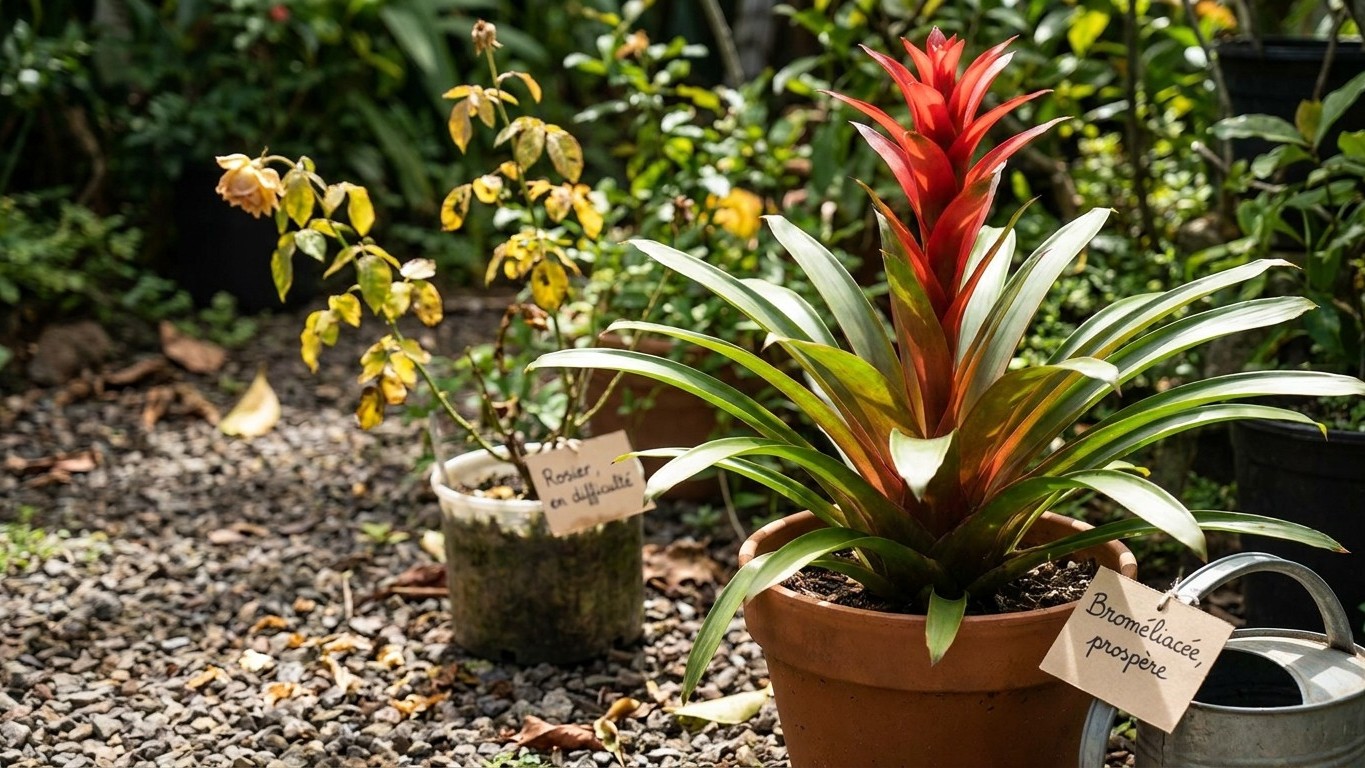
Hawaii’s warm, frost-free climate favors tropical bloomers like hibiscus and plumeria, while flowers that need a winter chill rarely perform well here.