What to Plant in Hawaii in August
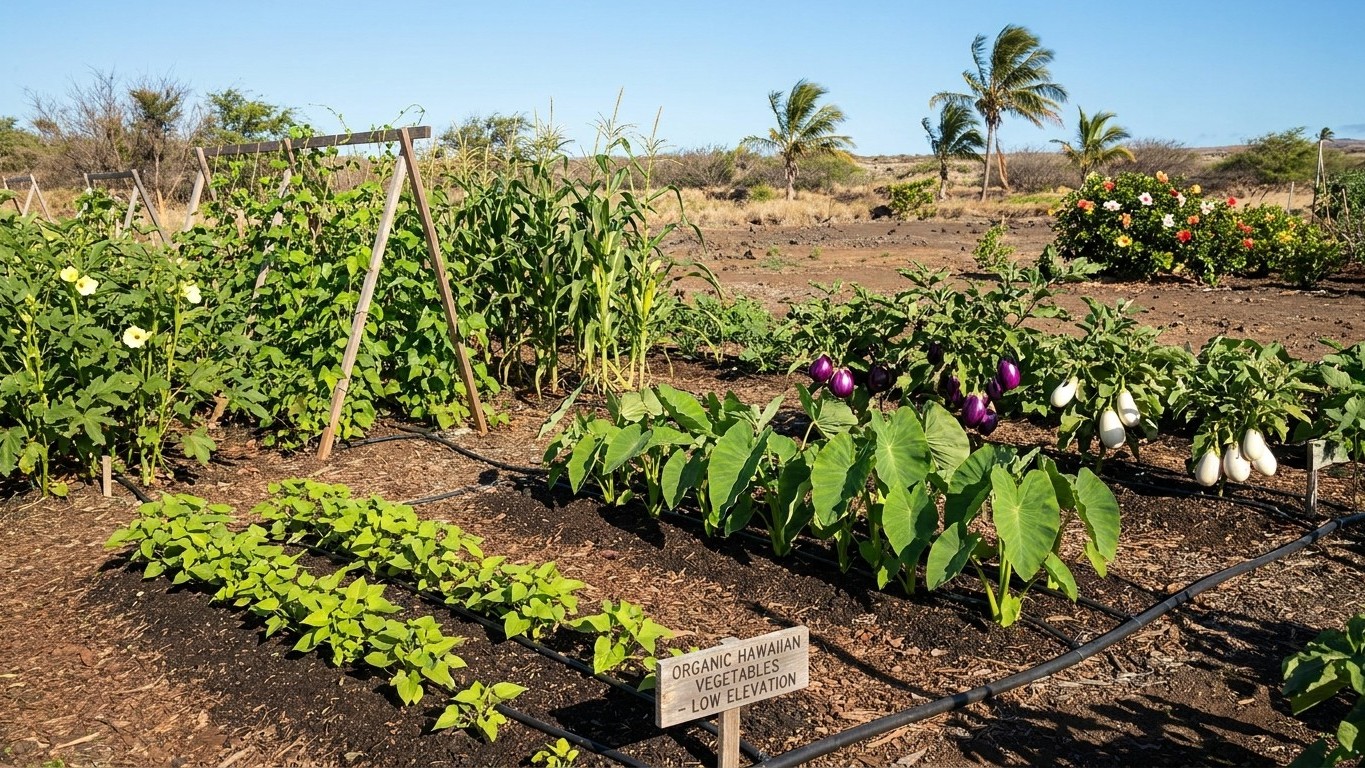
August in Hawaii isn’t about frost dates or a shrinking growing season, because neither exists here.
Home & garden, state by state
Everything we have worked out for Hawaii: what to plant and when, which varieties finish in time, the pests that actually turn up here, and the jobs that pay off month by month. We also cover the rest of the property, from lawns and soil to home care and energy, because a garden rarely stops at the vegetable bed.
The numbers first, because everything else follows from them. Measured at the weather station in Honolulu, the last spring freeze falls around no freeze occurs in inhabited areas and the first fall freeze falls around no freeze occurs in inhabited areas, USDA zones 9a-13a, 9,934 growing degree days in the year.
Heat, not frost, is what shortens the season here: above 86 °F tomato pollen goes sterile, so growers run a spring crop and an autumn one rather than a single long season. Garlic is the awkward one: only 0 weeks below 40 °F, where it needs six to split into cloves. Chill the cloves before planting, or grow a softneck type.
Elsewhere on the property in Hawaii: the pests that turn up here.
Figures from NOAA's 1991-2020 climate normals. A state is not one climate: elevation, a large lake or the coast can move these dates by two weeks either way, so check your own county with the extension service before you spend money.
August in Hawaii isn’t about frost dates or a shrinking growing season, because neither exists here.
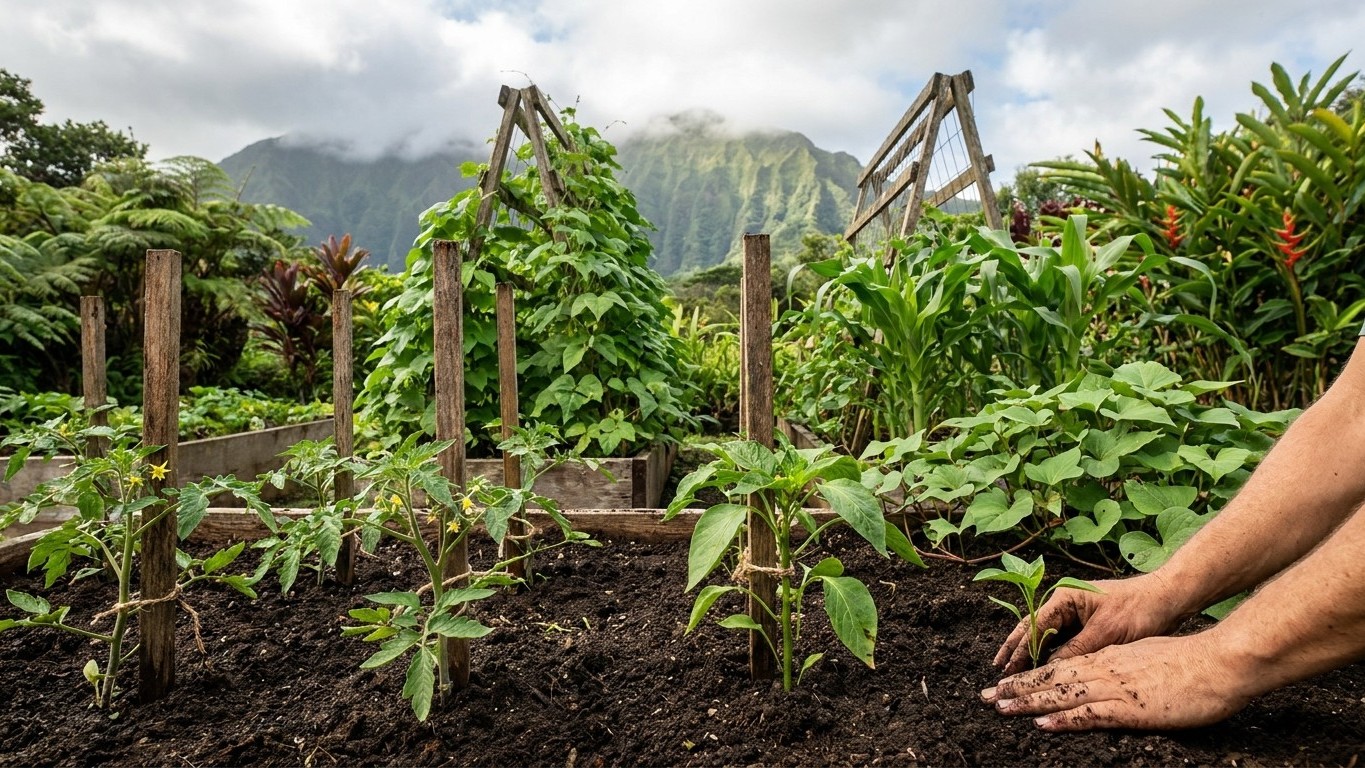
April sits at the hinge between Hawaii’s wet season and its drier months, which makes it one of the most productive planting windows of the year across…
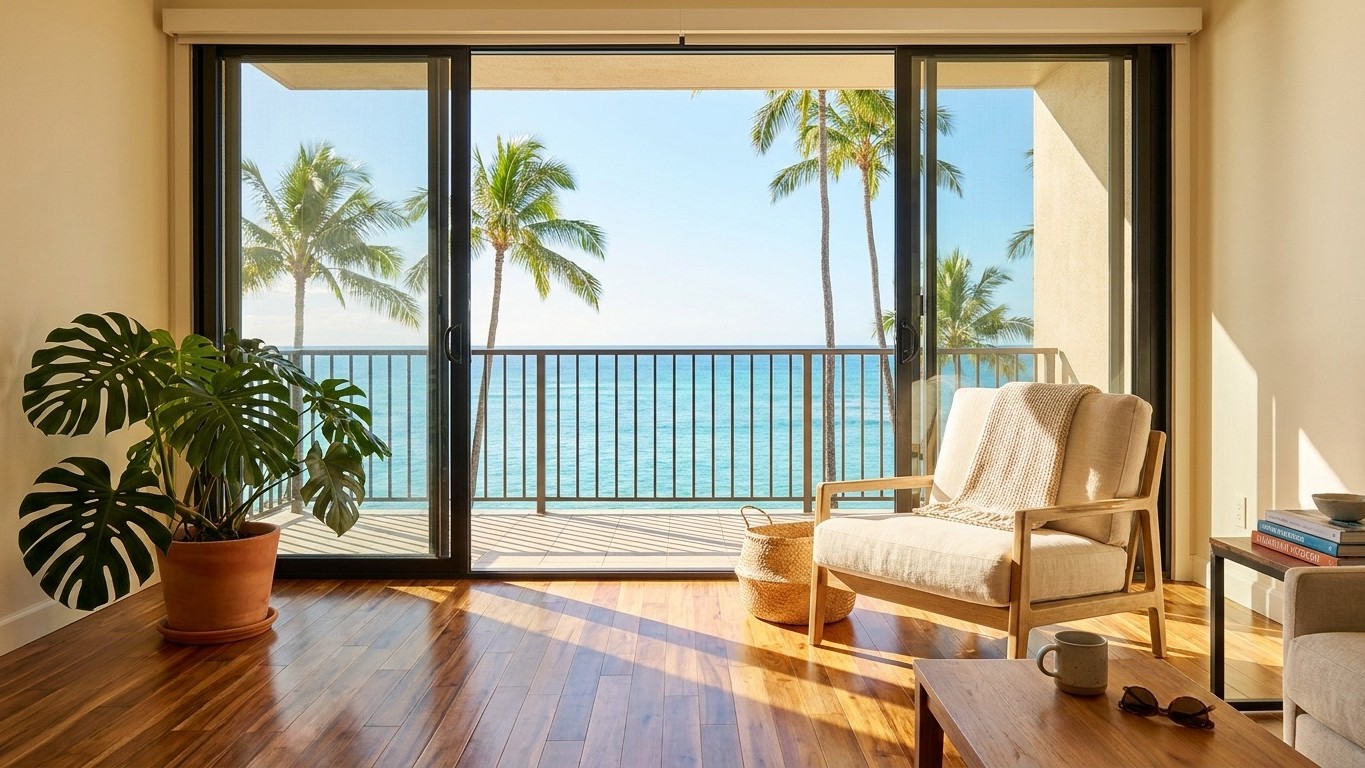
Hawaii doesn’t have a heating season. At Honolulu International Airport, the National Weather Service’s 30-year climate normals show every single month…
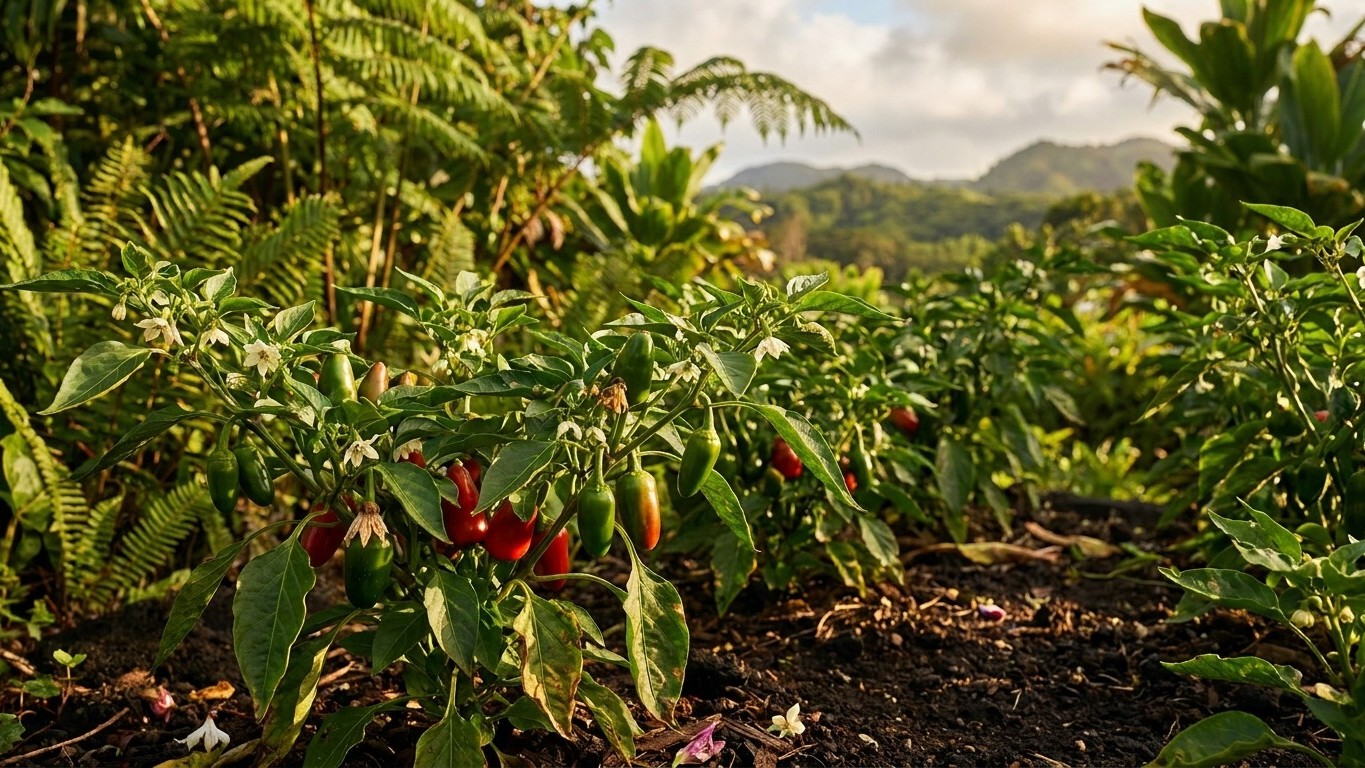
Peppers set fruit in a narrow band: nights need to stay above 55 F and days need to stay below 90 F.
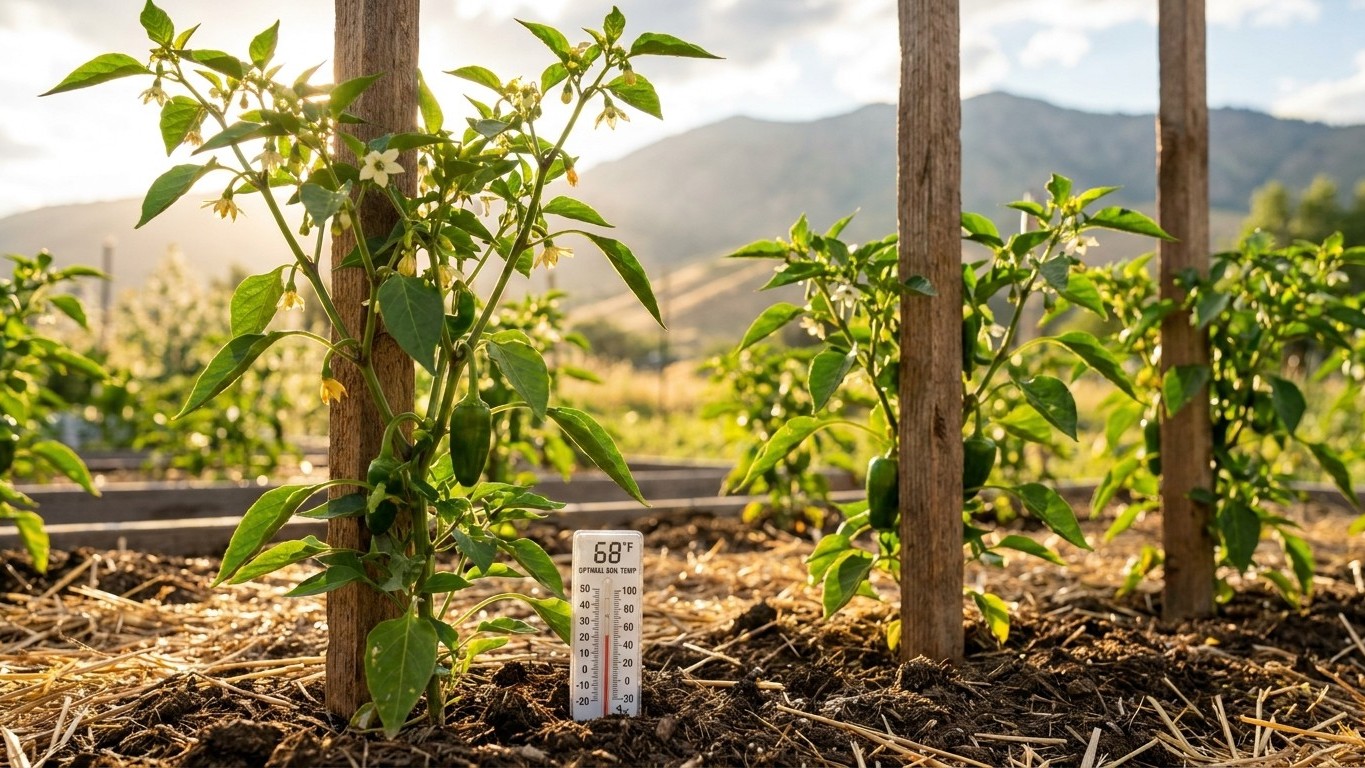
Pepper fruit set in Hawaii runs into trouble at both ends of the thermometer, not just the hot one.
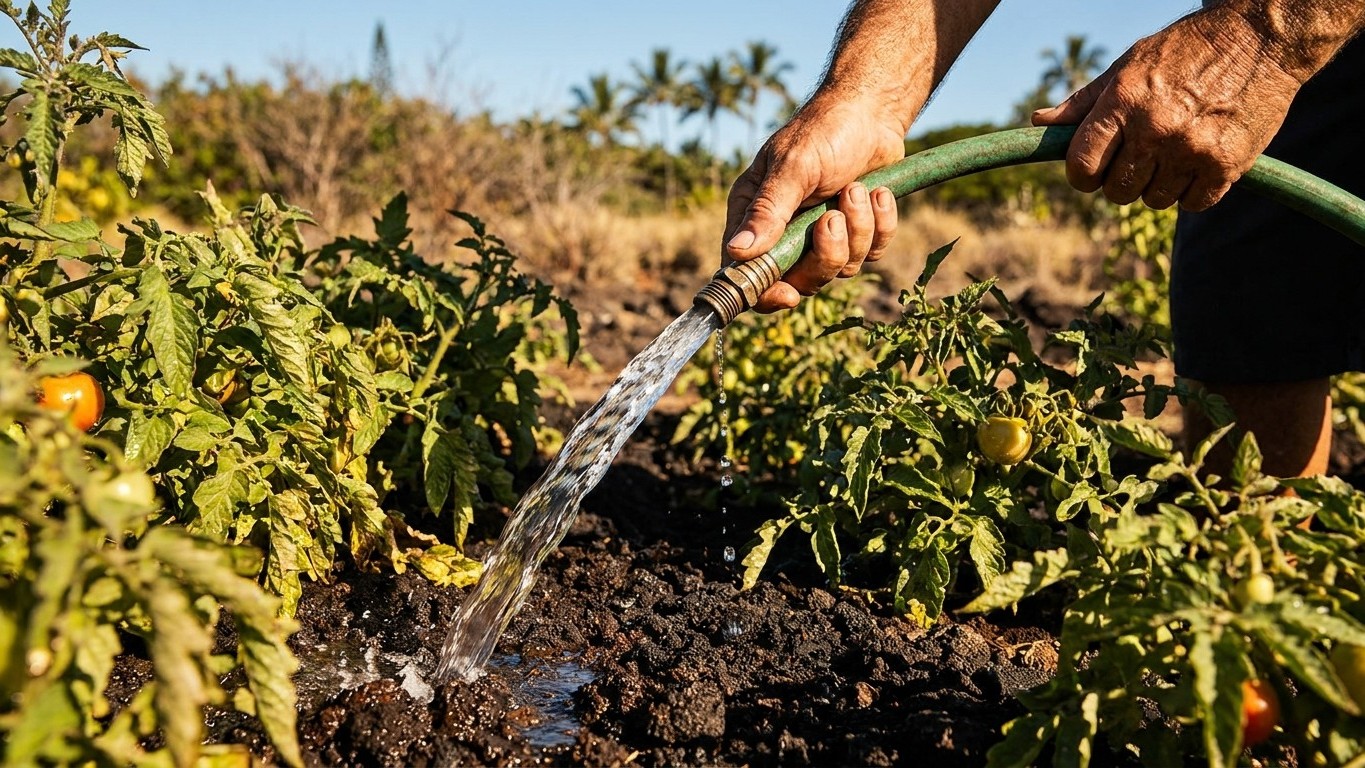
Hawaii’s driest summer month brings just 0.5 inches of rain, and the islands log 18.7 days a year at 90F or hotter.
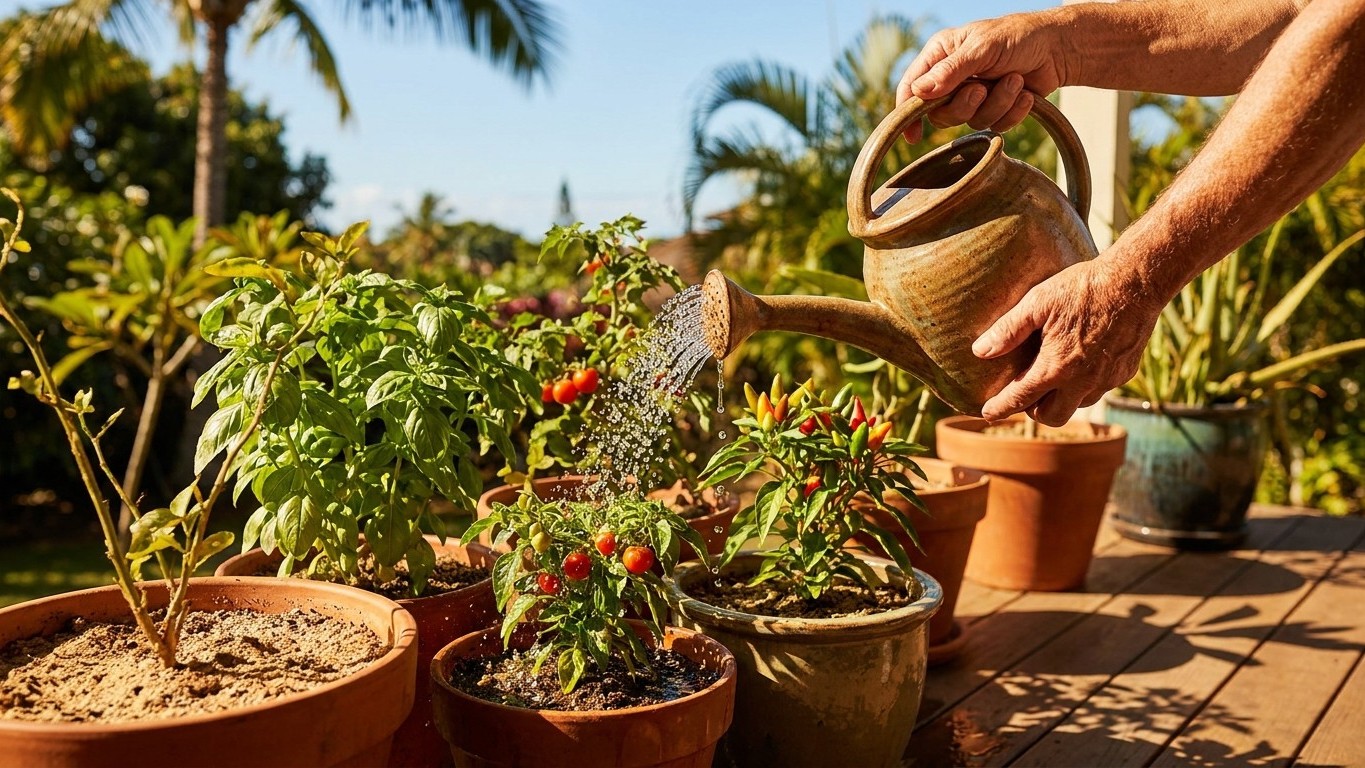
Hawaii’s driest summer stretch still delivers only about half an inch of rain a month, while nearly three weeks of the year push past 90F.
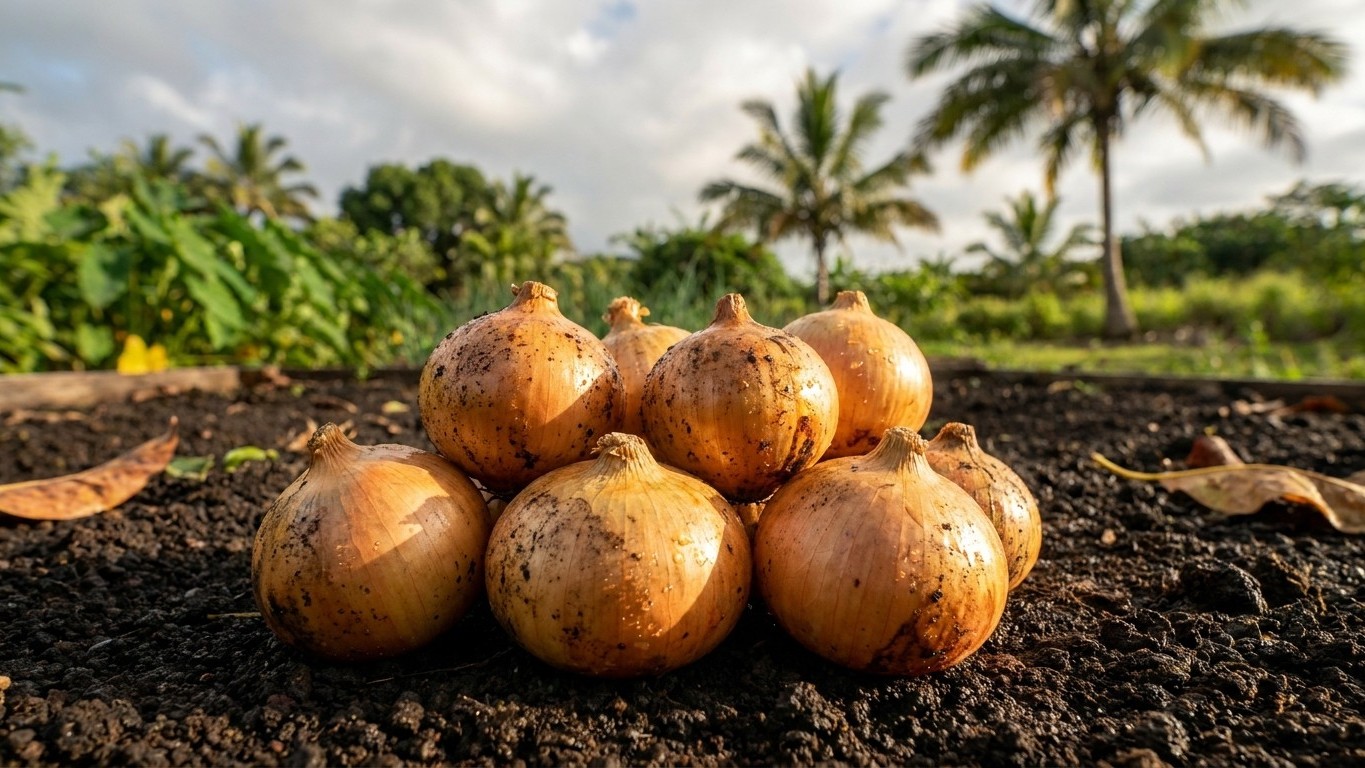
In Hawaii, onions go in the ground in fall, right after the heat of late summer breaks, not in the early spring window that works farther north.
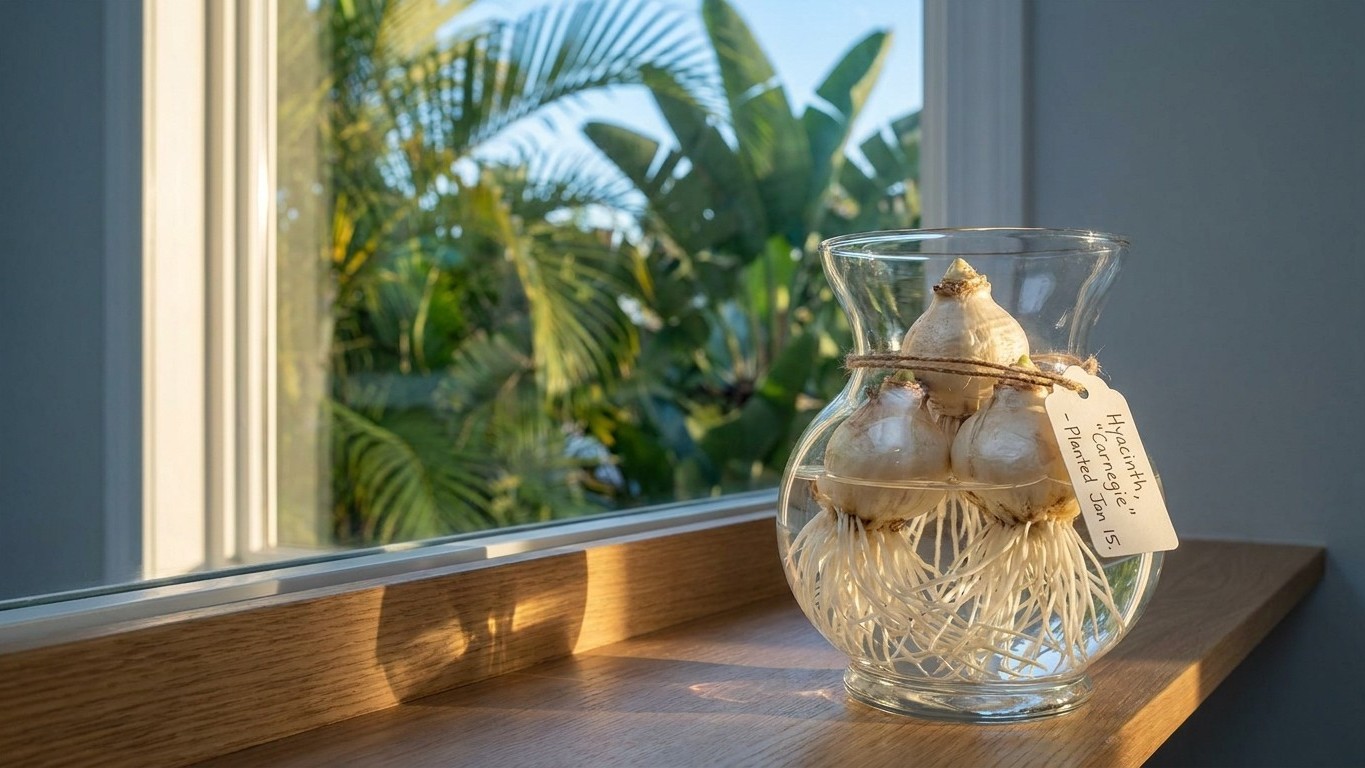
Spring bulbs need weeks of steady cold to set a flower, and Honolulu’s coldest month averages a minimum of 66.8°F, nowhere close.
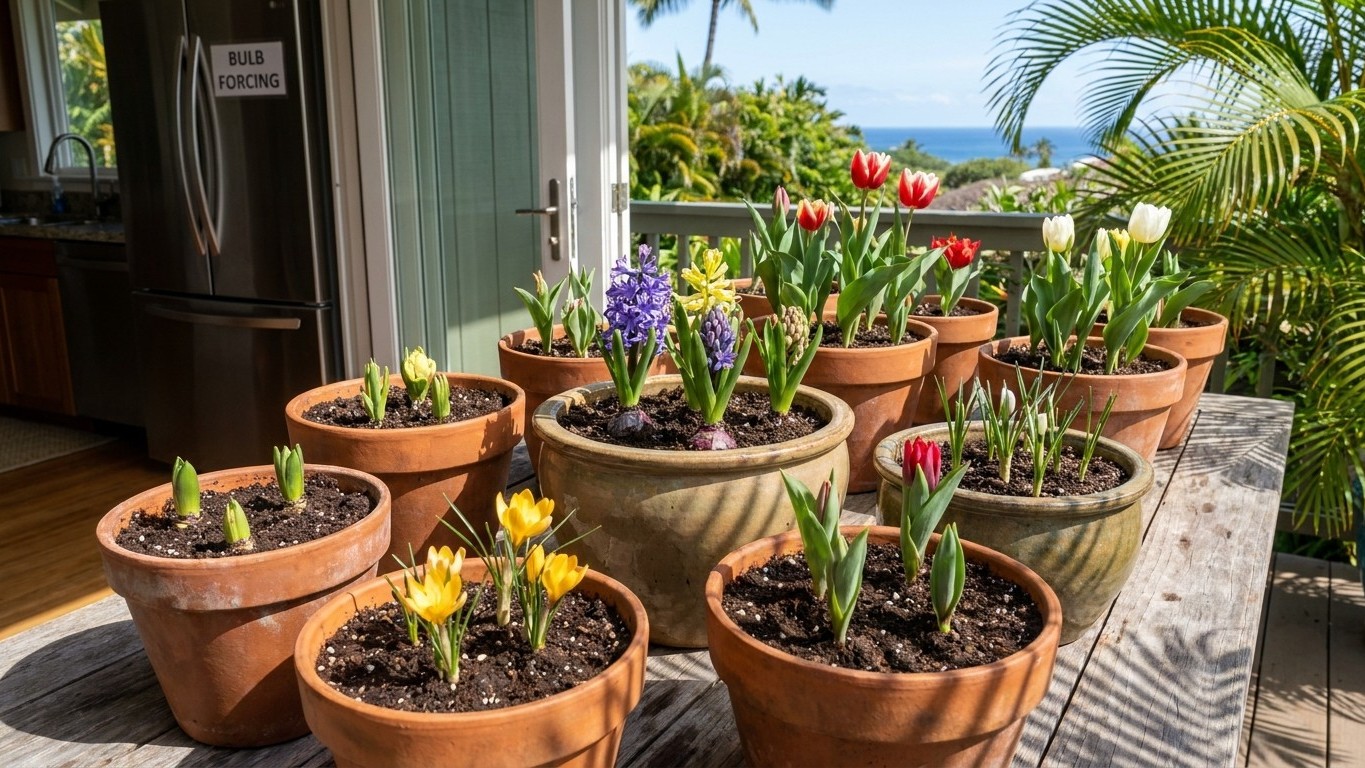
Short answer: in Hawaii, forcing is the whole game. The coldest month here averages a 66.8°F low, so no spring bulb ever gets the chill it needs from the…