Roof Wind Speed and Heat Requirements in Florida
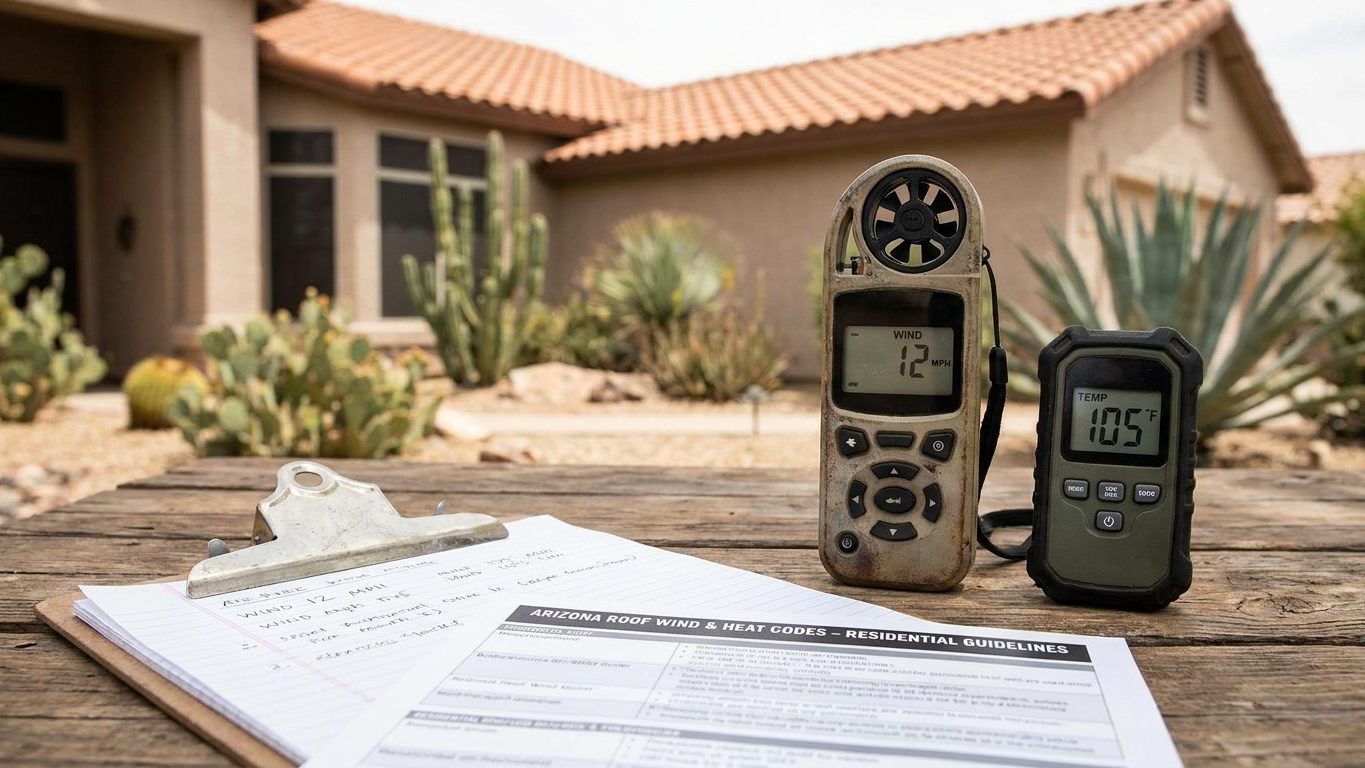
Explains the 126 mph design wind speed at Jacksonville, when impact-rated shutters are required, and why heat, not snow, wears out a Florida roof.
Home & garden, state by state
Explains the 126 mph design wind speed at Jacksonville, when impact-rated shutters are required, and why heat, not snow, wears out a Florida roof.
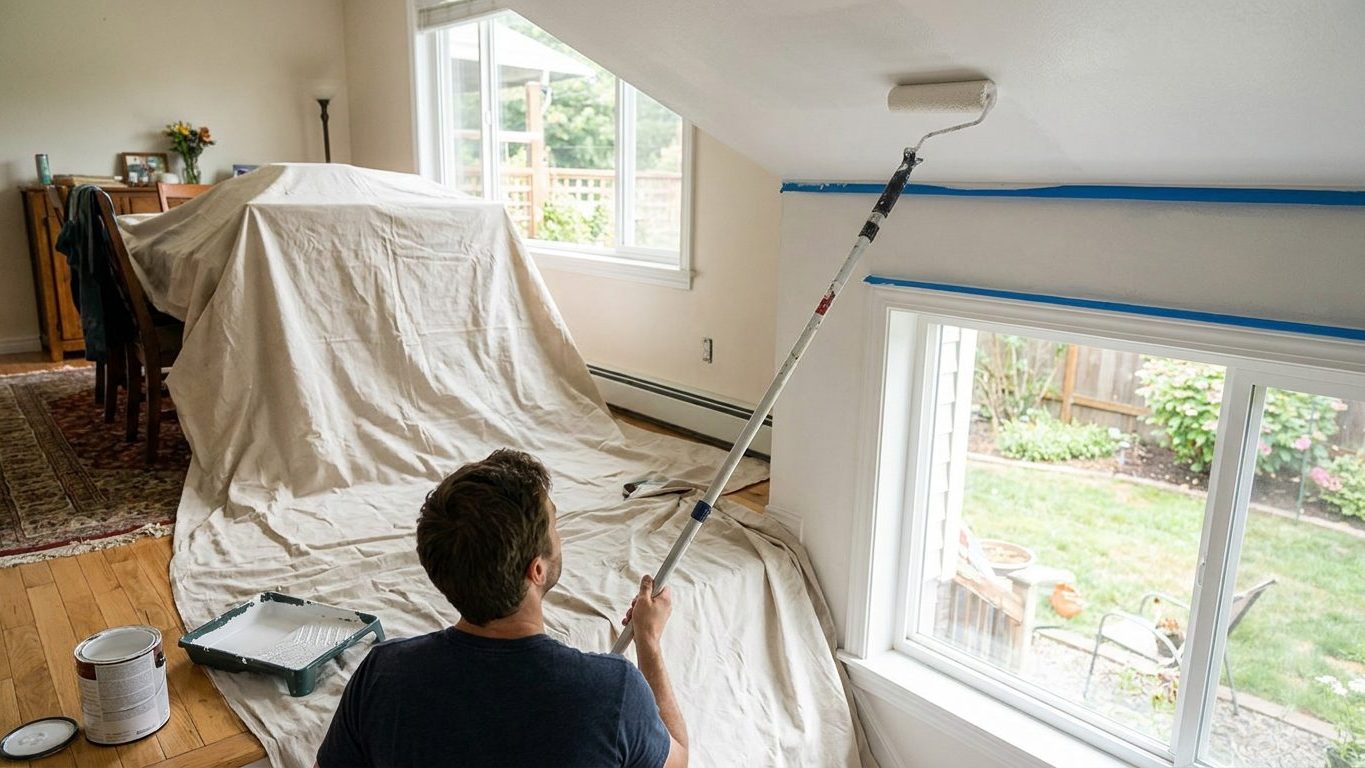
Ceiling paint fails in ways walls never do because of raking light. Here’s the order of work, lighting, and prep that stops it.

Explains why paintable acrylic latex, not silicone, closes the trim-to-wall gaps that cast shadow lines and make a paint job look unfinished.
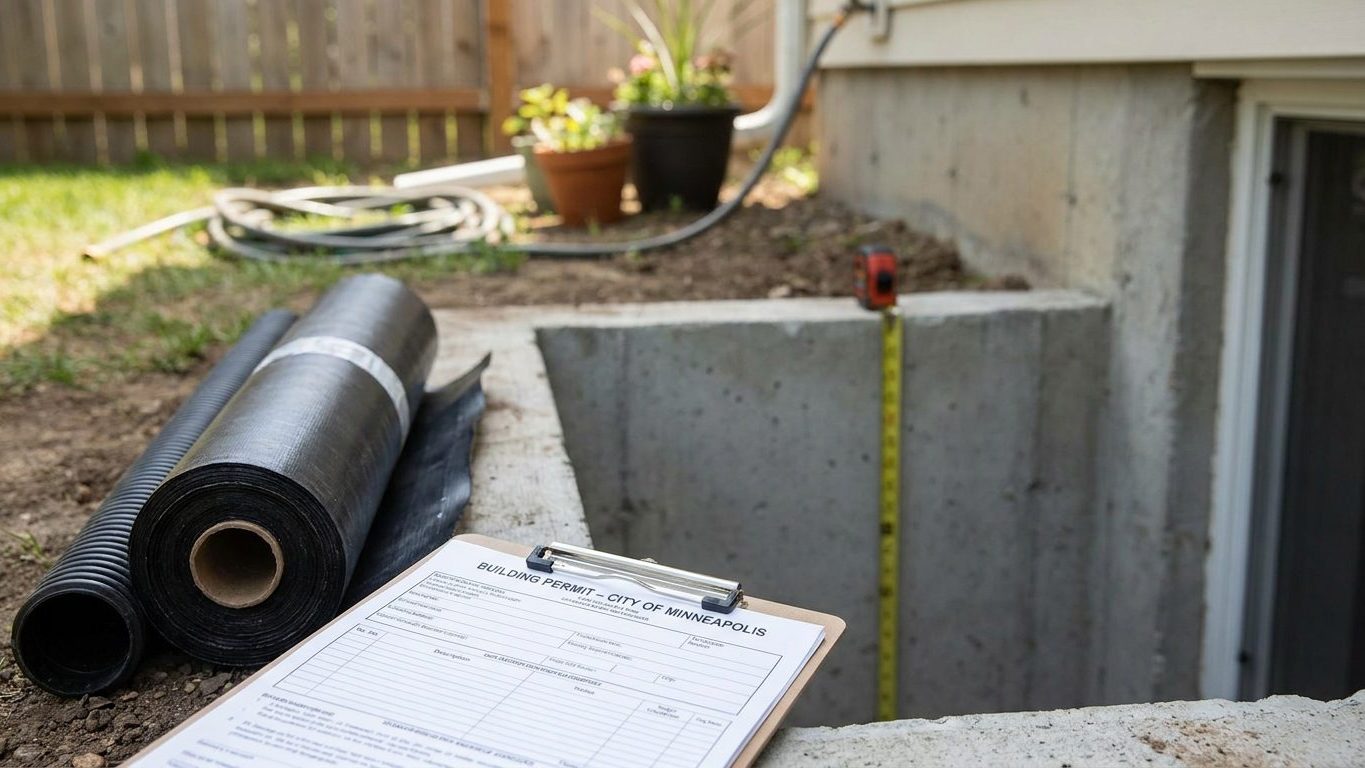
Explains why Colorado’s basement permit, ceiling-height and egress rules vary by city and county, and what the 2021 IRC’s model figures actually require.
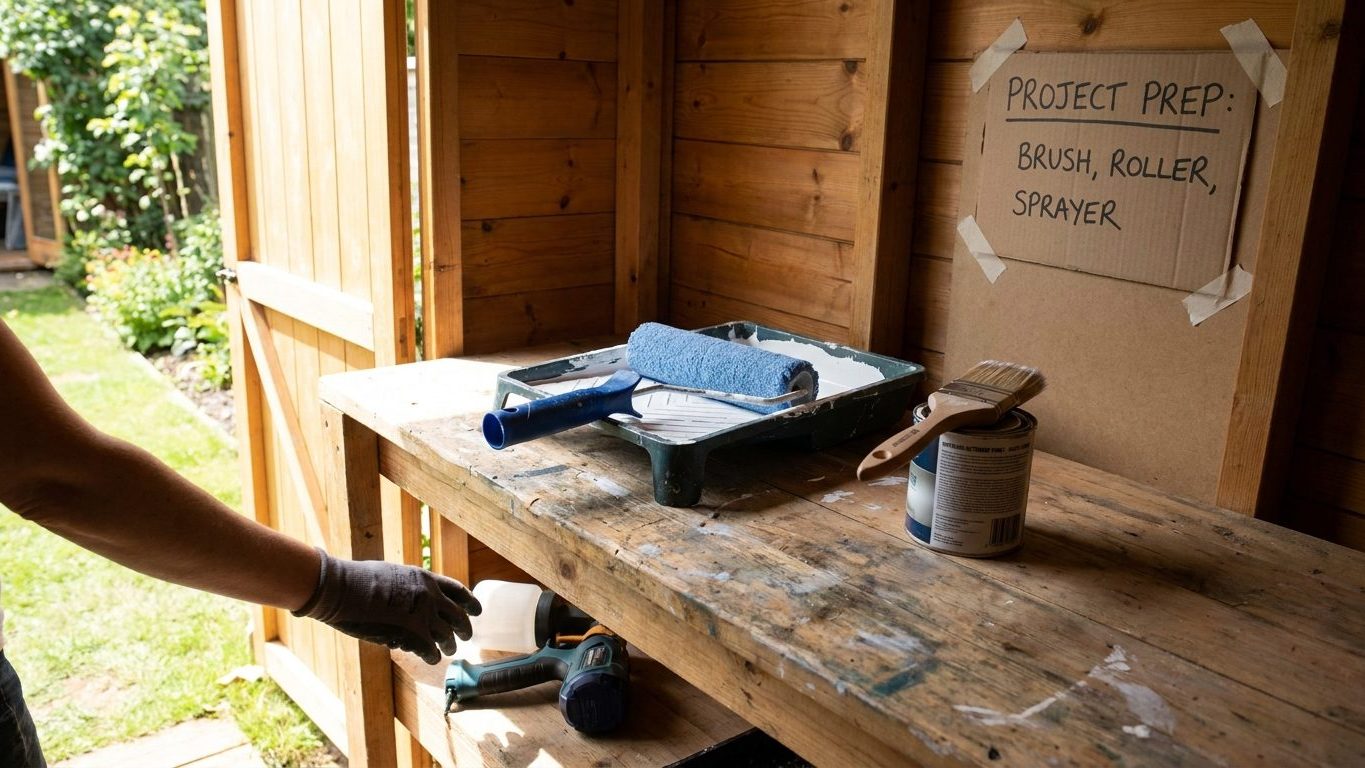
A practical breakdown of when to use a brush, a roller, or a sprayer, and how to combine them on the same wall without visible seams.
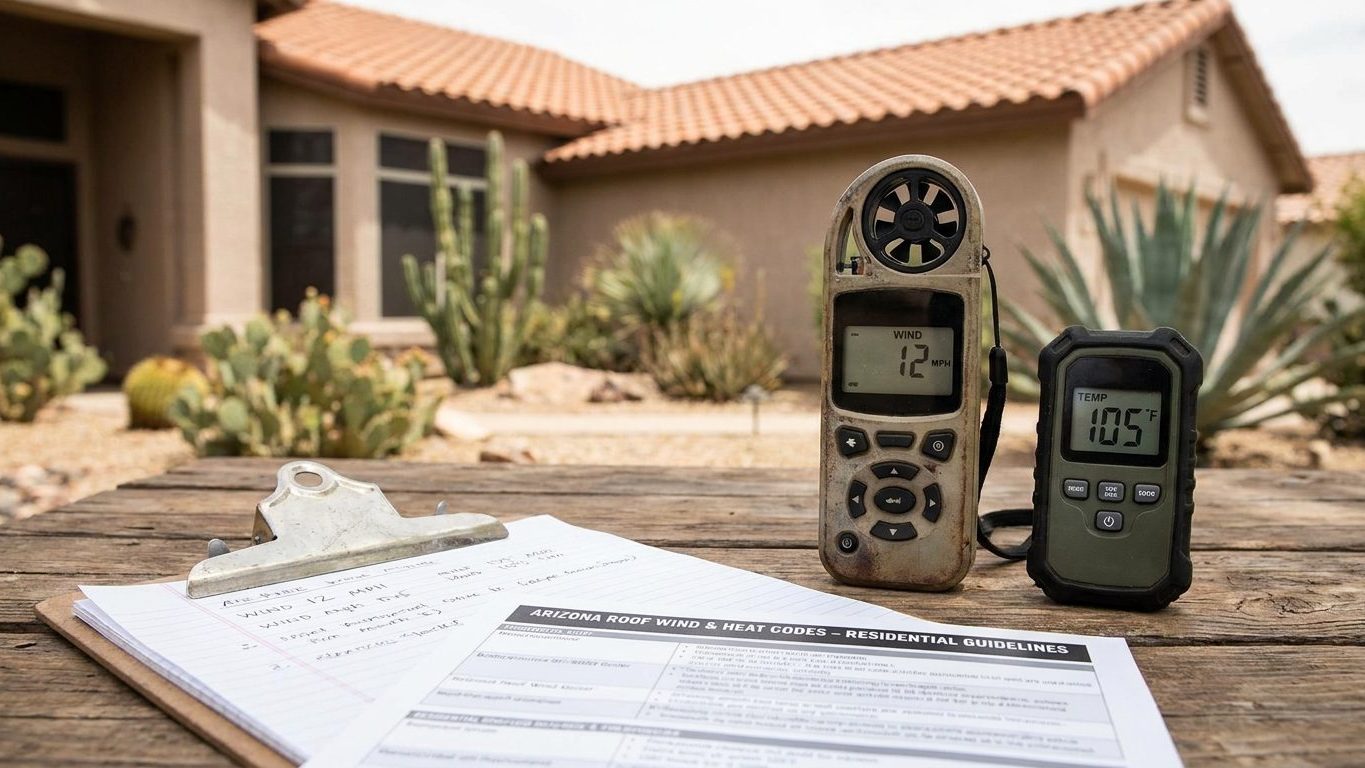
Explains the 95 mph design wind speed at Los Angeles under ASCE 7-16, what it means for shingles and fasteners, and why snow isn’t a factor in California roof codes.
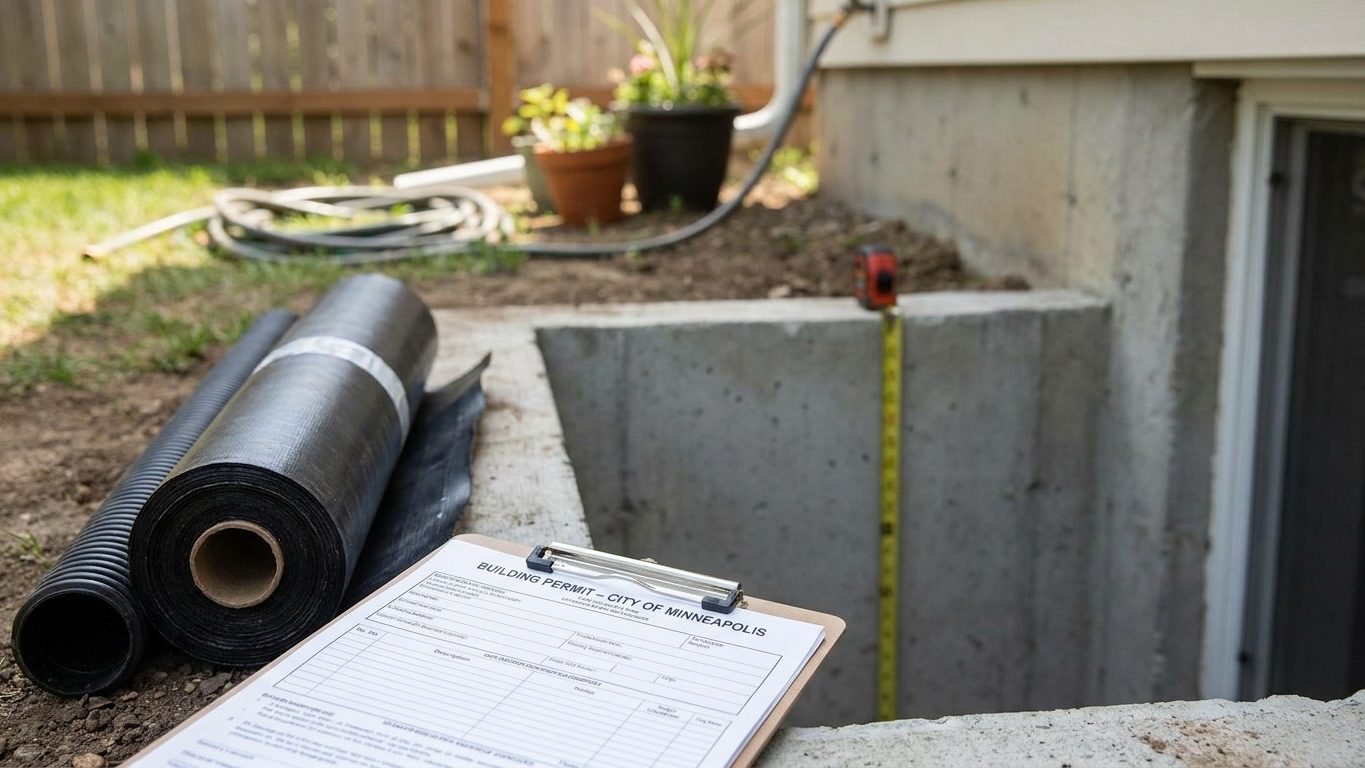
California’s basement code exempts low-ceiling spaces from egress windows, but ceiling height, permits, waterproofing and insulation rules still shape the project.
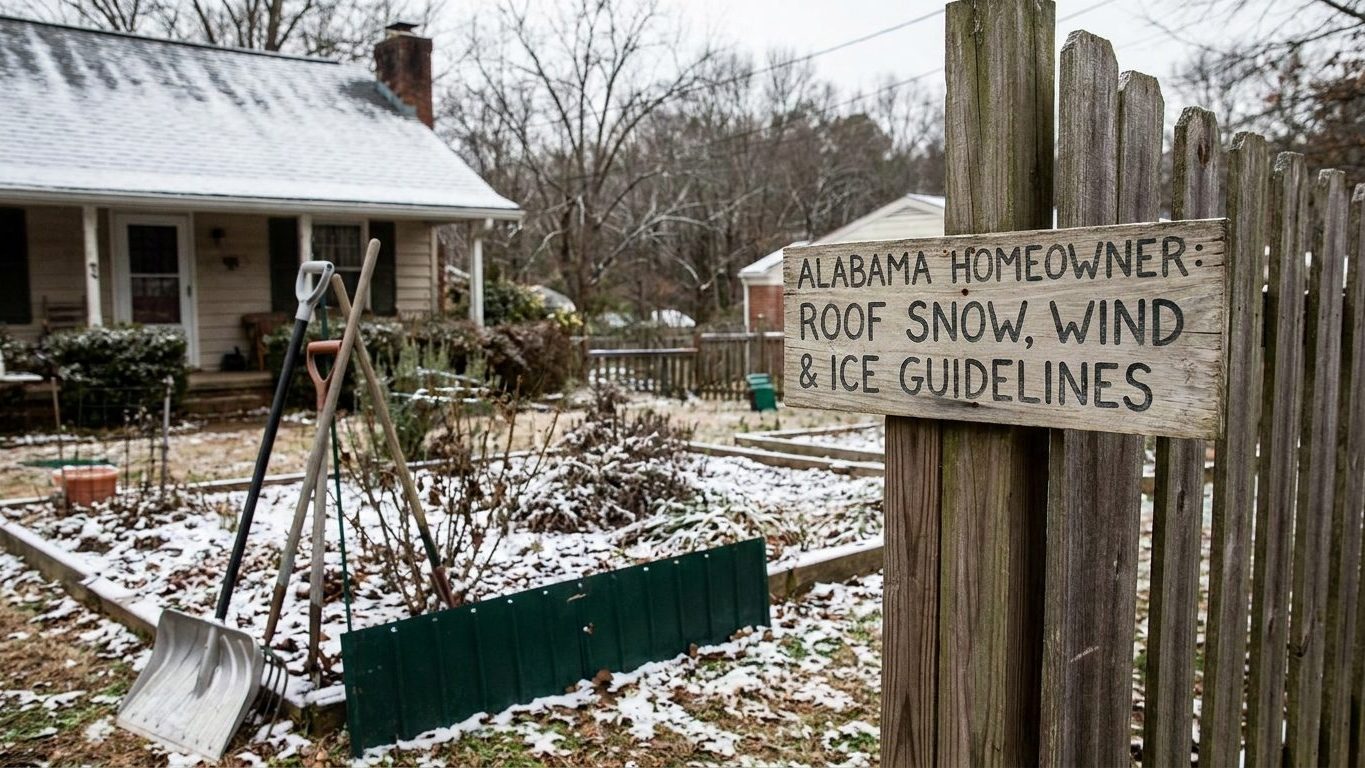
Providence’s design snow load, wind speed and Rhode Island’s ice-barrier rule explained, with the difference between ground load and roof load made clear.
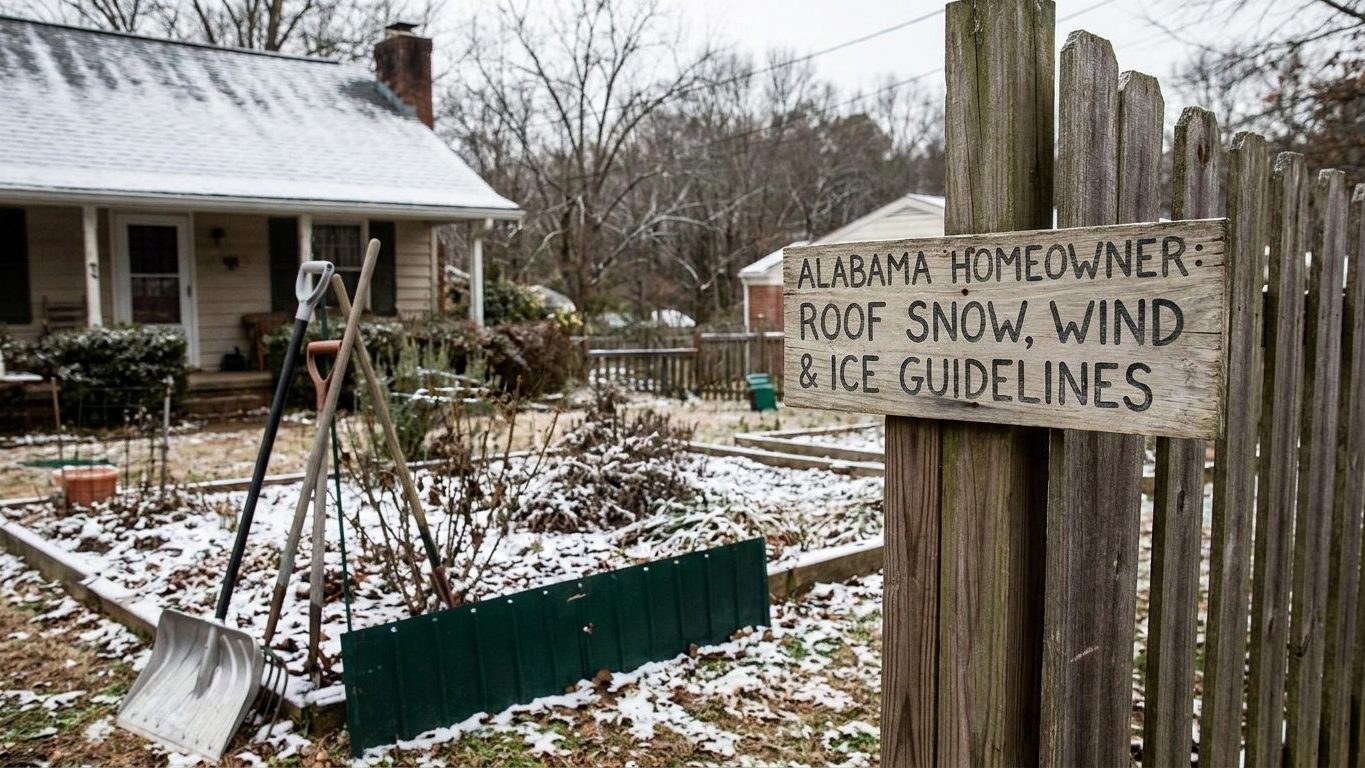
Quebec’s roof snow load, wind pressure and ice-barrier rules come from Montréal’s NBC 2020 figures, with municipal by-laws deciding the rest for houses.
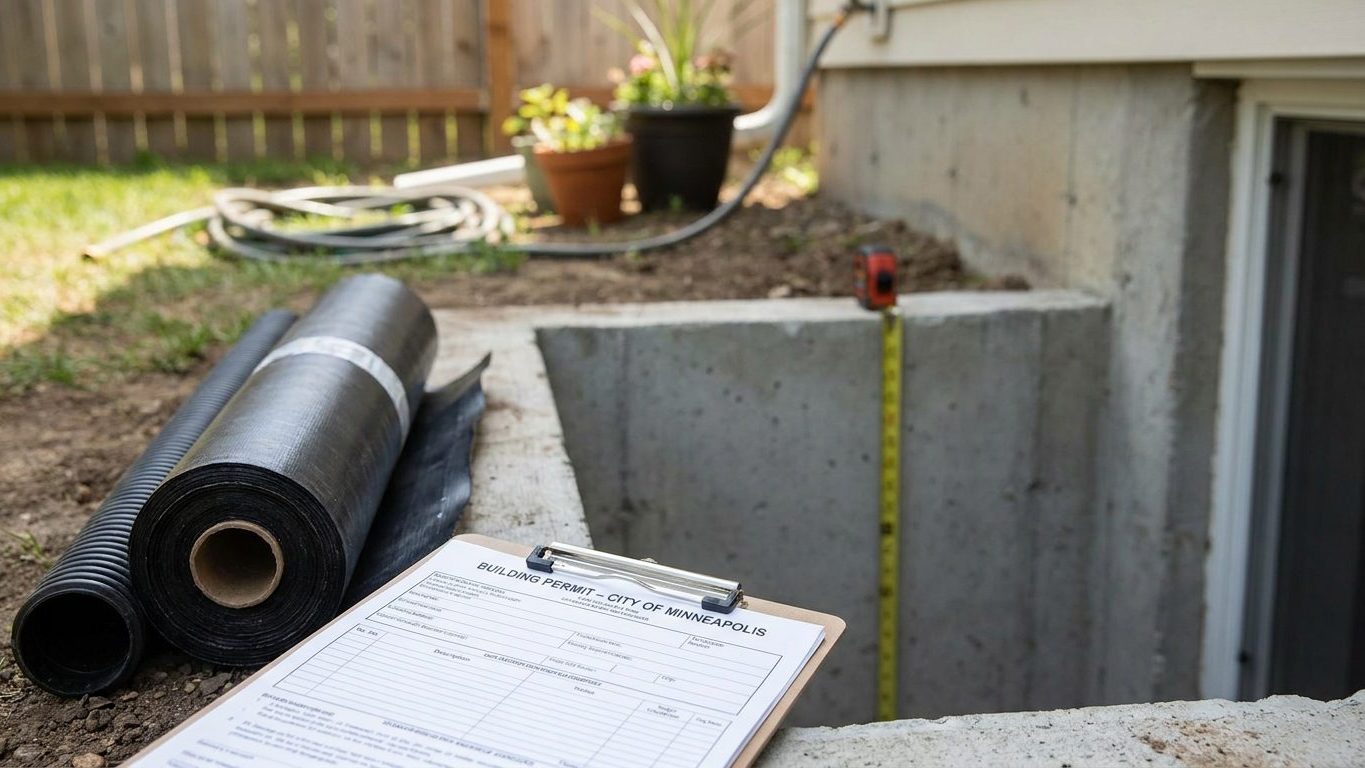
Explains how West Virginia’s local adoption of the state building code affects basement permits, ceiling height, egress windows and waterproofing decisions for homeowners.