Making a Small Room Work
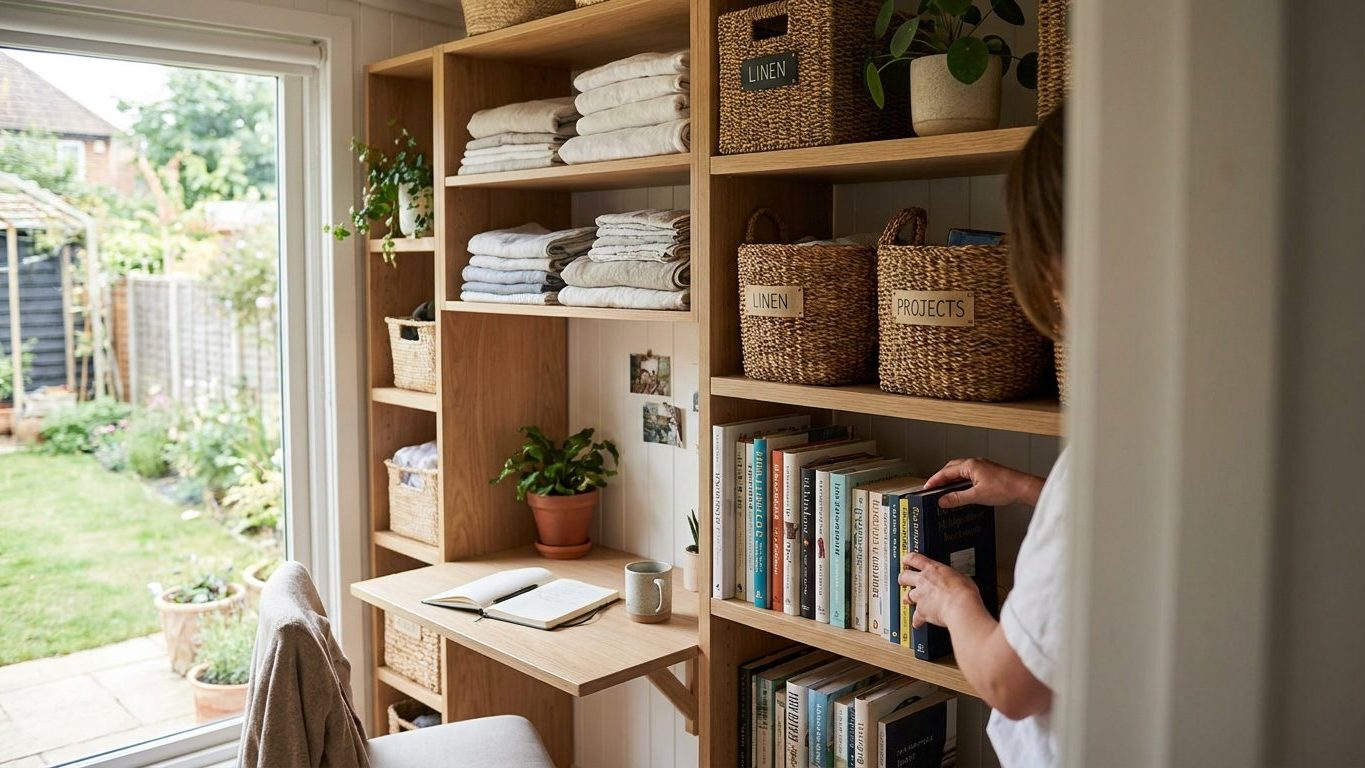
Small rooms feel tight because of blocked pathways and short sightlines, not square footage. Here’s what actually fixes that.
Home & garden, state by state
Small rooms feel tight because of blocked pathways and short sightlines, not square footage. Here’s what actually fixes that.
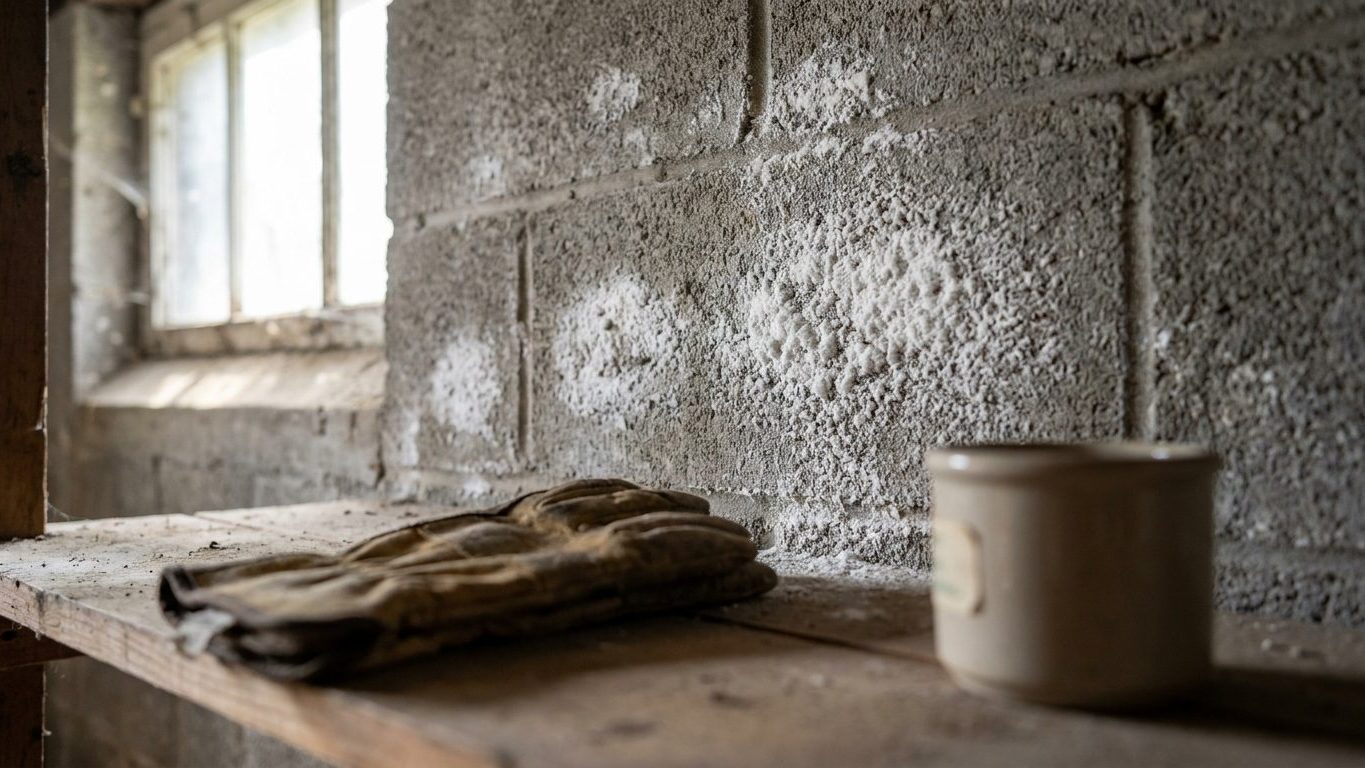
White powder on a basement wall is efflorescence, mineral salt left by water moving through masonry, and it points straight to the leak’s source.
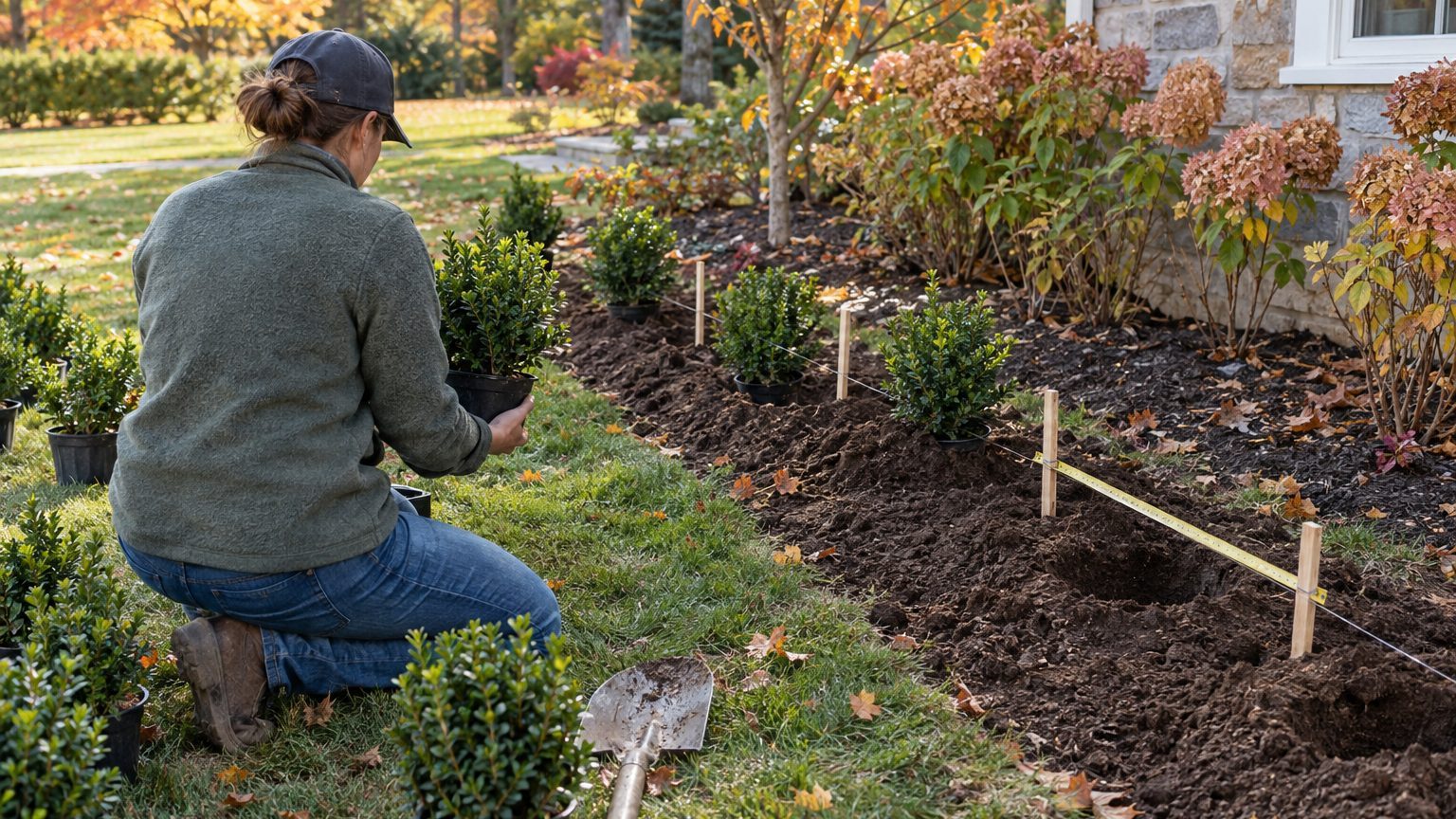
Divide the mature width on the plant label by two, or multiply it by two-thirds.
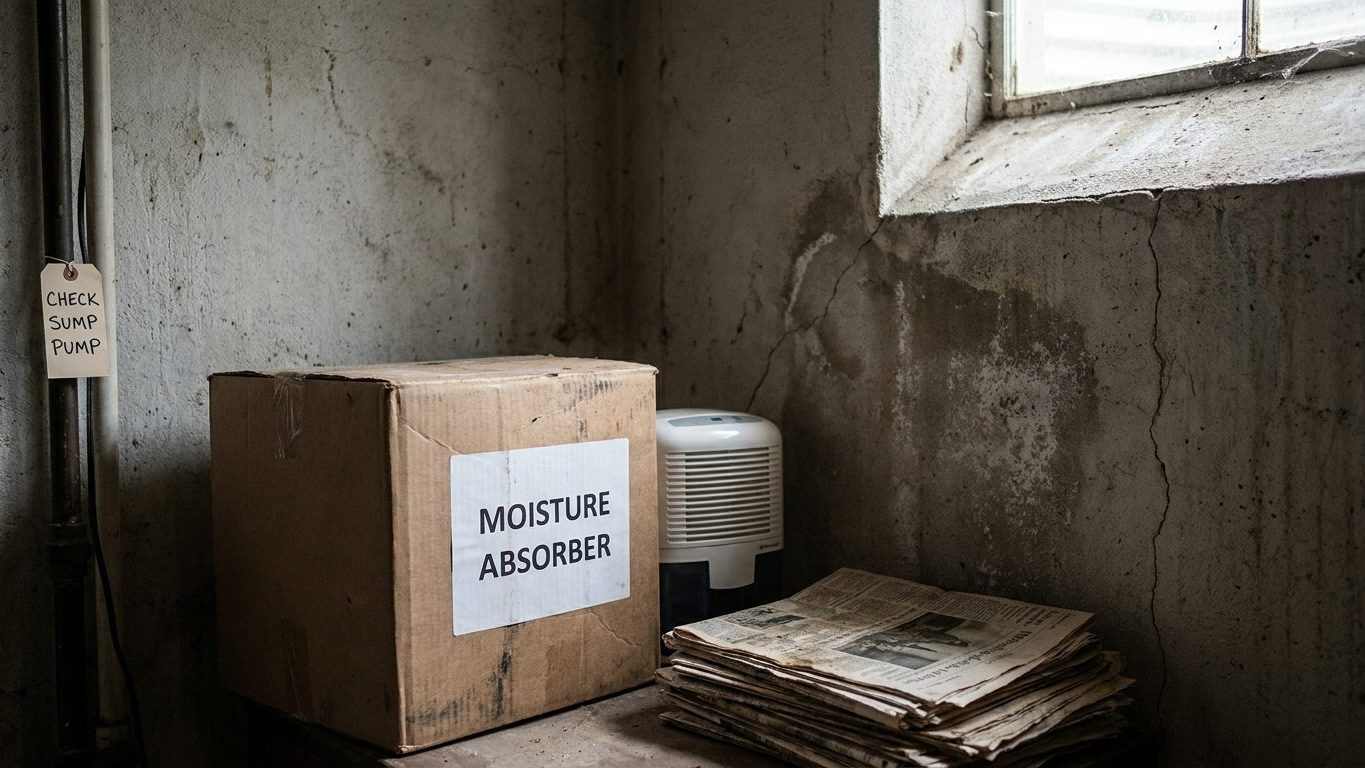
A damp basement smell signals hidden moisture feeding mold before a stain appears, and points to whether the source is outside or inside.
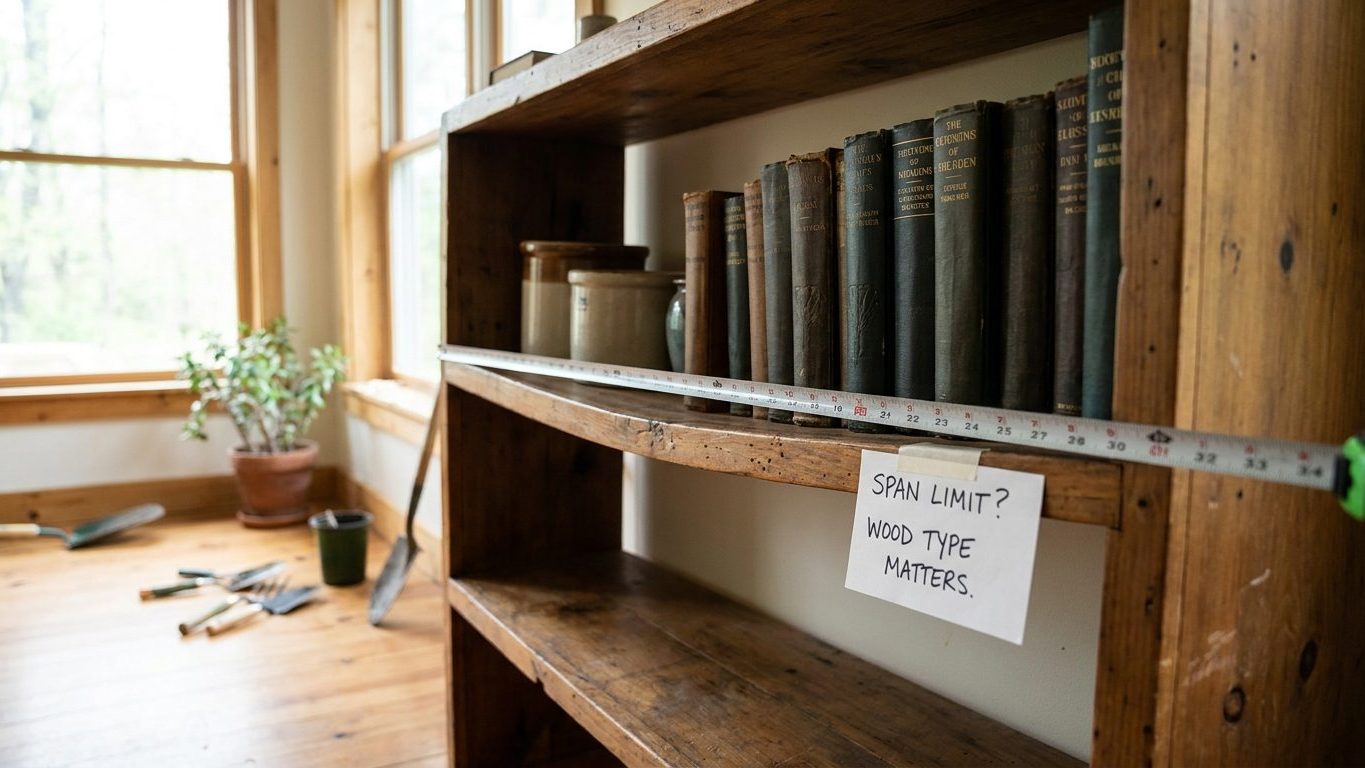
Shelf sag comes from span and material stiffness rather than poor installation, and this explains what governs safe spans and how to stiffen a shelf that already bows.
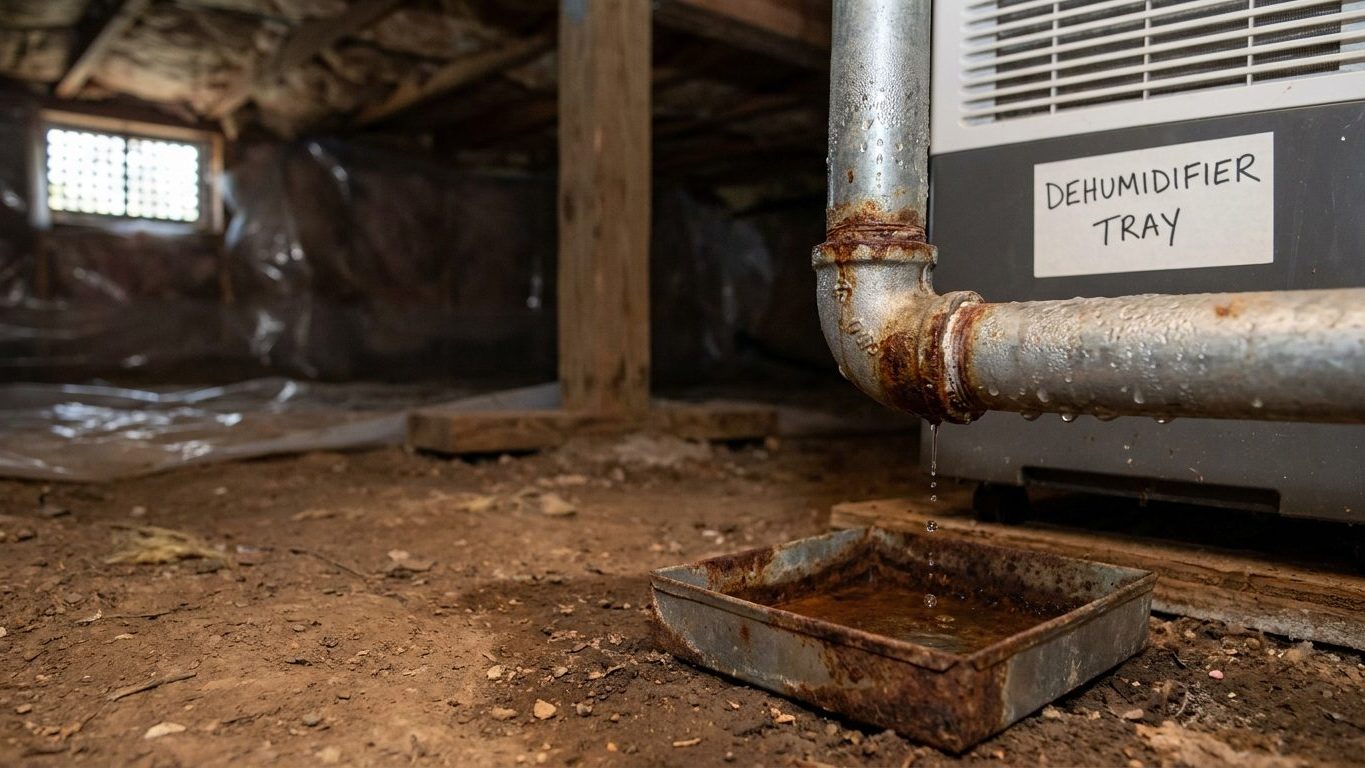
Crawl space moisture travels upward through the stack effect and can raise humidity throughout the house, so check drainage and the ground cover before sealing anything.
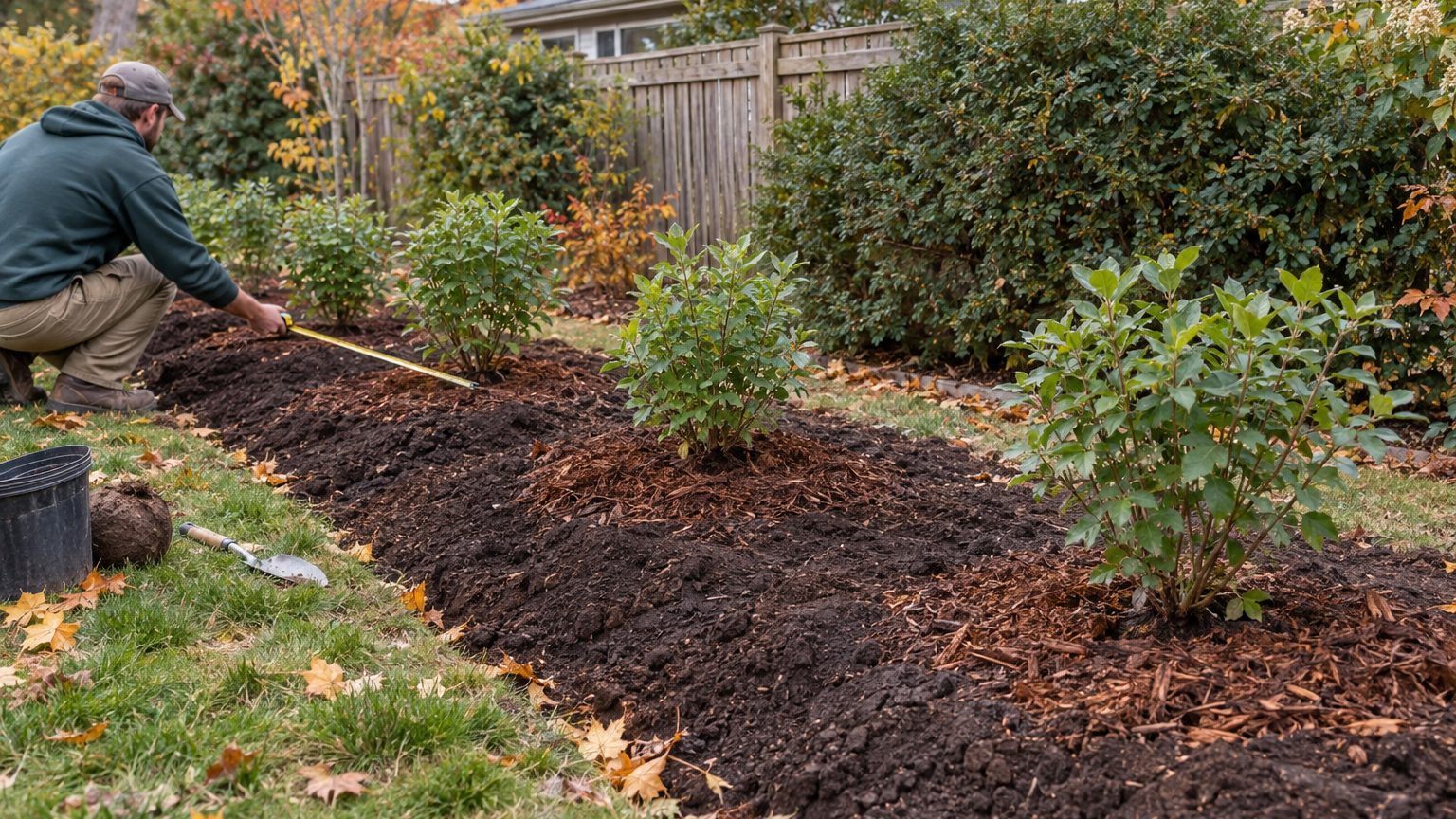
Plant arrowwood viburnum at half to two-thirds of the mature width printed on the label of the cultivar you are buying. Skip the species width.
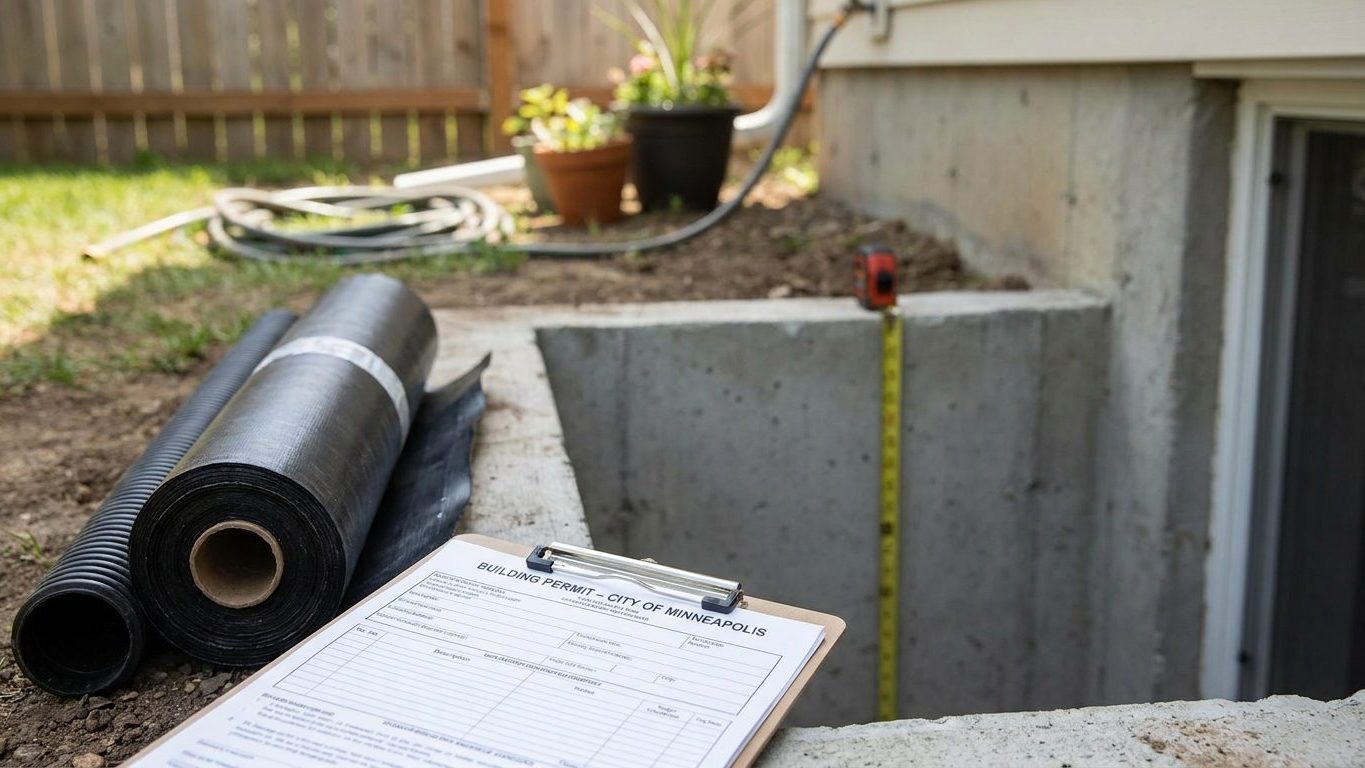
Explains Virginia’s basement permit process, ceiling height rules, egress window requirements, and how summer rainfall and soil affect waterproofing and insulation choices.
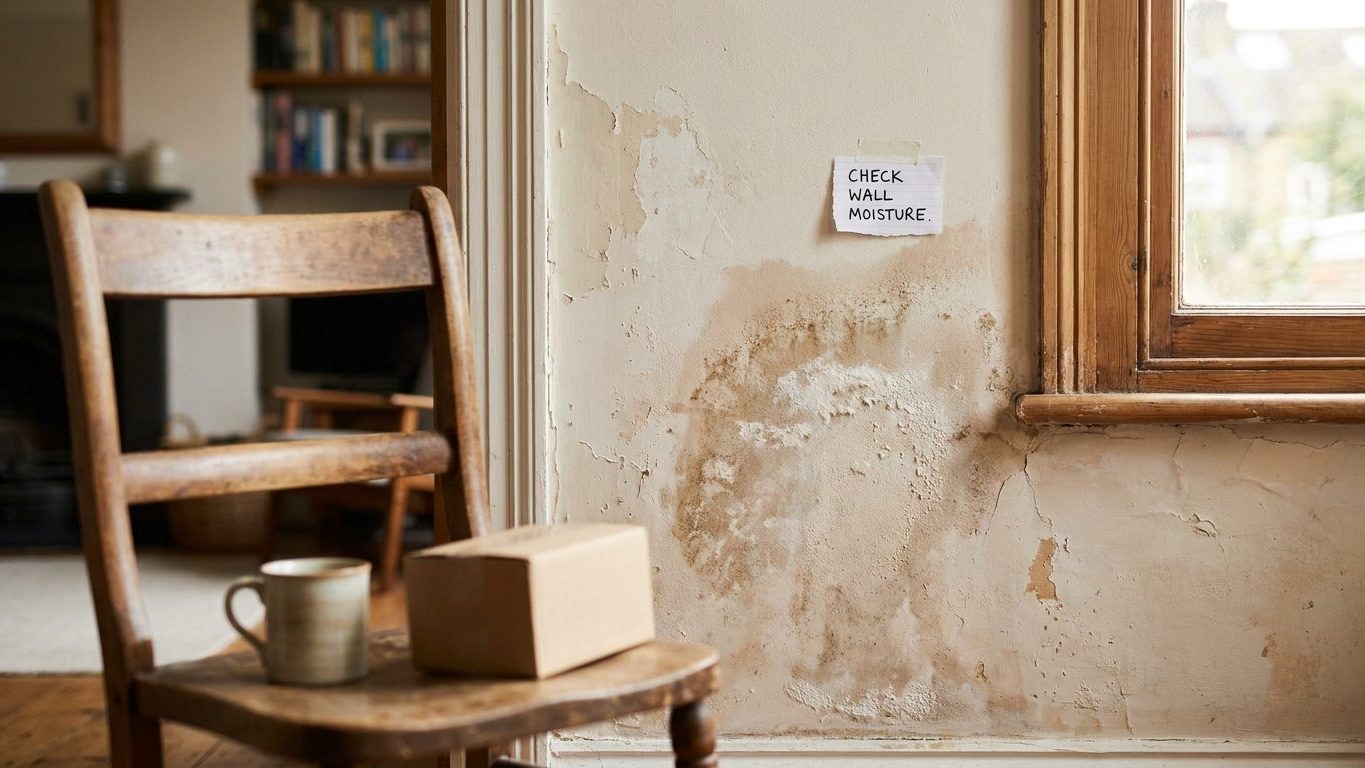
A one-day plastic-sheet test on a basement wall separates condensation from outside seepage, so you don’t waste money on the wrong repair.
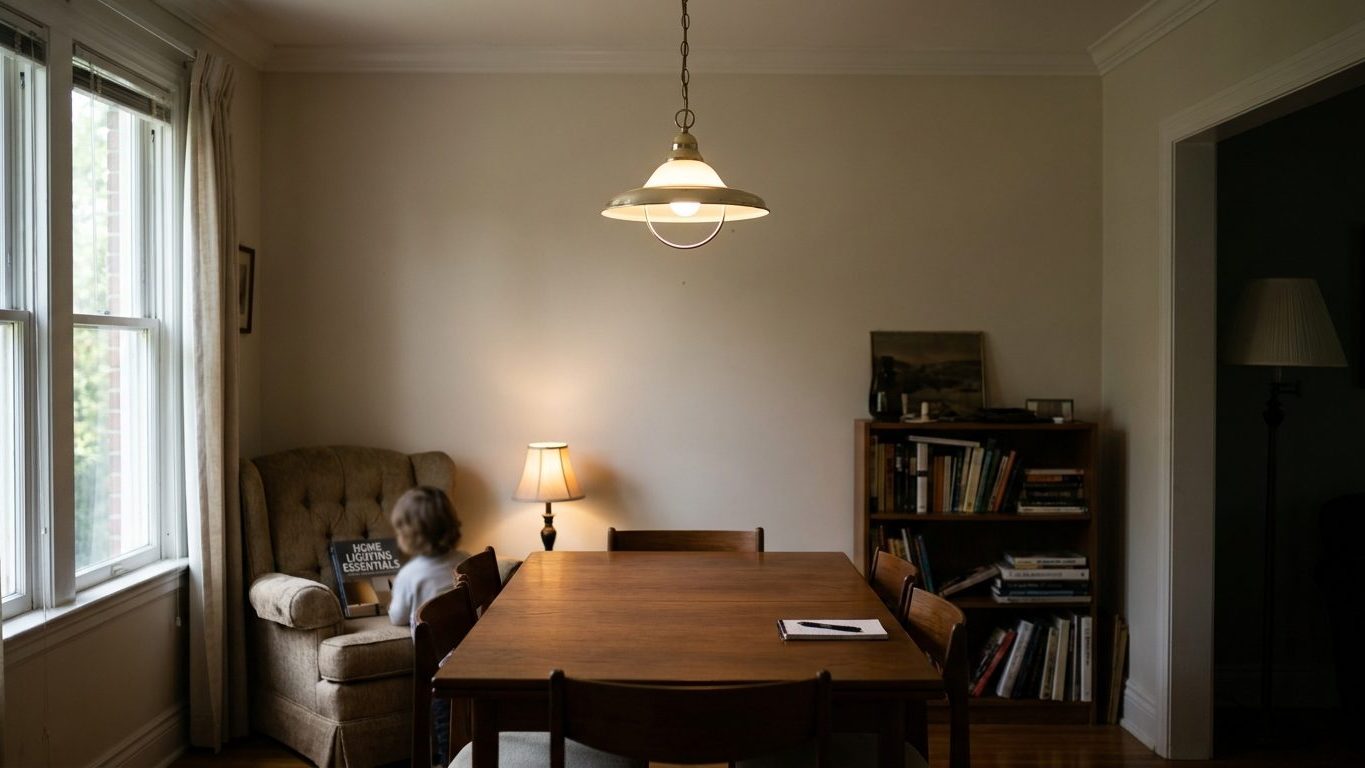
One overhead fixture flattens a room with a single downward shadow, and adding ambient, task, and accent lighting fixes it without rewiring anything.