Trees Near a Foundation: The Real Mechanism
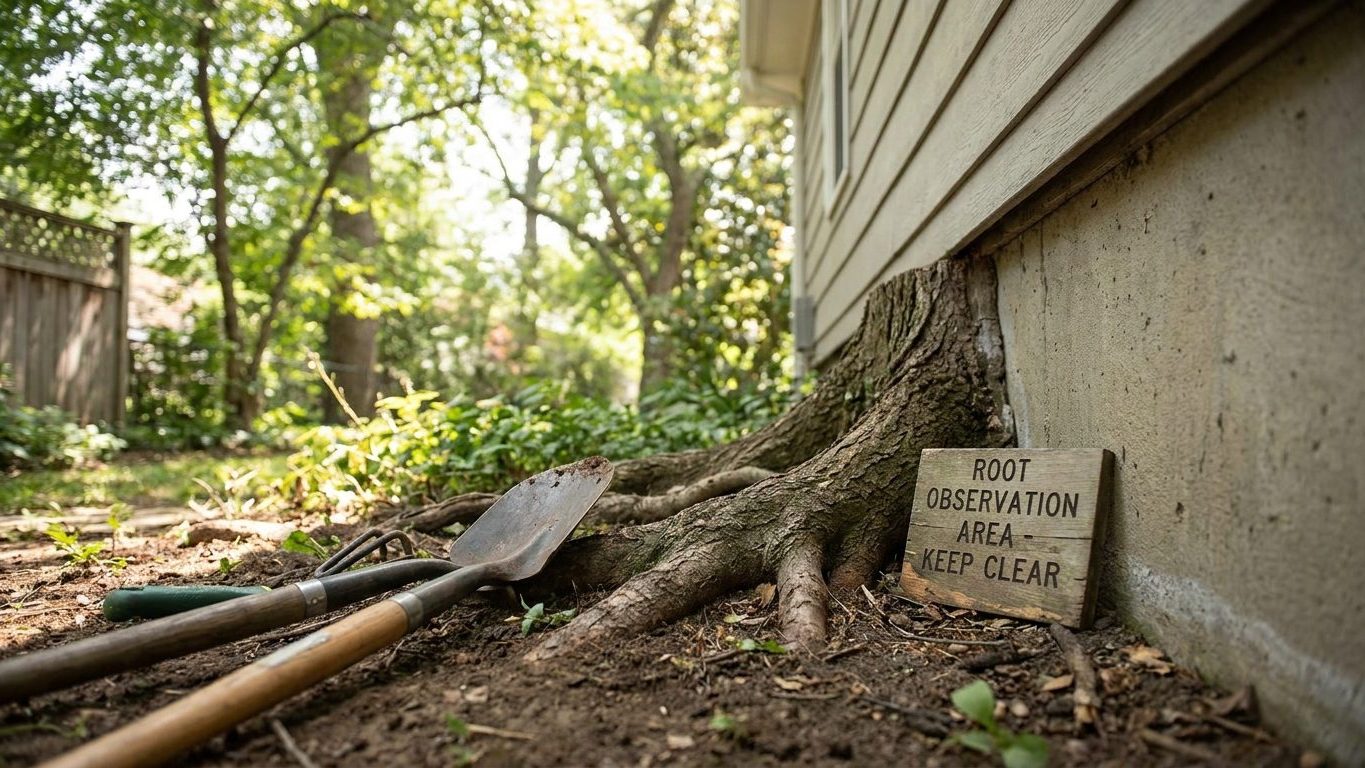
Explains why tree roots rarely break a foundation directly, and how the real damage comes from clay soil shrinking as a tree pulls water from the ground.
Home & garden, state by state
Explains why tree roots rarely break a foundation directly, and how the real damage comes from clay soil shrinking as a tree pulls water from the ground.
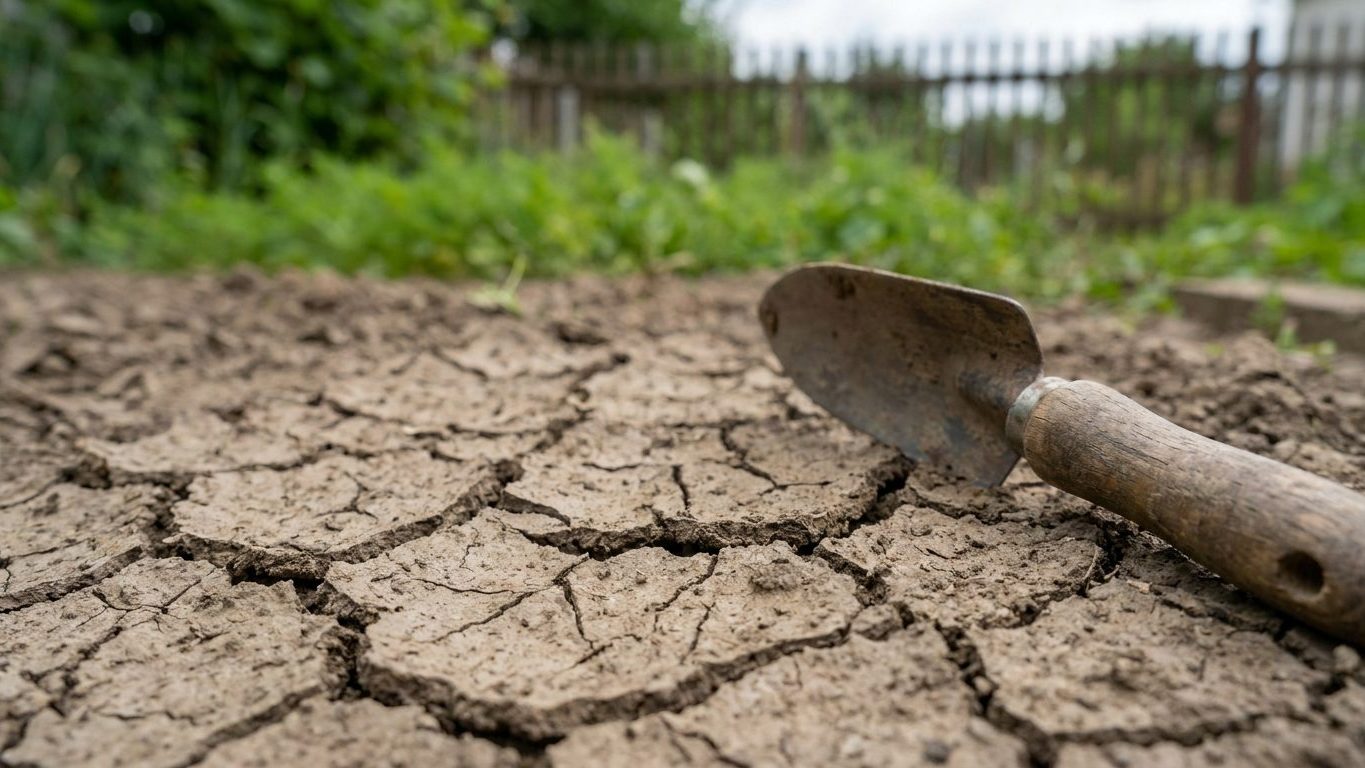
Expansive clay soils swell when wet and shrink when dry, moving foundations seasonally rather than settling once, and the pattern tells you what to do next.
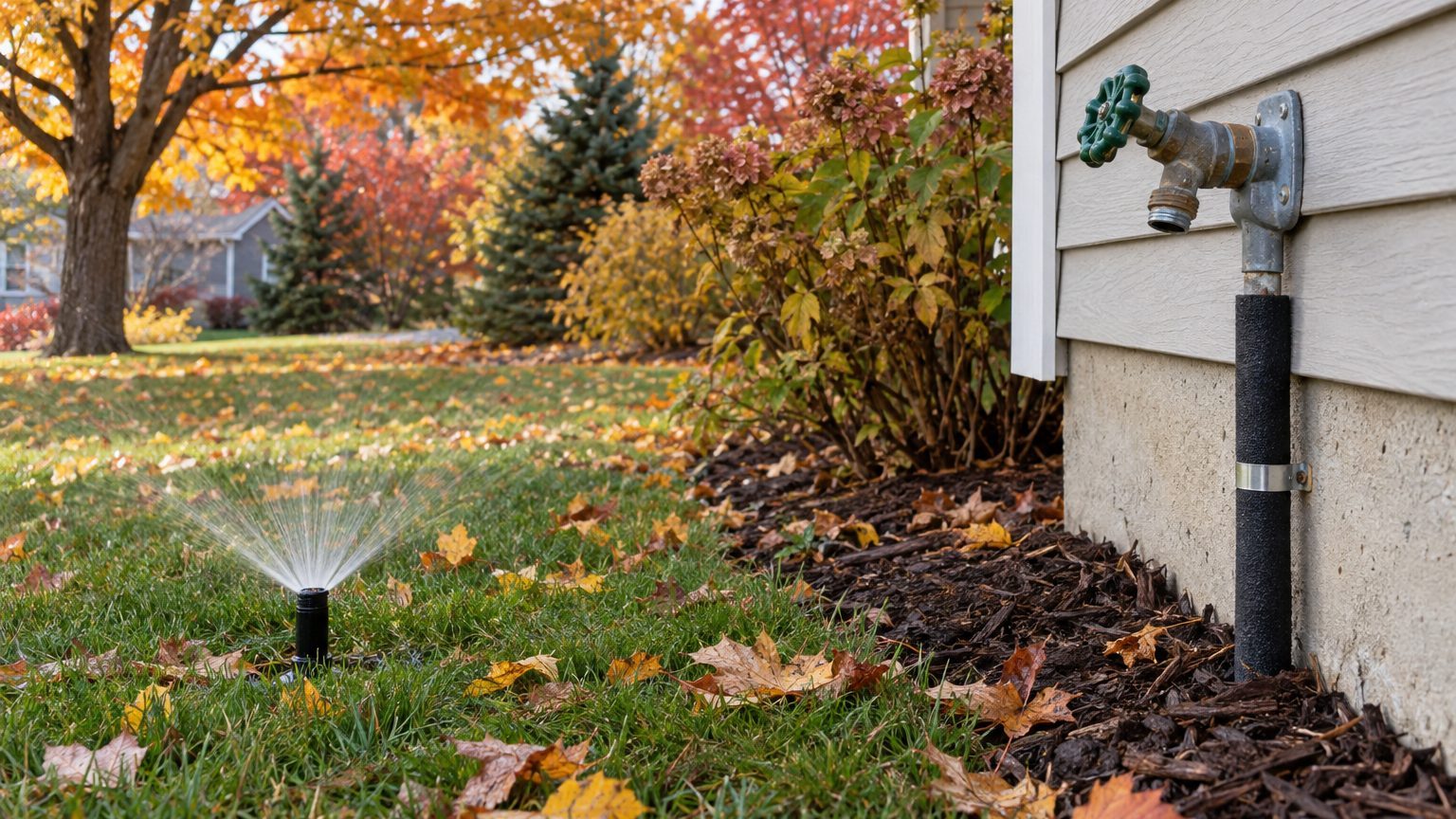
Winterize a Massachusetts sprinkler system and outdoor faucets late in the fall, once the lawn has stopped needing water and before the first hard freeze.
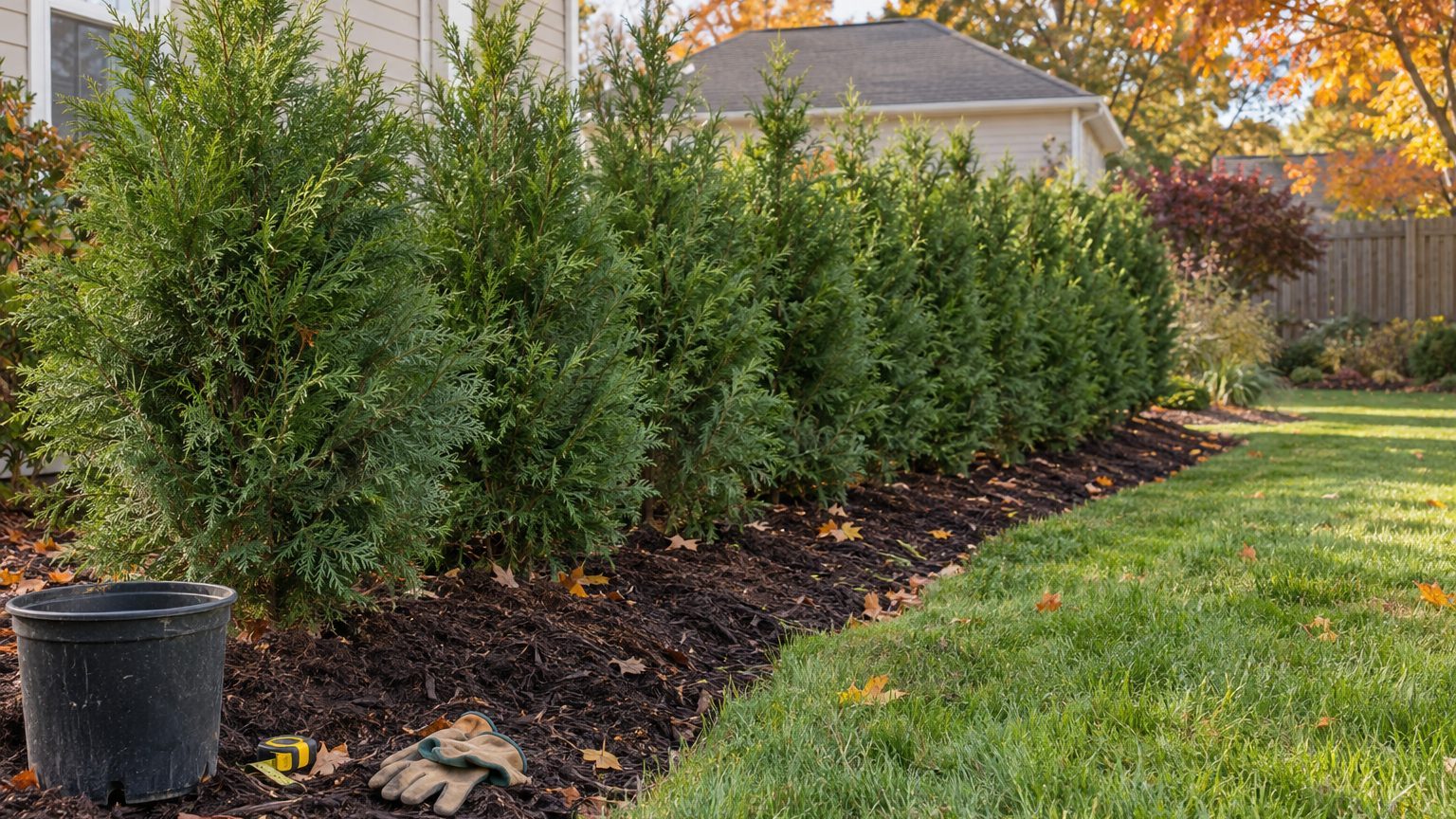
Plant Leyland cypress at half to two-thirds of the mature width printed on the tag of the cultivar you are buying.
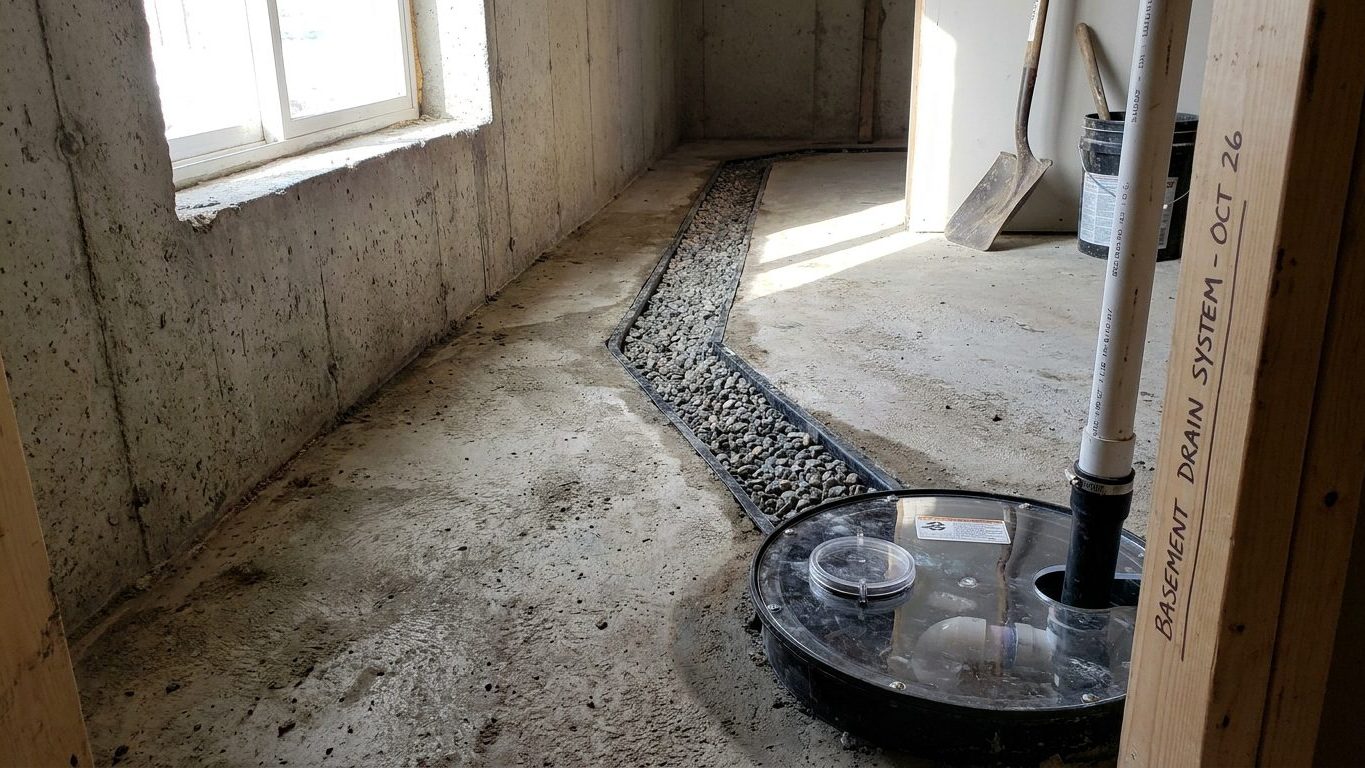
Explains what an interior drainage system actually does inside a basement, why it can’t stop water at the wall, and when to call an engineer instead of a waterproofing salesman.
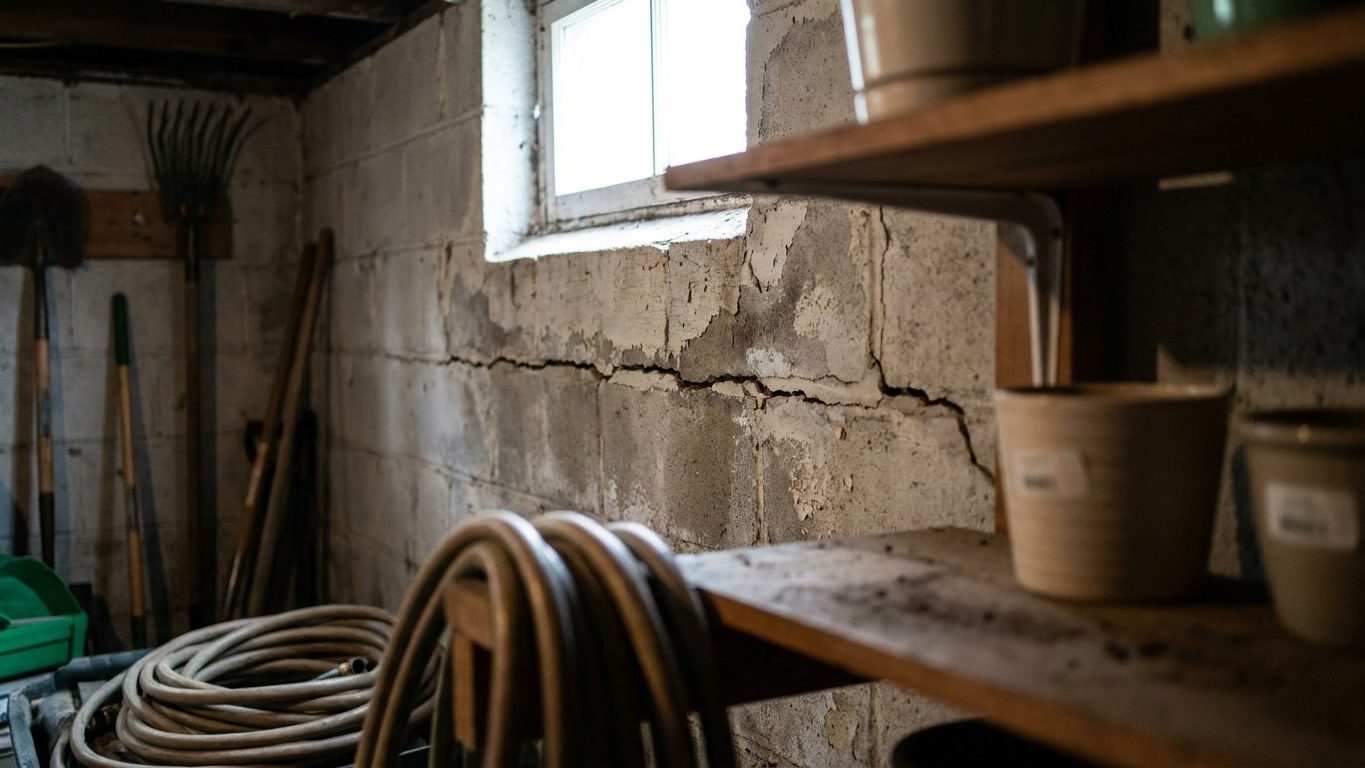
A horizontal crack in a basement wall means lateral soil pressure is bending the wall, and the pattern of cracking decides whether it needs monitoring or an engineer.
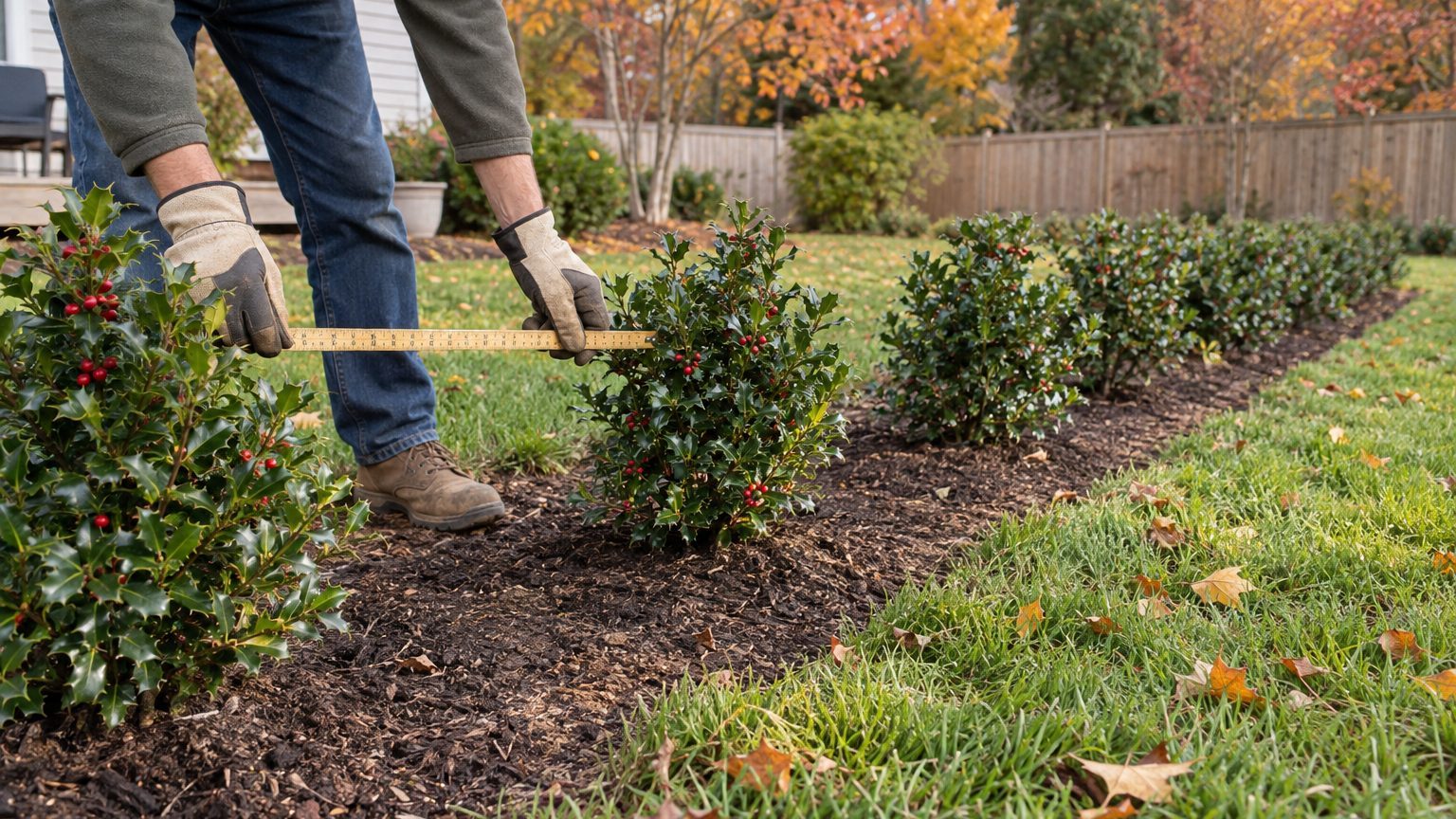
Space holly hedge plants at half to two-thirds of the mature width printed on the plant tag. Half gives the fastest screen.
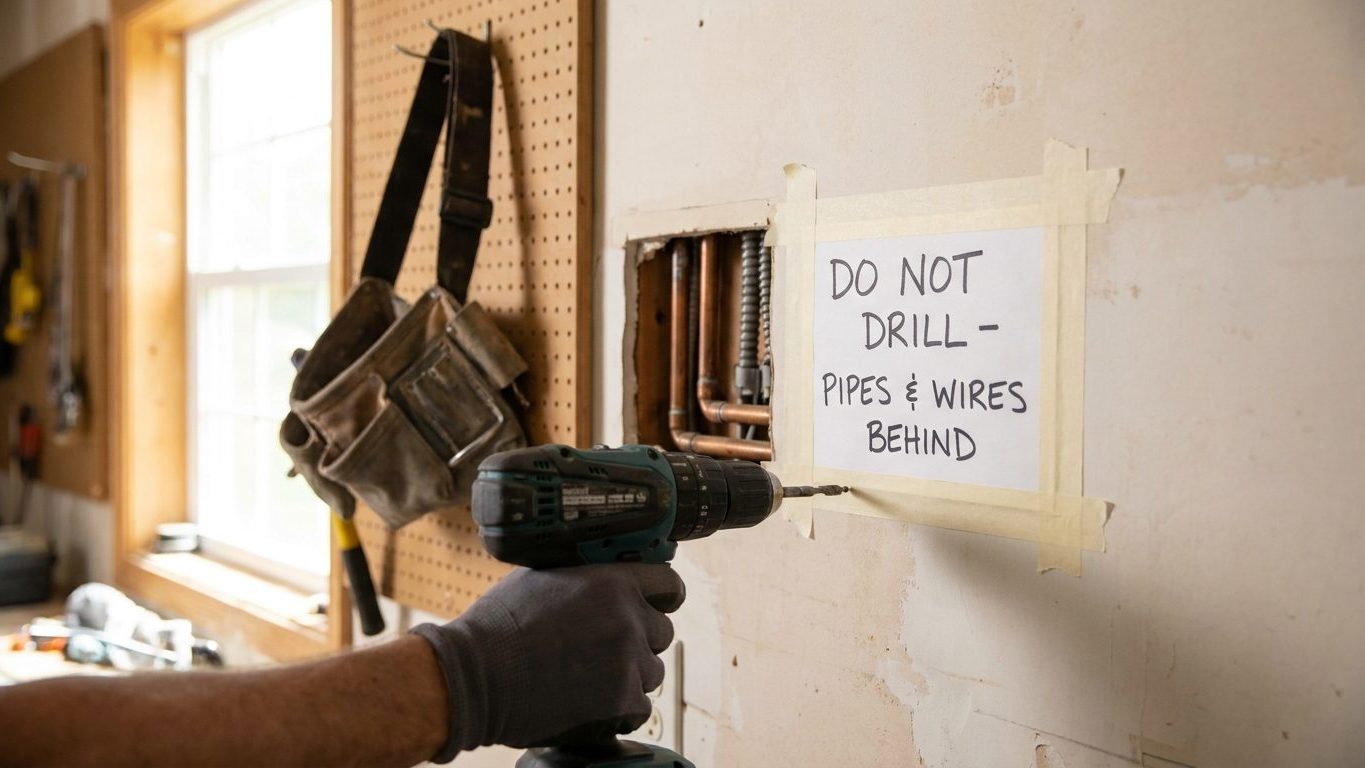
Explains which zones inside a wall usually hide cables, pipes, or gas lines, and how to check before drilling into any of them.
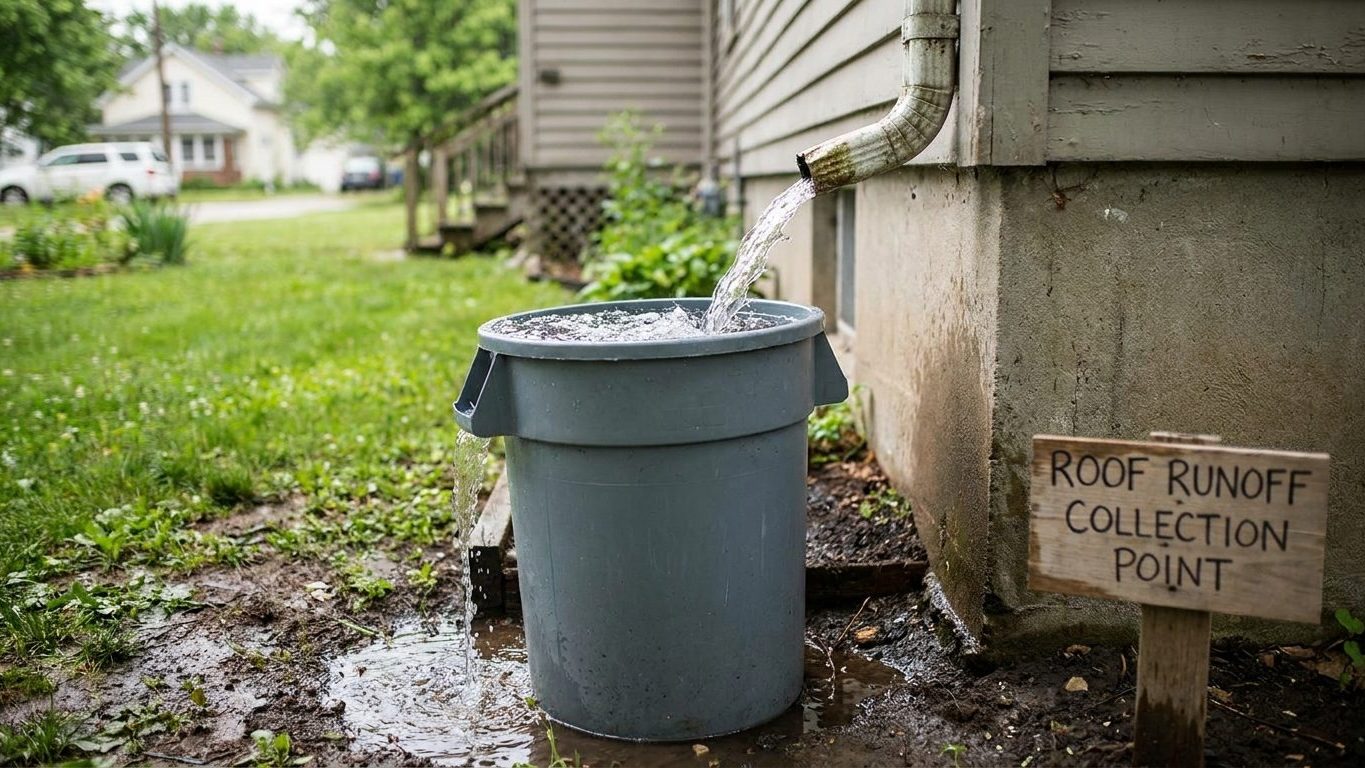
Explains how roof runoff concentrates at downspouts, what to check first, and when foundation dampness needs an engineer rather than a sealant.
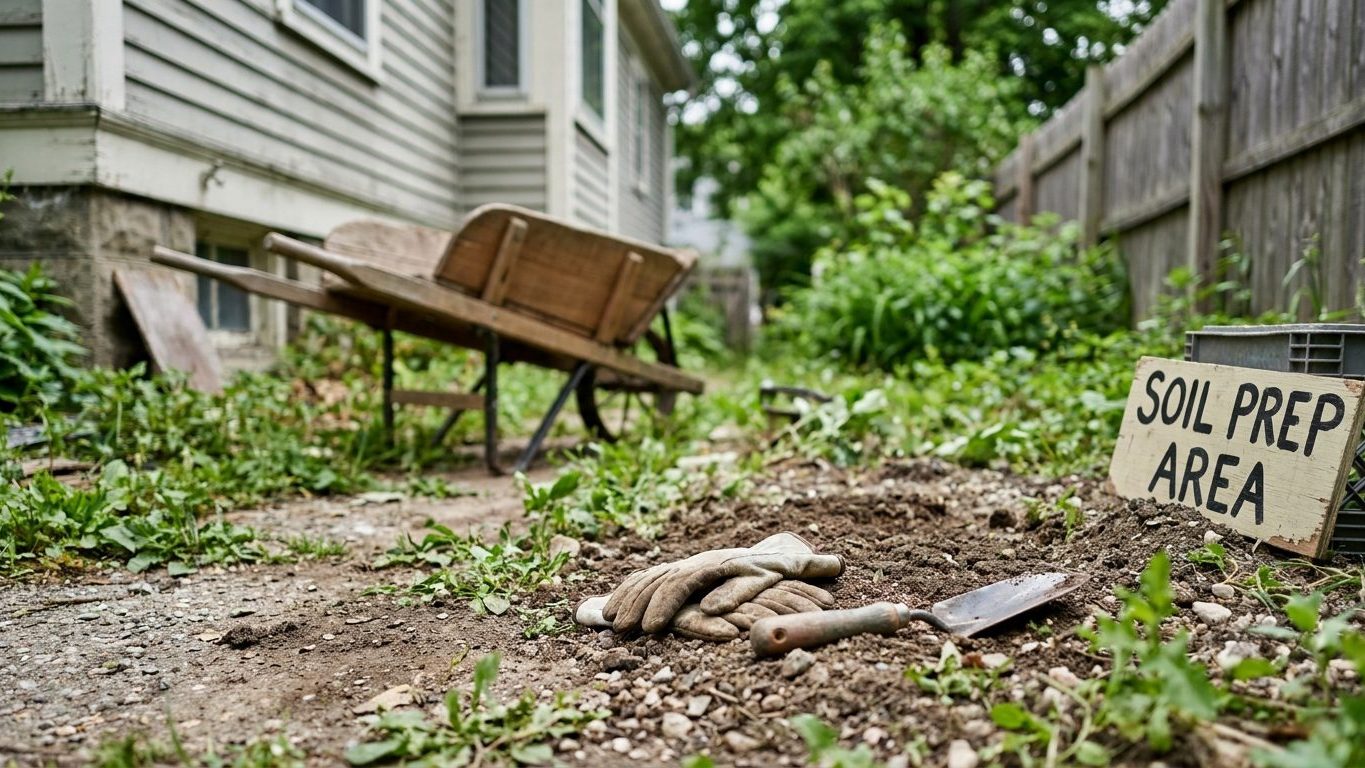
Grading the soil away from the foundation is the first fix for a wet basement, before any sump pump, crack repair, or interior waterproofing coating.