When to Pick Tomatoes in Indiana, and Ripening the Rest
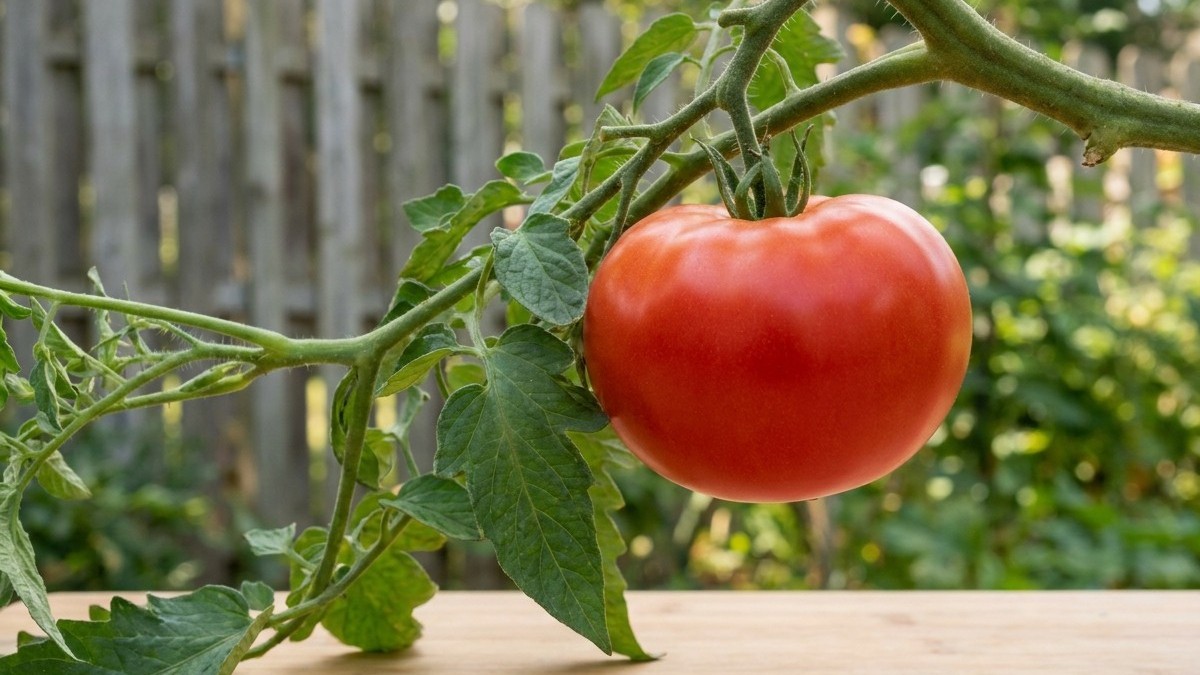
The short answer: pick ripe or nearly-ripe tomatoes as you go all season, but plan a final full sweep of everything left on the vine, ripe or green…
Home & garden, state by state
Everything we have worked out for Indiana: what to plant and when, which varieties finish in time, the pests that actually turn up here, and the jobs that pay off month by month. We also cover the rest of the property, from lawns and soil to home care and energy, because a garden rarely stops at the vegetable bed.
The numbers first, because everything else follows from them. Measured at the weather station in Indianapolis, the last spring freeze runs April 9 to April 21 and the first fall freeze runs October 21 to October 30, USDA zones 5b-7a, 3,822 growing degree days in the year.
Garlic does well: 21.8 weeks below 40 °F, comfortably past the six it needs to form a proper head.
Elsewhere on the property in Indiana: the pests that turn up here.
Figures from NOAA's 1991-2020 climate normals. A state is not one climate: elevation, a large lake or the coast can move these dates by two weeks either way, so check your own county with the extension service before you spend money.
The short answer: pick ripe or nearly-ripe tomatoes as you go all season, but plan a final full sweep of everything left on the vine, ripe or green…
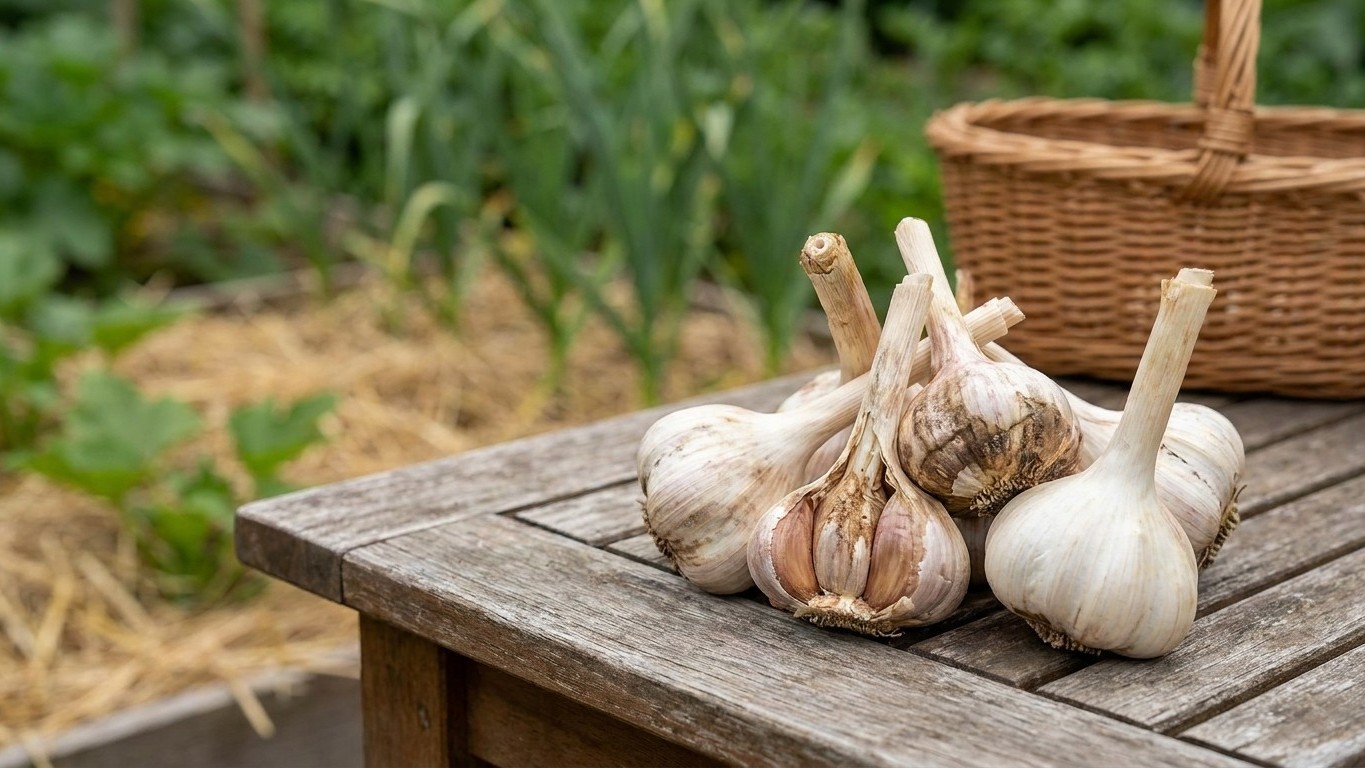
In Indiana, garlic planted the previous fall is ready to lift when roughly the bottom half of its leaves have browned while five or six leaves up top…
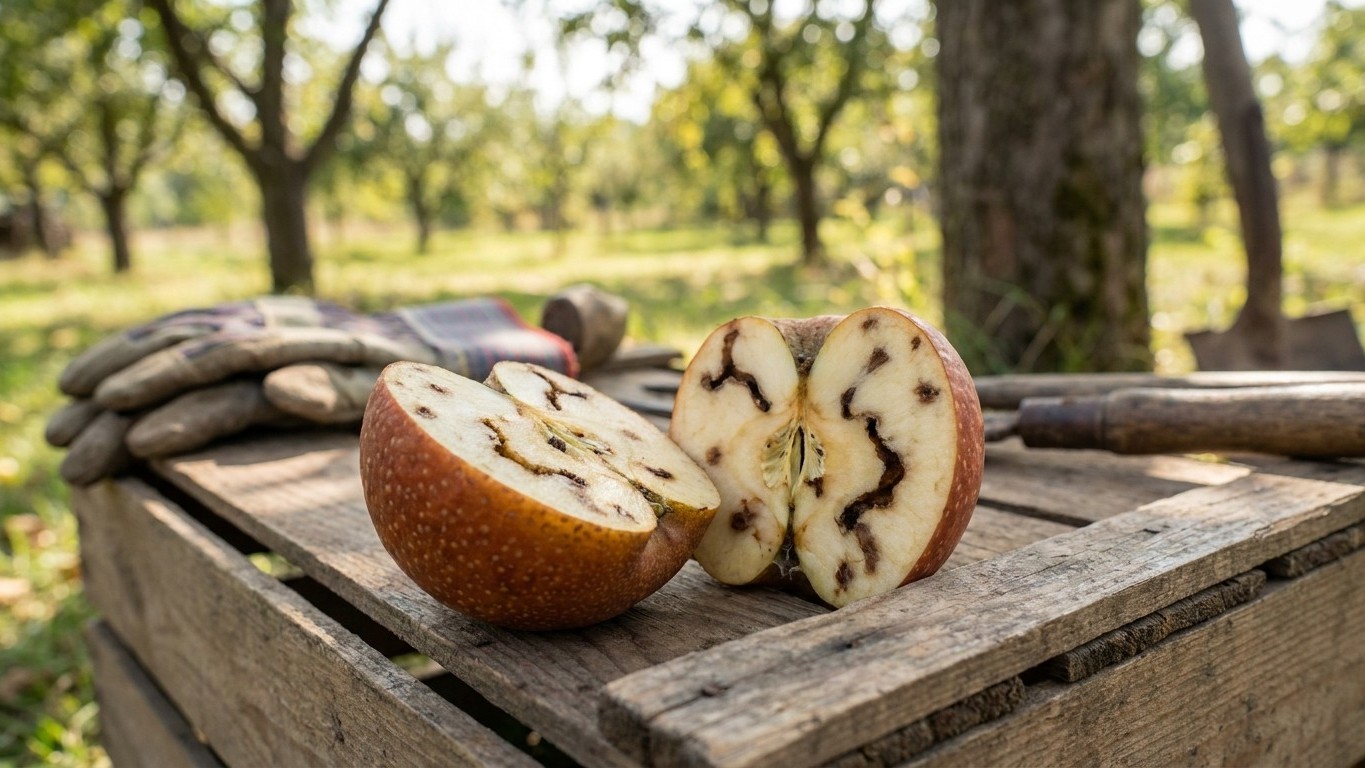
Harvest in Indiana runs from mid-August for the earliest varieties through late October for the latest, and how long any given apple lasts afterward…
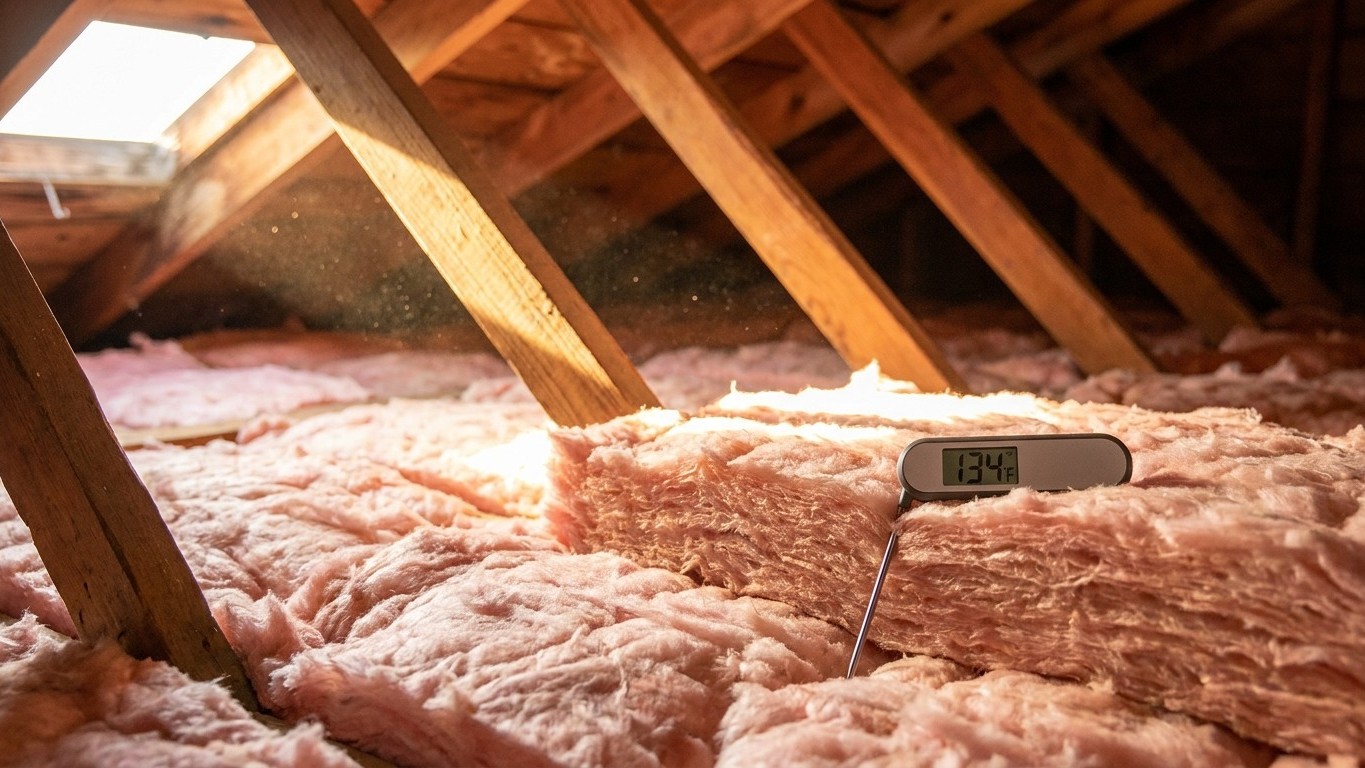
Yes, insulation keeps a home in Indiana cooler, though the payoff leans more toward winter than summer for most of the state.
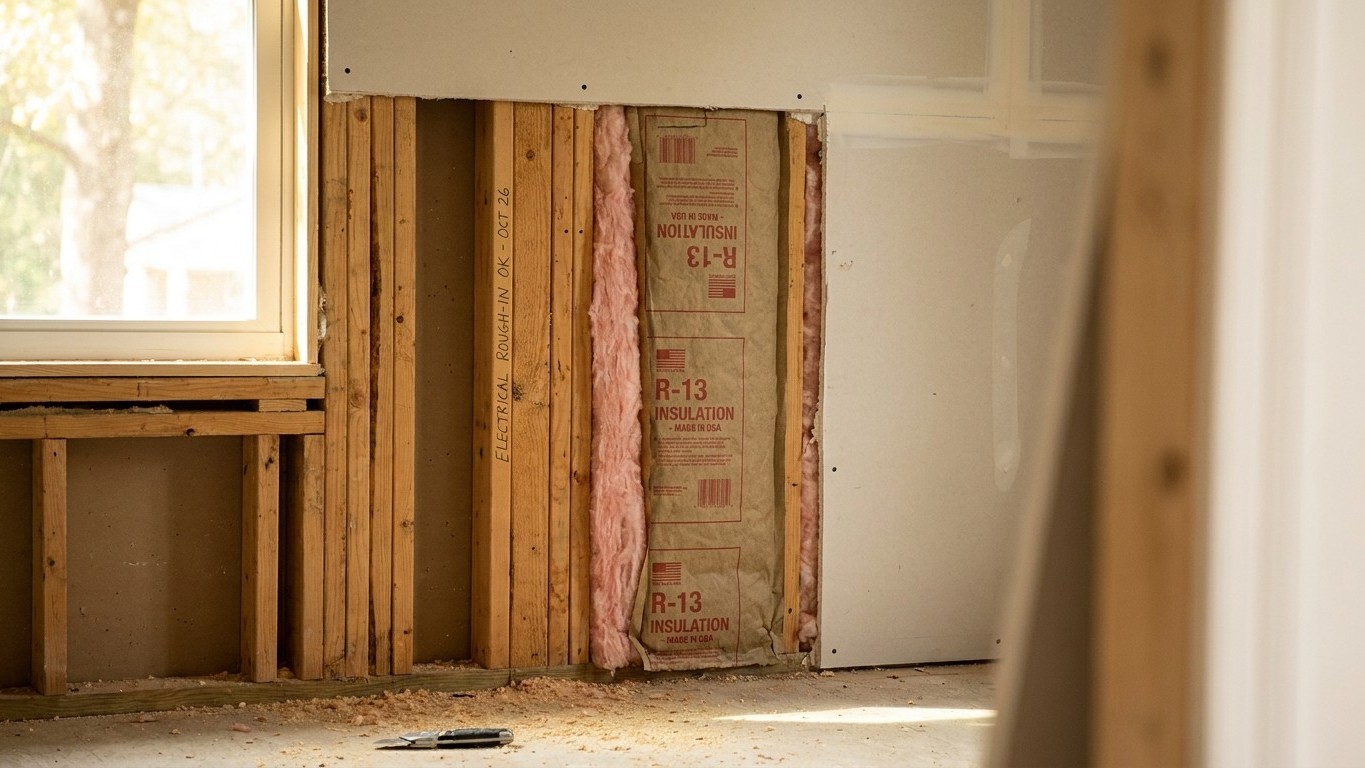
Yes, in most of Indiana a wall needs an interior vapor retarder under the 2021 International Residential Code.
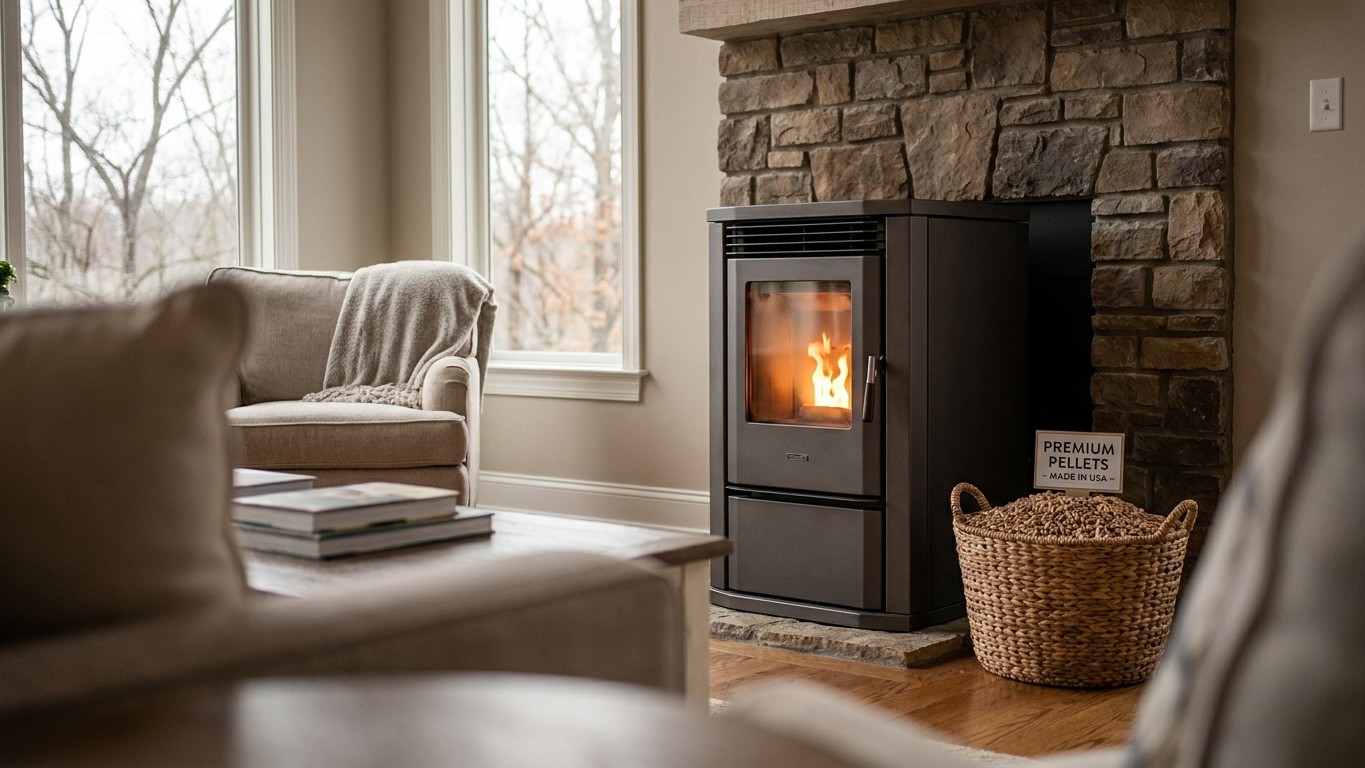
Heating with pellets in central Indiana means feeding a stove for roughly eight months a year, with the coldest stretch landing in January.
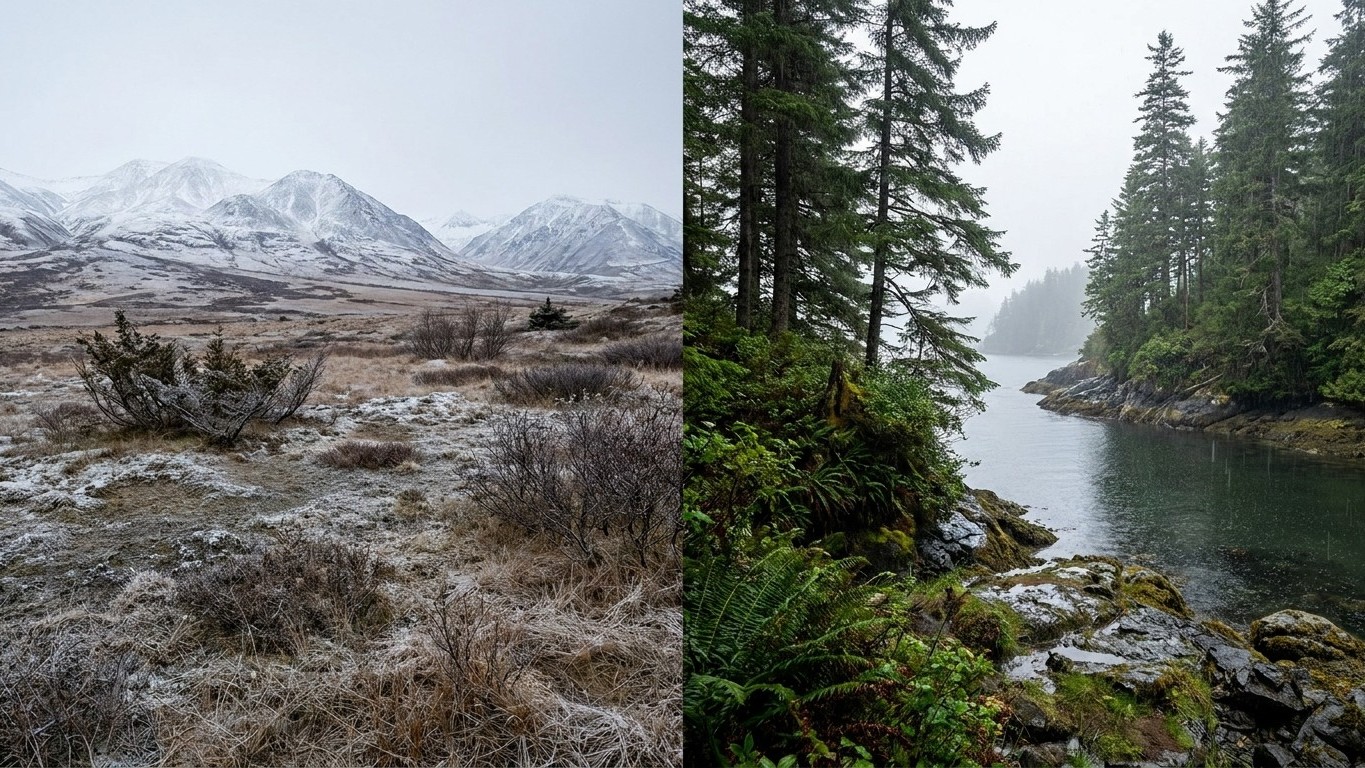
Indiana’s USDA hardiness range runs from 5b in the north to 7a in the south, and that spread is why a single yes-or-no answer about “trees and shrubs for…
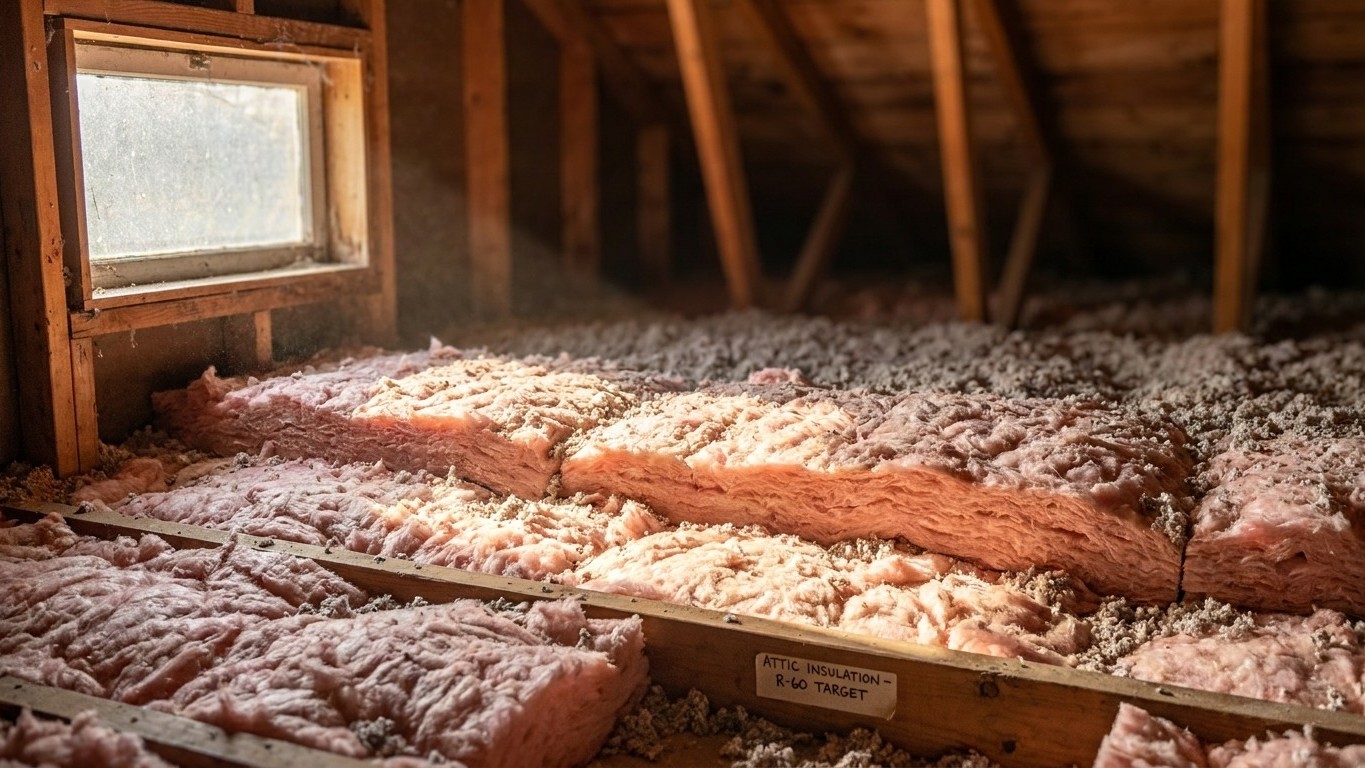
Indiana doesn’t have one insulation answer. The state splits across two federal climate zones, and the ENERGY STAR-recommended R-values shift depending…
September is the calmest month Indiana gets, but “calm” here still means about 200 combined heating and cooling degree days of demand.
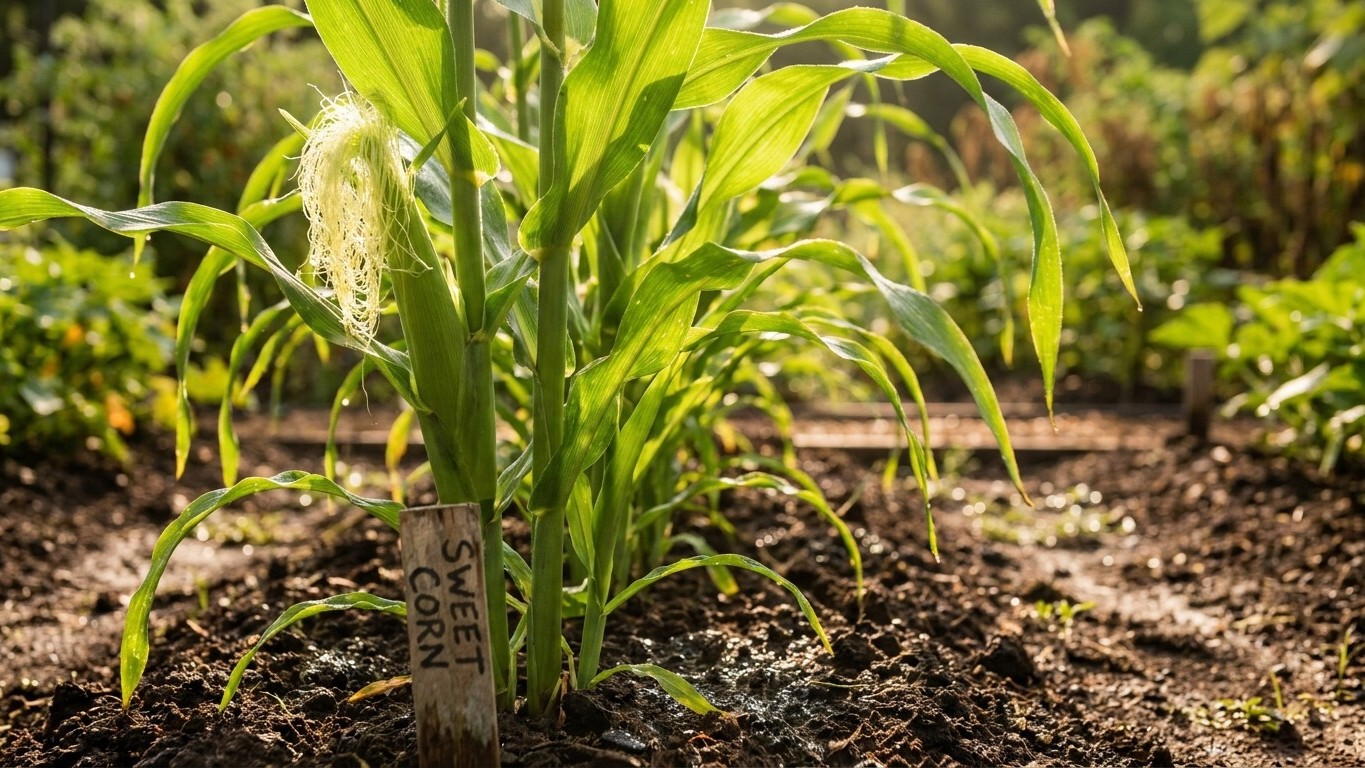
Sweet corn ripens in Indiana in most years, but not by simply counting from the last frost.