What Eats Pumpkin in Indiana, and When
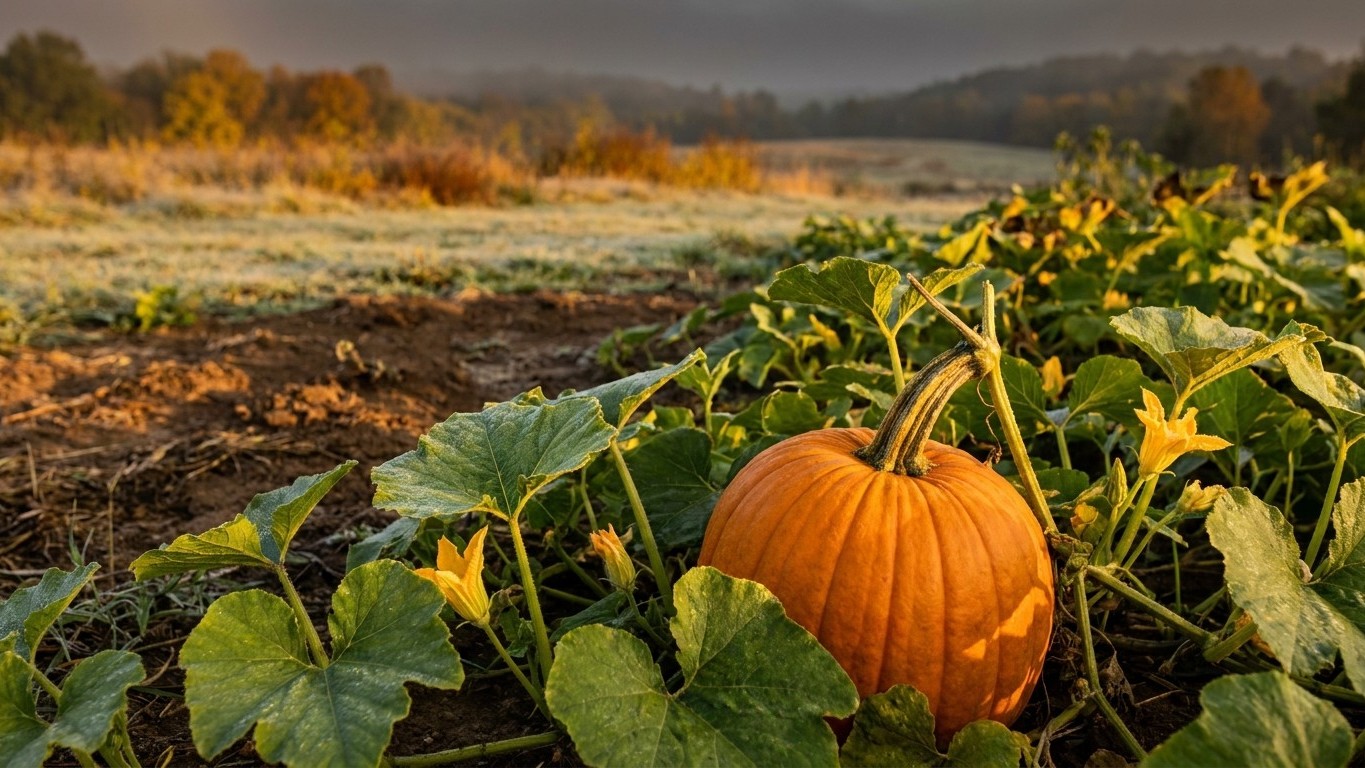
Purdue Extension Entomology documents ten pest species active in Indiana’s vegetable gardens, but only six of them ever touch a pumpkin plant.
Home & garden, state by state
Everything we have worked out for Indiana: what to plant and when, which varieties finish in time, the pests that actually turn up here, and the jobs that pay off month by month. We also cover the rest of the property, from lawns and soil to home care and energy, because a garden rarely stops at the vegetable bed.
The numbers first, because everything else follows from them. Measured at the weather station in Indianapolis, the last spring freeze runs April 9 to April 21 and the first fall freeze runs October 21 to October 30, USDA zones 5b-7a, 3,822 growing degree days in the year.
Garlic does well: 21.8 weeks below 40 °F, comfortably past the six it needs to form a proper head.
Elsewhere on the property in Indiana: the pests that turn up here.
Figures from NOAA's 1991-2020 climate normals. A state is not one climate: elevation, a large lake or the coast can move these dates by two weeks either way, so check your own county with the extension service before you spend money.
Purdue Extension Entomology documents ten pest species active in Indiana’s vegetable gardens, but only six of them ever touch a pumpkin plant.
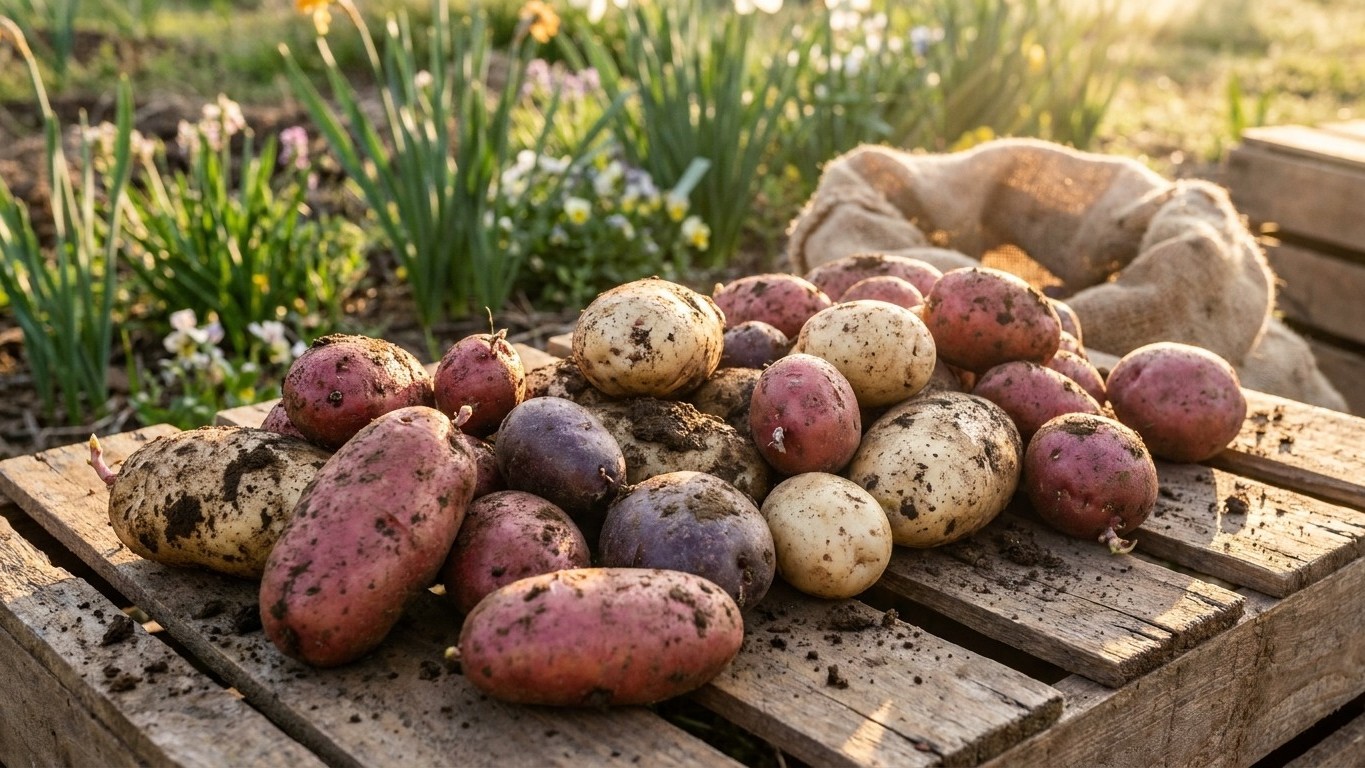
Colorado potato beetle is the insect that actually feeds on potato in Indiana, and its arrival tracks the state’s frost-free window rather than a fixed…
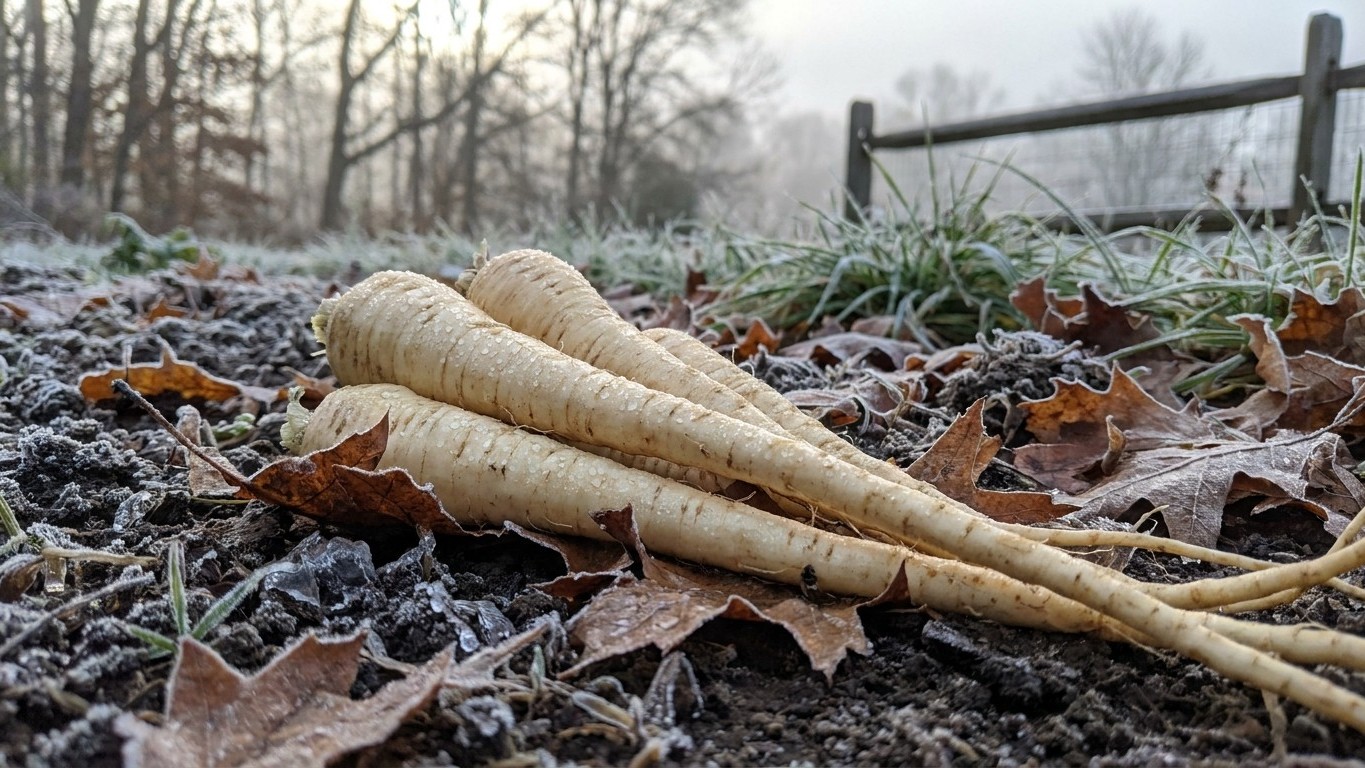
Two of Purdue Extension Entomology’s documented vegetable pests for Indiana actually feed on parsnip: the seedcorn maggot, which attacks the seed and…
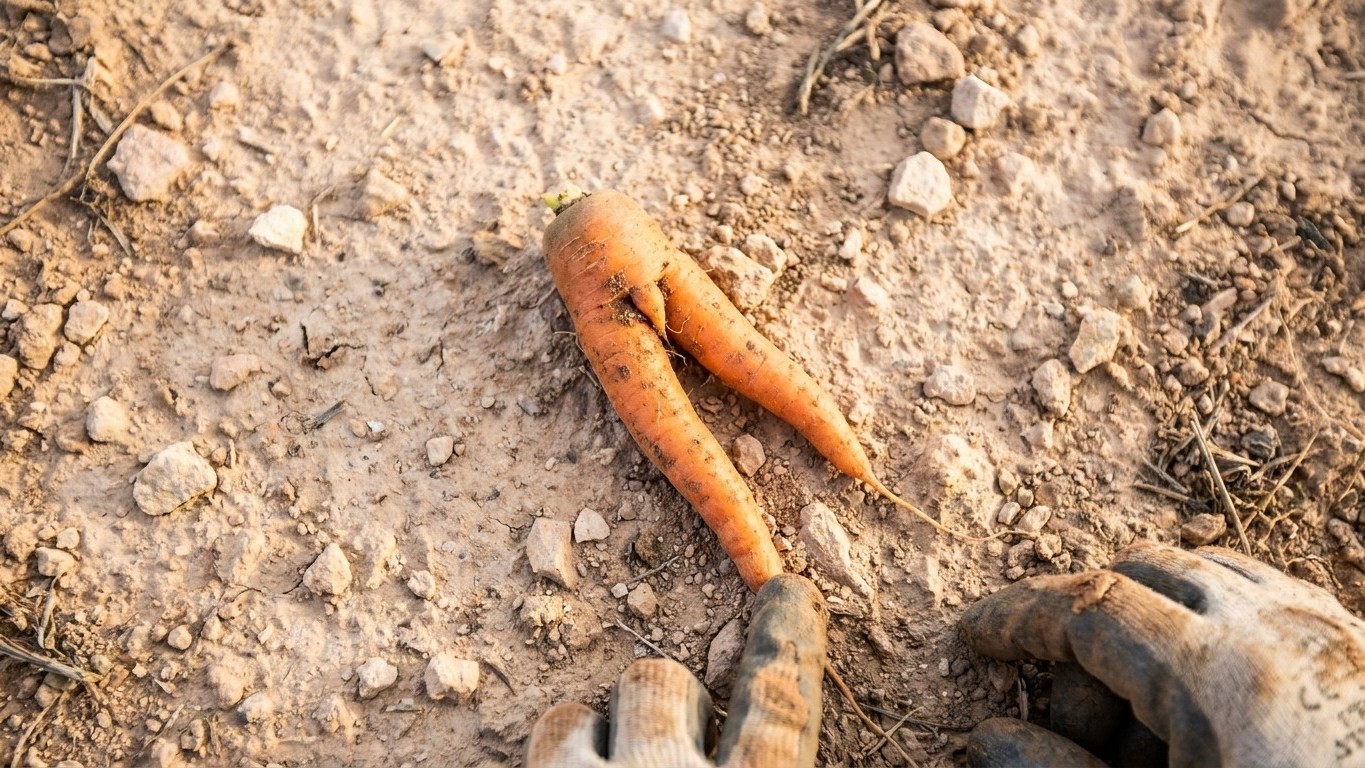
Purdue Extension Entomology documents only one vegetable garden pest in its statewide records that actually targets carrot: the seedcorn maggot, a small…
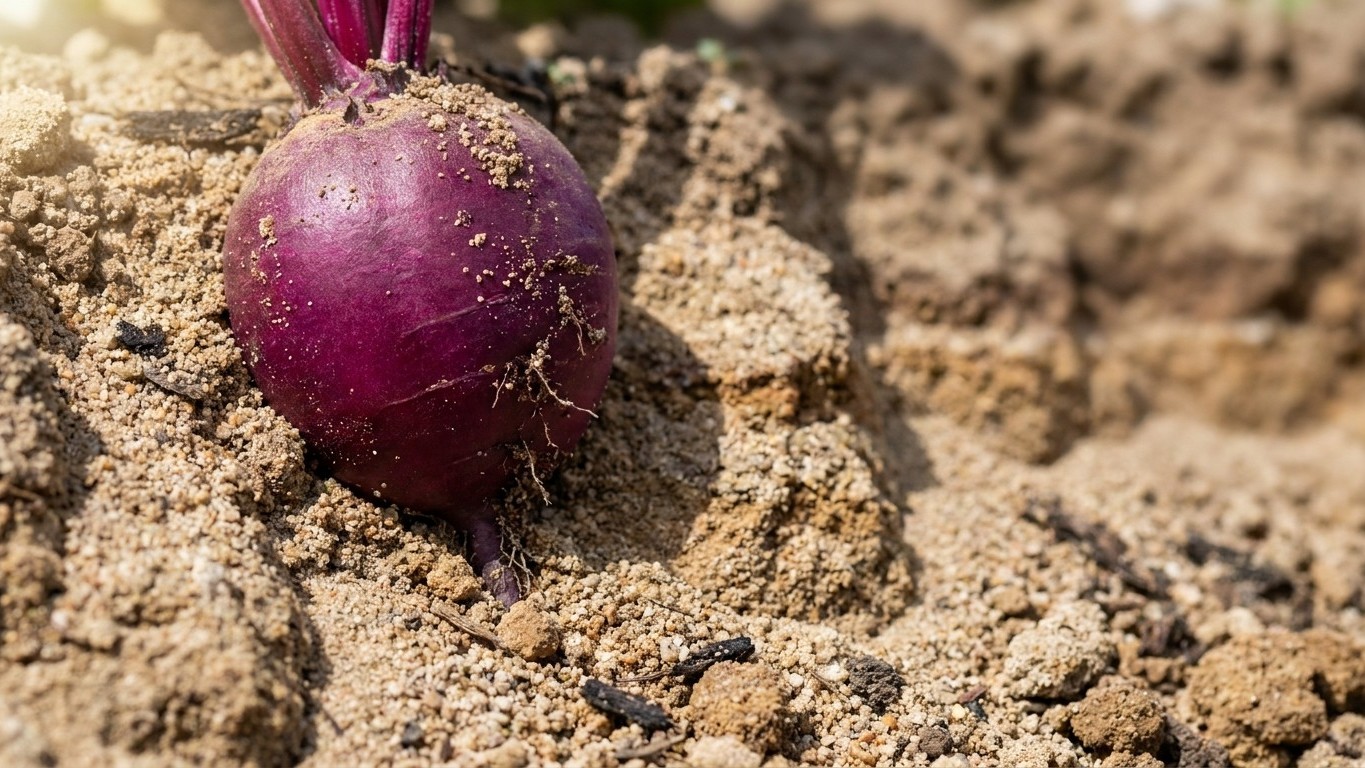
Purdue Extension Entomology documents ten insect pests active on Indiana vegetable crops, but only two of them are actual beet feeders: the seedcorn…
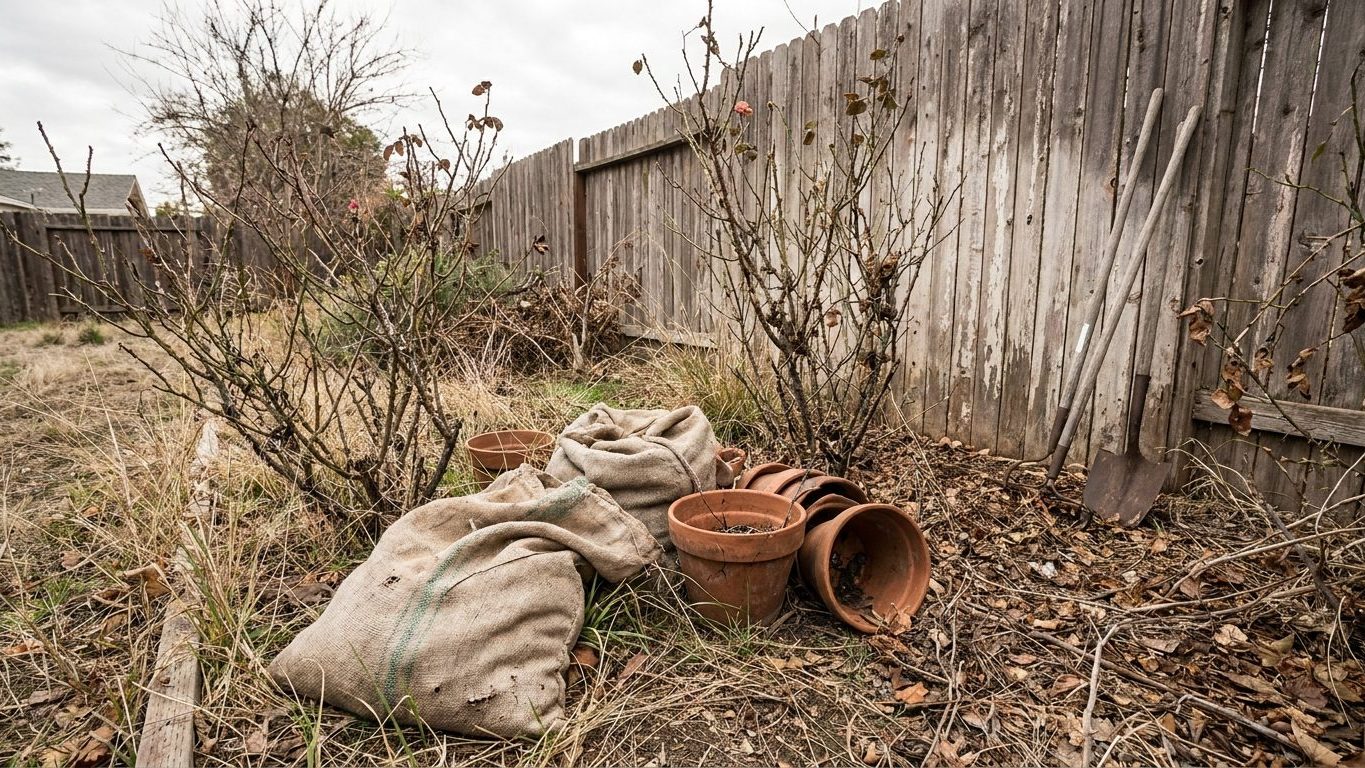
Indianapolis data from NOAA’s 1991-2020 Climate Normals puts the last spring frost between April 9 and April 21, and the first fall frost between October…
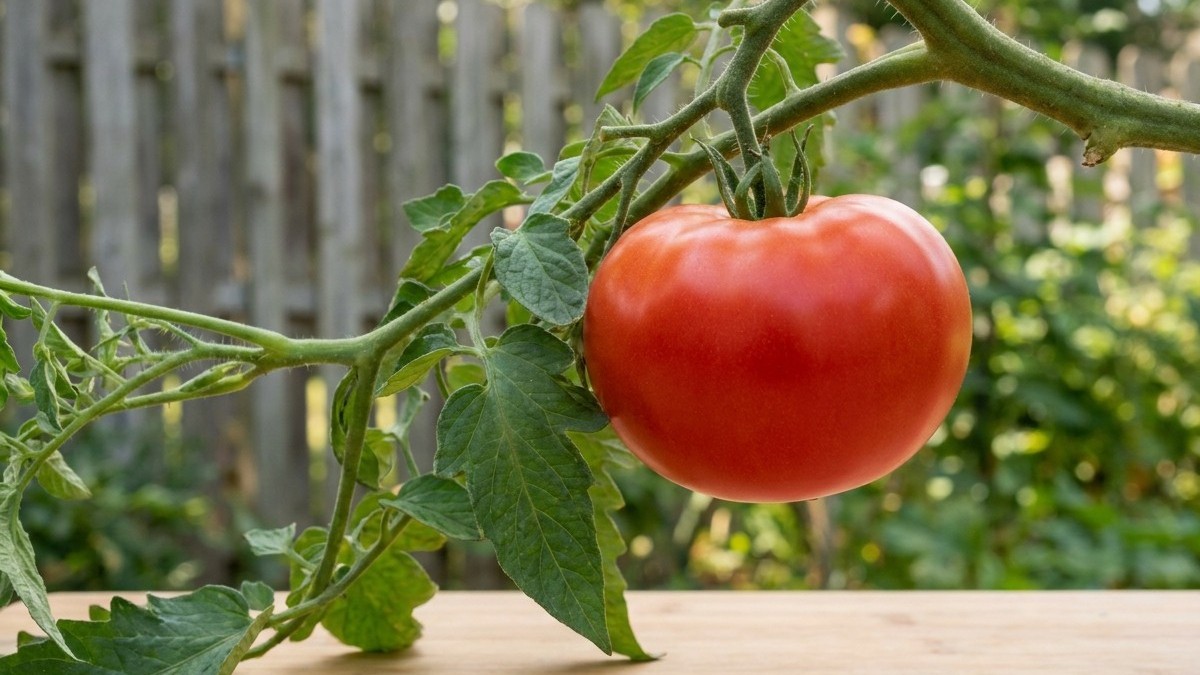
The short answer: pick ripe or nearly-ripe tomatoes as you go all season, but plan a final full sweep of everything left on the vine, ripe or green…
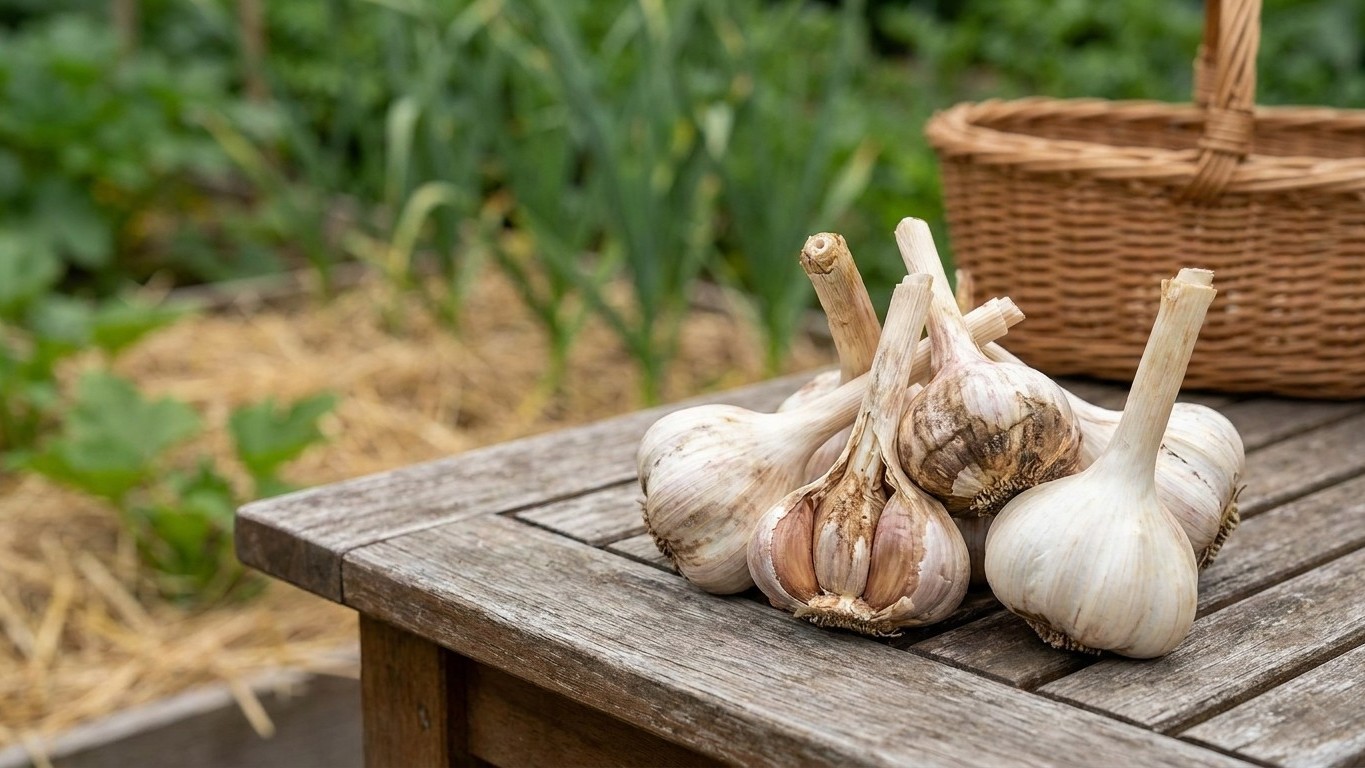
In Indiana, garlic planted the previous fall is ready to lift when roughly the bottom half of its leaves have browned while five or six leaves up top…
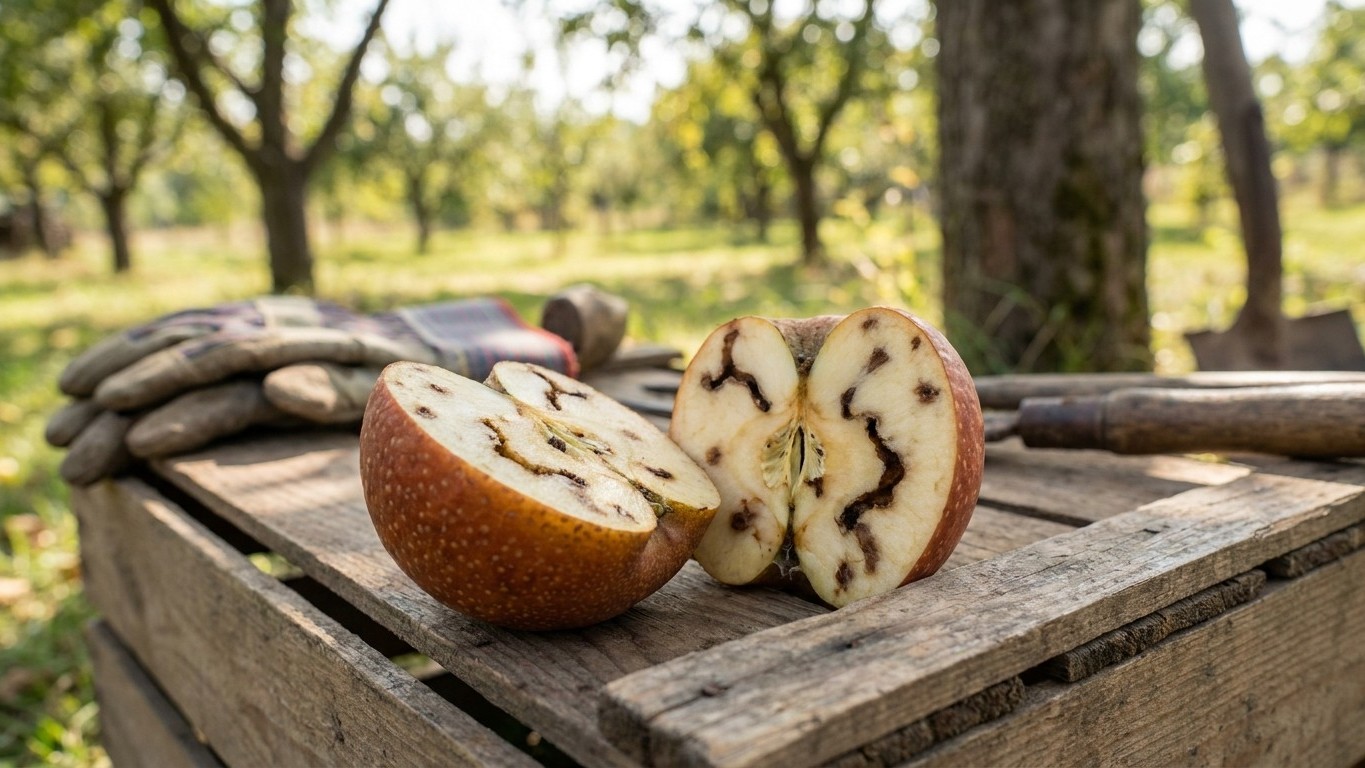
Harvest in Indiana runs from mid-August for the earliest varieties through late October for the latest, and how long any given apple lasts afterward…
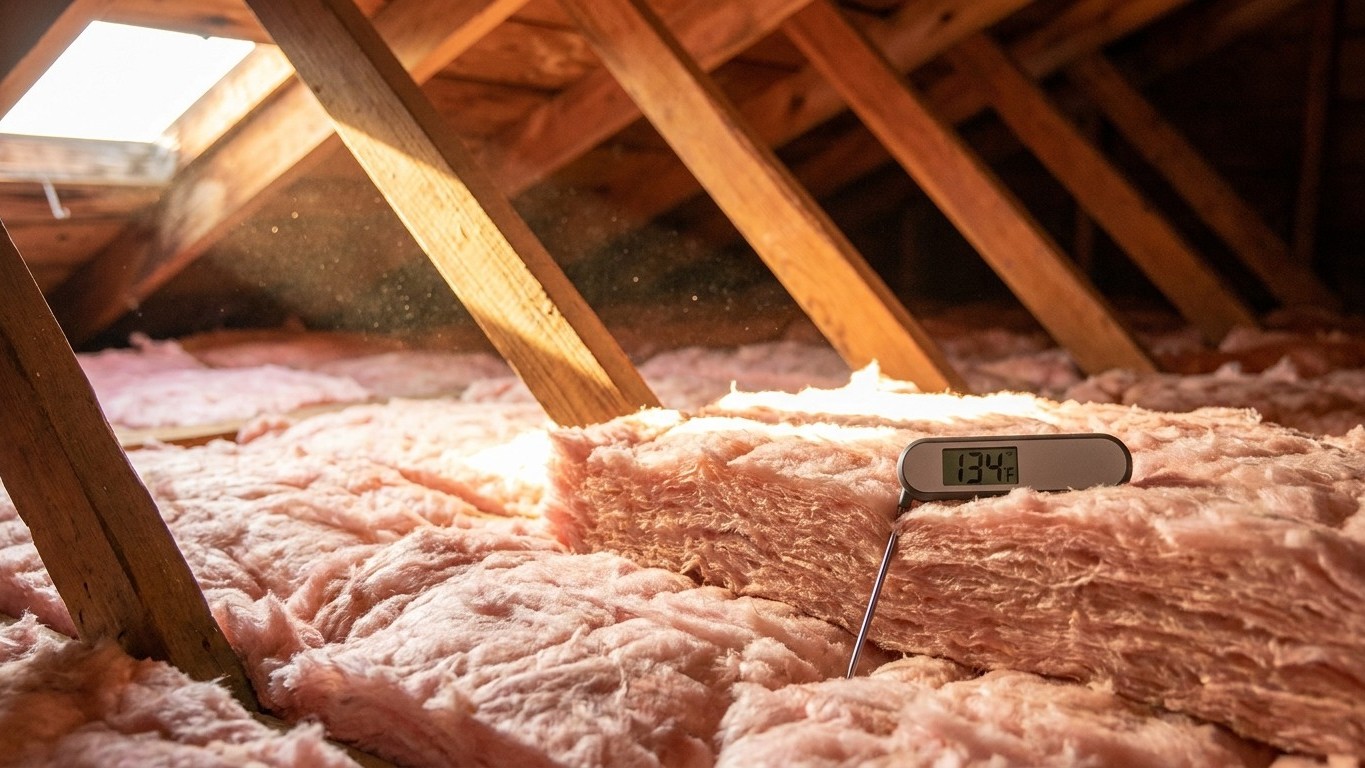
Yes, insulation keeps a home in Indiana cooler, though the payoff leans more toward winter than summer for most of the state.