When to Pull Carrots in Iowa, and How to Keep Them
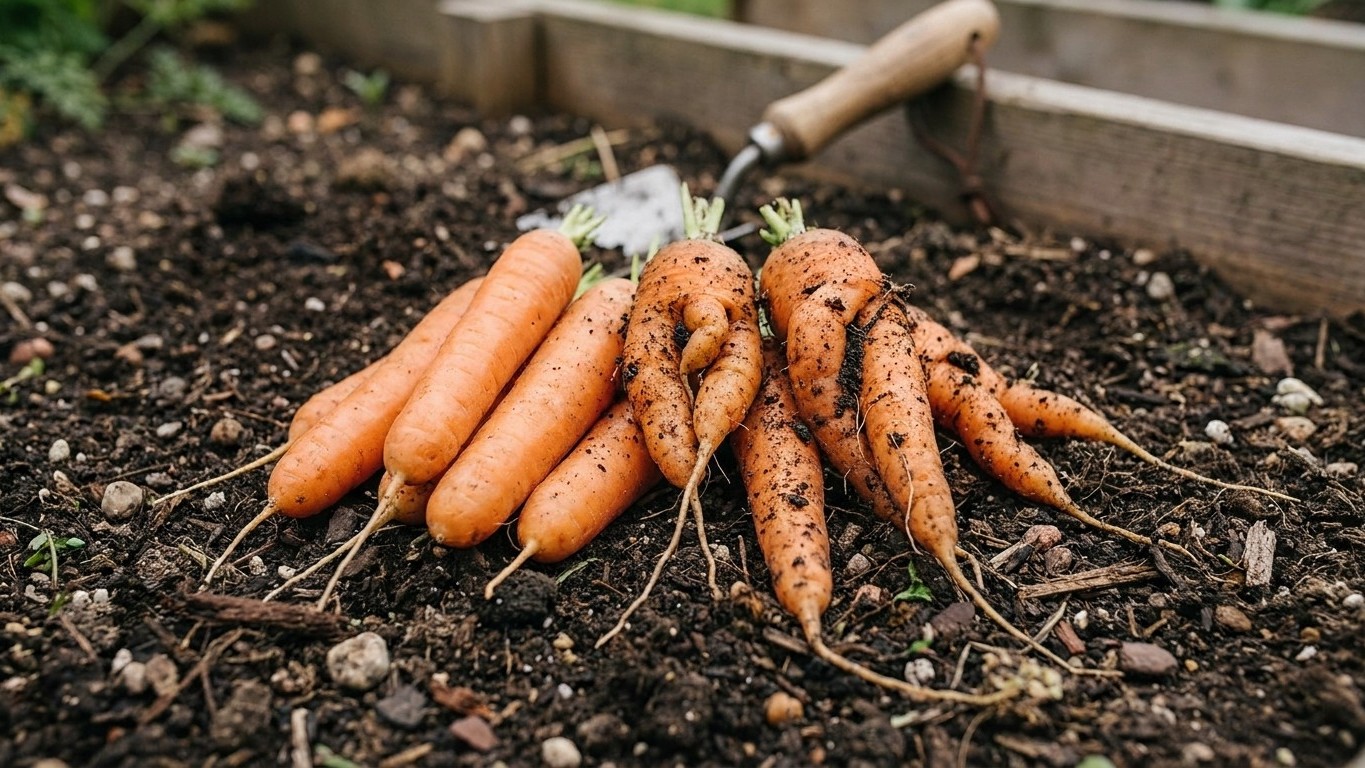
Pull carrots when the roots have reached the size the seed packet promises, usually 70 to 100 days counted from sowing.
Home & garden, state by state
Everything we have worked out for Iowa: what to plant and when, which varieties finish in time, the pests that actually turn up here, and the jobs that pay off month by month. We also cover the rest of the property, from lawns and soil to home care and energy, because a garden rarely stops at the vegetable bed.
The numbers first, because everything else follows from them. Measured at the weather station in Des Moines, the last spring freeze runs April 12 to April 24 and the first fall freeze runs October 14 to October 25, USDA zones 4b-6a, 3,659 growing degree days in the year.
Garlic does well: 21.8 weeks below 40 °F, comfortably past the six it needs to form a proper head.
Elsewhere on the property in Iowa: the pests that turn up here.
Figures from NOAA's 1991-2020 climate normals. A state is not one climate: elevation, a large lake or the coast can move these dates by two weeks either way, so check your own county with the extension service before you spend money.
Pull carrots when the roots have reached the size the seed packet promises, usually 70 to 100 days counted from sowing.
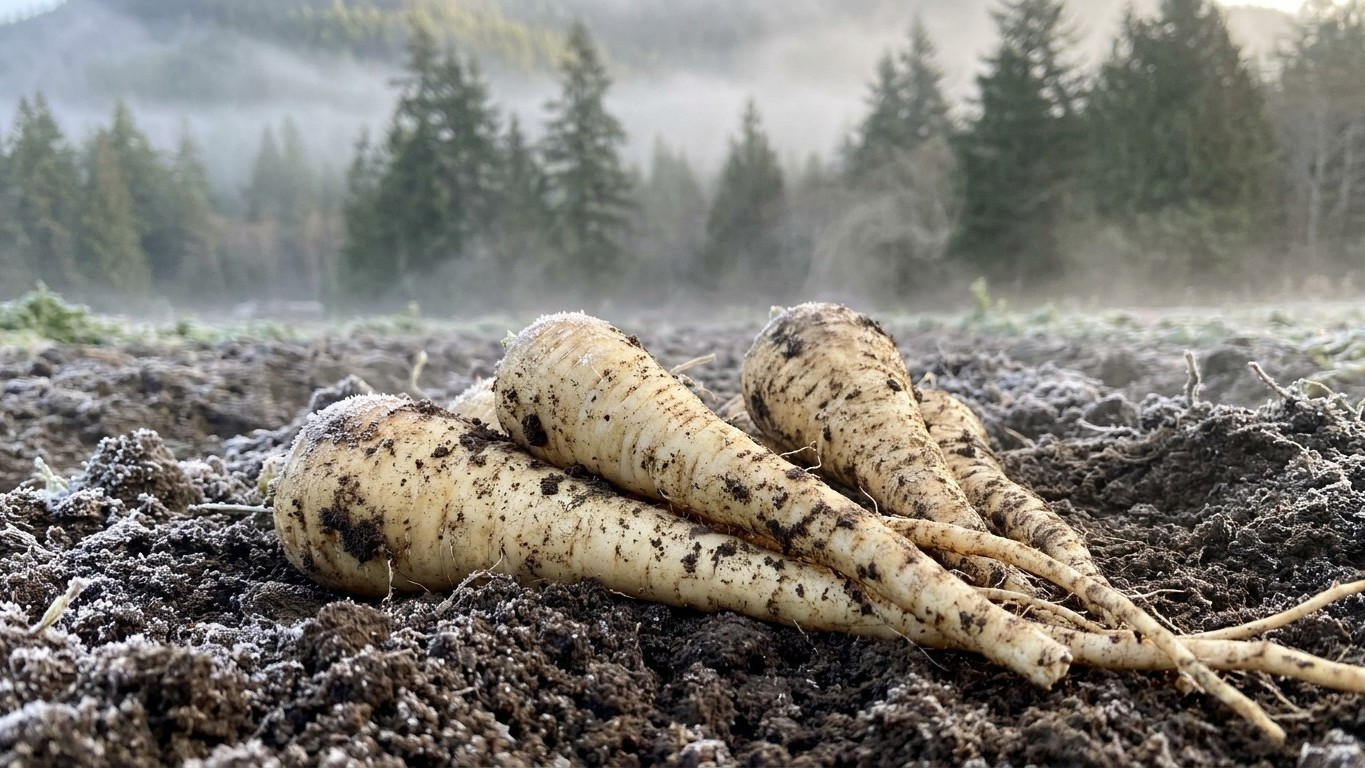
Lift Iowa parsnips after several weeks of frost, which for a spring sowing means November onward, not the day the first frost hits.
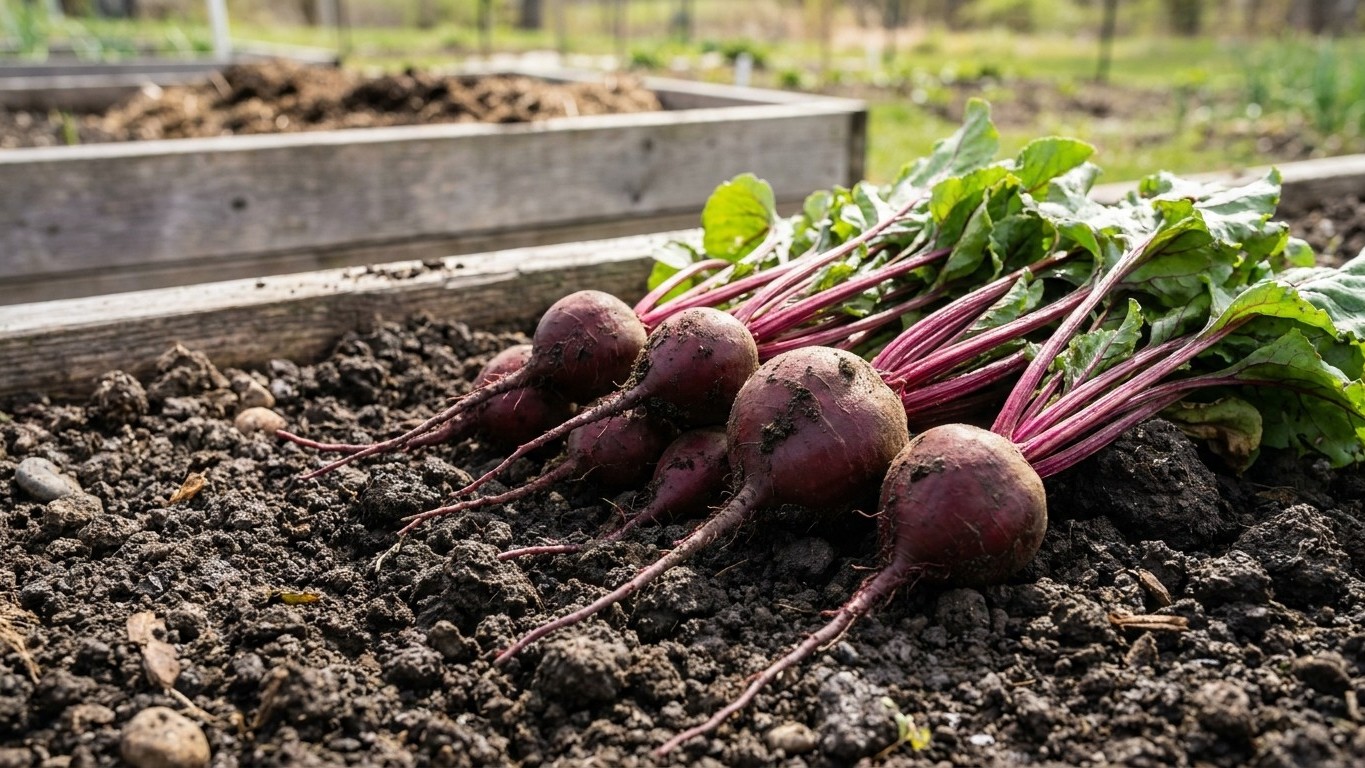
Pull Iowa beets 60 to 80 days after seeding, once the roots reach the size you want, and don’t leave them sitting through a hot, dry stretch.
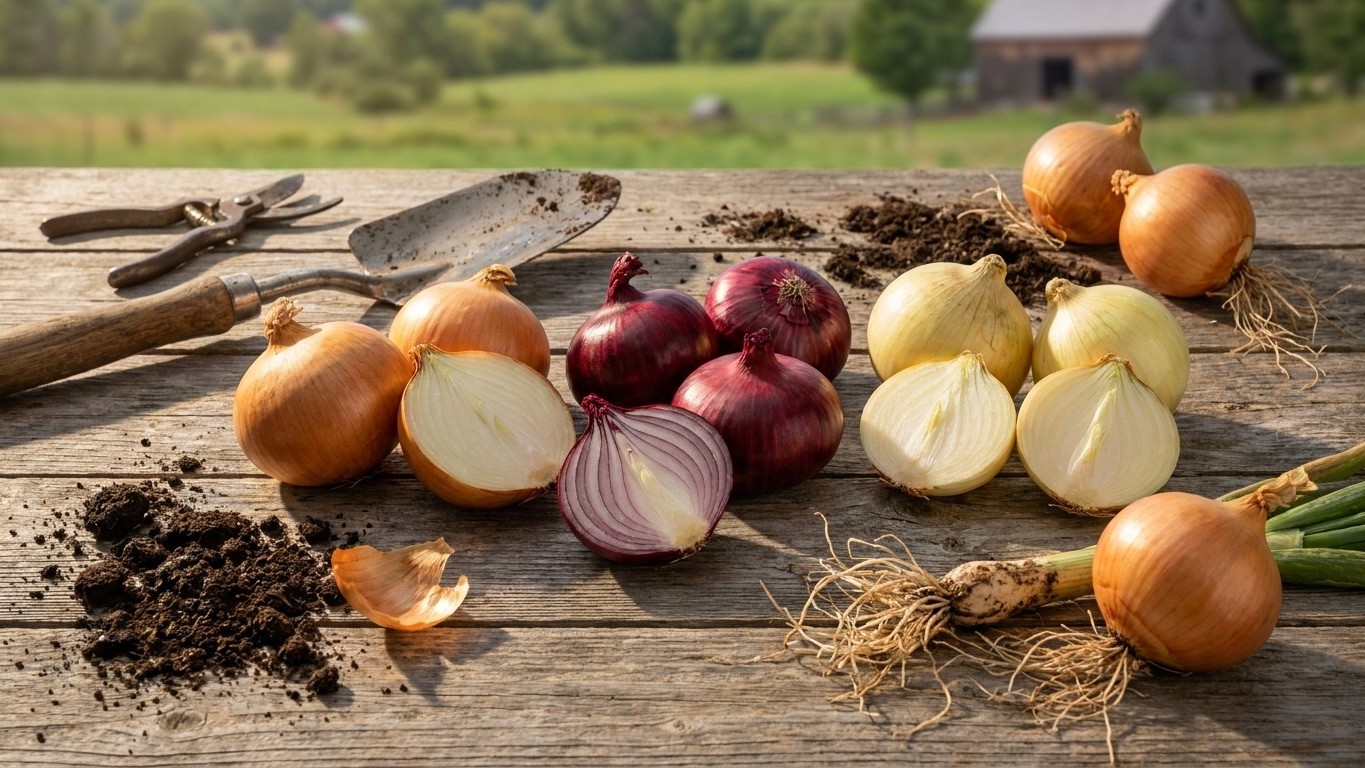
Lift onions when the tops fall over and start to yellow, not when a calendar says so.
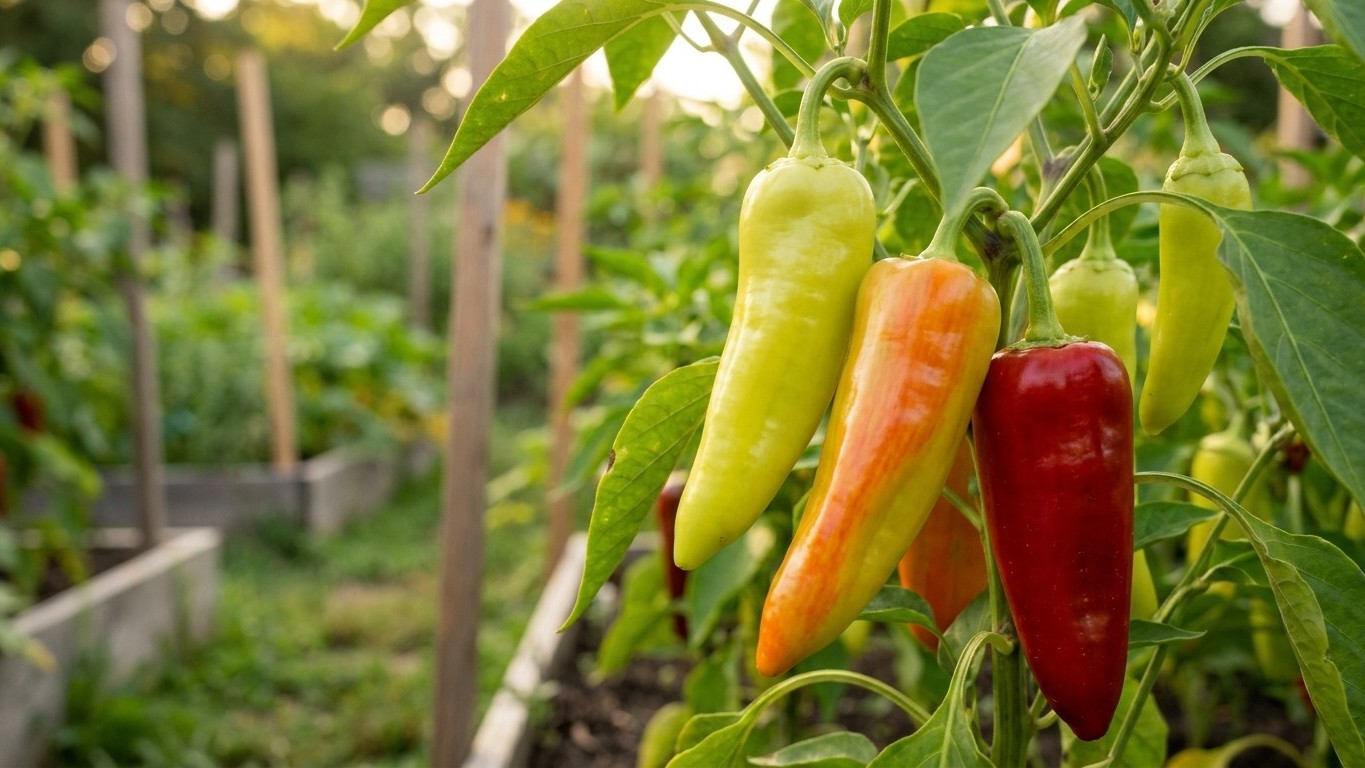
Clemson Cooperative Extension puts pepper harvest at about 70 to 85 days after transplanting, and Iowa gardens follow that window.
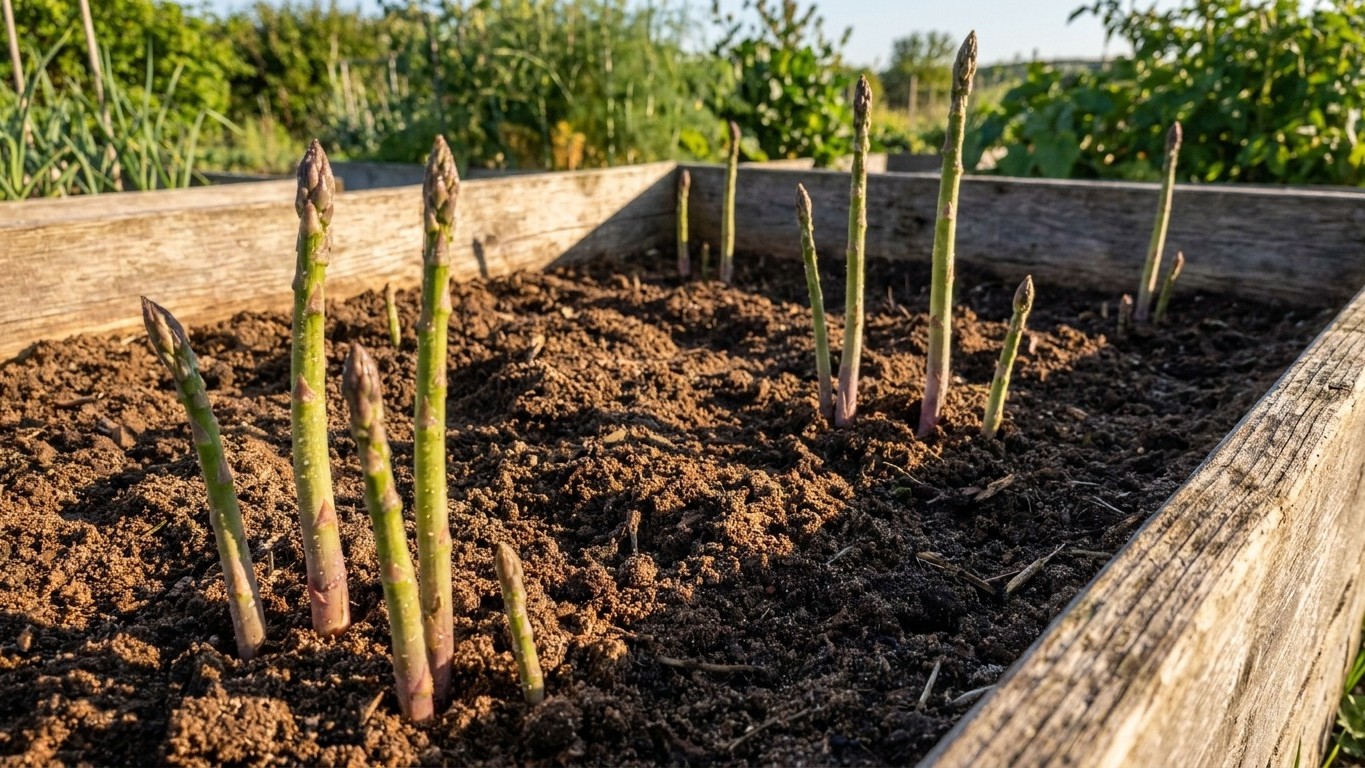
The biggest thing eating an Iowa asparagus bed is time: no harvest until year 3, then a patch that has to stay put for a decade or more.
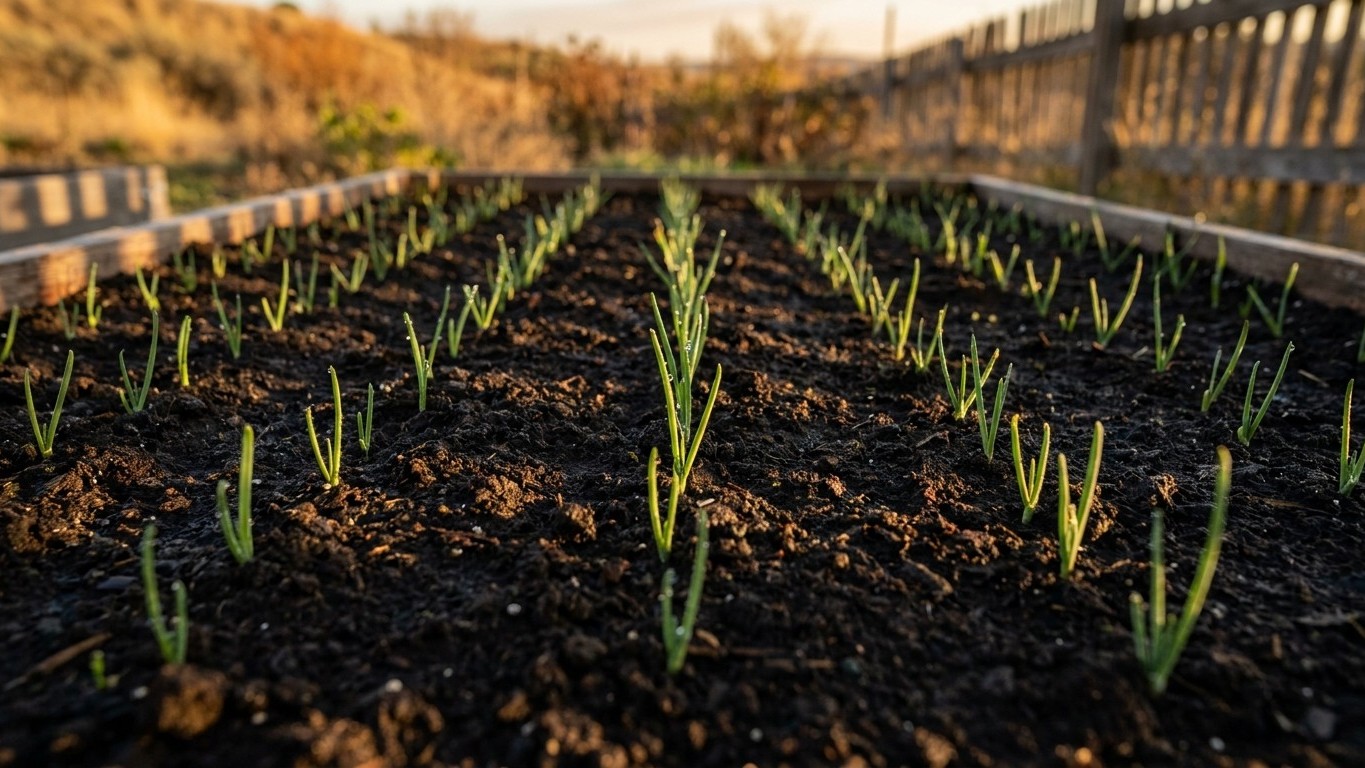
Garlic in Iowa gets hit in waves, not all at once. Rodents and soil insects go after cloves in the months after planting.
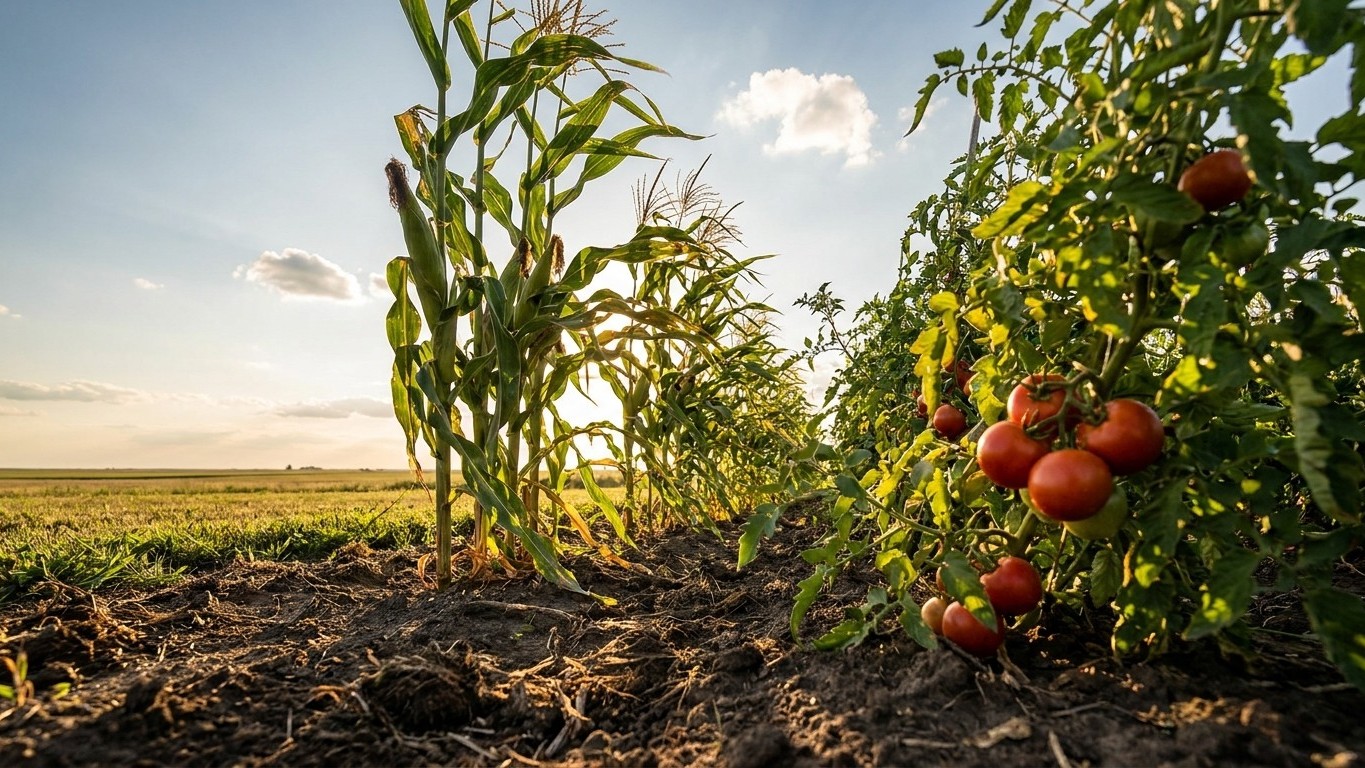
Sweet corn in Iowa is ready roughly 60 to 90 days after planting, and planting waits for warm soil, not for the last frost.
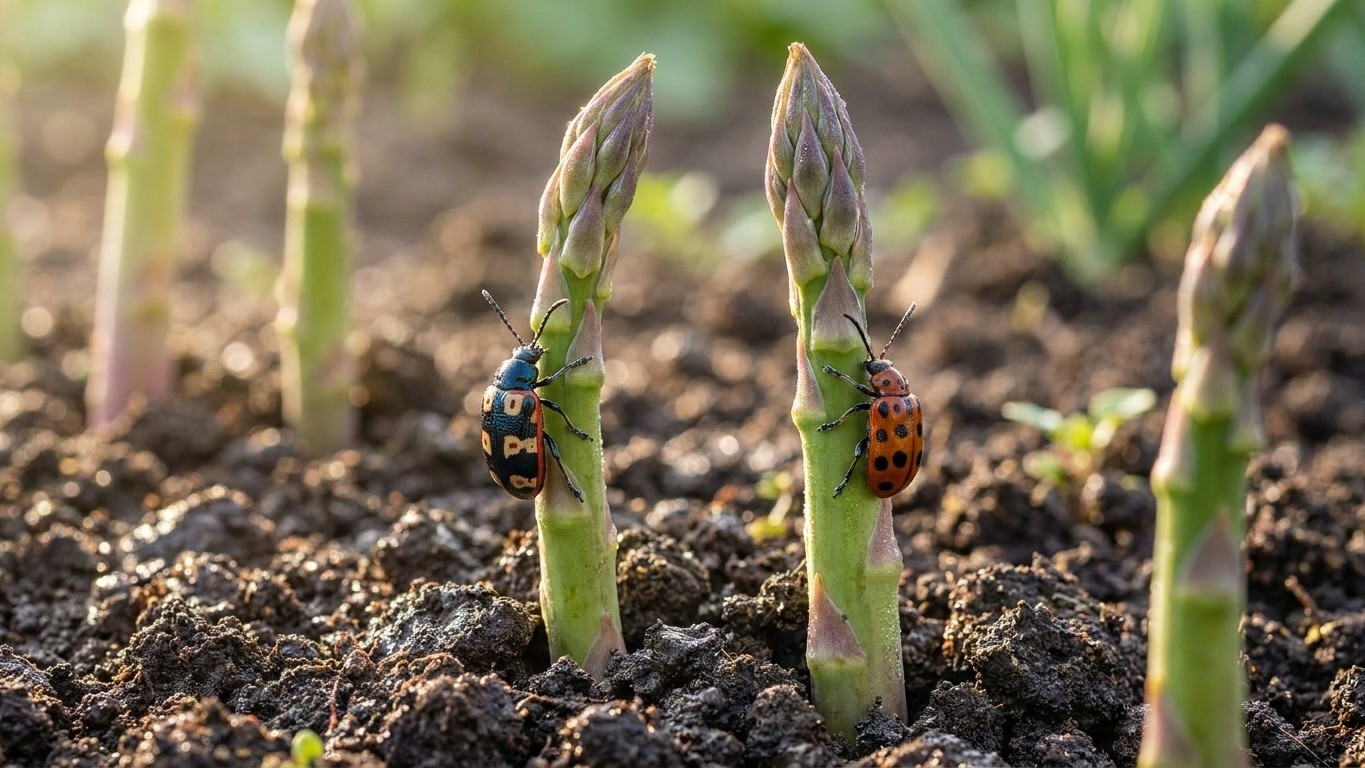
Stop cutting when most of the spears coming up are thinner than a pencil. That is a thing you can hold in your hand, not a date on the calendar.
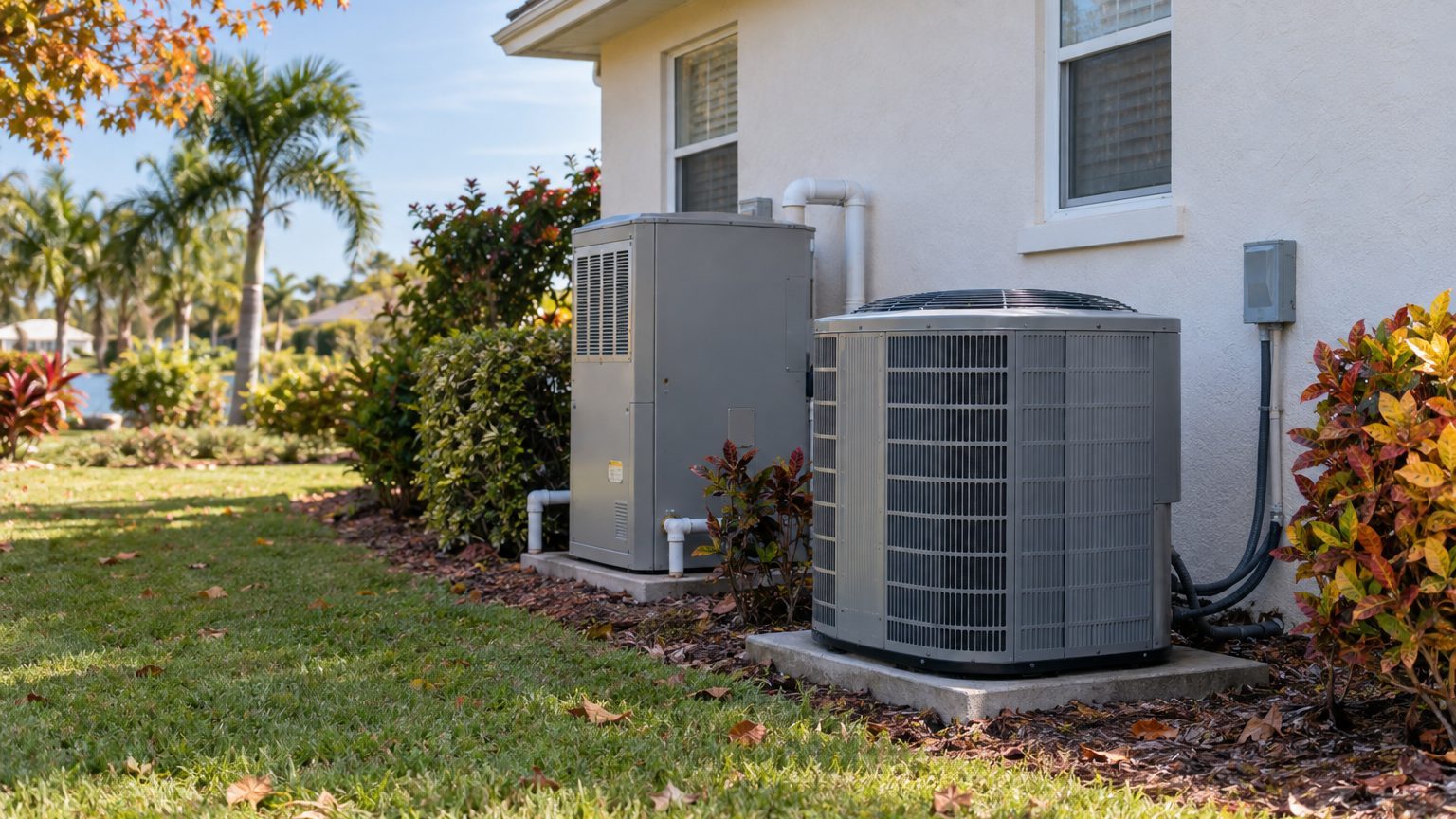
A gas furnace costs less to run in Iowa. At average residential prices, a million Btu of heat from a 97% AFUE gas furnace costs $10.55, against $17.53…