Growing Hydrangeas in Kansas: Types, Colour and Winter
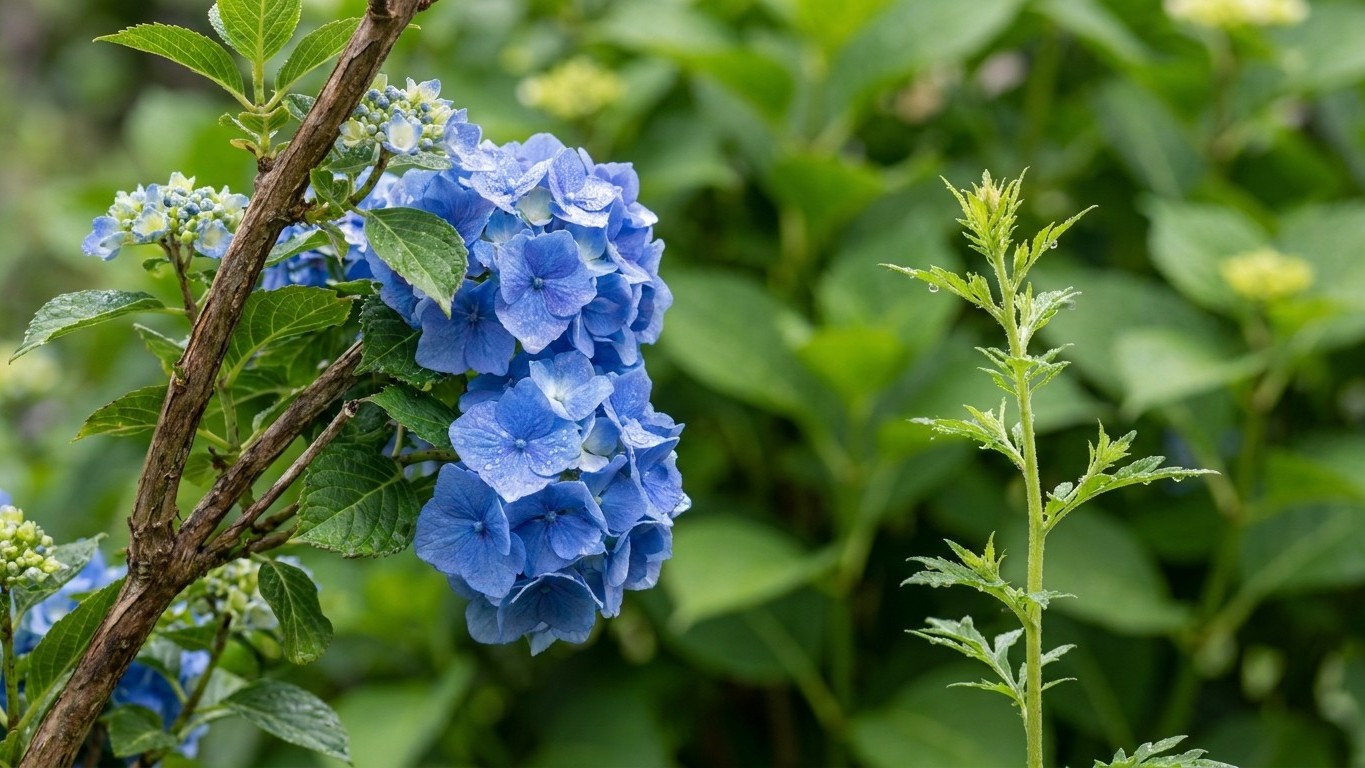
Growing hydrangeas in Kansas works best with panicle and smooth types, planted in spring after the last frost (or in early fall), in morning sun and soil…
Home & garden, state by state
Everything we have worked out for Kansas: what to plant and when, which varieties finish in time, the pests that actually turn up here, and the jobs that pay off month by month. We also cover the rest of the property, from lawns and soil to home care and energy, because a garden rarely stops at the vegetable bed.
The numbers first, because everything else follows from them. Measured at the weather station in Wichita, the last spring freeze runs April 4 to April 18 and the first fall freeze runs October 23 to November 2, USDA zones 5b-7a, 4,576 growing degree days in the year.
Garlic does well: 21.8 weeks below 40 °F, comfortably past the six it needs to form a proper head.
Elsewhere on the property in Kansas: the pests that turn up here.
Figures from NOAA's 1991-2020 climate normals. A state is not one climate: elevation, a large lake or the coast can move these dates by two weeks either way, so check your own county with the extension service before you spend money.
Growing hydrangeas in Kansas works best with panicle and smooth types, planted in spring after the last frost (or in early fall), in morning sun and soil…
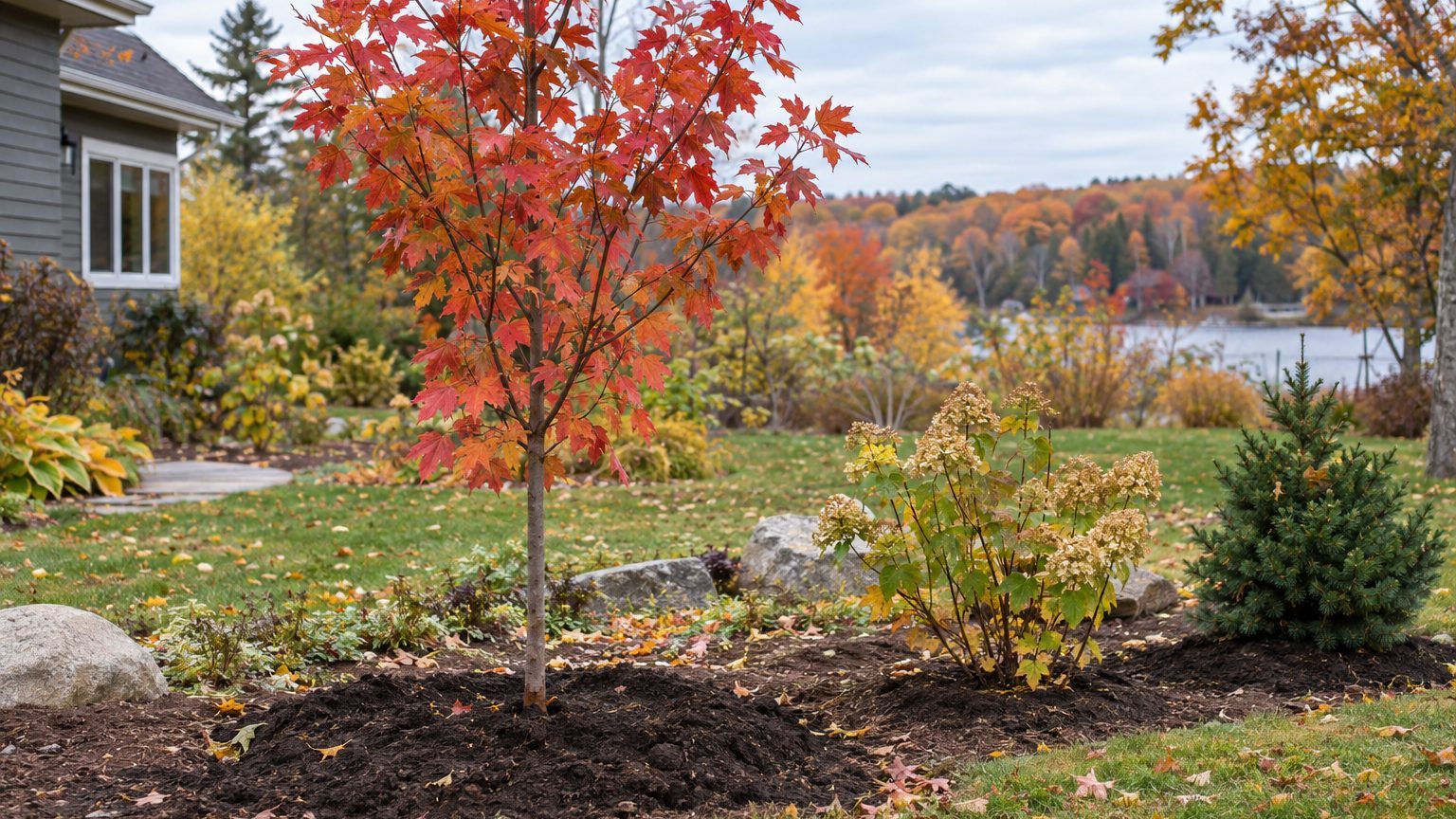
In Kansas, the conservative deadline for planting trees and shrubs in fall is September 11 to September 21, which is six weeks before the first fall frost.
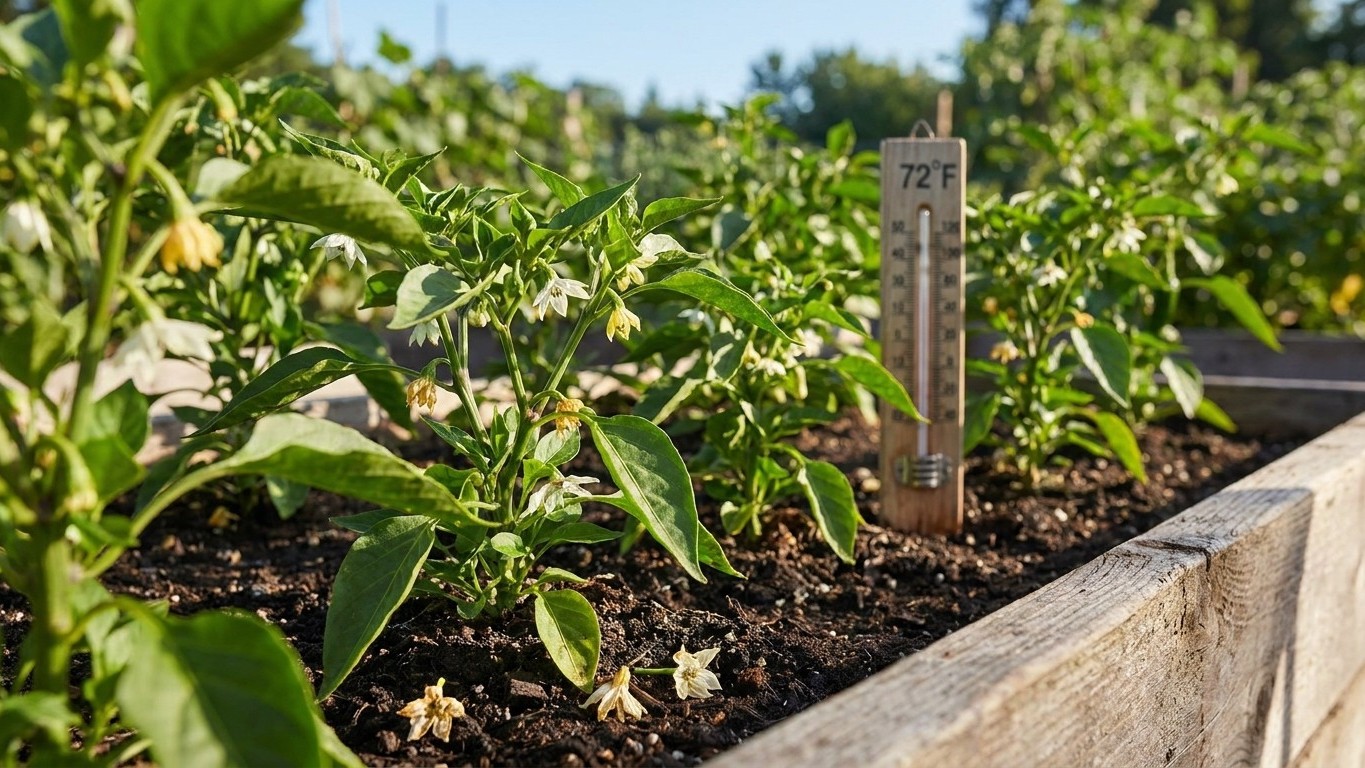
In Kansas, start pepper seed indoors roughly eight to ten weeks before your local transplant date, which itself falls after the last spring frost and…
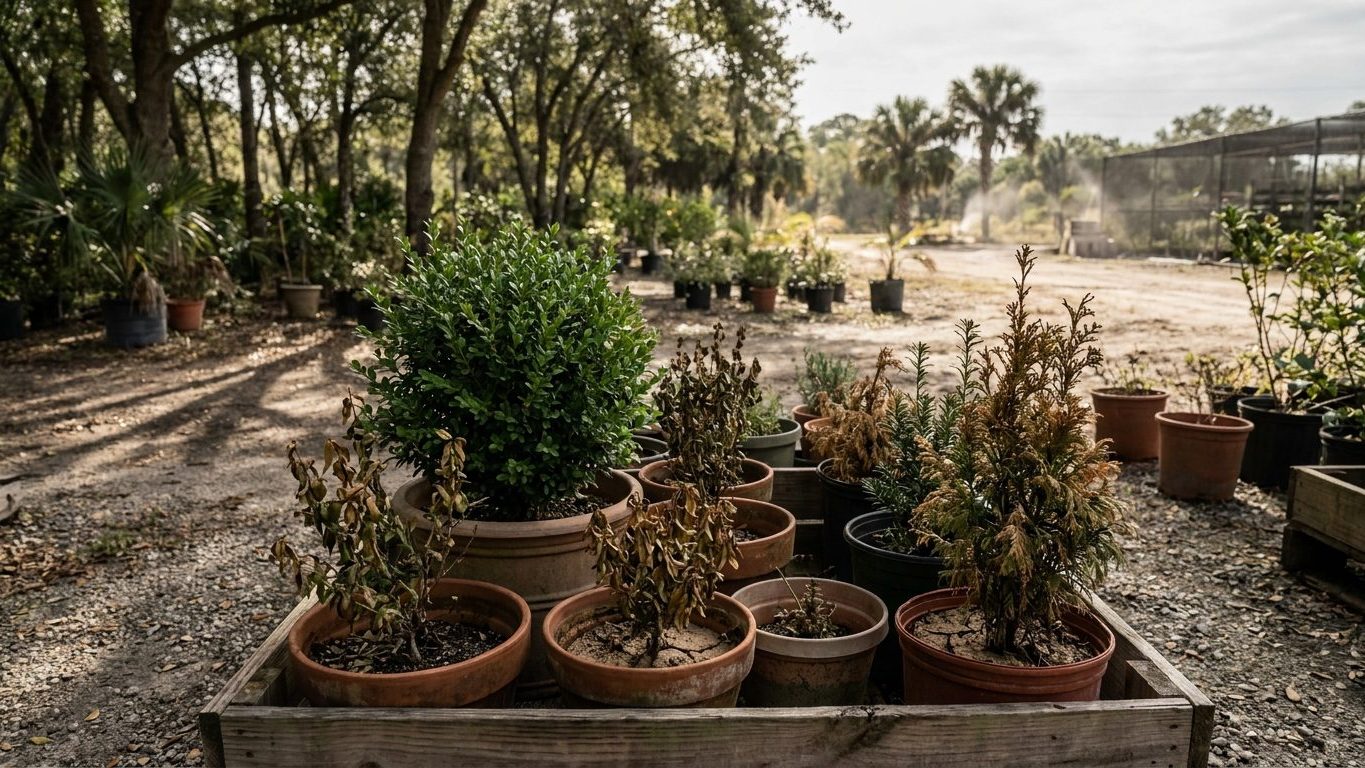
Ten of the twelve hedge plants documented on this site survive everywhere in Kansas. Two do not.
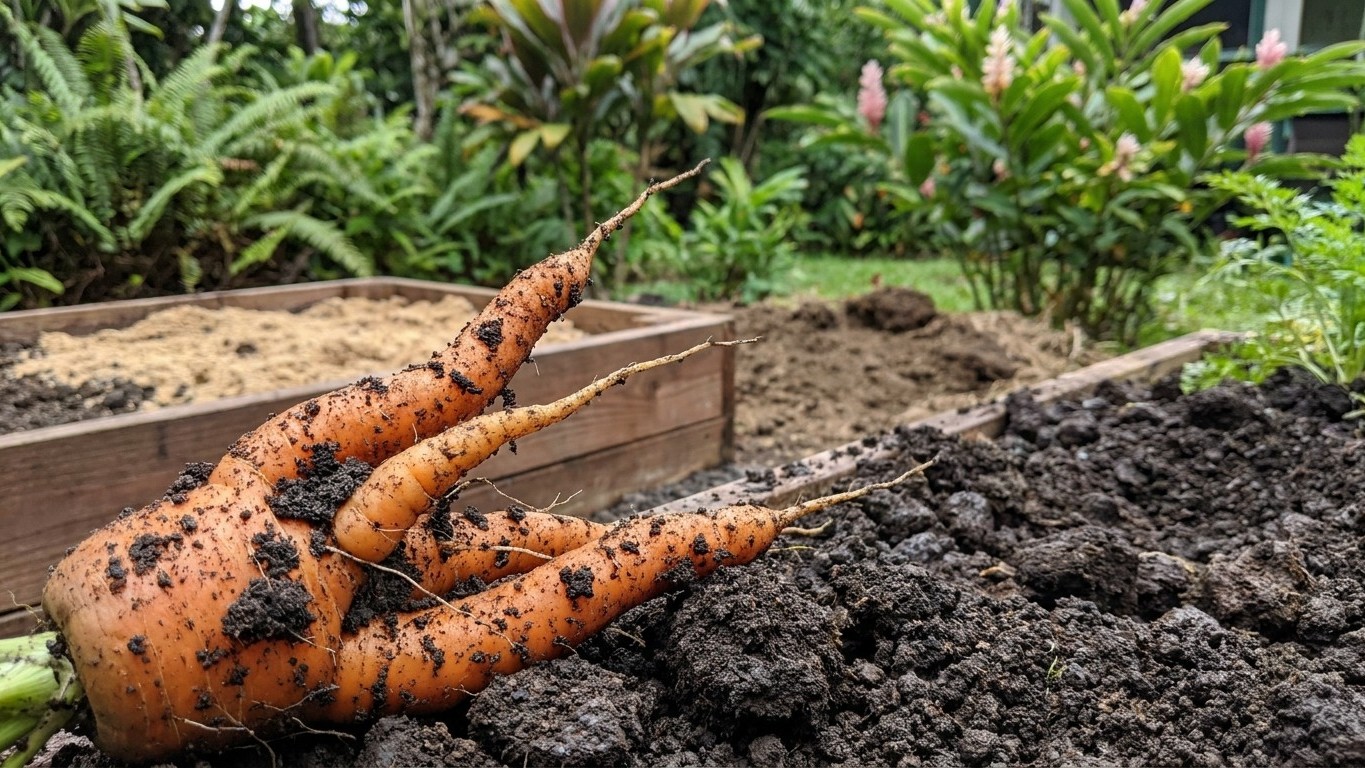
Pull carrots when the shoulders are broad and deep orange, then cut the tops off and chill the roots just above freezing.
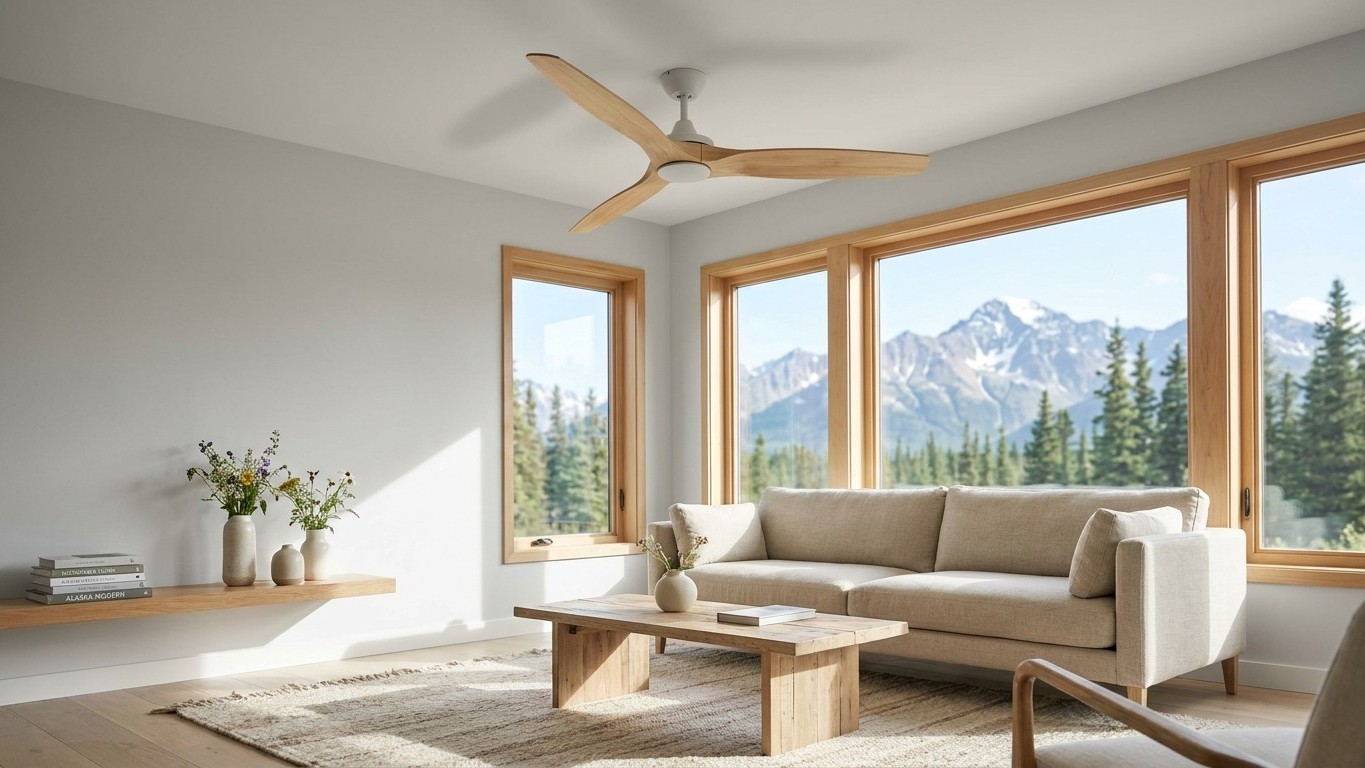
Kansas homes cool overwhelmingly with central air. Ninety-three percent of homes here use some form of air-conditioning equipment, and 85% run a central…
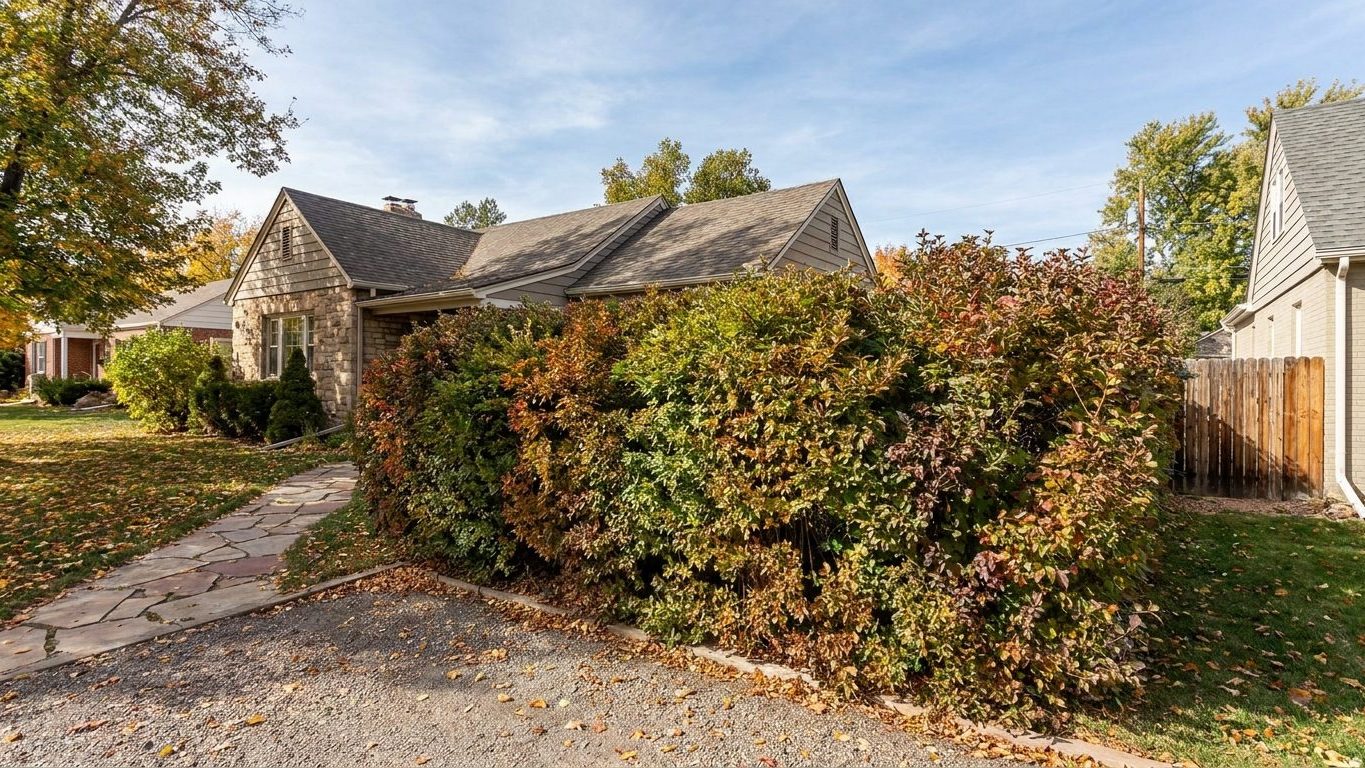
Kansas has no statewide hedge height limit. There is no statute in the Kansas Revised Statutes that caps how tall a hedge, shrub row, or living fence can…
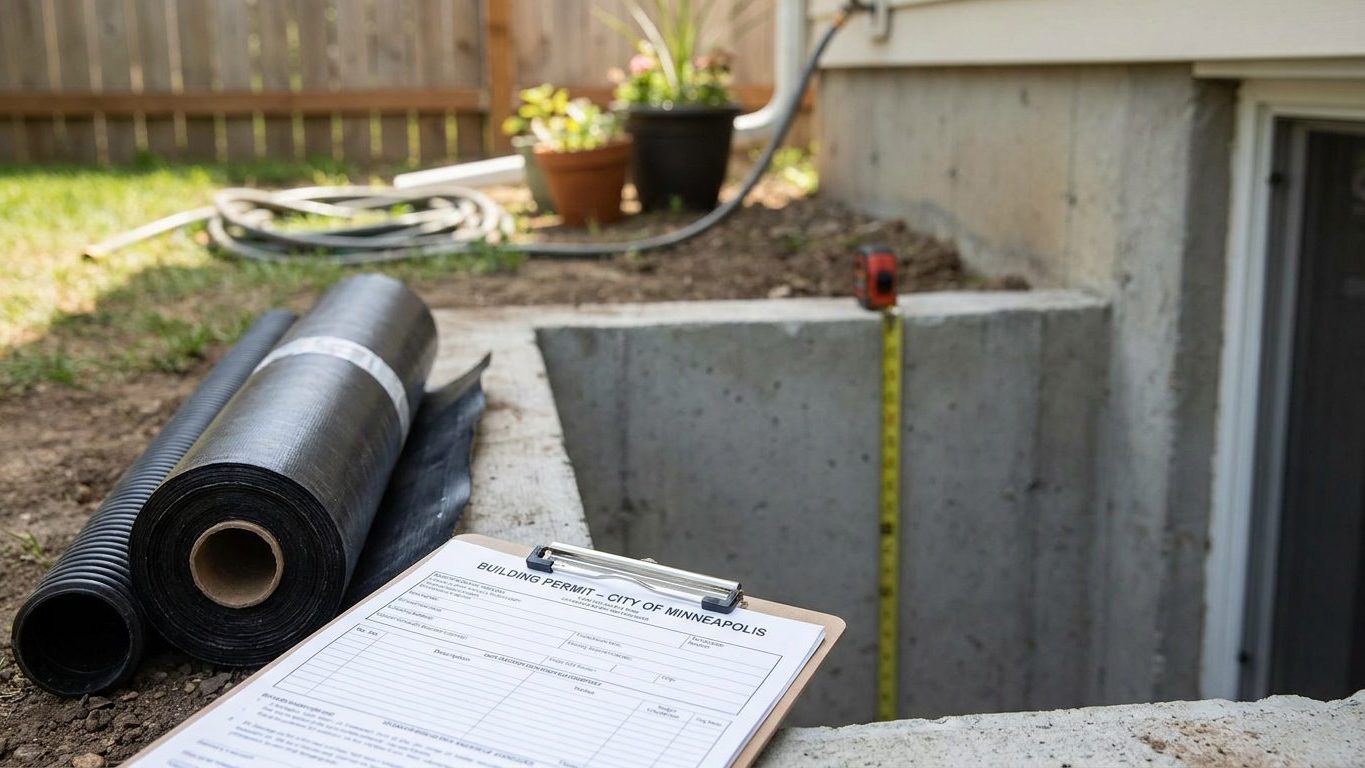
Kansas has no state residential code, so basement ceiling height, egress window size and permit rules come from your city or county building department.
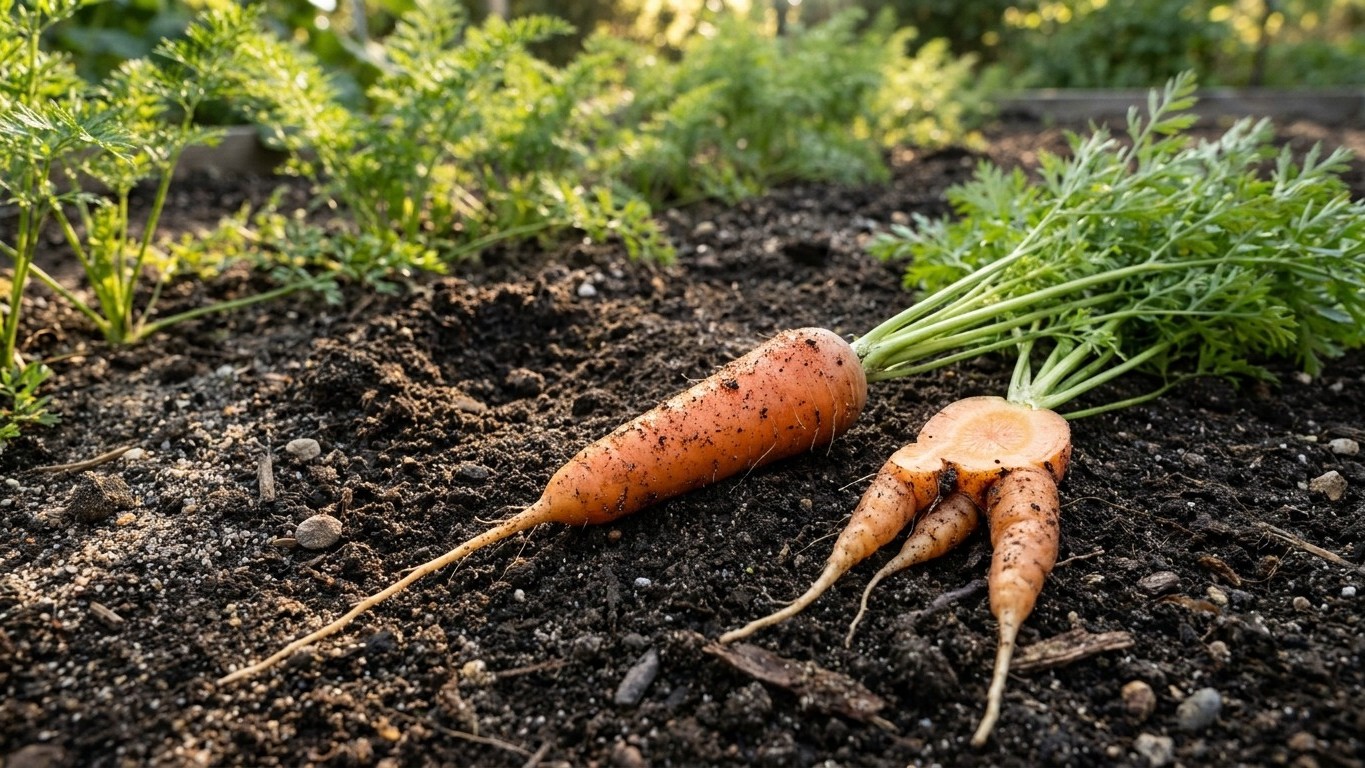
The sourced record for this page doesn’t carry a documented list of carrot-eating insects specific to Kansas.
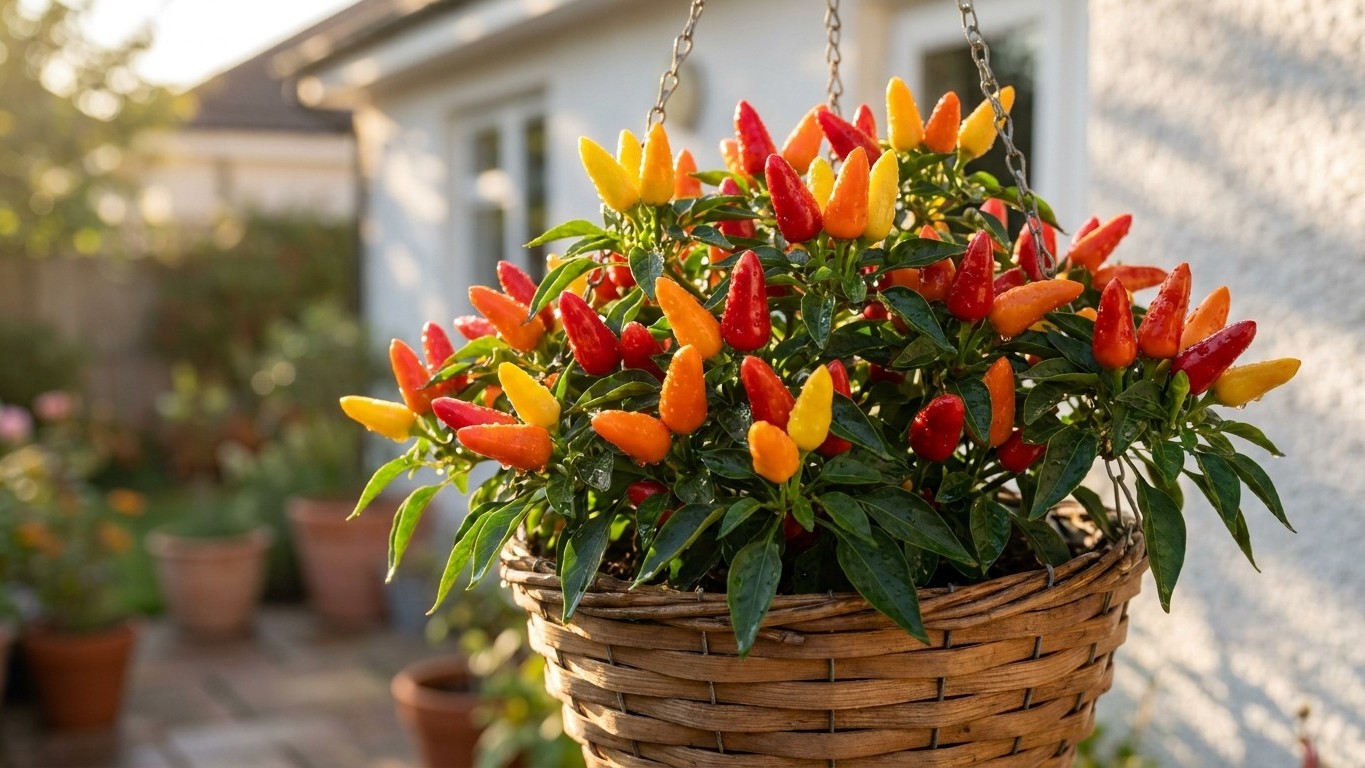
The honest answer: no species-level list of insects or animals documented as pepper pests in Kansas appears in the verified data behind this page.