The Best Apple Varieties for Kentucky
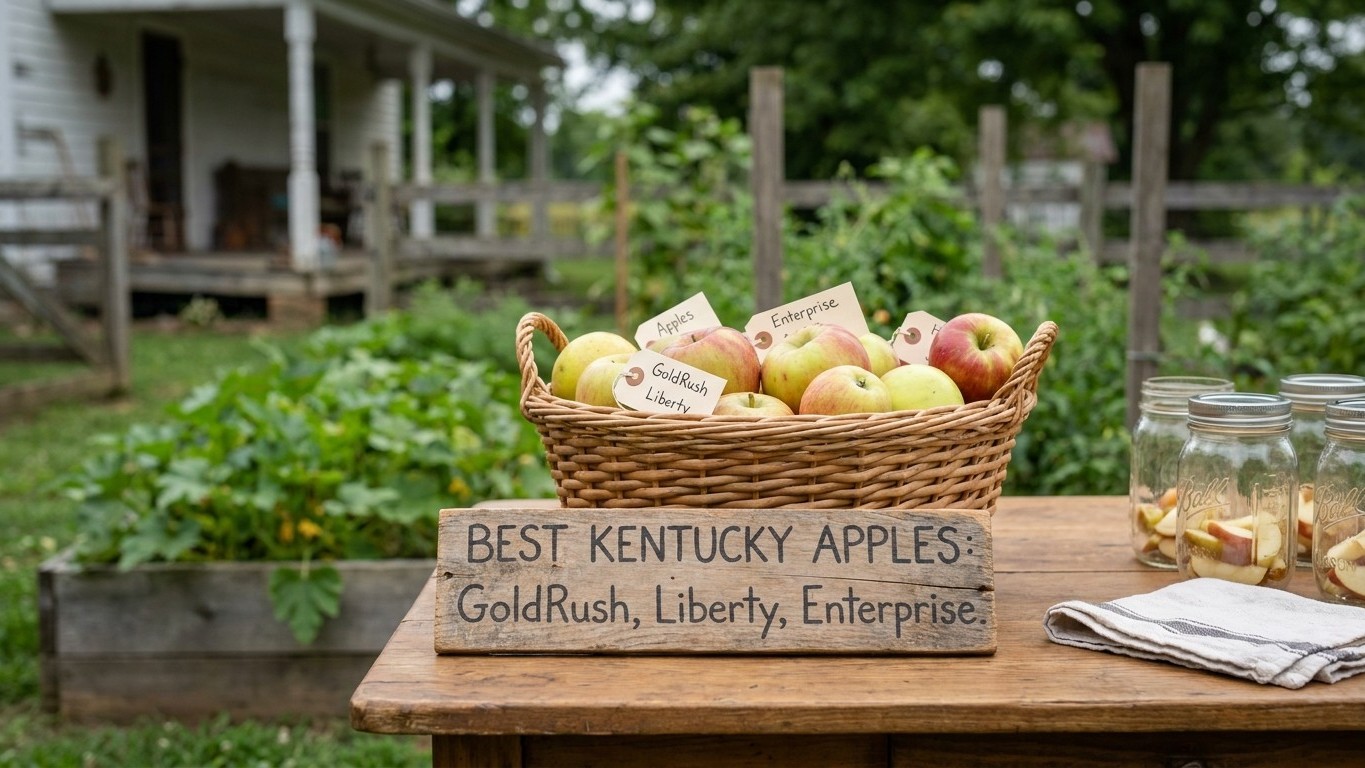
Kentucky’s cold winters rarely harm apple trees, but spring frost during bloom near Louisville’s late-March to early-April window is the real threat.
Home & garden, state by state
Everything we have worked out for Kentucky: what to plant and when, which varieties finish in time, the pests that actually turn up here, and the jobs that pay off month by month. We also cover the rest of the property, from lawns and soil to home care and energy, because a garden rarely stops at the vegetable bed.
The numbers first, because everything else follows from them. Measured at the weather station in Louisville, the last spring freeze runs March 24 to April 4 and the first fall freeze runs November 2 to November 12, USDA zones 6a-7a, 4,712 growing degree days in the year.
Garlic does well: 21.8 weeks below 40 °F, comfortably past the six it needs to form a proper head.
Elsewhere on the property in Kentucky: the pests that turn up here.
Figures from NOAA's 1991-2020 climate normals. A state is not one climate: elevation, a large lake or the coast can move these dates by two weeks either way, so check your own county with the extension service before you spend money.
Kentucky’s cold winters rarely harm apple trees, but spring frost during bloom near Louisville’s late-March to early-April window is the real threat.
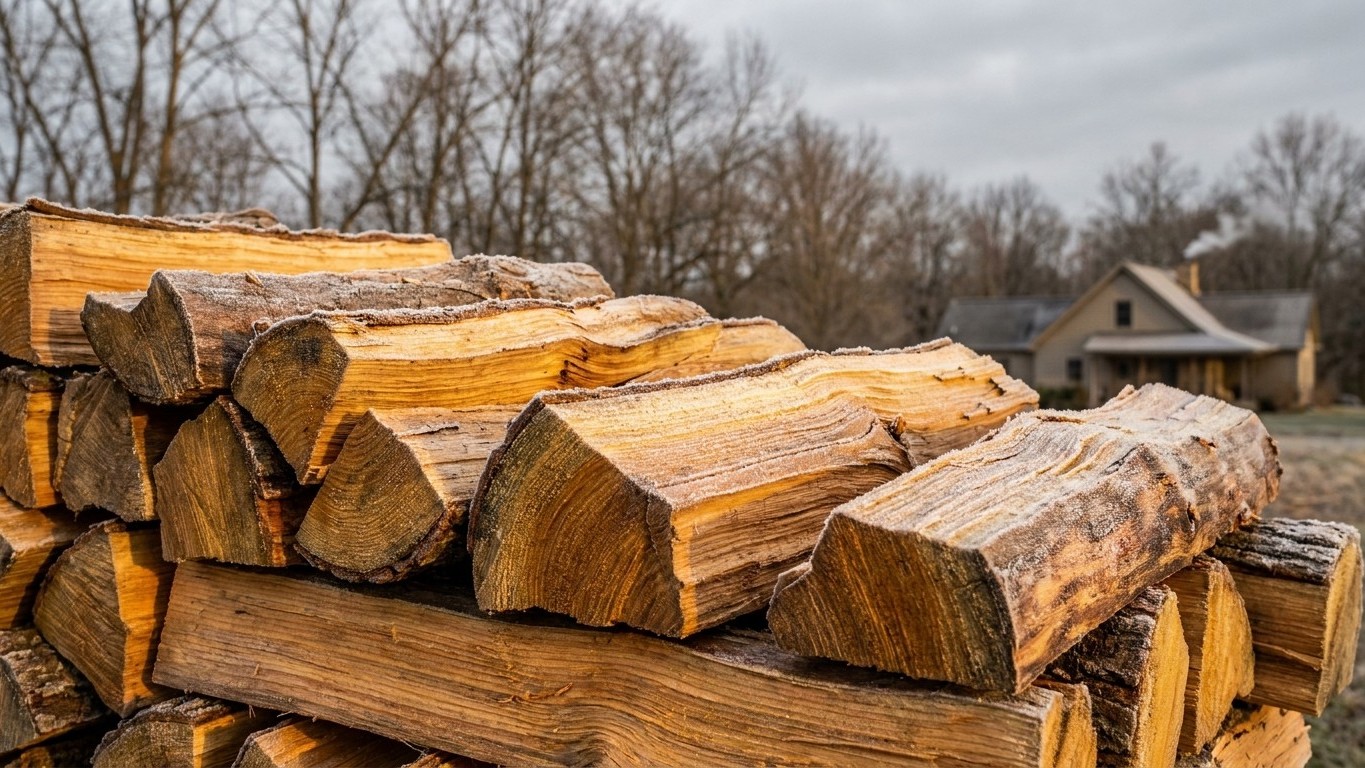
Kentucky winters hover in that stubborn middle zone: cold enough that a fireplace isn’t just for looks, but not the kind of cold that turns firewood into…
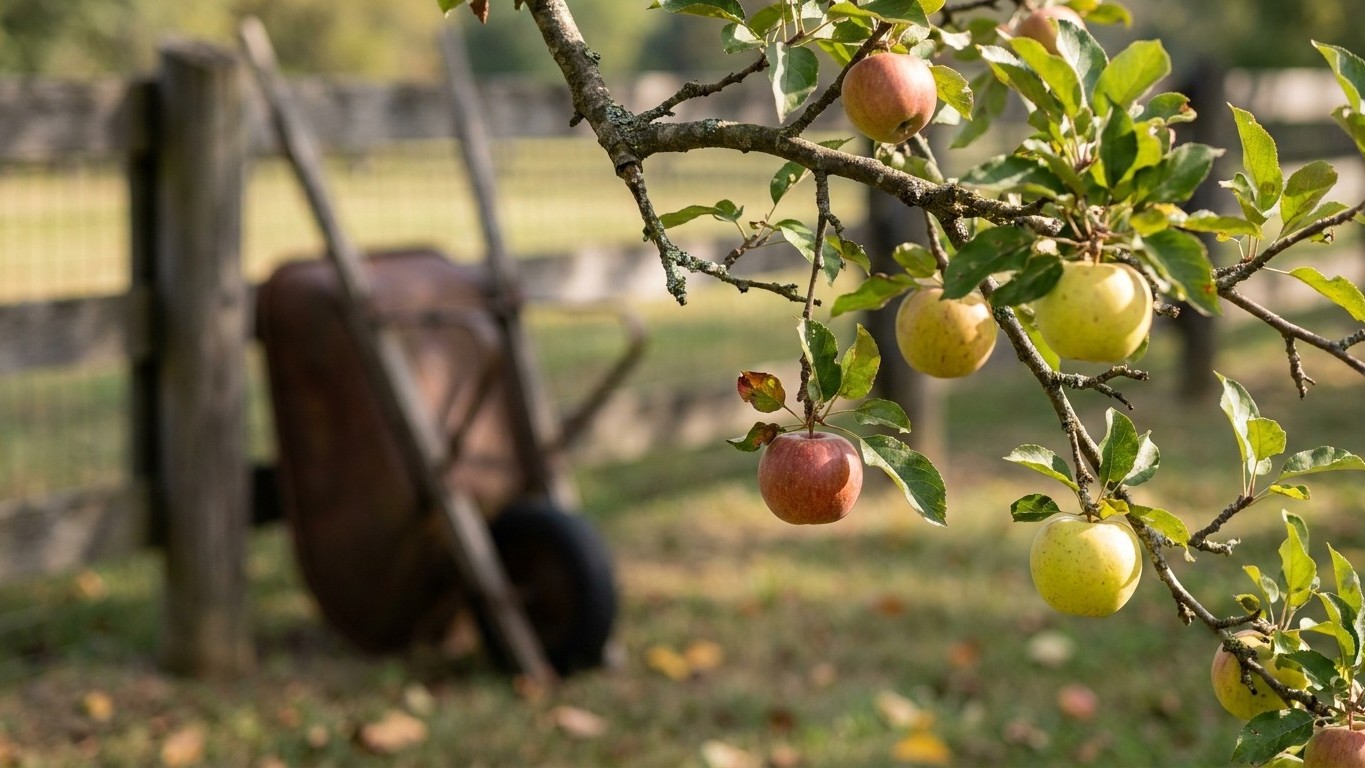
Kentucky’s statewide hardiness zone and Louisville’s frost dates decide which apple varieties will survive winter, bloom on time, and set a full crop.
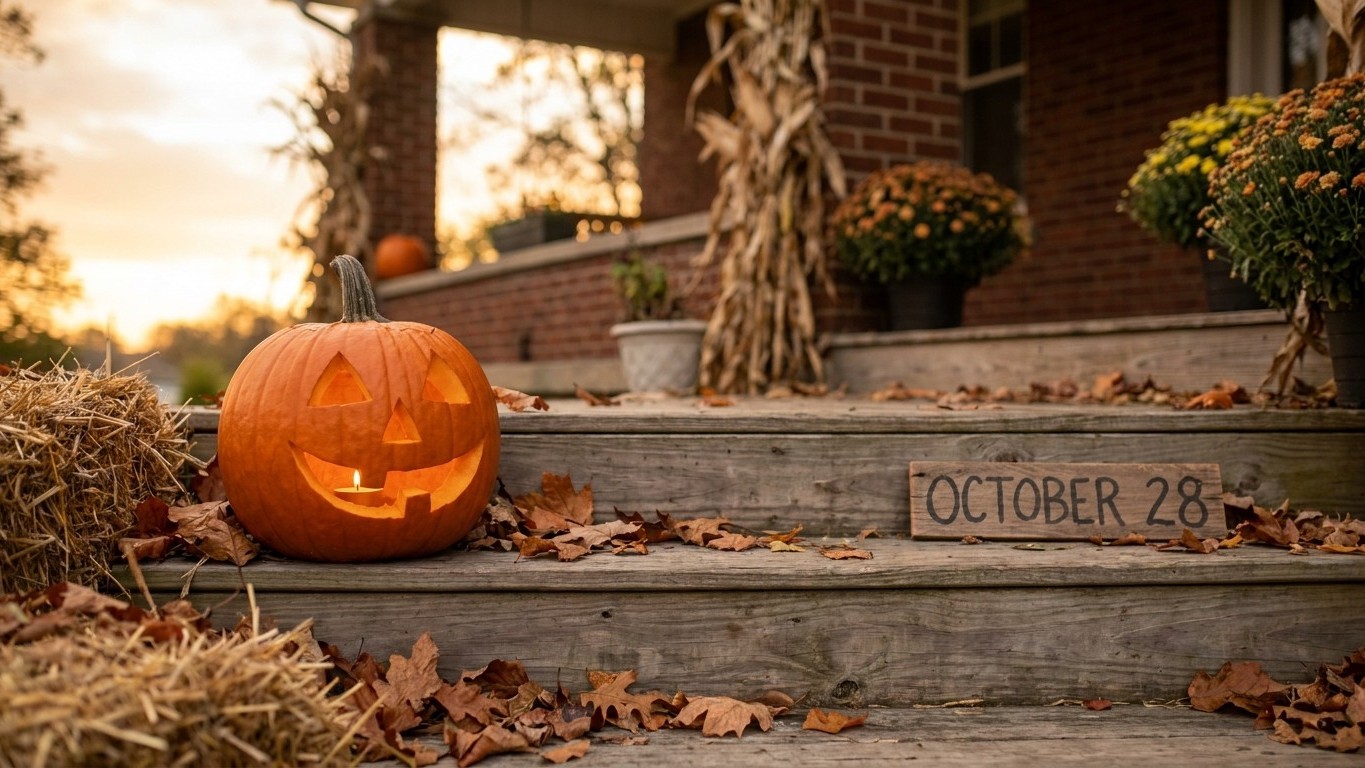
Kentucky’s mean first fall frost lands somewhere between November 2 and November 12, according to NOAA climate normals for the Louisville area.
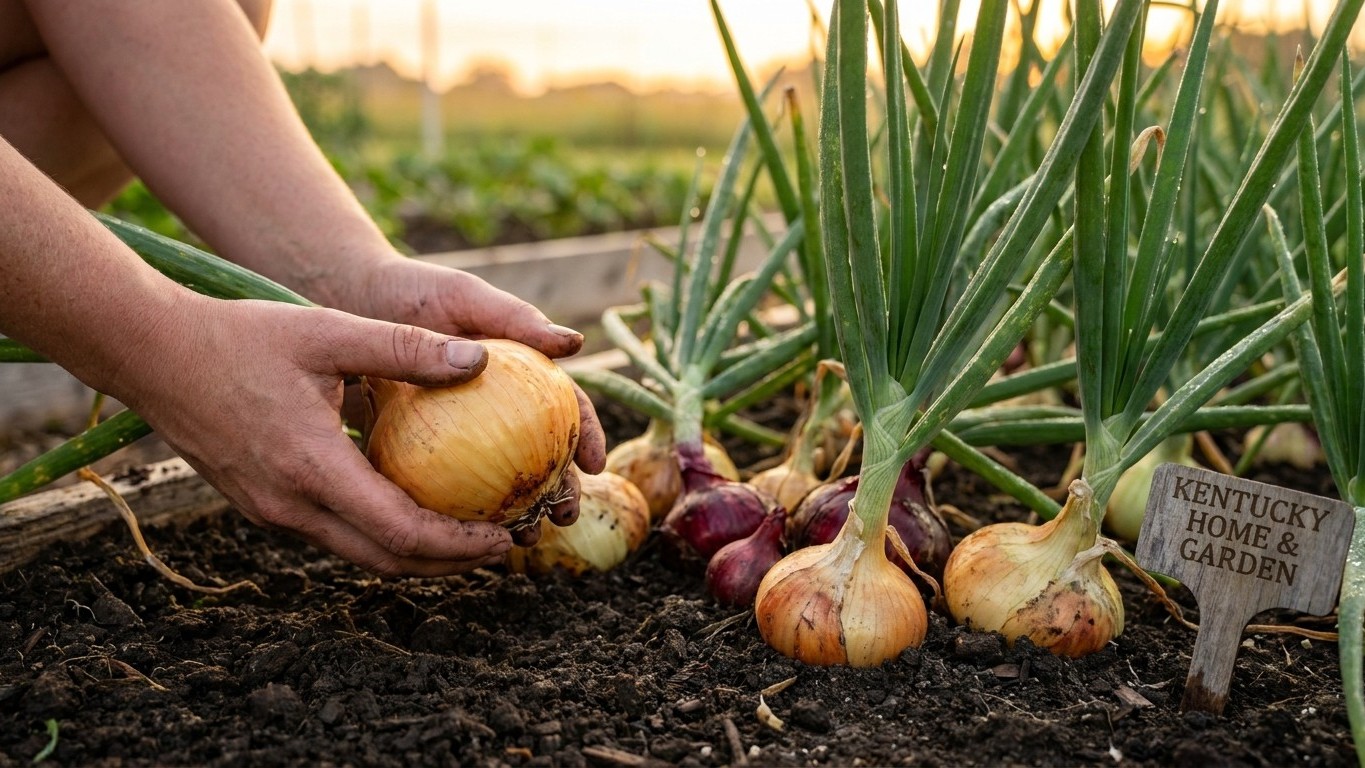
Louisville sits at 38.18 degrees north, and on the longest day of the year the sun gives it 14 hours and 39 minutes of daylight.
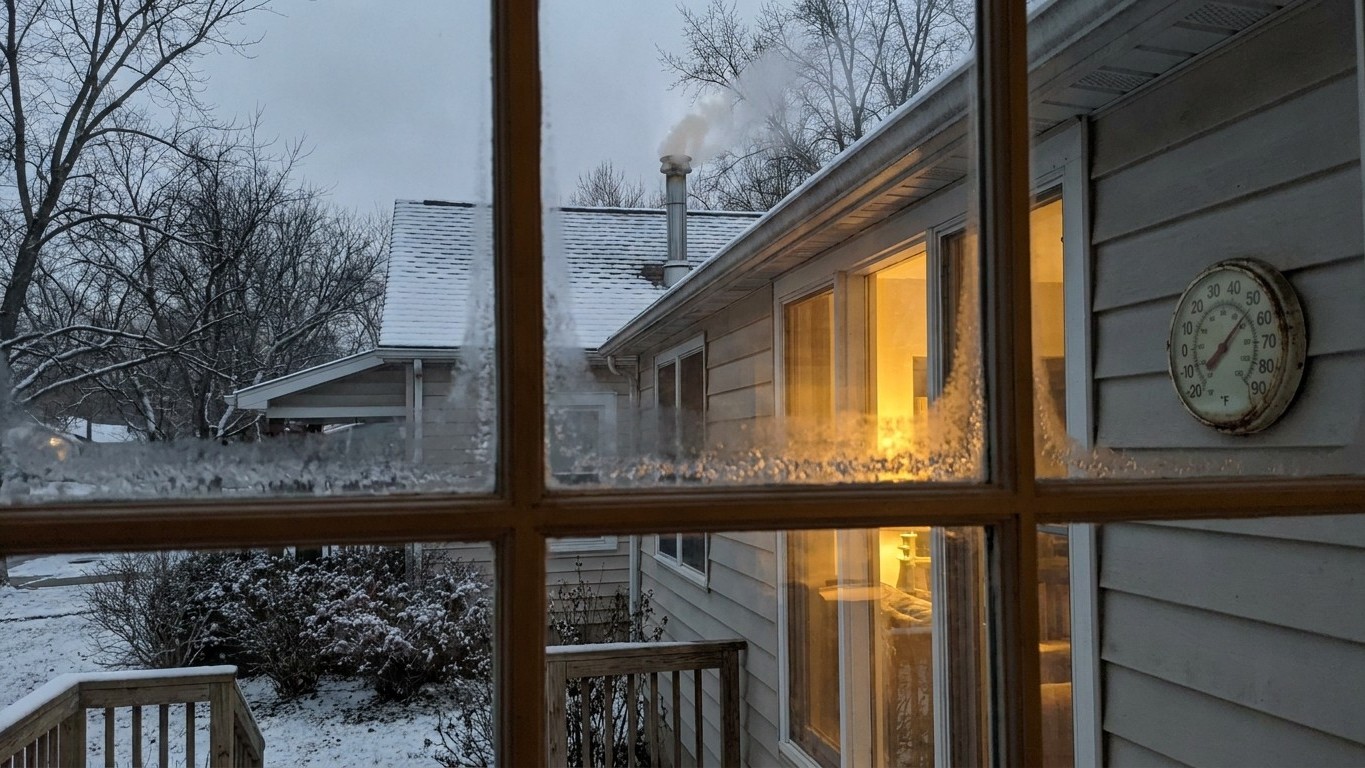
Kentucky winters hover close to freezing more often than they plunge deep below it, but that steady chill is exactly what drives up a heating bill.
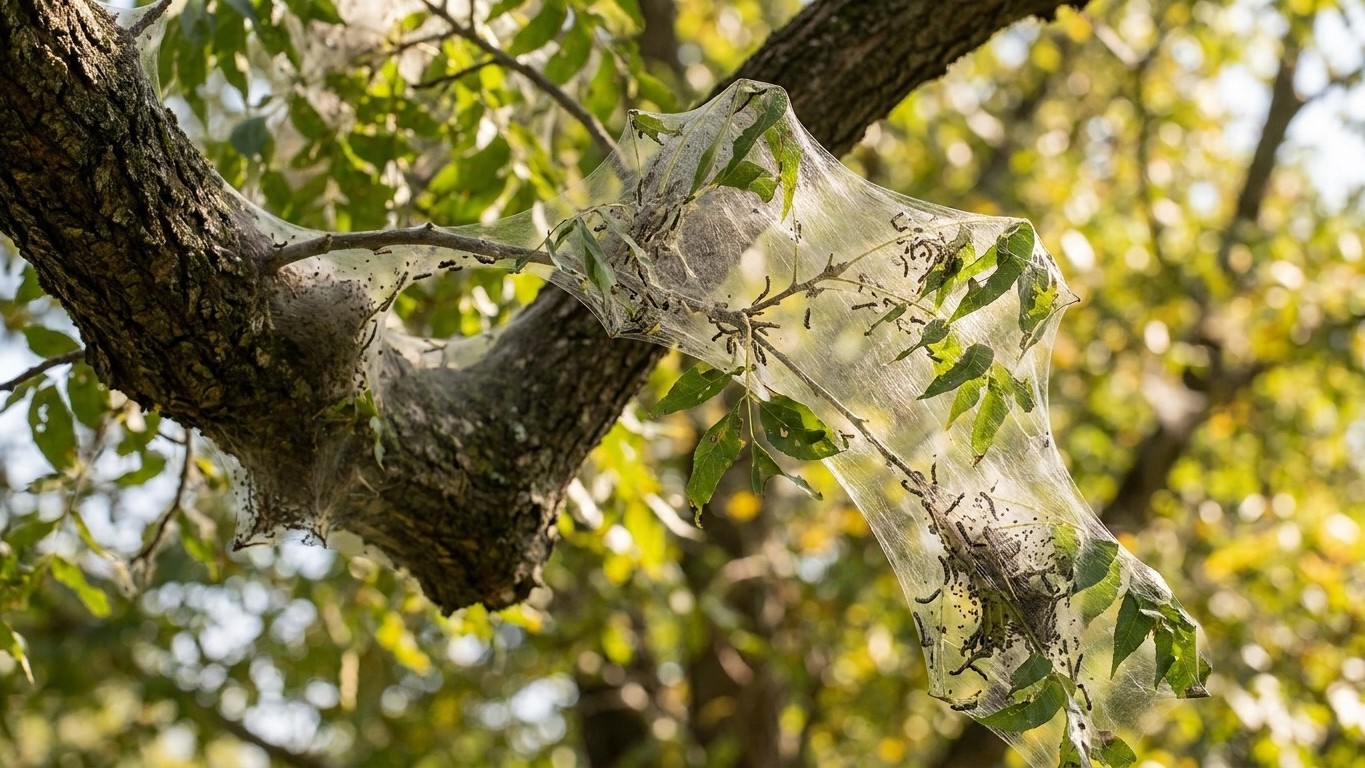
Fall webworm shows up in Kentucky twice each growing season: late May through June, then again from mid to late July.
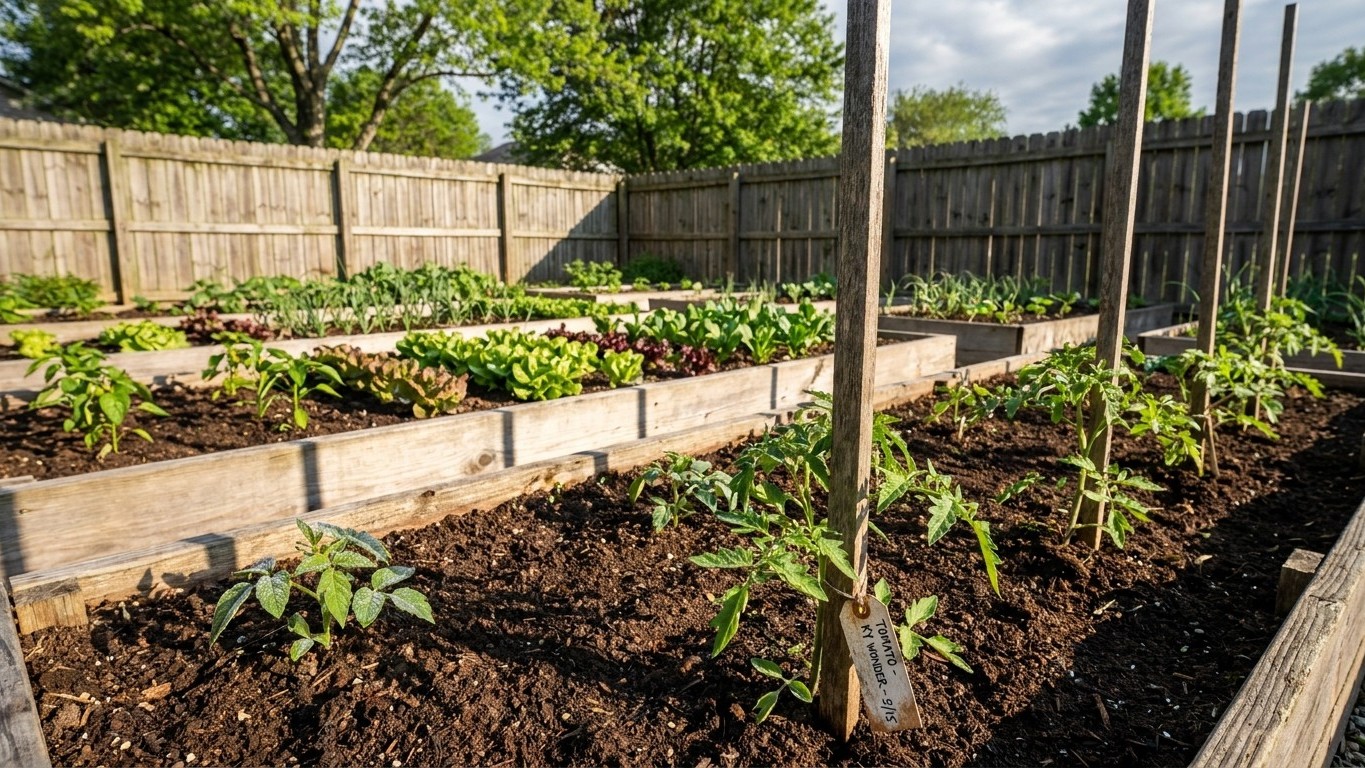
Kentucky sits in USDA hardiness zones 6a to 7a, with a frost-free window that runs roughly from early April to early November in the reference city…
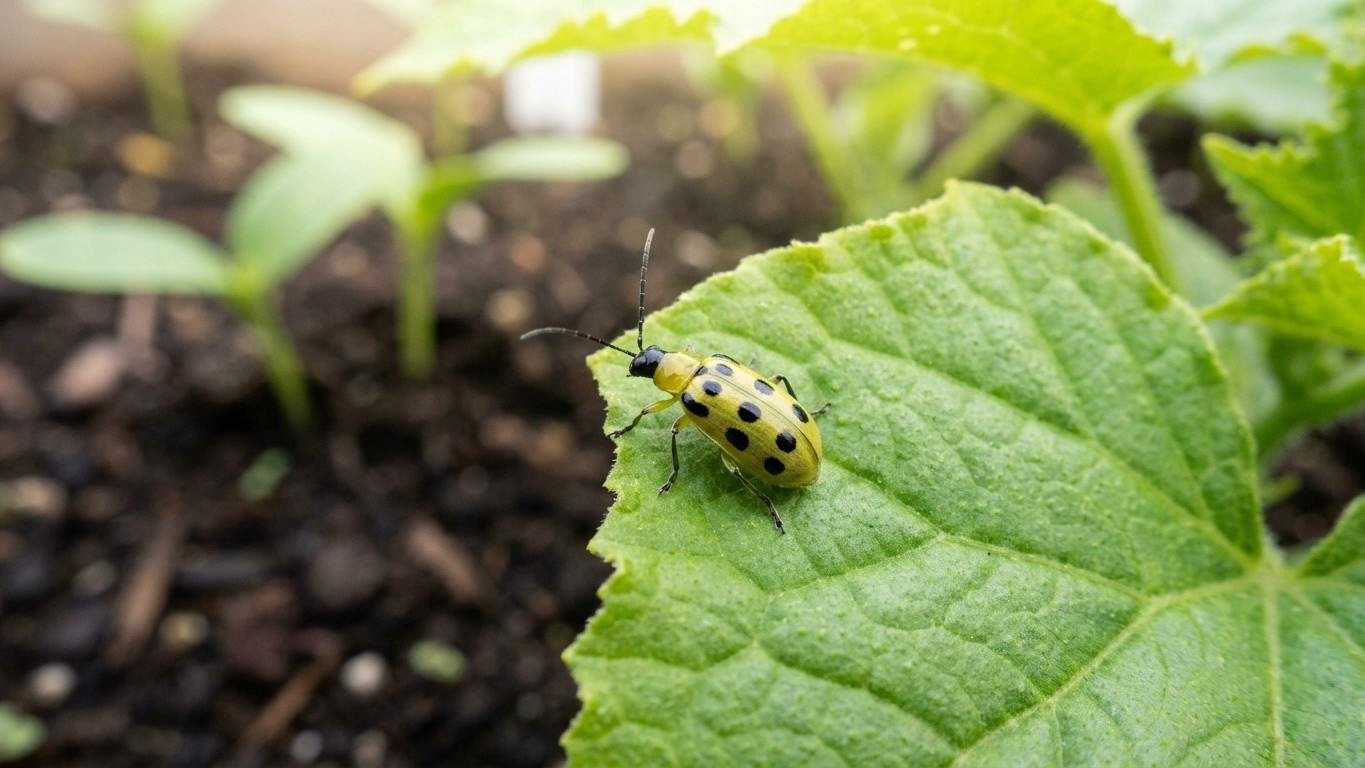
The spotted cucumber beetle turns up in Kentucky gardens as soon as cucurbit seedlings break ground, usually between late April and mid-May once soil…
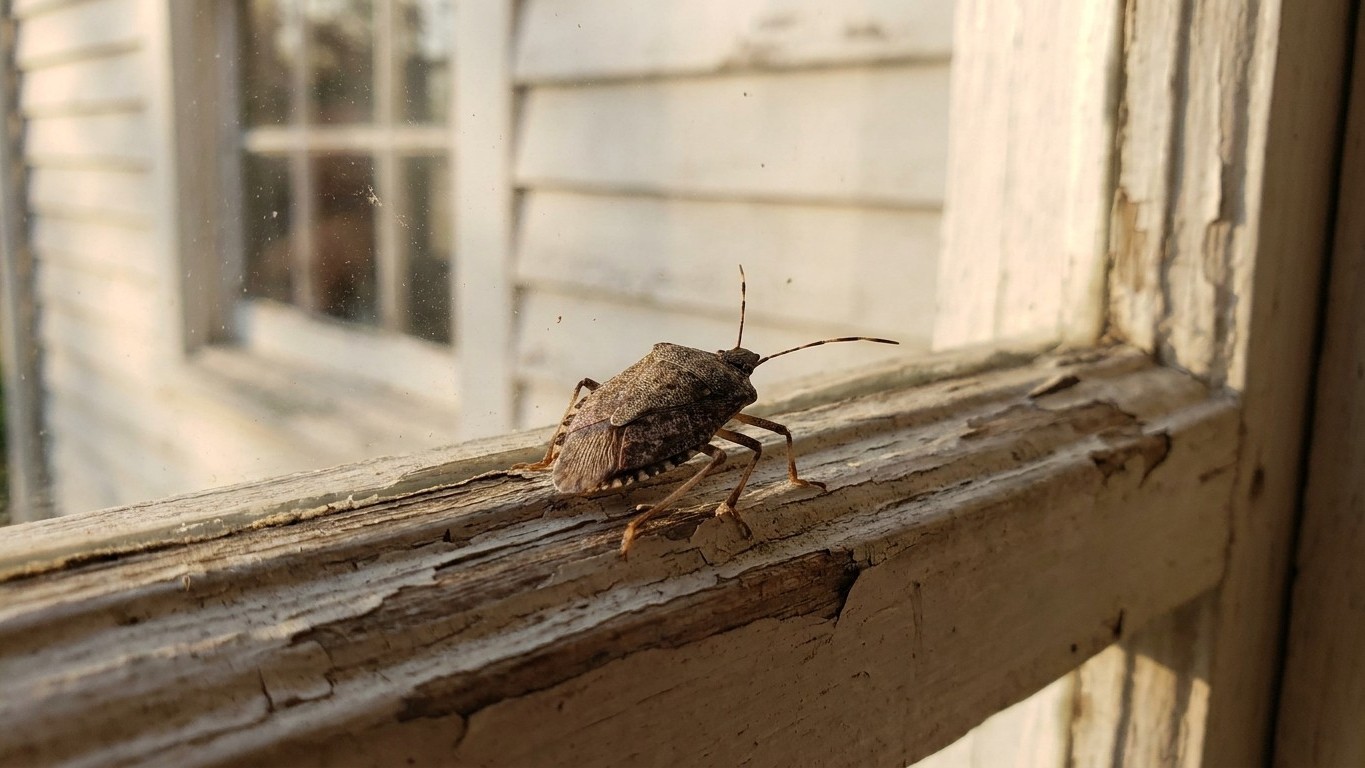
Brown marmorated stink bugs show up in Kentucky homes twice a year on a predictable schedule: a fall invasion that peaks from mid-September through late…