The Best Onion Varieties for Minnesota
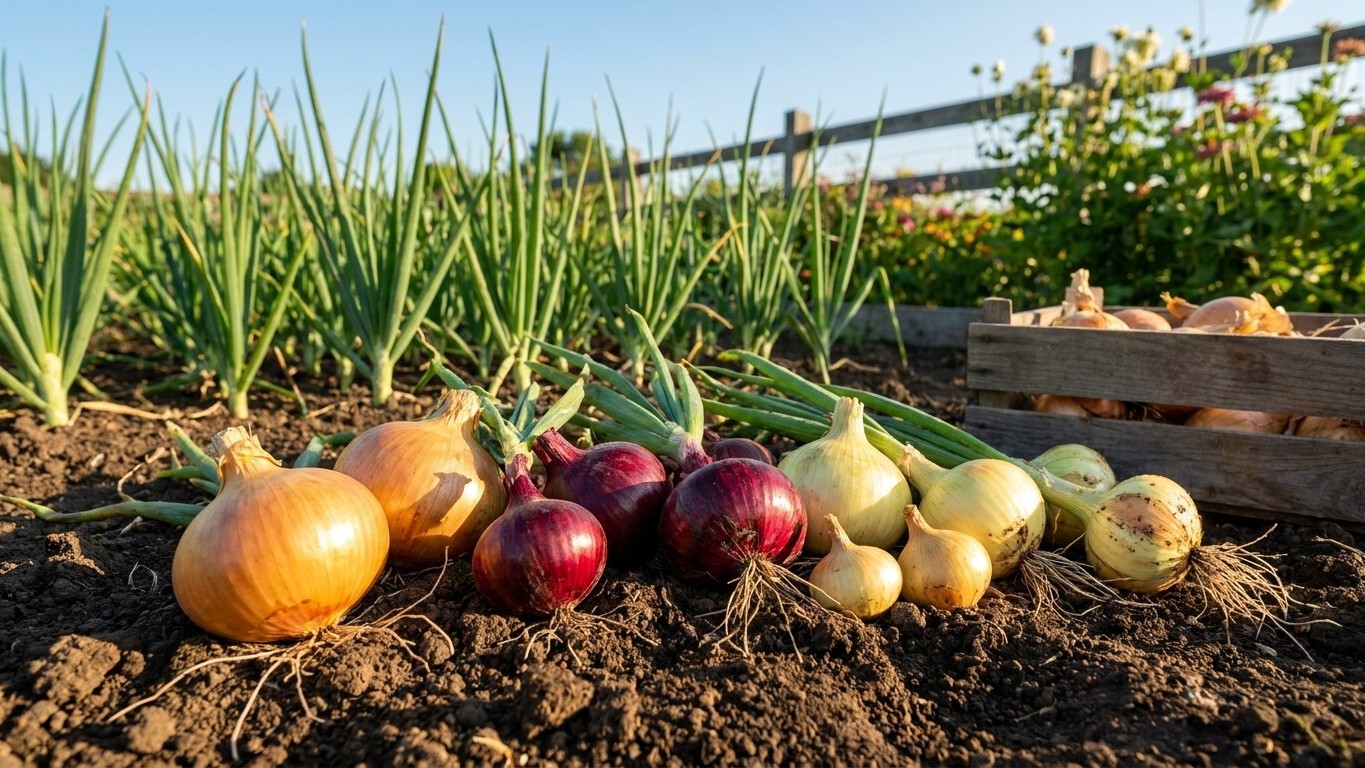
Minnesota gardeners need long-day onions, full stop. At 44.88 degrees north, the reference point for this page, the sun delivers 15 hours and 25 minutes…
Home & garden, state by state
Everything we have worked out for Minnesota: what to plant and when, which varieties finish in time, the pests that actually turn up here, and the jobs that pay off month by month. We also cover the rest of the property, from lawns and soil to home care and energy, because a garden rarely stops at the vegetable bed.
The numbers first, because everything else follows from them. Measured at the weather station in Minneapolis, the last spring freeze runs April 17 to April 30 and the first fall freeze runs October 11 to October 23, USDA zones 3a-5a, 3,013 growing degree days in the year.
Garlic does well: 30.4 weeks below 40 °F, comfortably past the six it needs to form a proper head.
Elsewhere on the property in Minnesota: the pests that turn up here.
Figures from NOAA's 1991-2020 climate normals. A state is not one climate: elevation, a large lake or the coast can move these dates by two weeks either way, so check your own county with the extension service before you spend money.
Minnesota gardeners need long-day onions, full stop. At 44.88 degrees north, the reference point for this page, the sun delivers 15 hours and 25 minutes…
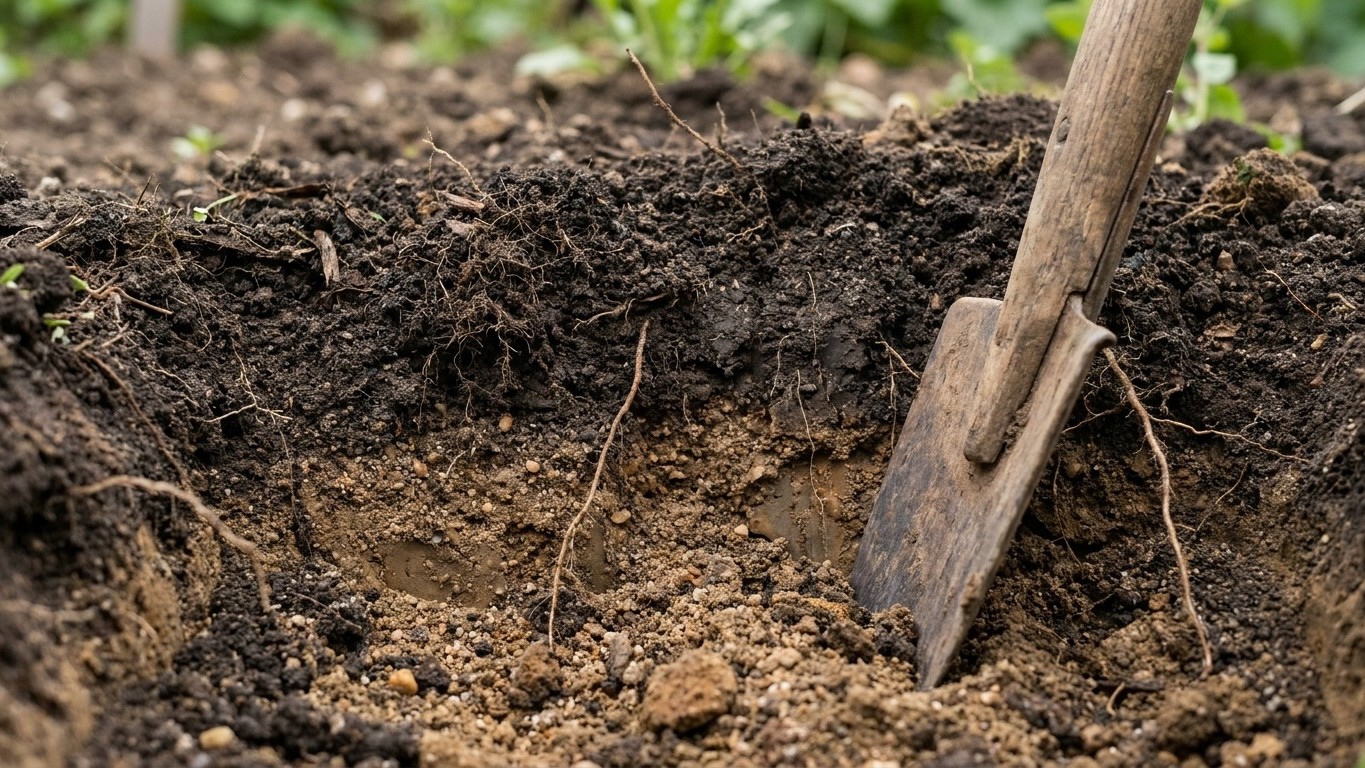
Dig a shovel into Minnesota ground and you’re most likely hitting the Lester series, an Alfisol that state law named the official soil back in 2012.
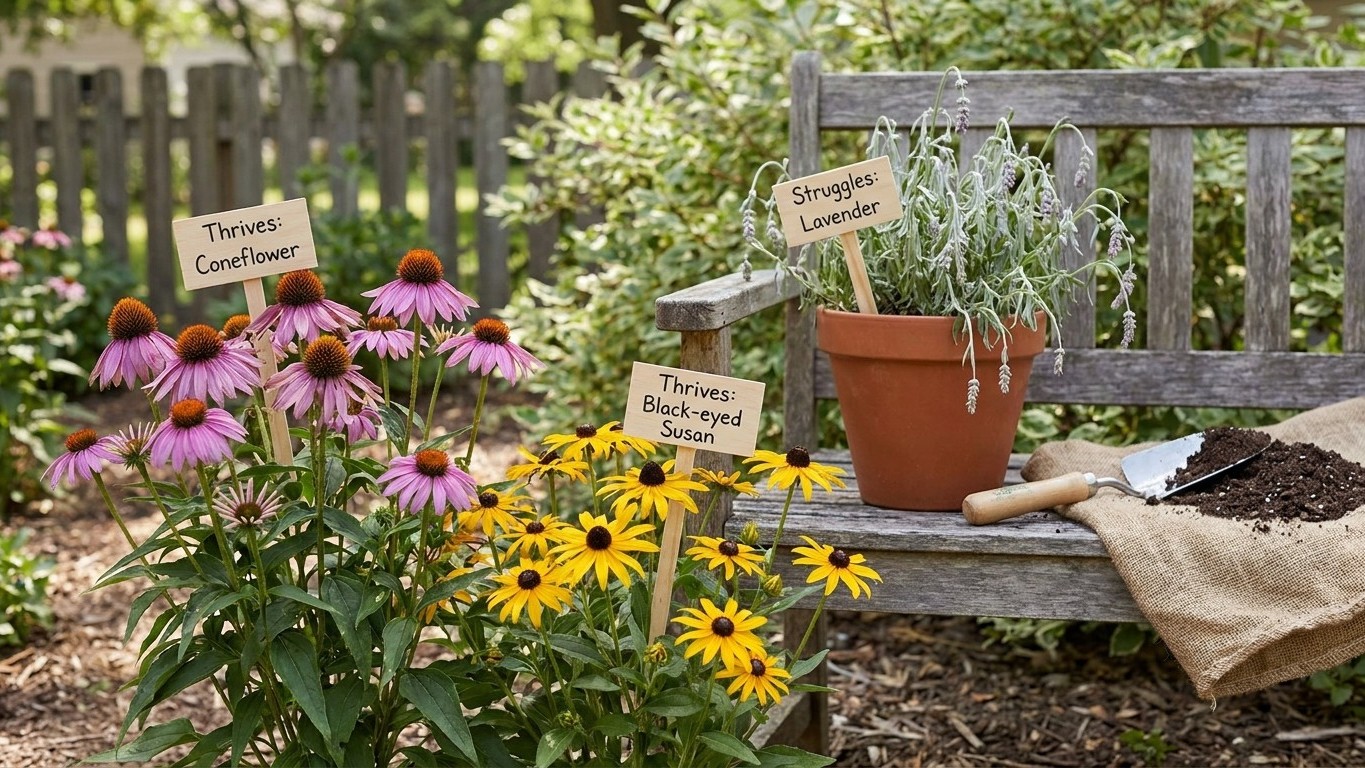
A look at which flowers survive Minnesota’s zone 3a-5a winters and short summers, and which ones need replanting every year.
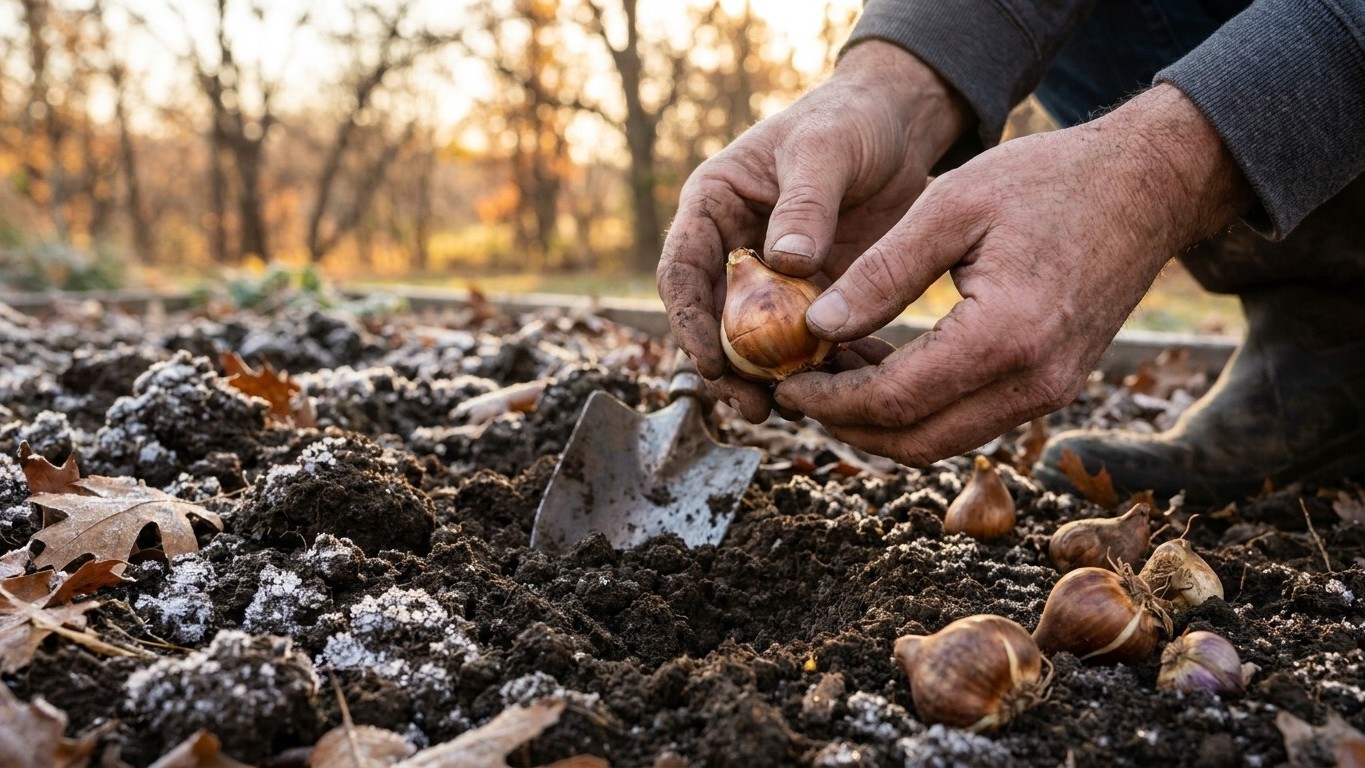
Minnesota gardeners can plant almost any hardy spring bulb with confidence, but the state’s brutal winter minimums decide which varieties are worth the…
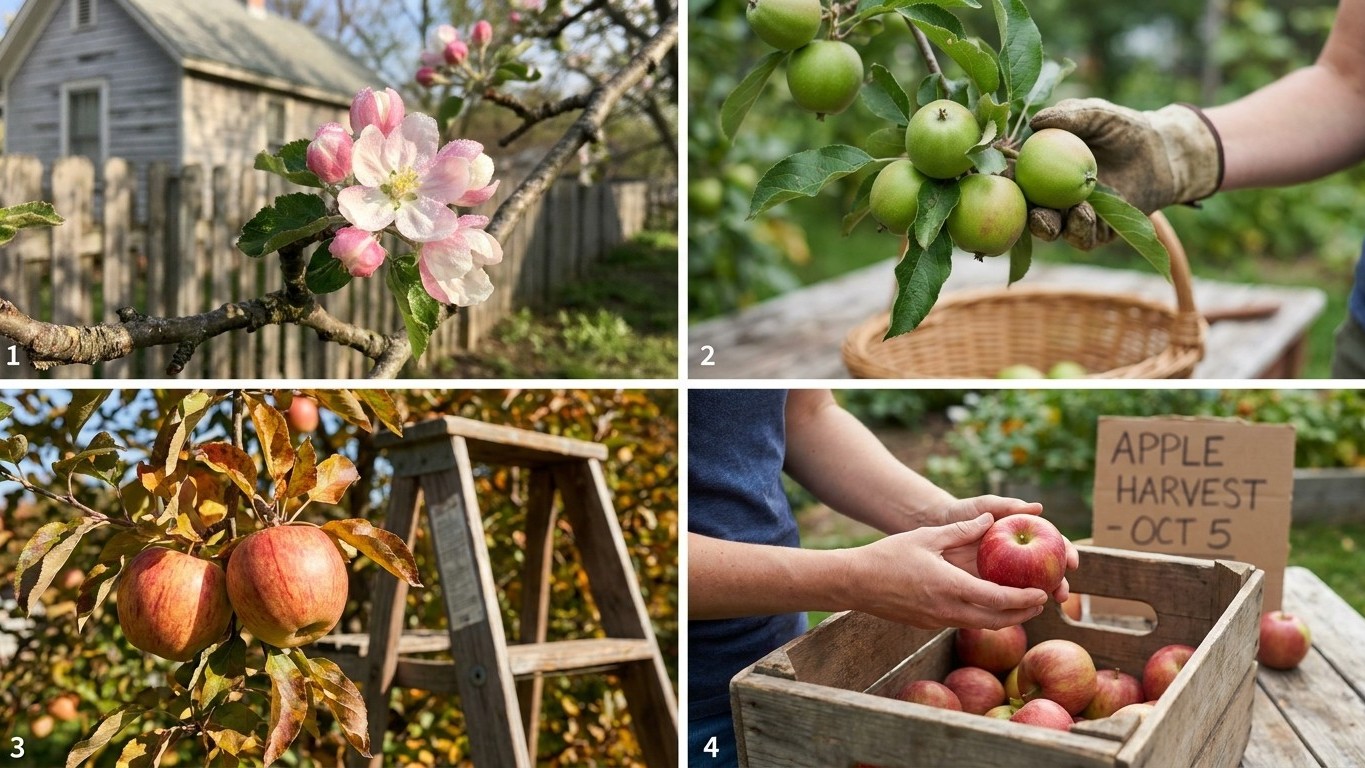
A stage-by-stage apple calendar for Minnesota, keyed to NOAA’s Minneapolis frost dates, covering dormancy through harvest and what changes farther north.
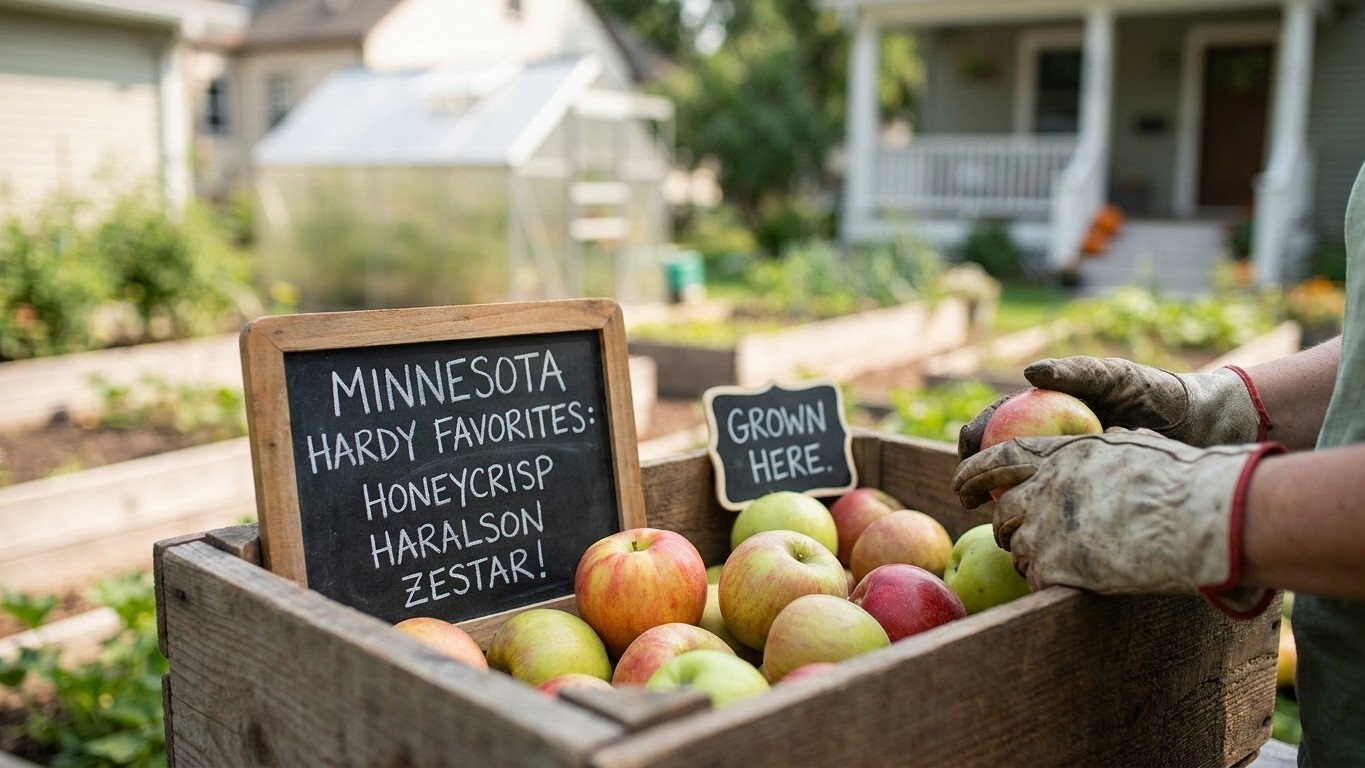
How to pick apple varieties that survive Minnesota winters and bloom late enough to avoid frost, using NOAA’s Minneapolis climate data and UMN Extension guidance.
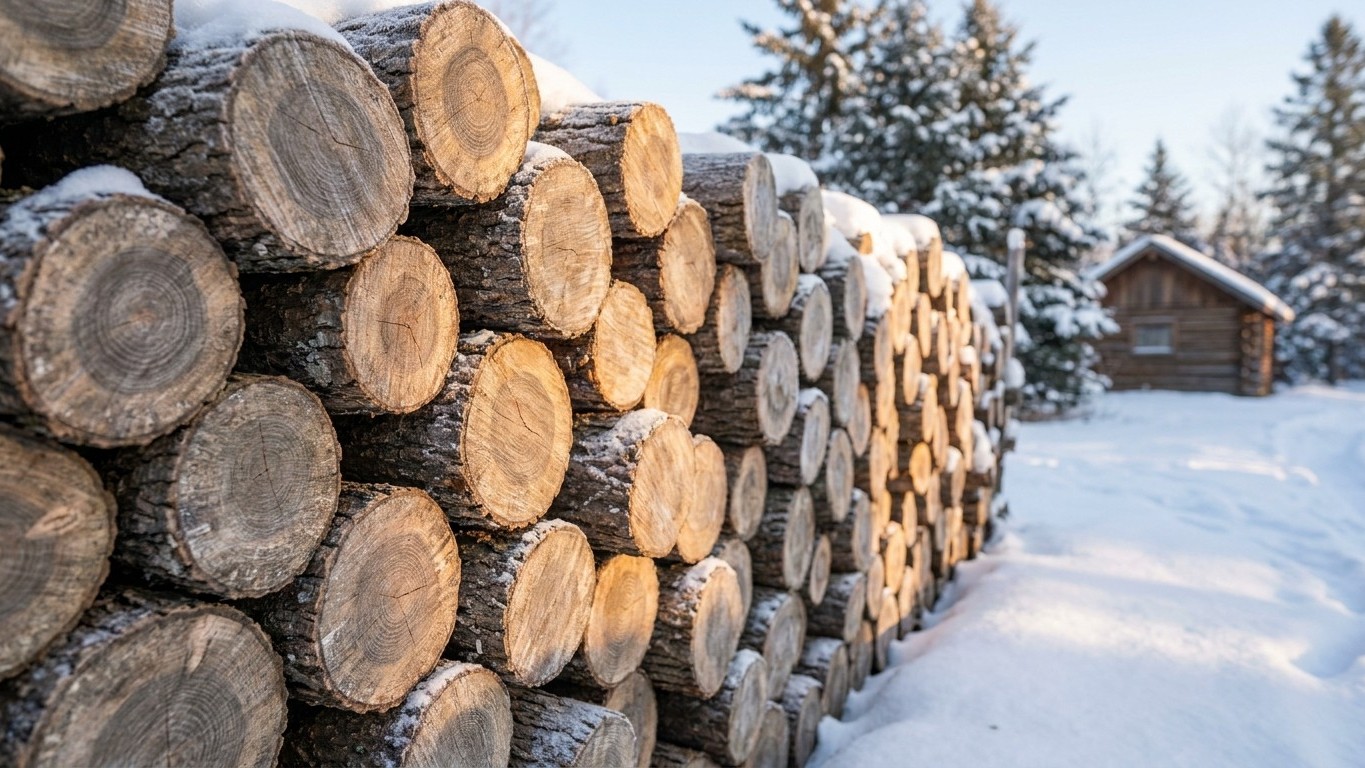
Minnesota winters don’t ease you in. The average low during January, the coldest month at the Minneapolis reference station, sits at 8.8°F.
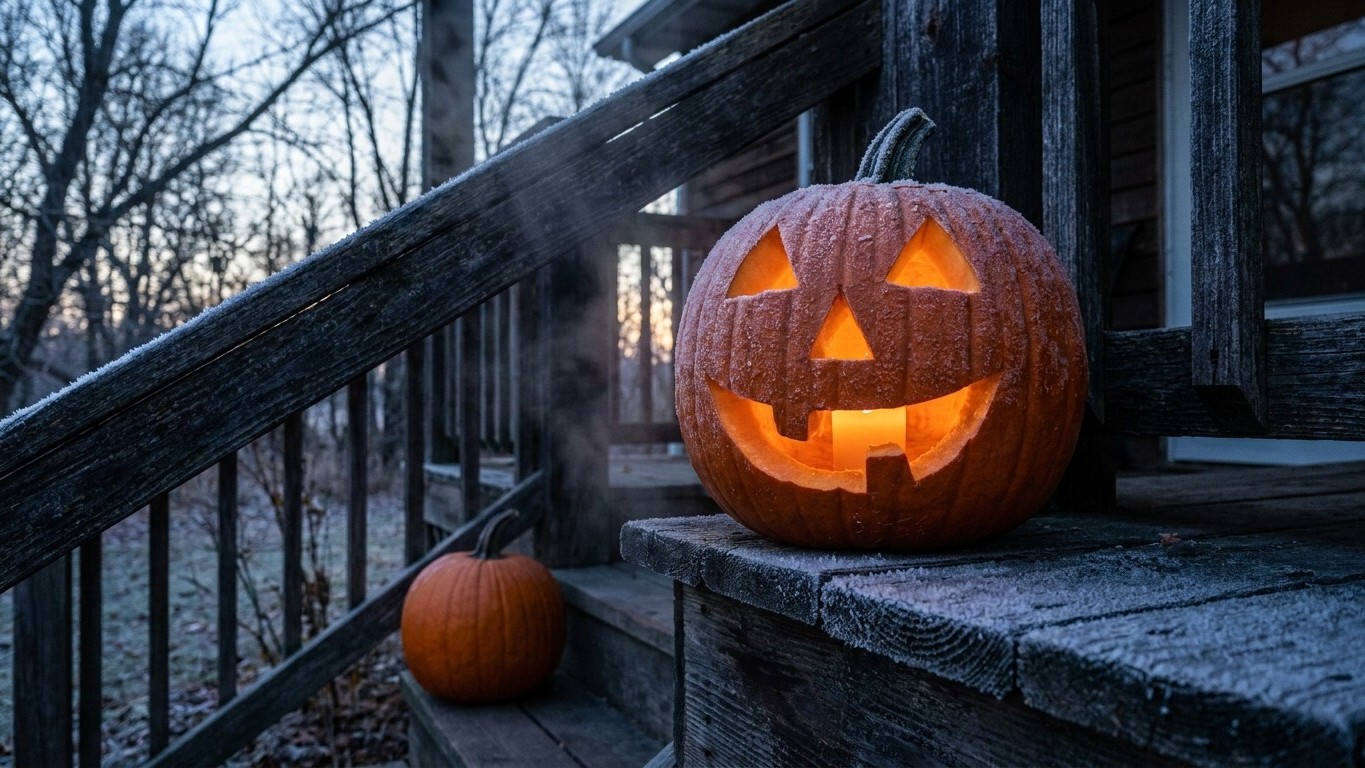
In Minneapolis and the rest of the Twin Cities metro, the mean first fall frost lands somewhere between October 11 and October 23, according to NOAA’s…
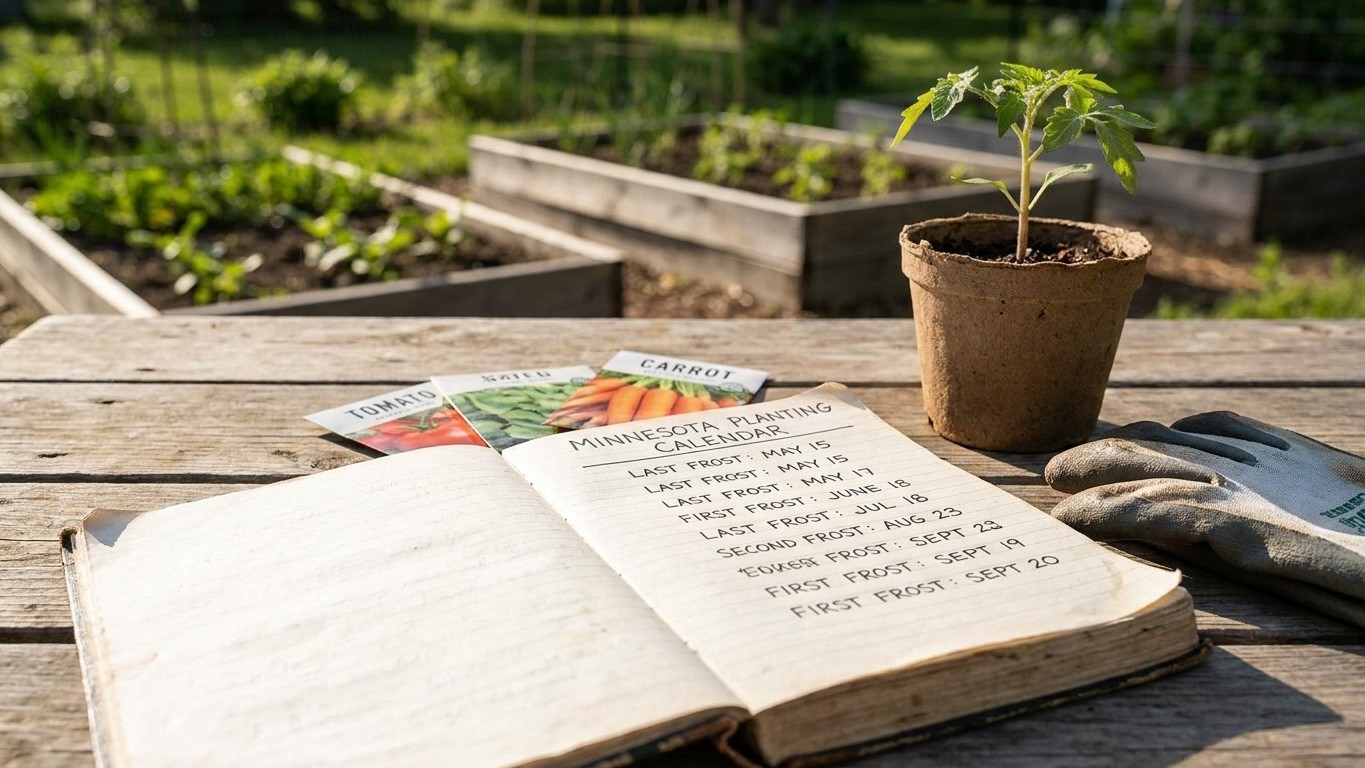
NOAA’s Minneapolis frost normals set Minnesota’s planting calendar, with cool-season crops going in before the last freeze and warm-season crops after.
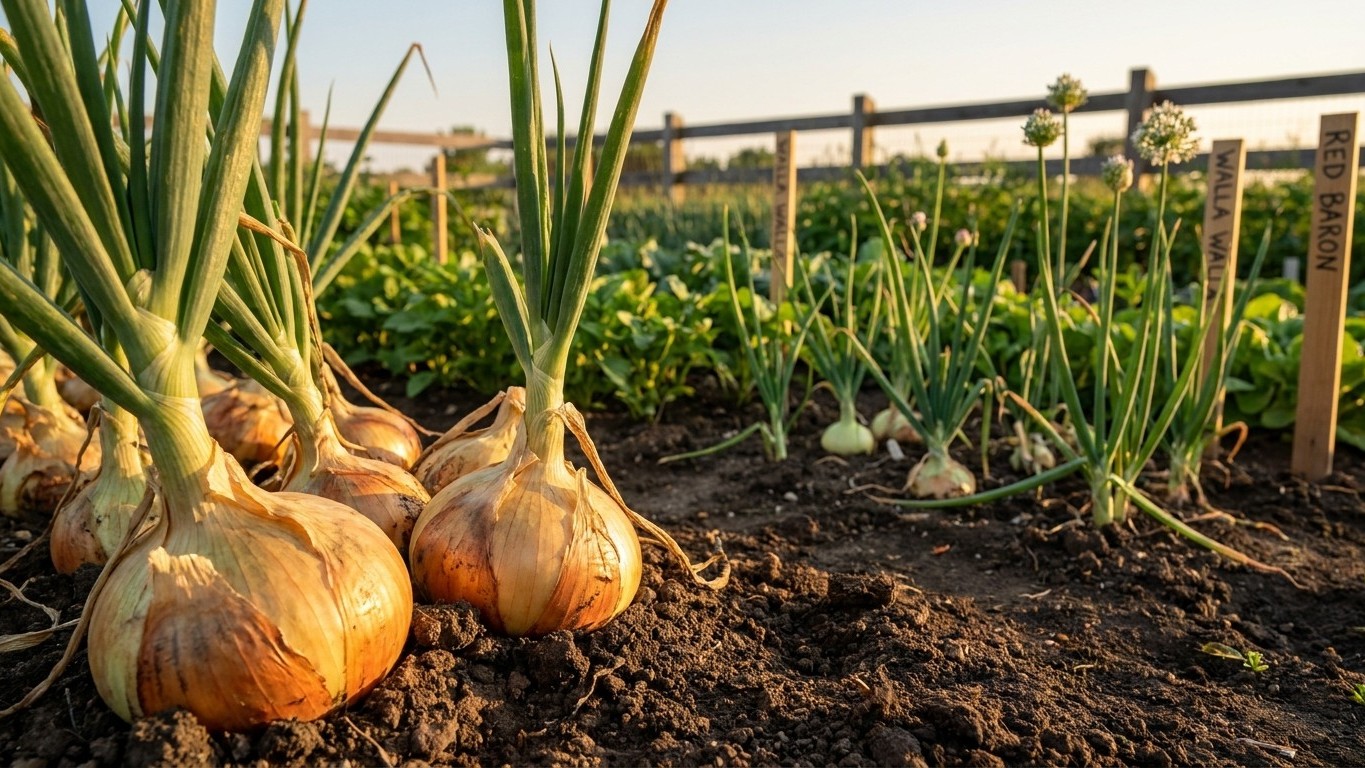
Minneapolis-Saint Paul sits at 44.88 degrees north, and on the longest day of the year the sun keeps that city lit for 15 hours and 25 minutes.