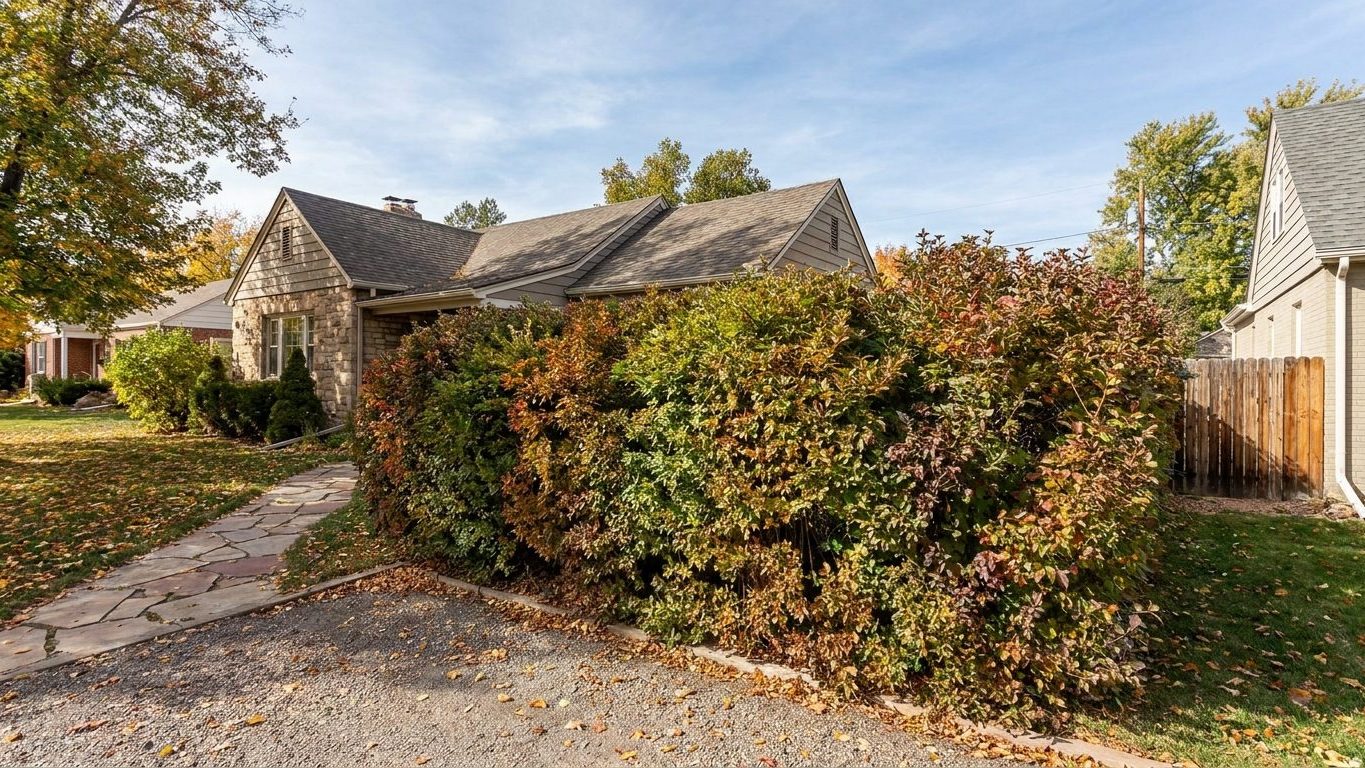

Mississippi has no statewide hedge height limit. None. Height is set by the city or town where the property sits, through its zoning ordinance, so the answer can change when you cross a municipal line. Some codes cap fences and ignore living hedges. Others cover both. A few say nothing at all. No single number on this page belongs to Mississippi as a whole, because no such number exists. What follows is a method for finding the rule at your address.
There is no Mississippi hedge height law
Zoning is a local power. The state lets cities and towns write rules for what can be built or planted on private lots, and those rules get adopted by a city council or board of aldermen, then collected into a municipal code. Hedge height, if it is regulated at all, lives in that code. It does not live in the Mississippi Code, and no state agency publishes a master list of local limits.
That is why the first page of search results for this question can mislead you. Many commercial sites print one figure per state, often a round number in feet, and present it as the law. It isn’t. At best the number comes from a single city that someone looked up once. At worst it is a guess dressed up as a statute. If a page tells you “Mississippi hedges can be no taller than” anything, close the tab.
Ordinances also vary in how much they care. A dense subdivision inside a larger city may regulate front-yard landscaping down to the foot. A small town may have a two-paragraph fence rule written decades ago and nothing else. Outside municipal limits, the situation is different again. A rural property may fall under no city code, and county-level zoning in Mississippi is not something to assume exists for your parcel. The county’s planning or zoning office can tell you in one phone call whether it does.
Fence rules and hedge rules are often separate
Here is where homeowners get tripped up. Many ordinances regulate fences as structures, with a maximum height, a setback and sometimes a permit. A living hedge is not always a fence in the code. Some ordinances define “fence” to include “hedge or similar vegetation,” which pulls your shrubs under the same cap. Others regulate hedges in a separate section. Others never mention them, which can mean they are unregulated or that the city simply treats them under a general landscaping or nuisance provision.
One rule, though, tends to apply almost everywhere, even where nothing else does: the sight triangle. At a street corner or where a driveway meets the road, nothing may block a driver’s view of oncoming traffic or pedestrians, and the allowed height in that zone is usually far lower than the general fence height. A hedge that is perfectly legal along your side lot line can be a violation within a few feet of the corner. If you live on a corner lot, this is the first thing to look up.
How to find the rule that actually applies to you
Start with a question that sounds silly: which government actually covers your lot? Your mailing address city is not always your legal jurisdiction. Plenty of homes with a city name on the envelope sit in unincorporated county land, and the reverse happens too. Your property tax bill and the county’s online parcel map will show whether you are inside municipal limits. That answer decides whose code you read.
Finding the code online
Most American cities publish their municipal code online through one of three publishers: Municode (library.municode.com), American Legal Publishing (codelibrary.amlegal.com) or eCode360. Search for your city’s name on each. If it does not turn up, the city’s own website usually has an “ordinances” or “city code” link that points to the right host. Smaller Mississippi towns sometimes keep their code only as a scanned document or on request at city hall, so do not panic if you find nothing online.
Once you are in the code, skip the search box at first and look at the table of contents. The hedge rule normally sits in the zoning chapter, often under a heading such as “fences,” “walls and fences,” “accessory structures,” or “supplementary regulations.” Then use the search box with a handful of terms, because the same rule can hide behind different words:
- fence, wall, and hedge
- shrub, planting, vegetation, or landscaping
- visibility, sight triangle, or clear vision
- setback or yard requirements
- screening or buffer
Read the definitions section too. The way the code defines “fence” tells you whether hedges are in or out. Then check whether the limit differs between front, side and rear yards, which many codes do. A figure that applies behind the house may be much lower in front.
Calling the city department
Online codes lag behind. Cities amend ordinances, and a posted version can be a few updates stale. A phone call settles it. Ask for the planning or zoning department, or code enforcement if the city has no dedicated planner. Some small towns route these questions through the city clerk or public works. Give your street address and ask three things: does the code regulate hedges separately from fences, what height applies in each part of my yard, and is there a sight-triangle rule on my lot.
Ask for the answer by email, or at least write down the name of the person and the date. If a neighbor complains later, that note carries more weight than your memory of a hallway conversation. And if you live outside any city limits, make the same call to the county.
Remember one more layer. Homeowner association covenants and subdivision restrictions sit on top of city rules, and they are often stricter. The city may allow a tall screen that your plat restrictions forbid. Those documents are filed with the county chancery clerk, and your HOA or closing paperwork should also have a copy.
The branches that cross the line
Height is only half the hedge fight. The other half is what happens when a neighbor’s growth reaches into your yard, or yours into theirs. This is not a city ordinance question, and it is where the rules get murkier.
Cutting back what crosses over
In most states, the general principle works like this: if branches or foliage from a neighbor’s plant cross onto your property, you may trim them back to the boundary line and no further. You do it at your own expense, and you may not kill the plant. Cutting a branch at the line is allowed. Cutting so deep that the shrub dies, or reaching across the boundary to prune the other side, is where homeowners create their own liability.
That principle comes from case law, not from a statute, and it varies by state and sometimes by circumstance. I am describing the general rule that many courts follow, not stating Mississippi’s rule. Whether Mississippi courts apply it the same way, and how they treat a plant that is damaged or harmed by the trimming, is a question for a Mississippi attorney.
Some practical points hold regardless. Trimming to the line means you need to know where the line is. A fence that has stood for twenty years is not always on the boundary, and a hedge planted directly on the boundary can raise questions about who owns it. If there is any doubt, a survey costs far less than a dispute. Also keep your cuttings on your own side: tossing branches back over the fence invites a second argument.
When talking stops working
Start with a conversation, not a saw. Most hedge disputes shrink once the neighbor hears about them, and an offer to split the cost of a trim can end the matter in a weekend. If you do have to act, take dated photos before and after, and send a short written note about what you plan to do. It keeps a record without sounding hostile.
The city rarely helps with branch disputes. Code enforcement can address a hedge that violates a height or sight-triangle rule, but a neighbor’s overhanging limbs are generally a private matter. When talk fails, or when a trimming has damaged a plant, or when a branch threatens a structure, that is the point to consult a lawyer rather than escalate on your own. This page is general information, not legal advice.
What to check before you plant
The cheapest hedge fix is the one you make before the first shrub goes in. A fast-growing evergreen in Mississippi’s long growing season can add a lot of height in a few years, so the rule that matters is the one that applies at full size, not at the nursery pot. Run through these checks first:
- The code’s wording. Find out whether your city’s ordinance treats hedges as fences, regulates them separately, or ignores them.
- The corner and the driveway. If your lot has either, ask about the sight triangle and keep tall growth well clear of it.
- Setbacks. Some codes require plantings to sit a set distance back from a property line, sidewalk or street.
- Easements. Utility easements along lot lines can bar planting entirely, and the utility may cut through anything in its way. Call 811 before digging.
- Covenants. Check your HOA or subdivision restrictions for limits the city never mentions.
Then work backward. Look up the mature width and height of the variety you want, and place it far enough from the line that you can trim it from your own side without reaching over.
For the bigger picture on shrubs and screening, our Hedges section covers varieties and care. And if your city’s code turns out to be silent, say so in your email to the planning office and ask whether silence means “unregulated” or “handled under another section.” Cities answer that question more readily than homeowners expect.
Common questions
Is there a maximum hedge height in Mississippi?
Not at the state level. Any limit comes from a city or town ordinance, and some municipalities set none for living hedges. Check your own municipal code or call the local planning or zoning office.
Does a fence height limit apply to my hedge?
Sometimes. Some codes define “fence” broadly enough to include hedges, while others regulate fences as structures and treat plants separately or not at all. Read the definitions in your code before assuming the fence limit applies.
Where do I find my city’s hedge rules online?
Most municipal codes are posted on Municode (library.municode.com), American Legal Publishing (codelibrary.amlegal.com) or eCode360. Look in the zoning chapter under fences or accessory structures. If your town is not listed, check the city website or ask the clerk.
Can I trim my neighbor’s hedge if it grows over my fence?
The general principle in many states lets you cut growth back to the boundary, at your own expense, without killing the plant. That comes from case law and varies, so it is not a statement of Mississippi law. For a dispute, talk to a local attorney.